
The brain relaxes when there is less to process
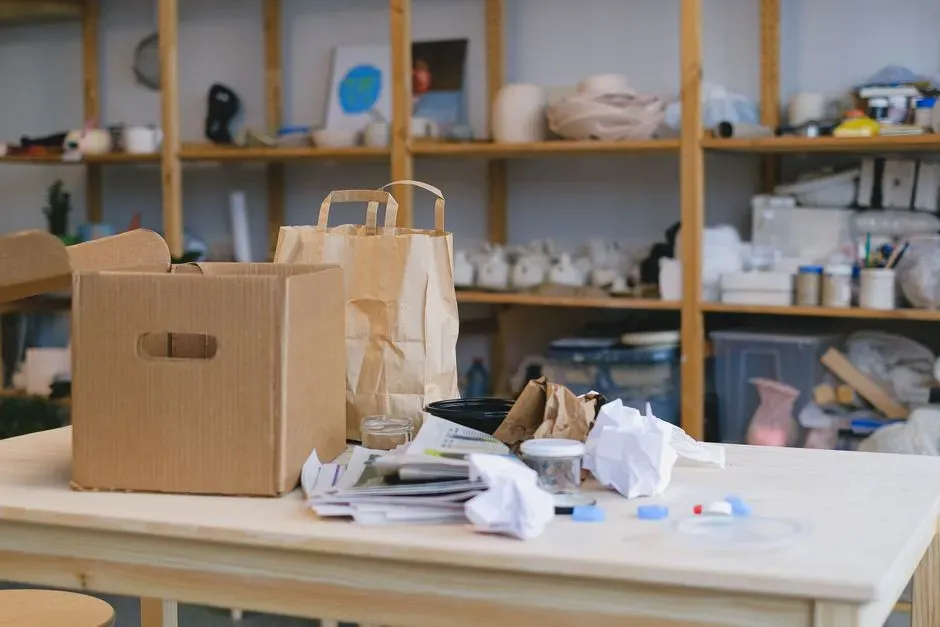
Every object in a room asks something of your attention, even when you are not consciously looking at it. Research on visual clutter shows that a crowded environment forces the brain into a constant, low grade sorting task, which drains mental energy over time. Existing in a cluttered environment taxes our brains because the cluttering objects compete for our attention, according to a clinical psychologist affiliated with the Cleveland Clinic.
That competition for attention does not just make a room feel busy. It makes the mind feel busy too, which is part of why a pared down home often reads as restful before a person even sits down. Clutter causes chaos, the brain not knowing how to prioritize attention among distractions, which makes it difficult to focus. A simple room removes that tug of war before it starts.
Clutter carries a measurable cost, not just an aesthetic one
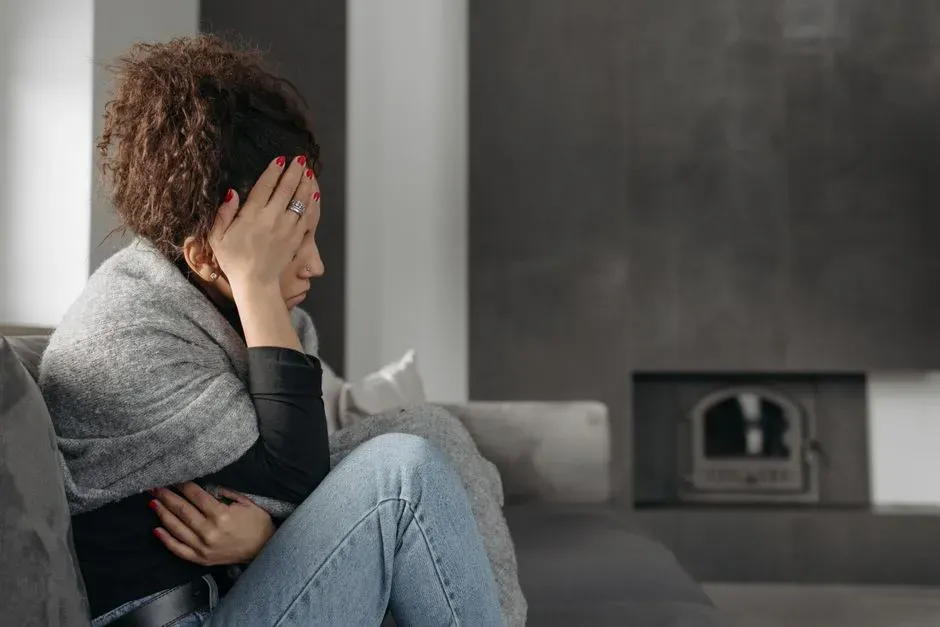
The link between mess and stress is not just a lifestyle blogger’s talking point. Research published in Personality and Social Psychology Bulletin and related investigations suggest that cluttered environments correlate with cortisol elevations ranging from 18 to 25 percent compared to organized spaces. That is a hormonal response, not a matter of taste.
A widely cited study out of UCLA looked specifically at how people describe their own homes and what that does to their bodies. Individuals who described their homes as cluttered or full of unfinished projects showed flatter cortisol slopes, a pattern associated with chronic stress and poorer health outcomes. A simpler home, in other words, is not only easier to look at. It appears to be easier to live inside, day after day.
Simplicity is not the same thing as emptiness
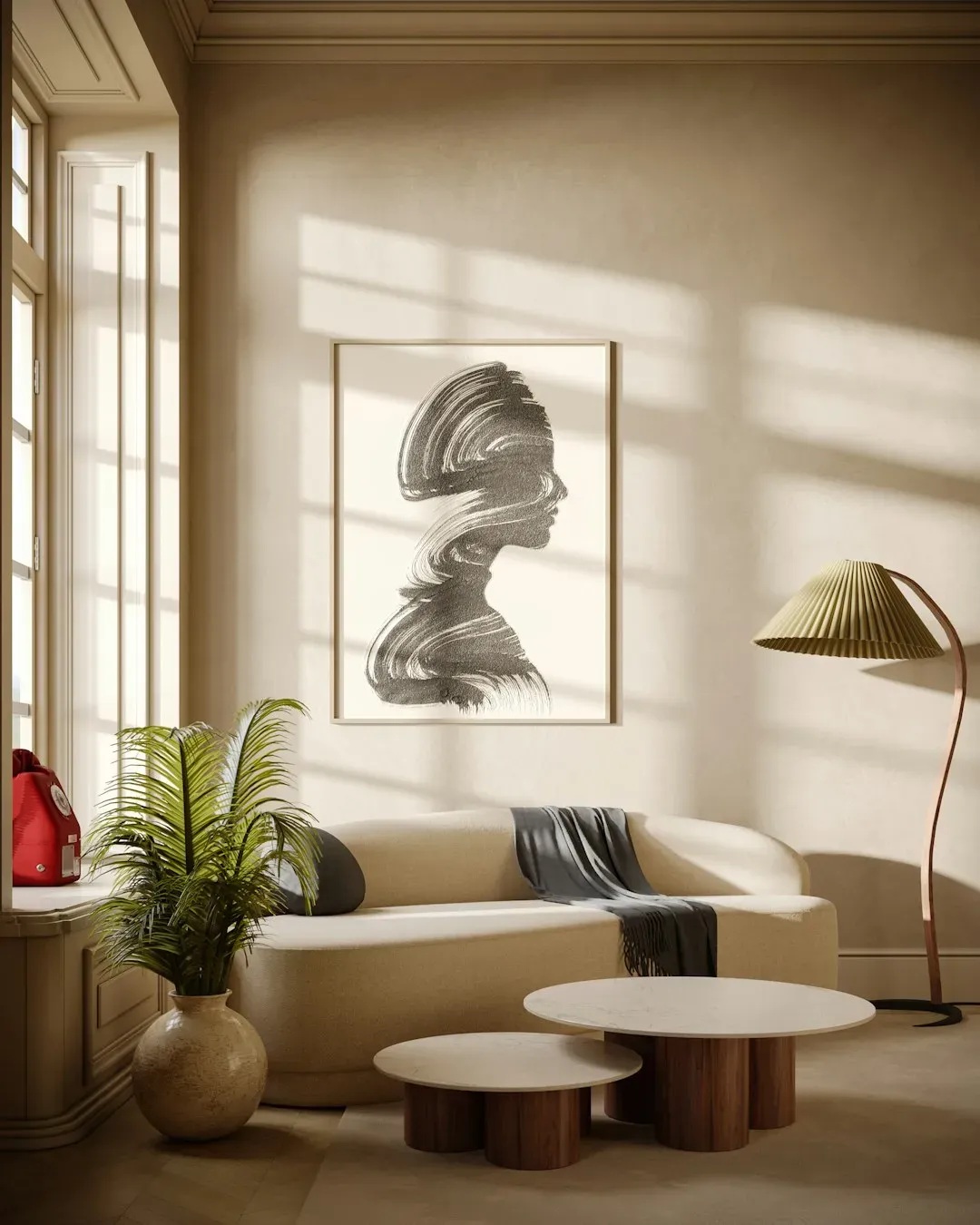
There is a common misreading of simple design, the idea that it means stripping a home down until it feels cold or unfinished. Designers have been pushing back on that version of minimalism for a while now, and with good reason. While minimalism was once lauded as a way to decrease clutter and create a sense of openness in the home, designers now say that this style can feel a bit cold and impersonal when it is taken to an extreme.
The more useful version of simplicity keeps the calm but adds warmth back in. According to The Spruce, minimalism is evolving beyond just get rid of clutter to focus on purposeful simplicity and emotional resonance. A beautiful simple home still has a few things in it. Those things are just chosen with more care.
Natural light becomes the main decoration
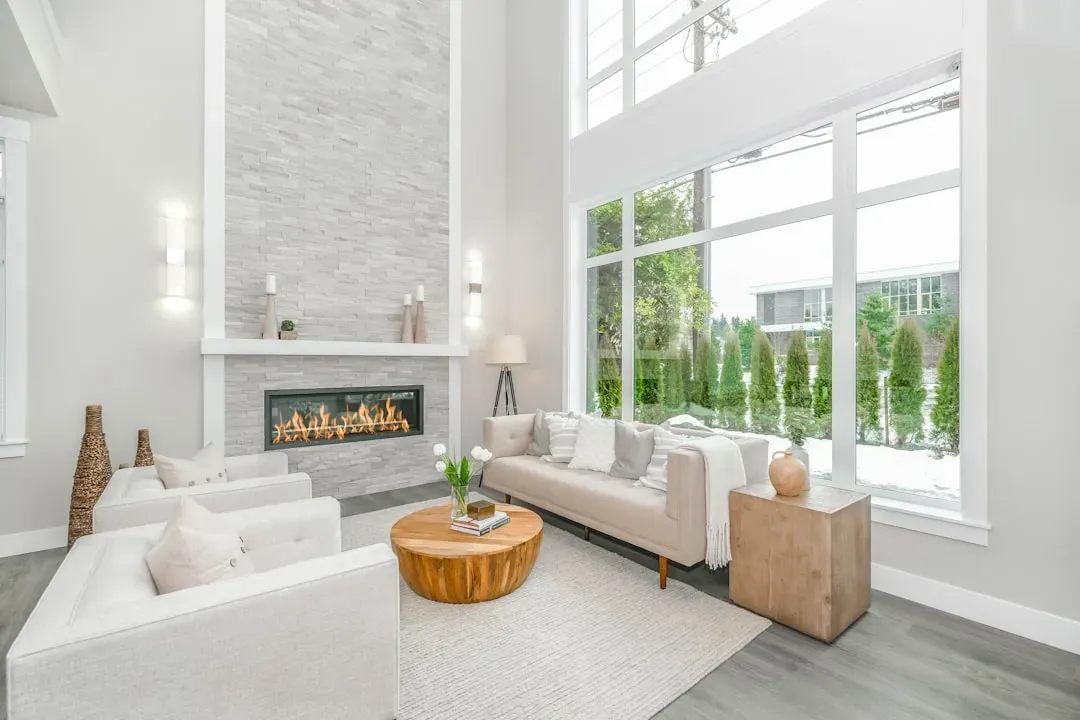
When a room is not fighting for attention with patterns, ornaments, or excess furniture, light gets to do the talking. A plain wall at midday looks entirely different than the same wall at dusk, and in a simple room that shift is visible rather than buried under visual noise. Designers working in this style often lean on large windows and unobstructed sightlines precisely because the light itself becomes the changing, living detail in the room.
Large windows or skylights that allow natural light to flood in can create a vibrant atmosphere, essential for any minimalist home, and sheer curtains can maximize the flow of light while maintaining privacy. Without a dozen other elements pulling focus, the quality of daylight becomes something you actually notice, morning to evening, season to season.
Honest materials age better than trendy finishes
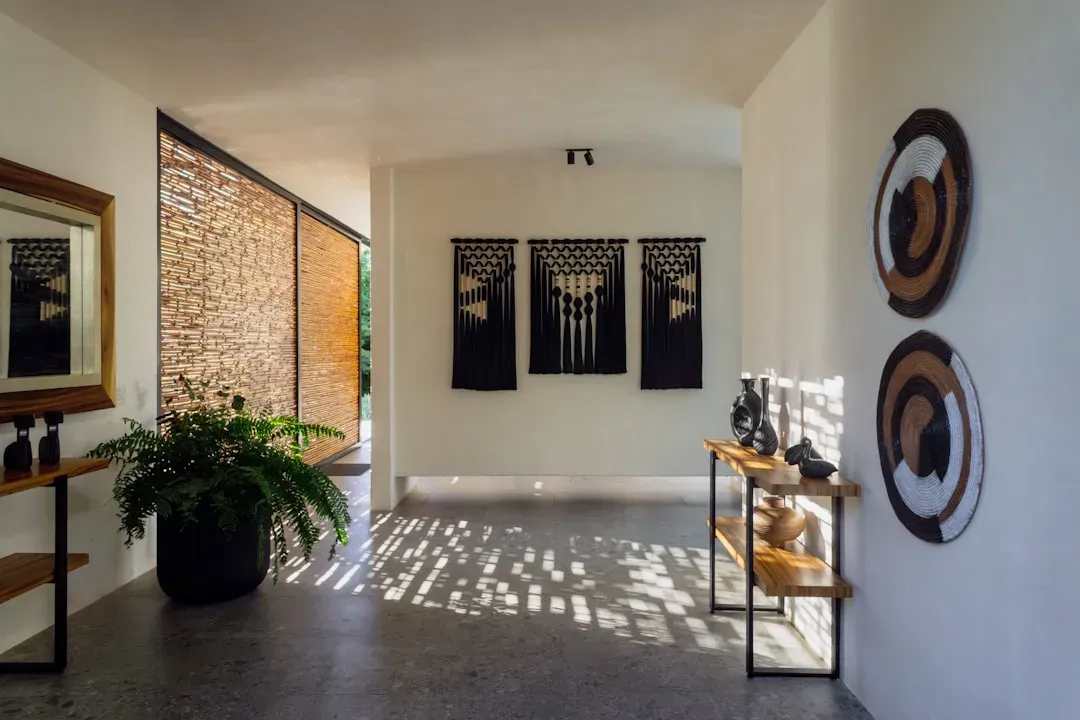
A simple home tends to lean on a small number of real materials, wood, stone, plaster, natural fiber, rather than a pile of decorative substitutes. That choice is not just visual. It is practical, since these materials hold up over decades instead of looking dated after a few years.
Sustainability and longevity are guiding interior choices, with natural, durable and eco-conscious materials replacing short-lived, disposable pieces, complemented by vintage or secondhand furniture that ages gracefully or can be repaired. A room built from a handful of good materials tends to feel calmer for the same reason a good sentence feels calmer than a run-on one. There is nothing extra fighting for space.
Fewer objects means each one gets noticed
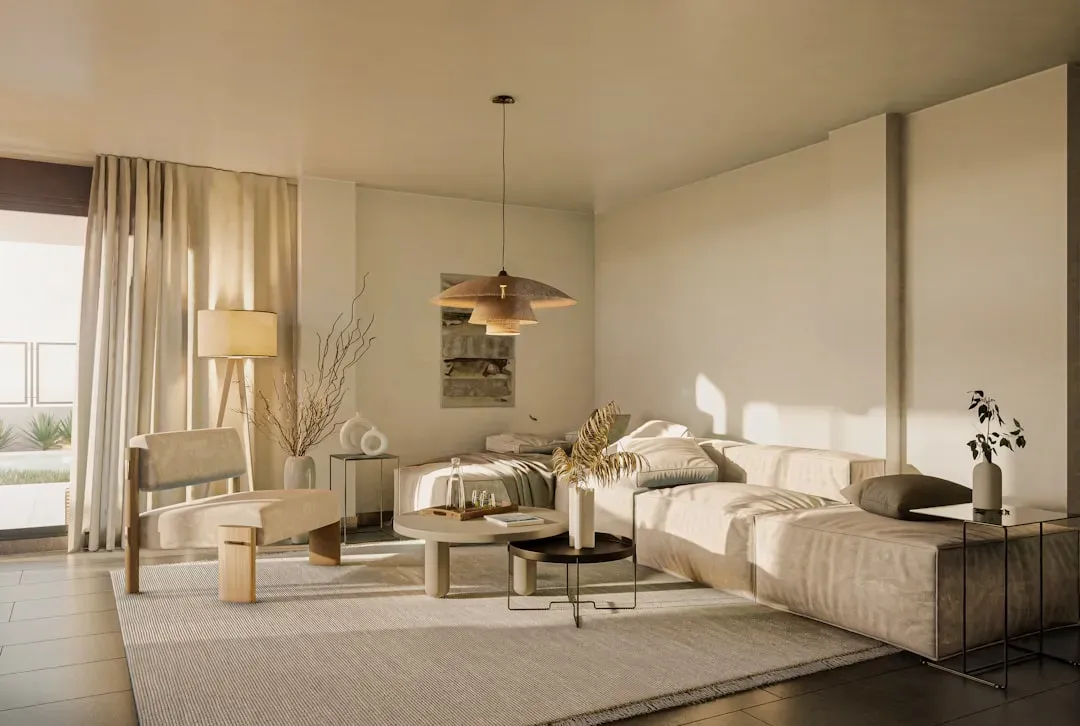
In a crowded room, a beautiful lamp or a well made chair often disappears into the general noise. Remove the competition, and that same object suddenly has room to be seen properly, which is part of why simple interiors can feel more considered rather than less decorated.
For minimalists, having fewer items generally means the ones you do have get more attention, so undoubtedly you will want them to be unique. This is less about deprivation and more about editing. A home with three good pieces of furniture can feel richer than a home with twenty mediocre ones, simply because nothing is competing for the eye.
Open space gives the mind a sense of control
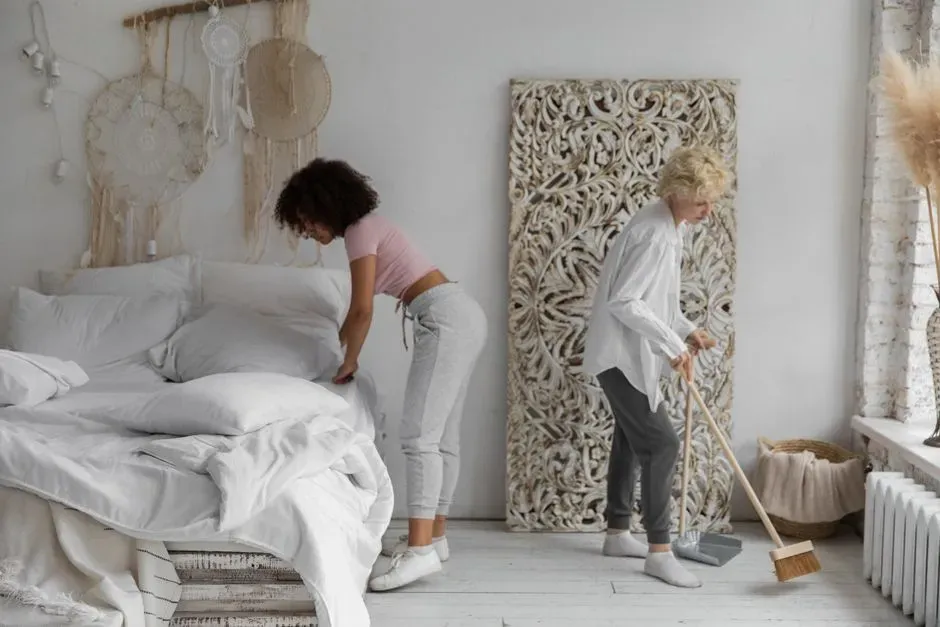
Beyond the visual calm, there is a psychological piece tied to control and order. Studies on clutter and well being repeatedly point to a link between a tidy, spacious environment and a person’s sense that their surroundings are manageable rather than overwhelming.
Tidying, sorting, storing, and organizing one’s things restores people’s sense of control over their environment, according to researcher Joseph Ferrari and co-author Catherine Roster. A simple home, almost by definition, requires less ongoing maintenance to keep that sense of order intact. There is simply less to manage, which lowers the daily friction of keeping a space feeling good.
Nature is the quiet reference point behind good simple design
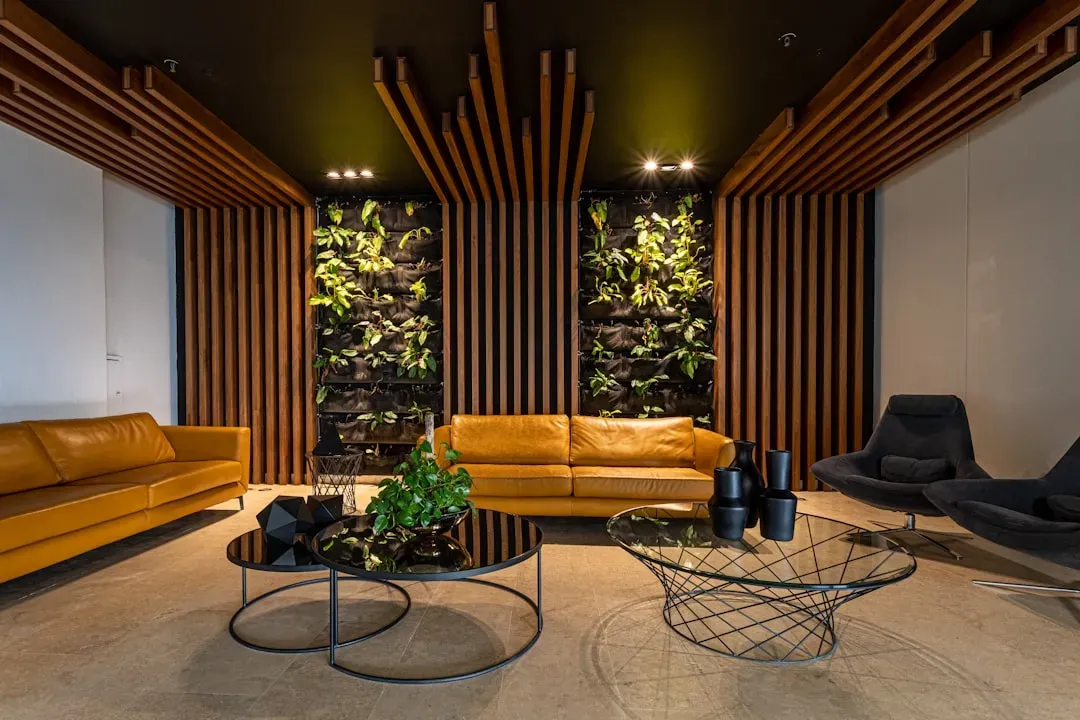
Humans did not evolve in rooms full of ornaments, and there is a reason open, uncluttered natural landscapes tend to register as calming across cultures. Evolutionary psychologists explain that people tend to find open grassy landscapes with trees and water calming, while noisy, busy, cluttered environments without greenspace register as stressful. Simple interiors borrow from that instinct, favoring open floor plans, natural materials, and greenery over dense arrangements of objects.
Biophilic design, the practice of bringing natural elements indoors, has become one of the more consistent threads running through home design over the past couple of years. Incorporating indoor plants not only purifies the air but also adds a touch of life to a space. A few plants and a clear view outside can do more for a room’s atmosphere than an entire shelf of decorative objects.
Simple rooms tend to age better in photographs and in real life
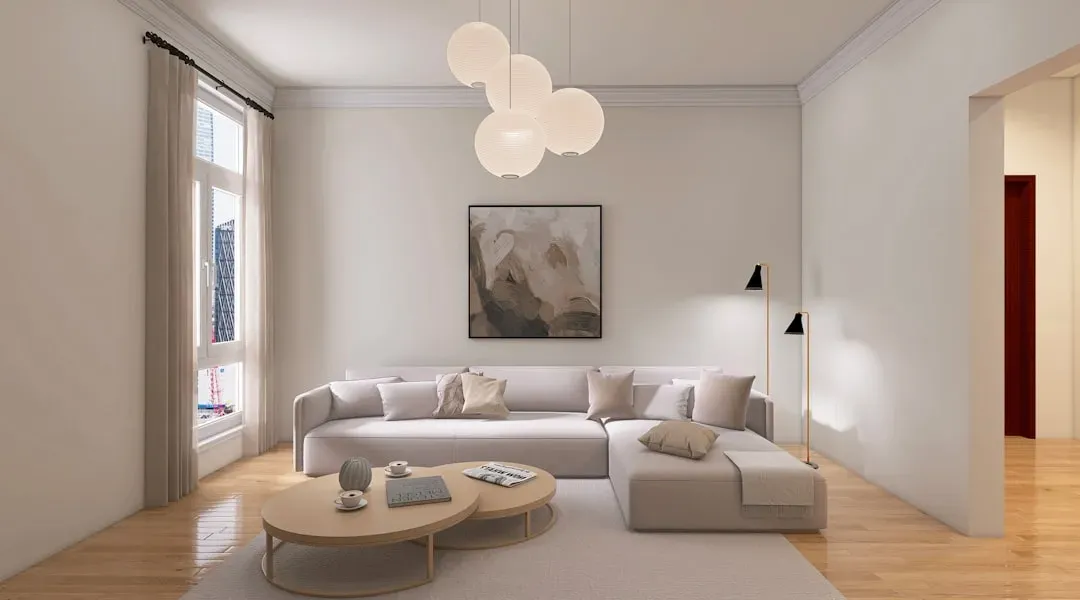
A heavily decorated room often looks distinctly of its moment a few years later, tied to a specific color palette or pattern trend that eventually feels dated. A simpler room, built around good proportions, quality materials, and light, tends to hold up visually far longer because it was never chasing a passing look in the first place.
This is part of why interior photographers and real estate stagers gravitate toward pared back rooms. They photograph cleanly because there is nothing competing with the architecture itself, the windows, the floor, the way a room actually holds space. A simple home does not need a trend cycle to still look good in five or ten years.
Warmth is returning to simplicity, not replacing it
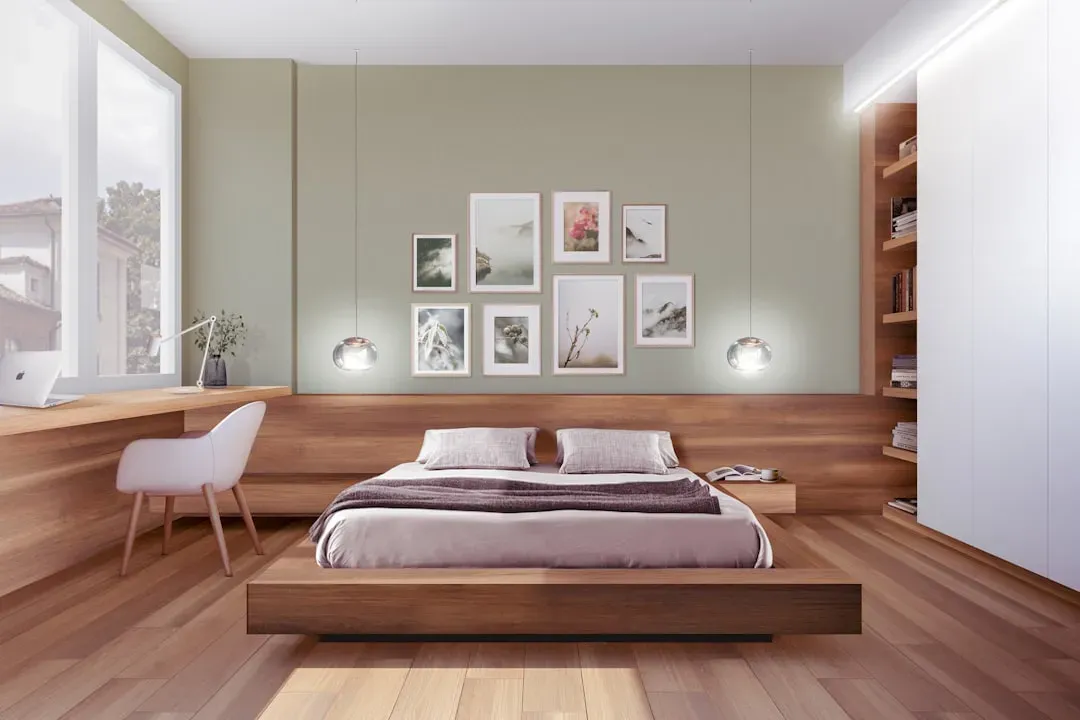
The design conversation heading into 2026 has shifted somewhat, with several designers arguing that the coldest, most stripped down version of minimalism has run its course. The all-white rental stage set look is quietly fading, with 2026 minimalist rooms leaning into coffee, mocha, mushroom, clay, and caramel rather than harsh, icy white. That is not a rejection of simplicity so much as a refinement of it.
The rooms that still feel calm but no longer feel sterile are the ones combining a light footprint of objects with warmer tones and softer textures. The new minimalist trend favors warmth, texture, and comfort, with clean lines and clear surfaces that still feel like someone genuinely lives there, not like a staged listing. The most beautiful simple homes right now are not empty. They are just carefully edited.
A quiet kind of beauty
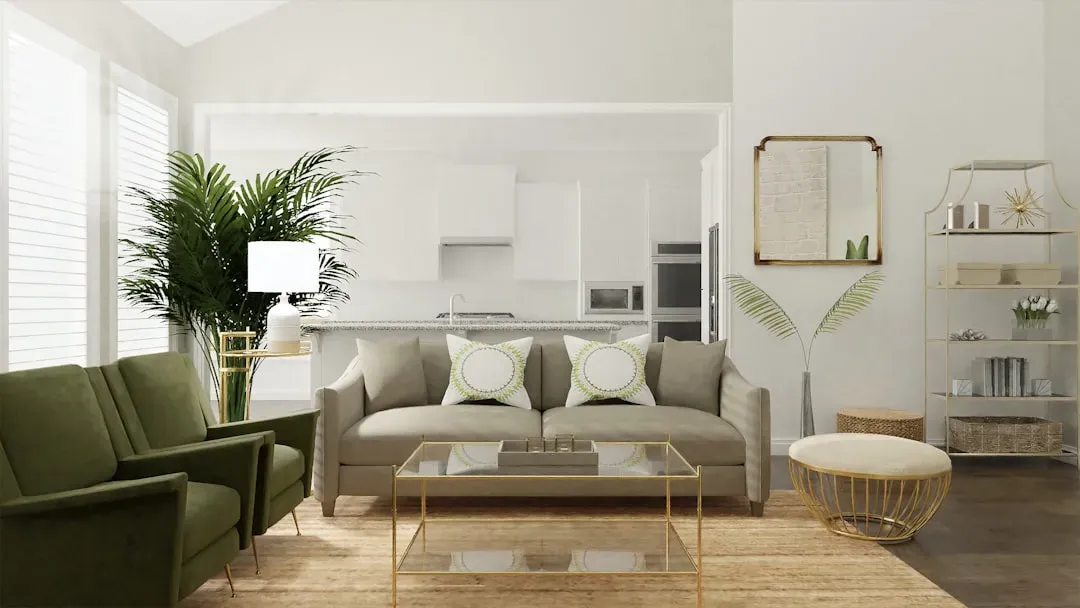
The appeal of a simple home does not come from a single trick or a rulebook about how many items are allowed on a shelf. It comes from how much easier it is for a mind and a body to settle into a room that is not asking for constant attention. Light gets to be the decoration, materials get to age honestly, and the few objects that remain get to actually matter.
None of this means every home should look the same or feel empty in the name of calm. It just means that restraint, used well, tends to hold up better than excess, both on the eye and on the nervous system. That is a fairly practical kind of beauty, the sort that keeps working long after a trend has moved on.