
There’s a particular kind of magic in a garden that never seems to rest. While many yards peak for a few weeks and then fade into green monotony, the best gardens keep offering something new, a burst of color here, a fragrant shrub there, right through spring, summer, autumn, and even the quieter months of winter. Achieving that kind of year-round interest takes planning, but it’s far from impossible once you understand which plants carry which seasons.
Across gardens in temperate climates, gardeners have refined a layered approach that blends bulbs, perennials, shrubs, and trees so that as one plant fades, another steps into the spotlight. Below is a tour through some of the most reliable and visually rewarding combinations that keep gardens looking alive no matter the month.
Spring bulbs that set the stage
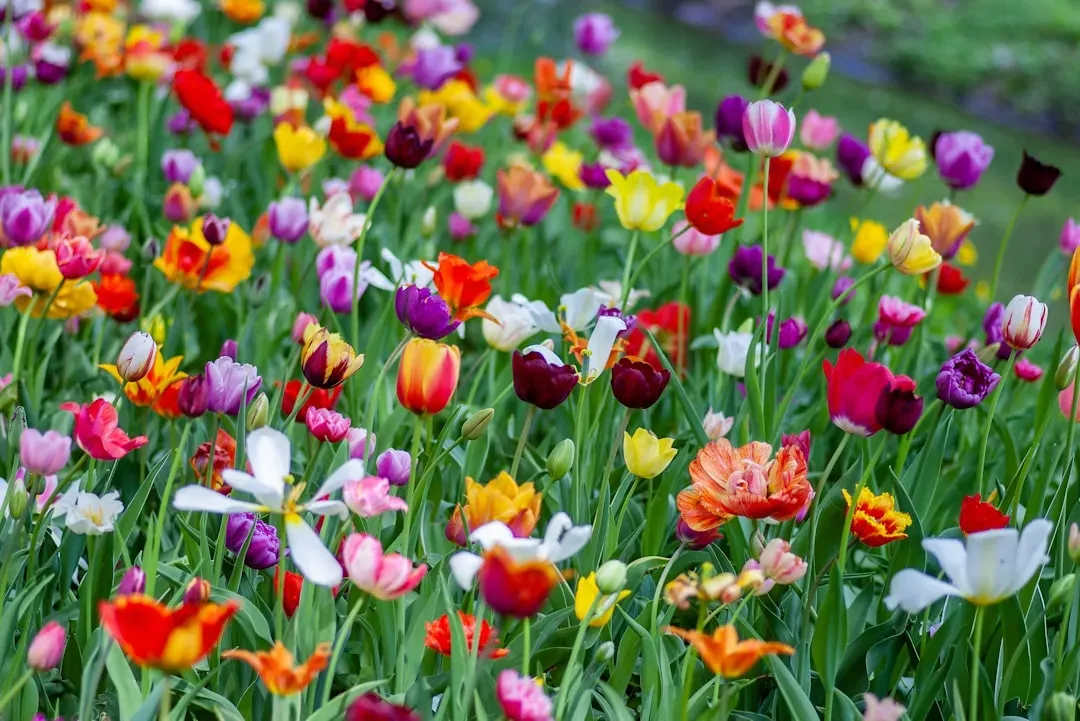
Few things announce the end of winter quite like a drift of daffodils or tulips pushing through still-cool soil. Crocuses often lead the charge, sometimes poking through late snow, followed closely by daffodils and then tulips in a succession that can stretch from late winter into late spring. Gardeners typically plant bulbs in the autumn, burying them several inches deep so they have time to establish roots before the ground freezes.
What makes spring bulbs particularly valuable is their reliability. They return year after year with minimal care, multiplying in number if left undisturbed, and they pair beautifully with early perennials like hellebores and pulmonaria that share the same shady, cool conditions. Layering bulb varieties with staggered bloom times, early, mid, and late season, extends the spring show by weeks rather than days.
Flowering trees and shrubs for early color
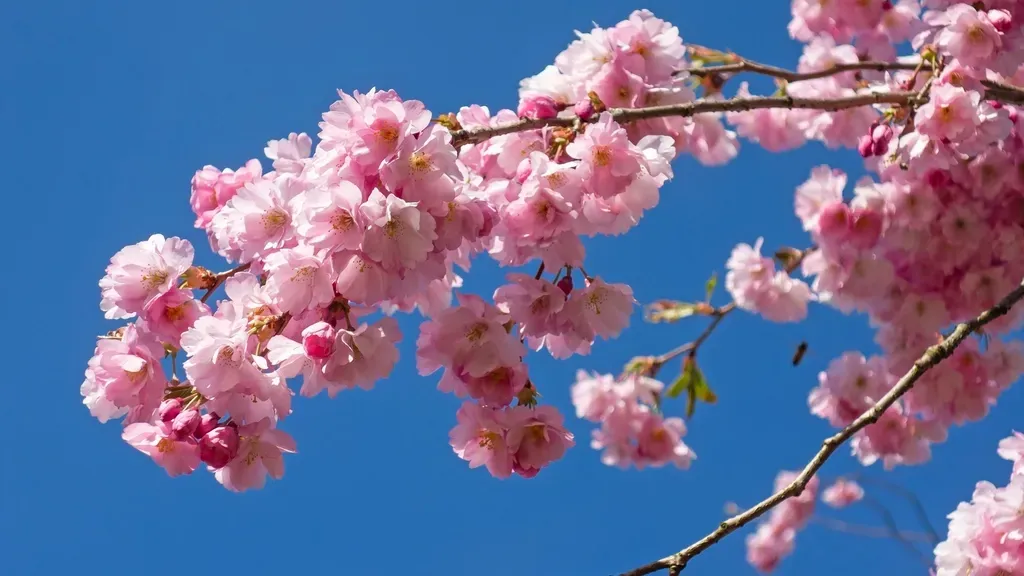
Ornamental cherry, magnolia, and crabapple trees turn early spring into something closer to a spectacle than a season. These trees often bloom before their leaves fully unfurl, so the flowers appear almost suspended against bare branches, a look that has made cherry blossom viewing a cultural event in places like Japan and increasingly popular in botanical gardens across North America and Europe.
Shrubs like forsythia and flowering quince follow a similar pattern, offering vivid yellow or coral blooms weeks before most other plants have woken up. These woody plants provide structure to a garden even in winter, then reward that structural presence with a dramatic, short-lived flush of color that resets the visual tone of the entire space.
Peonies and roses carrying late spring into summer
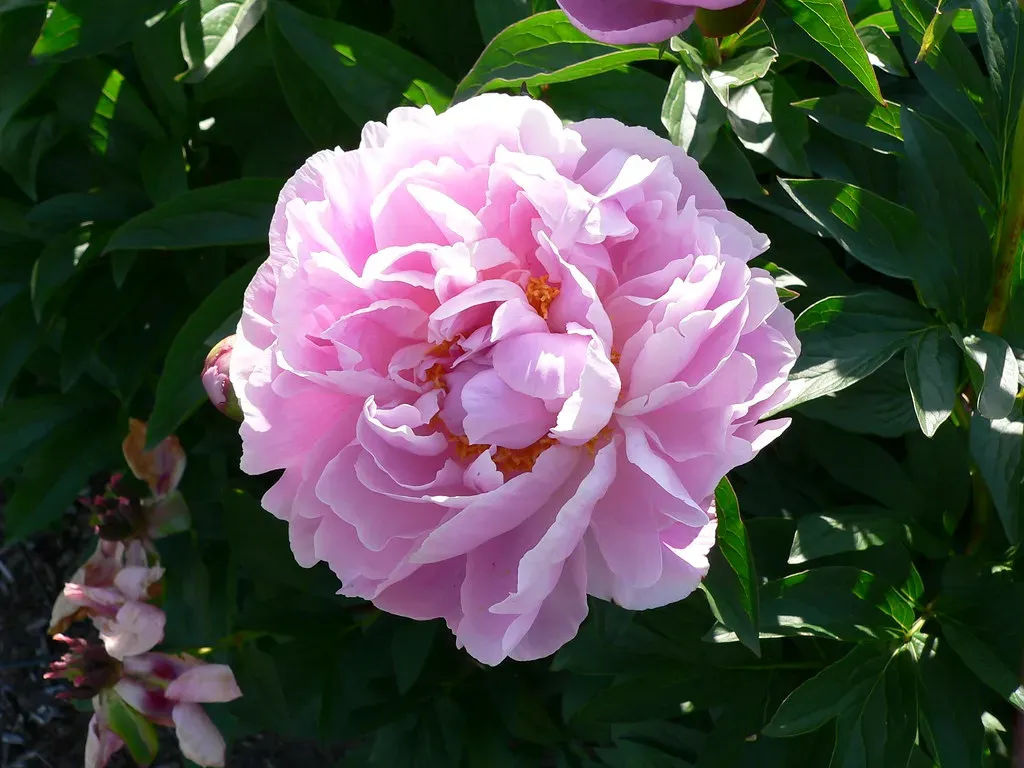
As bulbs fade, peonies often take over, producing enormous, ruffled blooms in shades of pink, white, and deep red that can last for several weeks if the plant is well established. Peonies are notably long-lived perennials, with some specimens known to thrive in the same spot for decades without needing to be divided or replanted.
Roses extend the color even further, particularly repeat-blooming varieties bred to flower continuously from late spring through the first frost. Modern shrub roses, including many disease-resistant cultivars developed over the past couple of decades, require far less spraying and maintenance than older hybrid tea varieties, making them a more practical choice for gardeners who want beauty without constant upkeep.
Perennial borders built for summer stamina
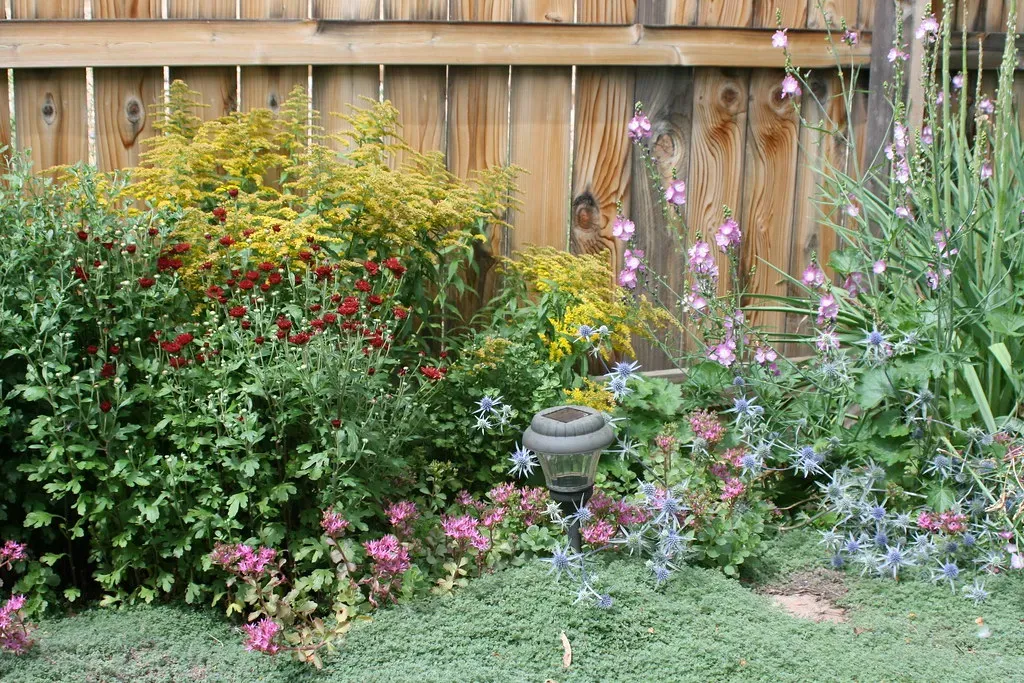
Summer is when perennial borders really earn their keep, and plants like coneflowers, daylilies, salvia, and coreopsis are dependable choices because they tolerate heat and keep producing new blooms as older ones fade. Many of these species are also drought tolerant once established, which has made them increasingly popular as gardeners adapt to hotter, drier summers in many regions.
Mixing bloom times within a summer border matters just as much as it does in spring. Early summer bloomers like catmint and lavender can be paired with mid-summer stars like black-eyed Susan and later performers like sedum, so the border shifts in character every few weeks rather than looking static from June through August.
Hydrangeas and the drama of midsummer
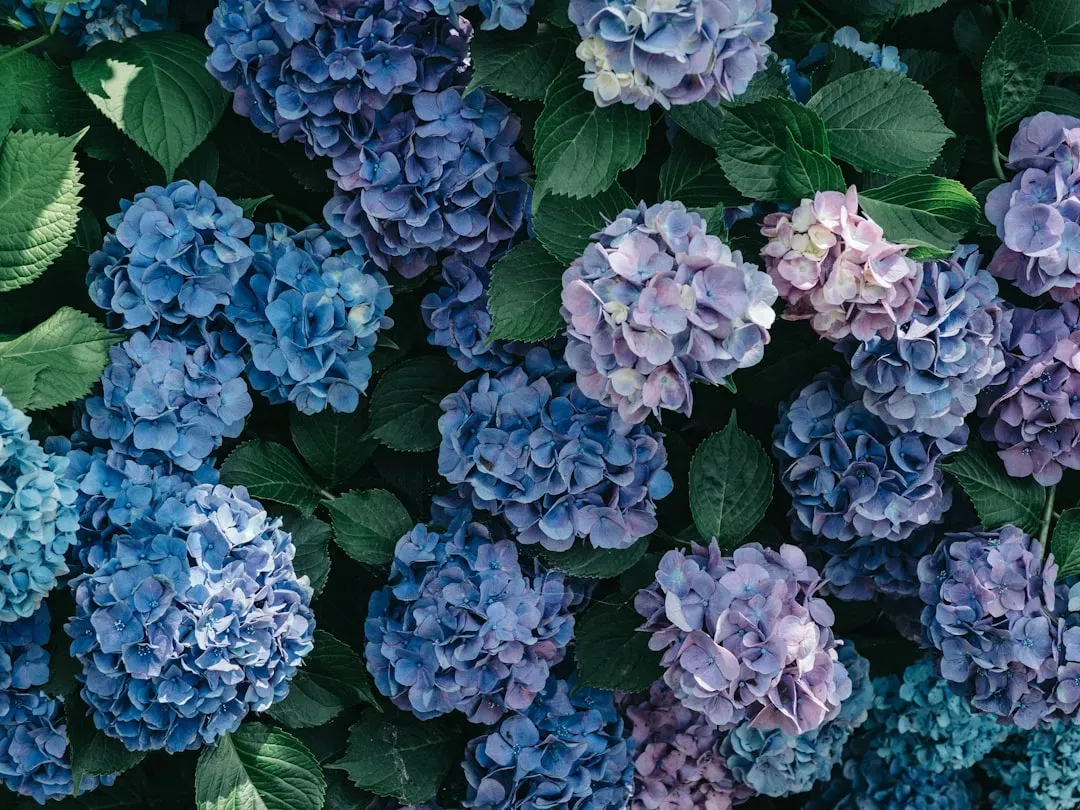
Hydrangeas occupy a particular niche in the garden calendar, filling the gap between early perennials and the true late-summer bloomers. Their large, rounded flower clusters can shift color depending on soil pH in certain varieties, with more acidic soil often producing bluer blooms and more alkaline soil pushing toward pink, a chemical quirk that has fascinated gardeners for generations.
Beyond color, hydrangeas offer volume and texture that few other summer shrubs can match. Panicle hydrangeas in particular are valued for their tolerance of full sun and their tendency to hold their blooms well into autumn, slowly fading from white or pink to a papery tan that still looks intentional rather than tired.
Late summer into autumn with ornamental grasses and asters
As many summer flowers begin to wind down, ornamental grasses start their real performance, catching low autumn light and swaying with a movement that flowers alone can’t provide. Species like miscanthus and switchgrass add height and texture, and their seed heads often persist into winter, providing food for birds and visual interest even after frost.
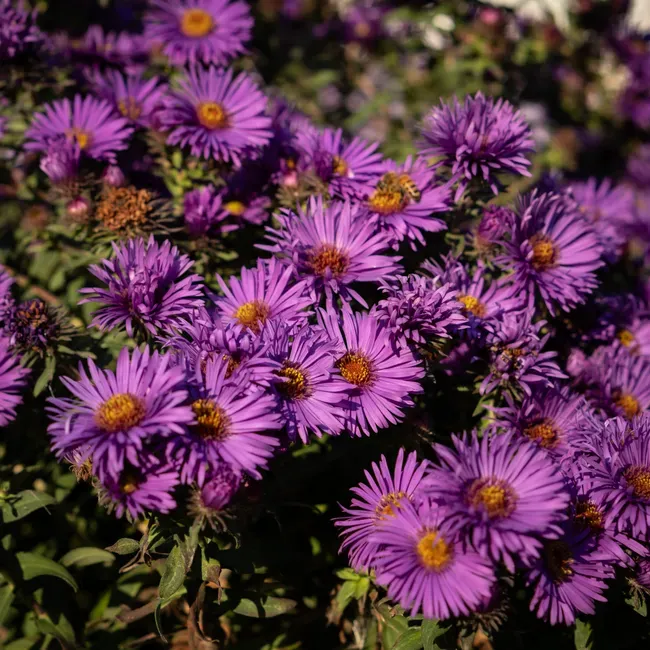
Asters and chrysanthemums step in as some of the last true flowering plants of the season, often blooming into October or even November depending on climate. Their timing makes them essential for gardeners who want color right up until the first hard freeze, and many varieties come in deep purples and rust tones that echo the broader palette of the season.
Foliage color as the garden’s autumn finale
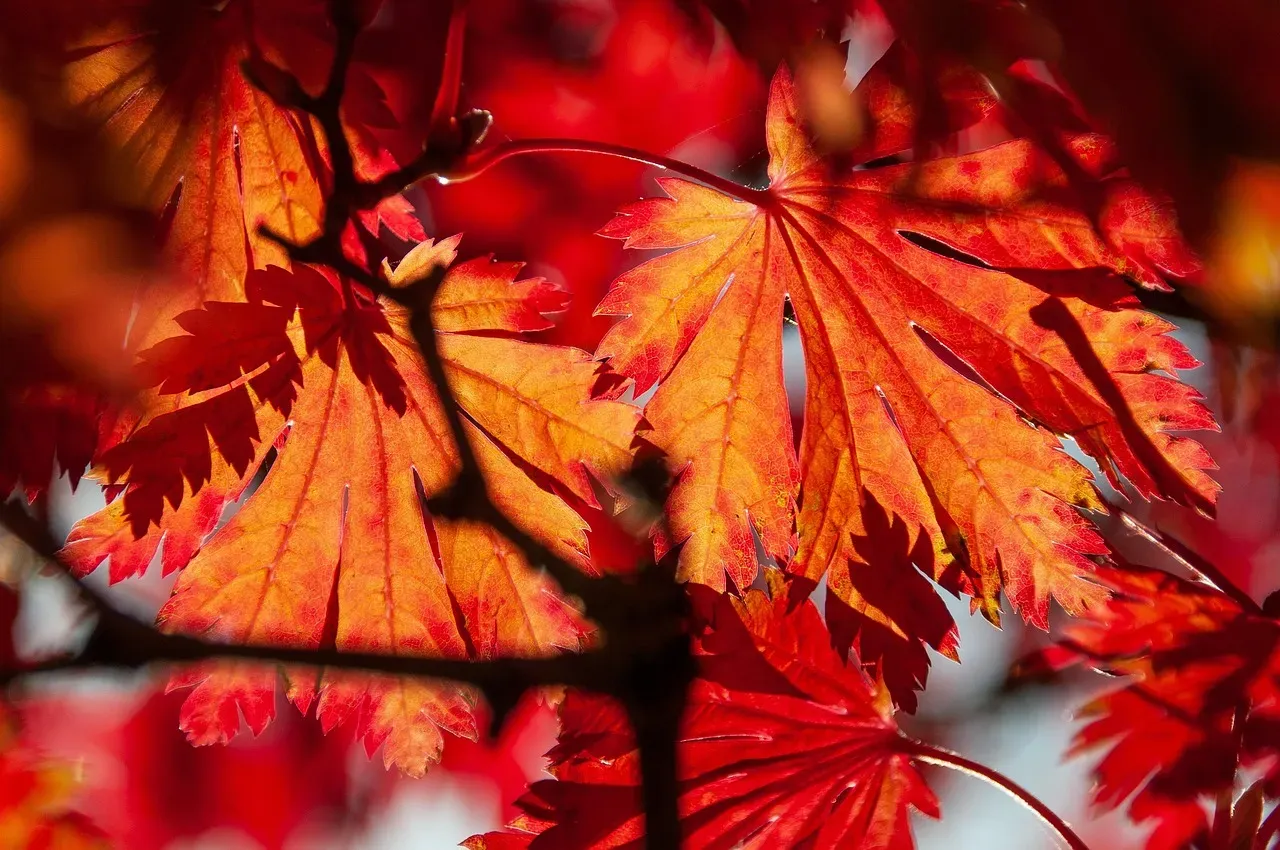
Not all seasonal interest comes from flowers, and autumn foliage proves that point better than any other time of year. Trees and shrubs like Japanese maple, burning bush, and certain viburnums shift into vivid reds, oranges, and golds as chlorophyll breaks down and other pigments become visible, a process driven largely by shortening daylight and cooling temperatures.
Gardeners who plan for foliage color often place these plants where they’ll catch afternoon sun, which intensifies the visual effect considerably. This kind of planning turns autumn into less of an afterthought and more of a genuine second peak season, one that many visitors to public gardens now specifically travel to see each year.
Evergreens and berries that hold winter structure
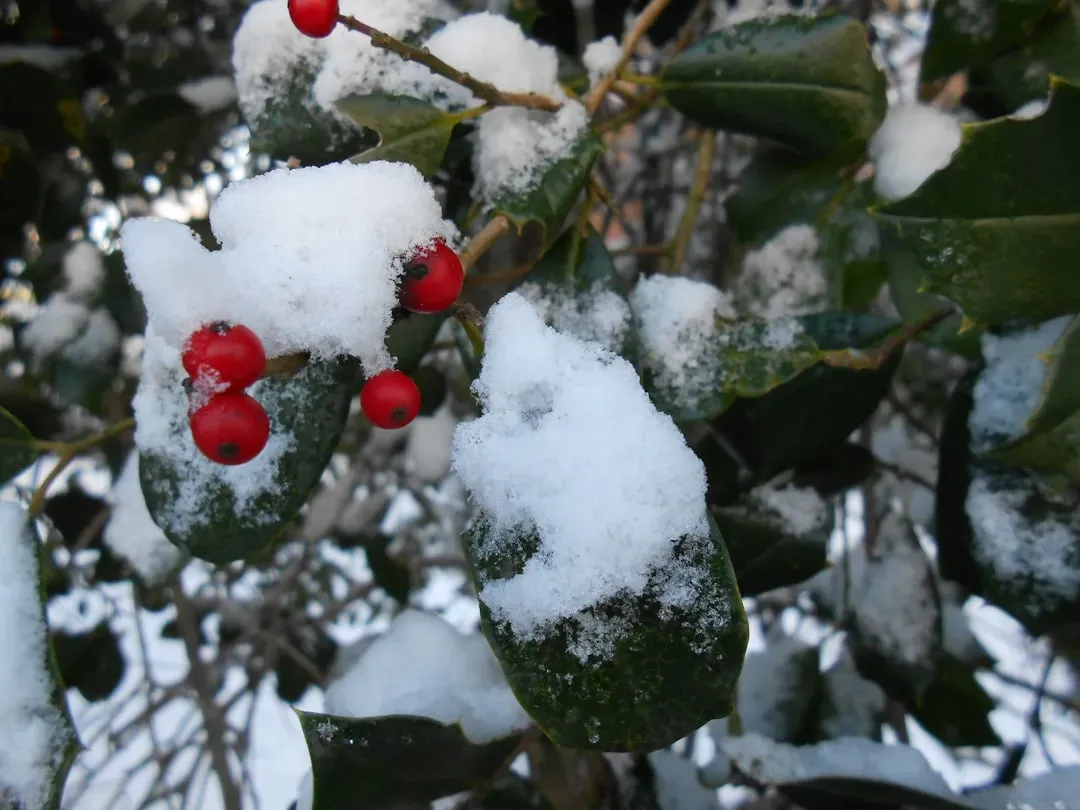
Winter gardens rely heavily on evergreens, hollies, boxwood, and conifers, to maintain shape and color when nearly everything else has gone dormant. These plants provide what garden designers often call the bones of a garden, the structural framework that keeps a space looking composed even in the leanest months.
Berries add a welcome pop against that green and brown backdrop. Holly, winterberry, and certain viburnum varieties hold their red or orange fruit well into winter, offering both visual interest and a food source for birds during a season when other resources are scarce.
Winter bloomers that defy the cold
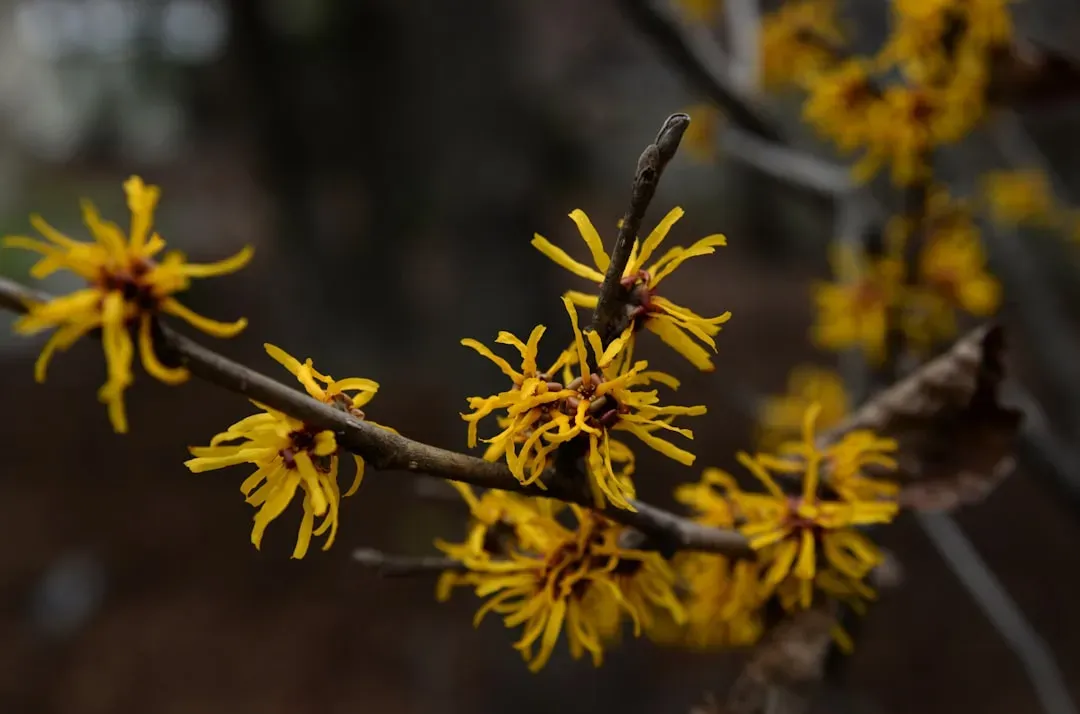
A surprising number of plants actually flower in winter, and gardeners who include them are rewarded with color during a season most people assume is entirely dormant. Witch hazel is a standout example, producing spidery, fragrant yellow or orange blooms in late winter, sometimes even while snow is still on the ground.
Snowdrops and winter jasmine follow a similar logic, blooming earlier than almost anything else and often catching gardeners off guard with their timing. These plants tend to be modest in size compared to summer’s showier blooms, but their presence during the coldest stretch of the year gives them an outsized emotional impact.
Designing for continuous bloom across the year
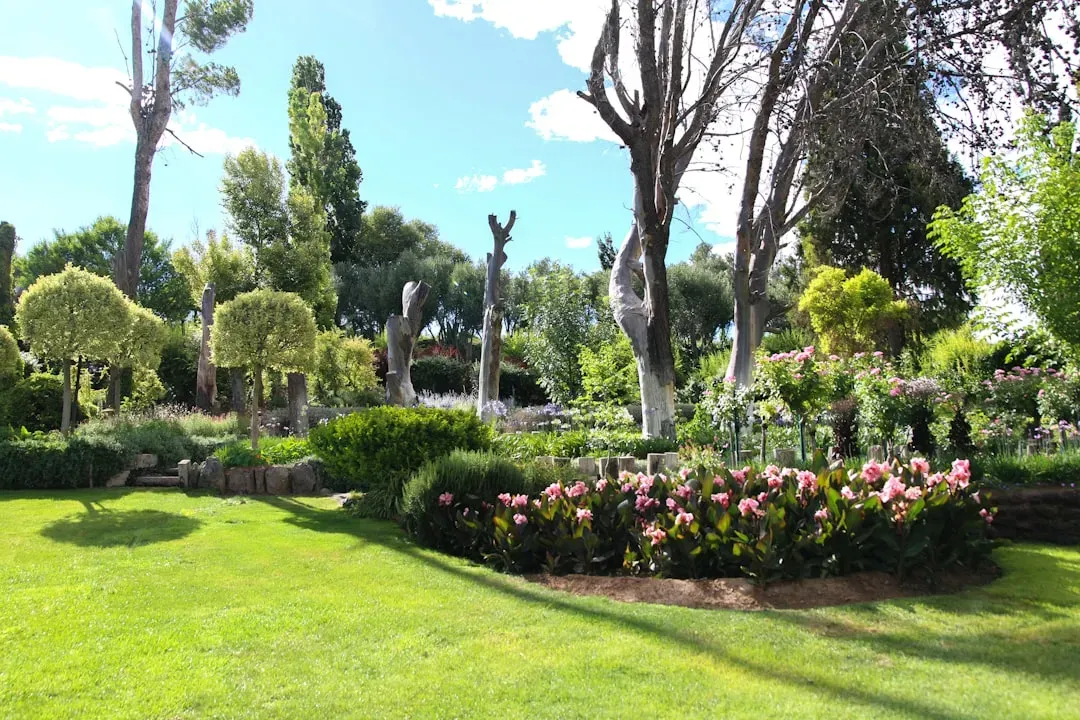
The gardens that succeed at year-round interest almost always share one trait, deliberate layering of bloom times so that something is always either emerging, peaking, or fading. This often means mapping out a garden’s plants by month on paper before ever putting a shovel in the ground, a step many experienced designers consider essential rather than optional.
Climate has become an increasingly important factor in these plans as well, with gardeners in many regions adjusting bloom-time expectations to account for warmer winters and earlier springs observed over the past several years. Paying attention to local conditions, rather than relying solely on generic planting calendars, has become the more reliable approach for keeping a garden genuinely beautiful in every season.