
There is a moment most people recognize: walking into a room that has gotten away from you, a stack of dishes, mail piling up, laundry waiting on a chair. It rarely feels like a big deal in the moment. Yet something in the body seems to notice before the mind catches up, a low hum of unease that has nothing to do with the actual mess and everything to do with what it represents.
That connection between physical space and inner state is not just a feeling people talk themselves into. Researchers have spent years studying how the condition of our homes shapes mood, stress hormones, and even how we sleep. The findings suggest that tidying up is rarely just about appearances.
The Hidden Link Between Clutter and Cortisol

One of the most cited pieces of research on this topic came out of UCLA more than a decade ago, and it still shapes how psychologists talk about home and stress today. Middle-class Americans whose home tours included more clutter-related words showed less healthy cortisol patterns and greater depressed mood. Cortisol is the hormone most closely tied to the body’s stress response, and unhealthy patterns of it over time are linked to poorer health outcomes.
More recent work has confirmed the pattern rather than overturned it. A 2025 study in the Journal of Environmental Psychology found that people who considered their homes more cluttered had lower levels of well-being and life satisfaction, as well as higher levels of negative feelings. Clutter, it turns out, does not just sit quietly in the corner of a room. It seems to sit in the background of the mind as well.
Why Women Often Feel the Weight More

Interestingly, the stress that clutter creates does not land evenly across a household. There are sex differences in the effects of clutter on well-being, with women finding a cluttered home more stressful than men do, on average, and this leads to detrimental daily patterns of the stress hormone cortisol. That finding traces back to the original UCLA research on dual-income households.
Part of the explanation may have less to do with tidiness itself and more to do with who ends up managing the household. One hypothesis is that women are overwhelmed with clutter because they carry the cognitive load of ultimately figuring it all out, since in most American homes women carry the bulk of what is called mental load. Seen that way, a cluttered kitchen counter is not just visual noise, it is a running list of unfinished decisions.
A Clear Space Can Mean a Clearer Mind
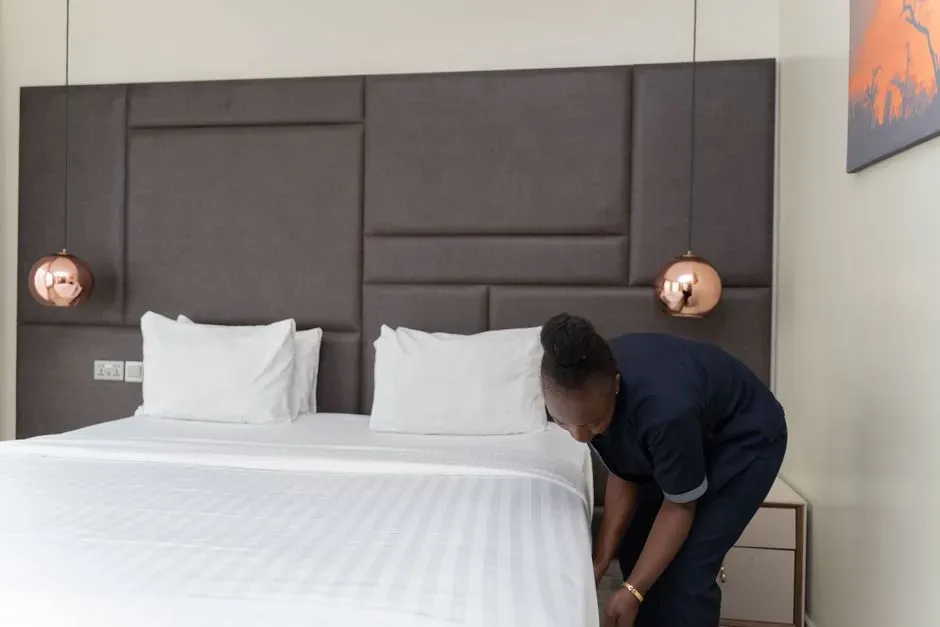
There is a reason people often say they think better after cleaning. Clinical psychologists have pointed out that visual clutter competes for our limited attention, forcing the brain to work harder just to filter out what does not matter in the moment. That constant low-level filtering adds up over the course of a day, even if we never consciously register it as effort.
This is not about achieving a spotless, magazine-ready home. It is closer to giving the brain fewer things to process so it has more room left for the things that actually matter, like work, relationships, or simply resting. A home that requires less mental sorting tends to feel calmer to be in, and that calm is not imaginary.
Home Care as an Act of Self-Respect
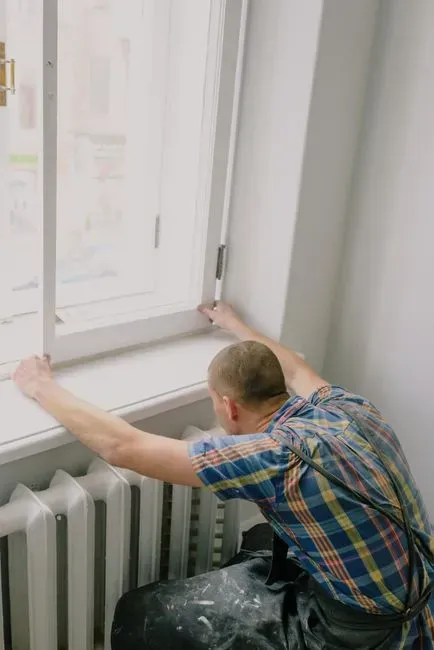
Fixing a leaky faucet, replacing a burned-out lightbulb, or finally hanging that picture frame that has leaned against the wall for months might seem like small, forgettable tasks. Yet each one carries a quiet message to yourself, that your environment and your comfort in it are worth the effort. Over time, these small acts of upkeep tend to shape how capable and cared for a person feels, independent of anyone else’s opinion.
Letting things slide, on the other hand, often compounds. One unfixed thing becomes easier to ignore, and then a second, and eventually the home starts to feel like it is managing you instead of the other way around. Reversing that pattern does not require a dramatic overhaul, usually just consistent, unglamorous attention.
The Physical Health Side of a Well-Kept Home

Home care is not only about mental state. Dust, mold, and poor air circulation are well-documented contributors to respiratory issues, allergies, and general fatigue, and a home that is regularly cleaned and maintained reduces exposure to all three. Simple habits like changing air filters, wiping down surfaces, and keeping moisture-prone areas like bathrooms dry can meaningfully lower the presence of allergens and irritants indoors.
Housing conditions more broadly have also drawn growing attention from public health researchers, who continue to study how factors like air quality, noise, and the physical state of a home relate to long-term health. While much of this research focuses on structural and environmental exposures rather than everyday tidiness, the underlying idea holds: housing conditions are among the environmental and sociodemographic factors researchers consider when studying mental health outcomes. A home that supports physical health tends to support mental health alongside it.
Sleep Quality Starts Closer to Home Than You Think

The bedroom often gets treated as an afterthought in home care, tucked away and out of sight from guests, which is exactly why it tends to accumulate clutter unnoticed. Yet the state of that room has an outsized effect on how well a person actually rests. A cluttered, visually busy bedroom can make it harder to wind down, since the brain keeps registering unfinished tasks even while trying to fall asleep.
Sleep researchers have long pointed to environmental cues, like light, temperature, and visual order, as part of what signals to the brain that it is safe to relax. Keeping a bedroom simple and reasonably tidy is less about aesthetics and more about removing friction between the body and rest. It is one of the more overlooked forms of self-care that happens to require almost no special equipment or expense.
Small Repairs Prevent Bigger Stress Later

There is a particular kind of dread that builds around home problems left unaddressed, a running mental note of things that need attention someday. A small water stain on the ceiling, a wobbly cabinet hinge, a window that will not quite close, none of these feel urgent individually. Left alone long enough, though, they tend to either worsen or simply become a permanent source of low-grade irritation every time they are noticed.
Addressing small issues as they arise tends to be both cheaper and less mentally taxing than waiting. It also reduces what psychologists sometimes describe as an ongoing sense of unfinished business, a background awareness that something in your environment needs your attention. Closing that mental loop, even for something as minor as a squeaky door, tends to bring a small but real sense of relief.
Building Routines Instead of Relying on Motivation

One of the more practical lessons from research on clutter and stress is that waiting for motivation to strike rarely works. The relationship between chronic low-grade stress and anxiety can operate as a feedback loop, where elevated stress reduces motivation to organize and clean, which maintains the clutter, which sustains the stress. Breaking that cycle usually means building small, repeatable routines rather than waiting for a burst of energy that may not come.
This can be as simple as a five-minute reset before bed, a Sunday routine for laundry, or a habit of clearing counters at the end of each day. None of these require a complete personality overhaul. They work because they lower the threshold for keeping a home in order, turning it into a series of small, manageable actions instead of one overwhelming project.
Shared Homes Require Shared Effort

In households with multiple people, whether that means a partner, roommates, or children, home care becomes a shared responsibility whether it is formally discussed or not. Uneven distribution of that work tends to breed quiet resentment over time, even when no one intends for that to happen. Conversations about who handles what are rarely comfortable, but they tend to matter more for long-term household peace than most people expect.
Children, too, absorb more from a household’s habits than adults often realize. Growing up in a home where basic order and care are visible and shared tends to shape their own sense of what a functioning living space looks like later on. In that sense, home care is not just self-care in the moment, it can quietly become a pattern passed down.
Treating Home Care as an Ongoing Practice, Not a Project

Perhaps the most useful shift is moving away from the idea that a home is either fixed or a mess, with nothing in between. In reality, homes are lived in daily, which means they will never stay perfectly ordered for long. Treating home care as an ongoing practice, rather than a one-time deep clean followed by inevitable backsliding, tends to be far more sustainable.
This mindset also takes some of the pressure off. A home does not need to be immaculate to support well-being, it simply needs enough consistent attention that it does not become a source of stress. Approached that way, the daily, unremarkable acts of keeping a space livable start to look less like chores and more like small, steady deposits into one’s own sense of stability.
The evidence points in a fairly consistent direction. A home that receives regular, modest care tends to support a calmer, more settled state of mind, while one that is consistently neglected tends to quietly add to daily stress. None of this requires perfection or an unusual amount of time. It simply asks for attention paid regularly enough that the space works with you instead of against you.