
There’s a specific kind of relief that happens the moment you open your front door and the space inside actually feels like yours. Not chaotic, not demanding anything from you right away, just quiet and settled. That small shift in the air can decide whether the next few hours feel restorative or like an extension of the stress you were trying to leave at work.
Researchers have spent years looking at why some homes seem to soothe people the second they walk in, while others seem to keep the nervous system on edge long after the door closes. The answers touch on hormones, brain wiring, lighting, and even the words people use to describe their own living rooms.
The Science Behind a Calm Homecoming

One of the most cited pieces of research on this topic came out of UCLA, where scientists spent time in the homes of dual income families and simply listened to how people talked about their own living spaces. The way people describe their homes may reflect whether their time at home feels restorative or stressful, and researchers used linguistic analysis software to study self-guided home tours by tracking words describing clutter, a sense of the home as unfinished, restful words, and nature words. It sounds almost too simple, yet the pattern that emerged was consistent and measurable.
Over the following weekdays, wives with higher stressful home scores had flatter diurnal slopes of cortisol, a profile associated with adverse health outcomes, while women with higher restorative home scores had steeper, healthier cortisol slopes. In plain terms, the way a body regulates its stress hormone throughout the day is genuinely linked to whether home feels calm or chaotic. That is not a minor detail. It is a physiological signal that the environment we return to at the end of the day is doing something real inside us.
Why Clutter Keeps the Brain on High Alert
Clutter does not just sit there looking messy. Order helps reduce the competition for our attention and reduces mental load, while distractable environments can overload our cognitive capabilities and memory. Every pile of mail, stray shoe, or unfinished project becomes a small visual task the brain quietly tries to process, even when you are not consciously thinking about it.
This is not limited to any one demographic either, though the effects show up unevenly. Clutter, disorder, and mess can affect more than just cognitive resources, influencing eating, productivity, mental health, parenting decisions, and even willingness to donate money. A 2021 study referenced by health researchers found that excessive clutter can make it harder to focus or unwind once the day is technically over, which is exactly the window when most people are hoping to relax.
The Entryway Sets the Tone for Everything After
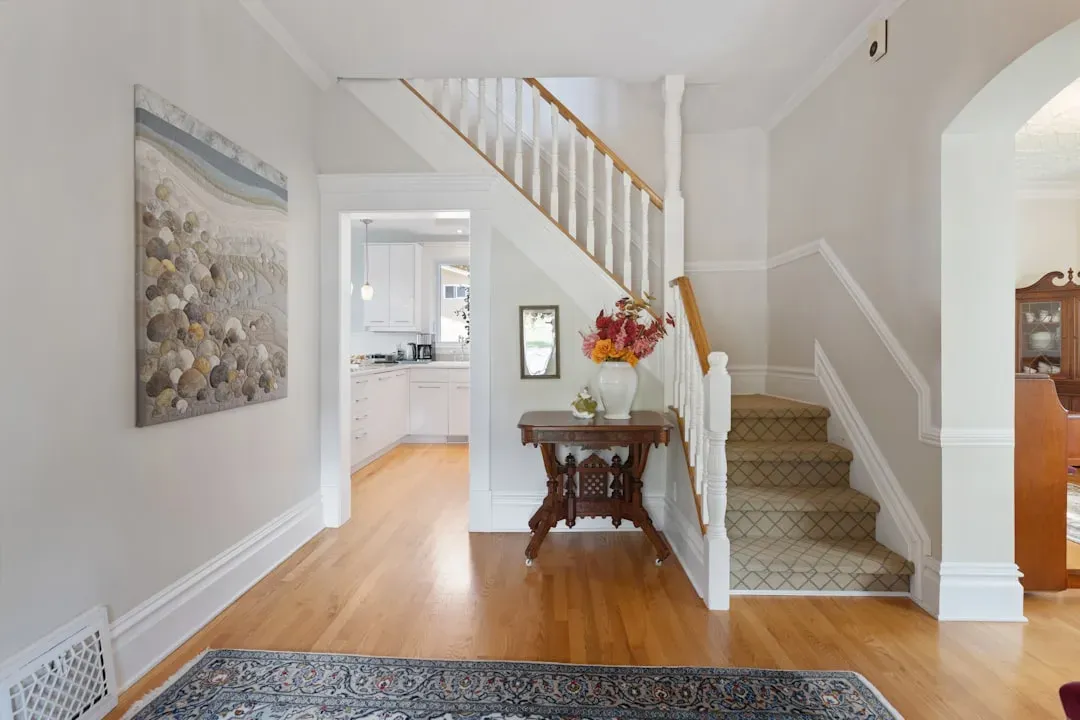
First impressions apply to homes just as much as they apply to people. The moment you step through the door, your brain is already scanning the space for cues about whether this is a place to relax or a place with more work waiting. That is part of why organizing experts consistently point to one specific starting point for anyone trying to build a calmer home.
Consider starting with your home’s entryway. A cleared hallway, a spot for keys, and a place to drop shoes without creating a pile sound almost too basic to matter, yet they remove the very first stress signal a tired mind would otherwise register. It is a small design choice that pays off disproportionately, mostly because it happens before anything else does.
Light, Color, and the Mood They Create

Color is rarely just decoration. Colors have a significant impact on mood, with warm tones like beige and soft yellow creating a feeling of comfort, while cool tones like blue and green are associated with relaxation. These are not arbitrary associations either, since environmental psychologists have studied color response patterns for decades.
Light matters just as much as color choice. Exposure to natural light and well-ventilated spaces can improve mood and increase productivity, according to the American Psychological Association. Coming home to a dim, stuffy room sends a very different signal to the body than coming home to a space with soft, warm lighting and some fresh air moving through it.
A Short Reset Ritual Before You Walk In

Some of the calmest homecomings are not about the space itself but about the few minutes right before entering it. Sitting in the car for a moment, taking a slow breath, or mentally setting aside the workday before opening the door can change how the brain interprets everything that follows. It is a small transition ritual, but transitions matter more than people usually give them credit for.
The same logic applies once inside. Practicing mindfulness while cleaning, such as taking time to smell the soap and feel the water while washing dishes, has been linked to a reported reduction in nervousness of just over one in four, along with a notable improvement in mental clarity. A few minutes of slow, intentional movement in the kitchen can quietly reset the nervous system before the rest of the evening even begins.
Sound and the Nervous System’s Off Switch
Noise is one of the most overlooked stressors in daily life, partly because people adapt to it without noticing. A 2025 study in Frontiers in Public Health found that higher ward noise exposure was associated with increased anxiety among hospitalized patients, and for individuals already under strain, acoustic overload compounds psychological burden. Homes are obviously not hospitals, but the underlying mechanism, constant sound keeping the stress response switched on, applies just as directly to a noisy apartment or a television left running out of habit.
Silence, or at least controlled, gentle sound, gives the nervous system permission to stand down. Different breath awareness and regulation techniques have been shown to reduce symptoms of stress, depression, and post traumatic stress. Even without formal breathing exercises, simply lowering the ambient noise in a home, closing a window, turning off a device, tends to have an immediate and noticeable calming effect.
Air Quality You Can’t See but Definitely Feel
Air quality rarely gets mentioned in conversations about calm homes, yet the evidence connecting the two is substantial. A 2022 literature review found that the vast majority of studies on outdoor air pollution and mental health showed that exposure to polluted air changes the brain, and roughly three-quarters of those studies reported more symptoms and behaviors associated with mental health challenges among people exposed to above average pollution levels. That is not a small correlation to overlook.
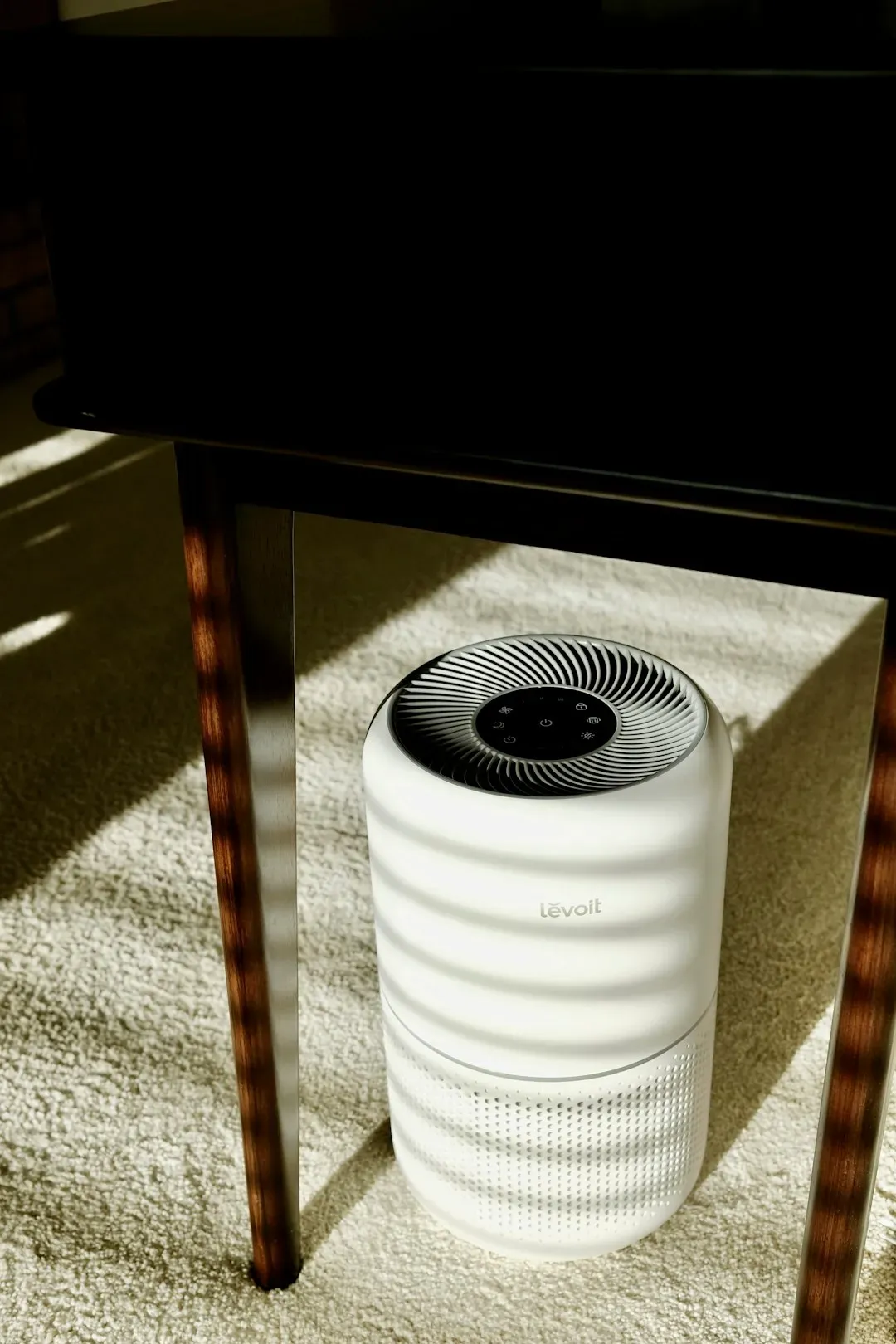
Simple adjustments can make a measurable difference here too. Checking local air quality, opening windows when conditions allow, and using an air purifier are practical steps recommended for improving indoor air quality. None of this requires a renovation. It just requires paying attention to something most people never think about until it is already affecting how they feel.
Small Rituals That Signal Safety to Your Brain
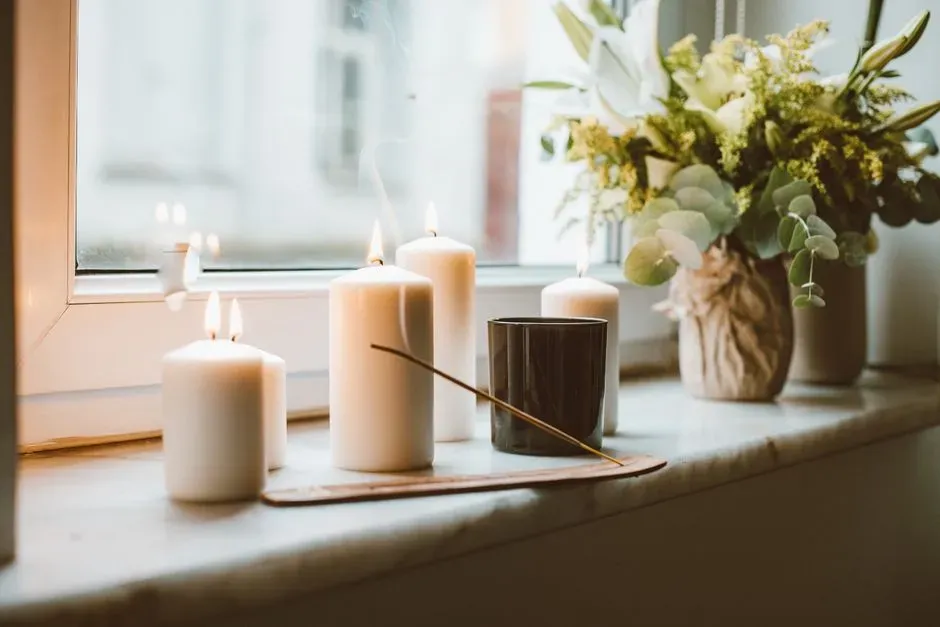
Predictability is underrated when it comes to feeling calm at home. Living spaces that are organized, clean, and predictable help foster a sense of control and stability, and predictable routines, such as consistent schedules for chores and maintenance, further enhance the sense of order. A brain that knows roughly what to expect from its environment does not have to stay on alert scanning for problems.
This extends to how a home is physically arranged as well. Incorporating calming colors, natural light, and comfortable furnishings can elevate this sense of security, transforming the home into a true sanctuary where you can recharge and feel at ease. Little consistent habits, hanging up a coat the same way every day, keeping a charging station in one fixed spot, do more heavy lifting than they get credit for.
The Gender Gap in How Clutter Feels

Not everyone experiences a messy home the same way, and the research on this is fairly consistent. Women find a cluttered home more stressful than men do on average, and this leads to detrimental daily patterns of the stress hormone cortisol, a pattern shown in a landmark study of thirty middle class, dual income families with at least one young child. That gap has shown up across multiple follow up studies since.
More recent research has reinforced the pattern rather than overturned it. A 2025 study in the Journal of Environmental Psychology found that people who considered their homes more cluttered had lower levels of well-being and life satisfaction, along with higher levels of negative feelings. Understanding this difference matters for households where partners genuinely experience the same physical space in very different emotional ways.
Building a Space That Actually Works for You
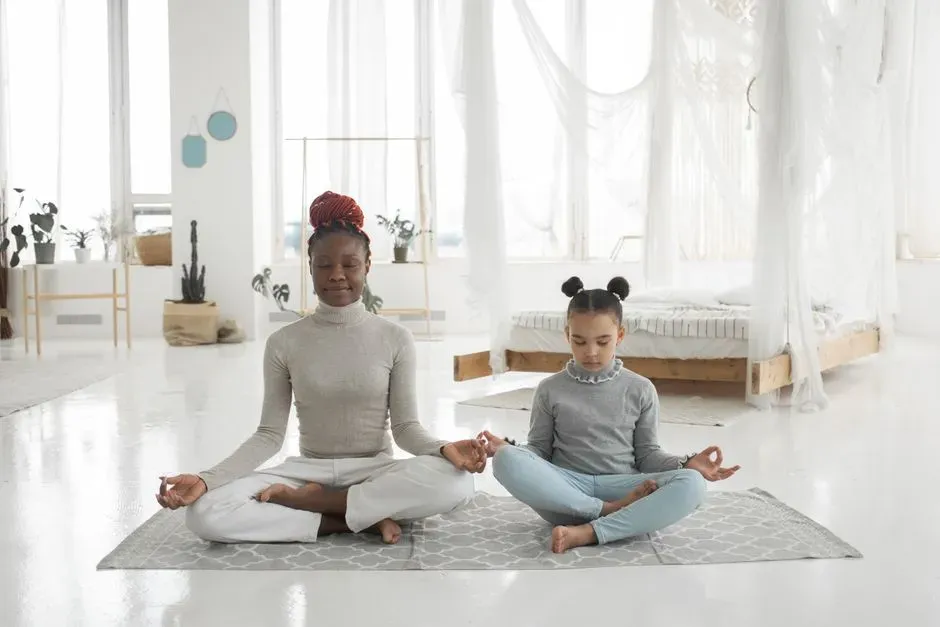
There is no single formula for a calm home, and experts are fairly upfront about that. There’s no one-size-fits-all ideal home environment, and most people need to rework things a few times to find what genuinely works for them. What calms one person down might feel sterile or cold to someone else, which is part of why generic advice only goes so far.
Starting small tends to work better than attempting a full overhaul. One of the first steps in creating a mindful home is to declutter the living space, starting by organizing and simplifying the environment and keeping only the items that bring joy or serve a purpose. A calmer evening does not require a perfect home. It usually just requires a door that opens onto a space that feels, even briefly, like it is on your side.