
The Nose Has a Shortcut Straight to the Brain

Smell works differently than every other sense we rely on. Your sense of smell starts when molecules in the air bind to smell receptors in the back of your nose, and each receptor is specific for one type of odorant, producing electrical signals that travel to your brain. That process sounds simple, but what happens next is what makes scent so powerful in a social setting.
Unlike vision or hearing, smell does not pass through the same processing detour. Other senses must first pass through the thalamus, the brain’s sensory relay station, before reaching memory-processing areas, but because smell bypasses this step, scents can trigger vivid, emotionally charged memories more quickly and intensely than other sensory cues. That’s the biological reason a scent can shape a guest’s mood before they’ve even set down their coat.
Scent and Emotion Are Wired Together

The connection between smell and feeling isn’t just poetic language, it’s anatomy. Because smell is closely tied to the amygdala, scents often evoke emotional memories, which is why certain aromas can instantly bring back feelings of joy, nostalgia, or even sadness. A guest walking into a home that smells like fresh bread or warm citrus doesn’t just register a pleasant odor, they register a feeling.
Clinical researchers describe this same pathway in more technical terms. If there’s a strong emotion with the smell, the amygdala signals the nearby hippocampus, where memories are formed. That means the impression your home makes on someone isn’t limited to that single visit, it can attach itself to a memory that resurfaces months or years later.
Why First Impressions Form Before Anyone Speaks
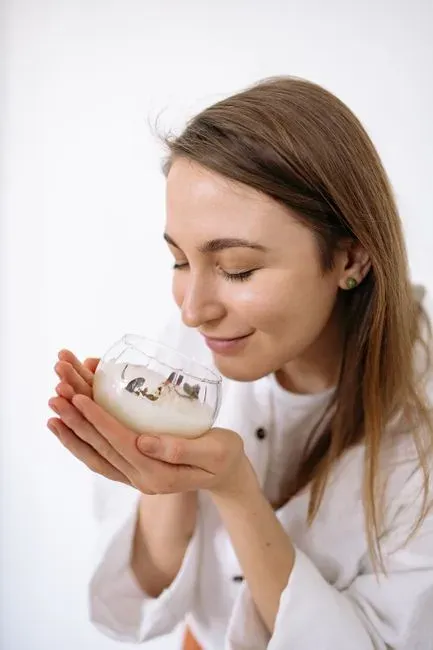
Social scientists have long studied how quickly people size up new environments, and smell plays an outsized role in that judgment. Because the olfactory system reacts before conscious thought fully kicks in, a guest’s brain has already started forming an opinion about warmth, cleanliness, and comfort within seconds of entering a room.
This is part of why a stale or musty smell can undo an otherwise beautifully decorated space. No amount of tasteful furniture fully overrides a bad first whiff, because the emotional reaction to smell often lands before the visual assessment even finishes. A pleasant scent, by contrast, gives every other design choice a more generous audience.
Industries That Already Bet Everything on Scent

Businesses figured this out long before most homeowners did. Retail spaces have long been aware of the power of scent, and that high-end store smell you notice when you walk in is no accident, scent marketing is real and it works. Hotels take the same approach, often more deliberately than any private home ever would.
The logic is consistent across hospitality and retail alike. Hotels use signature scents in their lobbies to create memorable first impressions, and even car dealerships might add a leather scent to give you that “new car” feeling. A home doesn’t need a marketing department to borrow the same principle, since the same brain chemistry is at play whether someone walks into a five star lobby or a friend’s kitchen.
The Home Fragrance Market Is Growing for a Reason
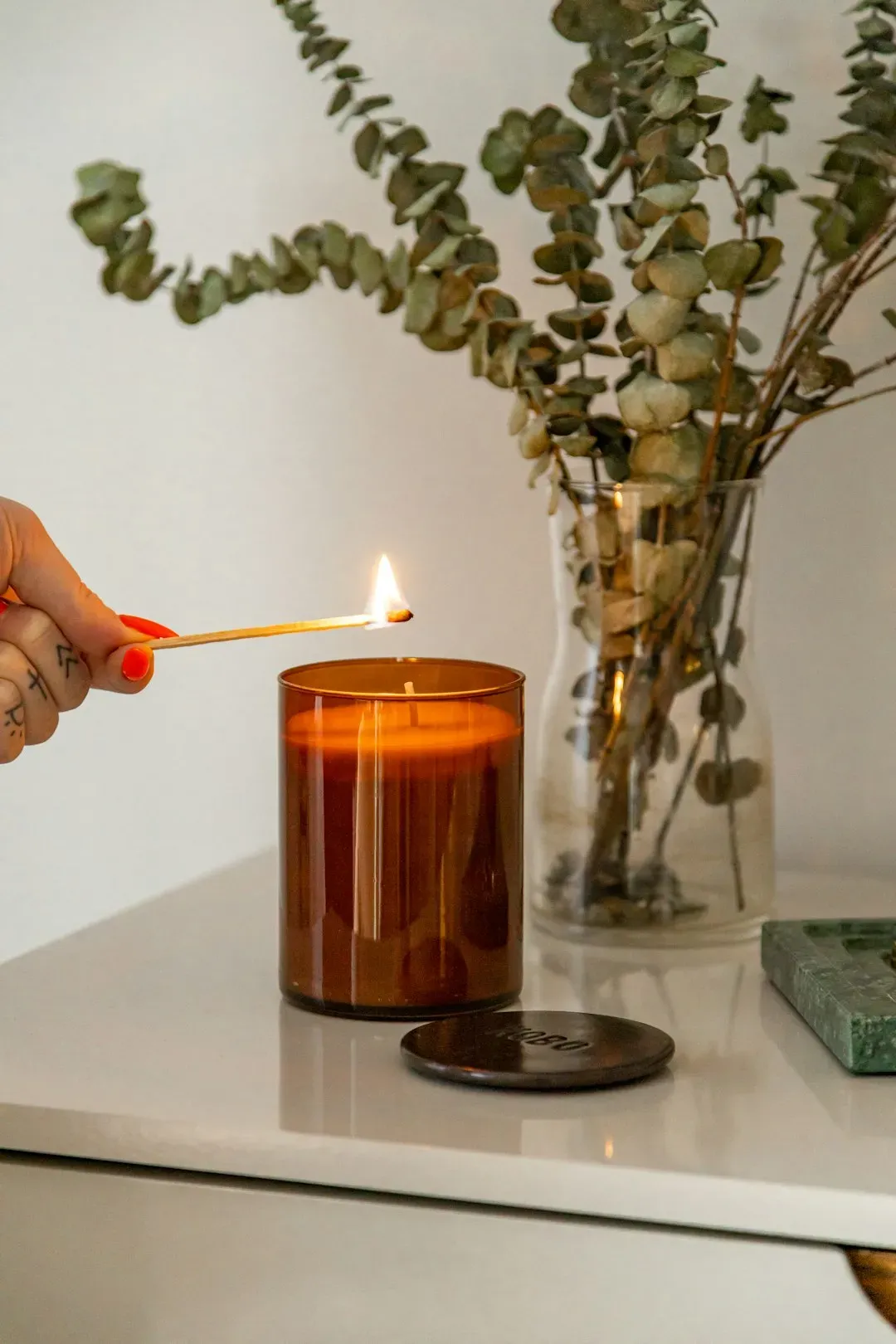
Consumer behavior backs up what the science suggests. The global home fragrance market was estimated at USD 10.7 billion in 2025 and is expected to grow from USD 11.2 billion in 2026 to USD 18.6 billion in 2035. That kind of sustained growth doesn’t happen by accident, it reflects a genuine shift in how people think about their living spaces.
Part of the shift is about lifestyle rather than pure function. People increasingly use home fragrances to enhance their house’s decor and atmosphere, and instead of being just functional products, home fragrance has migrated into the world of decor and become one of the main players in how consumers style their homes today. Scented candles remain the single largest category within that market, reflecting how central they’ve become to everyday home life.
Matching Scent to the Feeling You Want a Room to Give
Not every scent belongs in every room, and thoughtful hosts tend to know this instinctively even if they’ve never studied the science behind it. Practical guidance from those who study scent and mood suggests matching scents to spaces, using calming scents like lavender in the bedroom, energizing citrus in the kitchen or workspace, and cosy vanilla in the living room. The entryway, arguably the most important spot of all, deserves special thought since it’s the first thing a guest encounters.
A light, clean scent near the front door tends to work better than something heavy or overpowering, since guests haven’t had time to adjust before that first impression forms. Save richer, warmer notes for spaces where people will linger longer, like a living room or dining area. The goal isn’t to overwhelm anyone, it’s to set a tone before a single word gets exchanged.
Why Scent Memories Outlast Almost Everything Else
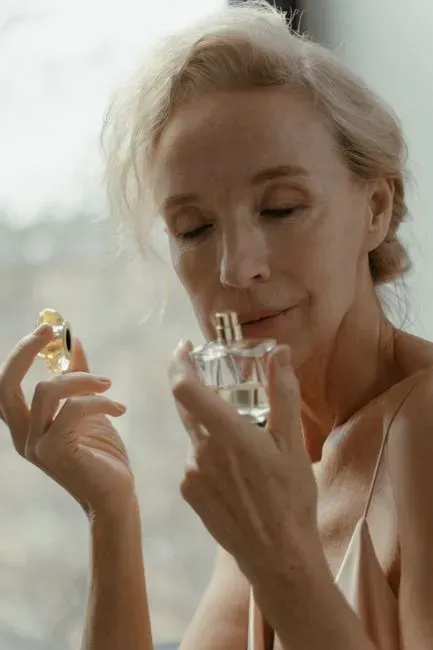
One of the more remarkable qualities of scent is how long it sticks around in memory compared to other sensory impressions. While visual and auditory memories can fade over time, olfactory memories tend to last longer, reinforcing the unique role that smell plays in memory retention. This means the way your home smells today could still be the thing a guest remembers years from now, long after they’ve forgotten what you served for dinner.
Researchers studying what’s sometimes called odor-evoked memory have documented this phenomenon extensively. Odor-evoked memory occurs when an odor triggers the recollection of a meaningful past personal episode, distinct in character from memories triggered through other senses. A home with a consistent, pleasant scent essentially builds a small library of positive associations in every visitor’s mind, one visit at a time.
Clean Air Comes Before Any Added Fragrance

No candle or diffuser can fix an underlying air quality problem, and layering fragrance over stale air often makes things worse rather than better. The most welcoming homes tend to get the basics right first, meaning good ventilation, regular laundry care for soft furnishings, and attention to spots where odors tend to collect, like near pet bedding or kitchen trash bins.
Once that foundation is solid, added fragrance has something clean to build on rather than something to mask. This is also why many households have shifted toward products marketed around cleaner formulations. Premiumization is a key driver in home fragrance, with rising demand for high-quality, natural wax blends, clean-burning formulas, and artisanal designs that align with sustainability and health-conscious preferences.
Small, Consistent Habits Beat One Big Gesture
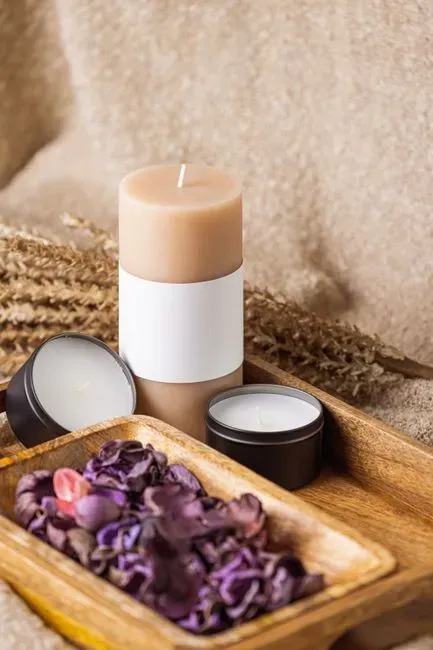
A single spritz of room spray right before guests arrive can help, but it’s not a substitute for scent habits woven into daily life. Simple rituals, like incorporating scent into everyday routines from a morning shower gel to an evening candle, help little scent cues anchor a home’s overall atmosphere over time. Guests notice consistency even when they can’t quite name why a home feels comfortable.
Rotating scents seasonally is another habit worth adopting rather than sticking with one fragrance year round. Lighter, greener notes in warmer months and warmer, spicier notes in colder ones mirror how people naturally want their spaces to feel, and it keeps the experience from becoming background noise that guests eventually stop registering at all. A home’s scent is one of the few details a host controls almost entirely, yet it works harder than most people realize. It reaches a guest before conversation starts, lingers longer than most visual memories, and quietly shapes how welcome someone feels the moment they cross the threshold. Getting it right doesn’t require an elaborate setup, just a little attention paid to something most homes handle by accident rather than by design.