
The Psychology Behind Soft Light
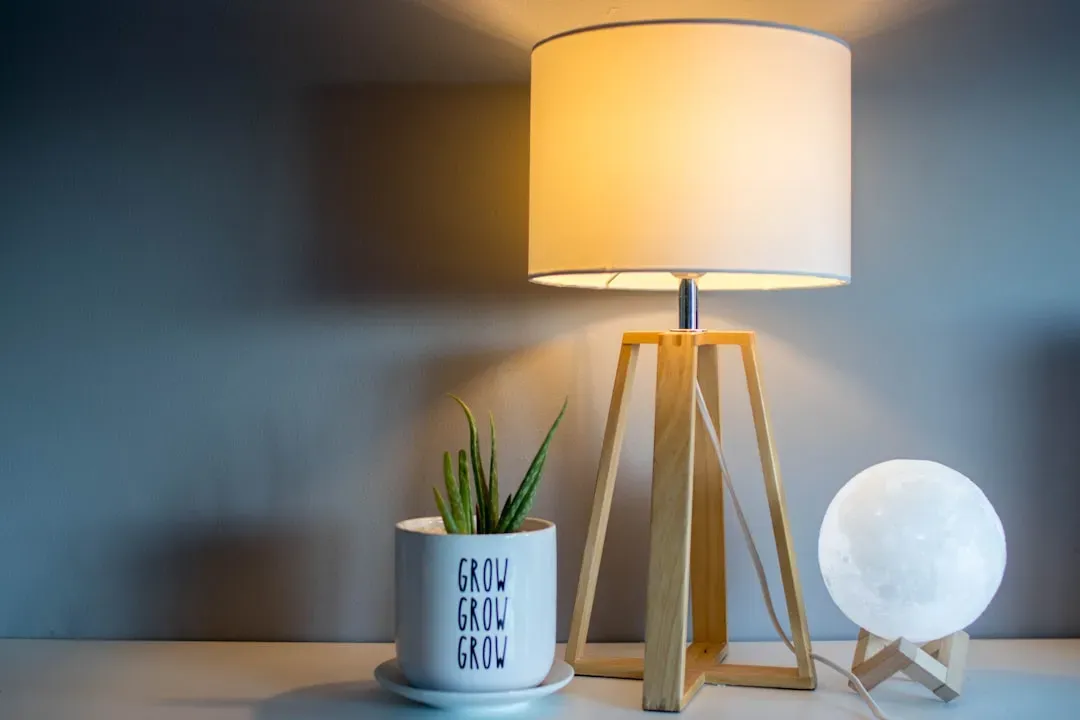
Bright, direct light tends to put people on alert. It mimics daylight at its peak, which signals the brain to stay active and focused rather than relaxed. Soft, diffused light does the opposite, encouraging a slower pace and a calmer state of mind.
This isn’t just a design preference, it’s tied to how humans have responded to natural light cues for thousands of years. Dim, warm light resembles the glow of dusk, a time the body naturally associates with winding down. That’s part of why a softly lit living room feels more inviting than one lit like an office.
Soft Lighting and Better Sleep
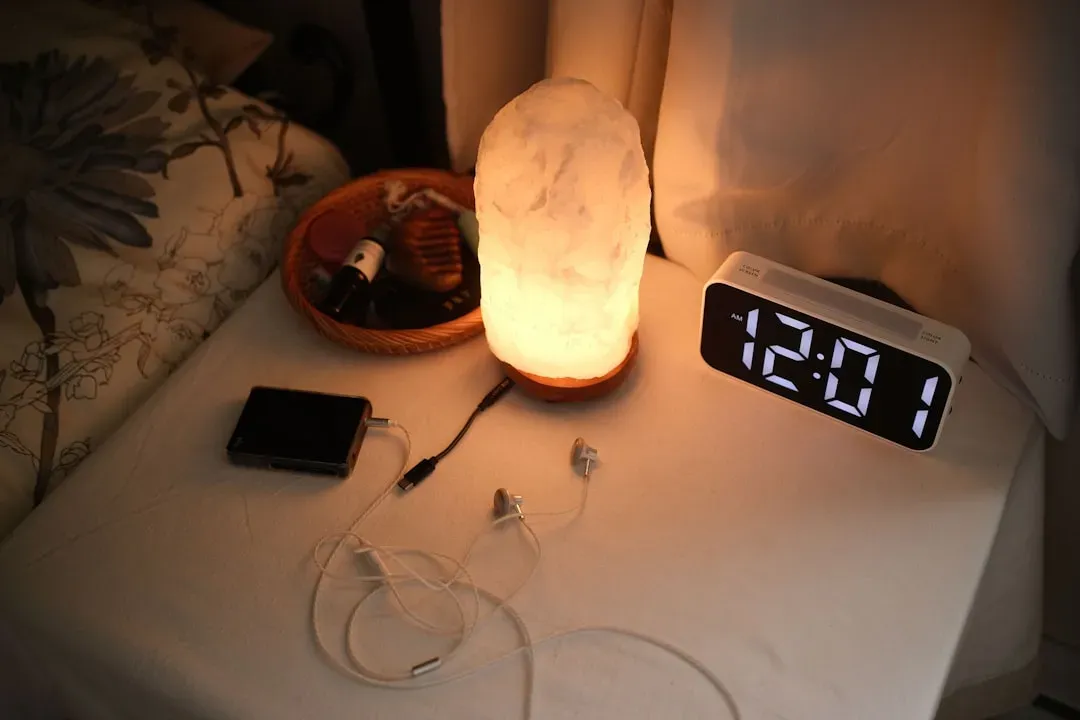
The link between lighting and sleep quality has been studied for decades, and the pattern is consistent. Bright, cool toned light in the evening can suppress melatonin production, making it harder to fall asleep at a reasonable hour. Soft, warm lighting in the hours before bed supports the body’s natural wind down process instead of fighting against it.
This is why many bedrooms now rely on dimmable lamps rather than a single overhead fixture. A softer glow in the evening helps signal to the brain that the day is closing, not just visually but biologically. Even small changes, like swapping a bright ceiling light for a warm bedside lamp, can make a noticeable difference in how quickly someone settles down for the night.
Reducing Eye Strain Throughout the Day

Harsh, direct lighting creates strong contrast between light and shadow, which forces the eyes to work harder to adjust. Soft lighting spreads illumination more evenly across a space, reducing that strain. This matters more than ever now that so many people spend hours staring at screens under artificial light.
Diffused light sources, like lamps with fabric shades or fixtures with frosted covers, scatter light in a way that feels gentler on the eyes. Compare that to a bare bulb, which creates a sharp point of brightness surrounded by shadow. Over the course of a full day, that difference adds up.
Creating Warmth Without Extra Effort

One of the simplest ways to make a room feel welcoming is through warmth in the light itself, not just the decor. Soft lighting, especially in the warmer color temperature range, gives walls, furniture, and skin tones a more flattering glow. It’s a subtle effect, but it’s one of the reasons candlelit dinners and lamp lit living rooms feel cozier than a space lit by cool white overhead bulbs.
This warmth doesn’t require expensive furniture or a full room redesign. A few well placed lamps with warm toned bulbs can transform a plain room into something that feels lived in and comfortable. It’s a low effort change with a noticeably high impact.
Making Small Rooms Feel Larger
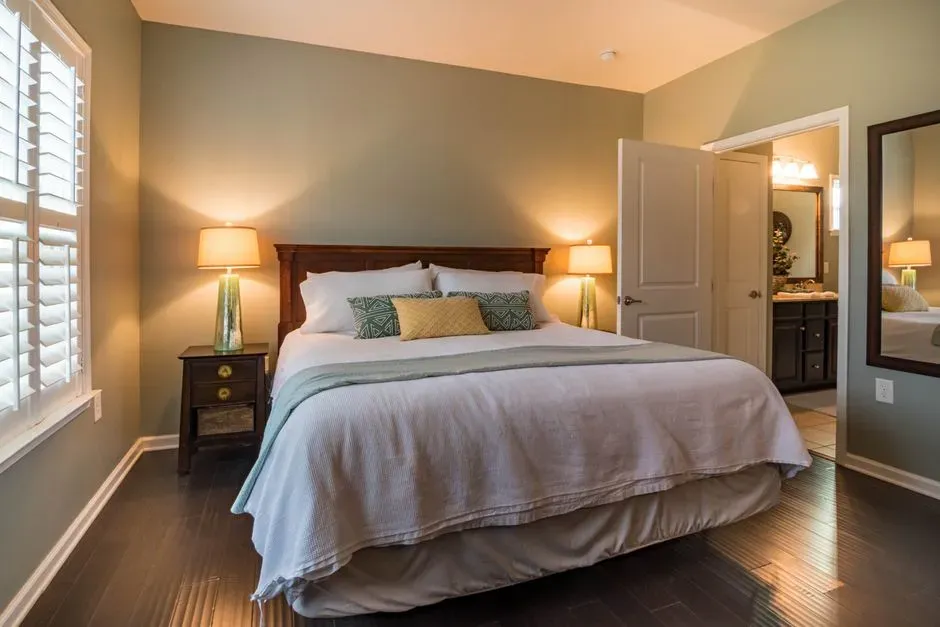
Bright, uniform lighting can actually make small rooms feel more cramped by exposing every corner and edge at once. Soft lighting, when layered correctly, creates depth by letting some areas glow while others fall into gentle shadow. That contrast tricks the eye into perceiving more dimension than a flat, evenly lit room provides.
Interior designers often use this technique in apartments and studios where square footage is limited. Instead of one bright ceiling fixture, they’ll place several soft light sources at different heights. The result is a room that feels layered and intentional rather than boxed in.
The Role of Color Temperature
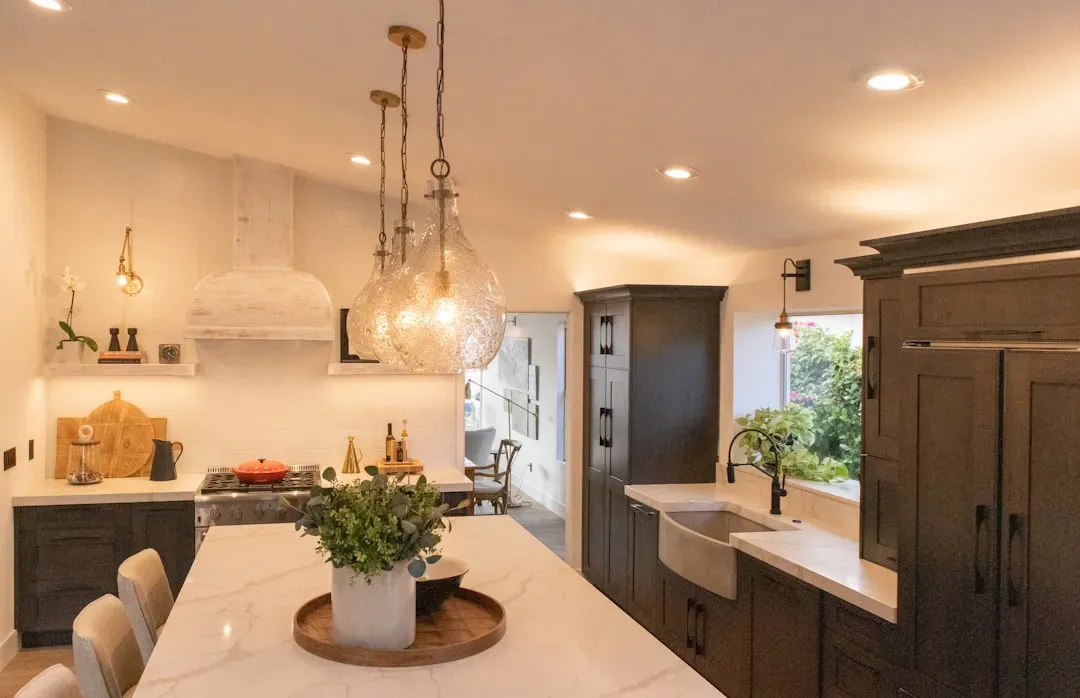
Color temperature, measured in Kelvin, plays a major role in whether light feels soft or harsh. Bulbs in the range around 2700 to 3000 Kelvin produce a warm, amber toned light that most people associate with comfort and relaxation. Higher Kelvin bulbs, closer to daylight, tend to feel clinical and are better suited for task heavy spaces like kitchens or home offices.
Choosing the right color temperature is one of the easiest ways to control how soft a room feels without changing the fixture itself. Many modern LED bulbs now offer adjustable color temperature, letting one bulb serve multiple moods throughout the day. This flexibility has made it much easier for people to experiment with softer lighting without committing to a full lighting overhaul.
Layering Light Sources for Balance
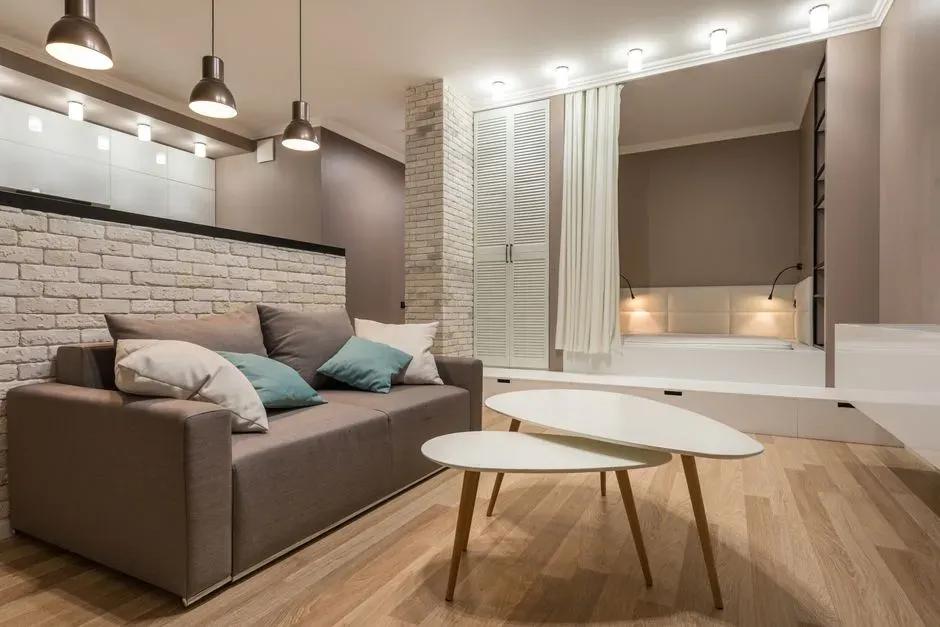
A single ceiling light, no matter how nice, rarely creates the kind of atmosphere that soft lighting is known for. Designers typically recommend layering at least three types of light in any given room, ambient, task, and accent. This combination allows a space to feel bright enough for daily function while still maintaining a soft, comfortable base tone.
Table lamps, floor lamps, and small accent lights all contribute to this layered effect. When these sources are dimmable, the room can shift from functional to relaxed with almost no effort. It’s a small investment that pays off every single evening.
Soft Lighting in Different Rooms
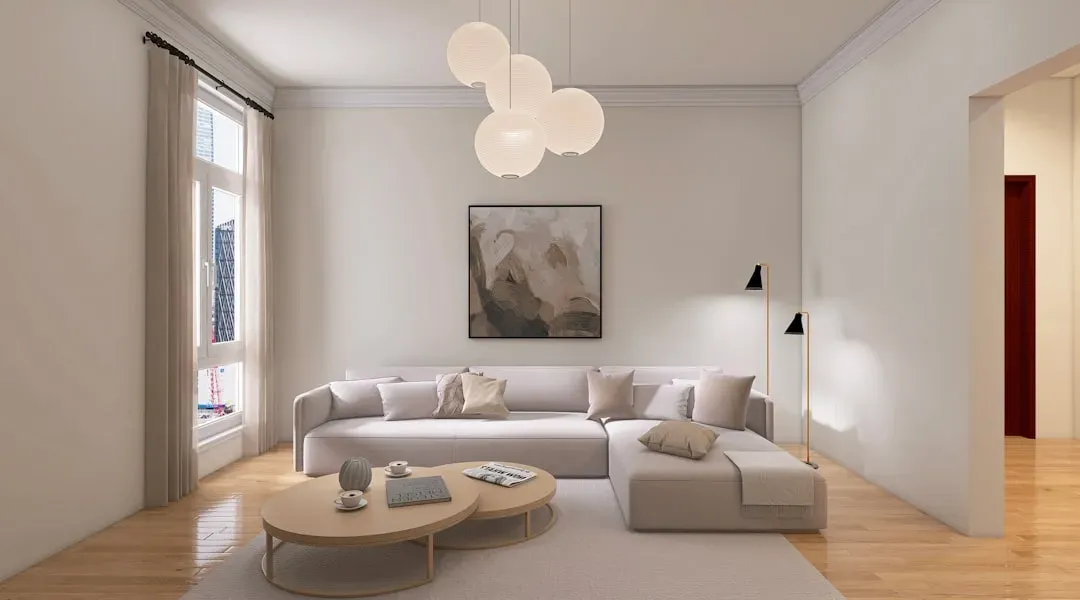
Not every room benefits from the same lighting approach, even though soft light generally improves most spaces. Bedrooms and living rooms lean heavily toward warm, dim lighting because their primary purpose is rest and relaxation. Kitchens and bathrooms often need brighter task lighting for safety and precision, but even these spaces benefit from softer secondary lighting for evening use.
Home offices sit somewhere in the middle, needing enough brightness for focus without the harshness that causes fatigue during long work sessions. Many people now use a combination of a brighter desk lamp paired with softer ambient lighting in the rest of the room. This balance keeps the space functional without feeling sterile.
Choosing the Right Bulbs and Fixtures
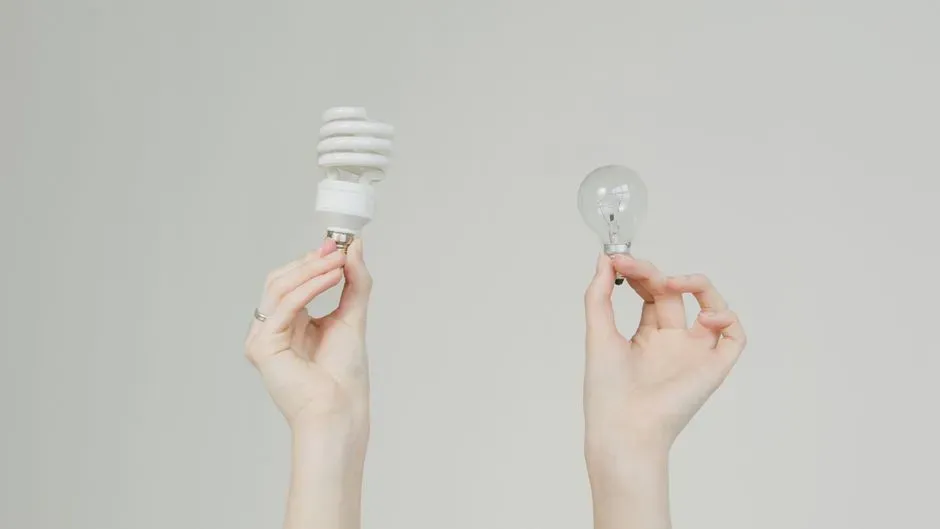
Not all soft lighting comes from the bulb alone. The fixture itself plays a significant role, since shades, covers, and materials all affect how light is diffused. Frosted glass, fabric shades, and paper lanterns all soften light in ways that a bare bulb simply cannot replicate.
When shopping for soft lighting, it helps to look for bulbs labeled as warm white or soft white rather than daylight or cool white. Dimmable options add even more control, letting the same fixture serve different moods depending on the time of day. These small details matter more than most people expect when it comes to the final effect in a room.
Common Mistakes That Undermine Soft Lighting
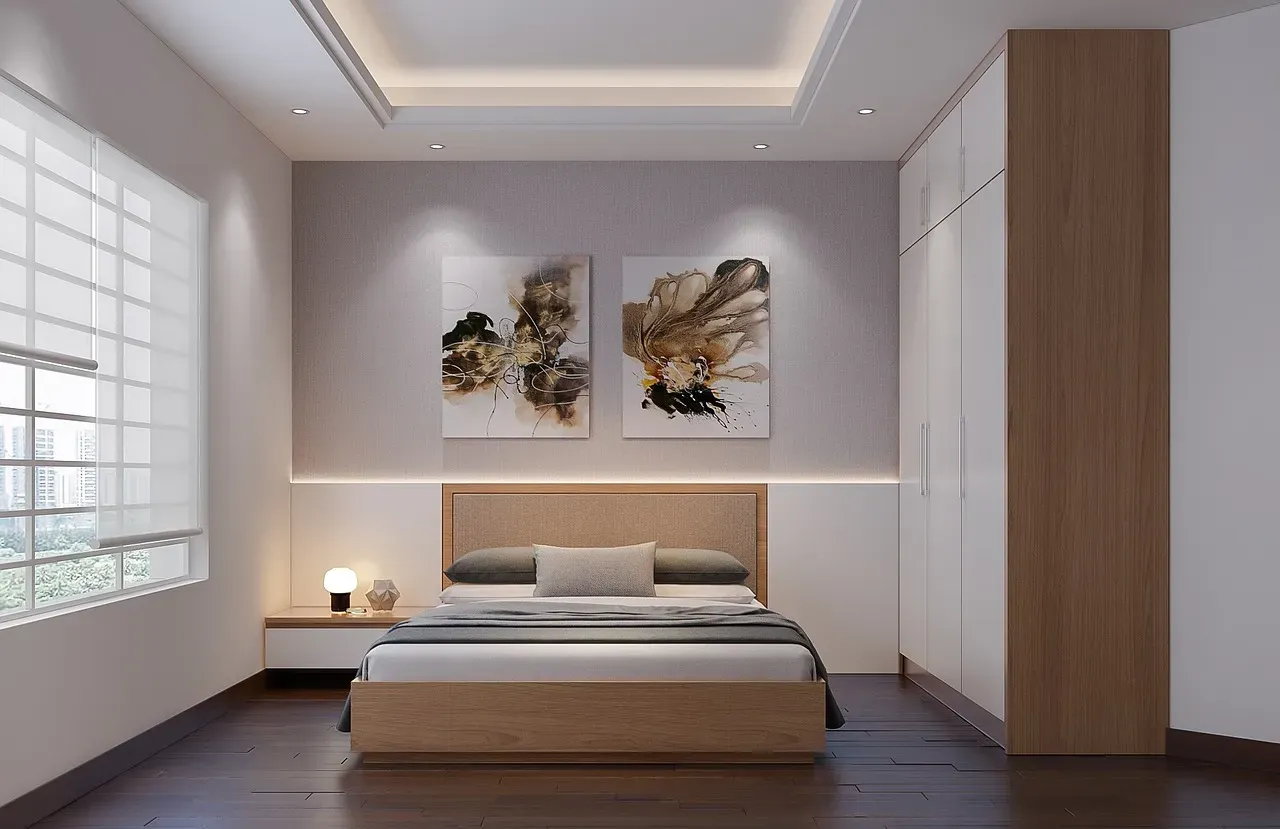
One of the most frequent mistakes is relying entirely on a single overhead light, which tends to flatten a room rather than soften it. Another common issue is mixing color temperatures without realizing it, pairing a warm lamp with a cool toned overhead fixture creates a visually jarring effect. This inconsistency can undo much of the calming benefit soft lighting is supposed to provide.
Overdoing brightness is another pitfall, even with warm toned bulbs. A high wattage warm bulb can still feel harsh if it’s too bright for the space it’s in. The goal isn’t just warmth, it’s balance, and that balance is where soft lighting truly earns its reputation.