
First Impressions Start at the Door
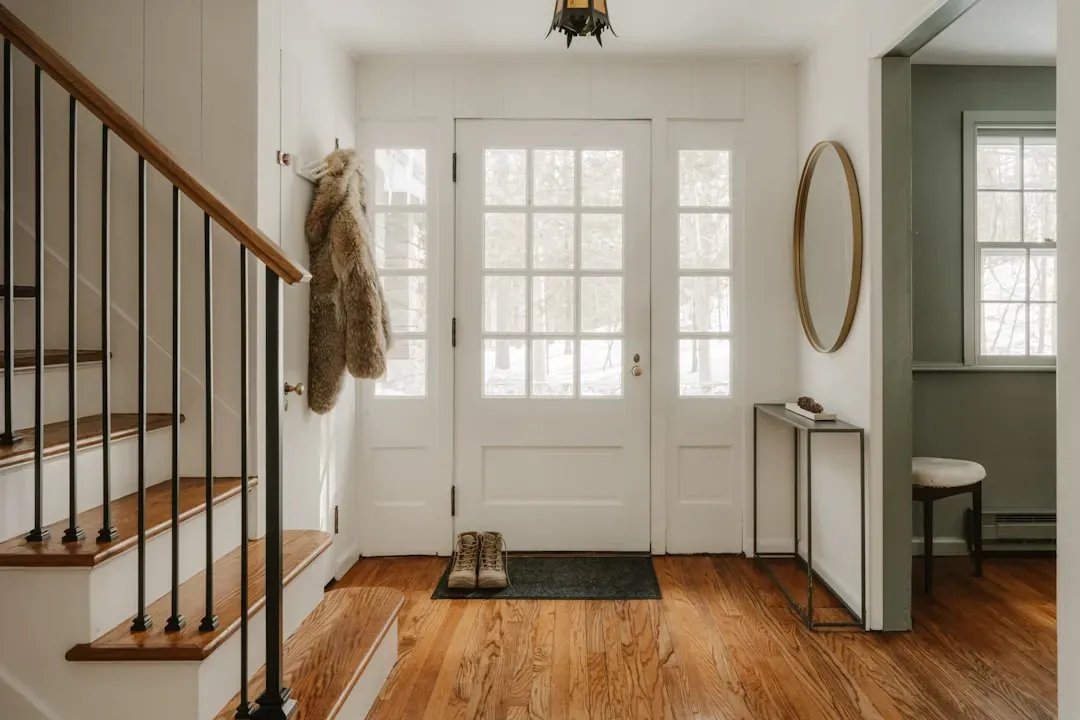
The is the first physical space a visitor experiences, and psychologists who study environmental perception note that people form impressions of a space within seconds of entering it. That snap judgment often carries through the rest of the visit, coloring how someone perceives the whole house even if the living room or kitchen looks completely different. A cluttered, dim, or awkward entry can create a subtle sense of unease that lingers.
This is why designers treat the as a kind of visual handshake. It does not need to be large or expensive looking, but it does need to feel intentional. A single well placed mirror, a clean surface, or a piece of art can signal that the rest of the home has been cared for too.
Lighting Sets the Emotional Tone
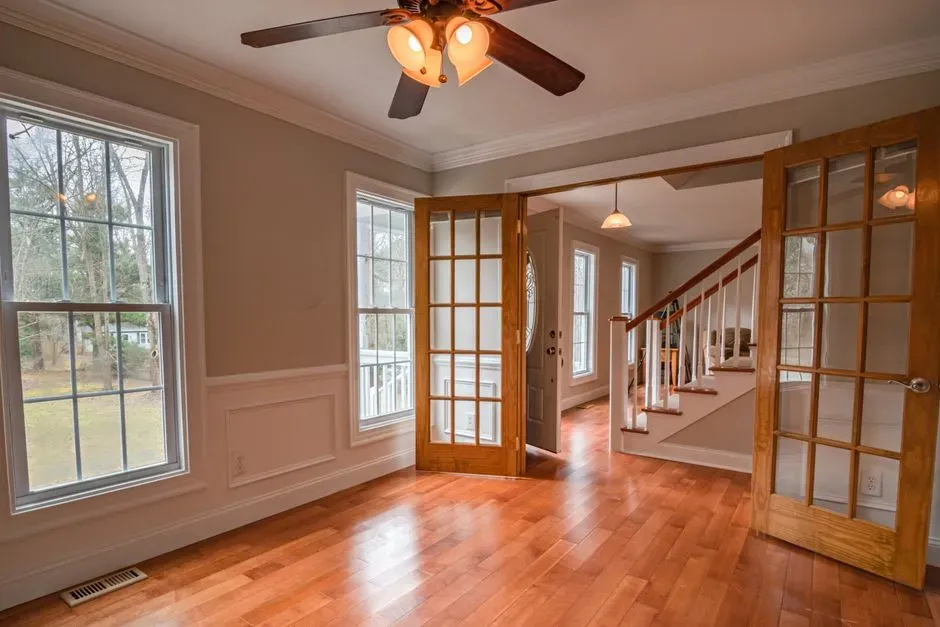
Lighting design specialists frequently point out that s are often the darkest corners of a house, tucked away from windows and natural light. A dim, shadowy entry can feel cold or even a little unsettling, while a well lit one feels inviting almost instantly. Layered lighting, meaning a mix of overhead fixtures and smaller accent lamps, tends to work better than a single harsh bulb.
Warm toned bulbs, generally in the 2700 to 3000 kelvin range, are commonly recommended for s because they mimic the soft glow of early evening light. This warmth helps counteract the transitional, sometimes sterile feel of a hallway. Even a small lamp on a console table can soften the space considerably.
Scent Is an Underrated Welcome Signal
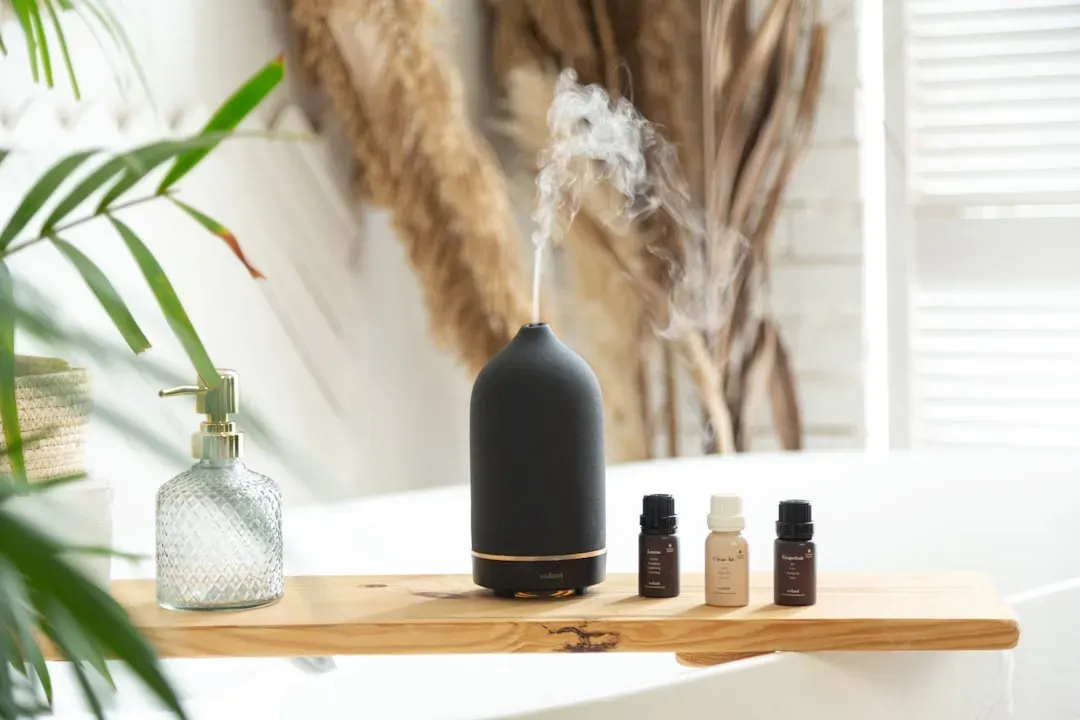
Scent researchers have long noted that smell is tied more directly to memory and emotion than any other sense, which makes it a powerful but often overlooked design tool in s. A subtle, non overwhelming scent near the front door can shape a visitor’s emotional response before they even see the rest of the home. This does not require anything elaborate, a small diffuser or a bowl of dried citrus can do the job.
The key is restraint. Scents that are too strong can feel cloying or artificial, undercutting the calm, put together feeling most homeowners are aiming for. A light, natural fragrance tends to read as more genuine and less staged.
Functional Storage Prevents Chaos
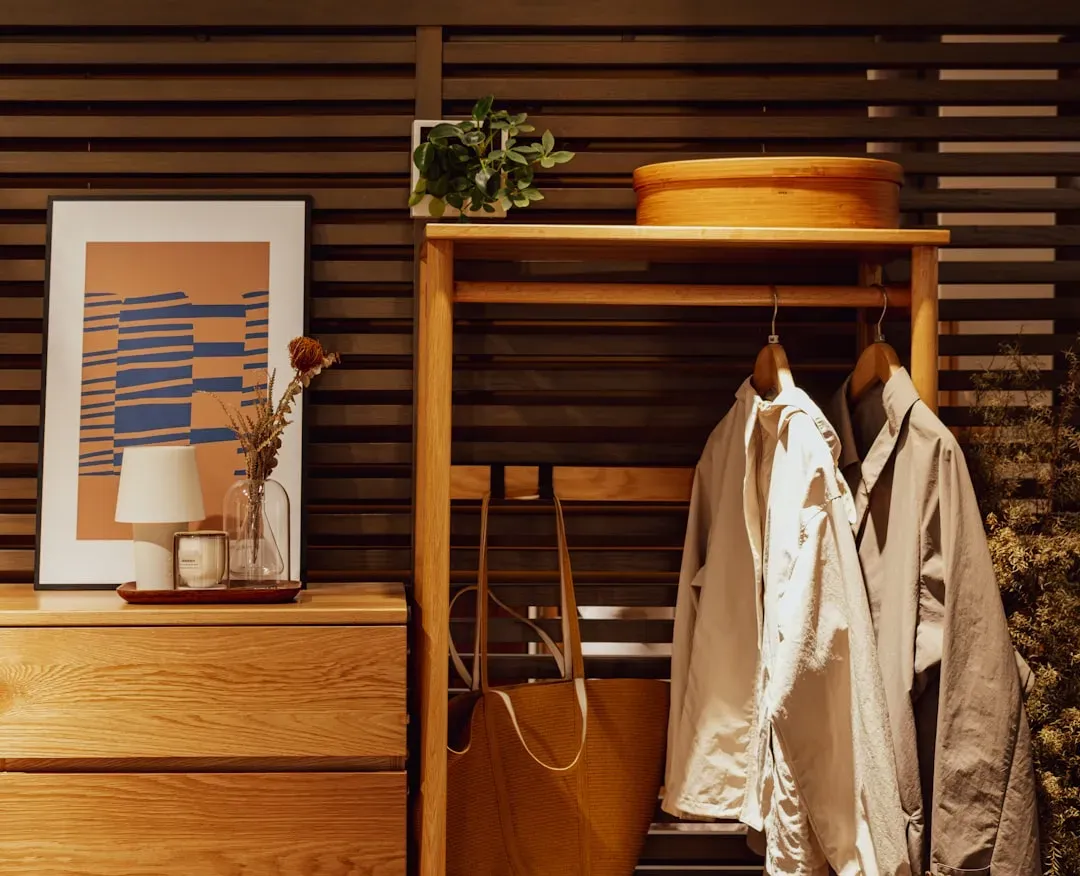
Professional organizers consistently identify the as one of the top clutter zones in American homes, largely because it absorbs shoes, bags, mail, and keys all at once. Without a system in place, this daily buildup can make even a beautifully designed entry feel chaotic. A bench with hidden storage, a row of hooks, or a small tray for keys can solve most of this in a single afternoon.
The goal is not to hide every object but to give each one a home. When there is a defined spot for shoes, coats, and bags, the stays visually calm even during a busy week. This kind of low effort organization tends to have an outsized impact on how welcoming the space feels.
A Mirror Does More Than Reflect
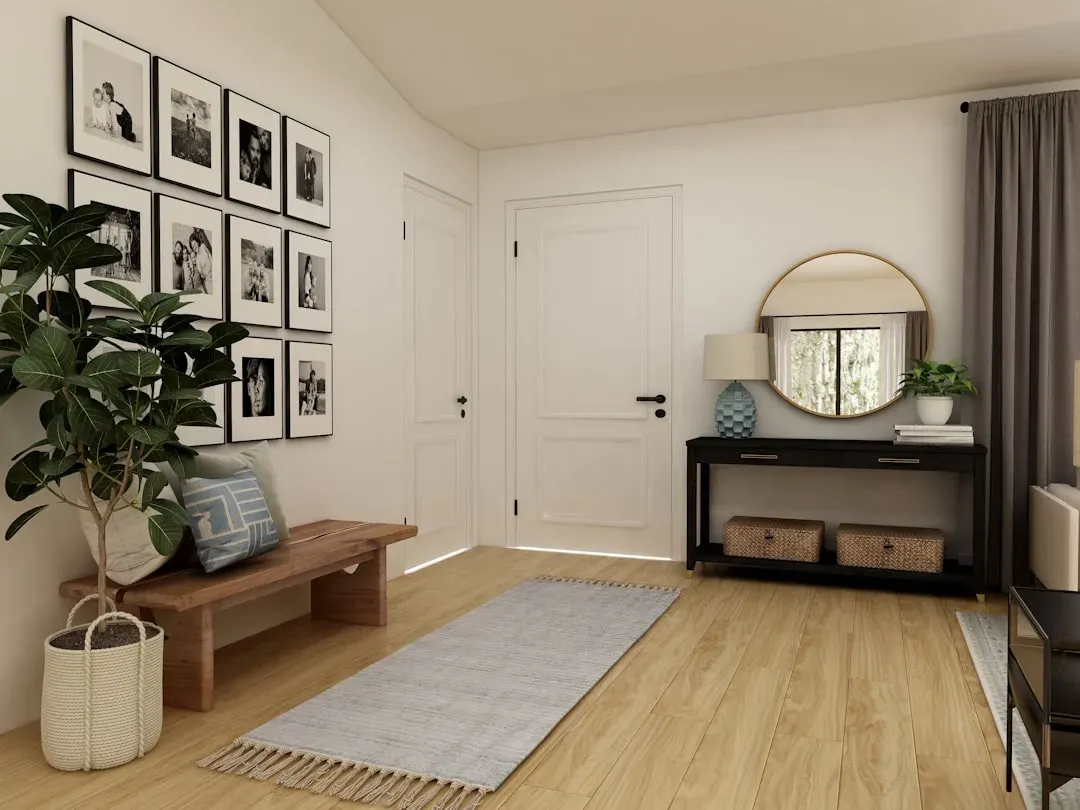
Mirrors are a longstanding staple of design for practical reasons, they let people do a final check before heading out the door. Beyond function, mirrors also help bounce light around a space that often lacks windows, making the area feel brighter and larger than it actually is. This is especially useful in narrow hallways or apartment entries where square footage is limited.
Placement matters here. A mirror hung across from a light source, whether natural or a lamp, will amplify brightness more effectively than one placed in a shadowed corner. Even a modestly sized mirror can noticeably open up a tight entry.
Textiles Add Warmth Without Effort
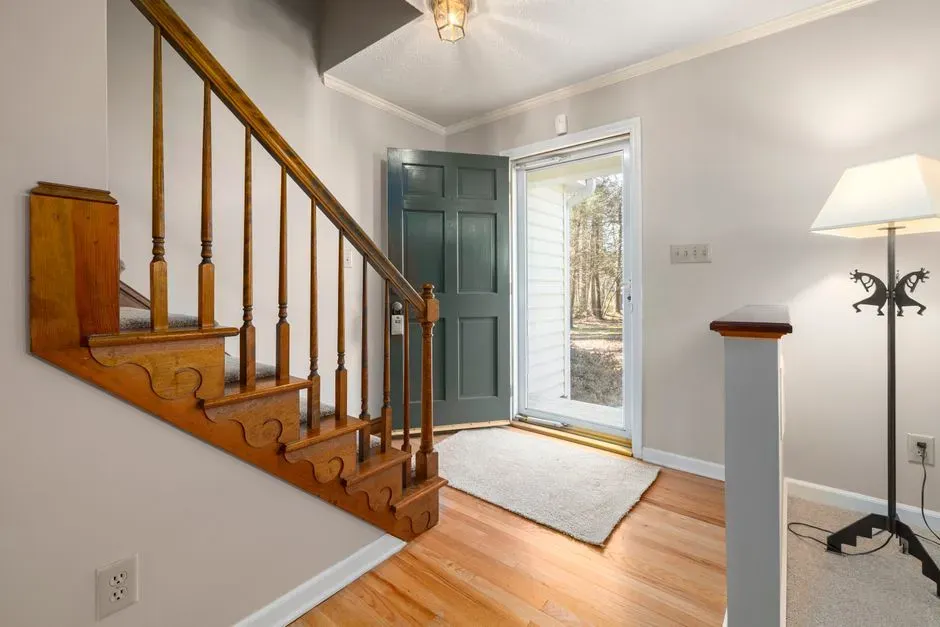
A simple rug or runner in the does more than protect flooring from dirt and moisture, it introduces texture and color into a space that is often just walls and floor. Interior designers frequently describe rugs as one of the fastest ways to make a bare hallway feel finished. Layering in a soft texture also softens the acoustics of what is usually a hard surfaced area.
Durability matters more here than almost anywhere else in the home, since rugs deal with constant foot traffic and outdoor debris. Low pile, easily cleaned materials tend to hold up better over time than delicate or plush options. This practical choice does not have to sacrifice style, plenty of durable weaves come in warm, welcoming patterns.
Plants Bring Life to a Transitional Space
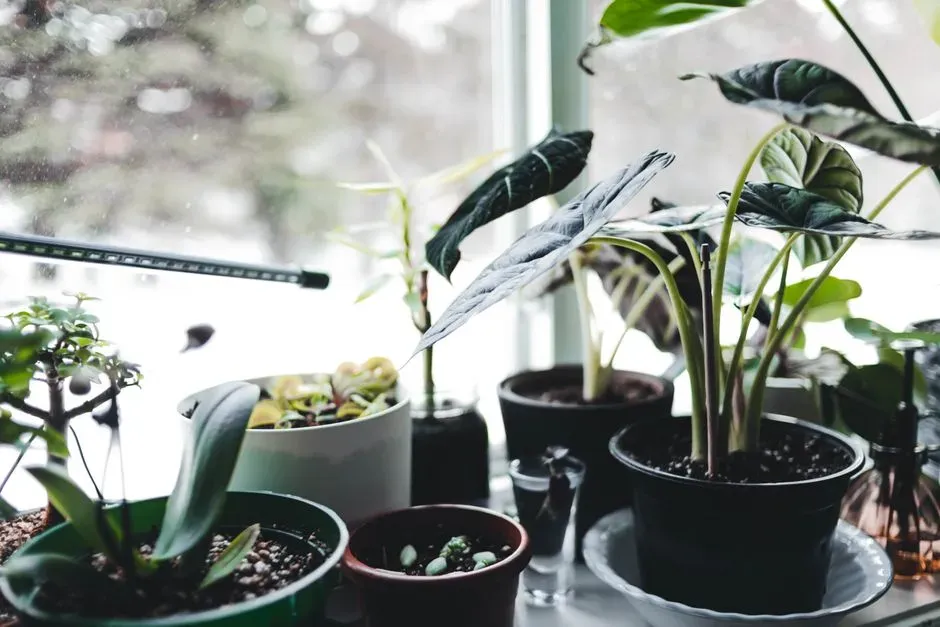
Horticultural researchers have found that indoor greenery can measurably improve mood and reduce stress, which makes plants a natural fit for a space meant to ease the transition from outside to inside. A single well chosen plant near the door can soften hard lines and add a sense of vitality that static decor cannot match. Low light tolerant species like snake plants or ZZ plants are often recommended for s specifically because these areas rarely get much natural sunlight.
The visual effect does not require a jungle. Even one plant, placed at the right height and scale for the space, can shift an entry from sterile to lived in. Silk or artificial versions are a reasonable substitute in especially dark hallways where live plants would struggle.
Color Choices Influence Mood Instantly

Color psychology research suggests that warm tones like soft yellows, terracottas, and muted reds tend to read as inviting, while stark whites or cool grays can feel more clinical if not balanced carefully. s are a low risk place to experiment with bolder color choices since the space is typically small and does not dominate the overall home palette. A painted front door or an accent wall in the entry can make a strong first impression without committing to that color throughout the house.
Designers often treat the as a kind of color test lab for this reason. Because it is separate from main living spaces, a homeowner can try a saturated hue here with far less risk than in a larger room. If it does not work, repainting a small entry is a manageable weekend project.
Sound Shapes the First Few Seconds
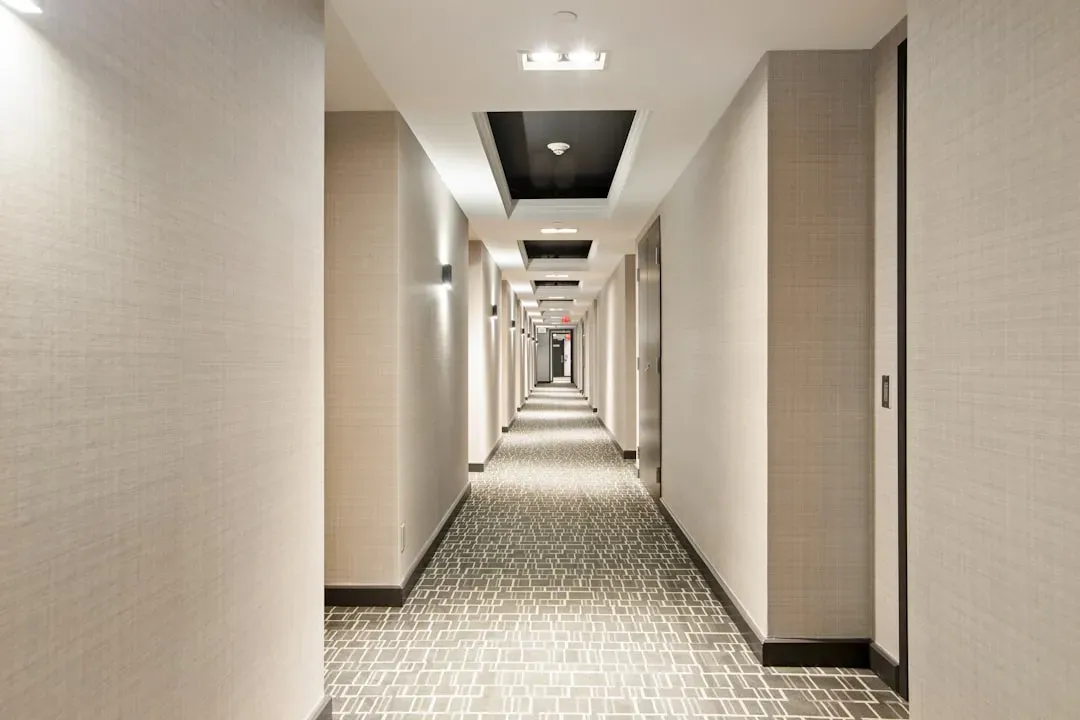
Acoustic comfort is rarely discussed in design, yet the echo or silence of a space affects how welcoming it feels almost as much as visuals do. Hard surfaced entries, especially those with tile or hardwood and no soft furnishings, tend to produce sharp, hollow sounds that can feel cold. Adding a rug, a fabric covered bench, or even curtains near a side window can absorb some of that harshness.
This is a subtle detail most homeowners never consciously notice, but they feel its absence. A quiet, softly acoustic entry tends to register as calm and settled, while an echoey one can feel slightly unsettling without an obvious reason why. Small textile additions solve this more effectively than most people expect.
Personal Touches Make It Feel Like Home
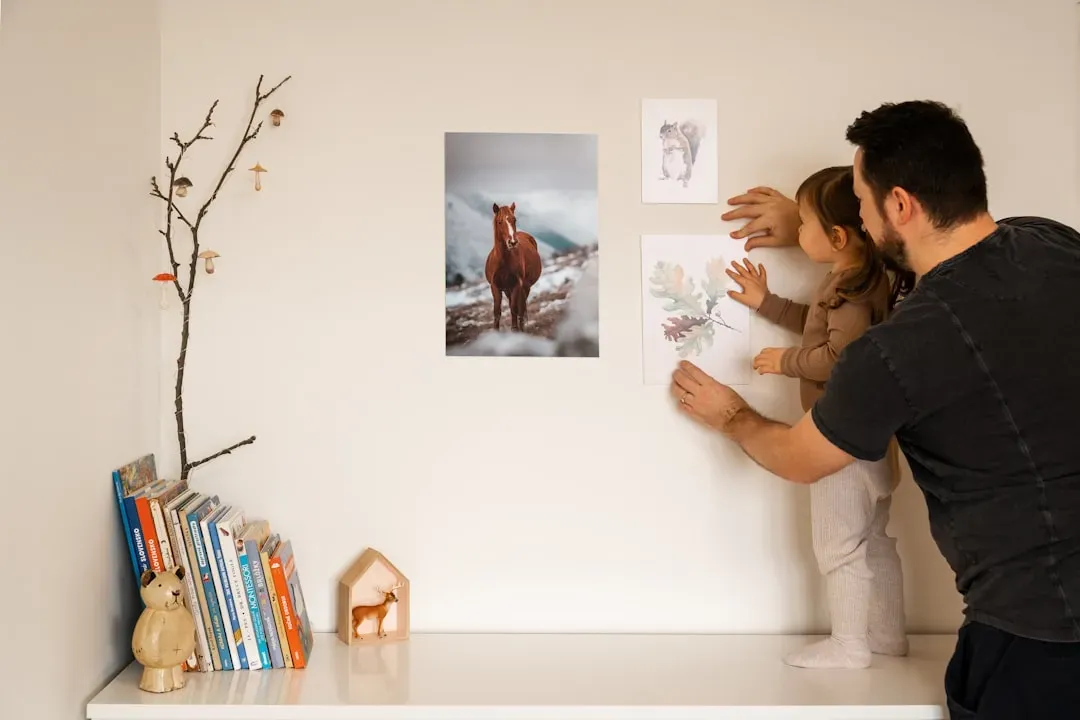
Generic, showroom style s can look polished but often feel impersonal, which is part of why design experts encourage homeowners to include at least one object with genuine personal meaning. This could be a piece of art, a family photo, or an object collected while traveling. These details signal to visitors that they are entering a real, lived in home rather than a staged space.
The balance is important though. A space overloaded with mementos can tip into clutter, undoing the calm effect other design choices worked to create. One or two meaningful pieces, given room to stand out, tend to work far better than a crowded display.