
Walk into any home that feels genuinely welcoming, and it’s rarely the square footage or the granite countertops doing the work. It’s something quieter than that, a collection of small decisions that add up to a feeling. A bowl by the door for keys. A specific smell that greets you at the threshold. These details don’t cost much, but they carry a surprising amount of weight in how a space feels lived in versus simply occupied.
What follows is a look at the small, often overlooked touches that transform a house into a home worth coming back to, drawn from design research, psychology, and plain old lived experience.
Scent as a silent host
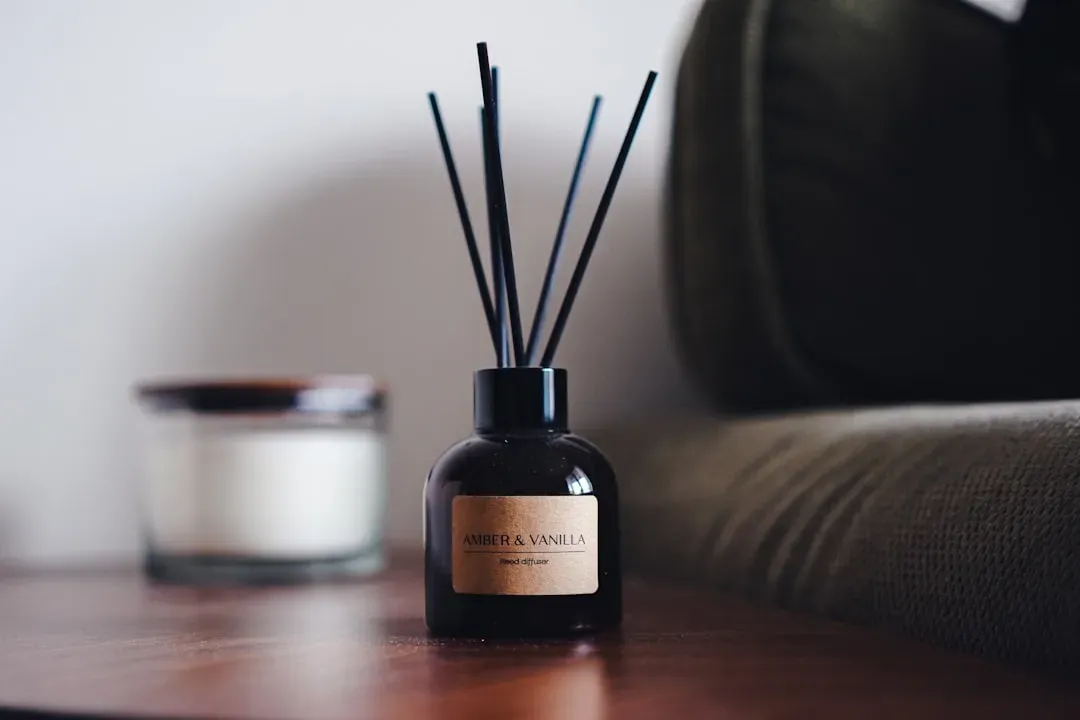
Smell reaches the brain faster than sight or sound because olfactory signals travel a shorter neural path directly to the limbic system, the region tied to memory and emotion. This is why a home with a consistent, pleasant scent, whether from a simmering pot, a candle, or fresh linens, registers as comforting almost instantly. Guests notice it before they notice the furniture.
Many interior designers now treat scent as a deliberate design layer rather than an afterthought. A subtle, consistent fragrance, something not overpowering, can make a space feel curated and cared for. The trick is consistency rather than intensity, since a home that smells the same way each time someone visits builds a kind of sensory signature.
Lighting that changes with the day
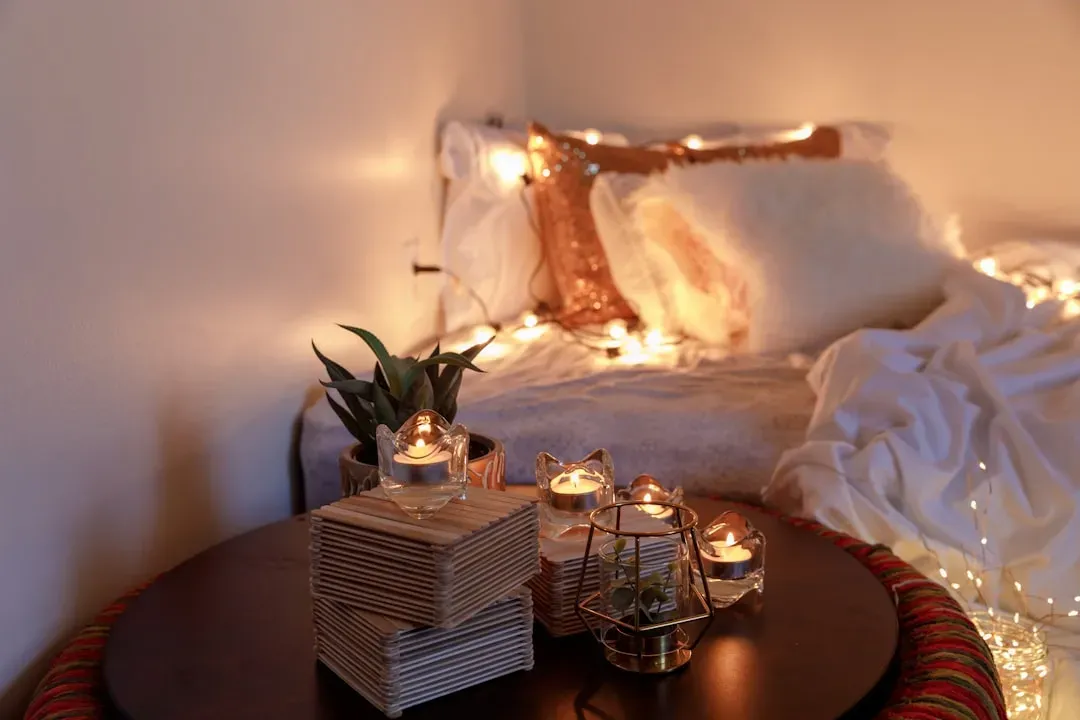
Flat, single-source overhead lighting is one of the fastest ways to make a room feel institutional rather than personal. Layered lighting, meaning a mix of ambient, task, and accent sources, gives a room depth and lets it shift mood throughout the day. A dimmer switch or a few well-placed lamps can do more for atmosphere than an expensive light fixture ever could.
Warm-toned bulbs, generally in the 2700K to 3000K range, tend to read as cozier than the cooler, bluish light common in offices and retail spaces. Many homeowners are now mixing bulb temperatures deliberately, using warmer light in living and bedroom spaces while keeping kitchens slightly brighter for task work. The shift toward smart bulbs has made this kind of fine-tuning far easier than it was even five years ago.
Personal objects displayed, not hidden
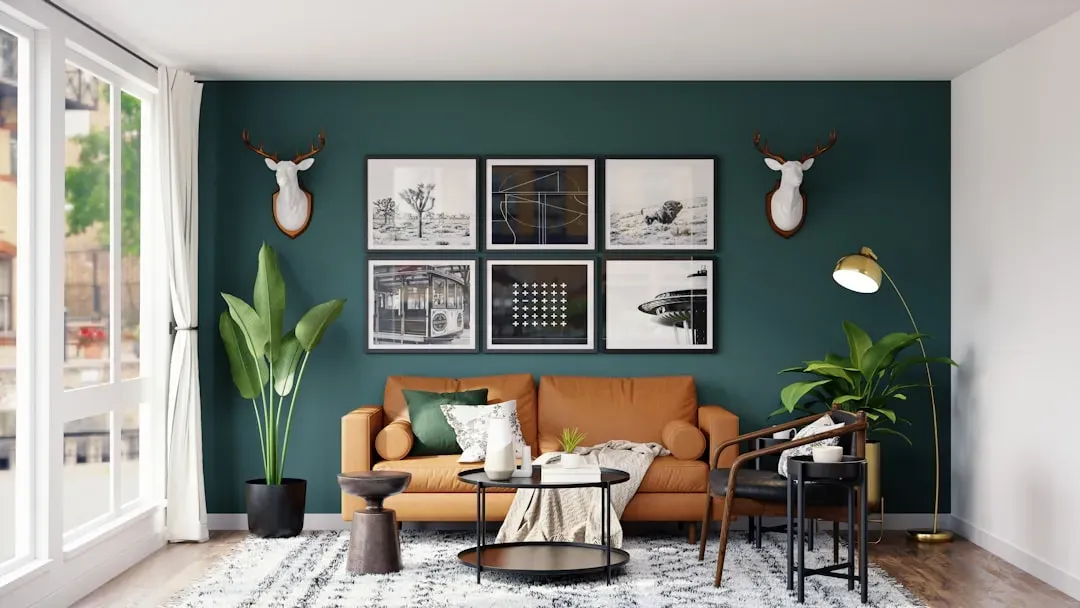
A shelf of family photos, travel souvenirs, or handmade pottery tells a visitor something true about the people who live there. Psychologists who study environmental design note that visible personal artifacts help residents feel a stronger sense of identity and control over their space, something often called “place attachment.” Homes that look like showrooms, by contrast, can feel oddly impersonal even when beautifully furnished.
The key is restraint paired with intention. A curated handful of meaningful objects on a mantel says more than a cluttered surface crowded with knickknacks. Rotating a few pieces seasonally, swapping in different art or objects, also keeps a space feeling attended to rather than frozen in time.
Textiles that invite touch
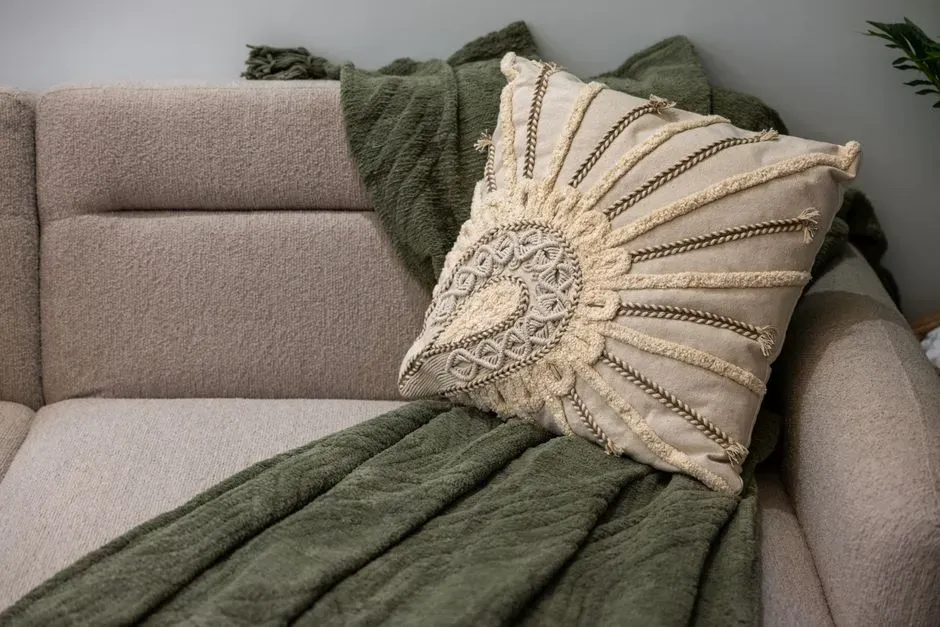
A throw blanket draped over a sofa arm, a textured rug underfoot, or linen curtains that move slightly in a breeze all add a tactile layer that hard surfaces can’t replicate. Texture is one of the most underused tools in home design, largely because it’s harder to photograph than color or shape. Yet it’s often the first thing people notice when they physically sit down in a room.
Mixing materials, wool, cotton, linen, and leather, creates visual and physical variety without requiring a big budget. Even a single well-chosen wool throw can shift a room’s feel from sparse to inviting. This is part of why secondhand and vintage textiles have seen renewed interest in home design circles through 2025 and into 2026, as buyers look for pieces with more character than mass-produced options.
Sound and the absence of silence
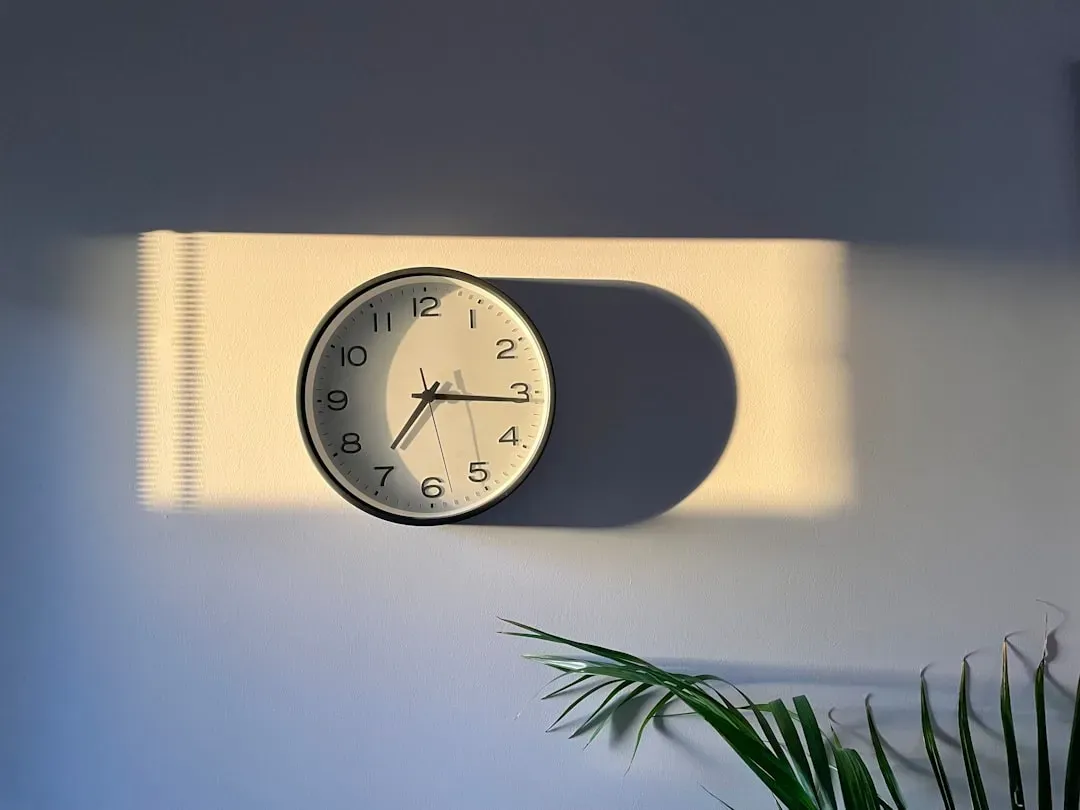
A home that’s completely silent can feel unsettling in a way that’s hard to name. The gentle hum of a fan, soft background music, or the tick of a mechanical clock provides what acousticians sometimes call “sonic texture,” a low-level ambient sound that makes a space feel occupied and alive. Total silence, paradoxically, often reads as emptiness.
This doesn’t mean constant noise. Rather, it’s about intentional sound choices, a favorite playlist during dinner prep, wind chimes near an open window, or simply keeping a radio on low in the background. Many people who work from home have started paying closer attention to this, since the difference between a productive space and a lonely one often comes down to subtle audio cues.
Plants and the presence of something alive
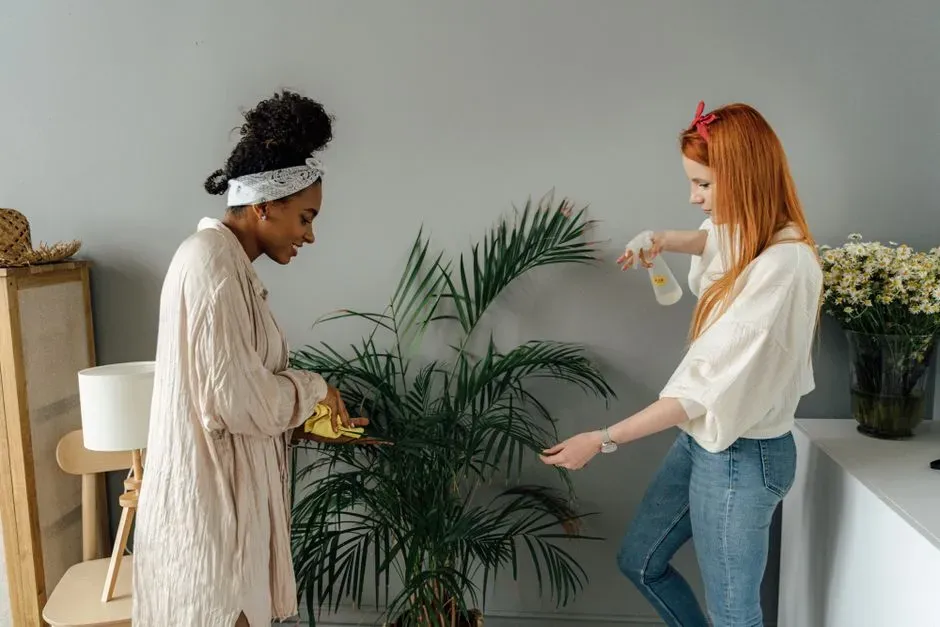
Houseplants do more than fill empty corners. Research from environmental psychology consistently links indoor greenery to lower reported stress and a greater sense of well-being, partly because caring for something living creates a small daily ritual. A windowsill of herbs or a leafy fern by a reading chair signals that the home is tended, not just decorated.
The plant boom that started during pandemic lockdowns hasn’t fully faded, and interest in low-maintenance varieties like pothos, snake plants, and ZZ plants has remained strong through 2025. Even artificial greenery, when chosen carefully, can soften a room’s edges. Real or not, the visual effect of organic shapes against straight furniture lines makes spaces feel less rigid.
Handwritten notes and small rituals

A chalkboard by the fridge with a quick note, a jar of handwritten recipe cards, or a small welcome sign by the entryway are inexpensive touches that carry outsized emotional weight. These details work because they’re personal and slightly imperfect, unlike printed decor bought off a shelf. Handwriting, in particular, feels human in a way that digital text simply doesn’t.
Small household rituals matter here too. Lighting a candle at dinner, a specific song played while cooking, or a doormat that says something a little unexpected all build a sense of place over time. These aren’t grand gestures. They’re repeated small acts that, cumulatively, make a house feel distinctly like one family’s home rather than a generic rental.
Thoughtful entryways that set the tone
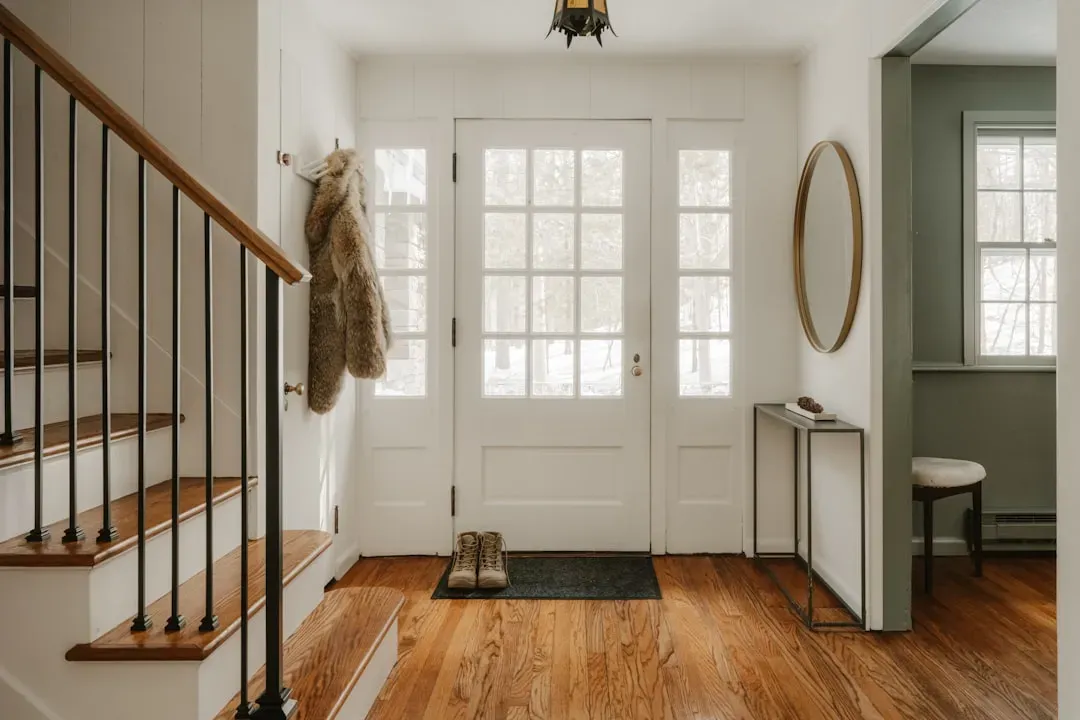
The entryway is the first physical space a guest encounters, and design research consistently shows that first impressions of a home form within seconds of walking through the door. A cluttered, dark entry sets a different emotional tone than one with a clear surface, a mirror, and decent lighting. Even small apartments benefit from treating this transitional space with some intention.
A console table, a spot for shoes, and a hook for coats reduce daily friction while also looking considered. Adding one personal touch here, a piece of art, a plant, a favorite object, extends the “welcome” feeling beyond just function. It’s a small area, but it does disproportionate work in shaping how a whole home is perceived.
Comfort details that go beyond aesthetics
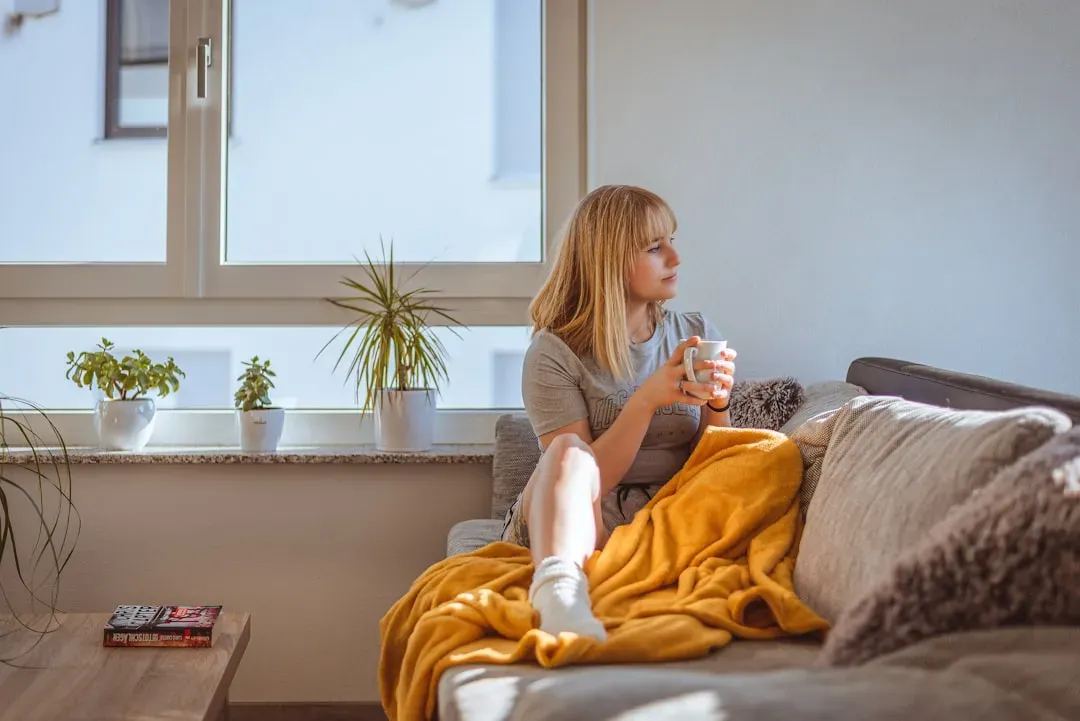
Some of the most memorable home touches aren’t visual at all. A well-placed reading lamp next to a comfortable chair, extra blankets kept within reach during colder months, or a kettle that’s always ready for tea are comfort-driven choices that guests and residents feel rather than see. These details often go unnoticed until they’re missing, which is exactly why they matter.
Temperature and softness play a bigger role in comfort perception than most people initially assume. A slightly warmer room, a soft rug against bare feet, or pillows with enough support rather than just decorative flatness all contribute to a physical sense of ease. Homes that prioritize this kind of comfort tend to feel more relaxing to be in, even if they’re not the most visually striking.
Personalized art and local finds
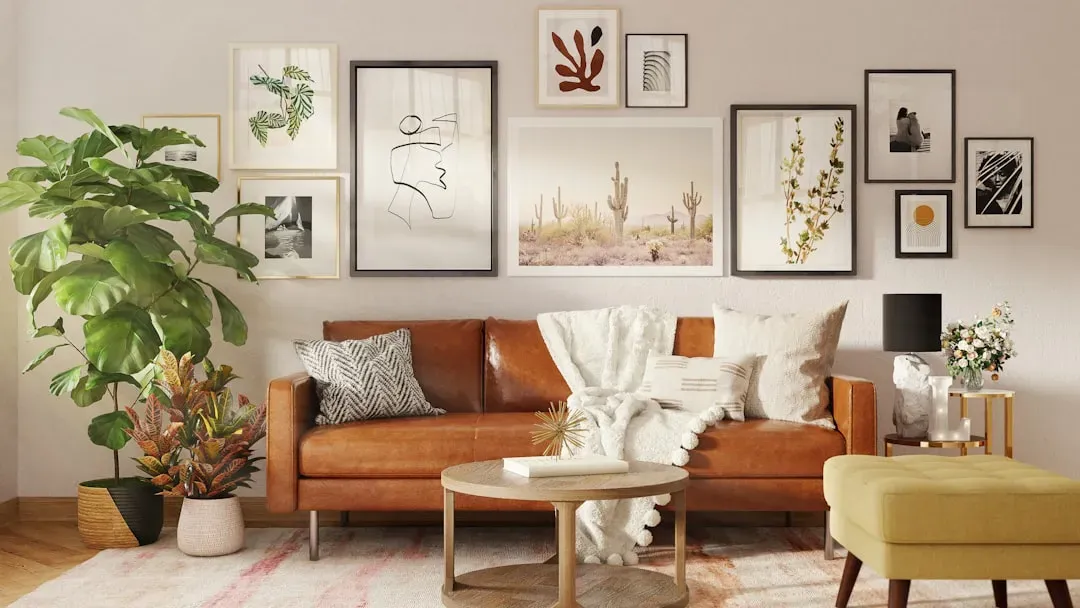
Mass-produced wall art has its place, but a home starts to feel distinct when it includes pieces with a story, a local artist’s print, a flea market painting, or a photograph taken on a meaningful trip. Interest in supporting independent and local artists has grown steadily through 2025, partly fueled by online marketplaces that make discovering small-scale creators easier than ever. This shift has made original or limited-run art more accessible to everyday buyers, not just collectors.
Mixing a few personal or local pieces among more conventional decor items avoids a home looking either too sterile or too eclectic. It’s less about spending more and more about choosing pieces that mean something specific to the people living there. Over time, these choices become the visual shorthand for what makes that particular home unmistakably theirs.