
The psychology behind small design choices

Humans process environments holistically, but the brain still registers dozens of tiny cues before conscious thought catches up. Texture, proportion, and color temperature all register almost instantly, which is why a room can feel “off” even when nothing is obviously wrong. Interior designers have long relied on this instinct, adjusting details like baseboard height or window trim to nudge a space toward comfort rather than unease.
This isn’t just decorator intuition. Environmental psychology research has repeatedly shown that small sensory inputs, lighting warmth, sound absorption, even scent, influence mood and perceived space quality more than most people realize. A room with harsh fluorescent lighting and a room with warm, layered lighting can have identical furniture and still feel like two different places entirely.
Lighting details that change how a room feels
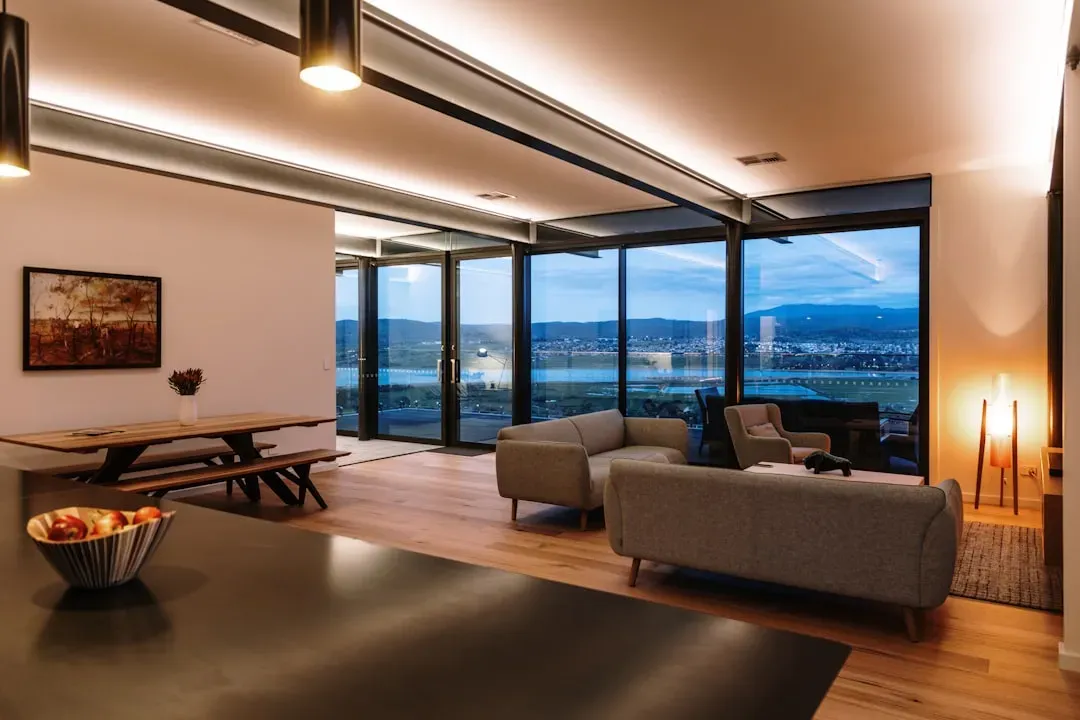
Lighting design has become one of the most scrutinized areas in home renovation, and for good reason. The difference between a 2700K and a 4000K bulb sounds trivial on paper, but in practice it can make a kitchen feel either cozy or clinical. Layered lighting, meaning a mix of ambient, task, and accent sources, has become a standard recommendation among interior designers because single overhead fixtures rarely do a room justice.
Dimmer switches, once considered a luxury add-on, are now common in mid-range renovations because they let homeowners adjust mood without rewiring anything. Smart lighting systems have also matured significantly, with many now offering scheduling and color temperature shifts throughout the day to mimic natural light patterns. These aren’t dramatic changes, but they’re the kind of detail that separates a house that just functions from one that feels genuinely designed.
Hardware and fixtures as quiet style statements
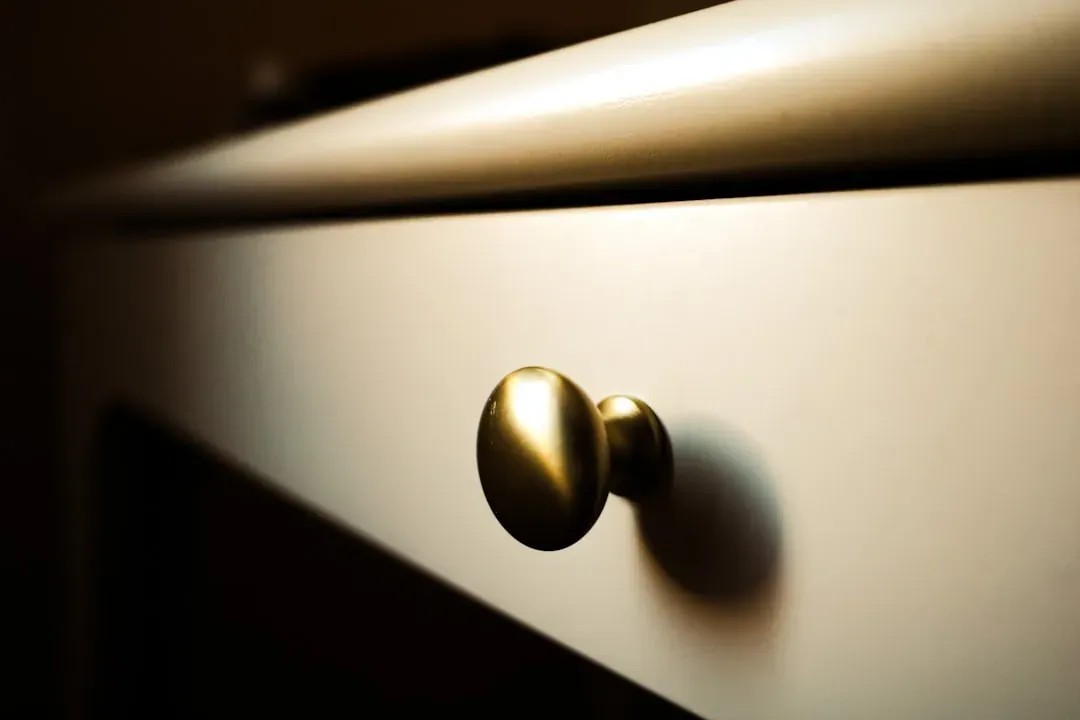
Cabinet handles, faucet finishes, and door hinges rarely get top billing in a renovation budget, yet they’re often the first things a hand touches and the last thing swapped out. Brushed brass, matte black, and unlacquered finishes have all had moments of popularity in recent years, and each shift changes the character of a kitchen or bathroom without requiring structural work. It’s a relatively low-cost way to modernize a space that otherwise hasn’t changed.
Mixing metals, once considered a design mistake, is now widely accepted as long as there’s a consistent logic to it. A brass faucet paired with black hardware can look intentional rather than mismatched if the rest of the room supports that pairing. The detail that matters isn’t the metal itself, but the coherence of the choices around it.
The role of trim, molding, and transitions
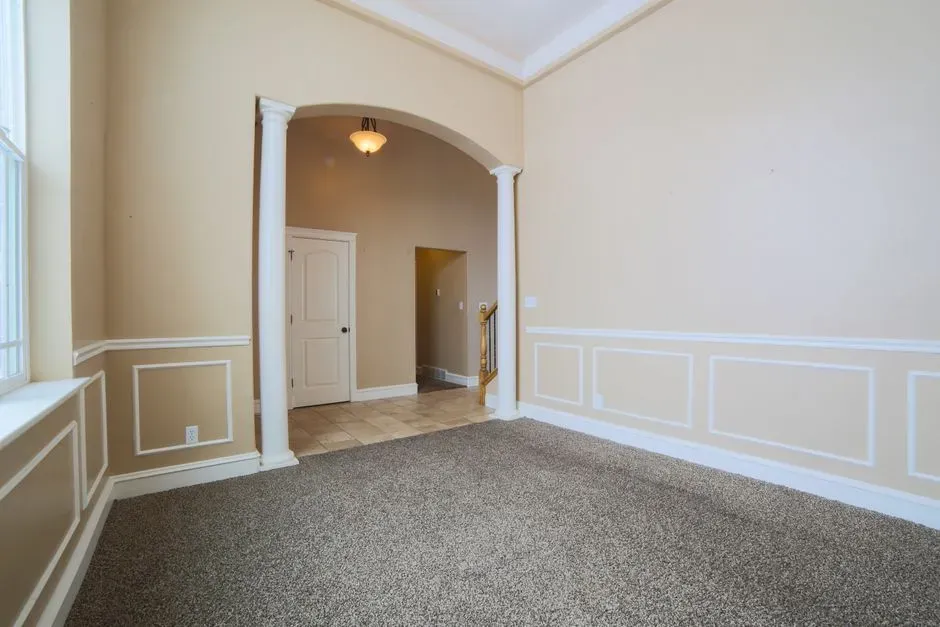
Trim work is one of those details that people notice only when it’s missing or done poorly. Baseboards, crown molding, and door casings frame a room the way a mat frames a photograph, and their absence can make even a well-furnished space feel unfinished. Builders and designers often point to trim as one of the fastest ways to make a newer or more budget-conscious home feel more established.
Transitions between materials, where tile meets hardwood, where one wall color meets another, are equally telling. A clean, well-executed transition signals craftsmanship, while a sloppy one draws the eye in a way that undermines everything else in the room. These are the kinds of details that rarely show up in listing photos but become obvious the moment someone walks through in person.
Color undertones and how they shift a space
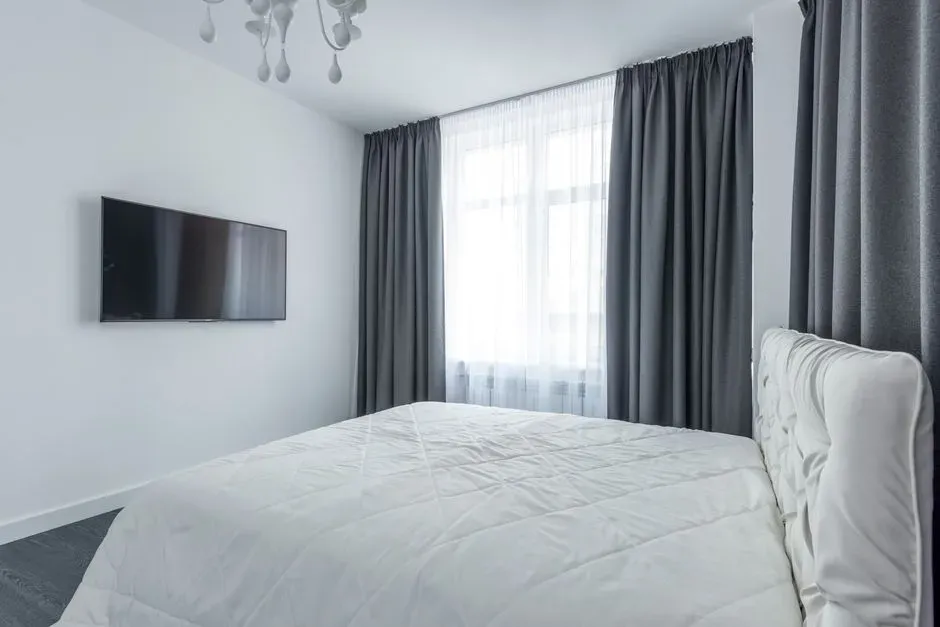
Paint color gets plenty of attention, but undertone is where a lot of projects go wrong. A “white” wall can lean warm, cool, or even slightly green depending on lighting and surrounding materials, and that shift can throw off an entire room’s balance. Designers frequently test paint swatches at different times of day specifically because natural light changes how a color reads from morning to evening.
Neutral palettes have remained popular through the mid-2020s, but the neutrals themselves have gotten more nuanced. Warm greiges, soft taupes, and muted greens have replaced the flatter, cooler grays that dominated the previous decade. It’s a subtle shift, but it changes how a whole house feels without requiring a single structural change.
Hardware finishes and their impact on perceived quality
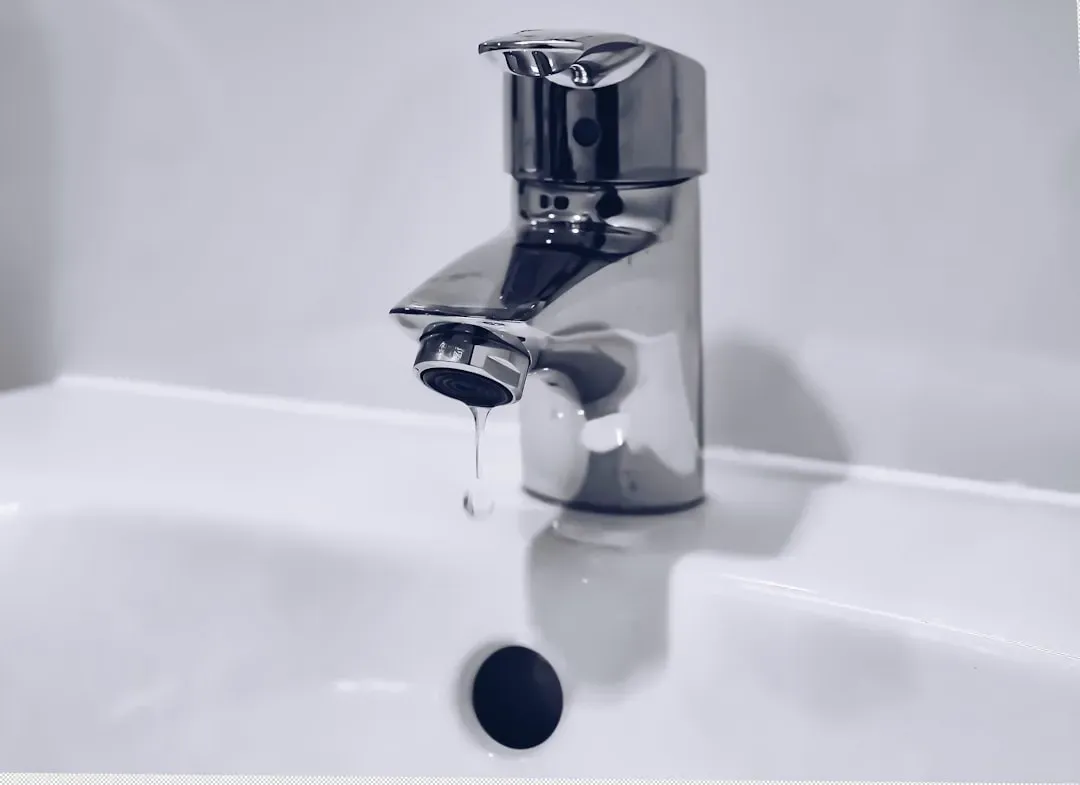
Beyond style, finish quality affects how long details actually hold up. Cheaper plated finishes on faucets or handles can wear unevenly within a couple of years, exposing the base metal underneath and giving an otherwise nice kitchen a tired look. Solid or PVD-coated finishes cost more upfront but tend to hold their appearance far longer, which matters in high-touch areas like kitchens and entryways.
This is one area where the small detail has a direct financial consequence. Replacing worn hardware across a kitchen isn’t expensive in isolation, but it adds up when it has to be done repeatedly. Choosing better finishes the first time is one of those unglamorous decisions that pays off quietly over years rather than immediately.
Storage details that solve everyday friction
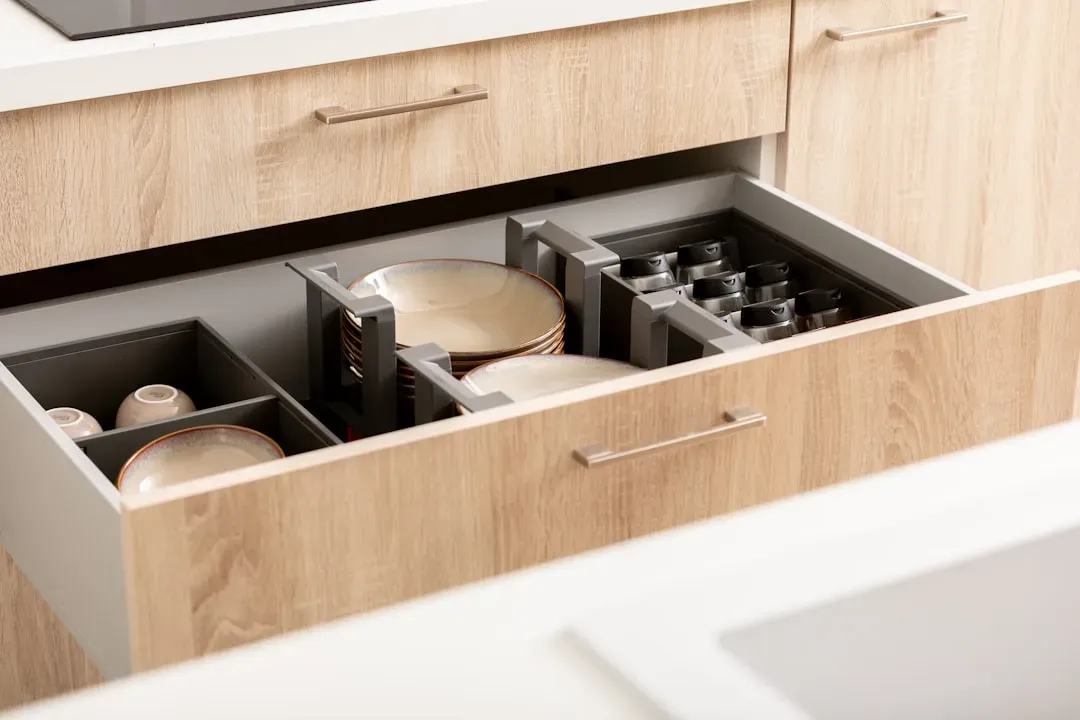
Storage design has moved well beyond simple shelving in recent renovation trends. Pull-out organizers, dedicated charging drawers, and vertical dividers for baking sheets or trays address specific daily frustrations rather than offering generic storage space. These details rarely show up in a home tour but get used constantly by the people actually living there.
Closet systems have followed a similar path, with adjustable shelving and specialized sections for shoes, accessories, or luggage becoming standard in renovation projects rather than premium upgrades. The appeal isn’t the novelty of it, it’s the reduction of daily friction. A well-organized drawer doesn’t photograph dramatically, but it changes how a morning routine feels.
Acoustic details in open floor plans
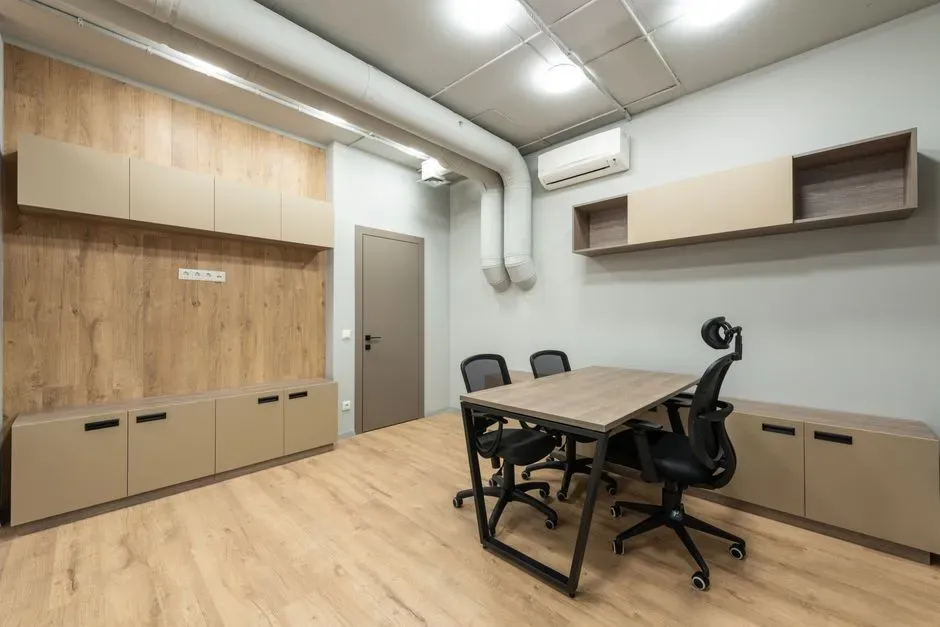
Open floor plans dominated for years, prized for their sense of space and connectivity. That same openness, though, comes with an acoustic cost that many homeowners didn’t anticipate until they were living in it. Sound travels further and echoes more in large, hard-surfaced open spaces, which is part of why softer materials have made a comeback.
Area rugs, upholstered furniture, and even acoustic ceiling treatments have become more common additions specifically to manage noise in open-concept homes. These aren’t dramatic design statements, but they solve a real problem that only becomes obvious after move-in. It’s a good example of how a detail can be functional first and aesthetic second, yet still matter enormously to daily comfort.
Small details and resale value
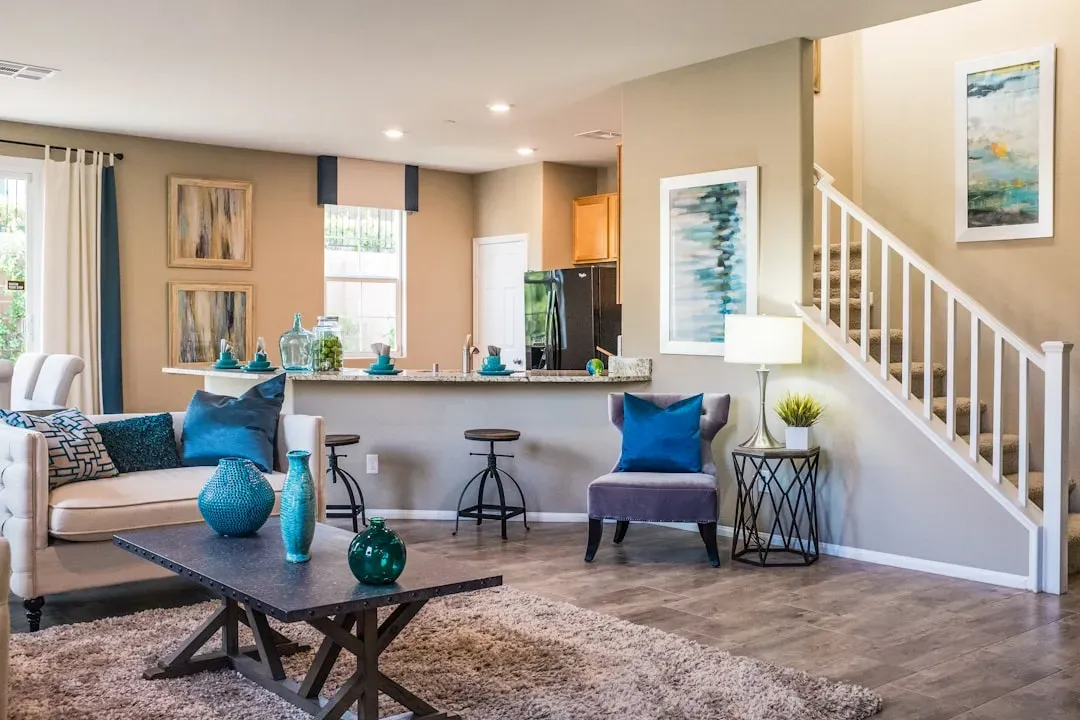
Real estate agents have long noted that buyers form impressions within the first few minutes of a walkthrough, and small details play an outsized role in that reaction. Chipped paint near a light switch, a wobbly cabinet handle, or dated hardware can subtly signal deferred maintenance even when the home’s major systems are fine. Buyers may not consciously articulate why a home feels well cared for, but these details are often doing the work.
Staging professionals routinely focus on exactly this level of detail before listing a home, often addressing small fixes that cost little but change the overall impression significantly. It’s a practical reminder that the smallest, least expensive updates sometimes carry outsized weight in how a space is perceived, whether by a guest, a buyer, or simply the people who live there every day.