
A guest room that feels genuinely prepared
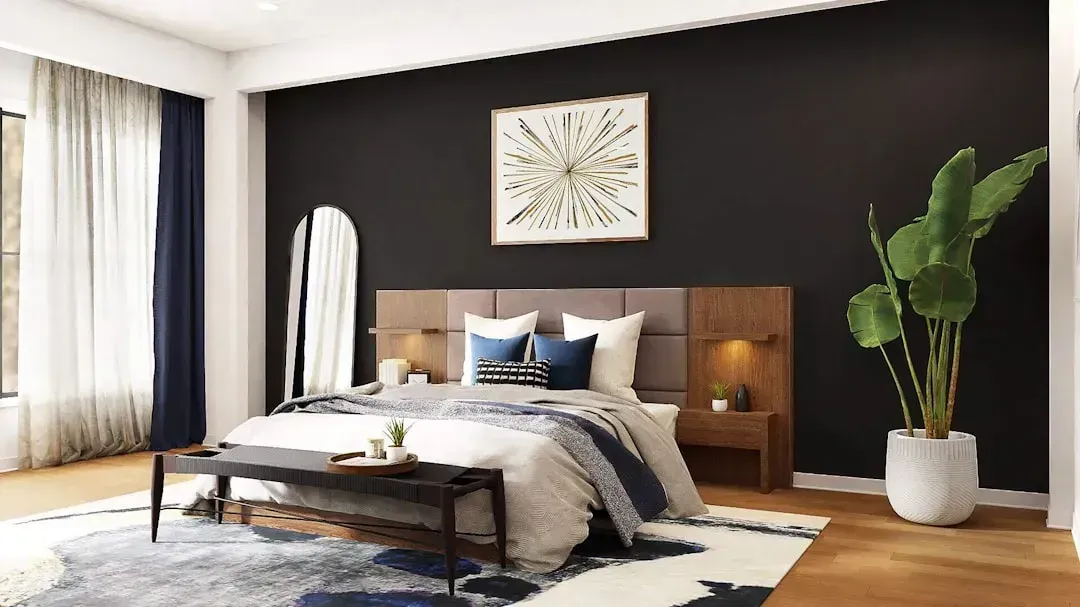
A made bed with clean sheets is the baseline, but what separates a thoughtful host from an average one is the extra layer of preparation. Fresh towels folded and placed somewhere obvious, a small lamp for reading, and an empty drawer or shelf for someone’s belongings all signal that a guest was expected and welcomed. Even a glass of water on the nightstand or a spare phone charger nearby removes the awkwardness of asking for basic necessities.
Temperature control matters more than people admit, especially in a room guests haven’t adjusted to yet. A small fan or an extra blanket folded at the foot of the bed lets visitors regulate their own comfort without disturbing the household. These are inexpensive additions, yet they consistently rank among the things people mention when describing a stay that felt effortless.
Clear, working Wi-Fi information

Nothing undercuts hospitality faster than a guest quietly struggling to get online while pretending it doesn’t matter. A visible card, sticky note, or small sign with the network name and password saves everyone the mild embarrassment of asking, and it signals that the host thought ahead. This is especially d by overnight guests or visitors who need to work remotely during their stay.
Connectivity has become an expected utility rather than a luxury, similar to running water or heat. Hosts who post this information near the entryway or in the guest room eliminate a small but real point of friction. It’s a minor detail with an outsized effect on how relaxed someone feels in an unfamiliar space.
A well-lit, easy-to-find bathroom
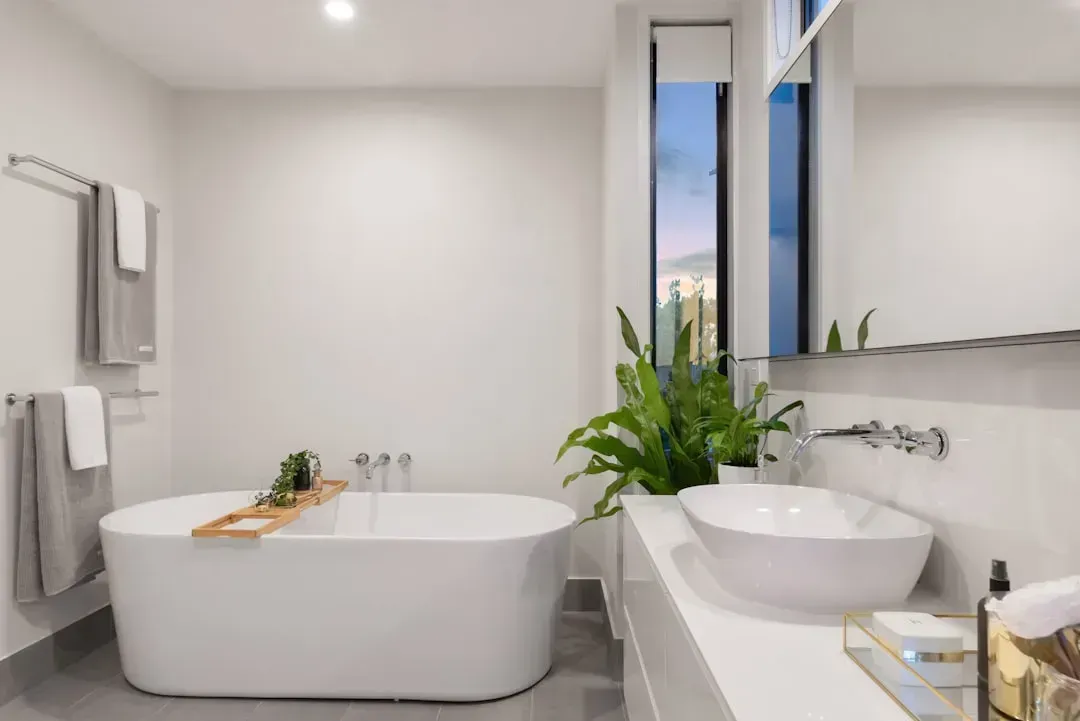
Bathrooms are one of the most personal spaces in a home, and guests are often more self-conscious in them than anywhere else. Good lighting, a clean mirror, and a bathmat that isn’t damp or worn out go a long way toward making someone feel comfortable rather than like they’re intruding. Clear labeling or simple directions to the nearest bathroom also spare visitors the discomfort of wandering through a stranger’s house.
Stocking a few backup essentials, like extra toilet paper, hand soap, and a spare towel, shows preparation without requiring conversation. Scented candles or diffusers aren’t necessary, but a neutral, clean smell is consistently d over anything overpowering. Simplicity tends to win over elaborate décor in this particular room.
Accessible parking and clear entry instructions
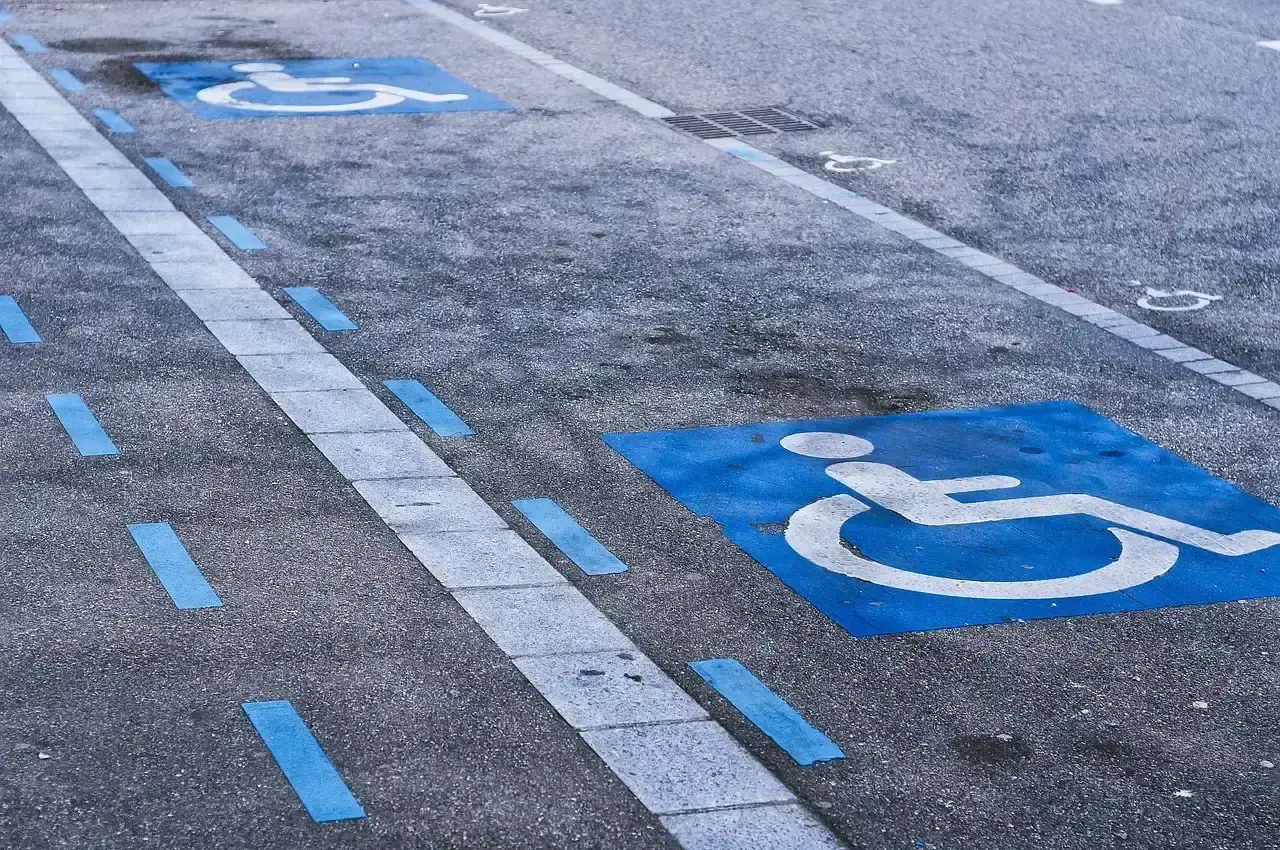
Guests arriving at an unfamiliar address often feel a flicker of anxiety before they even reach the door, especially at night or in unfamiliar neighborhoods. A quick text with parking instructions, a porch light left on, or a simple note about which door to use removes that uncertainty almost entirely. These details matter even more for guests unfamiliar with the area or visiting for the first time.
Hosts who send a short message ahead of time, such as where to park or which entrance to use, are consistently remembered as easy to visit. It’s a small act of consideration that costs nothing but attention. That kind of communication tends to set the tone for the rest of the visit before a guest even steps inside.
Thoughtful lighting throughout common areas
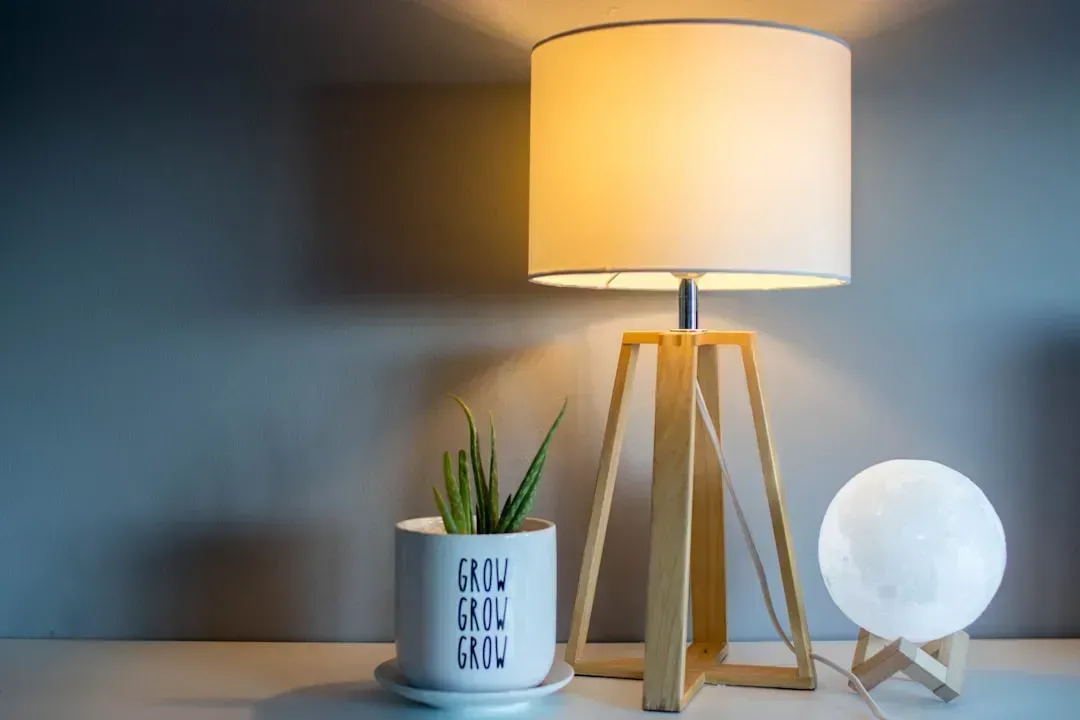
Harsh overhead lighting can make even a beautifully decorated room feel clinical and uninviting. Guests tend to relax more in spaces with warmer, layered lighting, such as table lamps or dimmed fixtures, rather than a single bright bulb overhead. This is one of the simplest and most affordable upgrades a homeowner can make, yet it’s frequently overlooked.
Lighting also affects how photos turn out and how long guests feel comfortable staying in a space. A living room with adjustable lighting options gives visitors the ability to set their own mood, whether that’s a relaxed evening or a lively gathering. Hosts who pay attention to this detail often don’t realize how much it shapes a guest’s overall impression.
A kitchen that invites without demanding permission

Guests often feel hesitant to open cabinets or ask where things are kept, even when they’re hungry or thirsty. A host who verbally offers a quick tour of the kitchen, pointing out glasses, snacks, or the coffee maker, removes that hesitation almost immediately. Leaving out a few snacks or fresh fruit on the counter also signals that guests are welcome to help themselves.
Coffee and tea stations have become particularly d, especially for morning guests or overnight visitors. A simple setup with a kettle, a few mugs, and basic options like sugar or milk nearby removes the need for guests to ask for something as routine as their morning coffee. It’s a detail that feels minor until it’s missing.
Comfortable seating for more than just the household
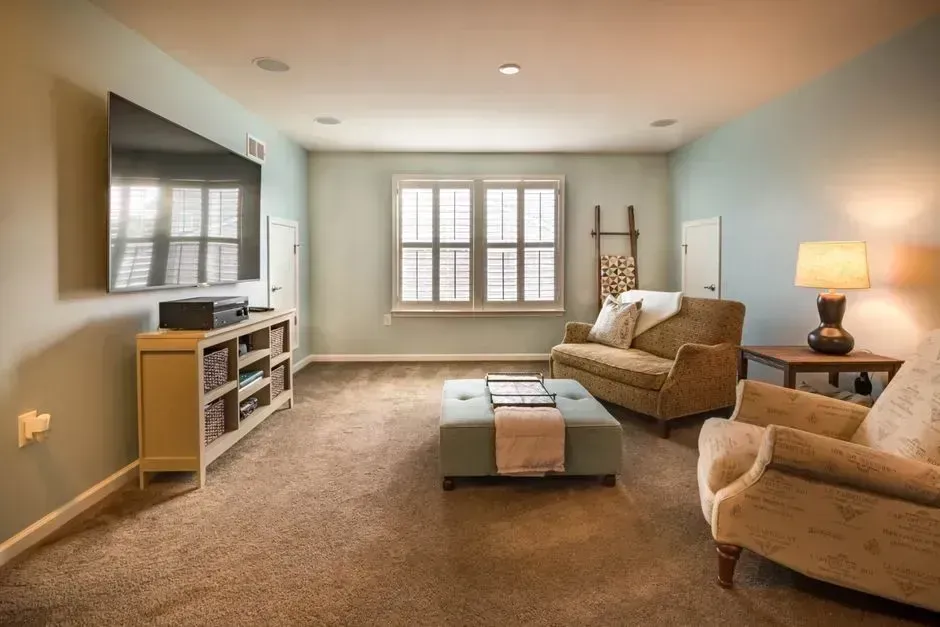
A home with only two or three seats in the living room can quietly stress out both host and guest when more people arrive than expected. Extra floor cushions, foldable chairs, or even a bench tucked away for larger gatherings show foresight without requiring a full furniture overhaul. Guests notice when they’re not left standing or squeezed onto the arm of a couch.
Seating arrangement also affects conversation flow, something hosts rarely think about but guests instinctively feel. Chairs and couches angled toward each other, rather than lined up facing a television, tend to encourage more natural conversation. This small layout choice often makes gatherings feel warmer, even if nothing else in the room changes.
A designated spot for shoes, coats, and bags
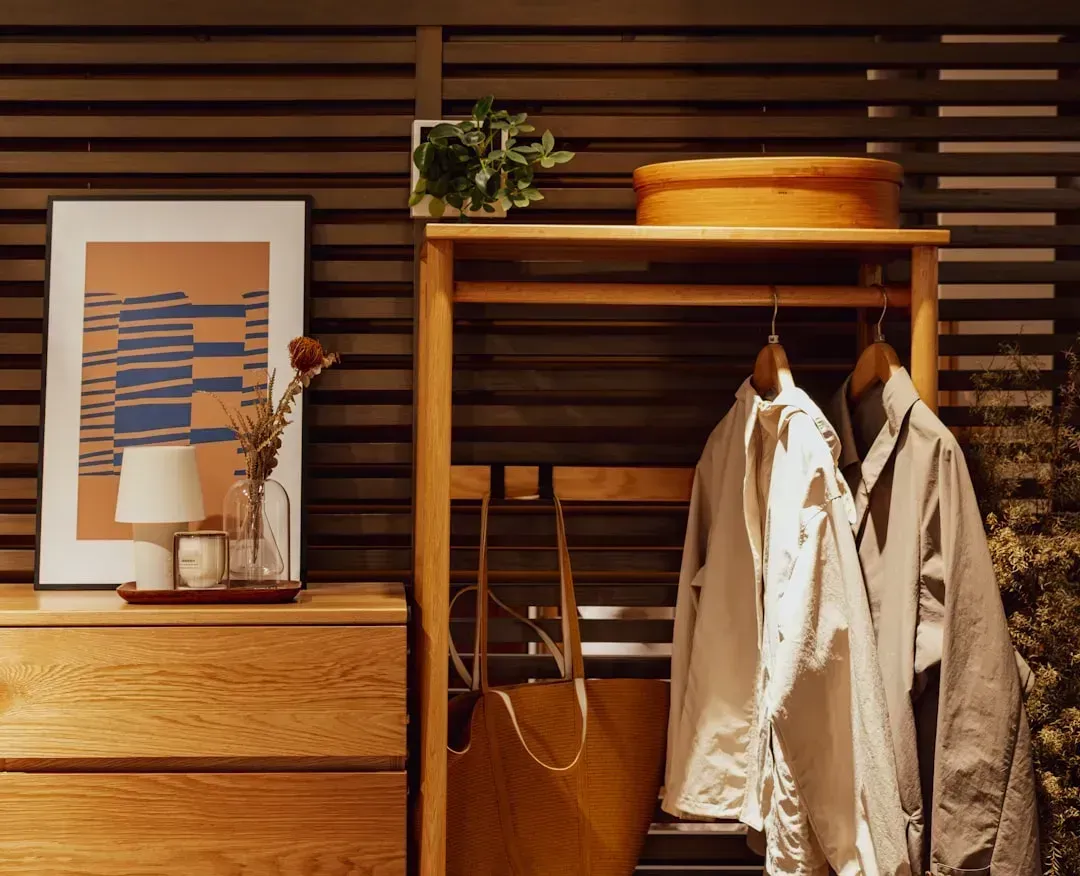
Walking into a home and not knowing where to put your coat or shoes creates a small but noticeable moment of awkwardness. A clearly designated area, whether it’s a bench near the entry, hooks on the wall, or simply a basket by the door, solves this instantly. Guests not having to ask or guess where their belongings should go.
This detail becomes even more important in households that prefer guests remove their shoes indoors. Providing a few pairs of clean slippers or indoor sandals near the entrance is a small gesture that many visitors remember fondly. It communicates thoughtfulness without requiring any awkward requests once someone is already inside.
Clean, fresh-smelling linens and towels

Scent has a stronger effect on comfort than most people realize, and stale or musty linens are one of the fastest ways to make a space feel neglected. Freshly laundered towels and sheets, even if the rest of the home isn’t perfectly tidy, create an immediate sense of care. This is particularly true for overnight or weekend guests who spend more time in close contact with these items.
Simple additions like a light, unscented detergent or a natural fabric softener tend to be safer choices than heavily perfumed products, since guests may have sensitivities or preferences hosts aren’t aware of. A neatly folded stack of extra towels left visible in the guest room removes any guesswork about availability. It’s one of the easiest details to control, and one of the most consistently d.
Personal touches that don’t overwhelm
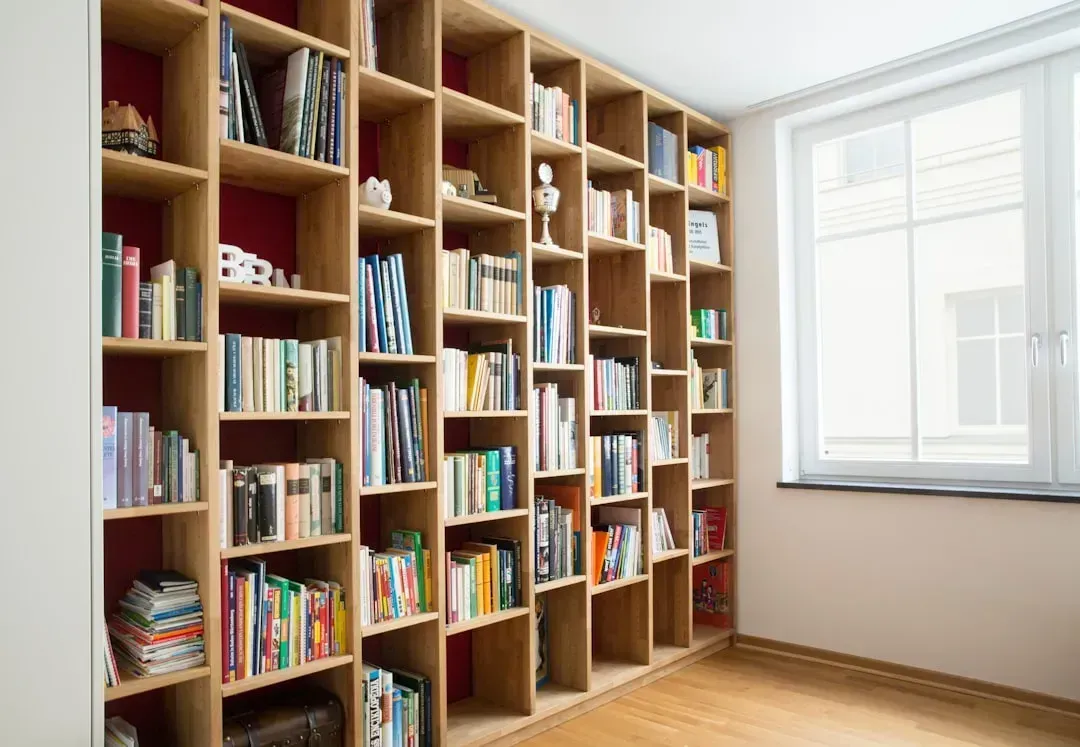
Guests tend to homes that feel lived-in rather than staged, but the balance matters. A few personal photos, a bookshelf with well-worn favorites, or fresh flowers on a table add warmth without feeling excessive. These small signs of personality make a space feel authentic rather than like a hotel room trying too hard to be neutral.
Overdecorating or cluttering common areas can have the opposite effect, making guests feel like they need to be careful where they sit or what they touch. The most memorable homes tend to strike a balance between comfort and simplicity, letting guests feel relaxed rather than like they’re navigating a showroom. This restraint is often what separates a house that feels like a home from one that simply looks impressive.