
Walk into almost any home with a vase of flowers on the counter and something shifts, even if you can’t quite name it. The room feels a little warmer, a little more lived in. It’s a small thing, buying a bunch of tulips or peonies on a weekday, yet it turns out that small thing carries more weight than most people realize.
Researchers have spent years studying why flowers affect us the way they do, and the findings go well beyond simple aesthetics. There’s a reason this habit has stuck around across cultures and generations, and it has as much to do with biology as it does with taste.
A habit older than we think
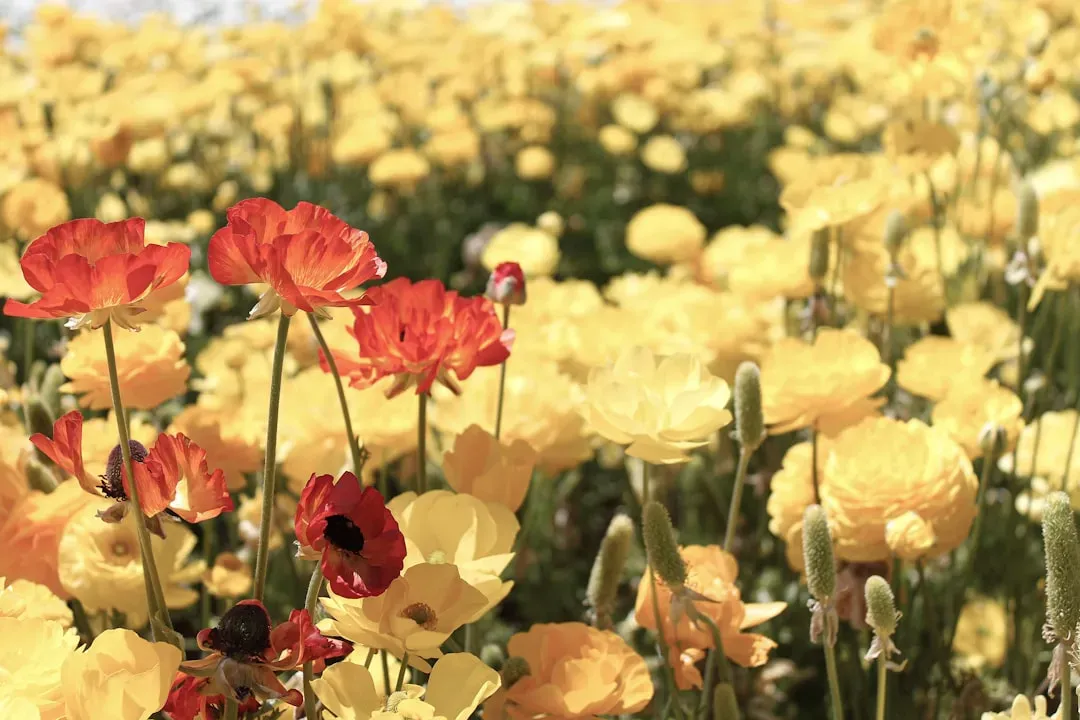
People have been bringing flowers indoors for thousands of years, long before anyone studied why it felt good. Ancient Egyptian tombs contained floral arrangements, and Roman households used blooms in daily rituals as well as celebrations. The impulse to decorate living spaces with something alive and blooming seems to be nearly universal.
What’s changed is not the instinct but the explanation behind it. Modern behavioral science has started to catch up with what people already sensed intuitively. University research has linked flowers to happiness, creativity, compassion, and tranquility, with flowers and plants providing emotional and behavioral benefits beyond their aesthetic and environmental value.
The research behind that instant lift
One of the most cited pieces of evidence comes from Harvard Medical School and Massachusetts General Hospital. A behavioural research study conducted by Nancy Etcoff, Ph.D., revealed that people feel more compassionate toward others, have less worry and anxiety, and experience fewer feelings of depression when fresh cut flowers are present in the home. That’s not a marginal effect. It touches several emotional states at once.
The study, often referred to as the Home Ecology of Flowers Study, involved a fairly modest but carefully designed group. Fifty-four people, ages 25-60, were studied using self-report measures, with half of the participants receiving a control home décor item instead of flowers to ensure the study’s validity. Even with flowers present for less than a week, the emotional shift was measurable.
Why the morning matters
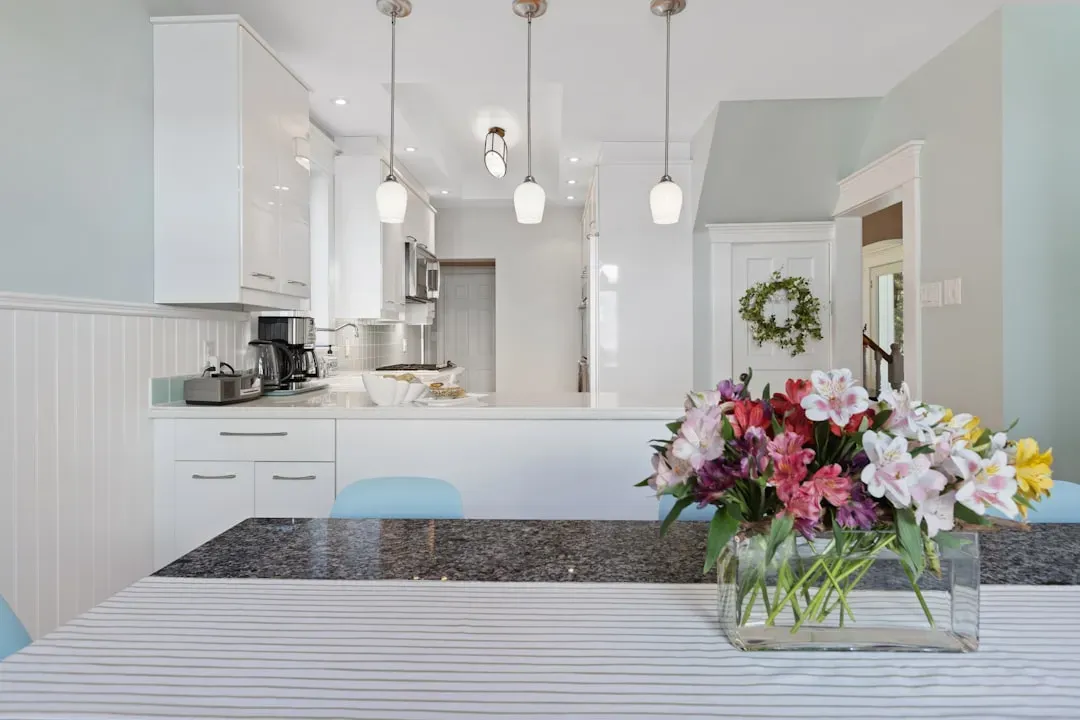
There’s a specific detail from that research that tends to stick with people. Participants didn’t just place flowers anywhere in the house. Participants most frequently placed flowers in their kitchens, dining rooms and living rooms, where they spend a lot of time at home, and they reported wanting to see the blooms first thing in the morning.
That morning detail says something about how flowers function day to day. They’re not treated as occasional decoration for special guests. They become part of the daily rhythm, something people check in with before coffee even starts brewing, quietly setting the tone for whatever the day brings.
A separate study, a similar conclusion
Harvard’s findings don’t stand alone. Rutgers University conducted its own long-running research into flowers and emotional wellbeing, led by psychologist Jeannette Haviland-Jones. A team of researchers explored the link between flowers and life satisfaction in a 10-month study, finding that flowers have a long-term positive effect on moods, with participants reporting feeling less depressed, anxious and agitated after receiving flowers, alongside a higher sense of enjoyment and life satisfaction.
The Rutgers work also looked at social behavior, not just individual mood. The presence of flowers led to increased contact with family and friends, suggesting flowers make intimate connections more likely rather than less. That’s a meaningful finding for anyone who’s noticed how a bouquet on the table tends to draw comments from visitors.
Where flowers get displayed says something
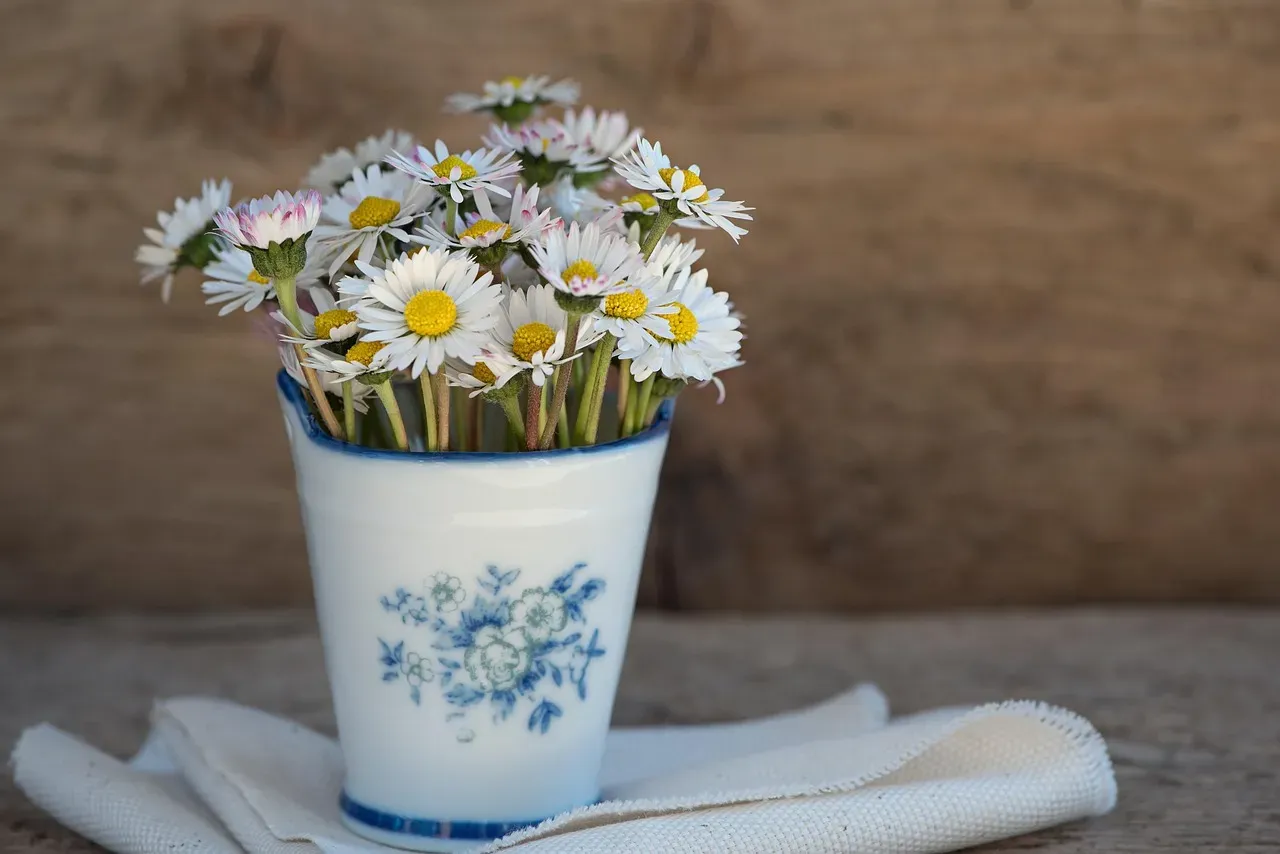
It’s worth paying attention to where people actually put their flowers, because it reveals how the habit is used. Dr. Haviland-Jones noted that arrangements were placed in areas of the home open to visitors, such as foyers, living rooms and dining rooms, suggesting that flowers are a symbol for sharing.
This lines up with something fairly intuitive. Flowers aren’t usually hidden away in a closet or a spare room. They tend to sit exactly where a household gathers or where guests first arrive, functioning almost like a quiet welcome sign that says someone cared enough to bring something living into the space.
The stress connection

Beyond mood, there’s a physical piece to this story involving stress hormones. Interacting with flowers appears to influence the nervous system in a measurable way. Engaging with flowers, smelling them and being mindful with them can reduce cortisol levels, and flowers are known to stimulate chemicals like dopamine, oxytocin and serotonin in the brain.
There’s also newer, more targeted research specifically on stress reduction. A 2018 study titled The Impact of Flowers on Perceived Stress Among Women concluded that adding flowers to indoor environments results in a statistically significant and meaningful reduction in stress. That’s a fairly direct link between something as simple as a vase of flowers and a body’s actual stress response.
Real flowers versus artificial ones
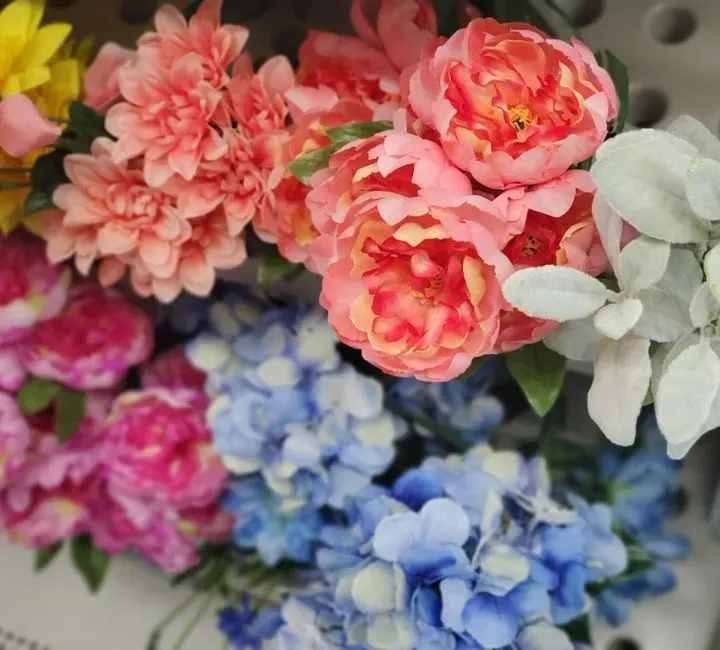
A reasonable question comes up here. If flowers work through scent, color, and the general biophilic pull of nature, would a good silk arrangement do the same job? The evidence leans toward no, at least not to the same degree. Research suggests that artificial flowers provide some visual benefit but significantly less than real flowers, largely because of fragrance, the living quality of real flowers changing daily, and the brain responding more positively to natural, authentic objects.
That living, changing quality seems to matter more than people assume. A fresh bouquet opens, shifts, and eventually fades, and that whole process keeps people engaged with it in a way a static silk version simply can’t replicate. It’s a small daily reminder that things change, which is oddly grounding rather than sad.
Benefits that extend into later life

The emotional lift from flowers isn’t limited to any one age group, but there’s specific evidence pointing to older adults. The Rutgers study showed that flowers counteract at least three advanced age challenges: easing depression, inspiring social networking, and refreshing memory. That’s a fairly significant claim for something as ordinary as a bouquet.
This shows up in caregiving environments too, not just private homes. In home care environments, such as those assisting elderly or disabled individuals, fresh blooms can improve emotional engagement and even cognitive function. It’s part of why flowers show up so often in senior living facilities and rehabilitation centers, not purely for decoration but as something closer to a low-cost wellness tool.
A carry-over effect at work
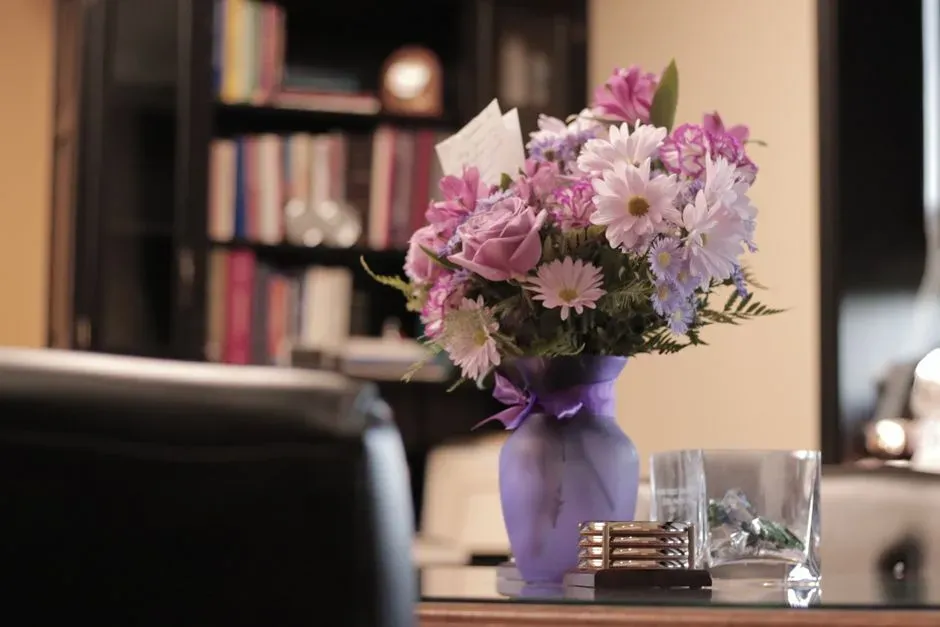
One of the more surprising findings from the Harvard research had nothing to do with the home directly. It showed up somewhere else entirely: the office. Having flowers at home can have a positive carry-over impact on mood at work, with the study finding that people were more likely to feel happier and have more enthusiasm and energy at work when flowers were part of their home living environment.
That’s a detail worth sitting with. It suggests the benefit isn’t confined to the room where the vase sits. Whatever emotional lift happens at the kitchen table in the morning seems to travel with people, showing up hours later in a completely different setting.
Why the habit keeps making sense
Put all of this together and the appeal of fresh flowers at home stops feeling like a stylistic preference and starts looking like something closer to a low-effort wellness routine. The research spans multiple institutions, several decades, and different age groups, yet it keeps arriving at similar conclusions about mood, connection, and stress.
None of this requires an elaborate arrangement or a rare variety from a specialty grower. A simple bunch from the grocery store, refreshed every week or so, seems to do the job the studies describe. That’s probably part of why the habit has never really gone out of style, even as home trends around it have shifted again and again.