
Layer your lighting instead of relying on one source
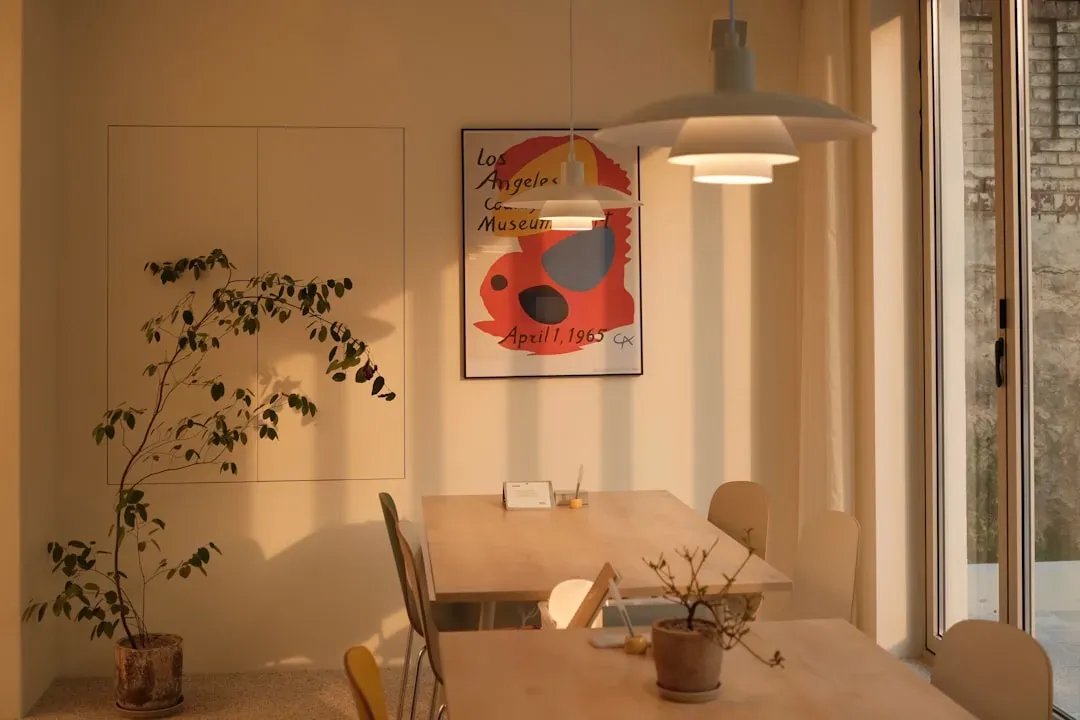
Overhead lighting alone tends to flatten a room and give it a clinical, almost office-like quality. Designers have long pointed to layered lighting, meaning a mix of ambient, task, and accent sources, as one of the fastest ways to change how a space feels without touching the walls or furniture. A floor lamp in the corner, a table lamp near a reading chair, and even a string of dimmable puck lights under a shelf can do more for atmosphere than a single bright fixture ever will.
The color temperature of your bulbs matters just as much as the number of lamps you own. Warm white bulbs, generally in the 2700K to 3000K range, mimic the soft glow of candlelight and tend to make skin tones, wood, and fabric look richer. Cooler bulbs above 4000K are useful in kitchens or workspaces but can make a living room feel sterile if used everywhere else in the house.
Bring in natural materials wherever you can
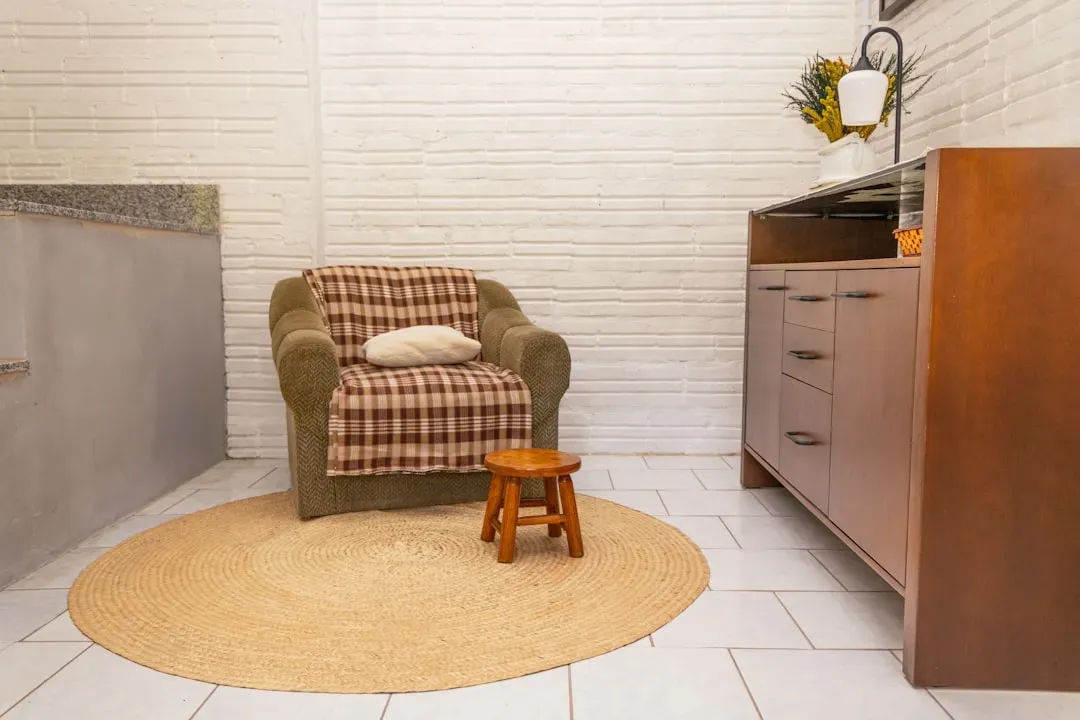
Wood, wool, linen, and stone carry a kind of visual and tactile warmth that synthetic materials struggle to replicate. A wooden side table, a jute rug, or a wool throw introduces subtle variation in grain, weave, and texture that the eye reads as organic and comforting. This is part of why biophilic design, which incorporates natural elements into interiors, has remained a steady focus in residential design conversations through 2024 and into 2026.
You don’t need to overhaul every surface to get this effect. Swapping a plastic or glass tray for a wooden one, or replacing a synthetic throw pillow cover with linen, can shift the feel of a corner of a room almost immediately. Small material changes are often more noticeable than people expect, precisely because they engage touch as well as sight.
Choose a warm, muted color palette
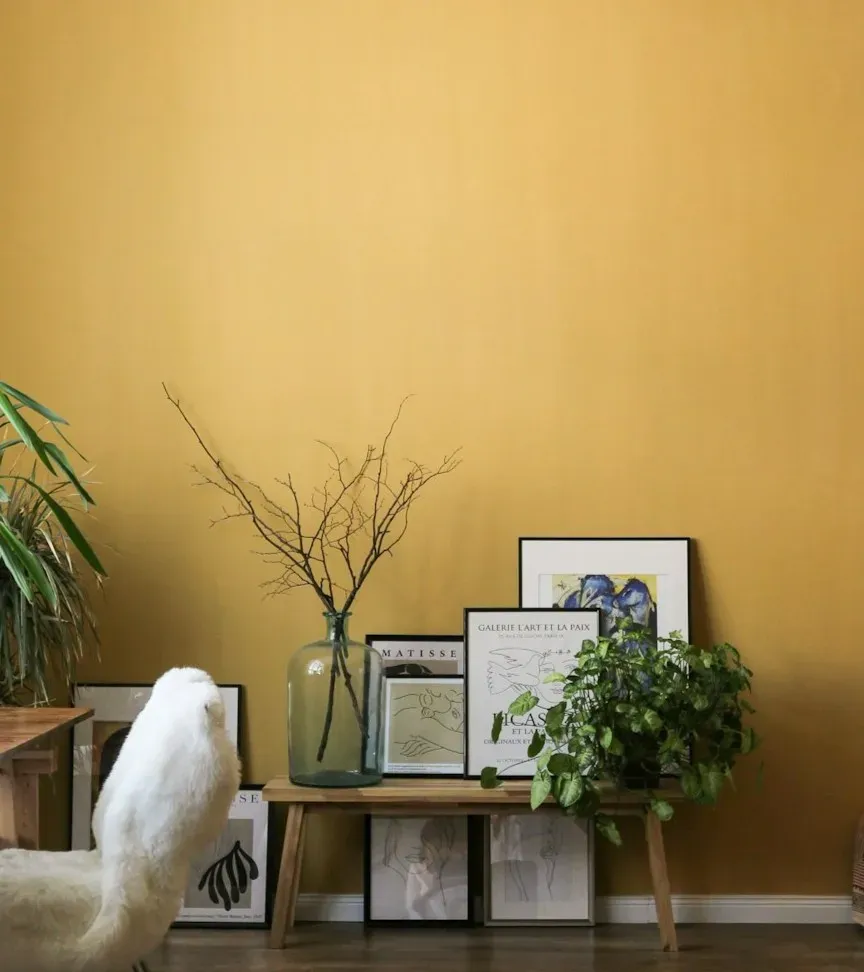
Color has a well-documented psychological effect on how a space reads emotionally, and warm tones like terracotta, mustard, deep amber, and soft browns tend to make rooms feel cozier and more grounded. Even a neutral palette can lean warm if you choose creams and beiges with yellow or red undertones instead of cooler grays. This doesn’t mean painting every wall a bold color; often it’s the accent pieces, like cushions, art, or a single painted wall, that carry the warmth.
Paint companies have leaned into this shift in recent years, with several major brands naming warm, earthy tones as their color of the year for 2024 and 2025. That trend has continued into 2026, reflecting a broader preference for interiors that feel calm and grounded rather than stark or overly minimal. Choosing two or three warm tones and repeating them across a room, rather than scattering many unrelated colors, tends to create a more cohesive and inviting result.
Add texture through textiles
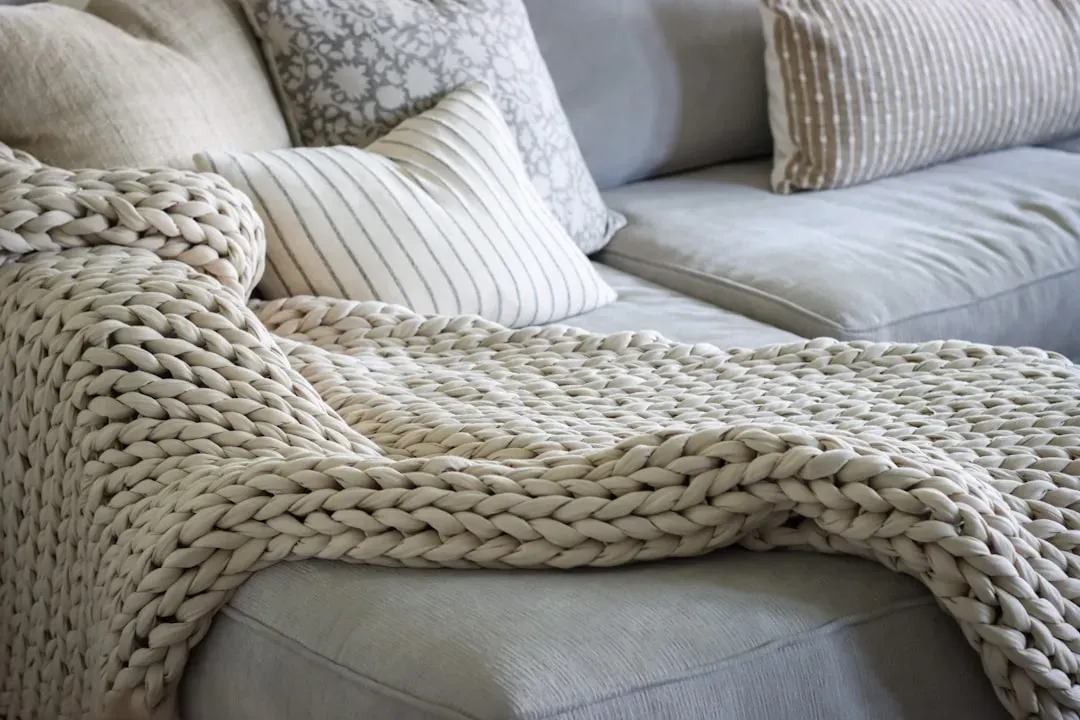
A room with only hard, smooth surfaces, glass, metal, polished wood, can feel cold even if the color palette is technically warm. Textiles are one of the simplest fixes because they’re relatively inexpensive and easy to swap out seasonally. A chunky knit throw draped over a sofa, a textured area rug, or curtains in a heavier woven fabric all soften a room’s acoustics and its visual hardness at the same time.
Mixing textures within a single color family tends to work better than mixing too many colors at once. A room with a linen sofa, a wool rug, and a velvet cushion in similar tones will feel rich and layered rather than busy. This layering effect is a common technique in professional styling because it adds depth without requiring a lot of extra color or pattern.
Use candles and open flame sparingly but intentionally

Few things replicate the specific quality of warmth that comes from actual flame. Candlelight sits at a very low color temperature, generally around 1800K to 1900K, which is part of why it reads as so much cozier than most artificial lighting. A cluster of candles on a mantel or dining table, or a small fireplace if the home has one, adds a flickering, irregular light that static bulbs simply can’t match.
This doesn’t need to be an everyday habit to matter. Lighting candles for dinner once or twice a week, or during a specific evening ritual, creates a strong association between that light quality and relaxation. Battery-operated flameless candles have also improved significantly in realism over the past few years, offering a safer alternative for households with children or pets while still delivering some of that same visual softness.
Incorporate wood tones through furniture and accents
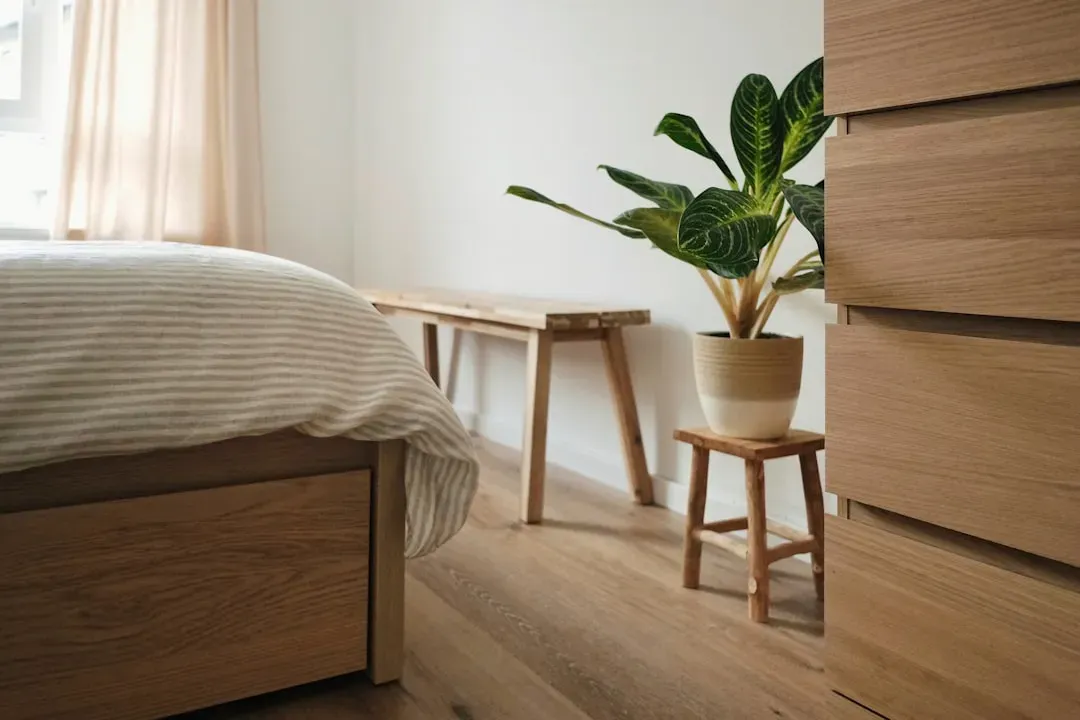
Wood has a long history in interior design precisely because it ages well and carries visible character, from grain patterns to knots to natural color variation. Furniture in walnut, oak, or teak tends to anchor a room and give it a sense of permanence that lighter, more uniform materials don’t always achieve. Even small wooden accents, a bowl, a picture frame, a set of coasters, contribute to this effect cumulatively.
Mixing wood tones has become more accepted in recent design guidance than it once was, provided the undertones are somewhat compatible. A room doesn’t need matching wood furniture throughout to feel cohesive; it needs a general harmony in warmth and saturation. This flexibility makes it easier to add wood elements gradually rather than replacing furniture all at once.
Personalize the space with meaningful objects
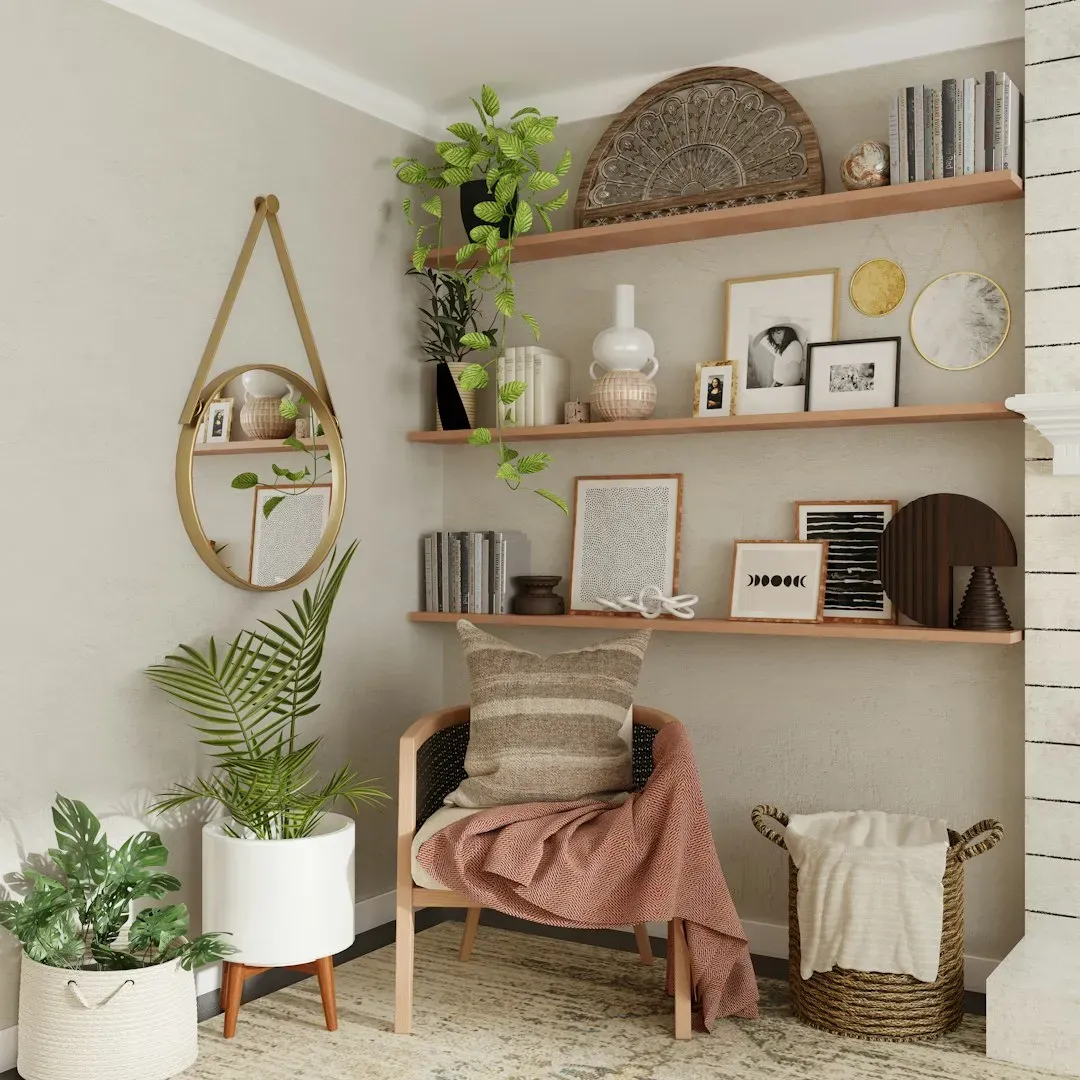
A room filled entirely with new, uniform items, no matter how tasteful, can feel a little impersonal. Family photographs, travel souvenirs, handmade items, or books that have actually been read tend to give a space a sense of history and identity. This kind of personalization is part of why fully staged show homes often look beautiful but not particularly warm; they’re missing the evidence of an actual life being lived there.
This doesn’t require clutter or an overwhelming amount of decor. A curated shelf with a handful of meaningful objects, spaced with some breathing room, communicates personality more effectively than a shelf crammed with items. The goal is visible signs of use and care, not maximum density of stuff.
Introduce plants and greenery

Indoor plants add color, texture, and a sense of life that static decor can’t replicate on its own. Research on biophilic design has repeatedly connected greenery in interior spaces to improved mood and a greater sense of comfort, which lines up with why plants are one of the most commonly recommended additions in warmth-focused design advice. Even low-maintenance options like pothos, snake plants, or dried botanicals can contribute this effect for people who don’t have particularly green thumbs.
Plant placement matters almost as much as plant choice. A single large plant in an empty corner tends to have more visual impact than several small plants scattered without a clear arrangement. Grouping plants of varying heights near a window also takes advantage of natural light while filling in a space that might otherwise feel bare.
Soften hard architectural edges with curves
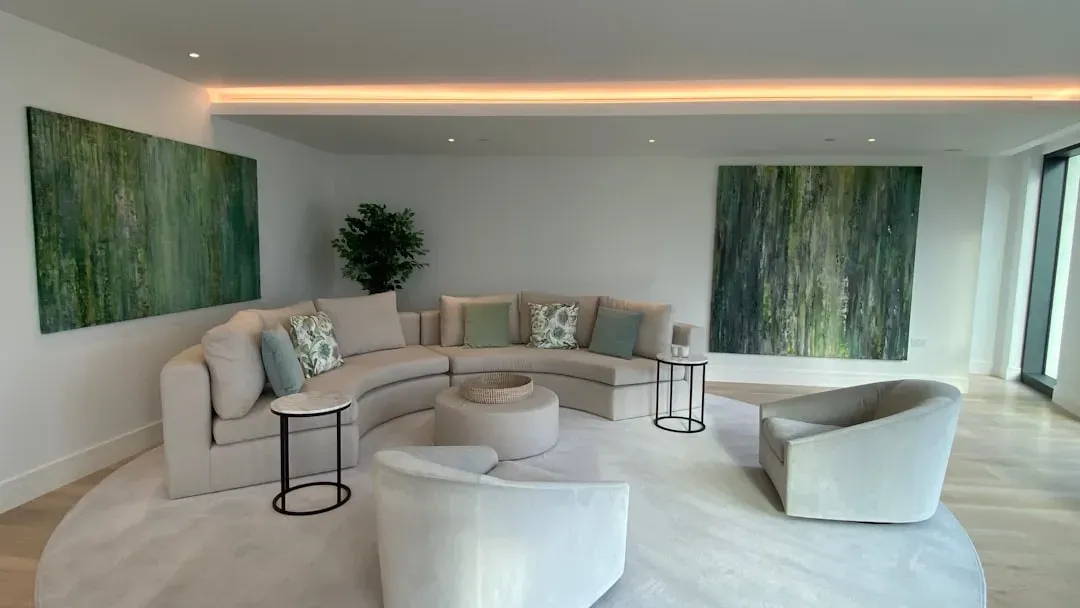
Straight lines and sharp corners are common in modern architecture, but an interior made up entirely of hard edges can feel rigid rather than relaxed. Curved furniture, rounded mirrors, and softly shaped lighting fixtures have become increasingly visible in interior design coverage from 2024 through 2026, partly as a reaction against the more angular, minimalist styles that dominated the previous decade. A curved sofa or an arched doorway detail introduces visual softness that the eye tends to read as more comfortable.
This shift toward curves isn’t about replacing every piece of furniture in a room. Introducing one or two rounded elements, a mirror, an accent chair, a pendant light, can meaningfully soften a space that otherwise consists of straight lines and hard angles. The contrast between curved and straight elements often reads as more interesting than uniformity in either direction.
Pay attention to scent

Smell is closely tied to memory and emotional response, which is part of why scent is often overlooked as a design tool despite its effectiveness. A consistent, subtle scent in a home, whether from a candle, diffuser, or simmering ingredients in the kitchen, contributes to an overall sense of comfort in a way that’s harder to quantify than visual elements but is still noticeable to most people entering a space. Warm scent notes like vanilla, sandalwood, or cinnamon tend to be associated with coziness more than sharper, cleaner scents like citrus or mint.
This doesn’t need to be an expensive or elaborate addition. A simple reed diffuser or a candle burned occasionally in commonly used rooms can be enough to create a subtle scent association with home. The key is consistency and subtlety rather than intensity, since an overpowering scent can have the opposite effect and feel unpleasant rather than comforting.