
There’s a reason so many house tours end in the backyard. A living room can be beautiful, a kitchen can be state of the art, but it’s often the patio, deck, or garden corner that homeowners talk about with the most affection. Over the past few years, that instinct has turned into something closer to a design principle, with outdoor comfort no longer treated as an afterthought.
Walk through any neighborhood in 2026 and you’ll notice the shift almost immediately. Fire pits glow on weeknights, string lights stretch across pergolas, and dining tables sit just as often outside as in. The question isn’t really whether outdoor space matters anymore. It’s why it took homeowners this long to treat it as essential.
An extension of the home, not an afterthought
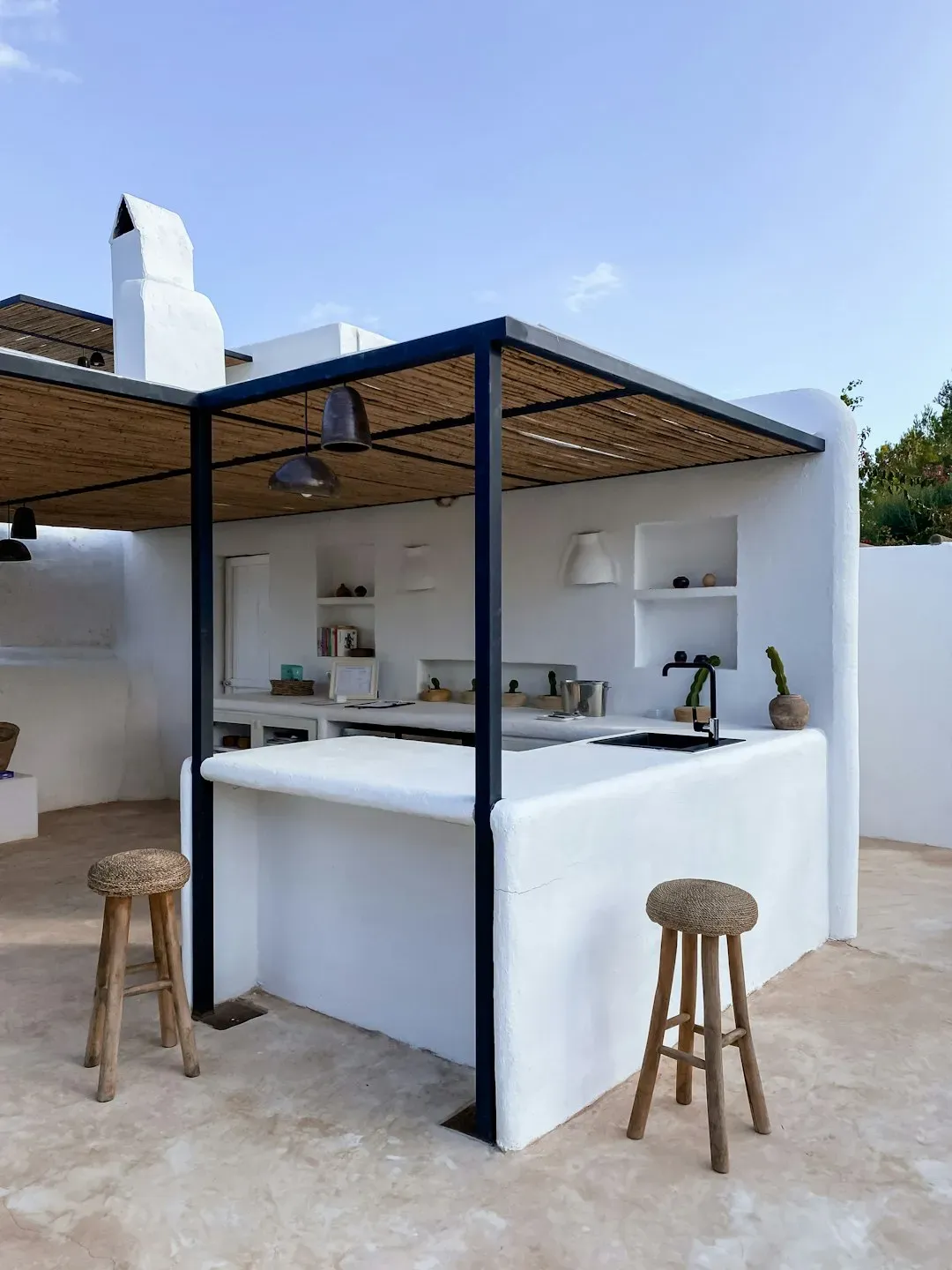
For decades, backyards were treated as a patch of grass with maybe a grill and a folding chair. That’s changed dramatically, with homeowners now designing outdoor areas as genuine extensions of their living space rather than leftover land around the house. Among homeowners upgrading their living spaces, many are doing so to extend their living spaces while a smaller but sizable group is driven by a desire to upgrade or add outdoor kitchens.
This isn’t just a passing preference. If homeowners were to remodel, 63% said they would prioritize investing in an outdoor living space, according to a Brown Jordan Outdoor Kitchens study. That kind of number suggests outdoor rooms have moved from nice-to-have to genuinely central in how people picture their homes.
The financial case is hard to ignore
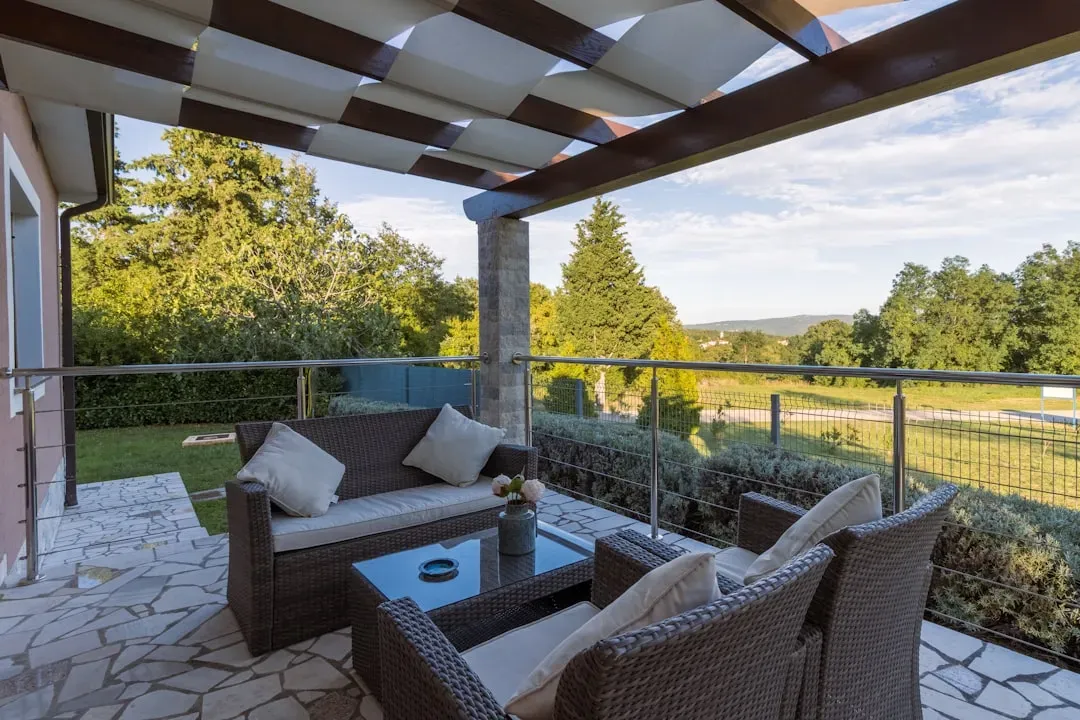
Comfort is one thing, but money talks too, and outdoor upgrades tend to pay for themselves in ways that many interior renovations simply don’t. 98% of industry professionals say an updated outdoor living space has a big impact on home value. That’s about as close to consensus as you’ll find in the remodeling world.
Specific projects back this up with hard numbers. The NAR reports that patios can recover up to 95% of their installation cost, with a new wood deck often recovering up to 89%. On top of that, with an ROI of 100% per the NAR, 22.5% of homeowners in a 2025 survey planned to pursue landscaping upgrades that year. Few home improvements offer that kind of near-total cost recovery.
Curb appeal still opens the door
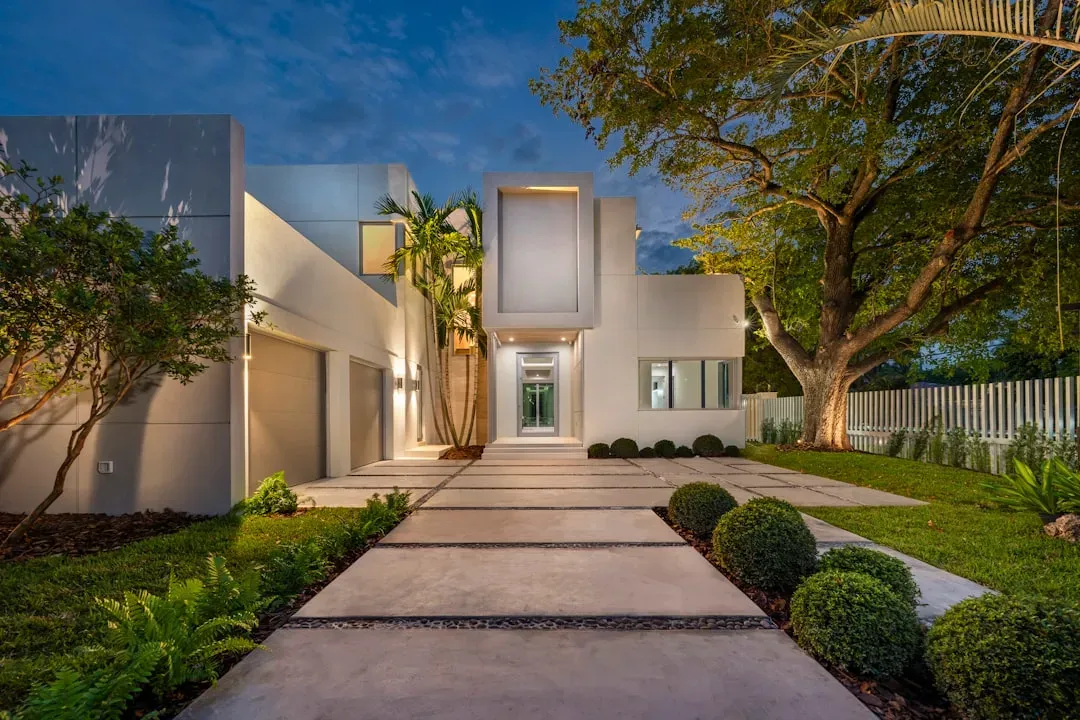
Before a buyer or guest ever steps inside, the exterior has already made an impression. Ninety-seven percent of realtors agree that curb appeal is important to attracting buyers, according to the NAR. That first glance, whether it’s a tidy front garden or an inviting side patio, sets expectations for everything that follows.
This matters just as much for people who have no plans to sell. A well-kept outdoor space signals care and intention, the same way a fresh coat of paint does indoors. It’s often the difference between a house that feels finished and one that feels like it’s still a work in progress.
Mental health benefits that go beyond fresh air

There’s now real research behind the idea that outdoor time isn’t just pleasant, it’s protective for mental health. A study from Oregon State University’s HEAL research lab found that outdoor recreation’s mental health benefits were significant and measurable during the pandemic, even after accounting for other risk factors. The lead researcher went so far as to argue for treating access to outdoor space as a form of behavioral medicine.
That finding lines up with broader environmental psychology research showing that engaging with natural spaces can lead to measurable improvements in mood, stress reduction, and overall emotional well-being. A comfortable backyard doesn’t need to be elaborate to offer this benefit. Even a small patio with a chair and some greenery gives people a low-effort way to step outside their four walls and reset.
Outdoor kitchens have become a legitimate room
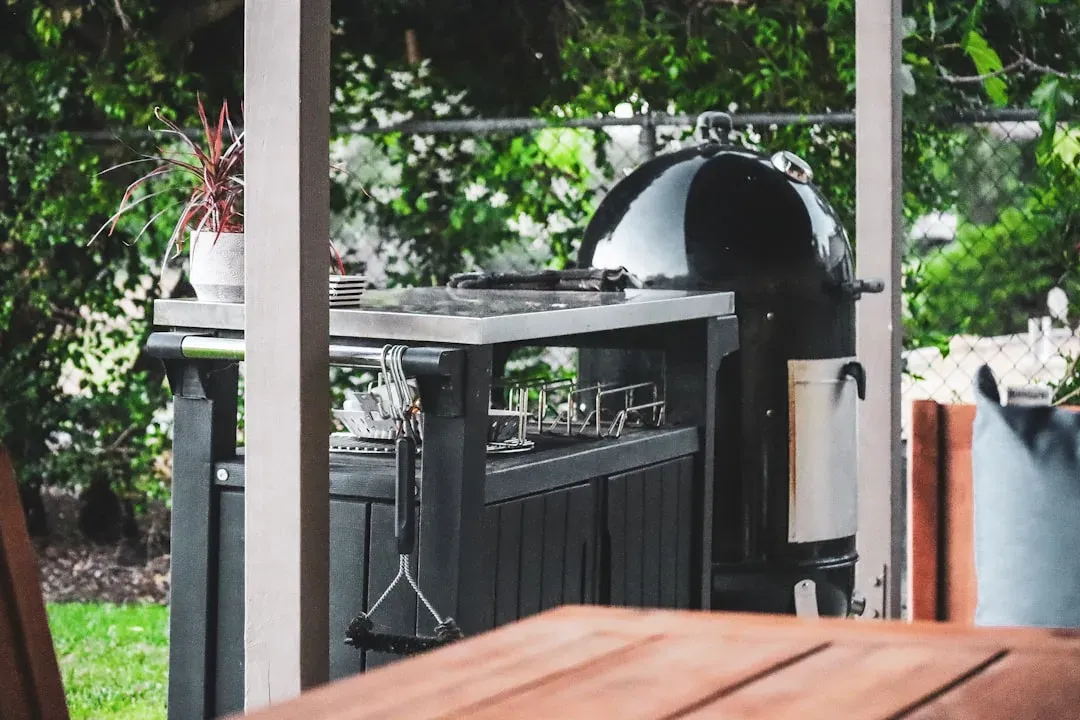
What used to mean a grill on a concrete slab has turned into something closer to a fully equipped second kitchen. Outdoor kitchens continue to be popular, comprising a $24.45 billion global market size in 2024, with an expected growth rate of 8.9% by 2030, according to Grand View Research. That’s a substantial industry built around something as simple as cooking outside.
Interest varies by generation, too, which says something about where this trend is headed. More millennials (22%) install an outdoor kitchen than Gen-Xers (15%) and baby boomers (8%). As younger homeowners settle into their own properties, it’s reasonable to expect outdoor cooking spaces to keep growing rather than fade as a passing fad.
Indoor-outdoor flow is reshaping design
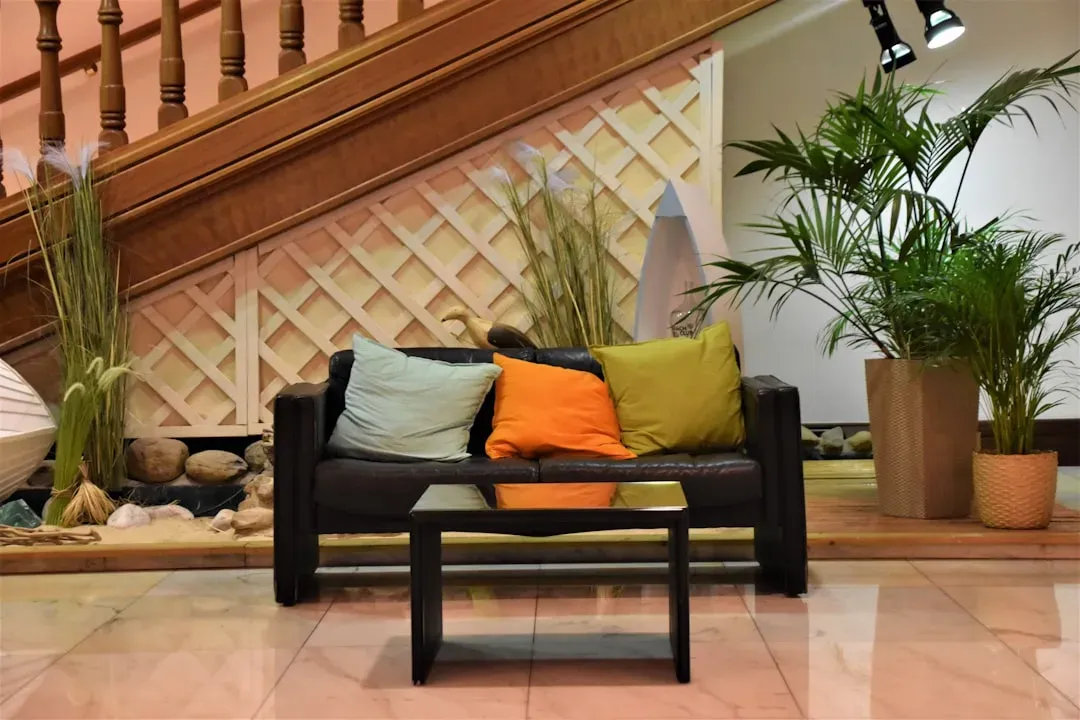
One of the clearest shifts in recent design thinking is the effort to blur the line between inside and outside. According to 56% of top industry experts, the biggest outdoor living trend in 2025 is a cohesive indoor-outdoor design. Large sliding doors, matching flooring materials, and covered transitions are all part of that push.
Decking manufacturers have picked up on this too, designing products that echo the look of interior floors. Trex’s chief operating officer explained the thinking behind this approach directly, noting that when indoor and outdoor spaces flow effortlessly, a home feels more harmonious, and that the latest decking offerings closely mimic the look and feel of indoor flooring. The goal is a backyard that doesn’t feel like a separate destination but a natural continuation of the house itself.
Spaces built for more than one purpose
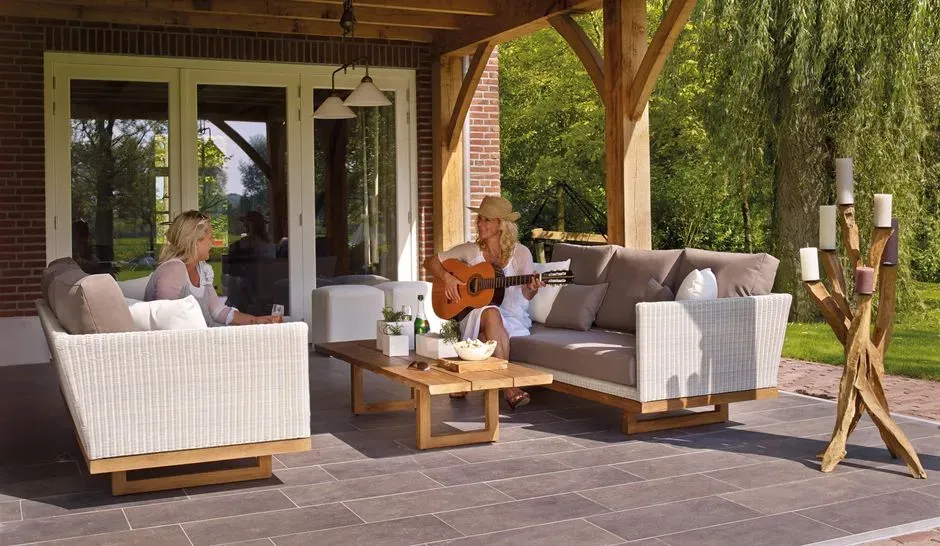
Modern outdoor areas are increasingly designed to flex between different uses rather than serve just one function. Indoor-outdoor coherent design is the biggest outdoor living trend, according to 56% of pros, and that flexibility often includes converting a dining area into a movie night setup or a lounge space into a game zone. It’s a practical response to smaller lots and tighter budgets, where one well-designed area has to work harder.
Entertainment still tends to win out when homeowners have to pick a priority. Multi-functional outdoor zones may be trending, but 27% of experts agree that the outdoor entertainment zone is still king. That tracks with how most people actually use their backyards, less as a showpiece and more as the default spot for gathering with friends or family.
Wellness features are moving outdoors

The wellness trend that’s taken over bathrooms and gyms has spread to backyards as well. More people are concerned with mental health than ever before, and that’s evident in outdoor trends, with yoga decks, saunas, meditation spaces, swimming pools, and plunge tubs all things that are sure to maximize enjoyment and boost home value, according to 21% of experts. These additions treat the yard less like an entertainment venue and more like a place to actually decompress.
Plants play into this too, and not just for looks. Nineteen percent of outdoor design and remodeling professionals agree that adding more plants and greenery is becoming more popular, with biophilic design helping introduce plants into outdoor living spaces to create more of a coexisting vibe than a dominating one. A yard full of greenery does double duty, softening the look of a space while quietly supporting the sense of calm people are after.
Low maintenance materials are changing what’s possible
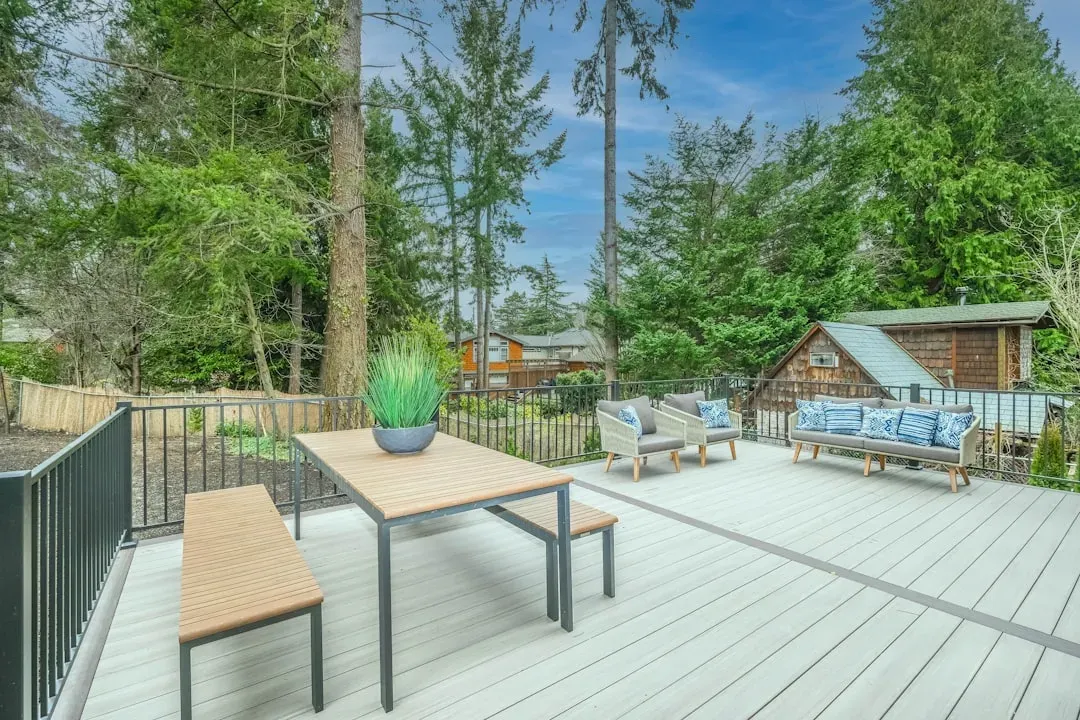
Comfort outdoors isn’t only about design, it’s also about how much upkeep a space demands. Homeowners are increasingly steering toward furniture and materials that last without constant attention. Twenty-seven percent of experts agree that homeowners are increasingly prioritizing low-maintenance materials and furniture that lasts, and while going this route may cost a bit more upfront, it saves money over time.
This shift shows up in material choices as well. Composite decking, engineered stone, and weather-resistant fabrics have become the default recommendations from contractors precisely because they hold up without the seasonal staining or sealing that older materials required. It’s a quieter trend than fire pits or outdoor kitchens, but it’s arguably what makes long-term enjoyment of these spaces realistic for busy households.
Final thoughts
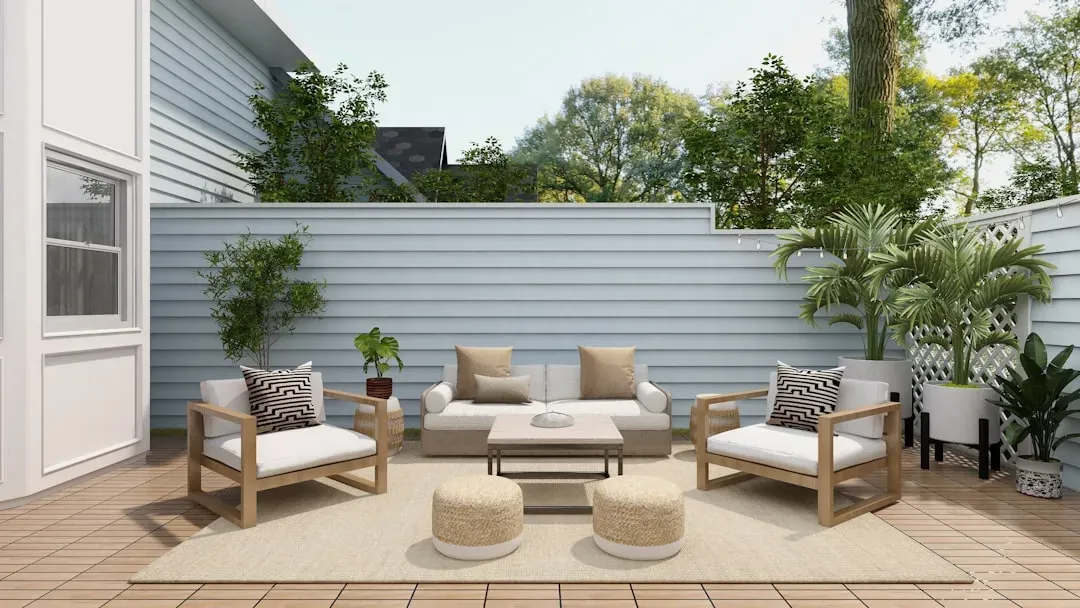
None of this means every home needs a $50,000 backyard renovation to count as comfortable. A small patio with good seating, a few plants, and a spot to sit with a coffee in the morning covers a lot of the same ground as a sprawling outdoor kitchen. What matters is that the space gets used, and that it feels like part of the home rather than an afterthought tacked onto the edge of the property.
The data on resale value and market trends is compelling, but the more convincing argument might be the simplest one. People feel better with a place to step outside, even briefly, and that alone is reason enough to treat outdoor comfort as a real priority rather than a luxury reserved for bigger budgets or bigger yards.