
You don’t need acres of land or a horticulture degree to grow something you’re proud of. Some of the most satisfying gardens start with a single pot on a windowsill or a few square feet of neglected soil near the back door. The projects below are low cost, low risk, and forgiving enough for someone who has never planted anything more complicated than a houseplant.
What follows is a mix of container tricks, layout ideas, and small habits that make a real difference without requiring much time or money. Pick one or two that fit your space and see how it goes before expanding further.
Start with container gardening on a patio or balcony
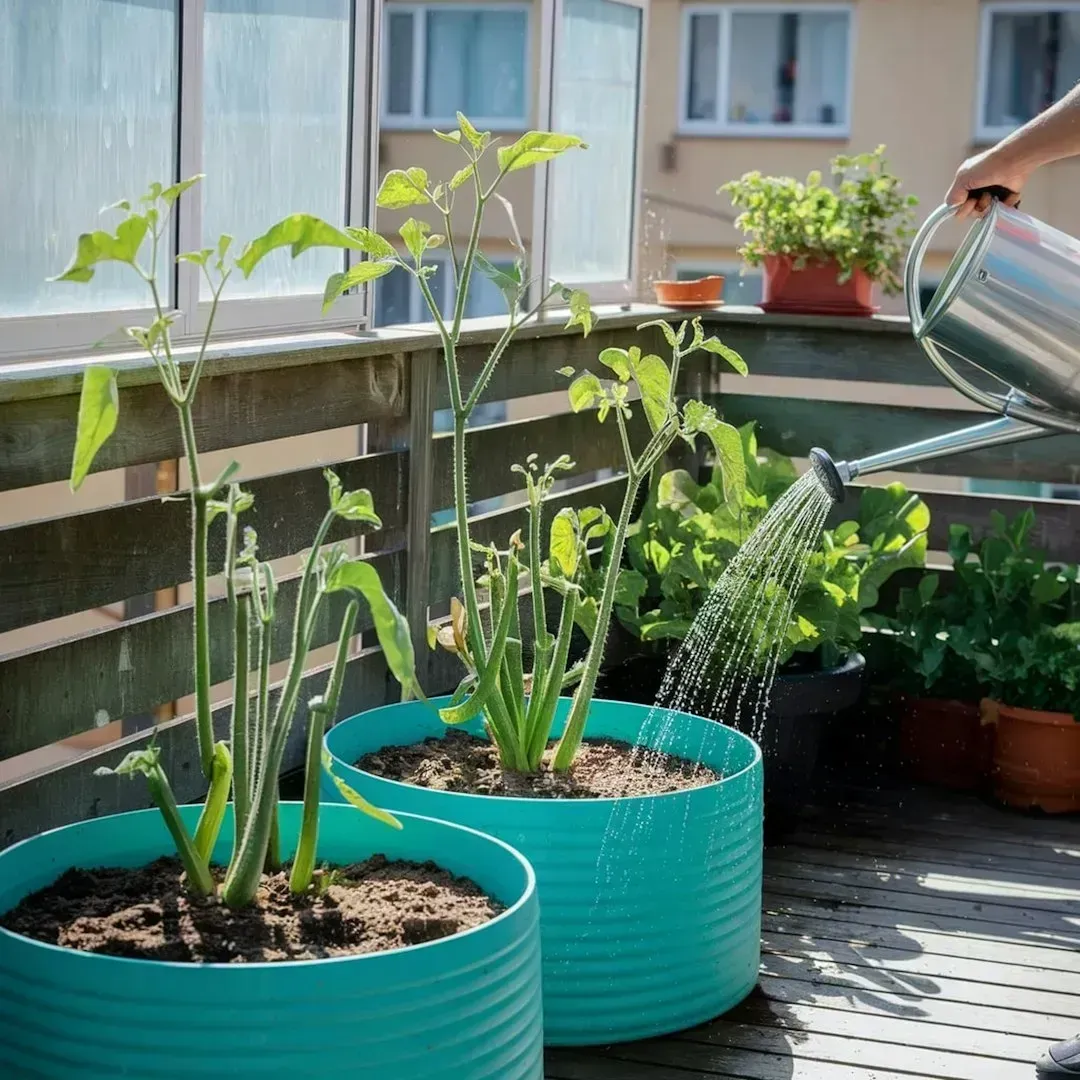
Containers remain the easiest en point for beginners because they control soil quality, drainage, and sunlight exposure in a way in ground beds simply cannot. A five gallon bucket, a repurposed crate, or a basic terra cotta pot can grow tomatoes, peppers, or herbs just as well as a raised bed, provided there’s a drainage hole and decent potting mix. This approach also suits renters or anyone unsure about committing to a permanent garden space.
The main advantage is mobility. If a plant isn’t getting enough light in one spot, it can simply be moved rather than dug up and relocated. Many urban gardeners in 2025 and 2026 have leaned further into balcony and patio growing as housing density increases, making compact containers one of the most practical ways to still grow fresh produce at home.
raised beds instead of fighting poor soil
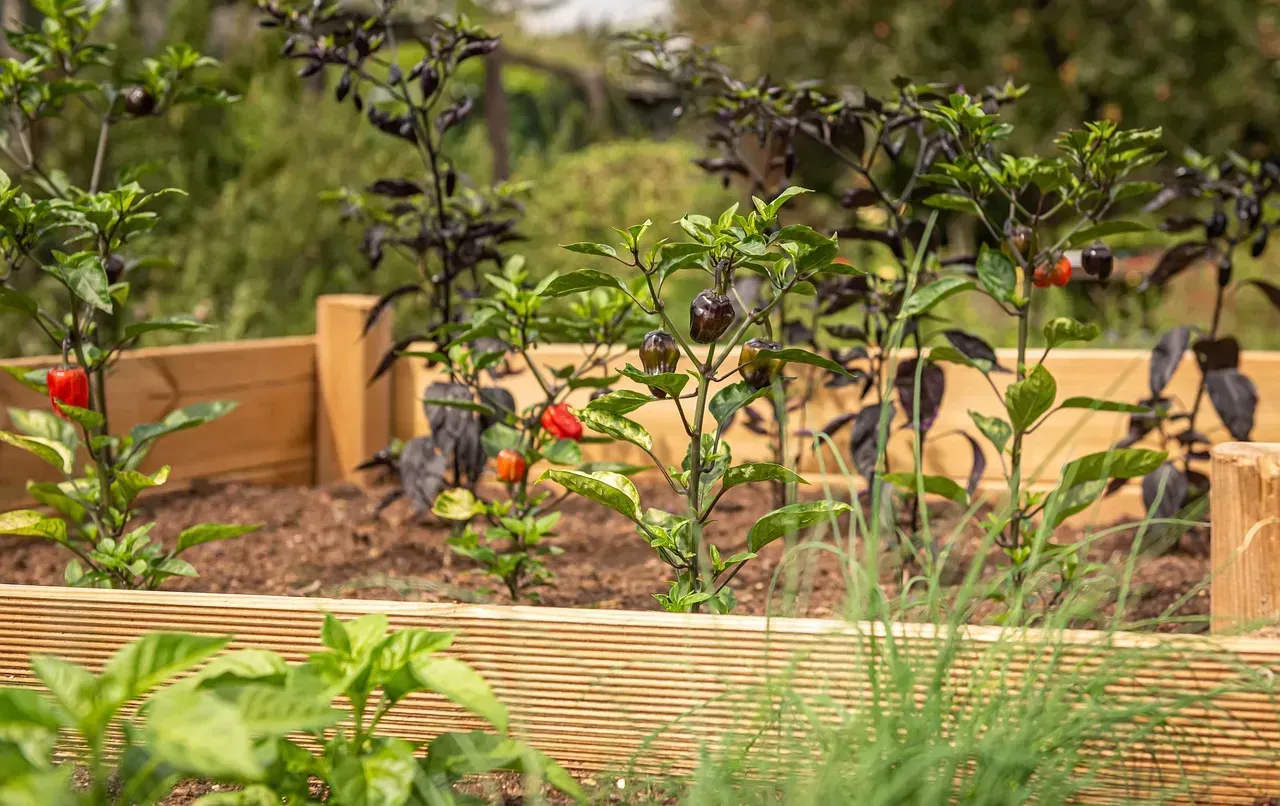
Not every yard has good dirt, and rather than spending a season amending clay or sand, many first time gardeners build a simple raised bed on top of it. A frame made from untreated lumber, filled with a mix of compost, topsoil, and aged manure, creates an instant growing environment that drains well and warms up faster in spring. Raised beds also reduce bending and kneeling, which matters for anyone dealing with back or knee issues.
Standard dimensions of four feet wide by any convenient length work well because it keeps the center reachable from either side without stepping into the bed. Even a single bed that’s four by eight feet can produce a meaningful harvest of greens, beans, and root vegetables through a full growing season. Weeding tends to be easier too, since the soil is looser and less compacted than typical yard dirt.
Group plants by water needs, not just looks
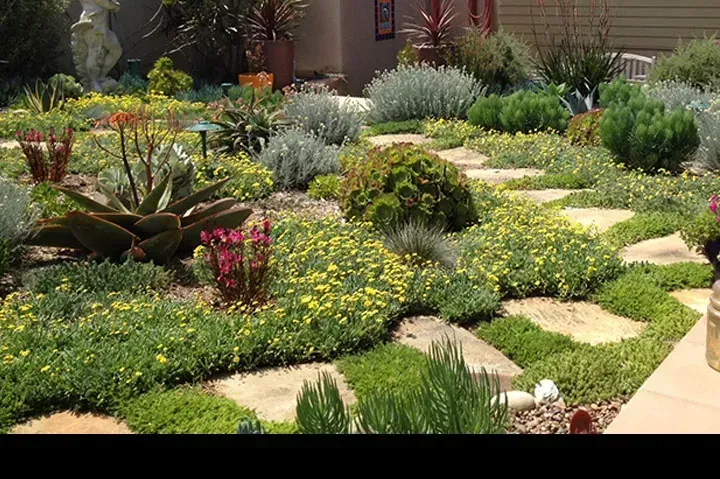
One of the most common beginner mistakes is planting a drought tolerant succulent next to a moisture loving fern because they look nice together. Grouping plants by how much water they actually need, a practice sometimes called hydrozoning, saves both plants and prevents constant guesswork about watering schedules. Herbs like rosemary and thyme thrive with less frequent watering, while leafy greens and most vegetables want consistent moisture.
This kind of planning takes maybe ten extra minutes before planting day but pays off for the entire season. It also reduces water waste, which has become a bigger concern as several regions across the United States and parts of Europe faced drought restrictions in recent summers. A garden organized around real water needs tends to look healthier simply because nothing is being over or under watered.
Use vertical space when the ground is limited
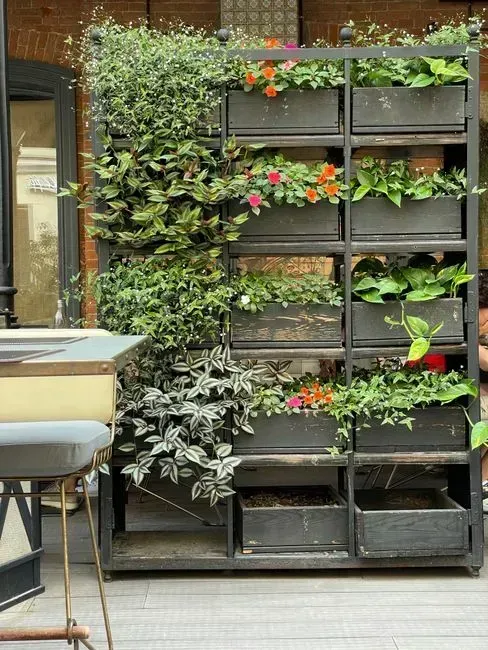
Trellises, wall mounted planters, and simple stacked shelving let a small yard or balcony produce far more than its footprint suggests. Vining plants like cucumbers, peas, and certain squash varieties grow beautifully upward on a trellis, freeing ground space for other crops. Even a repurposed pallet, sanded and sealed, can become a vertical herb garden mounted against a fence or wall.
Vertical growing also improves air circulation around plants, which lowers the risk of fungal issues that thrive in crowded, humid conditions. For city dwellers with only a fire escape or a narrow side yard, this method often makes the difference between a garden that feels cramped and one that actually produces something worth eating. It’s a small shift in thinking, from square footage to cubic space, but it changes what’s possible.
Build a simple herb garden near the kitchen door
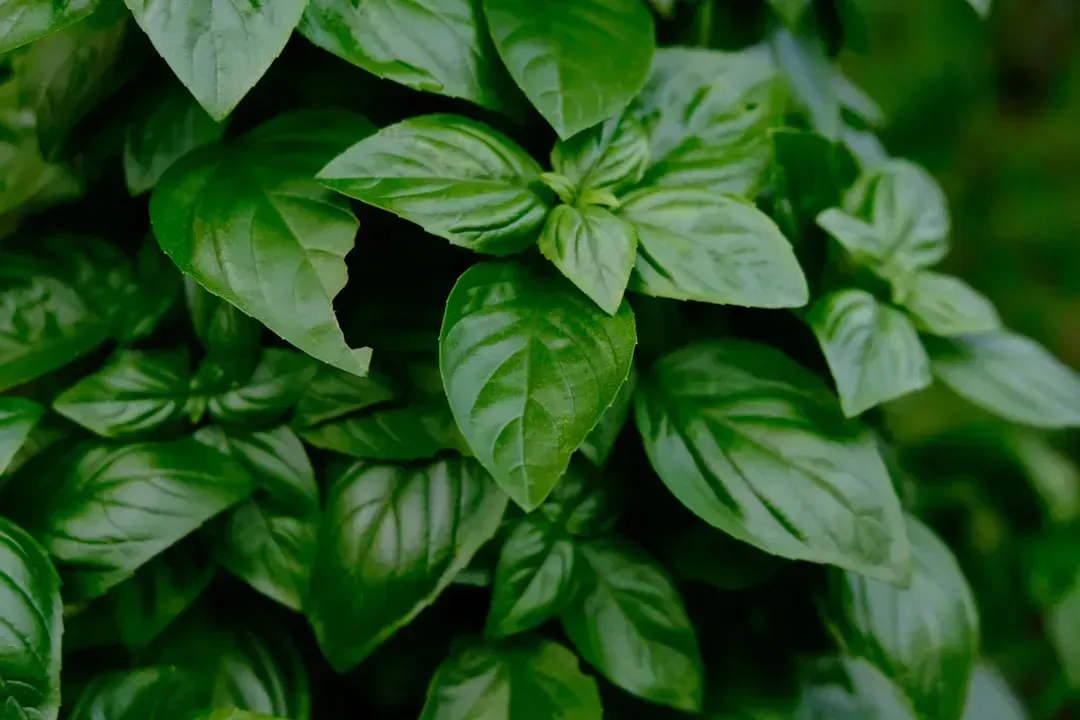
Herbs are consistently recommended as a starting point because most of them are forgiving, fast growing, and immediately useful in cooking. Basil, mint, chives, and parsley all do well in containers or small garden beds, and having them within a few steps of the kitchen means they actually get used rather than forgotten. Mint in particular should stay contained, since it spreads aggressively and can take over a bed if planted directly in the ground.
A kitchen herb garden also teaches the basics of plant care without much financial risk, since a packet of seeds or a small starter plant costs only a few dollars. Watching something go from seed to a dish on the table tends to build the kind of confidence that makes people want to more ambitious plants next season. It’s a low pressure way to learn the rhythm of watering, light, and patience that gardening requires.
Add mulch to cut down on weeding and watering
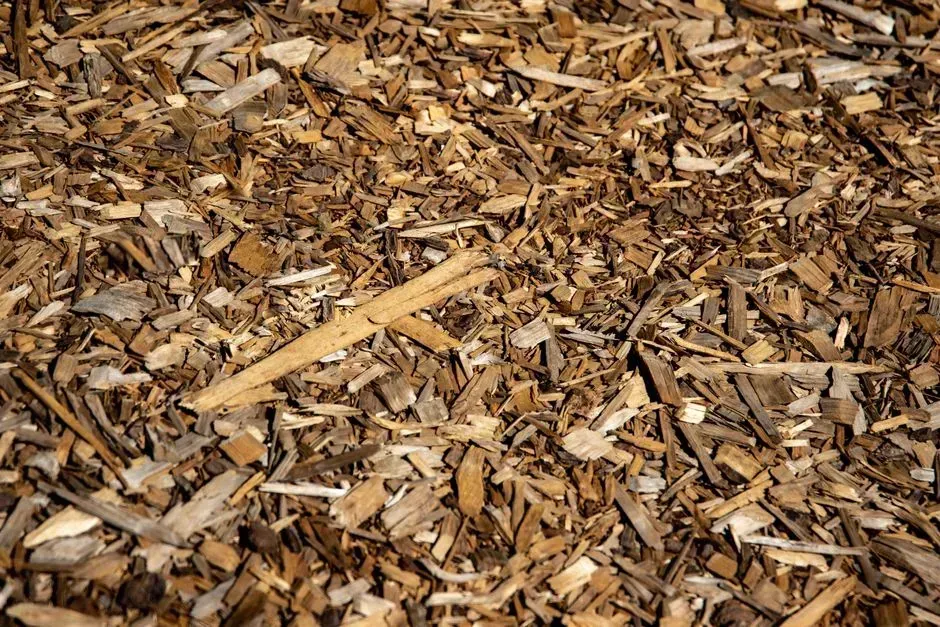
Mulch is one of the least glamorous garden additions, but it consistently ranks among the most effective for beginners looking to reduce maintenance. A two to three inch layer of straw, wood chips, or shredded leaves suppresses weed growth, retains soil moisture, and moderates soil temperature during hot stretches. Organic mulches also break down over time, adding nutrients back into the soil rather than depleting it.
This single step can cut watering frequency noticeably, particularly during summer months when evaporation is highest. Gardeners often notice fewer weeds within just a few weeks of applying mulch properly around, but not touching, plant stems. It’s a cheap fix that pays for itself quickly in saved time and reduced water bills.
Plant a small pollinator patch
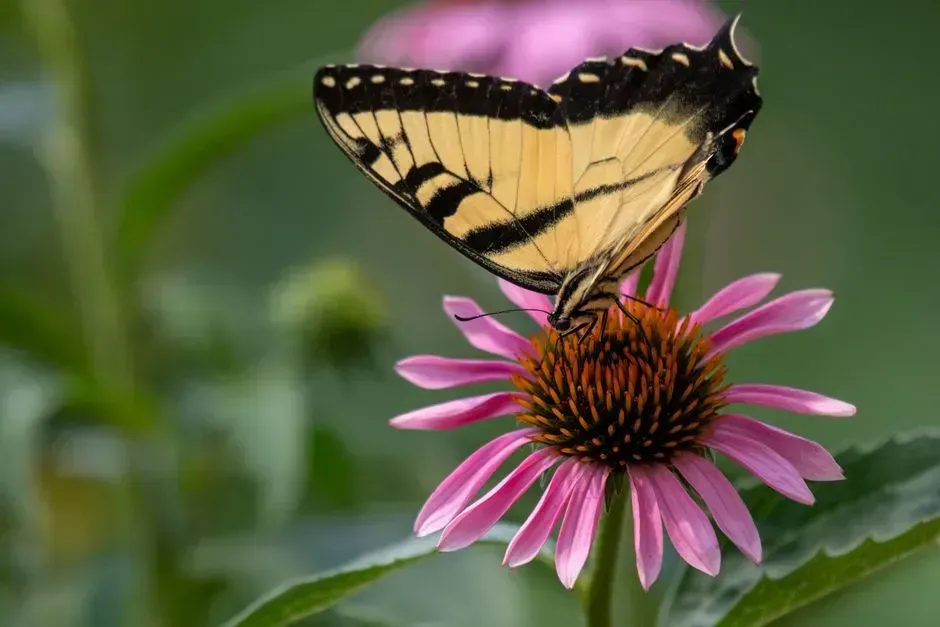
Native flowering plants like coneflower, black eyed Susan, and milkweed attract bees, butterflies, and other pollinators that benefit any nearby vegetable garden. Even a modest patch, three or four feet square, can make a visible difference in pollinator activity within a single season. This matters beyond aesthetics, since pollinator populations, including many native bee species, have faced documented declines linked to habitat loss and pesticide use.
Choosing plants native to a specific region tends to work better than ornamental hybrids, since local pollinators have evolved alongside those species. Many local extension offices and native plant societies publish region specific lists, which take the guesswork out of selection. A pollinator patch also requires relatively little maintenance once established, since native species are generally adapted to local rainfall and soil conditions.
Compost kitchen scraps for free soil improvement
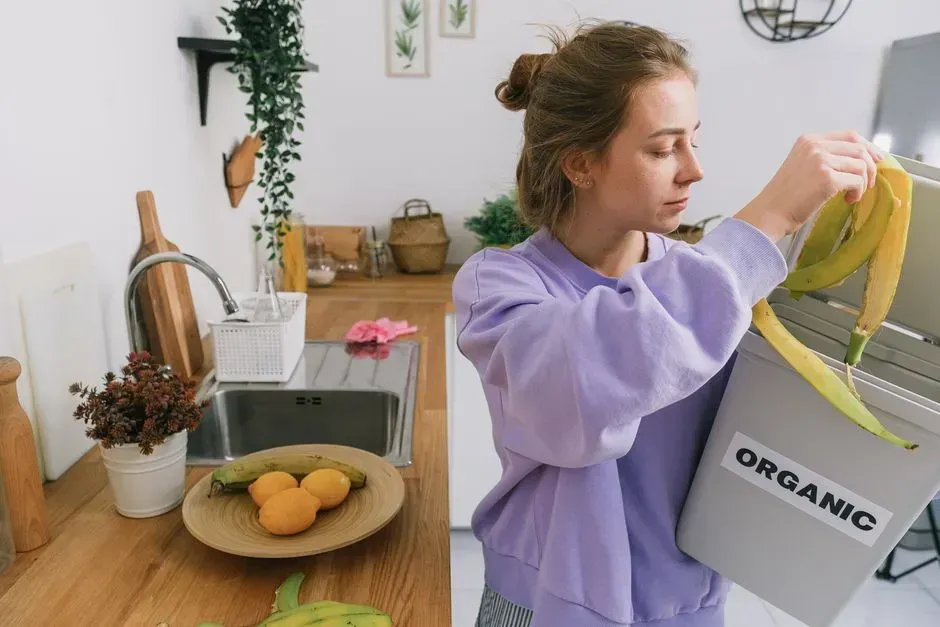
Composting turns fruit peels, coffee grounds, and yard trimmings into nutrient rich material that improves soil structure over time, and it doesn’t require expensive equipment to get started. A simple bin, or even an open pile in a corner of the yard, works fine as long as it gets occasional turning and a mix of green and brown materials. Green materials like vegetable scraps provide nitrogen, while brown materials like dry leaves or cardboard provide carbon, and the balance between the two speeds up decomposition.
Finished compost typically takes a few months to a year depending on the method and how often it’s turned. Beyond the environmental benefit of diverting food waste from landfills, compost reduces the need for synthetic fertilizer, since it supplies a broad range of nutrients naturally. Many municipalities have also expanded curbside composting programs in recent years, making it easier for people without yard space to participate indirectly.
Choose easy, forgiving plants for the first season
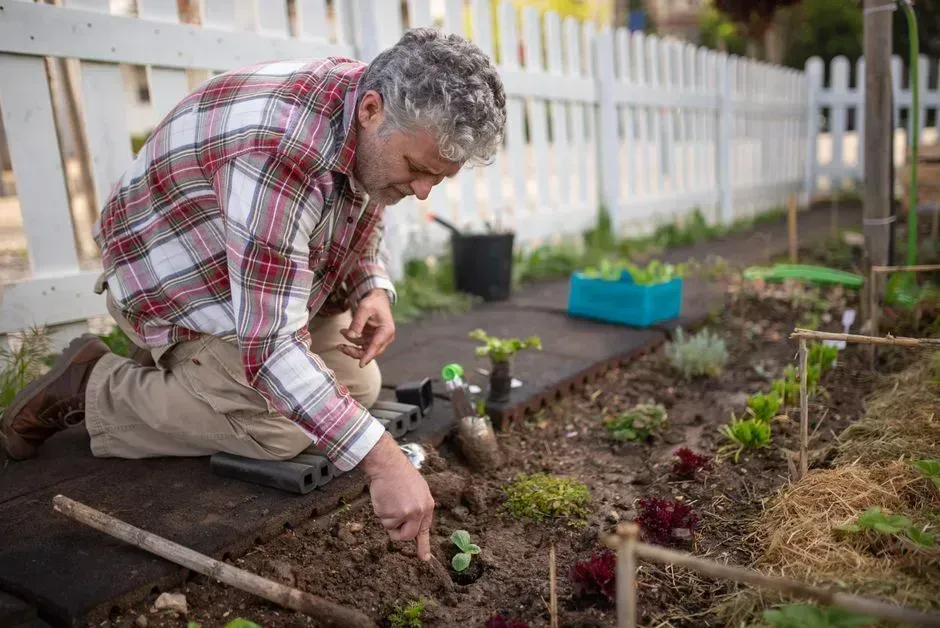
Certain plants have earned their reputation as beginner friendly because they tolerate inconsistent watering, average soil, and the occasional missed task without dying outright. Zucchini, green beans, radishes, and marigolds all fall into this category, growing reliably even when conditions aren’t perfect. Radishes in particular reward patience quickly, often ready for harvest within three to four weeks of planting.
Starting with a handful of these forgiving plants builds confidence before moving on to fussier crops like tomatoes or peppers, which demand more consistent care. Success early in the season also tends to keep people engaged with gardening rather than giving up after one disappointing result. It’s less about picking the most exciting plant and more about picking one that will actually survive the learning curve.
Keep a simple garden journal or photo log
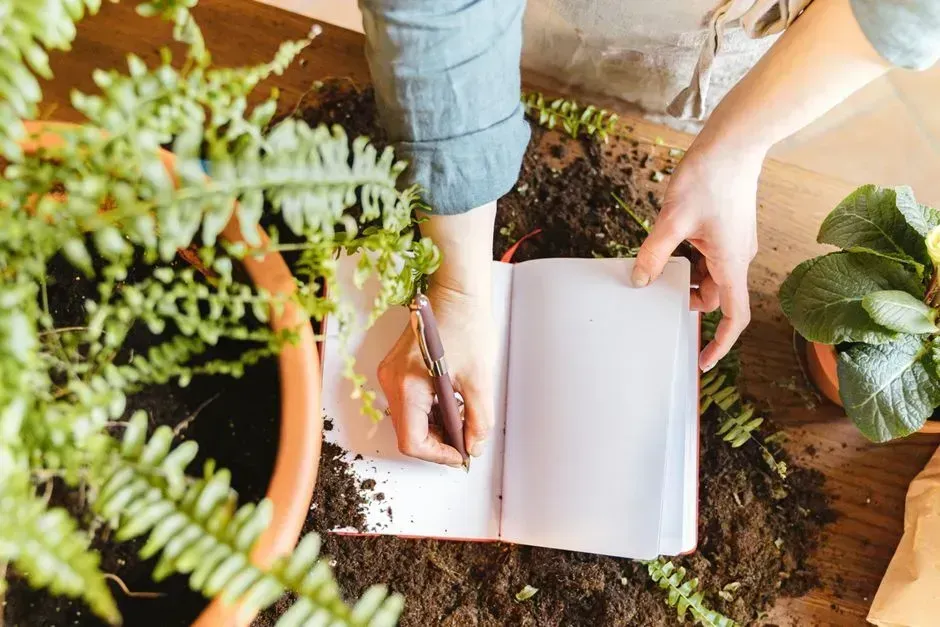
Tracking what was planted, when, and how it performed sounds unnecessary at first, but it becomes genuinely useful by the second or third season. A basic notebook or even a folder of dated phone photos can reveal patterns, like which spot in the yard gets more shade than expected or which plant variety struggled compared to another. This kind of record turns trial and error into actual learning rather than repeating the same mistakes.
Garden journals don’t need to be elaborate. A few lines noting planting dates, weather issues, and harvest results are usually enough to spot useful trends over time. For anyone serious about improving their garden year after year, this habit costs nothing but a few minutes and tends to pay off in noticeably better results down the line.