
Cleaner air, one leaf at a time
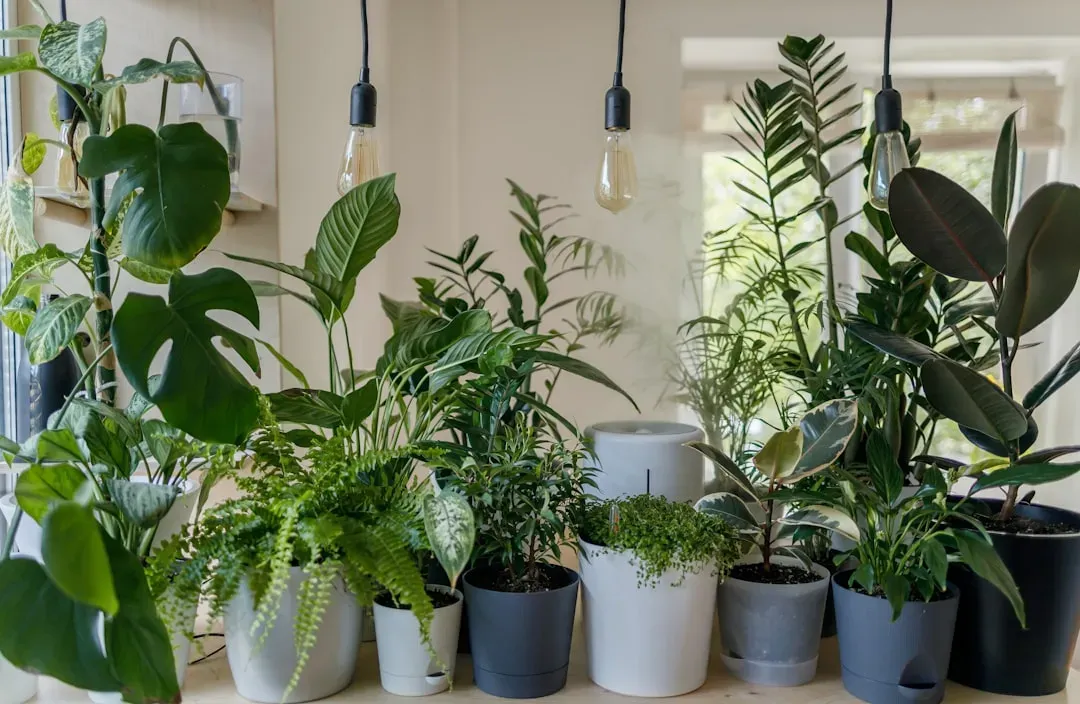
Indoor air quality is one of the most cited reasons people add plants to their homes, and the science behind it goes back further than most people realize. NASA’s Clean Air Study, conducted in the late 1980s, tested common houseplants like the spider plant, peace lily, and snake plant for their ability to absorb pollutants such as formaldehyde and benzene. That original research still gets referenced today because later studies have generally supported the idea that plants can filter certain airborne compounds.
The effect isn’t dramatic in a small apartment with two succulents, but a home with a dense cluster of leafy plants can make a measurable difference over time. Combined with proper ventilation, greenery works as a quiet, background layer of air management. It won’t replace an air purifier, but it complements one in a way that feels natural rather than mechanical.
A built in humidity balancer

Plants release moisture into the air through a process called transpiration, and this happens constantly whether anyone notices or not. In dry climates or during winter months when heating systems strip moisture from indoor air, a good number of houseplants can noticeably soften that dryness. This matters for skin, sinuses, and even for wooden furniture that tends to crack in overly dry conditions.
It’s a subtle form of climate control that costs nothing beyond regular watering. Rooms with several plants, especially larger ones like ferns or rubber trees, tend to feel less harsh during heating season. It’s not a replacement for a humidifier in extreme cases, but it’s a steady, low maintenance contributor to comfort.
A measurable dip in stress
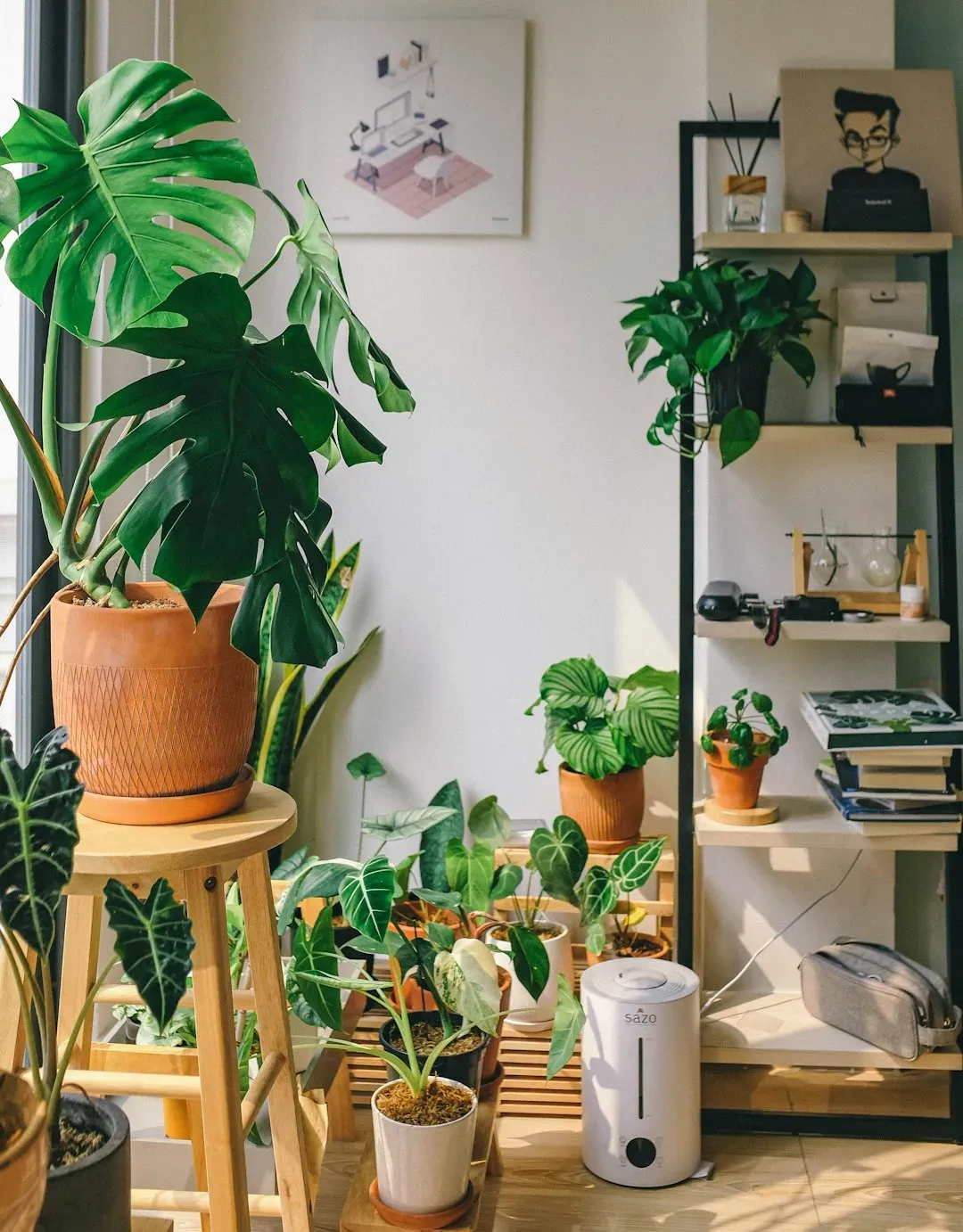
Multiple studies in environmental psychology point to the same pattern: exposure to greenery, even indoors, correlates with lower reported stress and a calmer physiological state. Research out of Wageningen University in the Netherlands found that people interacting with plants, whether repotting them or just observing them, showed reduced activity in the sympathetic nervous system, the part of the body responsible for stress responses. That’s not a small thing when so many people report feeling on edge in their daily routines.
Part of the effect seems tied to attention. Looking at something living and unhurried, like a leaf slowly unfurling, gives the mind a break from screens and deadlines. It doesn’t require meditation or deep focus, just a glance across the room. That small pause adds up over a week, a month, a year.
Better focus during work and study
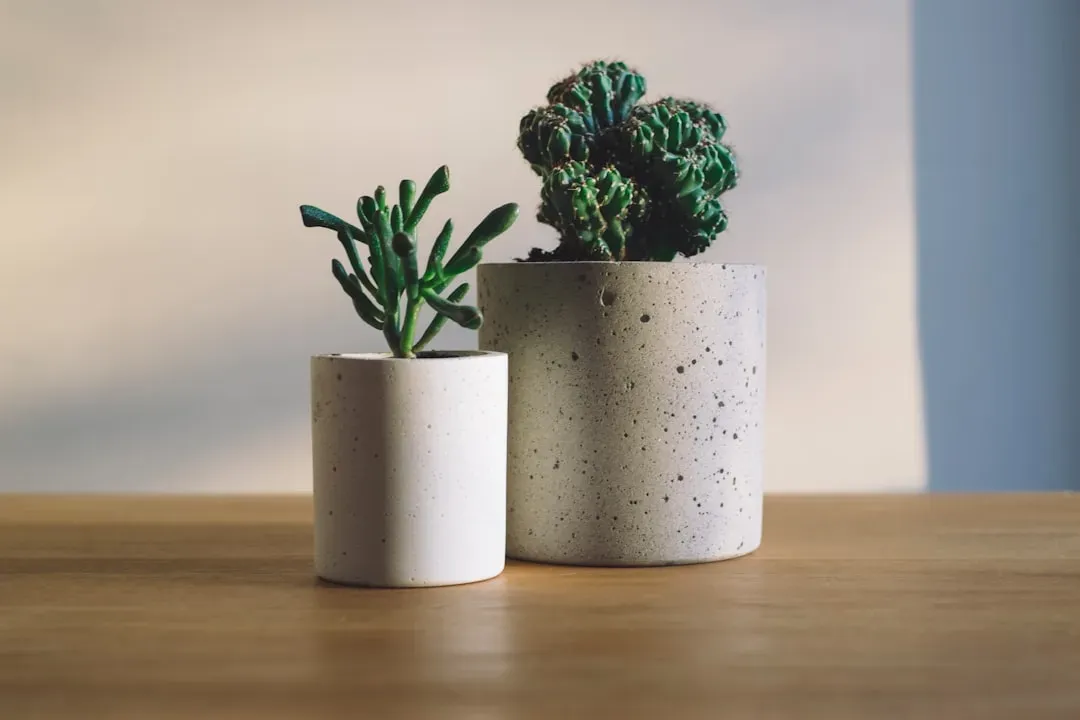
Home offices have become permanent fixtures for a large share of workers, and the environment around a desk matters more than people often admit. Studies from institutions including the University of Exeter have linked plant filled workspaces to improved concentration and slightly higher reported productivity compared to sparse, plant free environments. The theory isn’t mysterious: a visually engaging but non distracting element can help the brain reset between tasks.
This doesn’t mean a jungle of plants around a laptop will turn anyone into a productivity machine. It does suggest that a desk with one or two healthy plants creates a more sustainable work rhythm than a bare, clinical setup. Small, consistent environmental cues shape focus more than people expect.
A natural mood lift
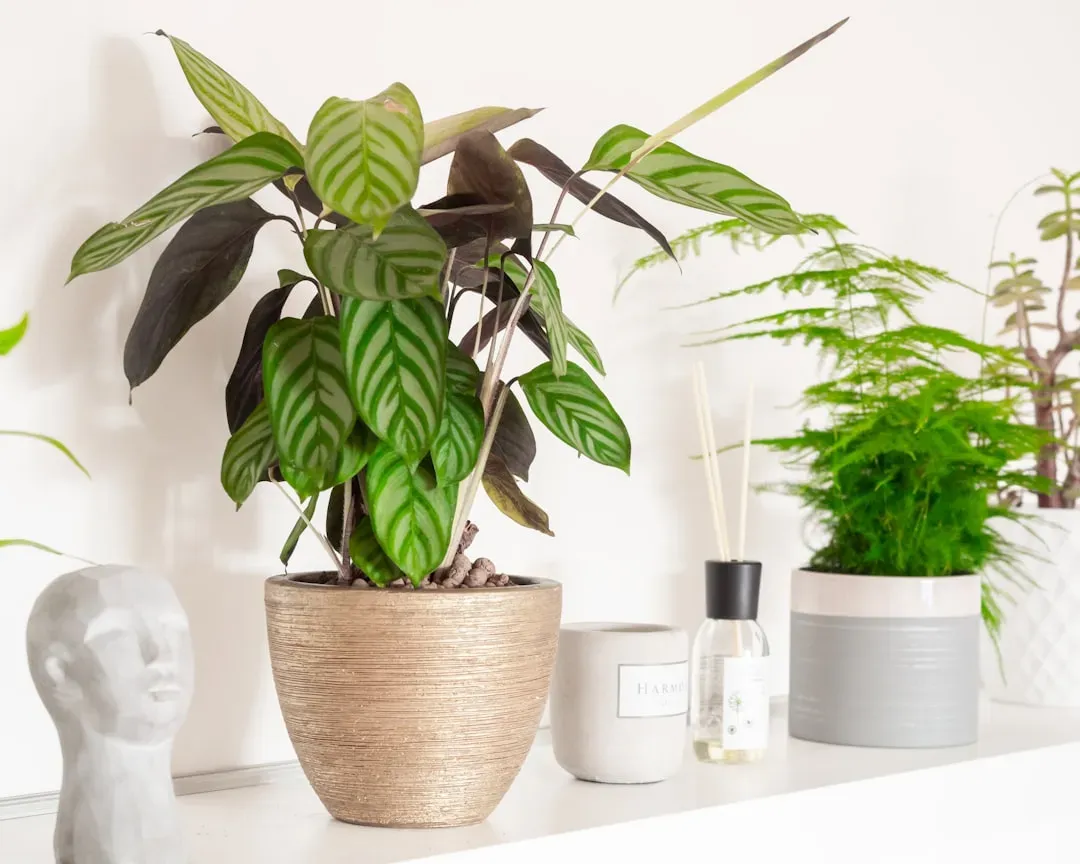
There’s a reason florists exist and gift bouquets remain popular for difficult moments. Color, texture, and the presence of something growing tend to have a gentle uplifting effect on mood, and this extends beyond cut flowers to potted plants that stick around for months or years. Caring for a plant, watching it grow, and noticing small changes gives a low stakes sense of accomplishment that many people find quietly satisfying.
This isn’t about curing anxiety or depression, and no plant should be mistaken for treatment. It’s more about the accumulation of small positive moments throughout an ordinary day. A thriving fig tree in the corner of a living room won’t solve serious problems, but it can make an average Tuesday feel slightly warmer.
Improved sleep environment
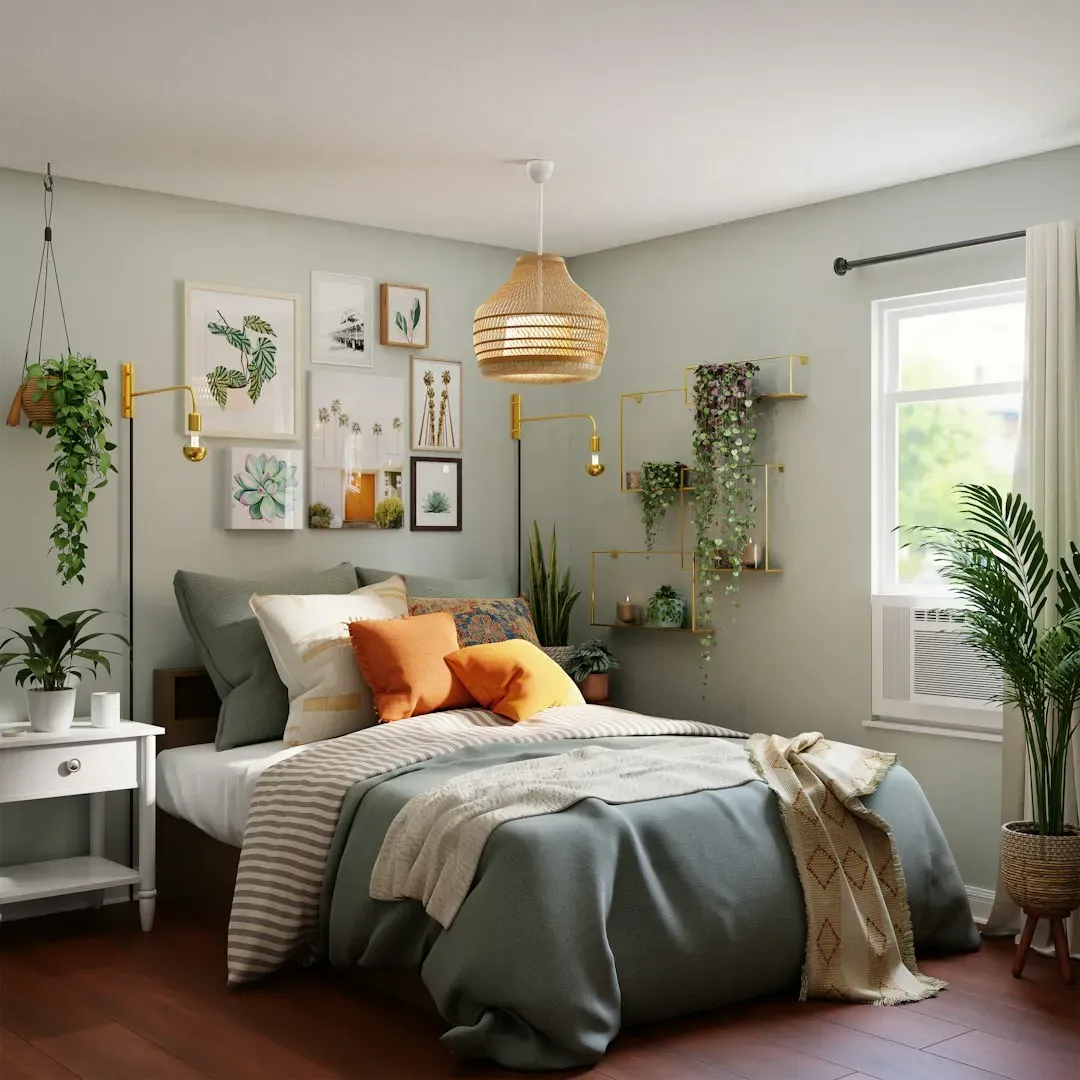
Bedrooms benefit from greenery in ways that go beyond aesthetics. Certain plants, like lavender or jasmine, release subtle scents associated with relaxation, and their presence can contribute to a calmer pre sleep routine. The air quality and humidity benefits mentioned earlier also apply here, since better air circulation and moisture balance tend to support more comfortable sleep, especially for people prone to dry throat or congestion overnight.
None of this replaces good sleep hygiene like consistent bedtimes or limiting screen use before bed. Still, a bedroom that includes one or two well chosen plants often feels more like a retreat than a functional storage space. That psychological shift, from purely practical room to restful space, matters more than people initially assume.
Sound dampening in busy homes
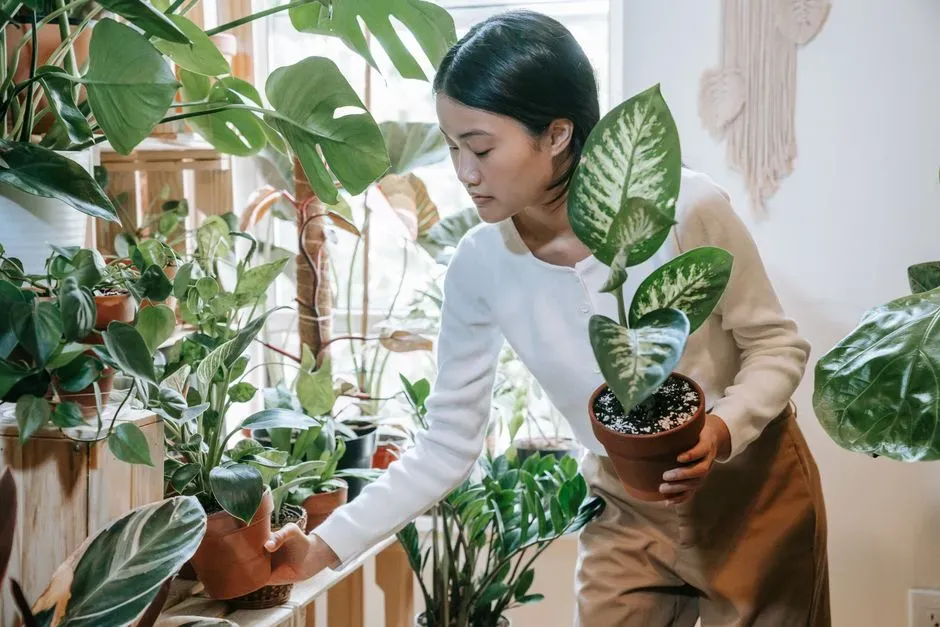
Dense foliage can absorb and diffuse sound waves in a way that hard surfaces like glass, tile, and drywall cannot. This is why offices and public spaces increasingly use large potted plants and living walls as informal acoustic buffers. In homes with open floor plans or apartments with thin walls, strategically placed plants can soften background noise, even if the effect is modest compared to dedicated soundproofing.
Large leafy plants like the Monstera or Bird of Paradise tend to work best for this purpose because of their broad surface area. It won’t silence a loud television or barking dog, but it takes a small edge off the general noise floor of a busy household. Every bit of acoustic comfort helps in shared or compact living spaces.
The pull of biophilia
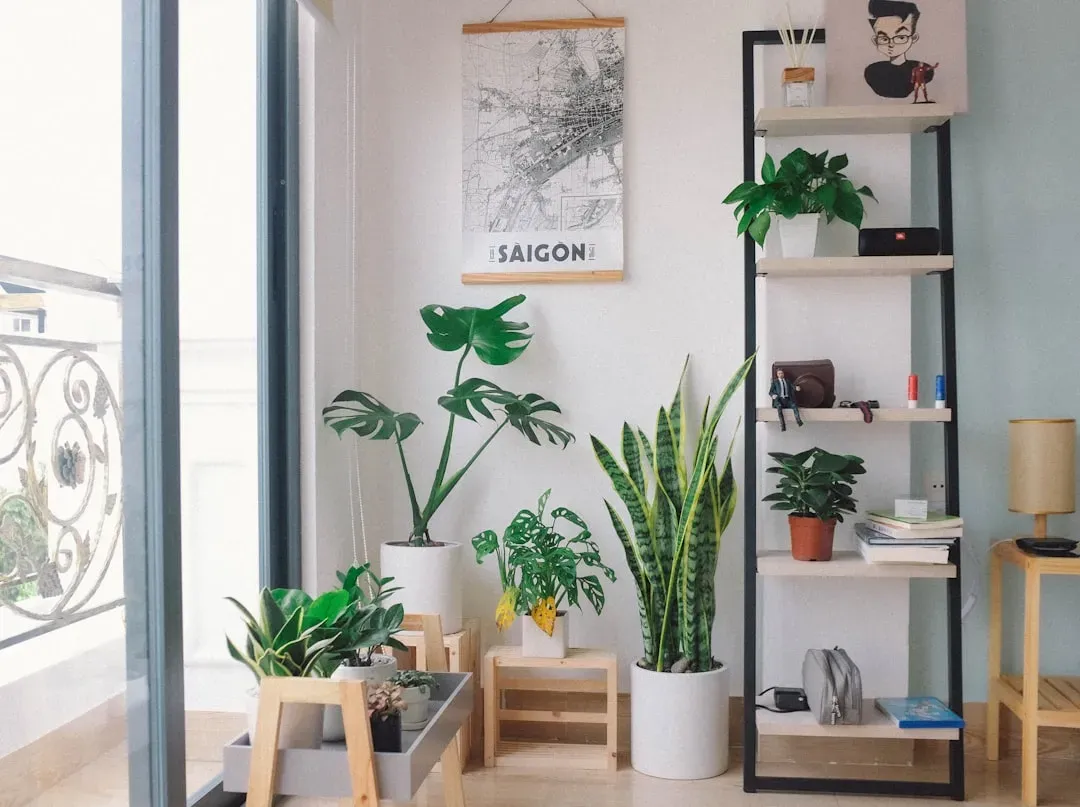
Biologist E.O. Wilson popularized the term biophilia decades ago to describe humanity’s innate connection to nature and living systems. Modern design has increasingly leaned into this idea, incorporating plants, natural light, and organic materials into homes and offices because the underlying psychological pull appears to be real and consistent across cultures. People tend to gravitate toward green spaces, whether it’s a park, a garden, or a windowsill lined with pots.
This explains why homes filled with greenery often feel more inviting, even to visitors who don’t consciously notice the plants. It taps into something older than modern architecture, a preference wired into how humans have related to their surroundings for a very long time. Bringing that connection indoors isn’t a trend so much as a return to something familiar.
Aesthetic flexibility without major renovation
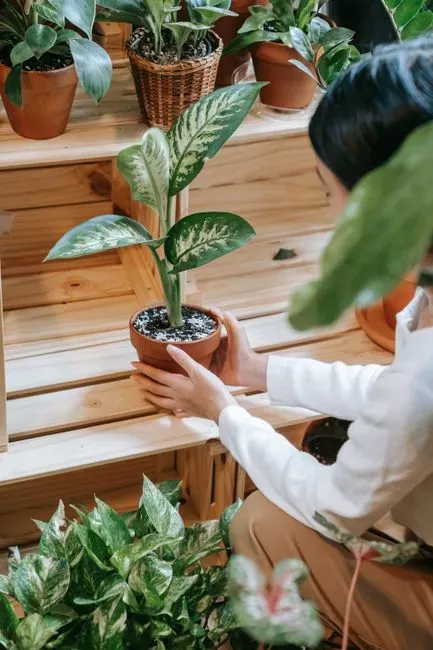
Not every home improvement requires a contractor or a serious budget. Plants offer one of the few decorating tools that can transform a room’s feel without touching a wall, a floor, or a piece of furniture. A bare corner becomes a focal point with a tall fiddle leaf fig, and a cluttered shelf feels more intentional with a trailing pothos woven through it.
This flexibility matters especially for renters or anyone hesitant to commit to permanent changes. Plants can be moved, swapped, or replaced as tastes shift, giving a home a sense of evolution over time. It’s one of the rare design choices that grows more interesting the longer it stays in place, quite literally.