
Spring: bringing light and color back indoors
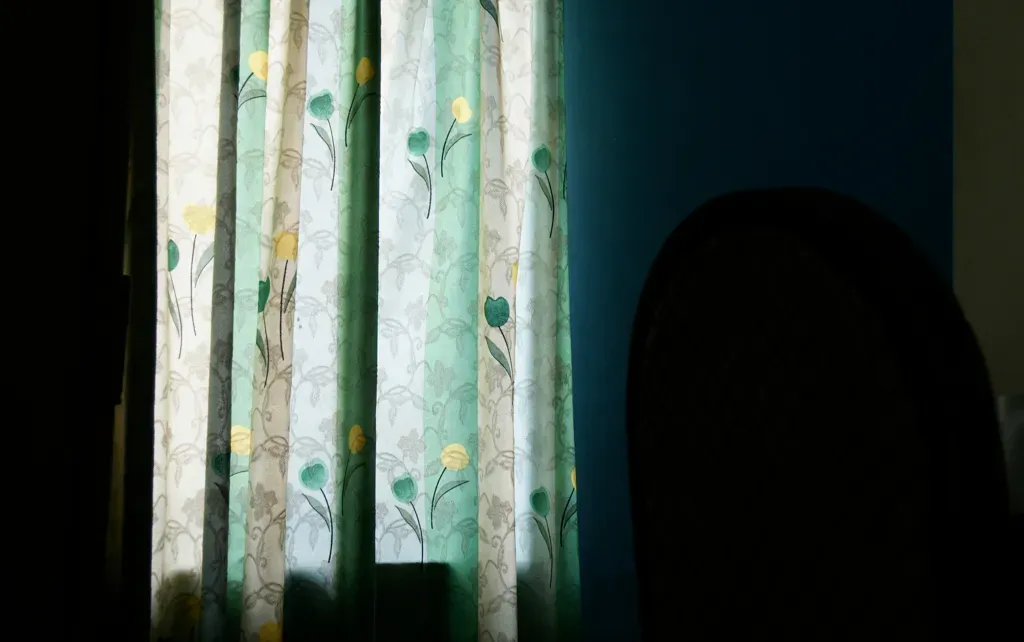
Spring decorating often starts with light, simply because there’s more of it. Swapping heavy winter drapes for sheer linen or cotton panels lets natural light spread further into a room, which instantly makes spaces feel larger and fresher. Pale color palettes, think soft greens, blush pinks, and buttery yellows, echo what’s happening outside without turning a room into a garden theme park.
Fresh flowers are the classic spring move, but even a single stem of forsythia or a small pot of tulips can carry a room. Rotating out dark throw pillows for lighter linen or cotton covers is another easy switch that costs little and changes the entire feel of a sofa. Many decorators also use this season to declutter surfaces, since spring light tends to expose dust and clutter that winter shadows conveniently hid.
Summer: leaning into breezy, low-maintenance style

Summer decorating tends to favor texture over color, with natural materials like rattan, jute, and linen taking center stage. These materials have a practical side too, since they breathe better in humid weather and don’t trap heat the way heavier fabrics do. A woven area rug or a set of rattan chairs can shift a room from formal to relaxed almost instantly.
Outdoor living becomes part of the decorating conversation in summer, with porches, patios, and balconies treated as extensions of the home rather than afterthoughts. String lights, simple planters, and weather-resistant cushions turn even a small balcony into a usable space for evening dinners. Because summer is often busier with travel and outdoor time, many people intentionally keep indoor decor simple this season, letting a few well-placed accents do the work instead of layering on decoration.
Autumn: warming up with color and layered textures
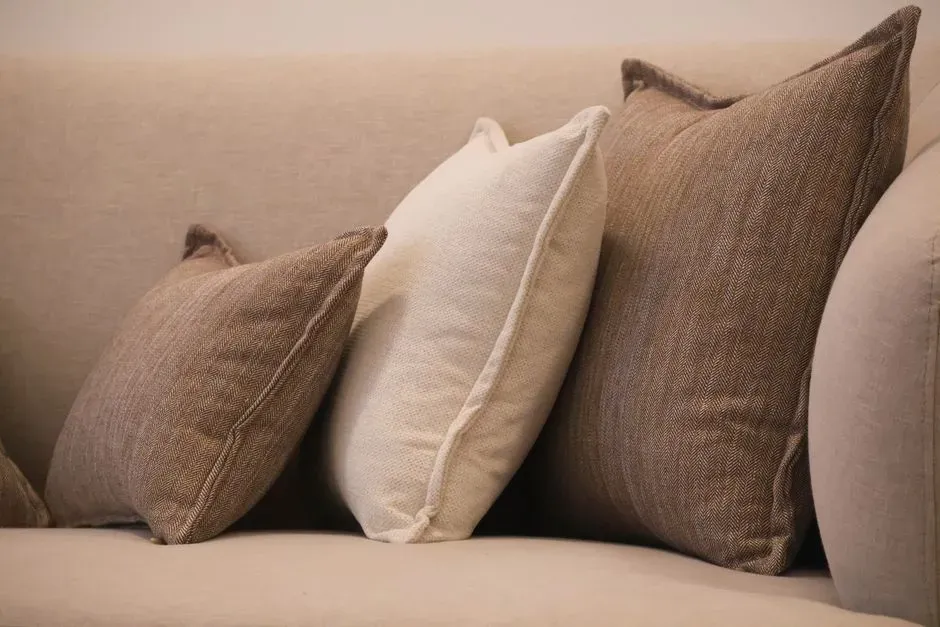
Autumn is where color gets to have its moment, with deep oranges, rust, mustard, and burgundy showing up in throw pillows, table runners, and even wall art. Unlike spring’s pastel approach, fall decorating tends to embrace richness and depth rather than lightness. Layering textures, like a chunky knit throw over a leather chair, adds warmth visually before the temperature even drops.
Candles and warm-toned lighting become more prominent in autumn decorating, partly because daylight hours shrink and partly because warm light complements the season’s color palette so well. Natural elements like dried branches, pumpkins, and gourds are popular, though many decorators now favor a more restrained approach with a few well-chosen pieces rather than an overwhelming display. This is also a season when many people swap out lightweight summer bedding for flannel sheets or heavier duvets, which counts as decorating even if it’s mostly functional.
Winter: creating coziness through layers and lighting
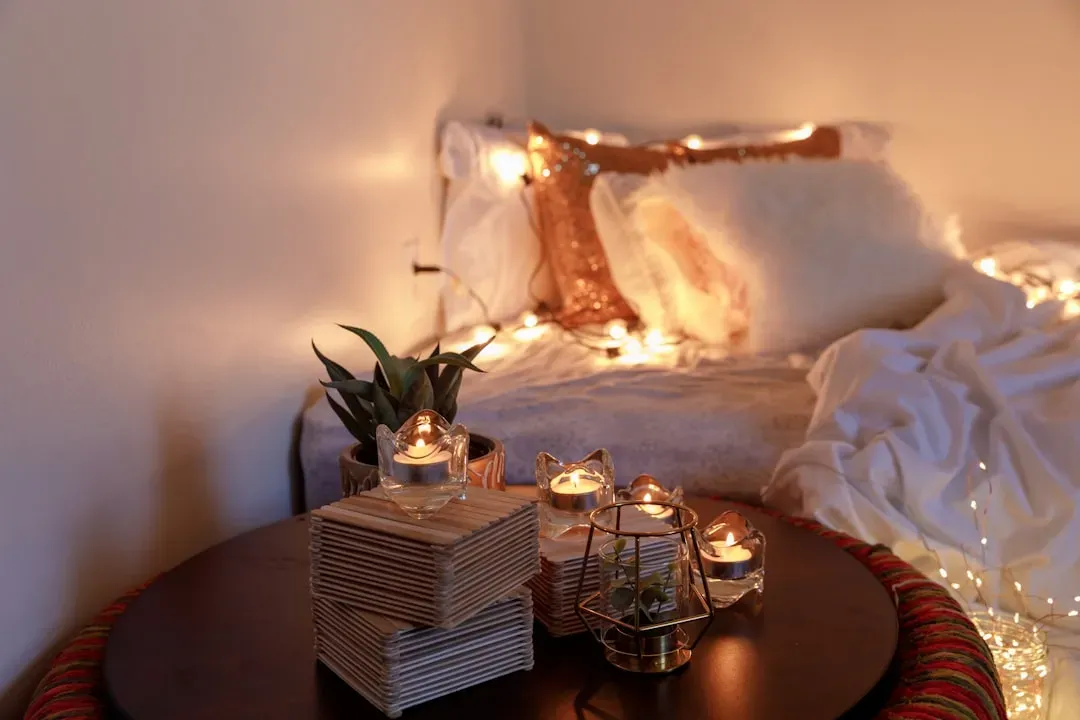
Winter decorating is largely about warmth, both literal and visual. Layered textiles, like faux fur throws, wool blankets, and thick area rugs, add insulation and softness at the same time. Darker, richer colors including deep greens, navy, and burgundy tend to dominate winter palettes, especially in northern climates where daylight is limited for months.
Lighting plays an outsized role in winter, since natural light is scarce and artificial lighting has to compensate. Warm-toned bulbs, string lights, and strategically placed candles can make a room feel inviting even on the darkest afternoon. Holiday decorating aside, many people also use winter as a time to bring in houseplants that thrive indoors, since greenery indoors becomes more valuable when there’s little of it visible outside.
Working with a neutral base for easy seasonal swaps
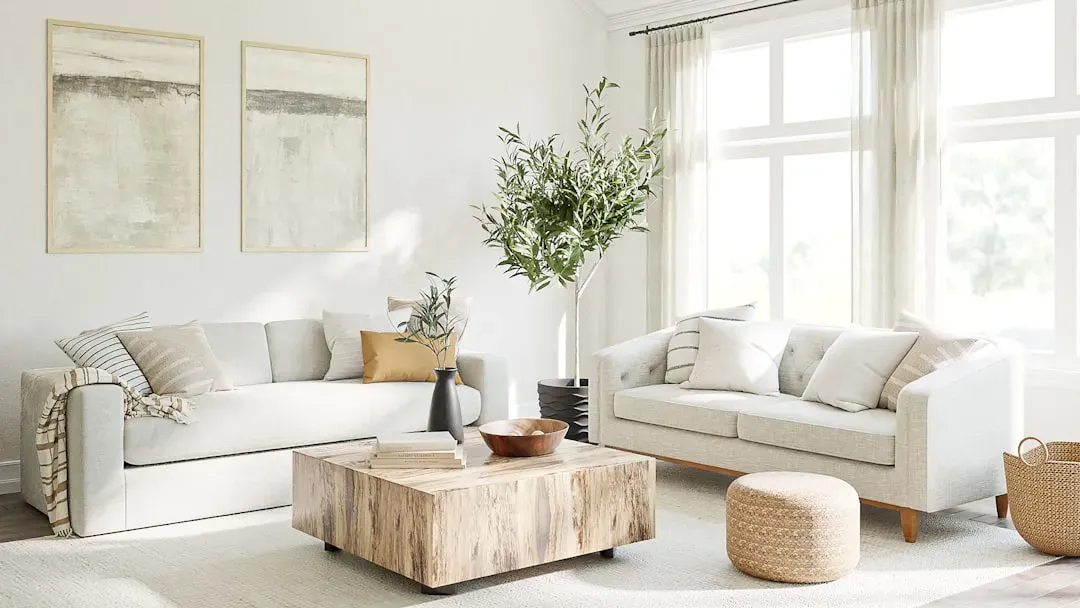
One of the most practical seasonal decorating strategies is keeping large furniture pieces neutral, so only the smaller accents need to change. A gray or cream sofa, for instance, works as a backdrop for spring pastels just as easily as it does for autumn’s deeper tones. This approach saves money over time, since big-ticket items like sofas and rugs don’t need replacing every few months.
Neutral walls also make seasonal transitions smoother, particularly for renters who can’t repaint every few months anyway. The trick is investing a bit more in accent pieces, like pillow covers, throws, and artwork, since those are the pieces doing the seasonal storytelling. This strategy has become especially popular as home prices and renovation costs have risen, making full redecorating less financially practical for many households.
Using scent as an underrated seasonal decorating tool
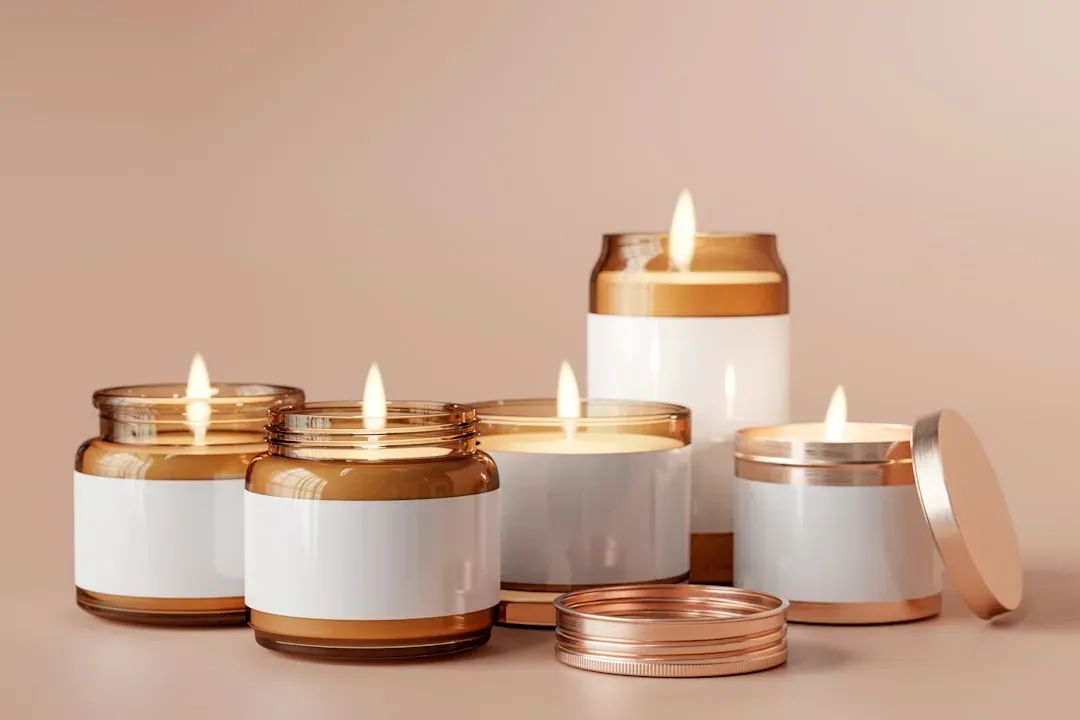
Scent doesn’t usually get mentioned in decorating conversations, but it arguably shapes how a space feels just as much as color does. Citrus and floral scents in spring, coconut or sea salt in summer, cinnamon or clove in autumn, and pine or vanilla in winter all reinforce the seasonal mood a room is trying to create. Candles, diffusers, and even fresh herbs on a windowsill can do this without any visual clutter at all.
This sensory layering matters more than people expect, since scent is closely tied to memory and mood in ways that visual decor alone isn’t. A living room that looks perfectly staged but smells like nothing can feel oddly sterile, while a modestly decorated space with the right seasonal scent often feels warmer and more finished. It’s a low-cost, low-effort addition that many professional stagers and interior designers rely on for exactly this reason.
Adjusting textiles and rugs by season
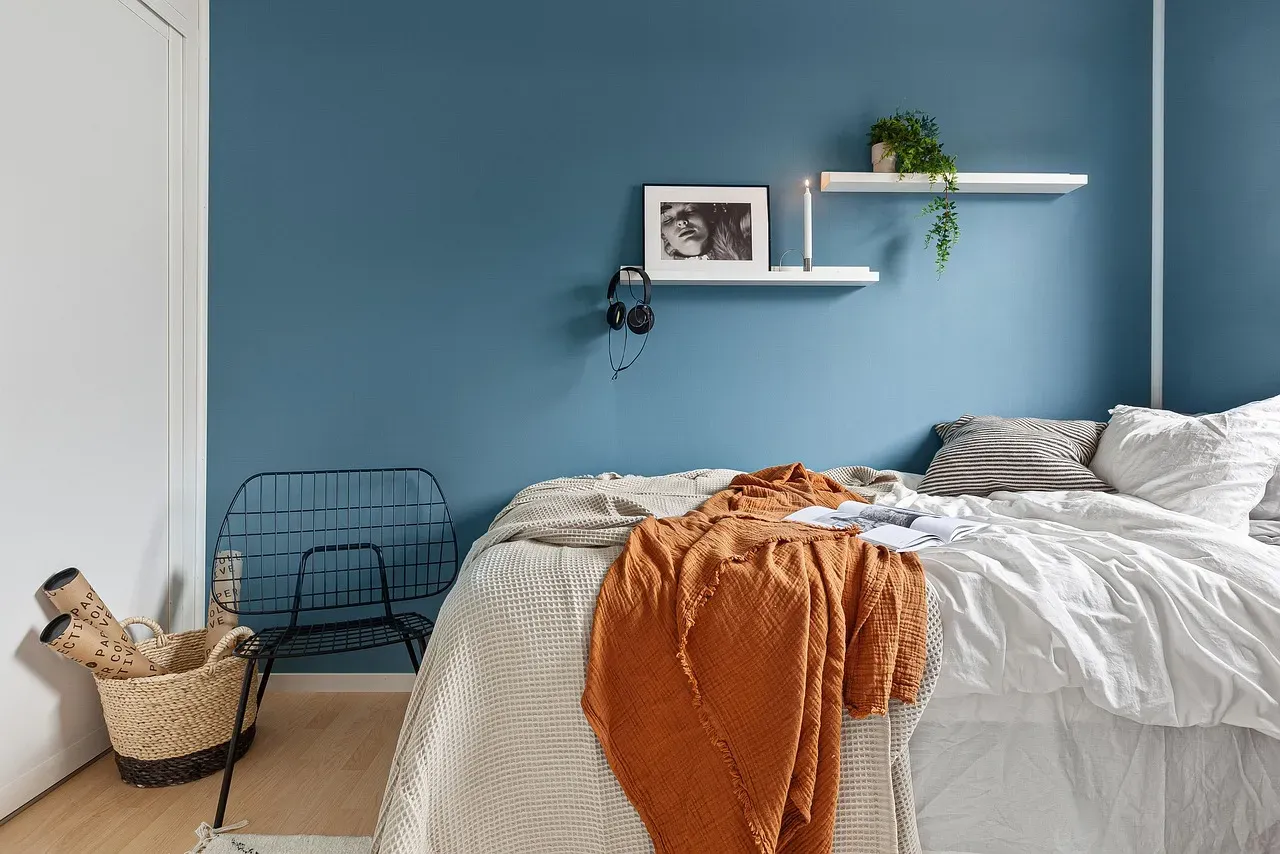
Rugs are one of the most overlooked seasonal decorating tools, largely because people assume they’re a permanent fixture rather than something to rotate. A thin cotton or jute rug in spring and summer keeps rooms feeling light and breathable, while a thicker wool or shag rug in autumn and winter adds warmth underfoot. This rotation doesn’t need to happen in every room, but living rooms and bedrooms benefit the most since that’s where people spend the most barefoot time.
Bedding follows a similar logic, with lighter cotton or linen sheets making sense for warmer months and flannel or sateen weaves working better once temperatures drop. Many home goods retailers now market bedding specifically by season, reflecting how mainstream this rotation habit has become. Even without buying new sets, simply swapping a duvet cover or adding an extra throw blanket can mimic the same seasonal effect at a fraction of the cost.
Bringing nature indoors through seasonal greenery
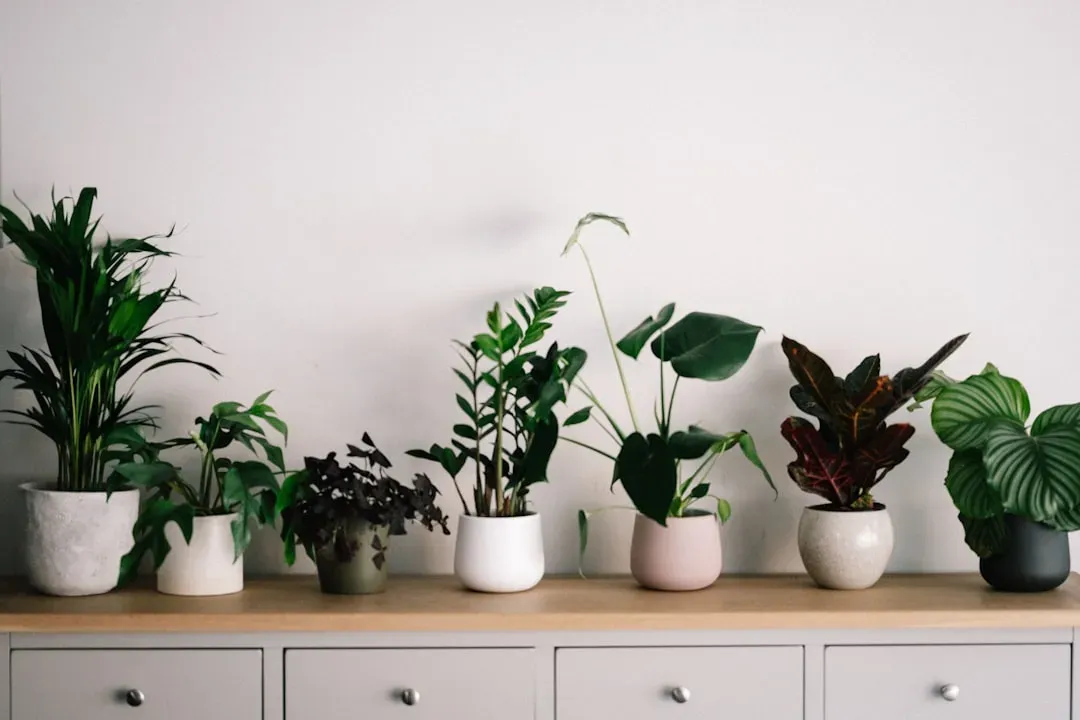
Plants and greenery offer one of the most direct ways to bring a season’s character indoors, and they don’t have to be complicated or expensive. Spring might mean fresh cut branches or a small herb garden on a kitchen windowsill, while summer often leans into tropical houseplants like monstera or palms that thrive in warmer indoor temperatures. These choices aren’t just aesthetic, since many common houseplants also help with indoor air quality, according to research from NASA’s Clean Air Study, though the effect in typical home settings is more modest than in that controlled experiment.
Autumn decorating frequently incorporates dried grasses, wheat stalks, or bittersweet branches, which have the advantage of lasting for weeks without wilting. Winter tends to bring evergreens indoors, whether that’s a full Christmas tree, simple pine garlands, or small potted rosemary plants shaped like tiny trees. Because these seasonal greenery choices are temporary by nature, they offer an easy way to experiment without any long-term commitment or cost.
Rethinking wall art and mirrors across the year
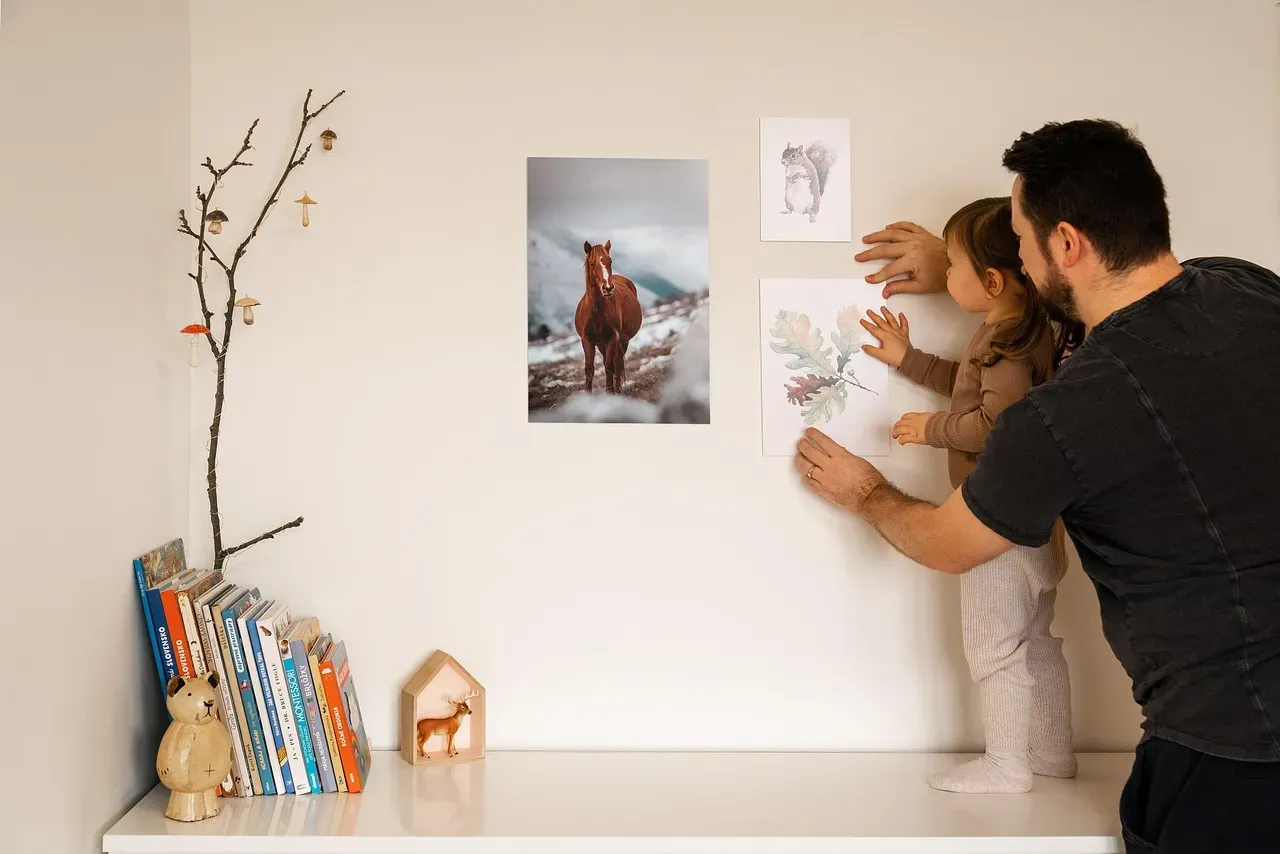
Wall art doesn’t have to be permanent, and rotating pieces seasonally is a trick more decorators are embracing as gallery walls and modular frame systems become more affordable. Lighter, abstract prints or botanical illustrations tend to suit spring and summer walls, while richer landscape paintings or moody photography feel more at home in autumn and winter. Even rearranging existing art, rather than buying new pieces, can make a wall feel refreshed without any additional spending.
Mirrors deserve attention too, since they amplify whatever light and color exists in a room at any given time. Positioning a mirror to reflect a spring window or a winter candle arrangement effectively doubles the seasonal visual impact without adding a single new object. Some decorators keep two or three frames on rotation throughout the year, swapping artwork inside the same frame as the seasons shift, which keeps costs low while still delivering noticeable change.
Balancing seasonal decor with year round style

The biggest risk with seasonal decorating is overcommitting to a look that feels dated the moment the season ends, so many designers recommend an eighty-twenty approach. Roughly eighty percent of a room’s decor should remain consistent year round, like furniture, major art pieces, and wall color, while only about twenty percent shifts seasonally through pillows, throws, and small accents. This keeps a home feeling cohesive rather than like four completely different rooms depending on the month.
Storage also matters more than people expect when it comes to sustaining this habit long term. Investing in a few labeled bins or a dedicated closet shelf for seasonal items makes the rotation process faster and less likely to be abandoned after year one. Households that treat seasonal decorating as a lightweight, repeatable system tend to stick with it far longer than those who try to reinvent their spaces from scratch every few months.