
The Real Cost of Going Out Has Changed the Math

A night out used to feel like a reasonable indulgence. Now it often feels like a small financial event. A typical night out in London that involved a couple of pints, a taxi, and a club entry cost the equivalent of £44.41 in today’s money back in 1995, but the same night would cost £66.48 in 2025.
That kind of markup adds up fast, especially when it happens every weekend. Recent survey data found that 70 percent of people said hospitality was becoming less affordable, while 64 percent backed lowering taxes for nightlife businesses. When the price of a single evening starts rivaling a week’s groceries, staying home stops being a compromise and starts looking like common sense.
Safety Concerns Quietly Shape the Decision

Cost isn’t the only factor pushing people toward their own living rooms. Almost a third of people report negative emotions when out at night, including fear, anxiety, or feeling unsafe, with women significantly more likely to report these concerns. That’s not a small footnote. It’s a real barrier that shapes whether someone even considers leaving the house after dark.
Over half of women surveyed expressed concerns about traveling late at night, and 69 percent of all respondents said better late-night transport options would encourage them to stay out later. When getting home safely feels uncertain, the appeal of a locked front door and familiar surroundings only grows stronger.
Younger Generations Are Genuinely Going Out Less

This isn’t just older adults mellowing with age. A survey of 2,001 respondents aged 18 to 30 found that 61 percent reported going out less frequently than the year before, with only 16 percent saying they go out more after 10pm. That’s a meaningful generational shift, not a rounding error.
Sixty eight percent of young people said the current economic climate has reduced their participation in night time activities, and 53 percent reported spending less on going out compared to last year. For a demographic once defined by nightlife culture, that’s a striking reversal, one that suggests home has become the default rather than the fallback.
The Late Night Economy Is Feeling the Shift Too
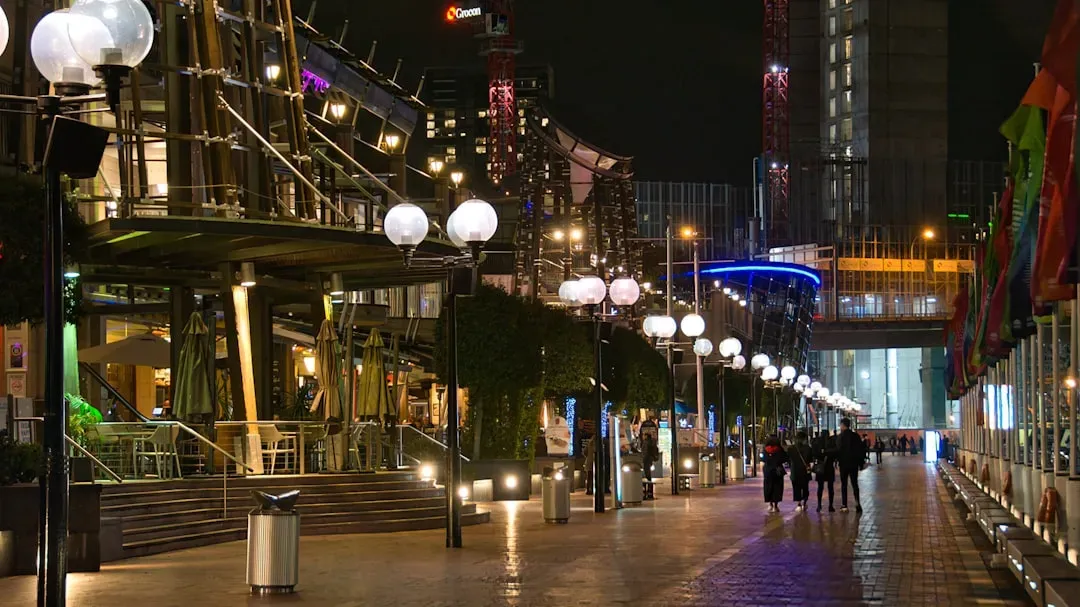
The changes at home have real consequences for the businesses built around going out. The night time cultural economy generated £43 billion in spending last year and employed more than 2 million people, yet it lost an estimated 74,000 jobs between the start of 2024 and autumn 2025. That’s not a niche struggle. It’s an industry-wide contraction happening in real time.
Interestingly, the timing of socializing itself has moved earlier rather than disappearing entirely. Data shows nearly three in ten consumers are going out earlier than they used to, and the 5pm to 7pm slot now generates more revenue than the later 7pm to 10pm period. People still want connection, just on a schedule that gets them home sooner.
JOMO Has Become a Real Cultural Movement

The joy of missing out, once a joke acronym, has turned into something researchers and companies take seriously. A striking 62 percent of travelers say staying in a peaceful setting would help reduce their stress, while 85 percent are interested in taking a vacation to unplug. That appetite for stillness doesn’t stop at vacation planning. It bleeds into everyday choices about how to spend a Friday night.
Accenture’s Life Trends 2025 report even highlights JOMO as a lifestyle trend for those looking to disconnect from technology. When a major consulting firm is tracking the joy of staying put as a measurable trend, it’s fair to say the idea has moved well past internet slang.
Digital Fatigue Makes Home Feel Like Recovery
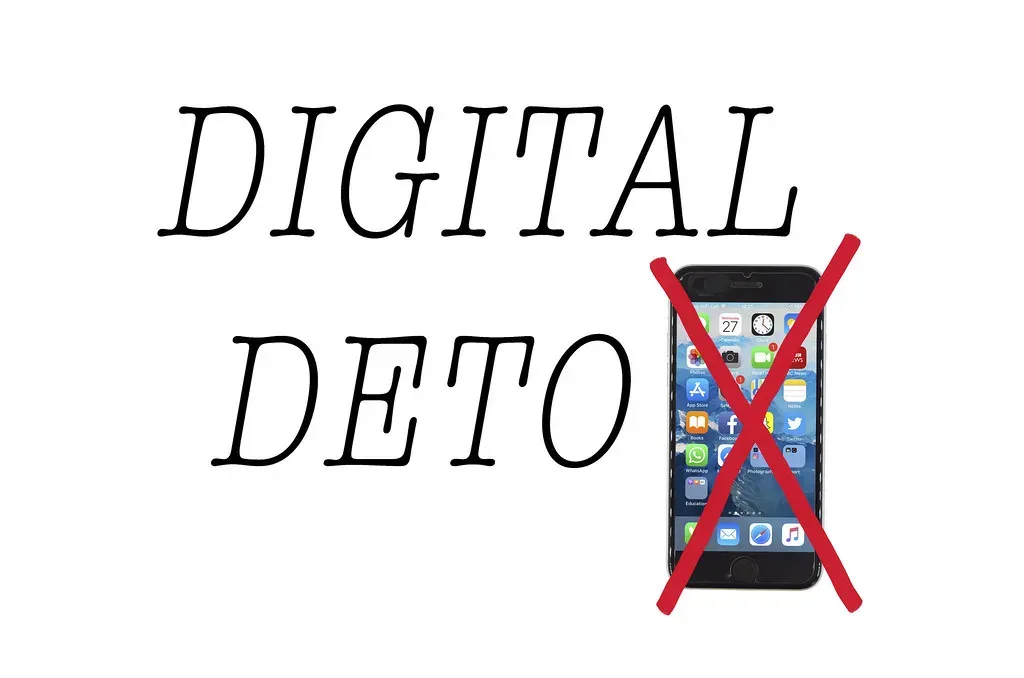
Constant connectivity has a cost that people are increasingly naming out loud. In response to digital fatigue, many travelers are actively limiting screen time, and the 2025 Hilton Trends Report reveals that 27 percent of adults plan to reduce social media use, with younger generations particularly motivated to disconnect. That same fatigue applies at home just as much as it does on a trip.
An evening spent without the pressure to document, perform, or check in can feel genuinely restorative. There’s a difference between scrolling through someone else’s night out and simply living your own quiet one, and more people seem to be noticing that gap.
Home Entertainment Has Quietly Gotten Better

Part of why staying in feels less like settling is that the home experience itself has improved. Streaming libraries, delivery apps, and home audio setups have closed much of the gap that used to make going out feel necessary just to see something good or eat something interesting. Movie theaters cost a lot of money, and the best way to save is to stream at home, inviting friends over for pizza and a movie instead.
That’s a small example, but it reflects a bigger pattern. When the at-home version of an experience is nearly as good and considerably cheaper, the incentive to leave shrinks accordingly.
Control Over the Environment Is Underrated
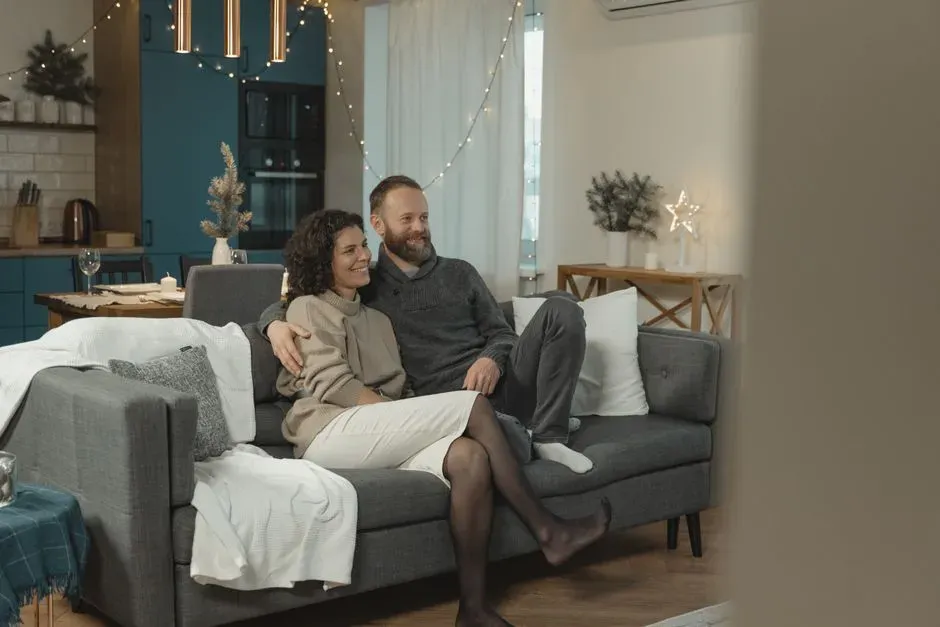
A crowded bar comes with noise levels, temperature, and company you didn’t choose. Home comes with none of that friction. You control the volume, the lighting, who’s there, and when it ends, and that kind of control is easy to underestimate until you notice how much energy it saves.
This isn’t about avoiding people. It’s about avoiding the parts of socializing that were never really the point, like shouting over music or waiting twenty minutes for a drink. Stripping those away tends to leave the actual connection, which is usually what people wanted in the first place.
Quality Time Often Beats Novelty
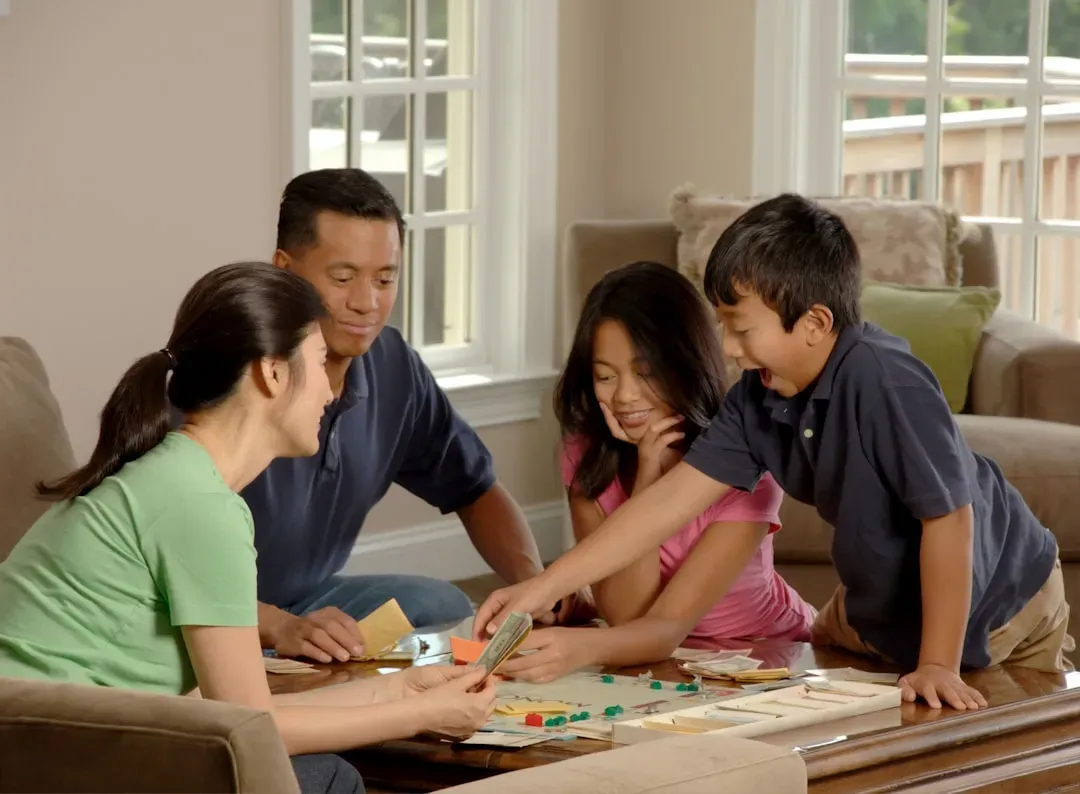
There’s a quiet argument to be made that a home evening with the right people can outperform a night out on connection alone, even without any grand plans. Cooking together, a slow conversation, or simply sitting in the same room without an agenda tends to build familiarity in a way that a loud venue rarely allows. Hosting game nights or potlucks at home rather than heading out means the company becomes the most crucial part.
That shift in priorities, from novelty to closeness, seems to be part of why so many people describe staying in as more satisfying rather than just more convenient. It’s less about what you’re doing and more about who you’re doing it with, minus the distractions that usually come with a night out.
The Balance Isn’t All or Nothing

None of this means nightlife is disappearing or that going out has lost its value entirely. Fifty nine percent of those surveyed still said nightlife enhanced their quality of life, and 61 percent valued night time events as personal cultural experiences. The appeal hasn’t vanished, it’s just being weighed more carefully against cost, safety, and energy.
What seems to be happening is less a rejection of going out and more a recalibration of when it’s worth it. People are choosing their nights out with more intention, which by contrast makes the nights spent at home feel less like a default and more like a genuine preference. For a long stretch, staying home on a weekend carried a faint whiff of missing out. That framing has quietly faded. Between the cost of an average night out, the fatigue of constant connectivity, and the simple pleasure of controlling your own evening, staying in has earned its place as a legitimate choice rather than a consolation prize.