
The Flow State Hidden in Chopping and Stirring
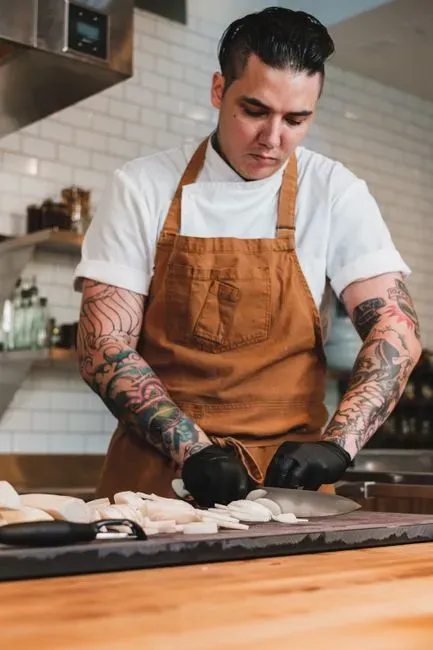
Psychologists have a name for the feeling that shows up when someone is fully absorbed in prepping a meal, and it isn’t unique to cooking. When we’re fully immersed in the process of chopping, stirring, seasoning, and tasting, we can enter a state of deep focus often called flow. The concept comes from psychologist Mihály Csíkszentmihályi, and researchers have documented it happening specifically in home kitchens.
Flow occurs when someone is completely engaged in a challenging yet manageable activity, allowing them to lose track of time in the most satisfying way. That’s a fairly accurate description of what happens during a from-scratch recipe with several moving parts. There’s just enough difficulty to hold attention without tipping into frustration, which may explain why an hour at the stove can feel shorter than an hour spent doing almost anything else.
Why the Scratch Method Feels More Rewarding Than a Shortcut
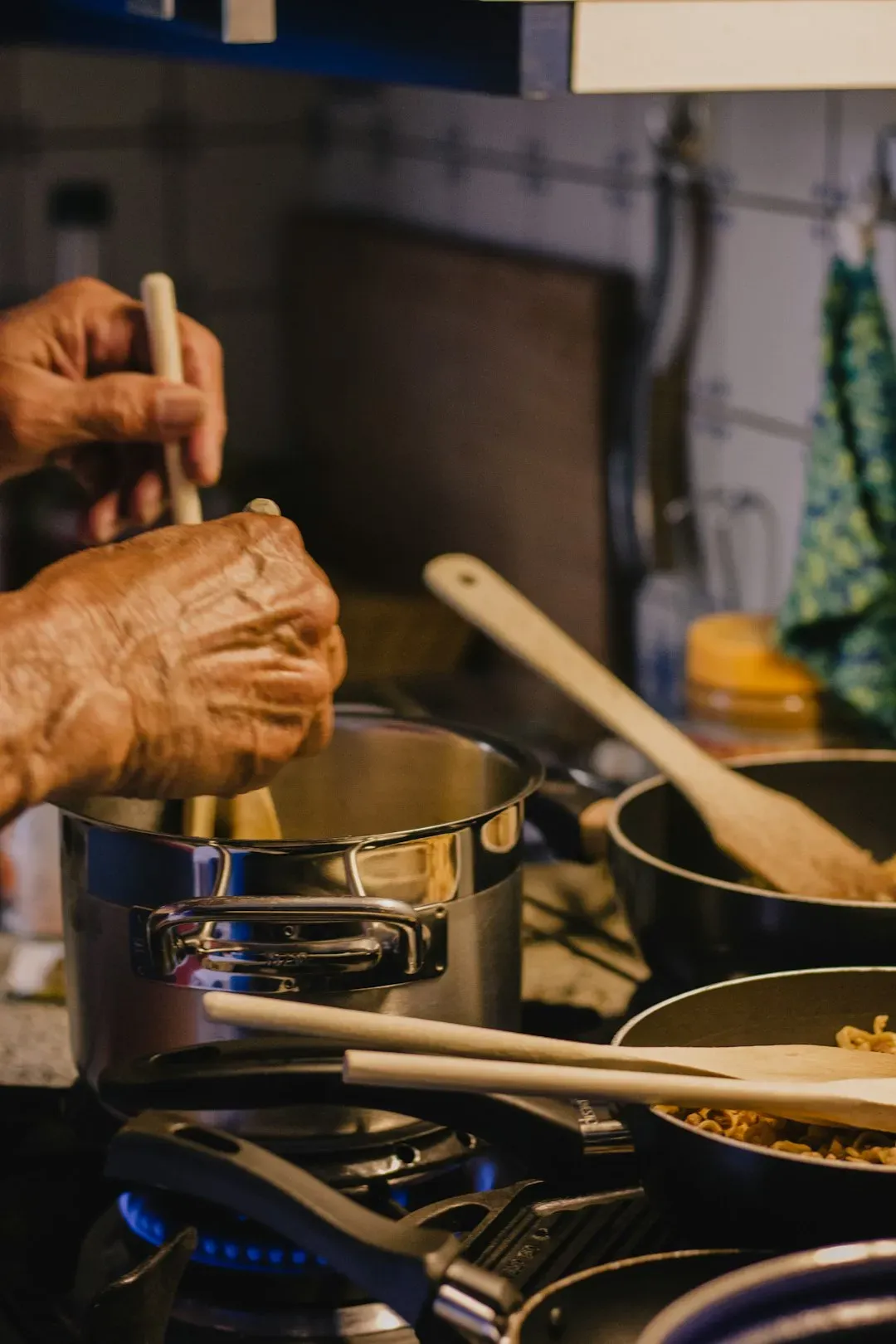
Not all cooking delivers the same emotional payoff, and researchers have started to notice a pattern. Studies show that people who define cooking as cooking from scratch often get more enjoyment and more fulfillment from cooking, according to Nicole Farmer, a physician and staff scientist at the National Institutes of Health Clinical Center. The distinction matters because not every meal prep counts the same way in the brain.
Hitting the microwave button doesn’t really involve someone in the process the way scratch cooking does, and preparing something more involved, like a cake, takes a person out of their normal routine. In other words, the satisfaction isn’t just about the finished plate. It’s tied to how much of the process a person actually touches with their own hands.
A Quiet Comeback in 2026 Kitchens
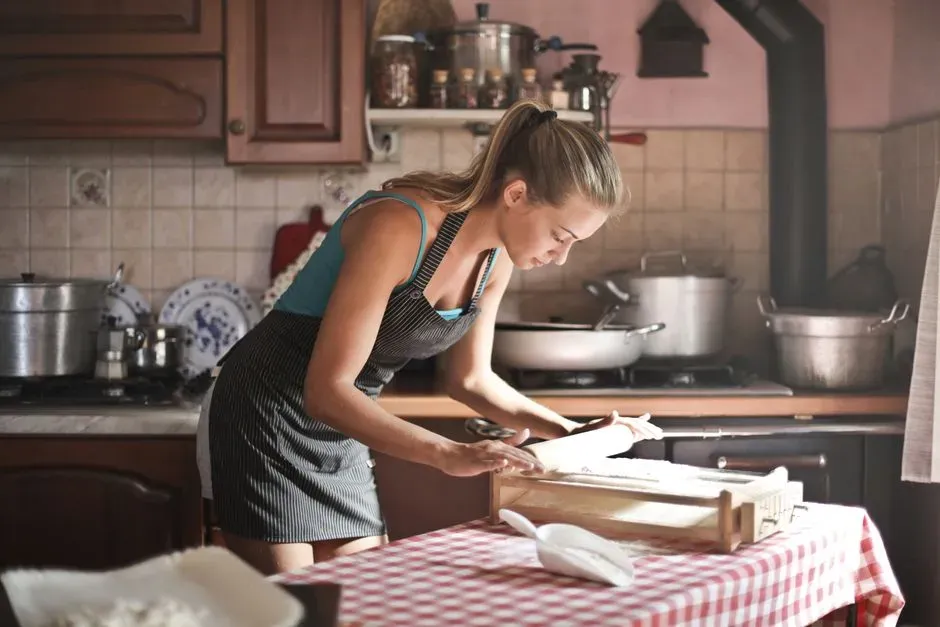
Home cooking never fully disappeared, but the current numbers suggest it’s holding steady rather than fading back to pre-pandemic delivery habits. In fact, 93 percent of Americans expect to cook as much as last year or more in the next 12 months than they did the previous year. That figure comes from HelloFresh’s 2025-2026 State of Home Cooking report, based on a survey of five thousand U.S. adults conducted with Wakefield Research.
What’s notable is why people say they’re staying in the kitchen. Among those who plan to cook more in the next year, the economy and their health are cited as leading factors. It isn’t a trend built entirely on joy or nostalgia. Practical pressure is doing a lot of the pushing.
The Economics of Cooking Have Changed the Calculation
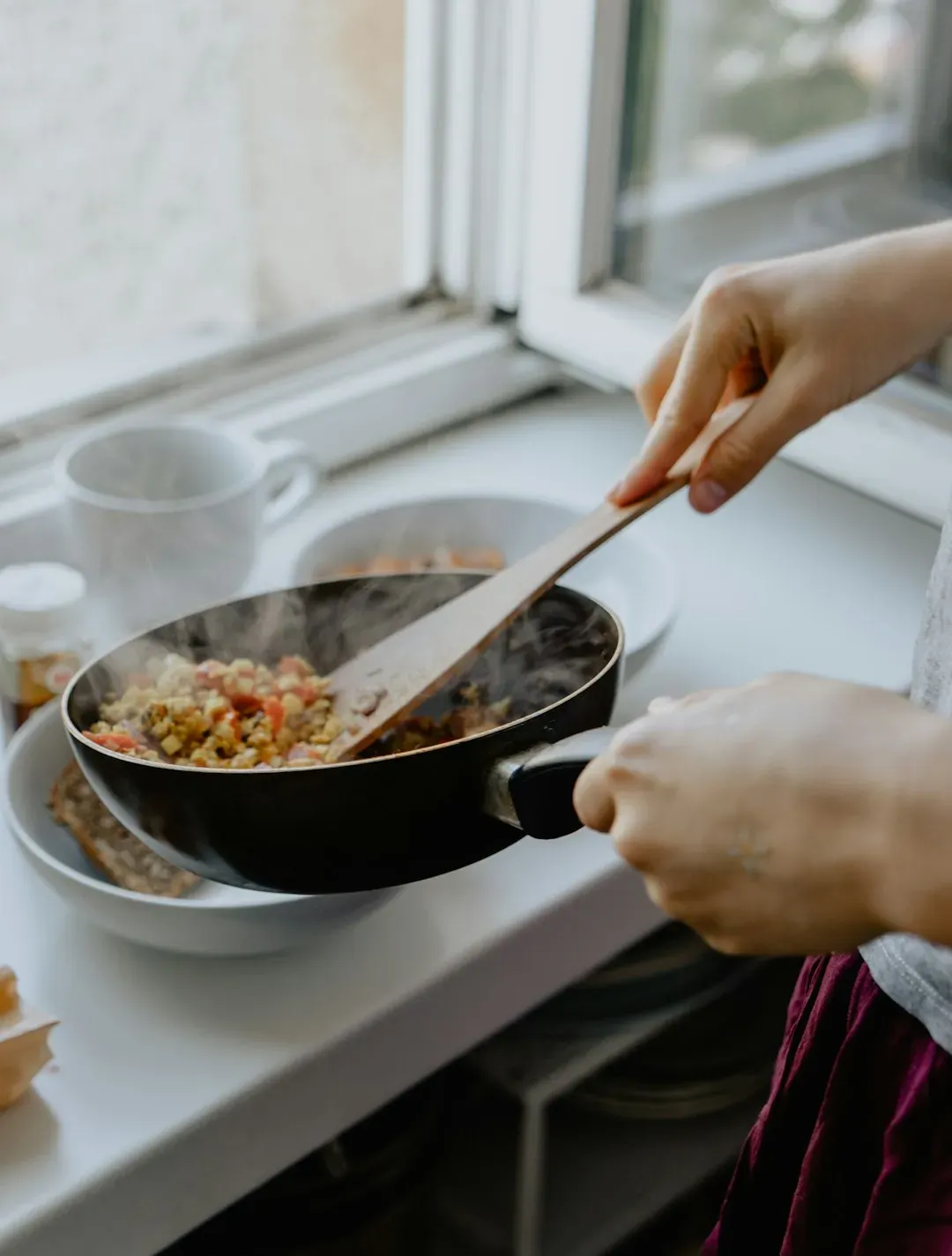
Money has quietly become one of the strongest arguments for scratch cooking, and the gap is wider than many people realize. Home cooking costs about $4.31 per serving on average, while eating out runs around $20.37, a nearly five times price difference that explains why the large majority of consumers say they cook at home to save money. When restaurant prices keep climbing, that math becomes harder to ignore.
Restaurant prices have increased in recent years, prompting many households to look for ways to manage food costs more carefully, and preparing meals at home gives people greater control over both their budget and the ingredients they use. Control over ingredients turns out to matter almost as much as control over cost. Knowing exactly what went into a dish, down to the amount of salt or oil, is its own quiet form of satisfaction.
Health Gains That Don’t Require a New Diet
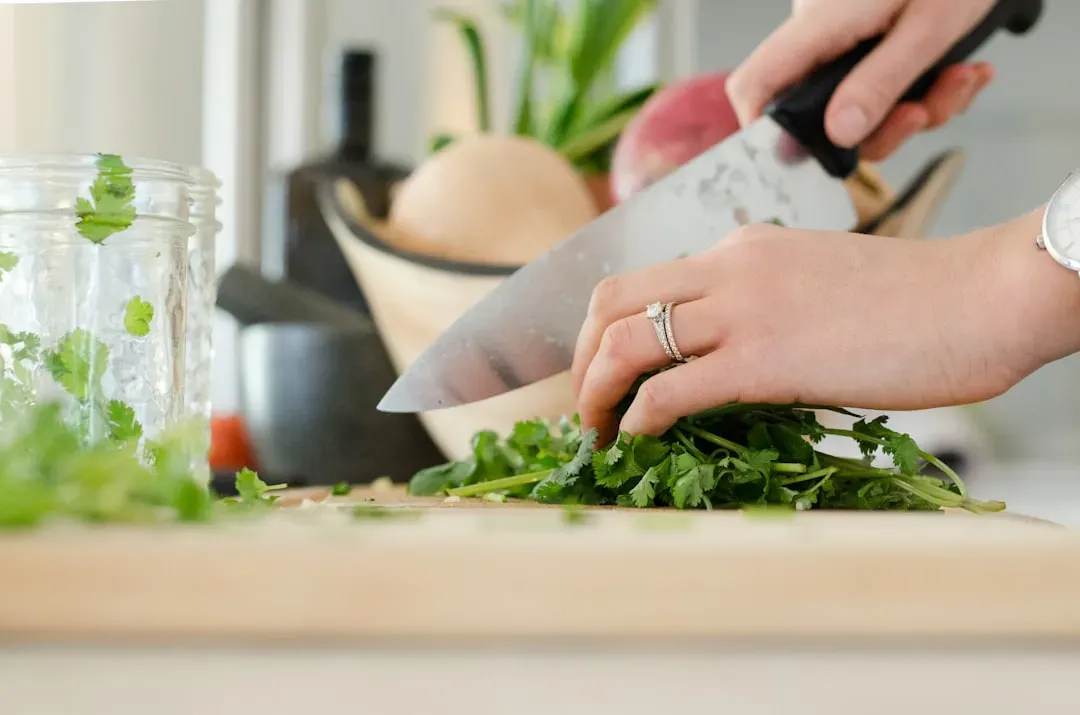
Nobody needs to follow a strict meal plan to benefit from cooking at home, and that’s part of the appeal. Health is a major factor behind the shift, since someone cooking at home can adjust portion sizes, reduce processed ingredients, or tailor meals to specific dietary preferences without relying on restaurant menus. Small, everyday adjustments add up in ways that stricter diets often fail to sustain.
This aligns with a broader shift away from rigid food rules. Three-quarters of respondents in a recent Challenge Butter survey say flavor and ingredient quality matter more than following specific food rules. People aren’t necessarily eating healthier by the textbook definition. They’re eating in a way that feels more intentional, which tends to be more sustainable over time.
The Mental Health Angle Researchers Keep Circling Back To
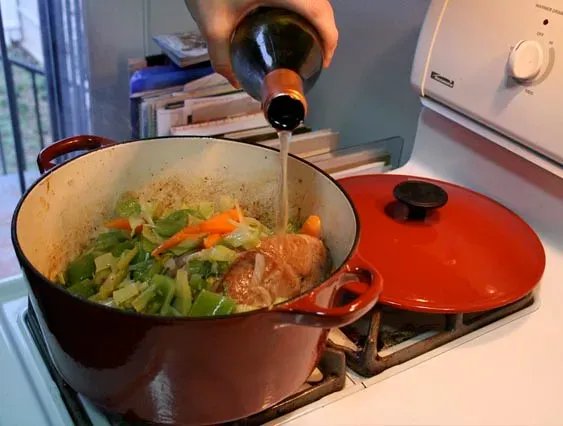
The connection between cooking and mood has moved beyond casual observation into actual clinical study. A recent inpatient study found culinary medicine cooking workshops were highly accepted, with 90 percent of participants reporting they would recommend them for recovery, and significant improvements were observed in mood, sadness, hopelessness, and tiredness. These were psychiatric inpatients dealing with depression, not casual home cooks looking for a hobby.
The effect shows up outside clinical settings too. In psychiatric inpatient wards, cooking workshops have been found to improve mood among patients with depression, reducing sadness, hopelessness, and fatigue. Researchers are careful to note the evidence is still developing, but the direction of these findings is consistent enough that some hospitals now use cooking as a therapeutic tool.
Cooking as a Brain Workout, Not Just a Chore
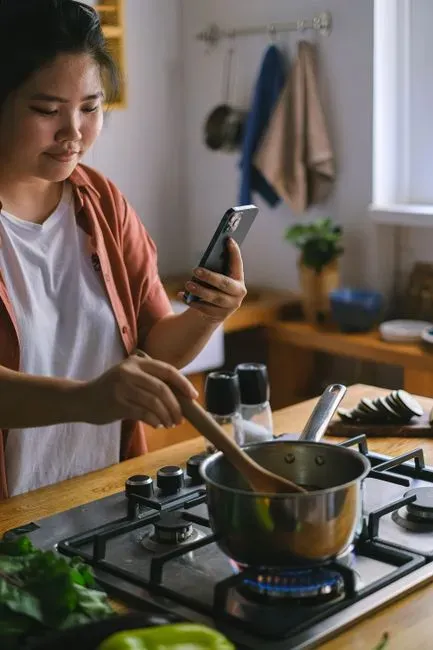
There’s a mental component to scratch cooking that gets overlooked when people think of it purely as manual labor. Following a recipe or matching a shopping list to a meal plan requires organizing all the logistics behind a meal, and that planning and preparation involves real mental gymnastics, making it a good mental workout. It’s a low stakes way to keep the brain engaged without turning to puzzles or apps.
This cognitive engagement is one reason cooking shows up in occupational therapy settings. Cooking skills are for most an essential daily task and utilize cognitive executive function and motor skills. Timing a sauce while chopping vegetables and watching a pan all at once is a small but real exercise in multitasking under manageable pressure.
The Generational Divide in Who Still Cooks From Scratch
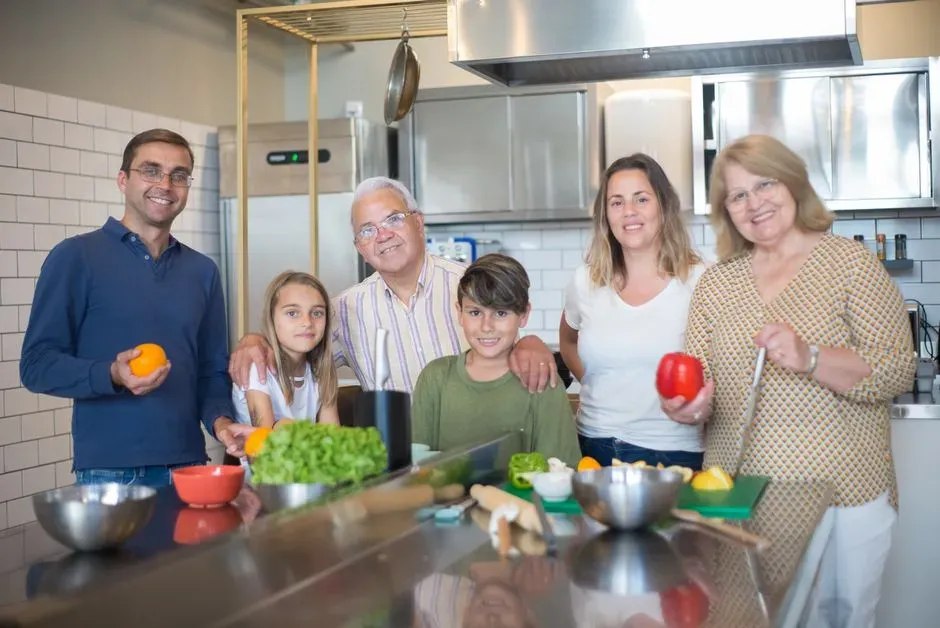
Not every generation approaches the stove the same way, and the differences are fairly stark. Generational habits vary widely, with 70 percent of Boomers making dinner from scratch on Sundays, compared to just 40 percent of Gen Z. That’s a meaningful gap, though it doesn’t necessarily mean younger cooks value the process less.
Time constraints and different living situations likely play a role, along with how each generation was taught, or not taught, basic kitchen skills growing up. Social media has also reshaped how younger cooks discover and approach recipes, sometimes favoring quick assembly over slower traditional methods. Still, the appeal of a fully homemade Sunday dinner hasn’t disappeared, it’s just less universal than it once was across age groups.
When Cooking Stops Feeling Satisfying, and Why It Still Wins
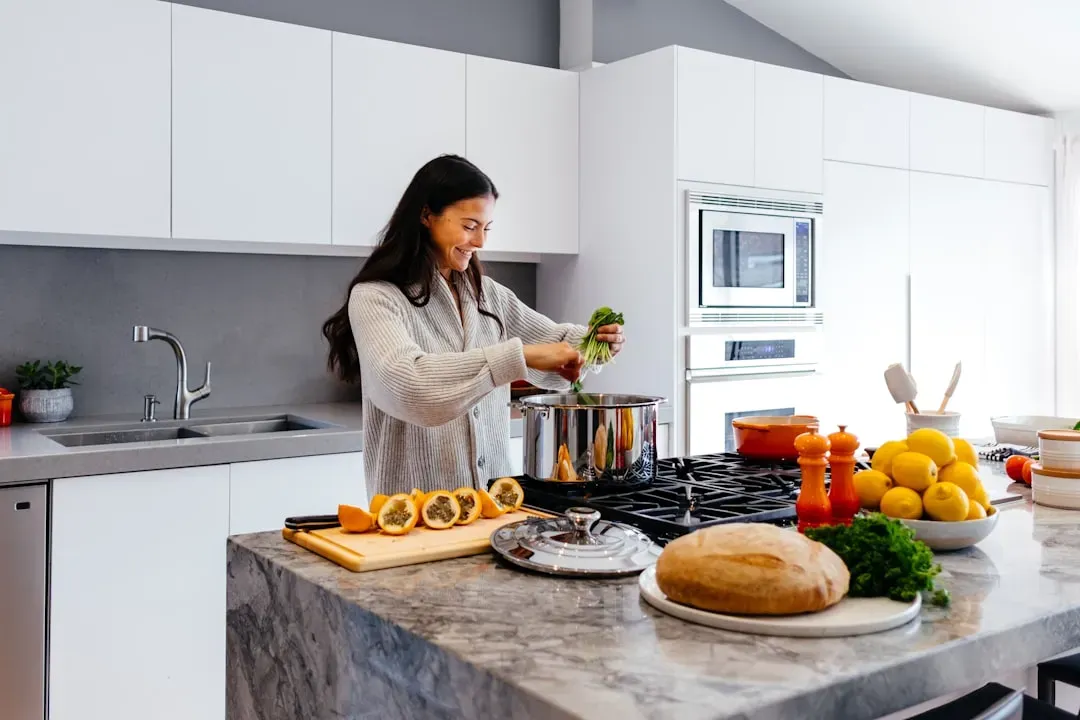
It would be misleading to pretend scratch cooking is universally enjoyable every single night. Among those who cook, nearly two thirds have wanted to quit dinner at some point. Fatigue, time pressure, and a lack of groceries on hand are real obstacles that show up night after night.
Yet the data draws a clear line based on mindset. Among those who find cooking stressful, 89 percent have wished they could quit dinner, compared to 55 percent of those who find cooking a stress relieving activity. The task is the same either way. What differs is whether someone approaches it as a burden or as a brief pocket of control in an otherwise scheduled day.
The Simple Ingredients Behind Lasting Satisfaction
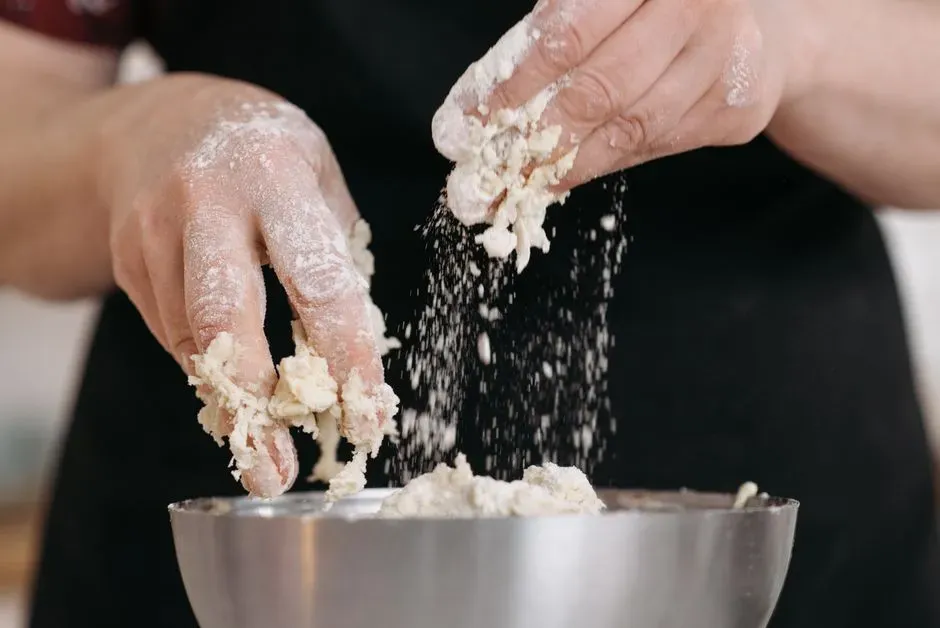
Strip away the trend reports and the survey percentages, and what remains is something fairly ordinary. Cooking from scratch offers a start and an end point within the same hour, a rare shape in a workday that often lacks either. There is a growing trend of people eating to make themselves happy rather than worrying strictly about following dietary guidelines. That shift toward pleasure over rulebooks may be part of why scratch cooking keeps its appeal even as convenience options multiply.
None of this requires elaborate technique or expensive equipment. A pot, a knife, and twenty unhurried minutes are usually enough to produce the effect researchers keep measuring in different forms. The dish at the end matters, but so does everything that happened before the first bite.