
Athleisure becomes the default wardrobe
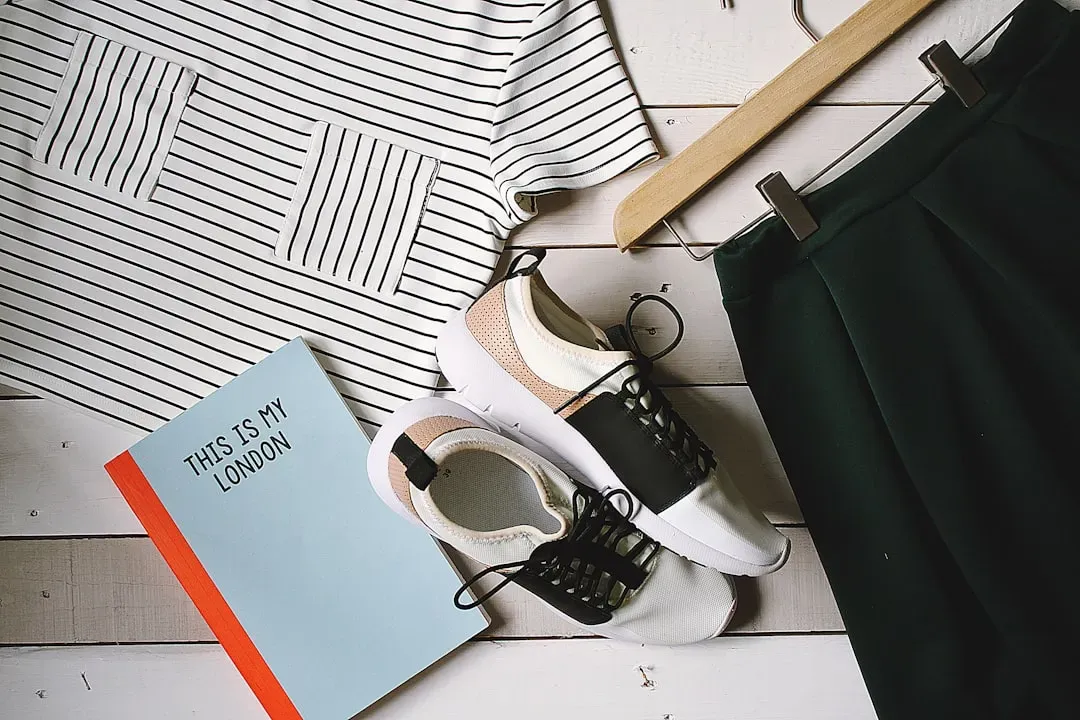
Athleisure has moved well past its gym-bag origins. As comfort continues to dominate consumer wardrobes, there is a shift in what defines everyday wear, with athleisure becoming the uniform for hybrid living. The category now covers everything from video calls to weekend errands, and brands have taken notice.
Industry voices describe this balance plainly. Today’s athleisure buyers expect comfort as the baseline, performance as a requirement, and as a differentiator. That mindset explains why hoodies and joggers now sit next to blazers in the same closet, treated as legitimate wardrobe staples rather than exceptions.
Sneakers lead the comfort-footwear boom
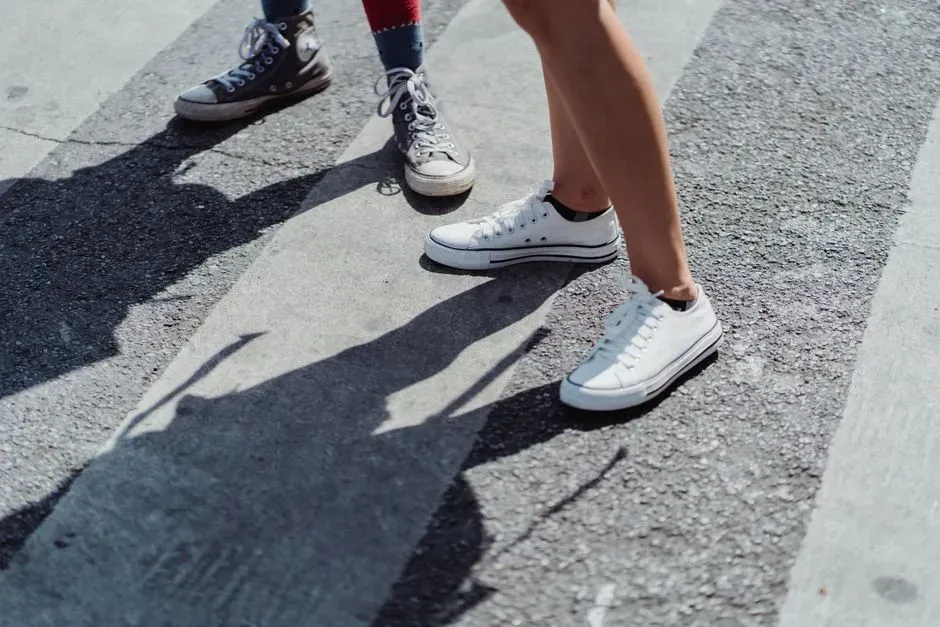
Footwear tells much the same story as apparel. Low-top sneakers led the sneakers industry, accounting for the largest global revenue share of 76.9% in 2025, since they blend , comfort, and versatility. That single category dominance says a lot about what shoppers actually want when they open their closets each morning.
The financial numbers back this up. The global sneakers market size was estimated at USD 104.48 billion in 2025 and is expected to reach USD 110.05 billion in 2026. Comfort footwear more broadly is following the same trajectory, with the global comfort footwear market size projected to grow from $116.40 billion in 2026 to $194.30 billion by 2034.
Loungewear grows into a genuine fashion category
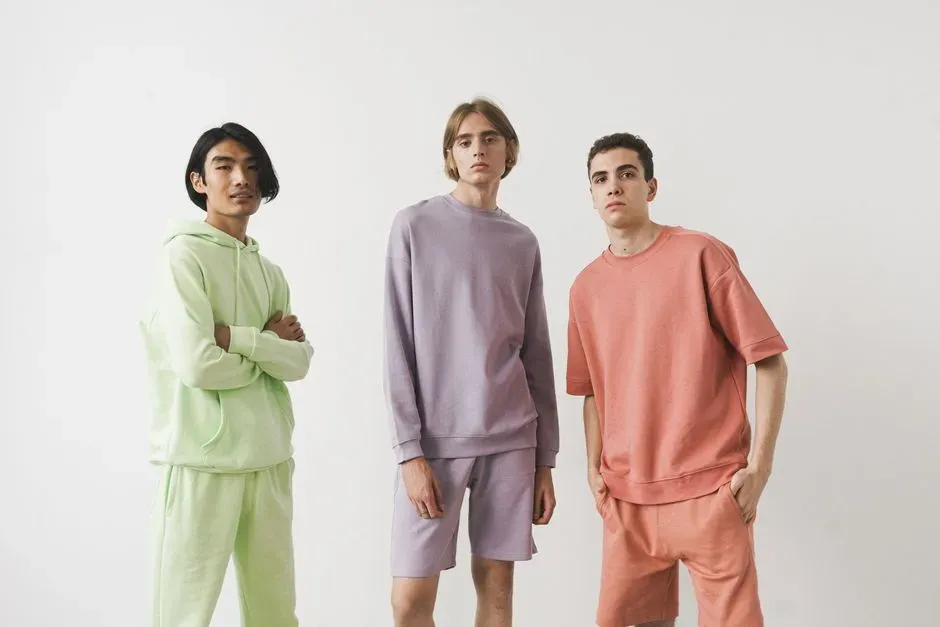
Loungewear used to mean whatever you slept in. That has changed considerably. Loungewear is now a category of clothing designed for relaxation, comfort, and casual wear, emphasizing soft fabrics, relaxed fits, and versatile designs that allow movement while still looking polished.
Fabric choices reflect this evolution too. Washable silk and satin have become popular picks for loungewear that feels a little extra, since they are lightweight, smooth, and season-friendly, with machine-washable silk blends now trending. The result is loungewear that can go from a Sunday morning at home straight into a casual outing without anyone noticing the switch.
Sustainable fabrics are reshaping comfort wear
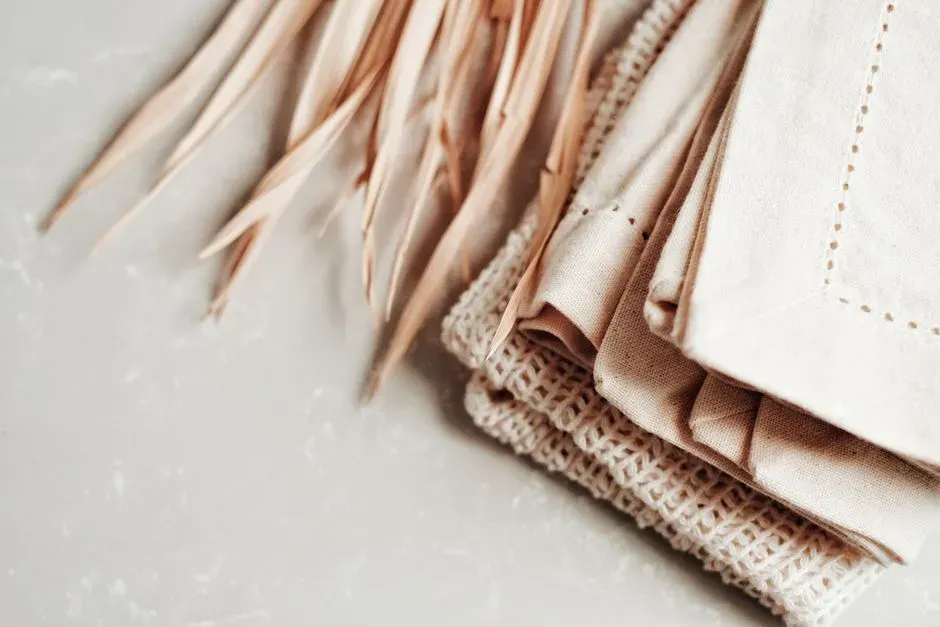
Comfort and sustainability increasingly travel together. Smart and eco-friendly fabrics are a 2026 trend, with more bamboo blends, recycled polyester, and moisture-wicking tech fabrics designed to be sustainable, long-lasting, and skin-friendly. Consumers are not just asking how soft something feels; they want to know what it is made from.
Footwear brands are following the same path. A growing consumer inclination toward eco-friendly sneakers and footwear, along with reduced use of water and plastics, has contributed to the rising adoption of sustainable footwear. Even so, the shift has real limits. Recent industry reviews found that of sneakers analyzed, only 3.4% qualified as eco-friendly, meaning roughly 1 in 29 pairs. Sustainability in comfort fashion is trending upward, but it remains a smaller slice of the market than marketing might suggest.
Menswear catches up on the comfort curve

For a long time, comfort-driven fashion skewed heavily toward womenswear. That is no longer the case. As modern men continue to prioritize comfort, versatility, and functionality in everyday fashion, men now expect their clothing to adapt seamlessly across commuting, business casual settings, travel, workouts, and working from home.
The pieces themselves have grown more refined. Men now prefer pieces that look refined and elevated while feeling as comfortable as activewear, which is why athleisure trouser designs are replacing many traditional casual pants and even some office wear. Quarter-zips and stretch trousers have quietly become menswear staples rather than niche gym gear.
Luxury fashion embraces the comfort mindset
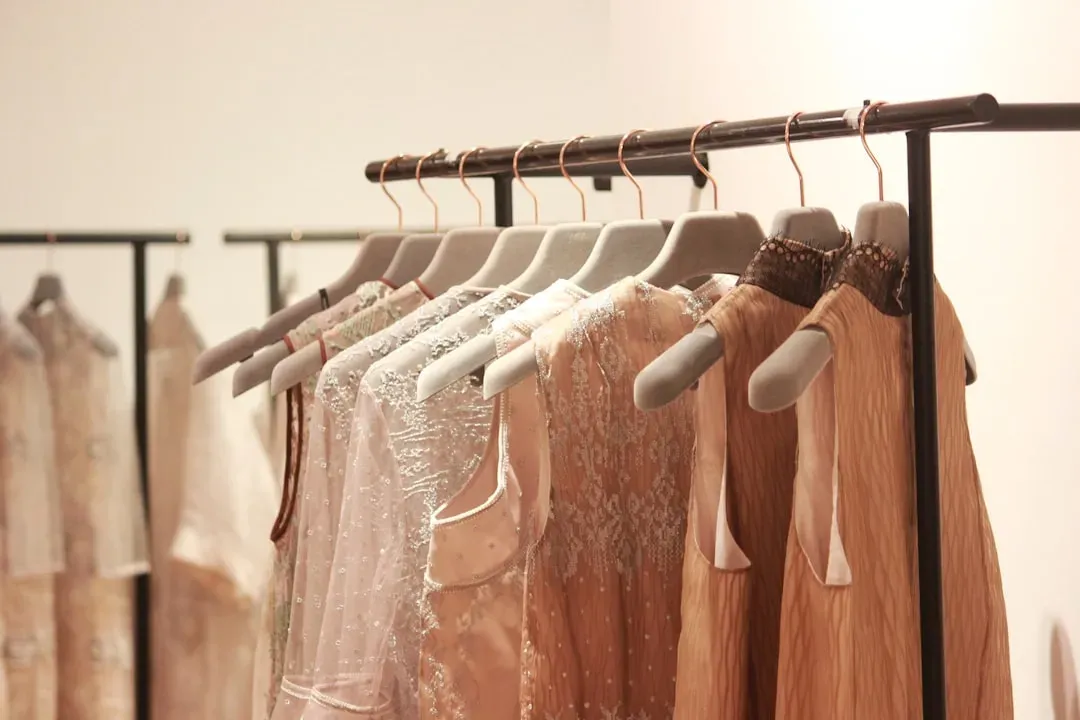
High fashion has not resisted this trend so much as absorbed it. Luxury athleisure is no longer a niche; it has become the new standard, sitting comfortably at the intersection of performance, fashion, and life. Designer runways now regularly feature elevated tracksuits and refined hoodies alongside tailored pieces.
Shoppers in this space have clear priorities. Across the board, value-for-money ranks below comfort, quality, and when buying luxury or designer activewear. That ordering suggests comfort is no longer a compromise buyers accept reluctantly. It is the starting point for how they judge quality itself.
Footwear innovation goes beyond cushioning
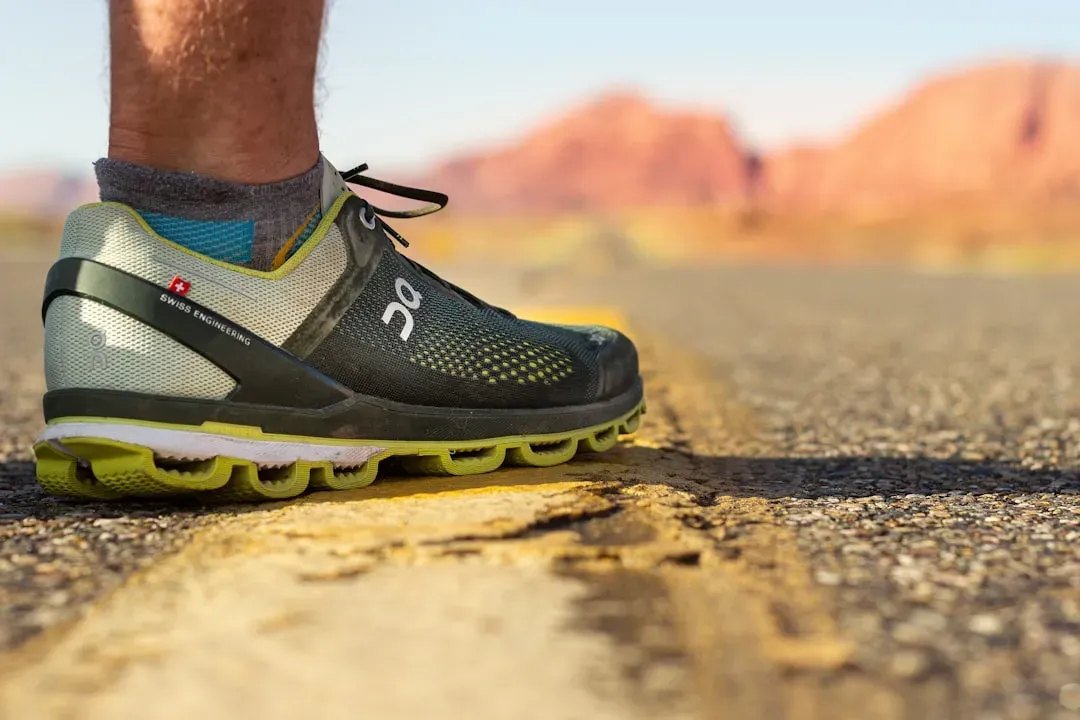
Shoe technology has advanced considerably in recent years, and comfort is now treated as a baseline expectation rather than a bonus feature. Comfort has transformed from a desirable attribute to an essential one, with shoppers gravitating toward versatile s like sneakers, loafers, and ballerinas that work for both and comfort.
Some of this innovation is quietly technical. Smart footwear with built-in tech is growing in popularity, helping everyone from athletes to everyday walkers track steps, analyze walking patterns, and monitor foot health. Meanwhile, running silhouettes originally built for performance have found a second life as everyday footwear. The compact silhouette, vivid colors, and comfort they provide have attracted a growing number of people, as running silhouettes have moved firmly into everyday wardrobes.
Comfort reshapes the modern dress code

Office wear has softened considerably since the pandemic accelerated remote and hybrid work. Athleisure has been an off-duty staple for years, but the pandemic really saw it accelerate as dress codes softened, turning into an entire section of closets suddenly worth investing in. Business casual now often includes pieces that would have looked out of place at a desk a decade ago.
Even dresses have adapted to this new flexibility. Athleisure can be office-appropriate when d smartly, choosing darker tones or subtle prints, layering with a crisp blazer or longline coat, and pairing with low-block heels, loafers, or clean sneakers. The formula is simple: keep the comfort, adjust the polish depending on the room you are walking into.
The generational divide in comfort fashion
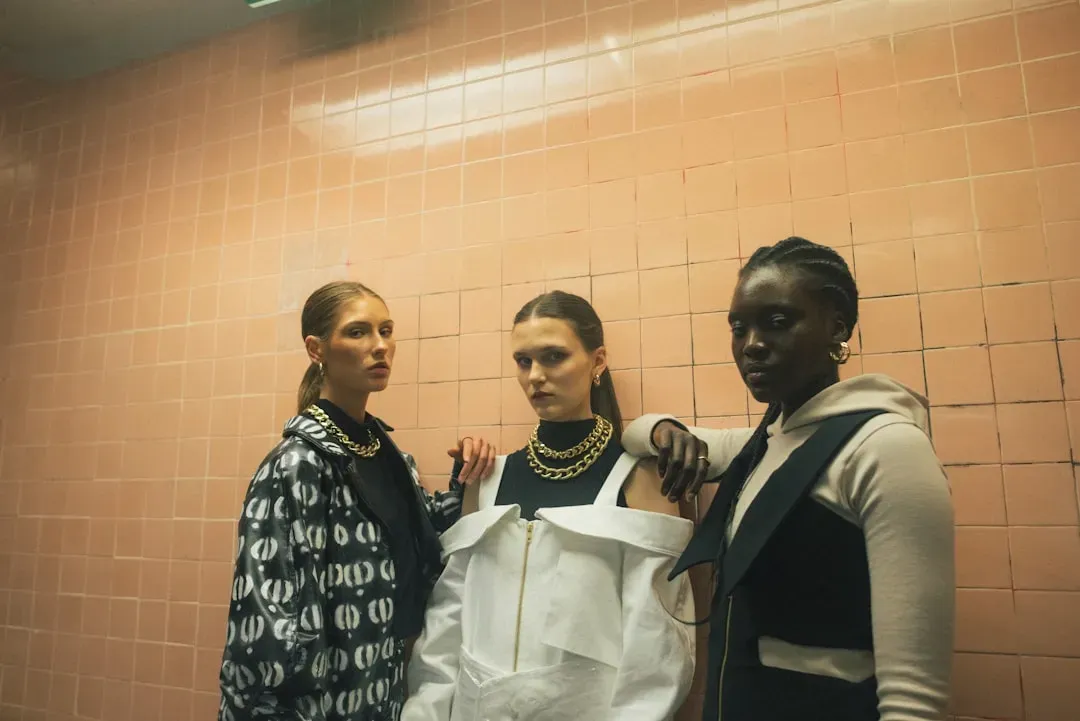
Age plays a real role in how people approach comfort-driven . Athleisure is not just a young person’s game, since Gen X are the second most likely group to wear athleisure weekly. That challenges the assumption that comfort fashion is purely a youth phenomenon.
Younger shoppers, meanwhile, are pushing the category toward personalization. Gen Z and Millennials want customization, since their shoes should reflect their identity and values, with environmental issues pushing them toward vegan leather and plant-based materials. Older shoppers tend to prioritize different things. Baby Boomers and Gen X customers prioritize comfort, durability, and practical designs.
The economics behind the comfort boom
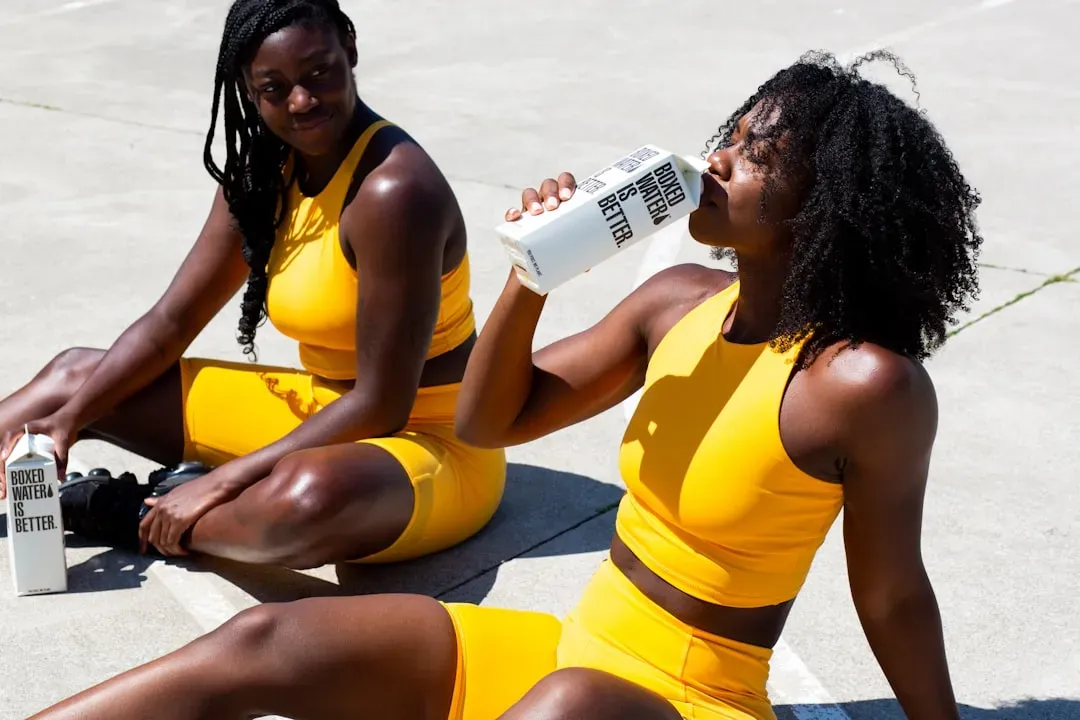
None of this shift is anecdotal. The numbers across apparel and footwear point in the same direction. According to the IMARC Group, the U.S. athleisure market reached USD 95.2 billion in 2024 and is projected to grow at a CAGR of 7.26% through 2033. That is a substantial and sustained expansion for what was once considered a niche category.
Footwear shows a similar pattern. The footwear market is set to expand by USD 103.6 billion between 2026 and 2029, maintaining a steady CAGR of 4.2%. Broader consumer behavior data reinforces just how mainstream this has become. According to the U.S. Bureau of Labor Statistics, 63% of adults in the U.S. reported purchasing sports-inspired casual footwear for daily use in 2024. Comfort, in other words, is not a passing preference. It has become a measurable, tracked driver of spending across the entire fashion economy.
A lasting shift, not a passing phase
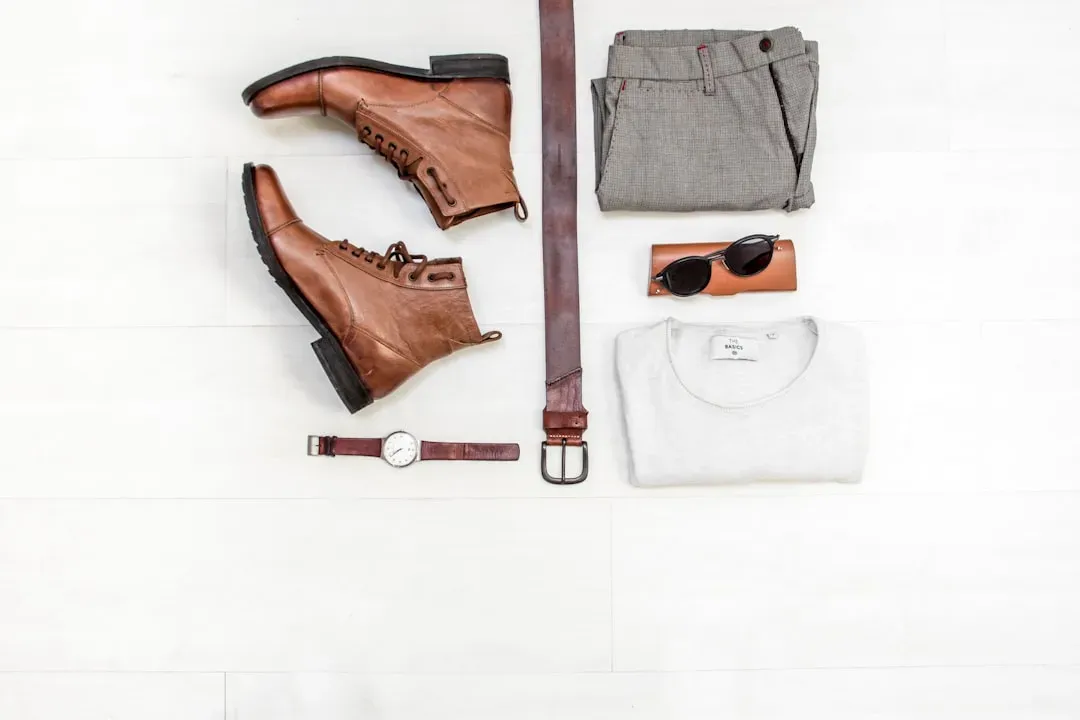
What stands out across every category, from sneakers to loungewear to luxury activewear, is how consistent the pattern has become. People are no longer willing to trade comfort for looking put together, and brands have responded by making that trade unnecessary. The fabrics have gotten better, the silhouettes have gotten smarter, and the dress codes have simply relaxed to match.
Whether this holds steady as a permanent fixture of how people dress or eventually gives way to something more formal again is hard to say with certainty. For now, the evidence points toward comfort staying exactly where it has landed: not as an afterthought, but as the starting point for how itself gets defined.