
There’s a certain relief in stepping outside and finding a space that doesn’t demand anything of you. No sprawling deck to maintain, no elaborate water feature to fuss over, just a quiet corner that feels good to sit in. The best outdoor spaces often come from restraint rather than ambition, and that’s what makes them so livable year after year.
Below are ten approaches to outdoor living that prove simplicity and comfort aren’t mutually exclusive. Each one works with modest budgets, small footprints, or both, and none of them require a professional crew to pull off.
A gravel patio with two good chairs
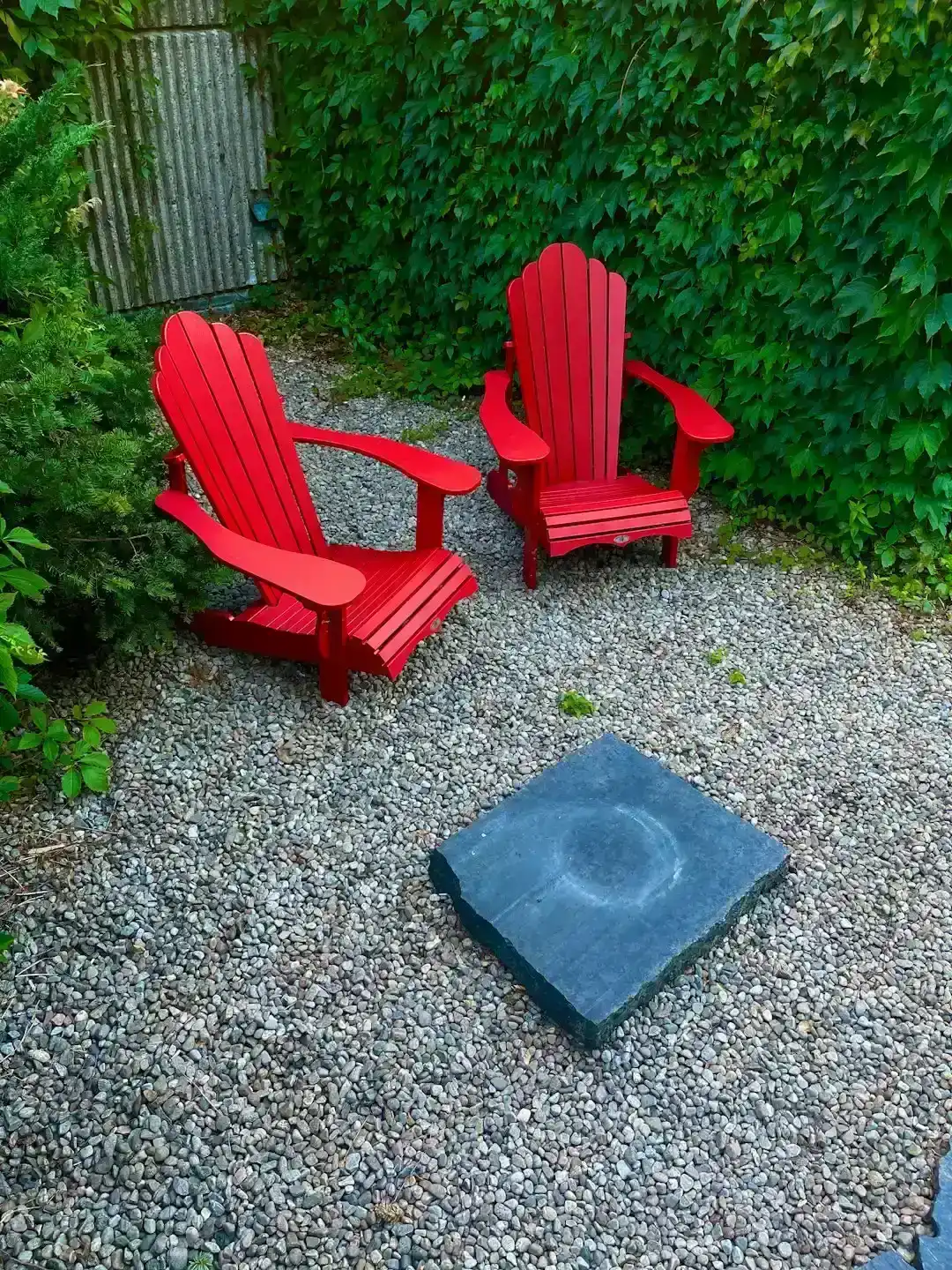
Gravel patios have become one of the most practical low-maintenance options for homeowners who want outdoor seating without pouring concrete or laying pavers. A few inches of crushed stone over a compacted base drains well, resists weeds when installed with proper edging, and costs a fraction of hardscaping alternatives. The texture also softens footsteps, which gives the space a quieter, more relaxed feel than a hard patio surface.
What makes this kind of space work isn’t the material, though, it’s restraint in furnishing it. Two sturdy chairs, a small side table, and maybe a rug rated for outdoor use is often all a gravel patio needs. Landscape designers frequently point out that overcrowding a small patio with furniture is one of the most common mistakes homeowners make when trying to create a usable outdoor room.
A shaded reading nook under a tree
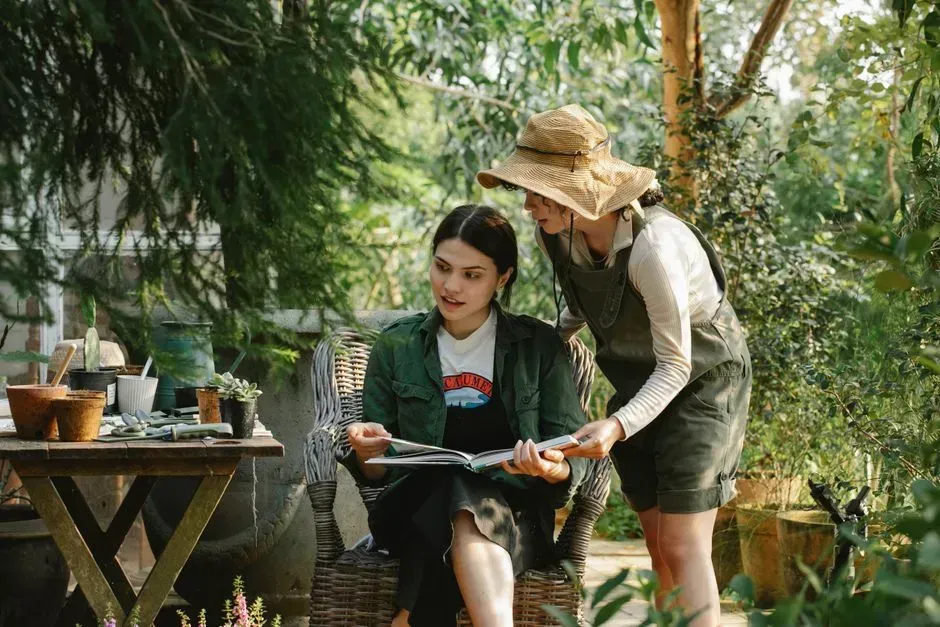
Mature trees do more work for an outdoor space than almost any built structure could. A single tree with a wide canopy can drop the surrounding air temperature noticeably during summer afternoons, according to research from the U.S. Forest Service on urban tree cooling effects. That kind of natural shade turns an ordinary patch of yard into a spot worth returning to daily.
A hammock, a weatherproof cushion on a simple bench, or even a folding chair tucked beneath low branches can be enough. The goal isn’t to build something permanent, it’s to take advantage of shade that’s already doing the heavy lifting. Adding a small outdoor rug or a low stool for drinks rounds out the space without cluttering it.
A fire pit circle for cooler evenings
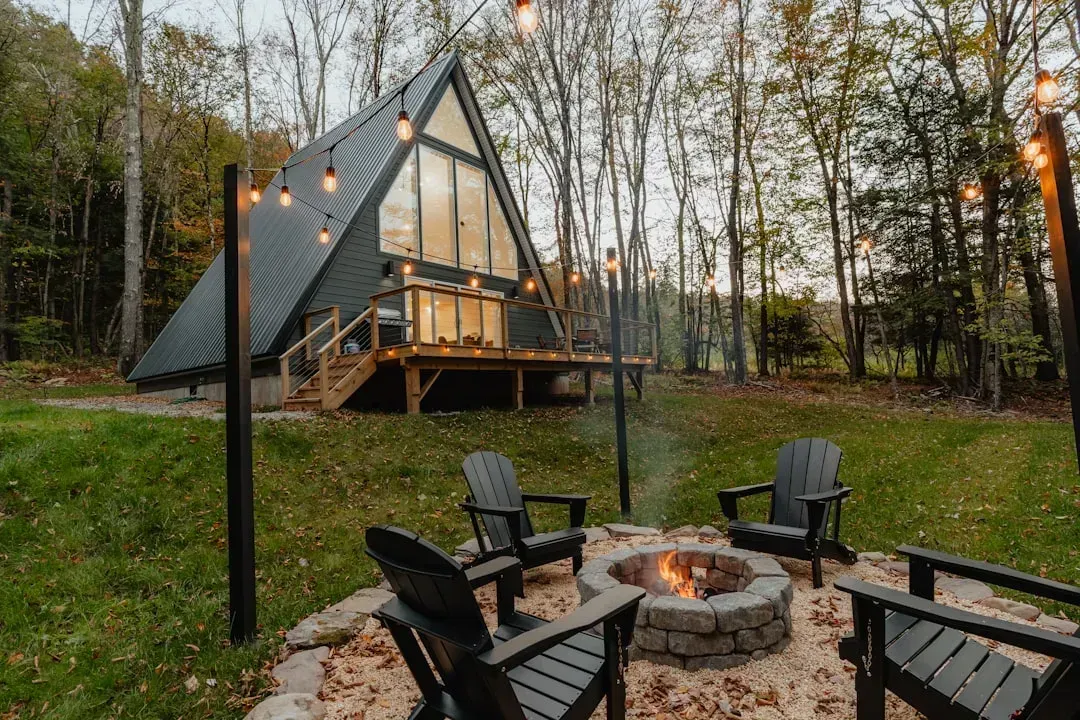
Fire pits remain one of the most requested backyard features, and for good reason. They extend the usable outdoor season into spring and fall evenings when temperatures drop but people still want to be outside. Prefabricated steel or concrete fire pit kits are widely available and can be installed in a weekend without special tools.
Surrounding the pit with a simple ring of gravel or pavers, then adding a handful of Adirondack chairs or a low bench, keeps the setup functional and easy to clean. Many local fire codes require a minimum clearance from structures and fences, so it’s worth checking municipal guidelines before placing one permanently. This is one of those spaces where the fire itself, not elaborate landscaping, does most of the atmosphere-building.
A container garden on a small deck or balcony

Container gardening has grown steadily as more people live in apartments or homes with limited yard space. The National Gardening Association has noted rising interest in container and small-space gardening as urban living increases across the country. A handful of pots with herbs, flowering annuals, or even a small tomato plant can transform a bare balcony into something worth sitting in.
Grouping containers of varying heights creates visual interest without requiring much square footage. Self-watering pots or simple drip irrigation setups have also made it easier to keep container gardens alive without daily attention. Even three or four well-chosen pots near a single chair can make a balcony feel like a destination rather than a pass-through.
A hammock strung between two posts
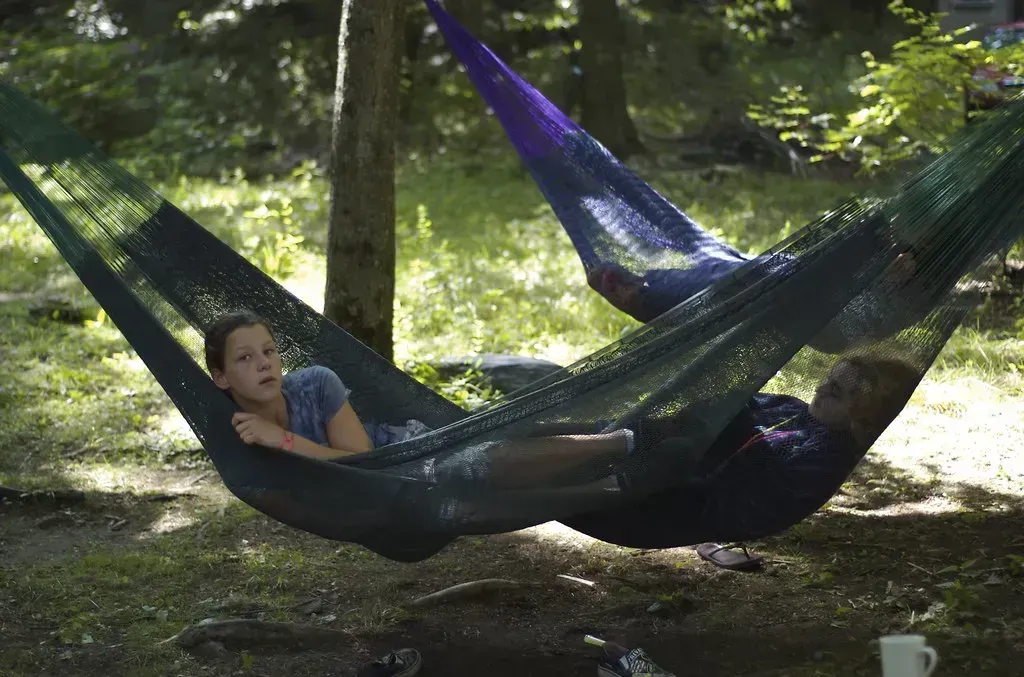
Few outdoor additions offer as much relaxation per dollar as a hammock. Unlike a swing set or built-in bench, a hammock requires only two solid anchor points, whether that’s existing trees, a purpose-built stand, or posts set into concrete. It takes up almost no visual space when not in use and can be removed entirely for winter storage.
The appeal here is largely psychological. A hammock signals rest in a way that a chair simply doesn’t, and that subtle cue can make a small yard feel more like an escape. Pairing it with a nearby side table for a drink or a book completes the setup without adding clutter.
A stone or brick pathway leading to a sitting area
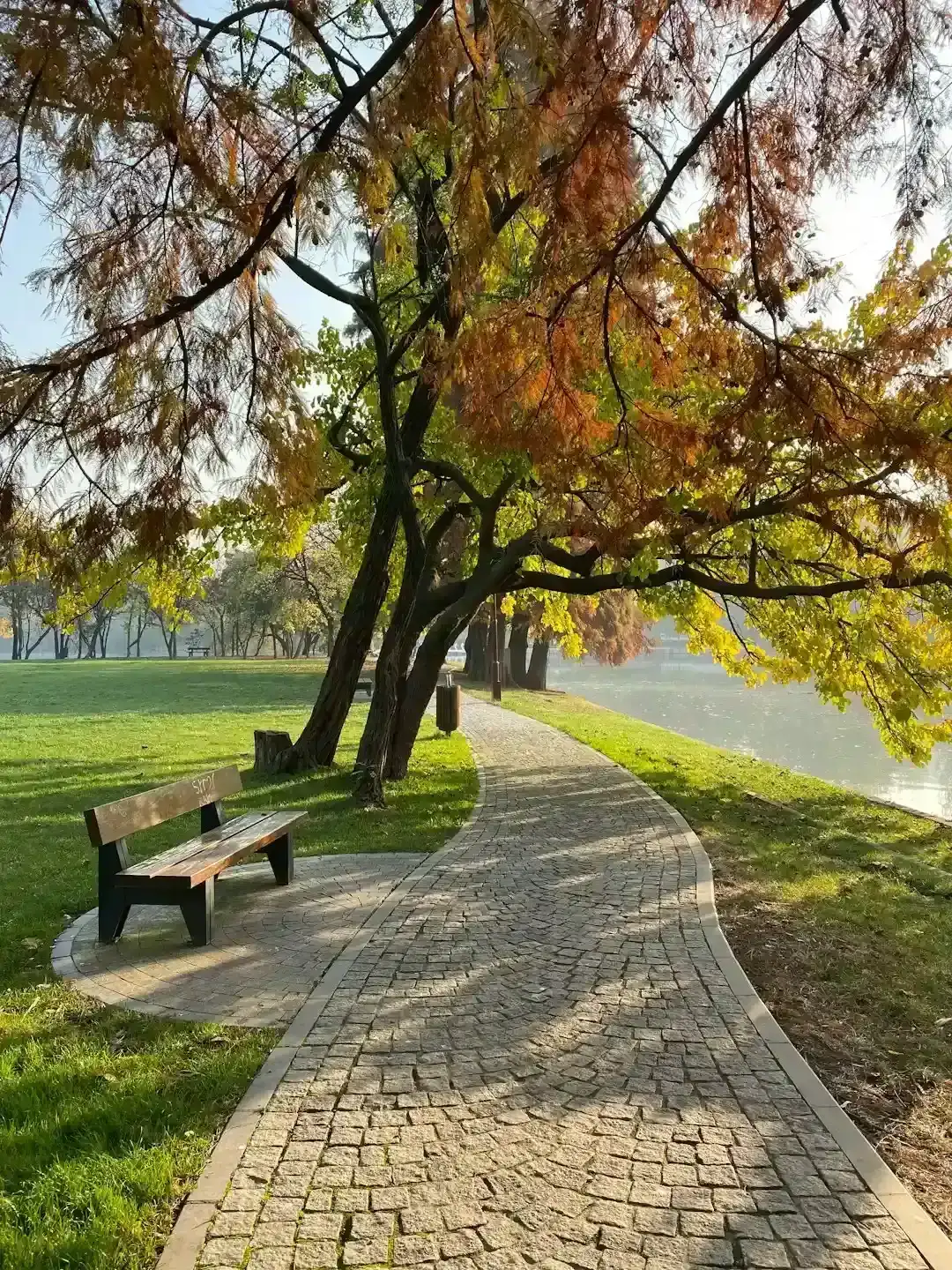
Pathways do more than connect two points, they create anticipation and structure within a yard. A simple stepping stone or brick path leading to a bench or chair gives even a small space a sense of destination. Landscape architects often describe this as one of the easiest ways to make a modest yard feel larger and more intentional.
Materials matter less than consistency here. Reclaimed brick, flat fieldstone, or even poured concrete pavers all work as long as they’re set at a comfortable, even stride length. A short path of six to eight steps is often enough to create the psychological effect of arrival at a distinct outdoor room.
A pergola with simple string lighting
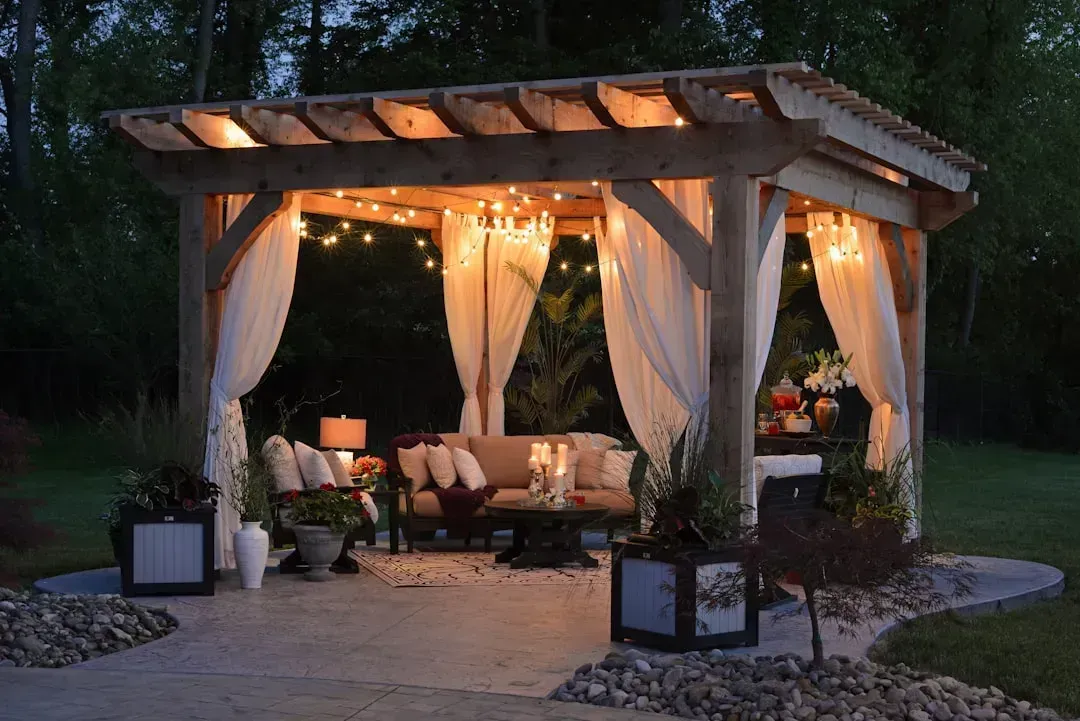
Pergolas have remained popular in outdoor design for years because they define space without fully enclosing it. A basic wood or metal frame, even without a full roof, creates a sense of boundary that helps a seating area feel like its own room rather than an undefined patch of yard. Adding a few climbing vines over time, like clematis or climbing hydrangea, softens the structure further.
String lights strung across the beams extend the space’s usefulness into the evening at very little cost. LED string lights in particular have become the default choice for outdoor use because they use significantly less energy than older incandescent versions and hold up better in humid or rainy conditions. The combination of light shade during the day and soft light at night makes a pergola one of the more versatile simple structures available.
A raised vegetable bed near the kitchen door
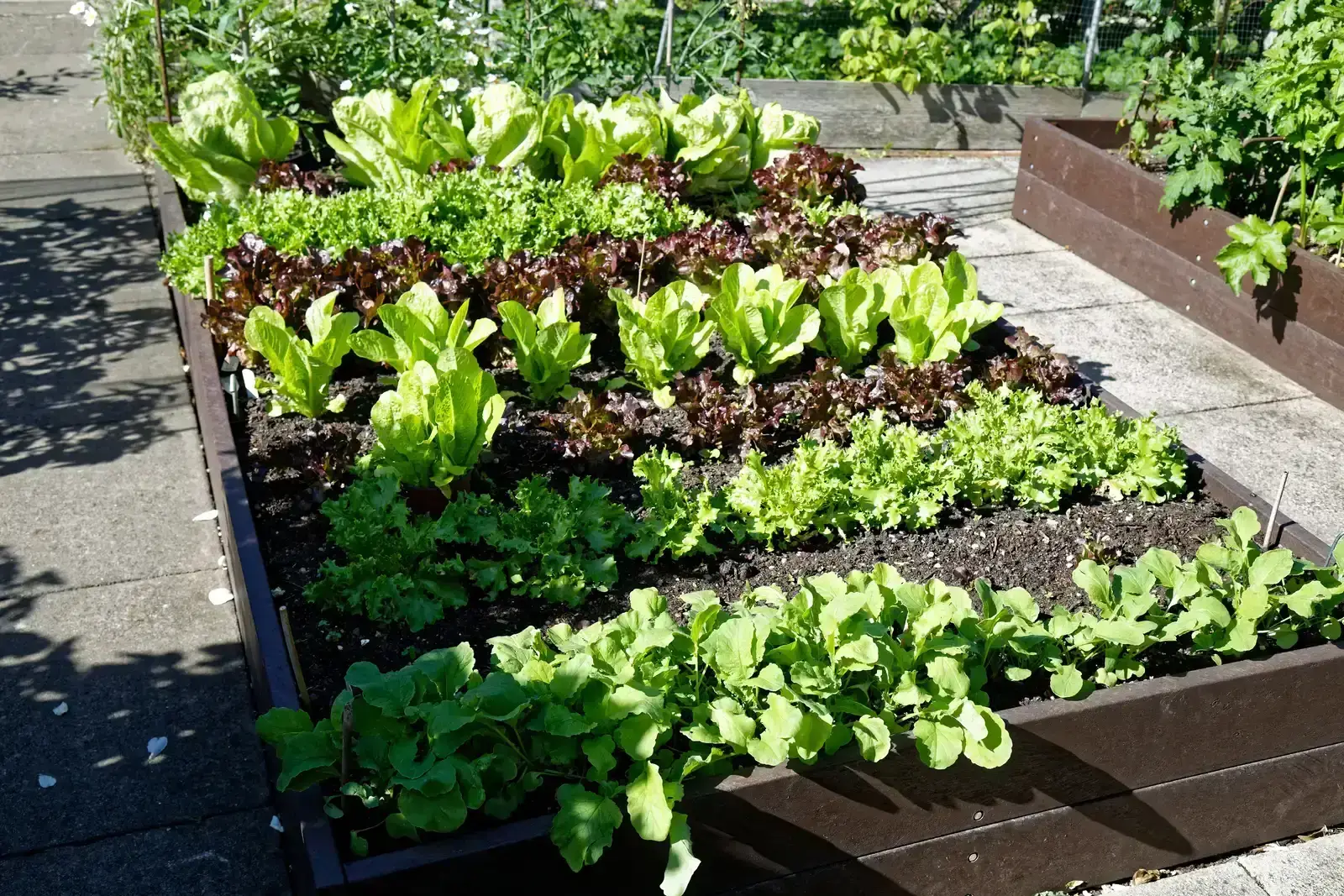
Raised beds solve several problems at once: they improve drainage, warm up faster in spring, and reduce the physical strain of bending down to garden-level soil. Placing one within a few steps of a kitchen door also increases the odds that herbs and vegetables actually get used regularly, according to extension office research on kitchen garden placement. A single four-by-eight-foot bed is often enough for a rotating mix of herbs, lettuce, and a couple of tomato plants.
Beyond the practical food value, raised beds give a yard a sense of purpose and seasonal change that a purely ornamental space doesn’t offer. Watching a bed shift from bare soil in spring to a full harvest by late summer creates a kind of quiet satisfaction that keeps people coming back outside. A simple wood-framed bed can be built in an afternoon with basic lumber and screws.
A cozy corner with a fire bowl and floor cushions

Not every outdoor space needs traditional furniture. A small fire bowl surrounded by weatherproof floor cushions or a low outdoor rug creates a relaxed, ground-level seating area that feels more casual than a standard patio set. This style has grown in popularity partly through outdoor living trend reports that point to a broader shift toward flexible, multi-use backyard spaces rather than fixed furniture arrangements.
The low seating height also changes the feel of a conversation, making the space feel more intimate than a circle of standard chairs. Because the cushions can be stored indoors when not in use, this kind of setup works well for renters or anyone who wants to reconfigure their yard seasonally. A small side table or tray for drinks keeps the arrangement functional without breaking the relaxed vibe.
A quiet corner with a single bench and a view
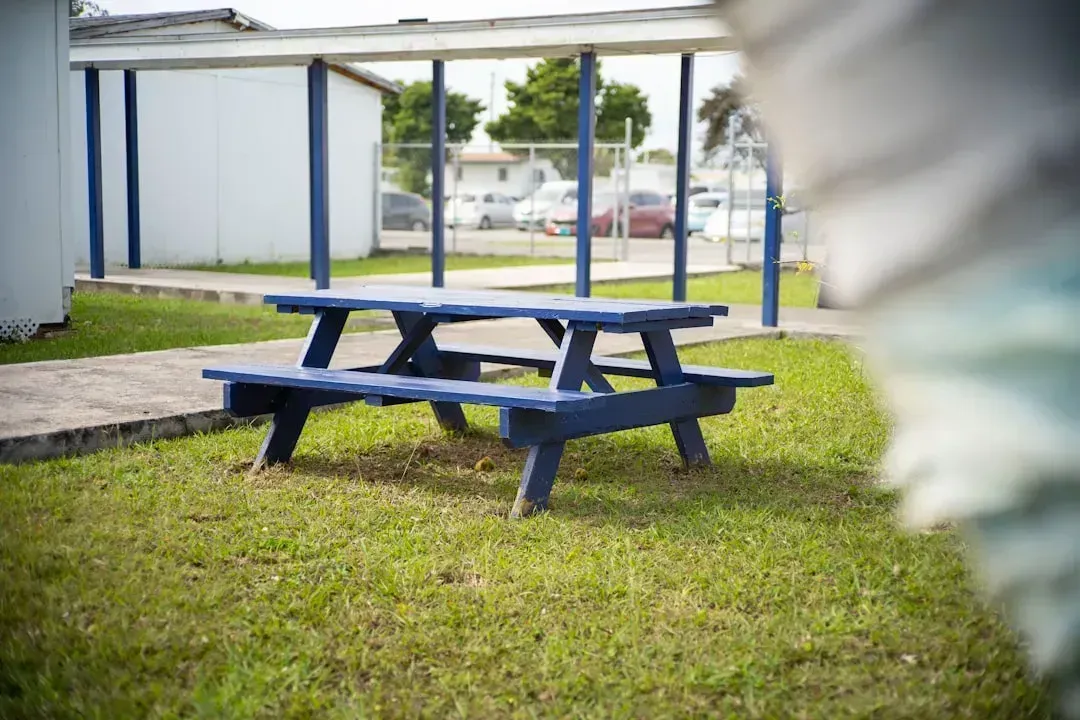
Sometimes the simplest outdoor space is just a bench placed to face something worth looking at, whether that’s a garden bed, a distant tree line, or a neighborhood street. Landscape designers often call this a “destination bench,” a single seat placed deliberately rather than clustered with other furniture. It works because it gives a specific reason to walk outside rather than just occupying general yard space.
A weatherproof wood or metal bench, set on a small gravel or paver pad to keep feet dry, is usually all the structure this idea needs. Positioning it to catch morning or evening light, depending on when it’s most likely to be used, makes a noticeable difference in how often people actually sit there. It’s a small investment that tends to get used far more than more elaborate seating areas.