
There’s a quiet shift happening in home design, and it’s easy to miss if you’re not paying attention. The bathroom, once treated as the most utilitarian room in the house, has become the place homeowners actually want to linger in. It’s not about size or expense anymore. It’s about how a space feels the moment you step inside, barefoot, half awake, looking for a few minutes of calm before the day starts.
What follows is a look at the design choices showing up again and again in bathrooms that manage to feel less like a functional room and more like a small escape. Some are structural, some are as simple as a lighting fixture or a tile pattern, but each one plays a part in turning an ordinary bathroom into something closer to a sanctuary.
Freestanding soaking tubs as the centerpiece
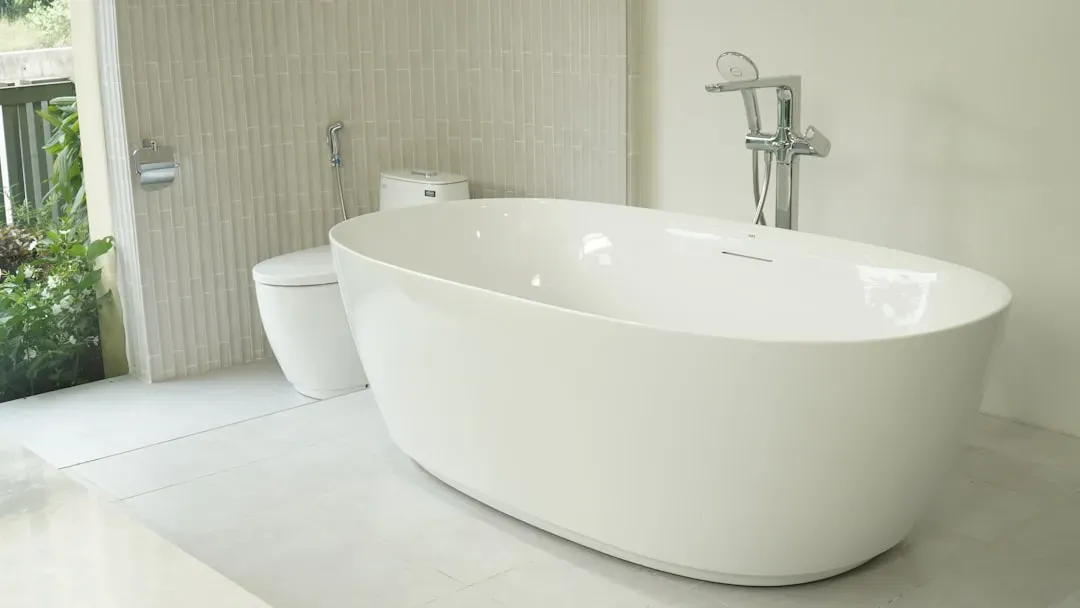
A freestanding tub still does more heavy lifting for the “retreat” feeling than almost any other single piece in the room. A timeless porcelain claw-foot tub will always be in style, though a freestanding bathtub with a modern edge offers the same sense of luxury in a more contemporary way, with designers now favoring both softer, sculptural silhouettes and natural materials like timber and stone with clean architectural lines. Placed just right, it stops being a fixture and starts acting almost like a piece of furniture.
Positioned beneath a window or centered in the room, these tubs become an instant focal point that feels like functional art. Designers frequently recommend thinking about the view from inside the tub, not just how it looks from the doorway. Positioning a tub to take advantage of a window with a view or beneath a skylight connects the space to natural light, enhancing the sense of escape and tranquility. It’s a small planning decision that pays off every single time the tub gets used.
Curbless wet rooms and walk in showers
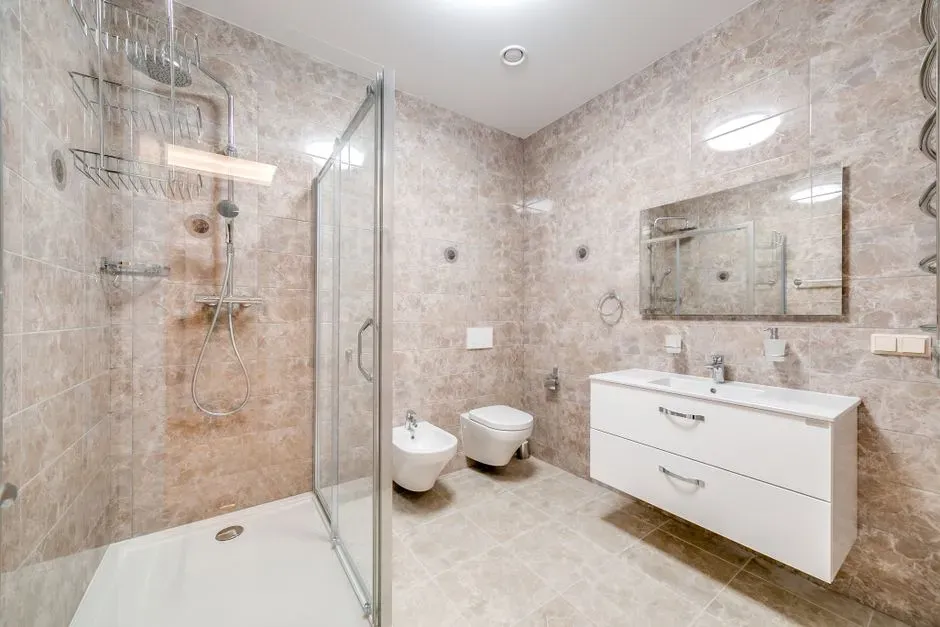
The wet room layout has moved from niche to standard in a lot of higher end remodels. The wet room is the benchmark layout right now, achieved by recessing the subfloor and using a linear drain so tile can run uninterrupted from the dry area straight into the shower with no curb to step over, which makes curbless, doorless walk in showers feel larger, easier to clean, and part of that seamless flow that defines modern bathrooms. There’s a practical side to this too, since it removes one of the more common tripping hazards in the whole house.
Interestingly, the room sized shower that dominated luxury design a few years back is being reconsidered. The idea of showers the size of an entire room is starting to feel dated, with smarter and more compact use of space trending instead, not because people want tiny showers but because the space is being used more thoughtfully. The result tends to be showers that feel generous without being wasteful, which honestly makes them easier to keep clean too.
Natural stone and warm wood surfaces
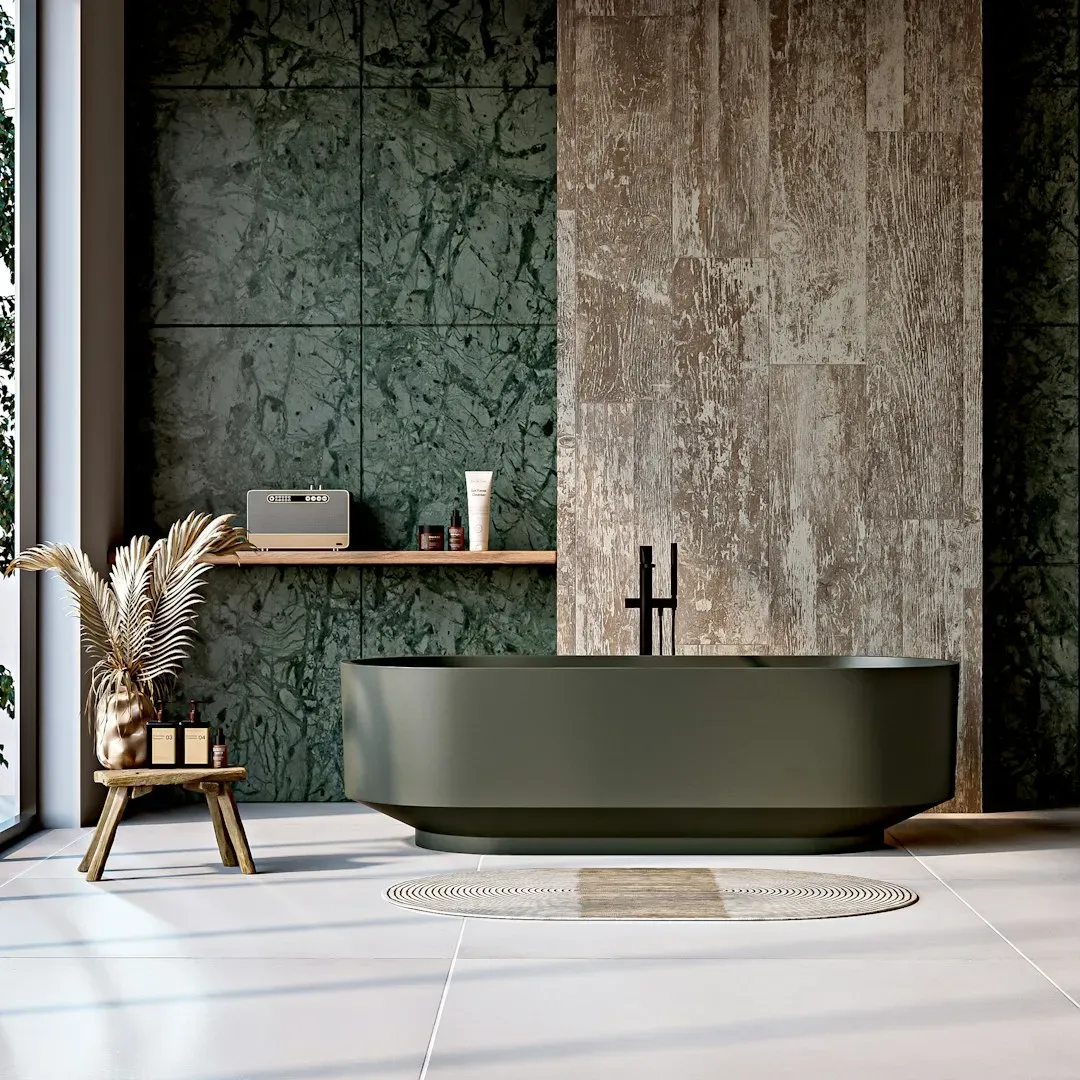
Cold, glossy surfaces are giving way to something with more texture. Natural and tactile materials like wood, stone, and zellige tile are among the leading directions right now, part of a broader move to turn the bathroom into a true wellness retreat rather than a purely functional room. Stone with visible veining and lightly textured plaster finishes are being chosen specifically because they age well instead of looking dated after a few years.
Designers are also being upfront about wanting imperfection back in the room. Homeowners and designers are opting for stone with variation, plaster, zellige, and honed surfaces, materials that feel warm and tactile, where perfection isn’t the goal and longevity is. That’s a fairly quiet but meaningful change from the flawless, showroom look that dominated bathroom design for so long.
Layered, spa grade lighting
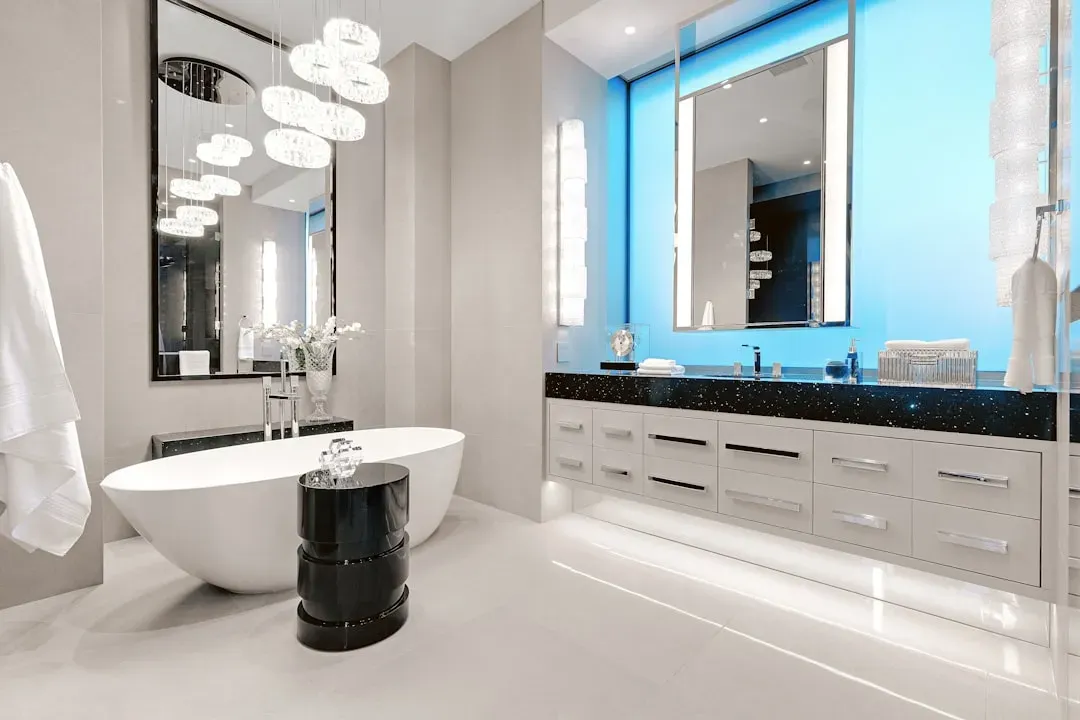
Lighting might be the most underrated piece of the retreat equation. A layered approach moves beyond a single overhead fixture, combining ambient, task, and accent lighting, with ambient light providing general illumination, task lighting focused on key areas like the vanity, and accent lighting highlighting architectural features. Done well, it changes the entire mood of the room depending on the time of day.
There’s also a technical side worth knowing. Lighting temperatures in modern bathroom design tend to range from about 2700 to 3000 Kelvin, which produces a warm, relaxing color rendering that is still functional. Add dimmer switches on separate circuits and even a small bathroom can shift from bright and practical in the morning to soft and cocoon like at night.
Heated floors and radiant warmth
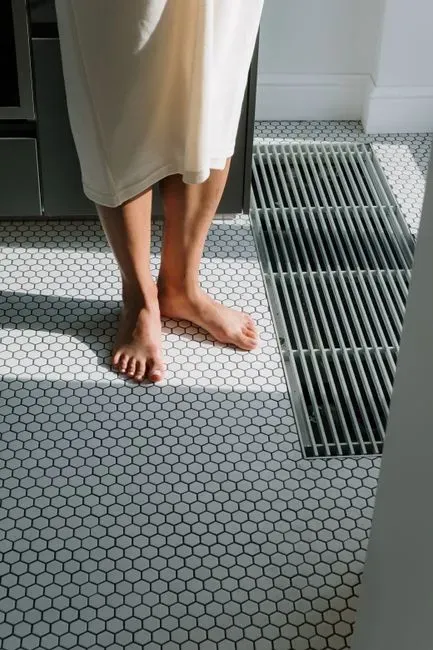
Cold tile underfoot is one of the fastest ways to break the spa illusion. Bathroom design right now is largely about creating a personal sanctuary that combines luxury, comfort, and functionality, and the primary trend driving this is turning the bathroom into a personal spa. Radiant floor heating is one of the more popular ways to make that happen without touching the visual design at all.
The appeal is that it works invisibly. Calming color palettes and natural materials are only part of the picture, since radiant floor heating adds warmth and comfort underfoot, and infrared radiant panels can further enhance the soothing ambiance. It’s the kind of upgrade you barely notice until you step into a bathroom without it and immediately feel the difference.
Floating vanities with smarter storage
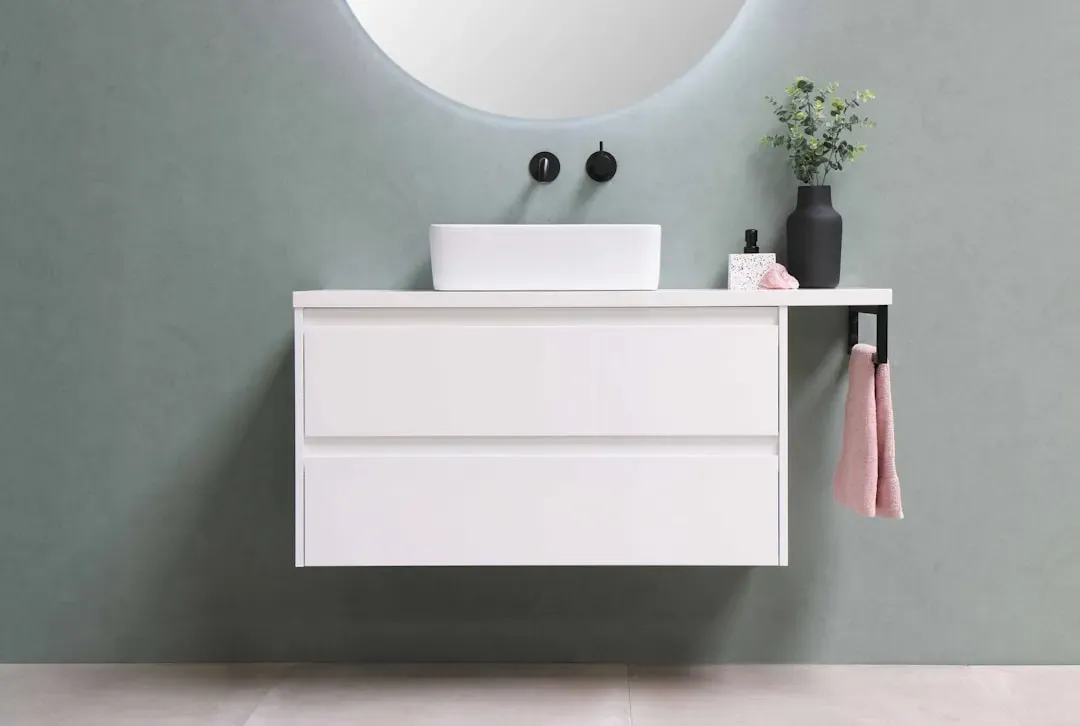
Floating vanities are still everywhere, though the way people use them has changed. Storage-focused vanities keep gaining popularity, since deep drawers and hidden outlets cut clutter without adding square footage. That practical detail matters more than the floating look itself for a lot of households.
There’s a real nuance here worth mentioning. Floating vanities without proper storage are starting to fall out of favor as streamlined, minimalist designs with more function take their place, since a floating vanity with no storage doesn’t really work for someone with a multi step skincare routine or products they’d rather keep out of view. The takeaway seems to be that people still want the light, airy look, they just want it paired with drawers that actually hold things.
Earthy, calming color palettes
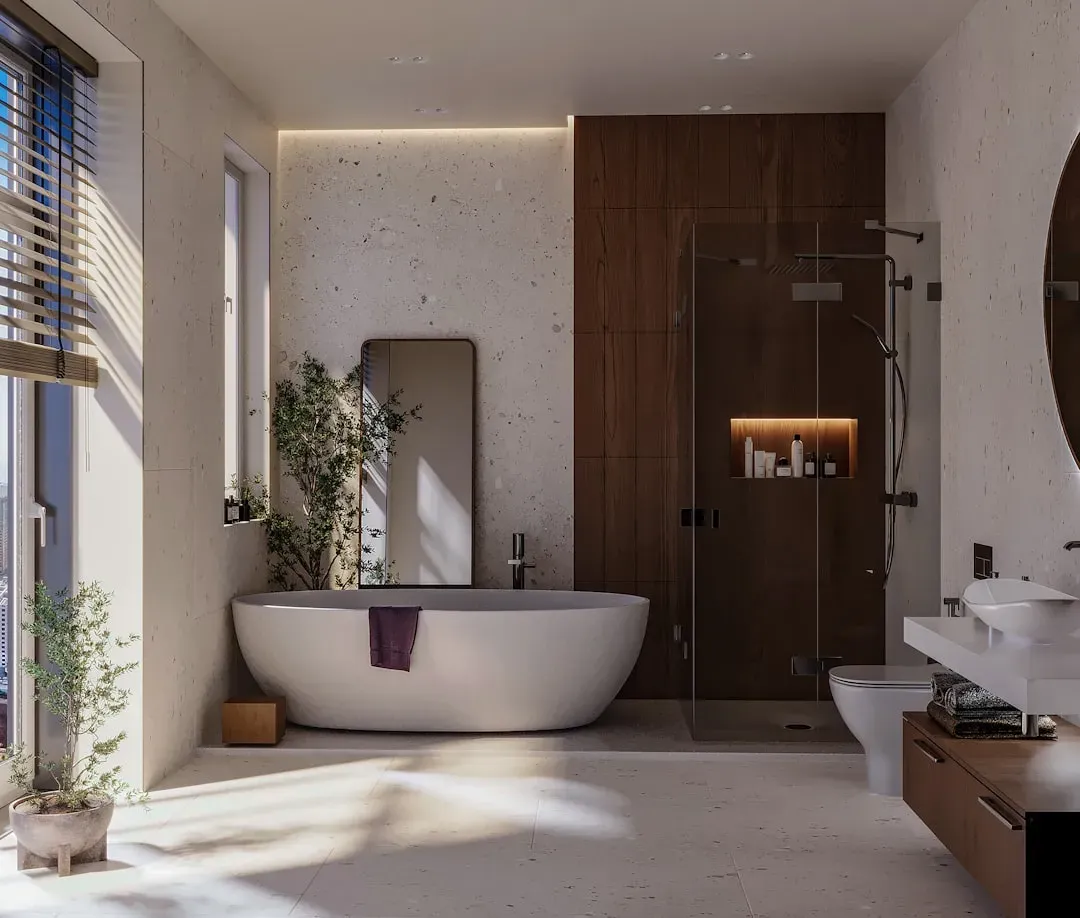
The stark white and cool gray bathroom that dominated the last decade is losing ground. Warmer, nature inspired palettes are taking center stage now, a real shift after years when cool grays and stark whites seemed to be everywhere, marking a return to warmth. Creamy neutrals and clay based tones are showing up in tile, paint, and even fixtures.
Even the industry’s official color choices reflect this. Cozy neutrals like creamy ivory and soft beige, along with earthy tones like terracotta and clay, are among the most sought after palettes, and Sherwin Williams named a grounded, mid tone tan called Universal Khaki as its color of the year, embodying comfort and calm. It’s a palette that photographs well but, more importantly, feels restful to actually live with day after day.
Steam showers and quiet wellness tech
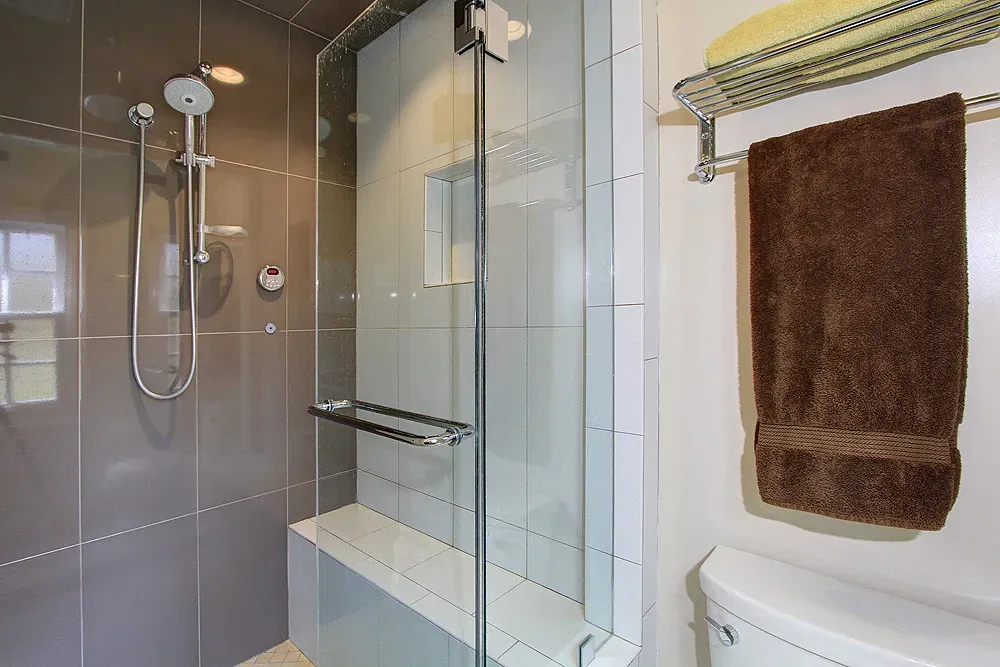
Wellness features that once belonged strictly to hotel spas are now standard requests in home remodels. Wellness features such as steam and hydrotherapy, along with sauna integration, are among the leading bathroom design directions right now. A steam shower in particular tends to be the one upgrade homeowners say they use the most once it’s installed.
Technology is playing a bigger role too, though usually in the background. The newer wave of sensory and tech driven design focuses on atmosphere, including circadian lighting that shifts from energizing cool tones to warm evening hues, HVAC integrated scent and temperature control, and built in soundscapes, paired with heated stone surfaces that maintain a consistent, spa level warmth. None of it looks flashy in photos, which is arguably the point.
Bringing nature indoors with texture and greenery
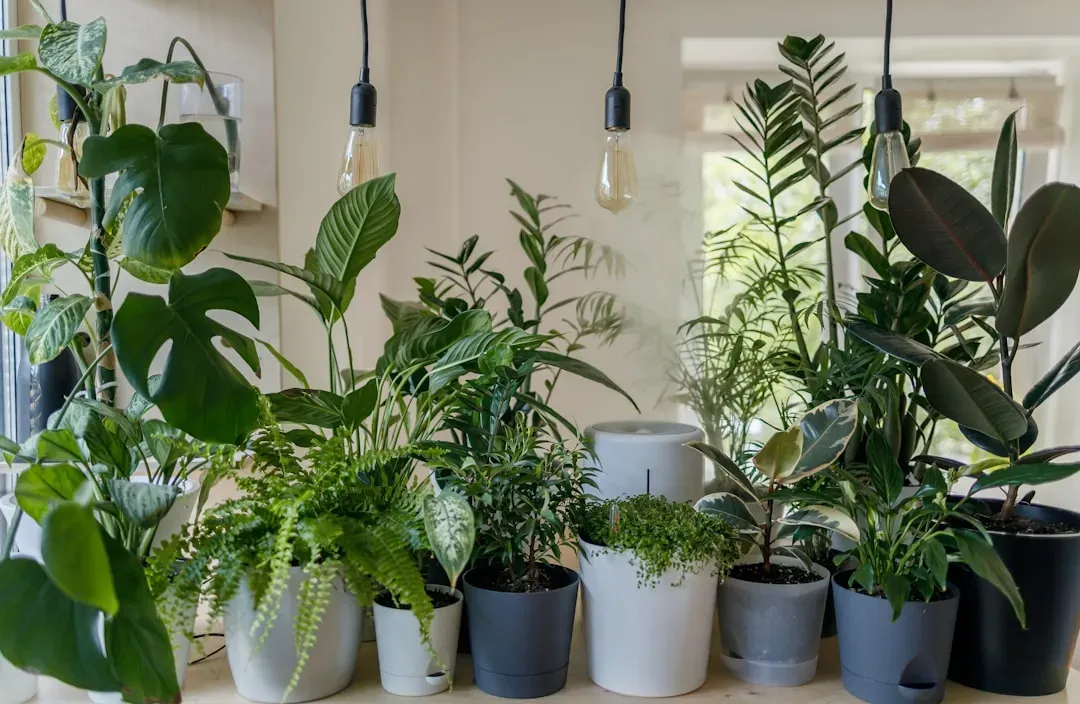
The last piece of the retreat formula is often the simplest. Even small updates like better lighting, soft towels, and some plants can transform a bathroom space without requiring any construction at all. A single well placed plant or a stack of good towels does more for the mood of a room than people tend to expect.
Texture matters just as much as greenery here. A soft rug warms a wooden floor and invites you to unwind, and small tactile touches like that quietly shift the whole feel of the room. These are the details that cost the least but end up mattering the most once the bigger renovation decisions are already made.