
Picture this. You’ve got a jar sitting on your dresser, filled to the brim with copper-colored coins that no one really cares about anymore. The humble penny has been around since the very beginning of American currency, but things are changing fast. On November 12, 2025, the United States Mint made its final penny at the Philadelphia facility, ending more than 230 years of production. It’s happening in real time, and honestly, I think it’s wild to witness the death of something so deeply woven into everyday life.
So what do you do with those pennies now? Keep reading.
Understand Why the Penny Had to Go
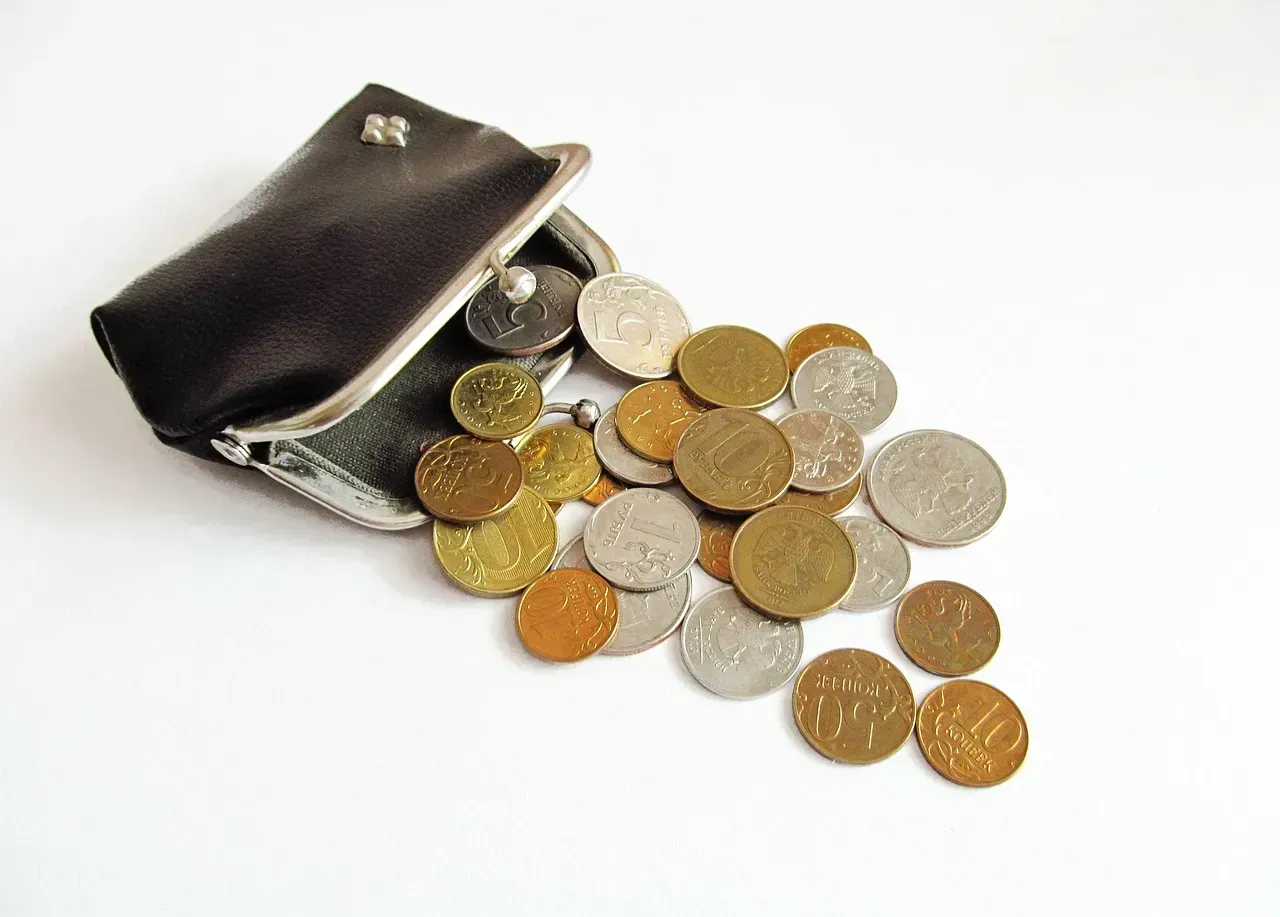
Here’s the thing. Pennies haven’t been profitable for a while now. According to the U.S. Treasury Department, the cost of producing a single penny has more than doubled in the past 10 years, to 3.69 cents. That’s almost four times its face value. In simple terms, every time the U.S. Mint pressed a penny, they lost money. In 2024, the Treasury incurred a seigniorage loss of $85.3 million on penny production. That’s not pocket change.
The move is expected to save roughly $56 million per year in production costs. Rising costs of copper and zinc, inflation, and the growing use of digital payments made the penny unsustainable. Let’s be real, when was the last time you actually needed a penny to buy something?
Cash In Your Stash Before It’s Too Late
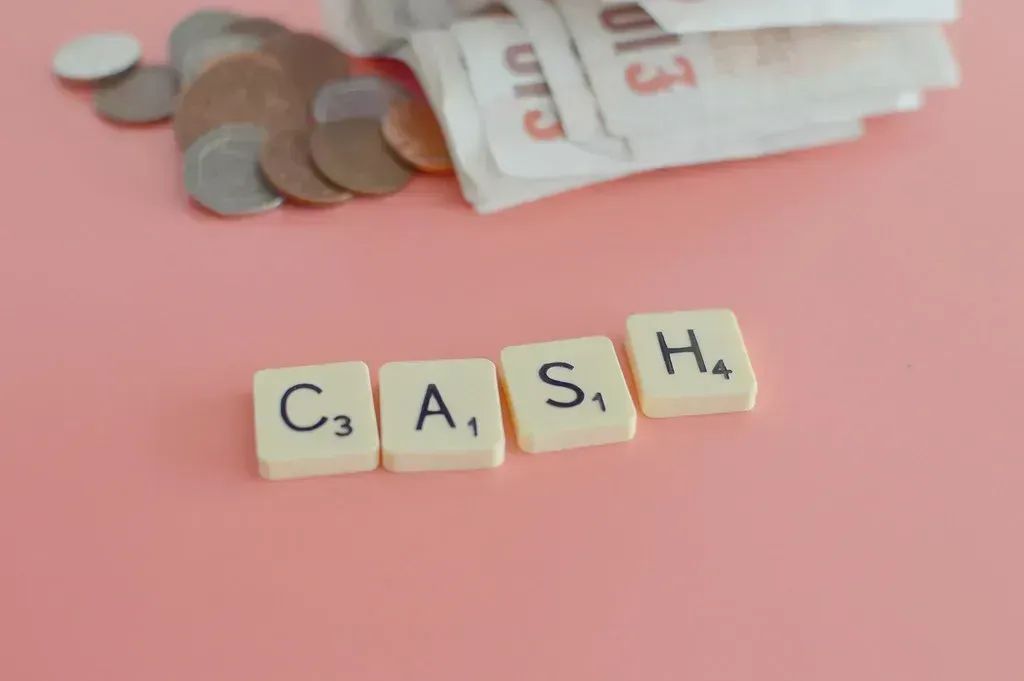
Your pennies are still legal tender. While circulating production has ceased, the penny remains legal tender. You can still use them at stores, deposit them at banks, or exchange them for bills. But here’s the catch: retailers are already running low on pennies, and some banks have started rationing them. In June, the last pennies were minted, and by August those pennies were distributed to banks and armored vehicle service companies. The U.S. Mint issued 3.2 billion pennies in 2024, the last full year of production, more than double that of the second-most minted coin in the country: the quarter.
If you’ve been hoarding pennies in jars or forgotten drawers, now’s the time to get them back into circulation. Take them to your bank. Many banks offer free coin-counting services for account holders. Some grocery stores have machines like Coinstar that will convert your coins into cash or gift cards.
Hunt for Rare and Valuable Pennies Worth Big Money
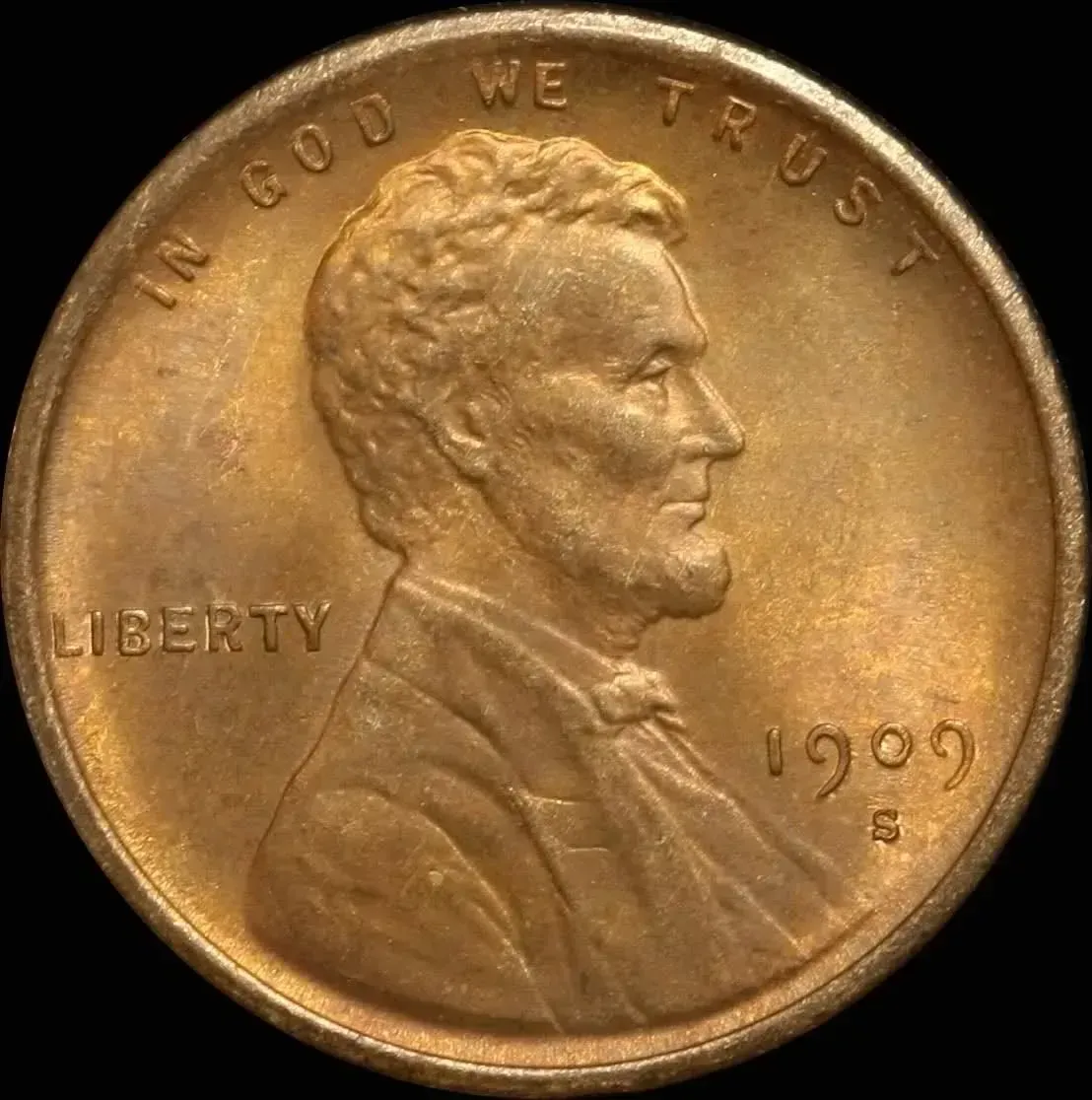
Now this is where it gets exciting. Not all pennies are created equal. Some are worth way more than one cent, and you might have one sitting in that jar without even knowing it. For example, a handful of 1943 Lincoln cents, accidentally made of copper instead of steel, now sell for hundreds of thousands of dollars. Seriously. The 1943 bronze error (only about 20 known) has sold for $1.7 million.
Other valuable finds include the 1909-S VDB penny, the 1955 Doubled Die, and the 1969-S Doubled Die Obverse. Additionally, wheat pennies (1909-1958), especially the 1914-D, 1922 No D, and 1931-S, are collectible due to their rarity. Even common pre-1982 Lincoln Memorial pennies have value because they contain 95% copper, making them worth more than face value for their metal content. Check your pennies for unusual dates, mint marks, or doubling on the lettering. You never know. One overlooked coin could change everything.
Start a Collection or Invest for the Future
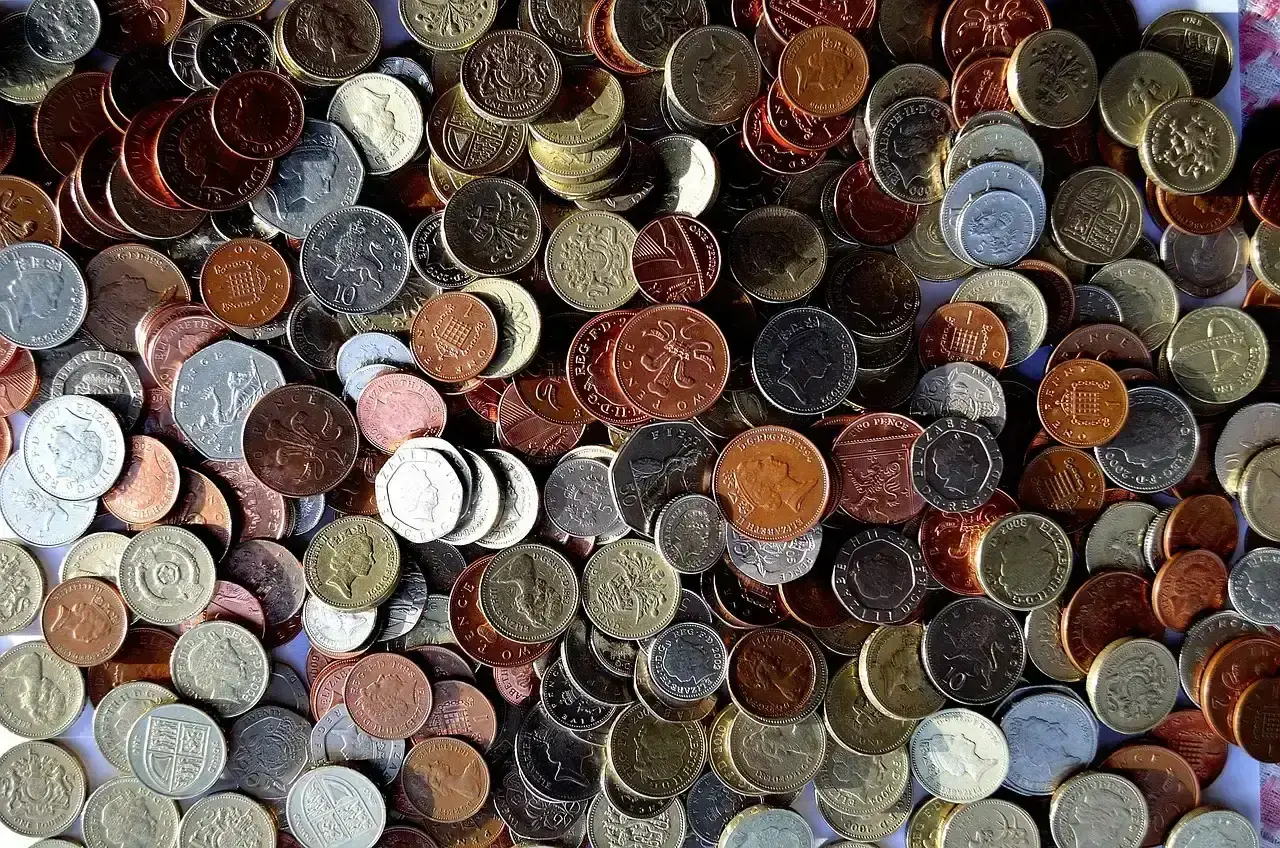
If you’ve got a pile of pennies, consider starting a collection. Coin collecting is surprisingly accessible and incredibly popular right now. “While it is strange to see something that we’ve known our whole lives disappearing, it’s fun to see this happening in real time because it’s bringing more awareness to not just coin collecting but also how currency evolves,” says numismatist Neal Paul. “Coin collecting is so accessible – everyone has pennies.”
Think about it this way. Once penny production officially stops and the existing supply dwindles, certain years and mint marks could become more desirable. While existing pennies will remain legal tender, the cessation of new penny production could make certain dates and mint marks more desirable to collectors. The 2024 pennies, being the last year of production, might be worth holding onto. Sure, there’s no guarantee you’ll make a fortune, but holding onto a few rolls of 2024 or 2025 pennies could pay off decades down the line.
Donate Them or Turn Them Into Something Meaningful

Here’s a different idea. If you don’t want to deal with counting, sorting, or selling, donate your pennies. Charities and nonprofits often run penny drives, and those seemingly worthless coins add up fast. There are an estimated 300 billion pennies in circulation – far exceeding the amount needed for commerce. Imagine what could happen if even a fraction of those went to a good cause.
Some people get creative. They’ve made penny floors, tabletops, or art installations. Others have framed a 2025 penny as a memento of the coin’s final year. These sets are being auctioned on December 11, 2025, with each expected to sell for between $2 million and $5 million. Collectors are already bidding on special final-run pennies marked with the Omega symbol. That kind of passion for a coin tells you everything you need to know about the emotional connection people have with money.
The penny may be disappearing from production, but its legacy is far from over. So dig through your couch cushions, raid your piggy banks, and take a closer look at those pennies. What do you think about it? Are you hanging onto yours or cashing them in?