
That cabinet beneath your kitchen sink might look like the perfect storage spot for household essentials, yet it’s surprisingly one of the most dangerous areas in your home. The combination of moisture, heat from nearby appliances, and limited ventilation creates a perfect storm for safety hazards.
Poisoning remains a leading cause of home accidents, with over 91,000 drug overdose deaths reported in 2020 and accidental exposure to hazardous substances. Yet most homeowners continue using this convenient space without realizing the risks they’re creating. Let’s dive into what safety experts say you should never store under your sink.
Harsh Chemical Cleaners
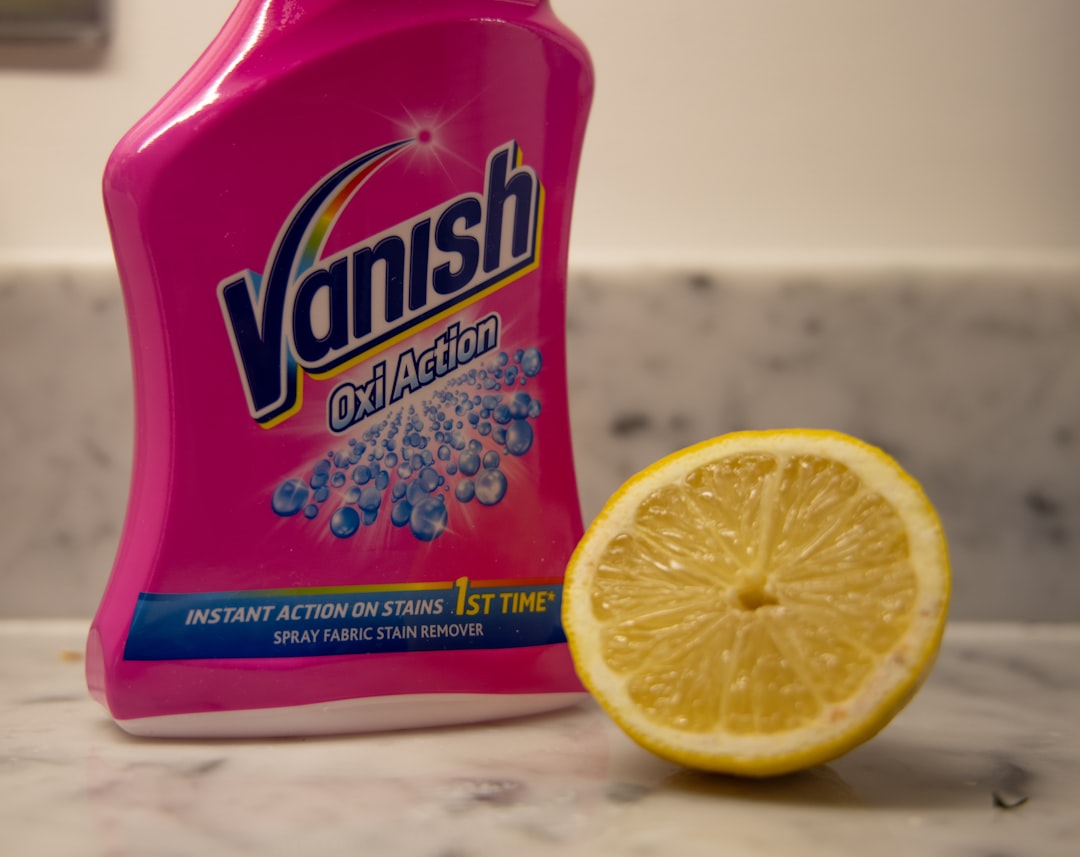
Professional organizers warn that chemical cleaners under the kitchen sink can pose a hazard if they come into contact with pipes or leaks. The under-sink environment is particularly problematic because it’s prone to moisture and temperature fluctuations. Harsh chemicals can easily mix with other products, which can create a hazardous incident, and some chemicals are in powder form and cannot be easily cleaned when they spill or transfer to other products. Even worse, the combination of different cleaning products can produce toxic gases. Storing bleach and ammonia-based cleaners in the same cabinet is a recipe for disaster, as a small unnoticed leak from both containers could allow the chemicals to mix on the cabinet floor, creating chloramine gas, a toxic vapor that can cause severe respiratory issues, chest pain, and nausea.
Flammable Products and Aerosols
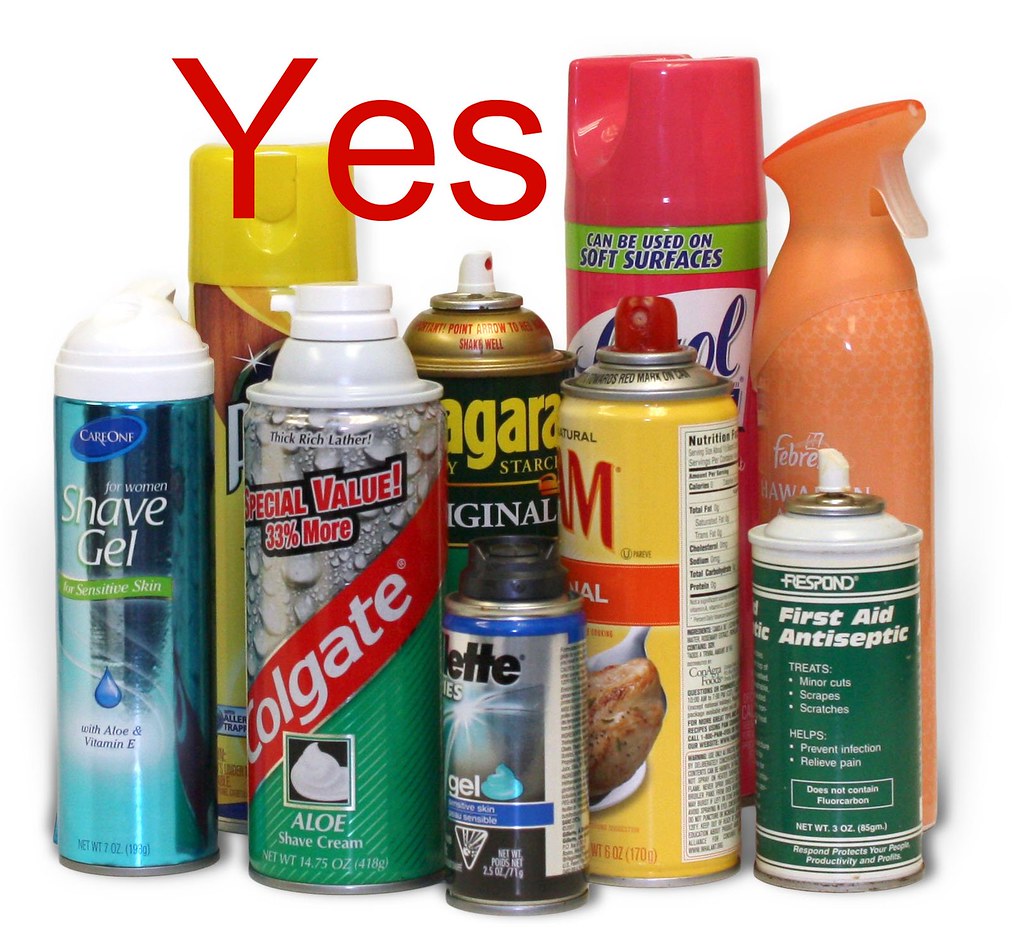
Flammable products, such as solvents, thinners, polishes, and some cleaners don’t belong under the kitchen sink because those products near the motor of garbage disposal or dishwasher could cause a fire. Many common household products, including some polishes, cooking oils, and aerosol cans, are surprisingly flammable, and the cabinet under the sink is often near heat-producing appliances like the dishwasher, which can increase the temperature in the enclosed space. Flammable goods, such as aerosols, solvents and rubbing alcohol can pose a serious fire hazard if exposed to certain conditions, particularly when kept near an electric garbage disposal unit. The restricted airflow under the sink makes any fire risk exponentially more dangerous.
Electronic Appliances and Devices
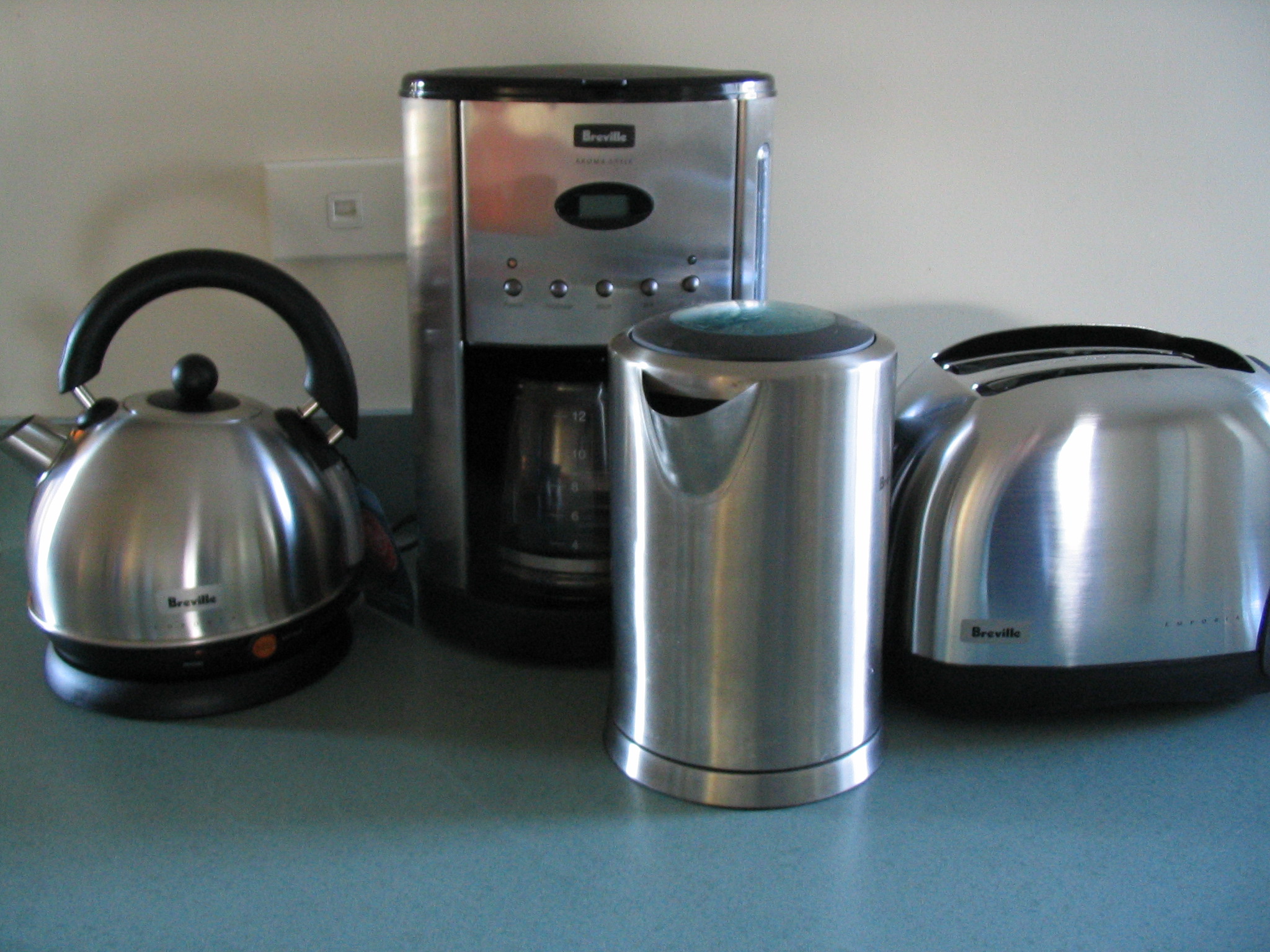
Electronics shouldn’t be stored under the sink, as there’s a risk of liquid damage from placing toasters, blenders, electric can openers, or similar appliances in this location. Small appliances like old blenders or handheld vacuums don’t belong under the sink because any unforeseen water leak could cause irreparable damage to the appliance’s motor and electronic components, and if an appliance is plugged in nearby and gets wet, it can create a serious risk of electrical shock or a fire. Water and electricity never mix safely, making this storage choice particularly hazardous.
Pet Food and Supplies
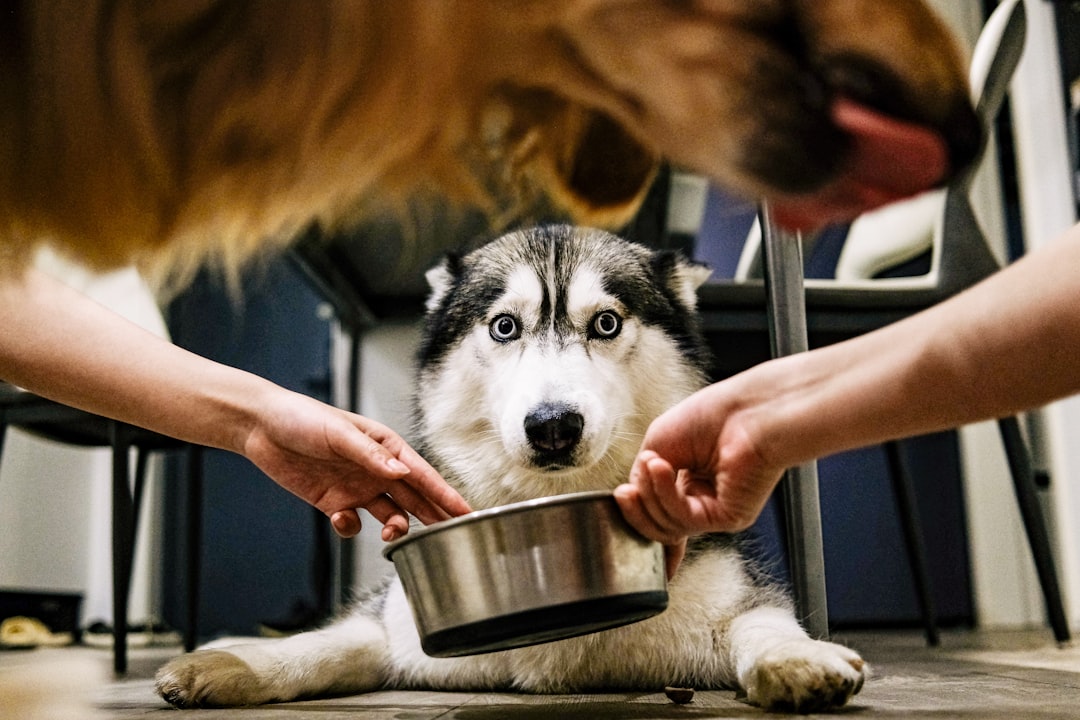
Storing pet food around chemicals is a safety hazard because if these items are stored together or around each other, spills can happen or harsh chemicals can seep into your pet’s food, which can be very dangerous for furry friends. Pet food stored under the kitchen sink will potentially be exposed to any chemicals being stored alongside, which is a health hazard, plus this space is naturally humid, and storing any kind of food down here can cause it to grow moldy. The combination of moisture and potential leaks can spoil food or ruin brushes, nail clippers, and other pet items, making pet supplies better stored in a dry, dedicated space.
Pesticides and Insecticides
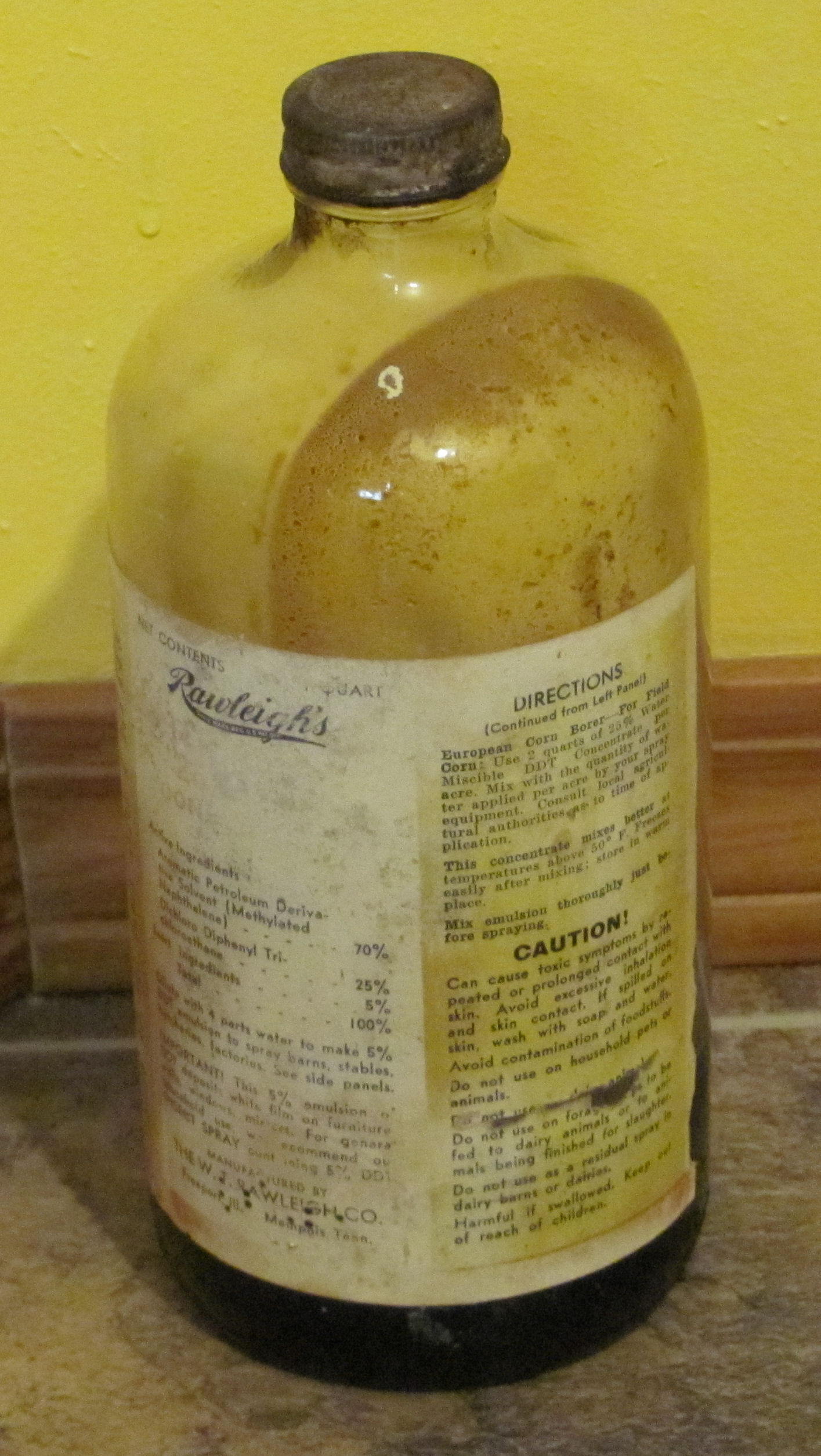
Chemicals designed to eliminate pests or weeds are highly toxic and should be handled with extreme care, as the under-sink cabinet is often easily accessible to curious children and pets, making it a dangerous storage spot for these poisons where accidental ingestion can have devastating or fatal consequences. Insecticides are often found under the kitchen sink, but these products are toxic to children as well as pets, so these should be kept out of reach at all costs. The accessibility of this location makes it particularly risky for households with young children who might mistake colorful containers for something safe.
Paper Products and Towels
The under-sink area houses the plumbing pipes for your sink and is prone to getting damp, which means paper towels would fare better in a separate cabinet where they aren’t at risk of becoming moist, and therefore less effective. While paper products might seem harmless, storing them in this humid environment renders them useless when you need them most. Additionally, damp paper products can become breeding grounds for mold and bacteria, creating health hazards you never intended. The money you think you’re saving by bulk storage quickly evaporates when your supplies become unusable.
Dishwasher Detergent and Pods
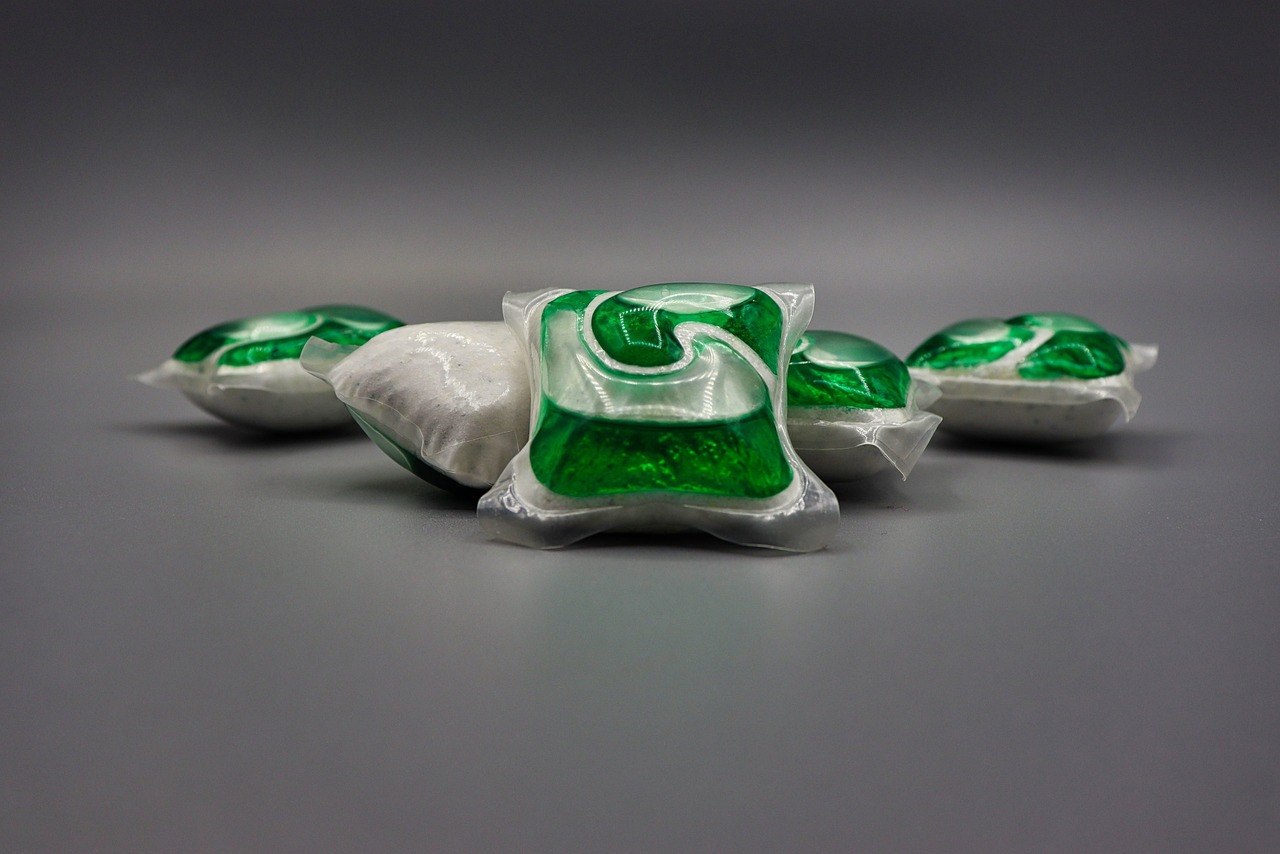
While it’s convenient to store dishwasher detergent under the kitchen sink since the dishwasher is nearby, this poses hazards because the detergent will be vulnerable to any leaks, and it creates a hazard for young children exploring this space, especially since pods often appear colorful and can be very attractive to young eyes. Dishwasher detergent should be stored in a safe space out of reach of children, perhaps with laundry detergent if the space is suitable. The bright colors and candy-like appearance of detergent pods have led to numerous poisoning incidents among young children.
Food Items and Spices

Many people are tempted to store extra bags of potatoes or onions under the kitchen sink, but these foods are moisture-sensitive and prone to sprouting, rotting, or attracting pests when stored in damp or poorly ventilated conditions, leading to forgotten produce colonies thriving in dark cabinet corners. While spice racks designed for under-the-sink storage are available, the area underneath your sink is no place to store spices because storing them in a damp environment can quickly cause them to go bad. The humidity creates perfect conditions for mold growth and pest infestations that can spread throughout your kitchen.
Tools and Sharp Objects
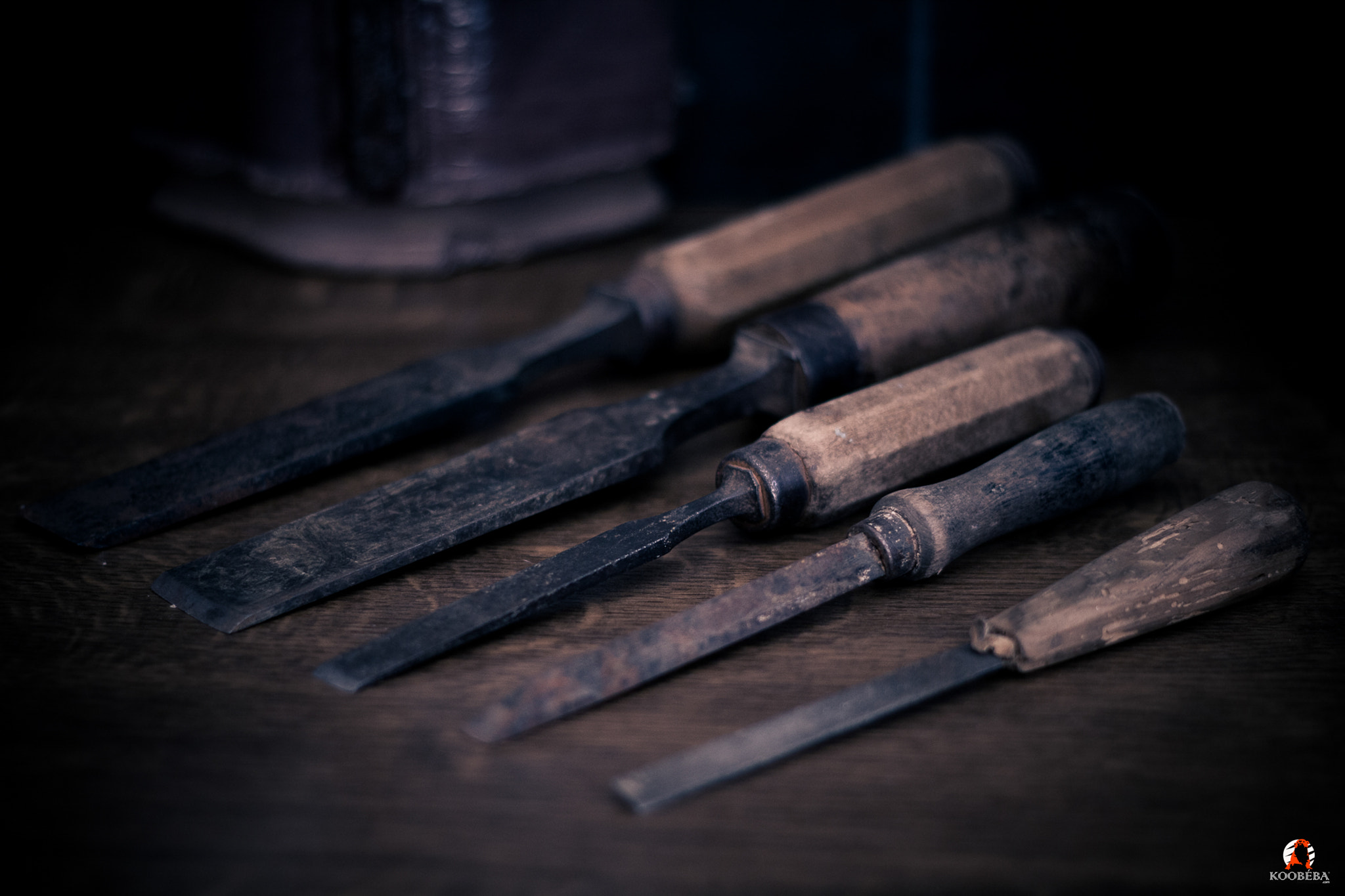
Storing wrenches, drills, and other tools under the sink might keep them close at hand, but storing rust-prone tools directly under a water source is asking for trouble since any sort of leak or drip could quickly cause rusting. Sharp kitchen tools stored in this dark, cramped space become safety hazards when you’re reaching blindly for something else. The combination of moisture and metal creates the perfect environment for rust and corrosion, rendering your tools useless over time. Sharp tools should be kept in a designated drawer or toolbox with safety covers when possible to make them easy to access while protecting your hands.