
American businesses are grappling with a harsh new reality as sweeping tariffs reshape the economic landscape. Companies across industries have begun warning shareholders and customers that higher costs are inevitable. The ripple effects are becoming impossible to ignore, with price hikes already appearing on shelves from Walmart to luxury automakers.
This isn’t just theoretical anymore. Real businesses are making real decisions that will affect millions of consumers in the months ahead.
The Data Behind the Price Surge

Recent surveys reveal a striking pattern: nearly half of American businesses have already raised prices due to tariffs, with two-thirds passing on up to fifty percent of these costs to consumers. A separate survey of 300 CEOs found that nearly nine out of ten have raised prices or plan to soon, with about seven out of ten planning hikes of at least 2.5%. The speed has been remarkable, with more than thirty-five percent of manufacturers and nearly forty percent of service firms raising prices within just a week of seeing tariff-related cost increases. The numbers tell a story of businesses scrambling to adapt to rapidly changing trade conditions.
Major Retailers Leading the Charge

Walmart announced it would increase prices because Trump’s tariffs were “too high,” particularly on products made in China, with CEO Douglas McMillion stating they cannot absorb all the pressure given narrow retail margins. Price changes at Walmart were expected to take effect by the end of May, with prices increasing “much more” in June. The retail giant’s executives warned that shoppers would likely see price increases toward the end of May and more in June, affecting toys, electronics and some grocery items including bananas, avocados, coffee and roses. Target has also joined this trend, implementing selective price increases while trying to minimize consumer impact.
Automotive Industry Faces Massive Hits

General Motors and Ford have indicated they expect significant tariff-related costs, though specific projections vary. Ford’s CFO expects to raise US car prices as much as 1.5% in the second half of 2025 due to tariffs, and the carmaker extended its “employee pricing” offer through July as consumers rushed to buy cars ahead of Trump’s tariffs. Japanese automaker Subaru has also announced it will increase US prices to “offset increased costs,” with a spokesperson stating the changes were made to maintain a solid value proposition for customers. The auto sector’s struggles highlight how global supply chains make tariff avoidance nearly impossible.
Electronics and Consumer Goods Feel the Pinch

Consumer Price Index data shows several tariff-sensitive categories experiencing price increases: appliance prices rose by 0.8% in both April and May (the highest monthly increase in nearly four years), toy prices climbed 1.3% for the second consecutive month, and household furnishings, tools and sporting goods showed acceleration in price hikes. Private analysis of 200,000 products on major US e-commerce sites reveals home and furniture prices accelerated to 4.7% above January levels by June, toys showed 3.8% increases, and apparel and footwear shot higher to 1.7% from January. Electronics retailer Best Buy warned that “vendors across our entire assortment will pass along some level of tariff costs to retailers, making price increases for American consumers highly likely”.
Small Business Expectations Shift Dramatically

As of August 2025, more than forty-five percent of small and medium businesses affected by new tariffs expected their costs to be impacted for longer than a year, with this fraction exceeding sixty percent for firms affected by certain policies like increased levies on imports from European countries. In August 2025, both importers and non-importers anticipated passing through one-half of their cost increases into prices over the next twelve months, compared to only one-third earlier in the year. Firms that expect tariffs to last longer plan to pass along a greater share of their increased costs to consumers, with patterns suggesting that as firms believe the new tariffs are likely to endure, they will implement more price hikes.
Regional and Sectoral Impact Varies
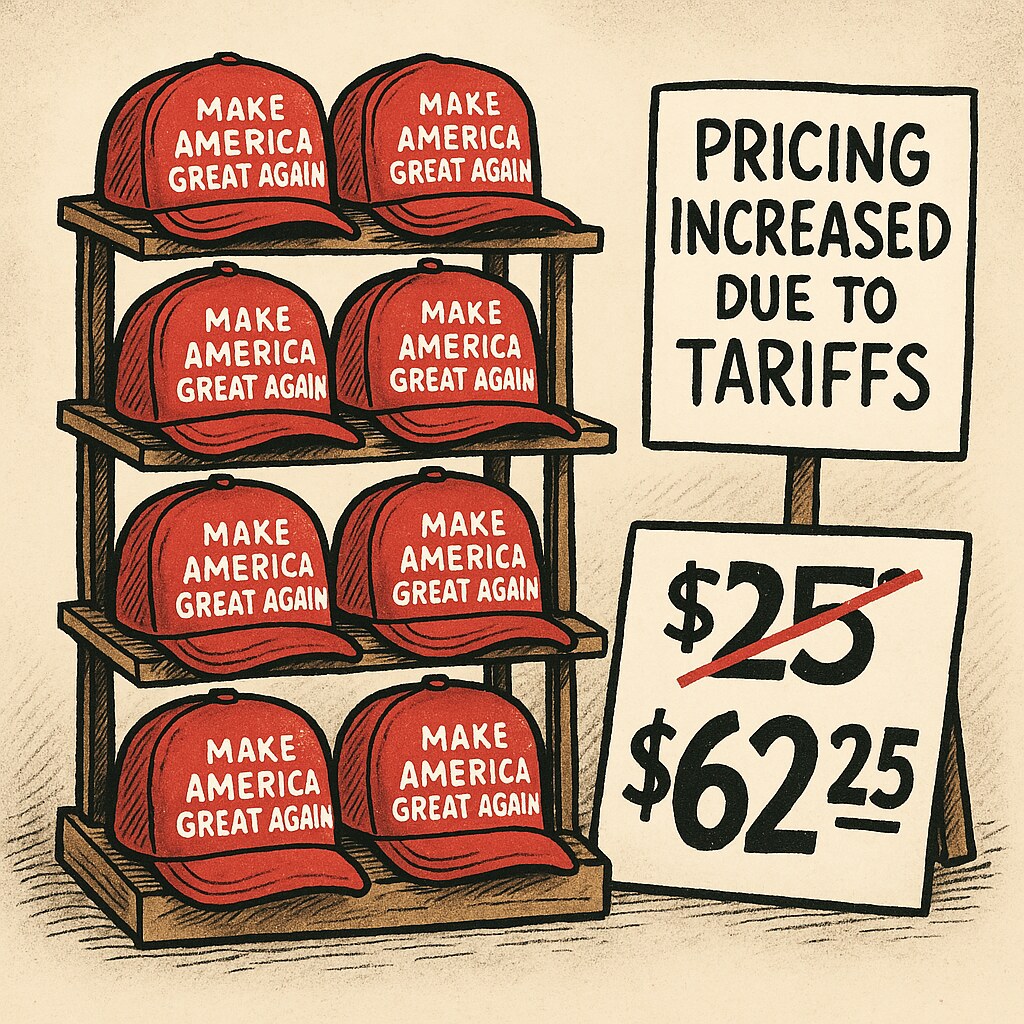
According to the First Quarter 2025 CFO Survey, more than thirty percent of surveyed firms identify trade and tariffs as their most pressing business concern, up sharply from just 8.3 percent in the previous quarter, highlighting firms’ heightened sensitivity to tariff-related disruptions. Manufacturing firms concentrated in regions heavily affected by proposed tariffs are significantly more likely to anticipate reducing employment, with about thirty-two percent reporting plans to decrease hiring due to tariff concerns. Analysis shows core goods prices rose 1.5% over the first six months of 2025 versus 0.3% in the same period of 2024, while durable goods prices rose 1.7% compared to negative 0.6% the previous year, with both categories statistically significantly above pre-2025 trend.
Consumer Staples and Everyday Items Affected
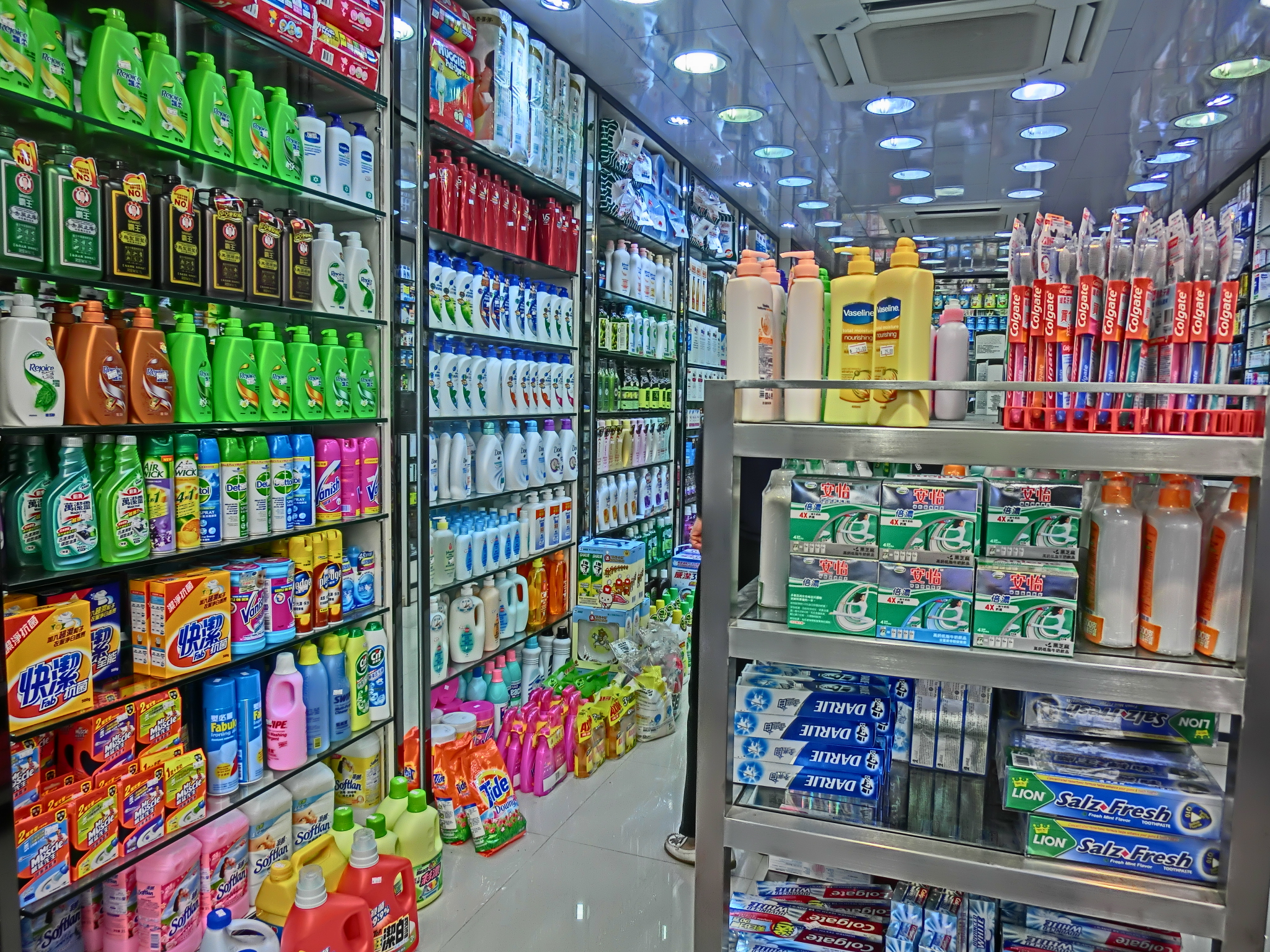
Newell Brands, which owns Graco, Rubbermaid, Yankee Candle, Paper Mate and Sharpie, raised prices on its baby gear by about twenty percent during an April earnings call. Procter & Gamble, owner of household brands like Tampax, Crest toothpaste, and Tide detergent, indicated through its Chief Financial Officer that prices may start going up in July. Barbie parent Mattel announced it will raise prices on some US products “where necessary” to help offset levies, with CEO Ynon Kreiz planning to source less than forty percent of products from China by year-end. These changes affect products that families use daily, making the impact highly visible to consumers.
Long-Term Economic Projections Look Concerning

Economic research suggests tariffs could lead to price increases and potential household cost impacts, though estimates vary widely depending on implementation and economic conditions. The numbers suggest this isn’t just a temporary adjustment but a fundamental shift in the cost structure of the American economy.
Economic analysts confirm that higher costs from tariffs are already starting to trickle down to product prices, with tariff rates on certain goods potentially reaching elevated levels, leading to expectations that increases will only exacerbate inflationary pressure. The evidence is mounting from multiple sources that American consumers will bear the brunt of these trade policy changes through higher prices across a wide range of goods and services.