
Most kitchens don’t need a full gut renovation to look like they do. The gap between a tired kitchen and a polished one is often surprisingly small – a few deliberate choices in hardware, light, and surface finish can shift the whole mood of the space without touching a single wall stud.
What’s useful to understand is that the data largely supports this approach. A minor kitchen remodel in the $28,000 to $30,000 range delivers the best return on investment of any interior home improvement project nationally, and it focuses on keeping existing cabinet boxes, replacing fronts and hardware, and updating appliances, counters, the sink, and flooring. In other words, restraint pays off. The changes below work on that same principle: targeted, visible, and immediately impressive.
Swap Out the Cabinet Hardware First
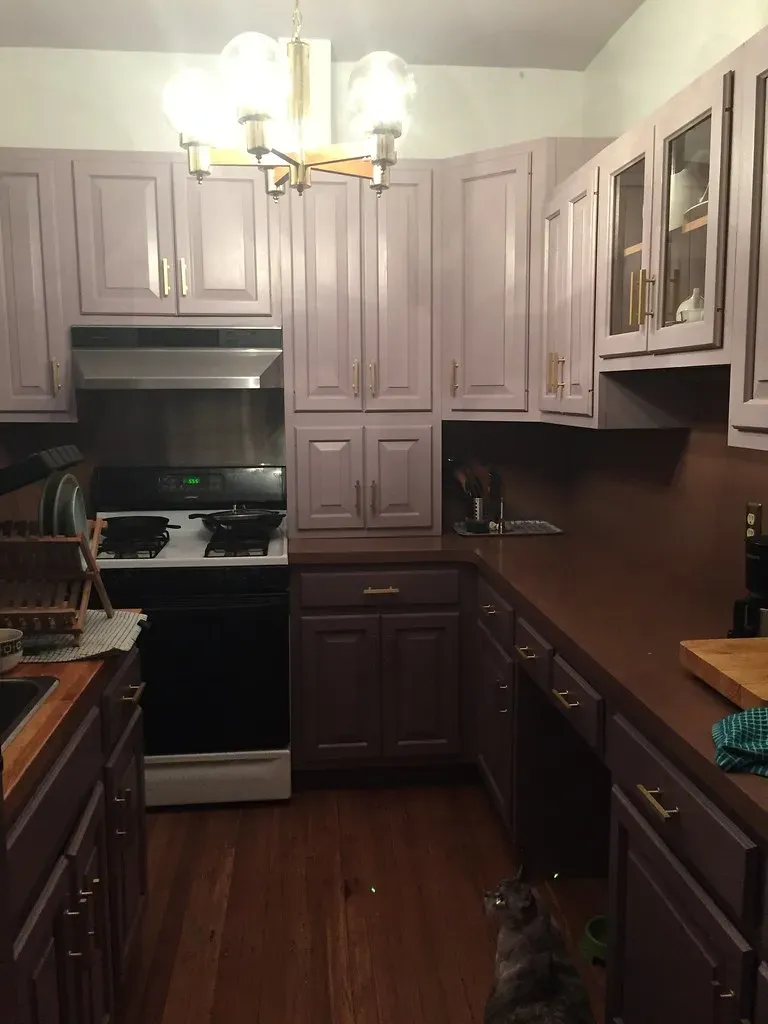
Cabinet hardware is essentially the “jewelry” of your kitchen – it’s a small detail that makes a huge difference. If your cabinets are still wearing builder-grade knobs from decades ago, swapping them out is one of the easiest and most effective upgrades you can make.
Replacing old cabinet knobs, drawer pulls, and faucets is a simple change that delivers outsized results. Matte black, brushed brass, and nickel finishes feel modern and appealing to most buyers. These are easy weekend upgrades that can make an outdated kitchen feel brand new, and in terms of cost versus impact, it’s one of the smartest things you can do on a budget.
Repaint the Cabinets Instead of Replacing Them
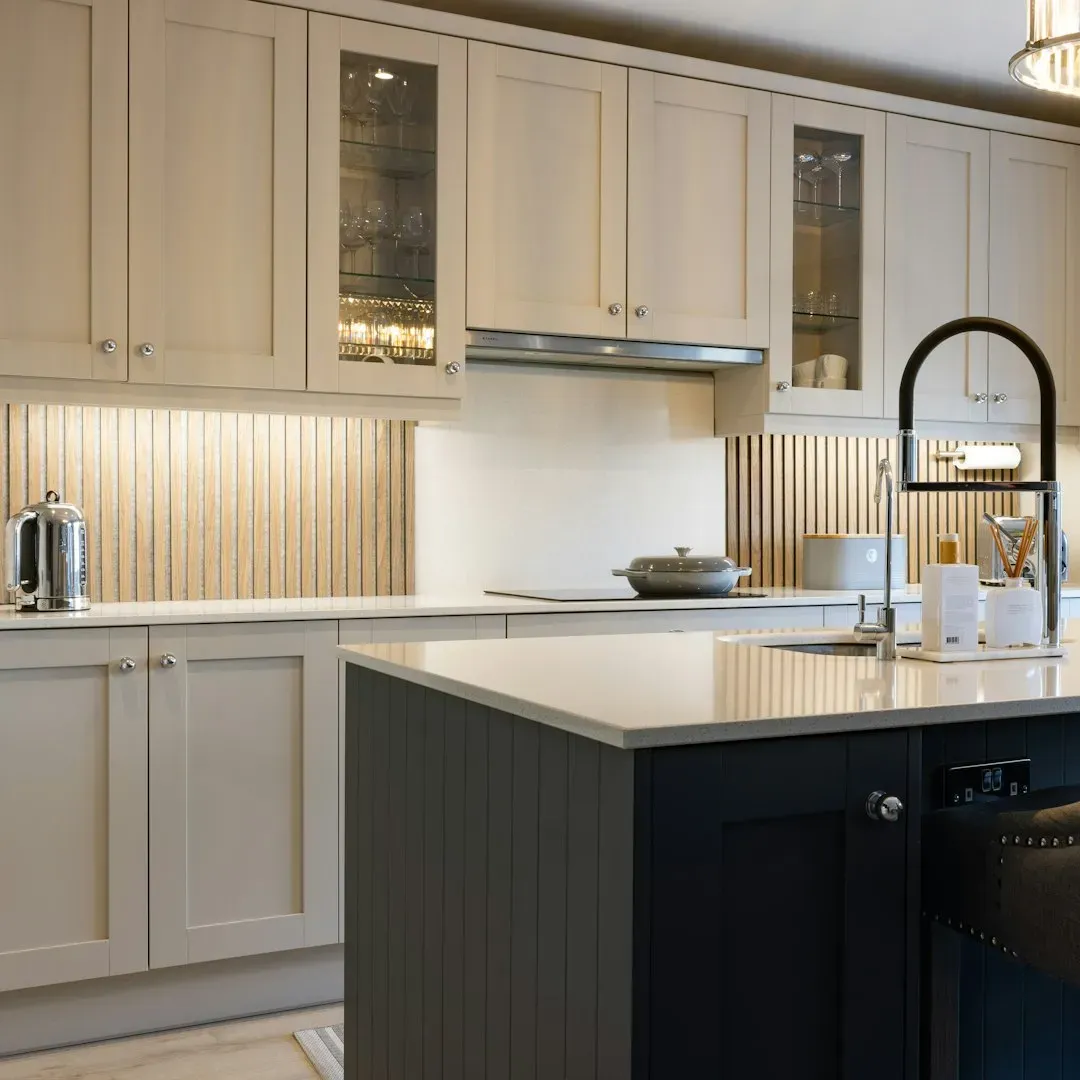
Painting your cabinets is one of the most affordable and effective upgrades you can make. It dramatically changes the look of your kitchen without the cost of a full remodel. The structural bones stay exactly where they are, and the transformation can be genuinely striking.
Cosmetic updates like painting cabinets, replacing hardware, or updating appliances often deliver higher ROI than full-scale remodels because they refresh the kitchen at a lower cost. According to 2026 Houzz data, wood cabinets now lead white by a single point for the first time in nearly a decade. For broader appeal, the bigger distinction is warm versus cool – warm off-whites, cream, and oatmeal tones now outperform stark white.
Layer the Lighting Properly
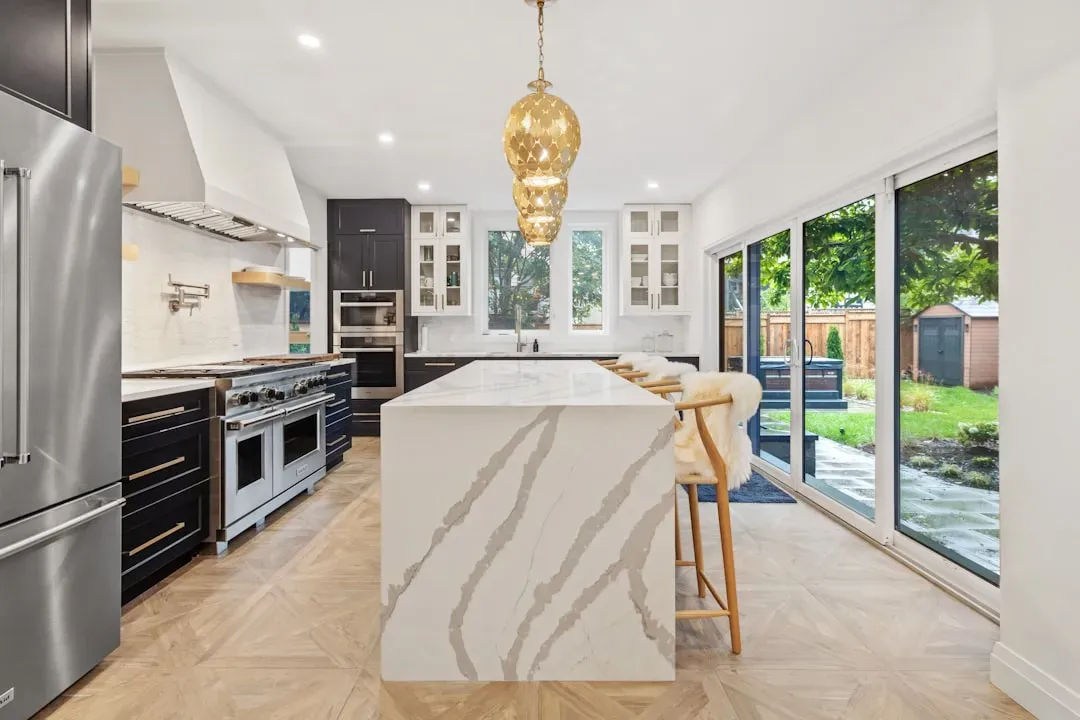
A luxury kitchen relies on more than just overhead lights. Combining under-cabinet LEDs, statement pendants, and recessed lighting creates depth and flexibility – and dimmable fixtures let you set the mood for everything from meal prep to evening entertaining.
Oversized pendant lights above the kitchen island offer a stylish alternative to traditional track lighting or recessed cans. Large-scale pendants provide ample task lighting and serve as a design statement, and they can echo the finish of your faucet and cabinet hardware to create a cohesive look throughout the kitchen. Few single changes read as “expensive” more quickly than the right pendant fixture hanging in the right spot.
Upgrade the Faucet as a Focal Point

The sink and faucet are often the central focal point of the kitchen, which makes a distinctive faucet an effective statement piece. A graceful new spout can be found for under $100 for a traditional chrome look, though more daring finishes like brushed gold, brass, or matte black will cost more – at least $200.
A sleek new sink or high-end faucet can work as a genuine statement piece in a kitchen remodel. Farmhouse sinks are popular for their classic style, while deep stainless or composite sinks offer great function. Pair either with a high-arc pull-down faucet and you’ve added both beauty and real usability to the space.
Try Large-Format Tiles on the Backsplash or Floor
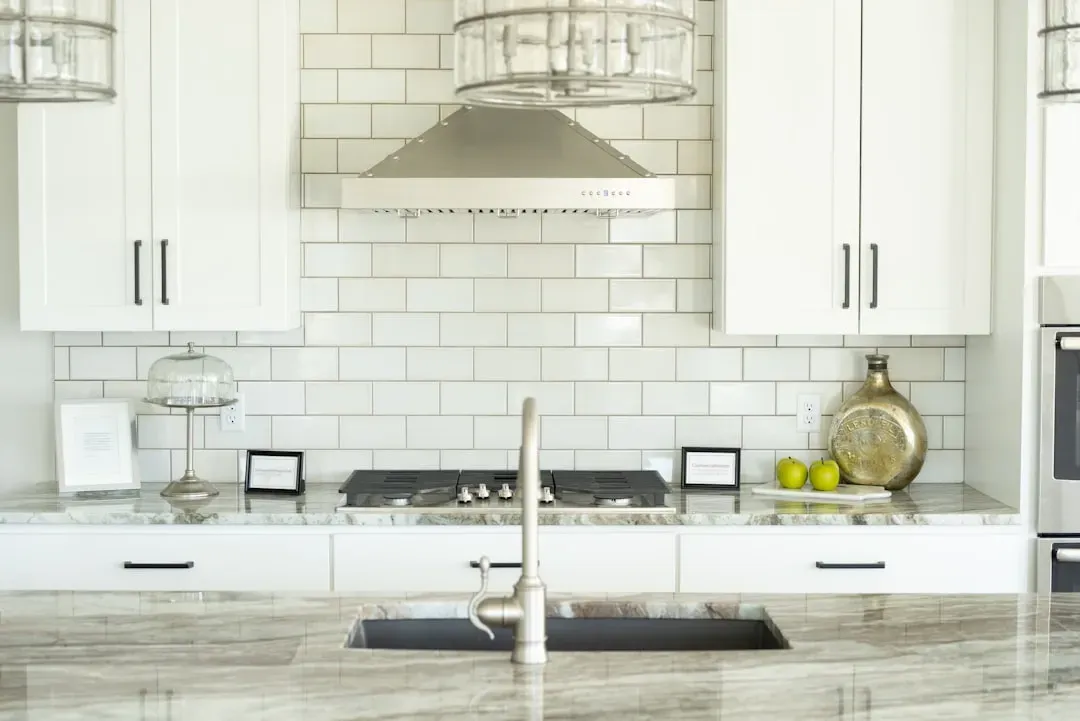
Large-format tiles create a seamless, polished look that makes your kitchen appear larger. They also have fewer grout lines, making them easier to clean and maintain – a practical bonus for any busy household.
For backsplashes and floors, large-format tiles are a genuine game-changer. Their streamlined look and minimal grout lines make kitchens feel cleaner and more modern. These tiles are stylish and practical – fewer grout lines mean less maintenance, and their expansive look creates an uncluttered, polished aesthetic.
Add Crown Molding to the Cabinet Tops
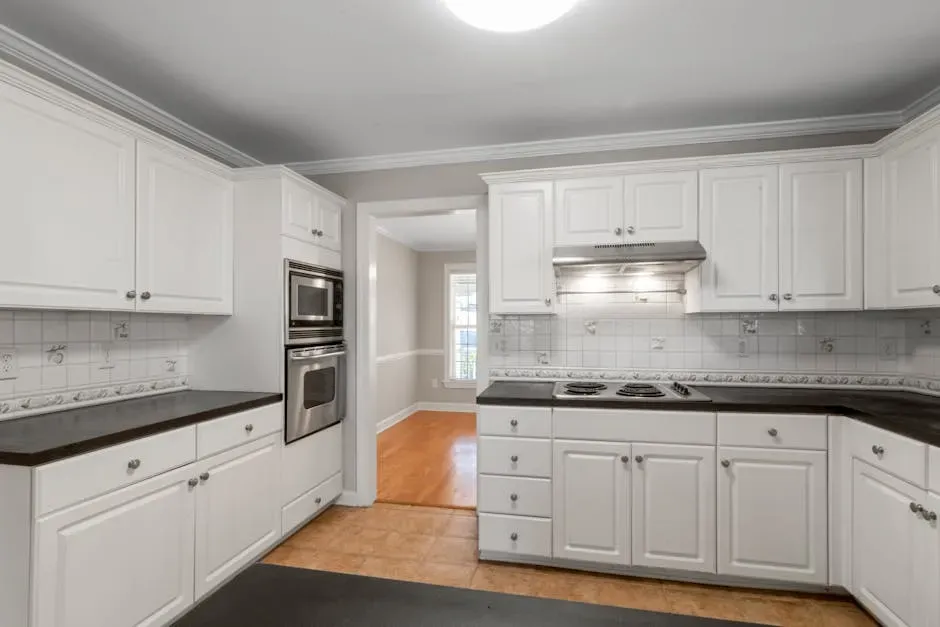
If you want to give stock cabinets a custom, built-in look, adding molding is the secret weapon. Crown molding along the top of upper cabinets visually draws the eye upward, making your ceilings appear higher and the entire kitchen feel more grand. It’s a detail often found in high-end kitchens, but you can achieve the look for a fraction of the cost.
The effect works because it closes the gap between the cabinet tops and the ceiling – that blank space is one of the things that most immediately signals a builder-grade finish. Details like custom crown molding, decorative toe kicks, or hand-forged pulls are the kind of millwork that elevates an entire space. The material cost is modest; the visual payoff is disproportionately large.
Use Limewash Paint for Instant Texture and Depth
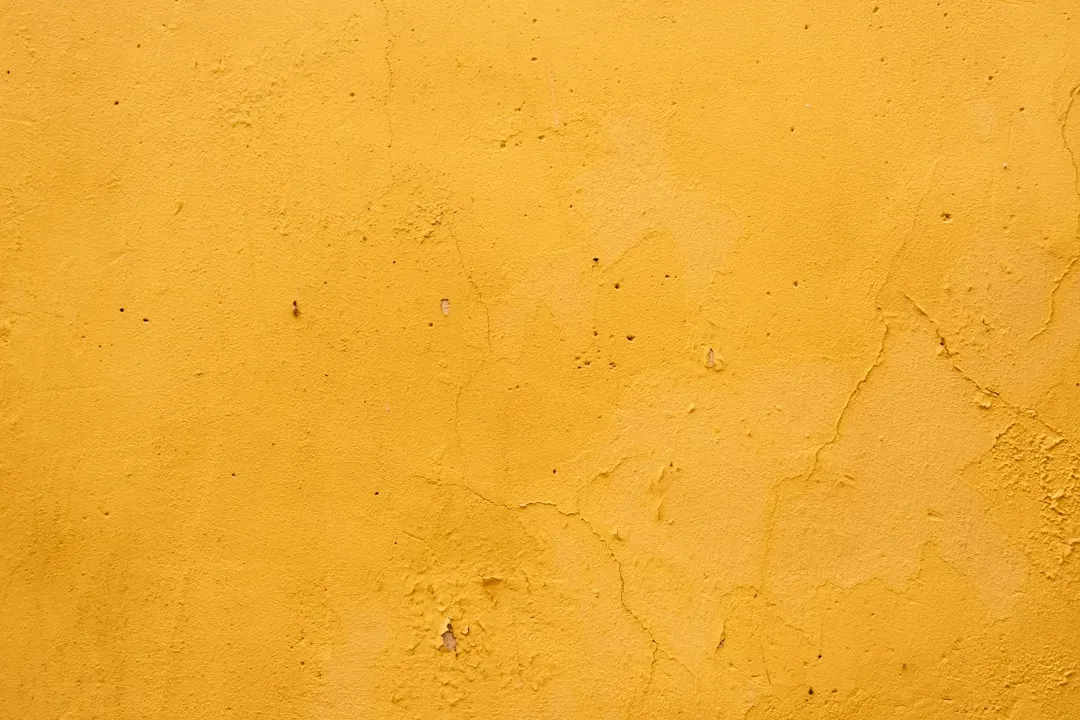
Limewash is having a major moment in kitchen design. This ancient technique creates a soft, organic texture that feels both rustic and refined. Try it on a feature wall in a soft, neutral tone like a warm gray or gentle beige – the subtle variation in color and texture gives your kitchen a custom, handcrafted feel that’s impossible to achieve with regular paint.
Flat, featureless walls are increasingly being replaced by texture. Hand-applied plaster, reclaimed brick, or slatted wood panels add warmth, movement, and depth even when used alongside a minimalist aesthetic. Tactile materials like limewash paint or clay plaster introduce organic texture without overwhelming the room. Focusing texture on one feature wall balances boldness with simplicity, and pairing textured walls with soft, neutral color palettes keeps the look modern and approachable.
Embrace Two-Tone Cabinetry for Dimension
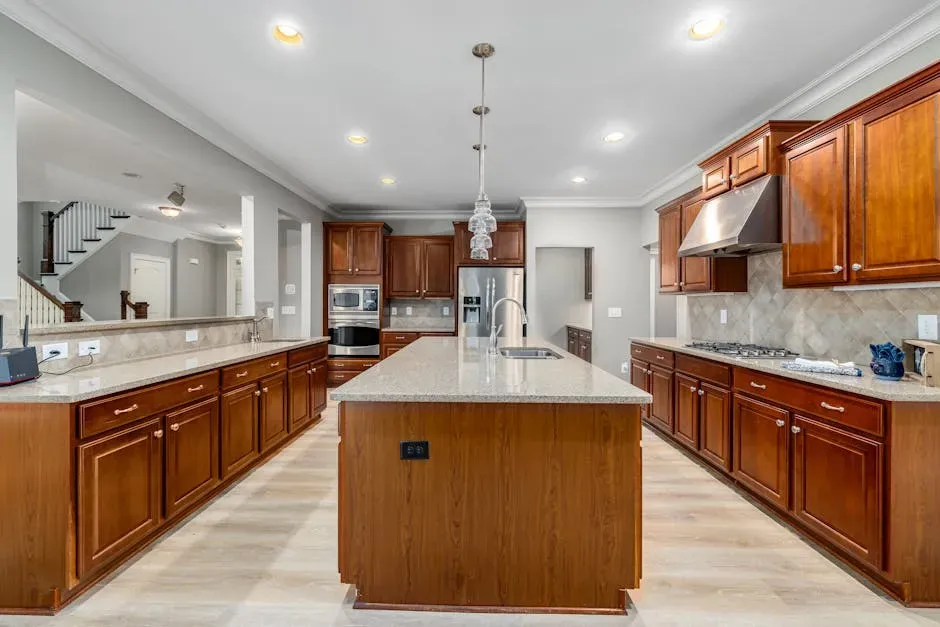
Two-tone cabinetry has remained a go-to trend, offering a mix of boldness and visual cohesion. Think darker lower cabinets with lighter uppers for contrast, or natural wood paired with painted finishes. It’s all about dimension – two-tone cabinetry adds depth without overwhelming the space and works beautifully in open-concept layouts.
Two-tone kitchens are still going strong, but in a more refined way. Rather than contrasting uppers and lowers across the board, homeowners are making a bold statement with just the island painted in a deeper, moodier color. It’s a stylish way to add depth and personality without overwhelming the whole kitchen, and a statement island works especially well in open-concept spaces, drawing the eye and giving the room a sense of structure.
Introduce Natural Wood Elements Selectively
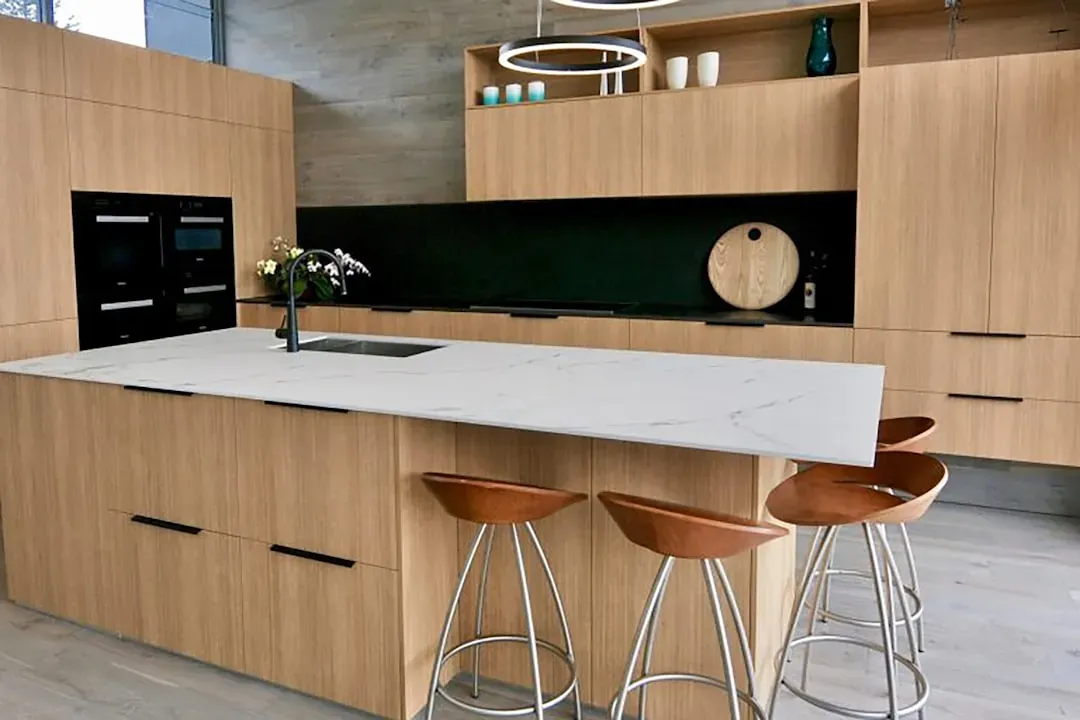
Homeowners are increasingly drawn to natural materials for their timeless beauty. Wood cabinetry feels authentic and one-of-a-kind because of wood grain variation, especially compared to painted options. Even one or two wood-toned surfaces in an otherwise painted kitchen can shift the entire atmosphere toward something warmer and more considered.
Wide-plank hardwoods such as white oak or walnut are a classic flooring choice in refined kitchens, offering warmth and durability. Large-format porcelain or natural stone floor tiles, like limestone or slate, are also common in elevated kitchens, prized for their elegance and resilience. Neither requires a massive budget commitment if you’re strategic about where and how much you use them.
Rethink Open Shelving as a Curated Display
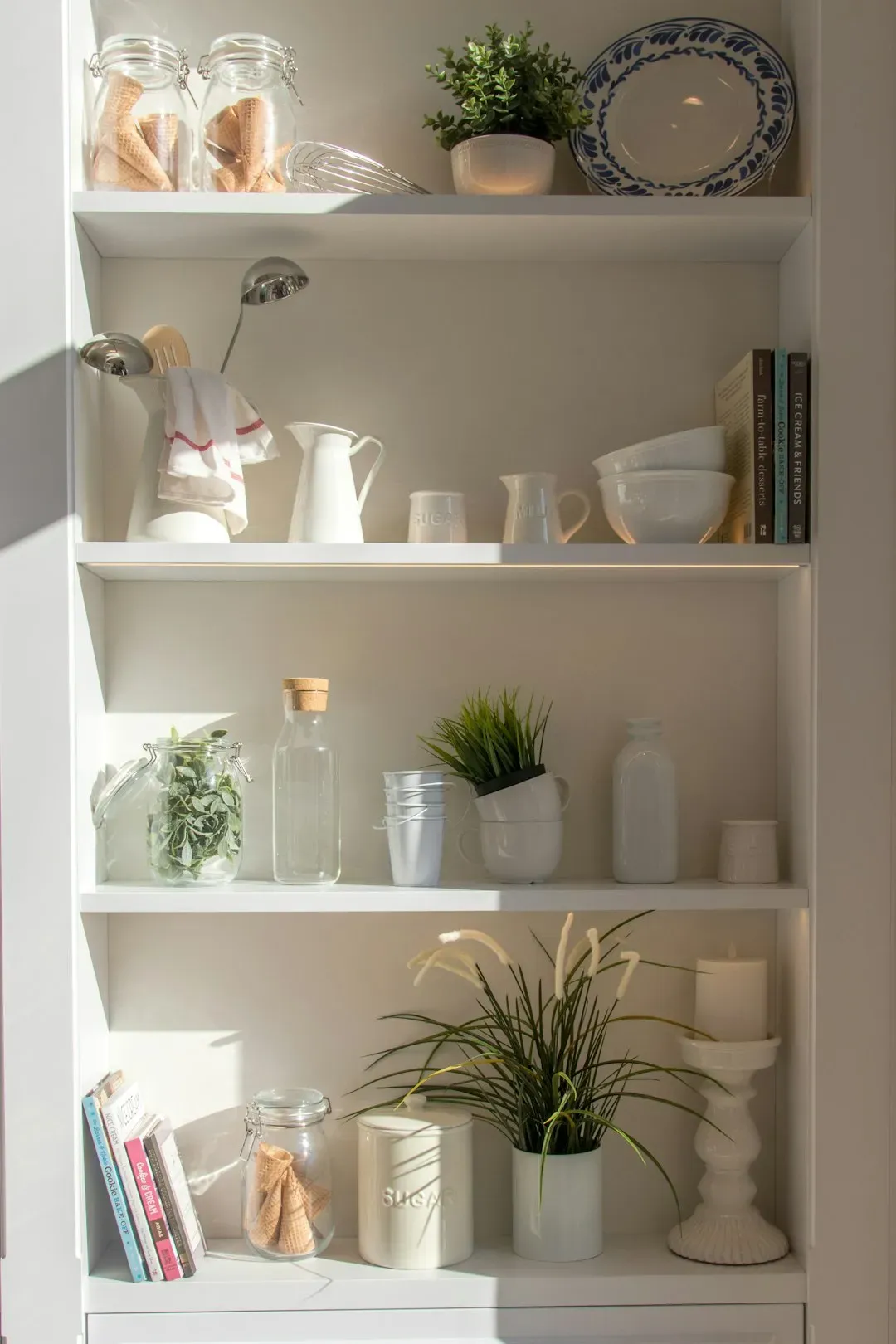
Open shelving gives your kitchen an airy, modern look and lets you show off stylish dishware or décor. It’s also more affordable than full upper cabinets and works especially well in small spaces. The key is styling it with intention – three to five well-chosen objects reads as editorial; a crowded shelf reads as storage overflow.
Rather than full walls of open shelving, the current direction is a balance: a few curated open shelves paired with closed cabinets. This hybrid approach lets you enjoy the visual lightness of open shelving without the constant pressure to keep every inch display-worthy. It’s one of those low-commitment changes that, done well, looks like it took a designer to plan.