
There’s a strange irony in how much time homeowners spend perfecting their living rooms and kitchens, only to leave the entryway as an afterthought. It’s the very first thing anyone sees, yet it often ends up as a dumping ground for shoes, mail, and forgotten bags. The way a home announces itself matters, even if most of us don’t consciously think about why.
The entrance to a house is perceived in a matter of seconds, long before the visitor has even glanced at the living room or kitchen. Research on the psychology of first impressions shows it takes only a tenth of a second to form an initial judgment, and seven seconds is enough to establish a lasting impression. That makes the entryway one of the most emotionally loaded spaces in the entire home, and one of the most rewarding to improve.
Why the Entryway Has More Power Than You Think
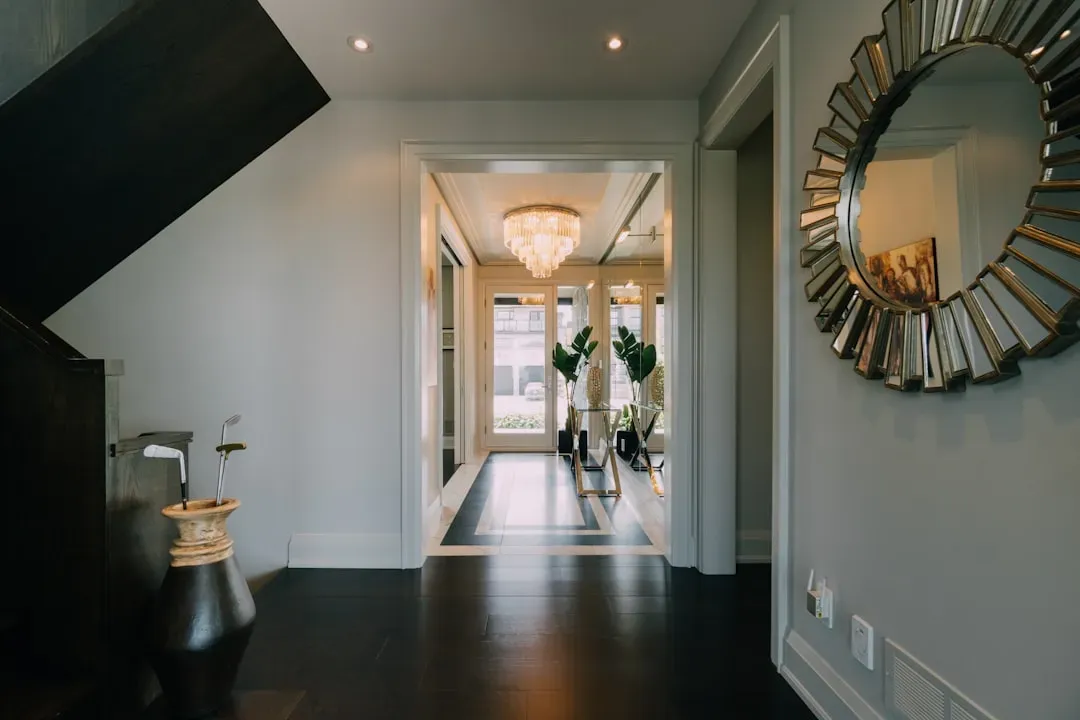
When it comes to design, your entryway is the most emotionally influential space in your home. Your front door and entryway choices set the tone for everything that follows. This isn’t just subjective feeling. It’s how the human brain processes space and safety the moment it crosses a threshold.
Entryways serve as transitional spaces between the external world and the sanctuary of home. Thoughtfully designed entryways can act as emotional bridges, helping you leave the stresses of the outside world behind and transition into a space of comfort and relaxation. That transition, handled well, sets a mood that carries through every room beyond it.
Start With the Right Color on the Walls
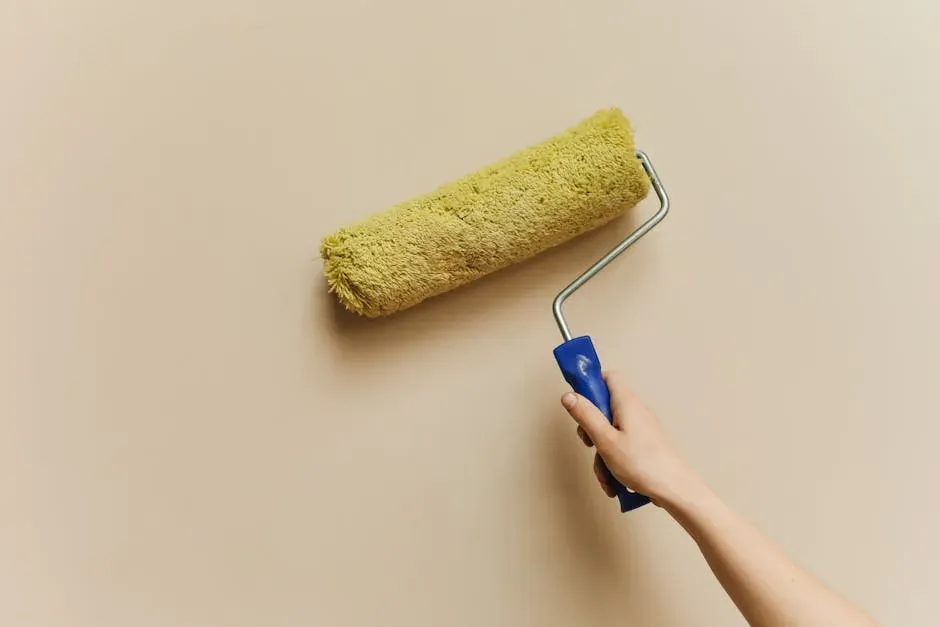
Color is the first element the eye notices upon entering a room. It instantly establishes an atmosphere, whether warm, contemporary, or minimalist. The choice doesn’t need to be dramatic to be effective. Even a subtle shift from stark white to a warm cream can change how a space feels on a gut level.
The entryway is a transitional space that family and guests spend only a brief amount of time in, so opting for soft, welcoming neutrals is always a popular choice. Lighter color paint on walls keeps the entryway area open and airy, and neutrals also offer seamless color flow into surrounding rooms. For those willing to be bolder, incorporating bold and welcoming colors like deep blues, rich greens, or warm shades of red can create a memorable first impression.
Use a Mirror to Open Up the Space
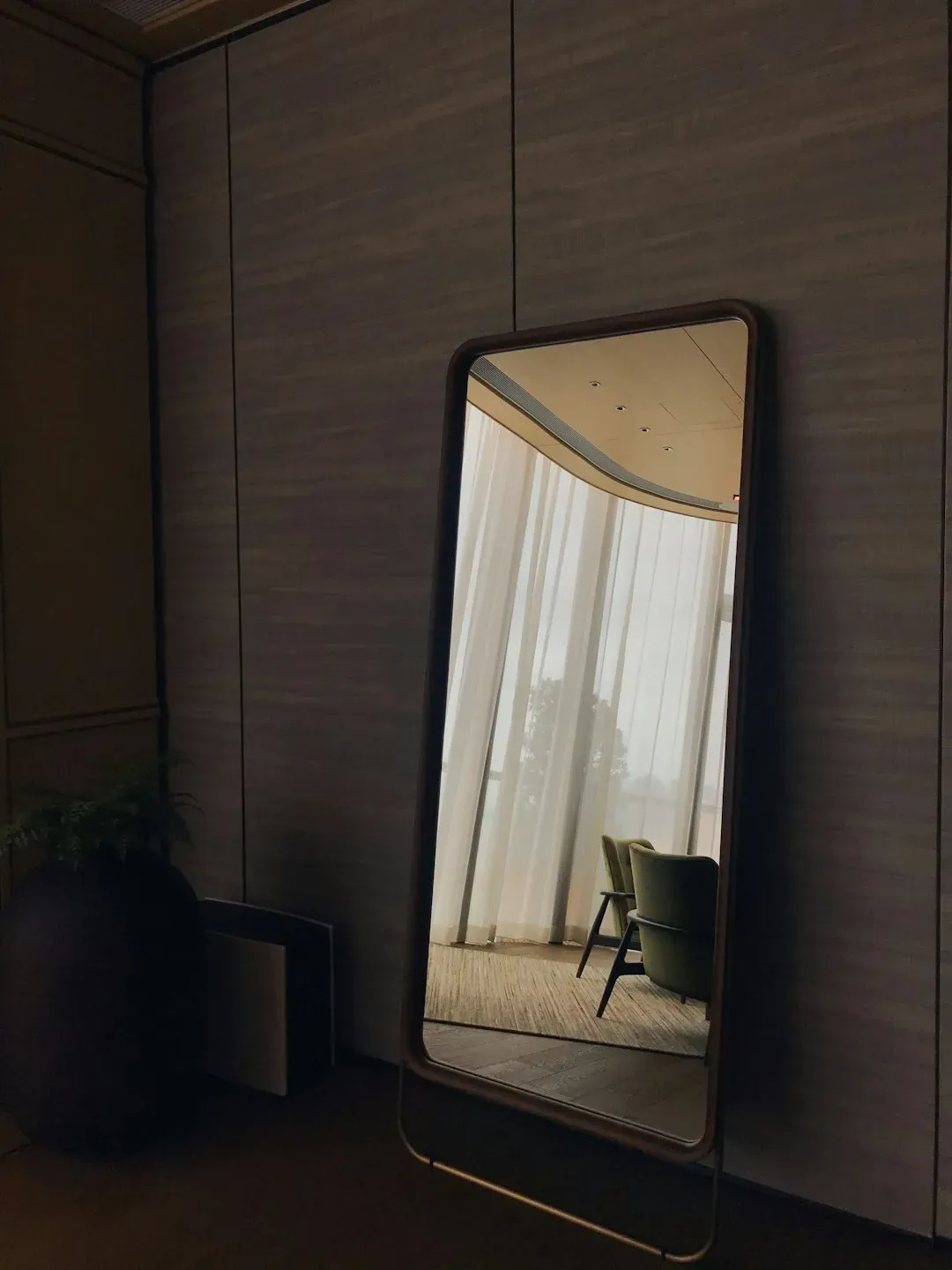
A mirror is the number one ally for any entryway, especially in small or poorly lit spaces. Placed opposite or near the door, it reflects light and creates an immediate visual sense of depth. Its dual function, practical for a final check before leaving, and decorative, makes it an essential element of the layout.
A giant mirror not only serves as a focal point but also opens up the entire area. Mirrors reflect light and make a space feel bigger, brighter, and more welcoming. The shape of the mirror itself carries design weight too. Shapes are endless: round, arched, oversized, with a gold metal frame for a chic style, or in light wood for a Scandinavian aesthetic.
Bring In a Console Table as Your Anchor Piece
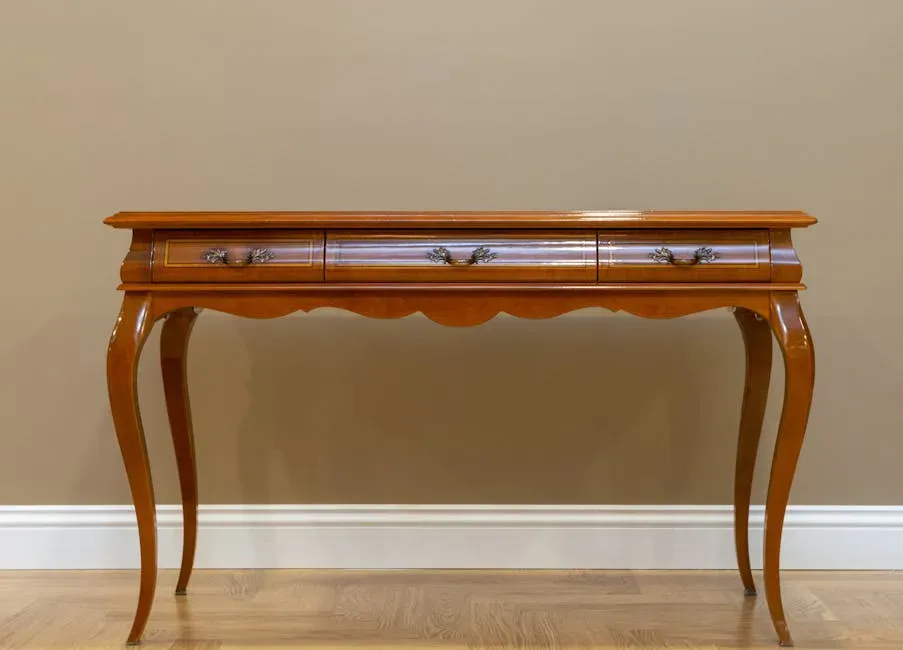
The entryway is the first space that guests see when they enter your home, so it should make a lasting impression. A console table not only adds elegance but also serves practical purposes, creating a welcoming, organized, and visually appealing space where you can store essentials and display decor.
A well-decorated console table with a beautifully framed mirror makes the entryway appear thoughtfully designed. You can use the console table to display fresh flowers, artwork, or family photos, adding warmth and personality to your home’s entrance. Keep the surface edited rather than crowded. A lamp, a small plant, and a tray for keys are usually all you need.
Add a Bench for Comfort and Function
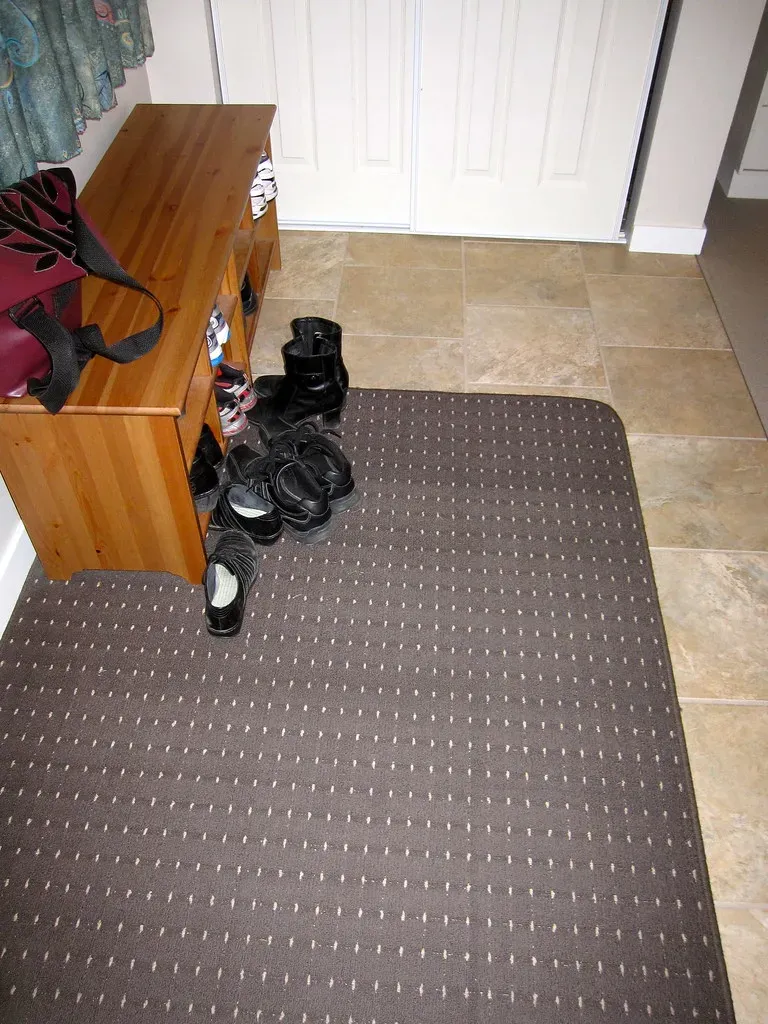
At minimum, an entryway benefits from three things: a surface to place items, storage for necessities, and a seat. A console table or shelf provides a spot for keys and mail, storage solutions like cabinets, cubbies, or hooks manage coats, bags, and shoes, and a chair or bench gives you a place to sit while putting on shoes.
A sleek bench with built-in shoe cubbies or drawers offers a spot to sit while hiding shoes and clutter. Beyond practicality, a bench with a throw pillow or two immediately reads as hospitable. Adorning your bench with plush throw pillows and textured accents is a simple addition that can instantly create a cozy vibe that welcomes guests warmly.
Get Lighting Right, It Changes Everything

A single central ceiling light is not enough to give character to an entryway. Lighting is one of the most powerful tools for creating a cozy and welcoming atmosphere. Increasing the number of light sources radically transforms the atmosphere of a corridor.
One of the top trends in entryway design is the use of statement lighting. Lighting plays a crucial role in creating a welcoming and impactful first impression, and designers are predicting a rise in bold and eye-catching lighting fixtures that become the focal point of the space. For warmth specifically, warm light in the 2700K to 3000K range emits yellowish tones that feel relaxed, intimate, and residential. This temperature works best in any space where you want people to feel comfortable lingering.
Layer in Texture With Rugs and Natural Materials
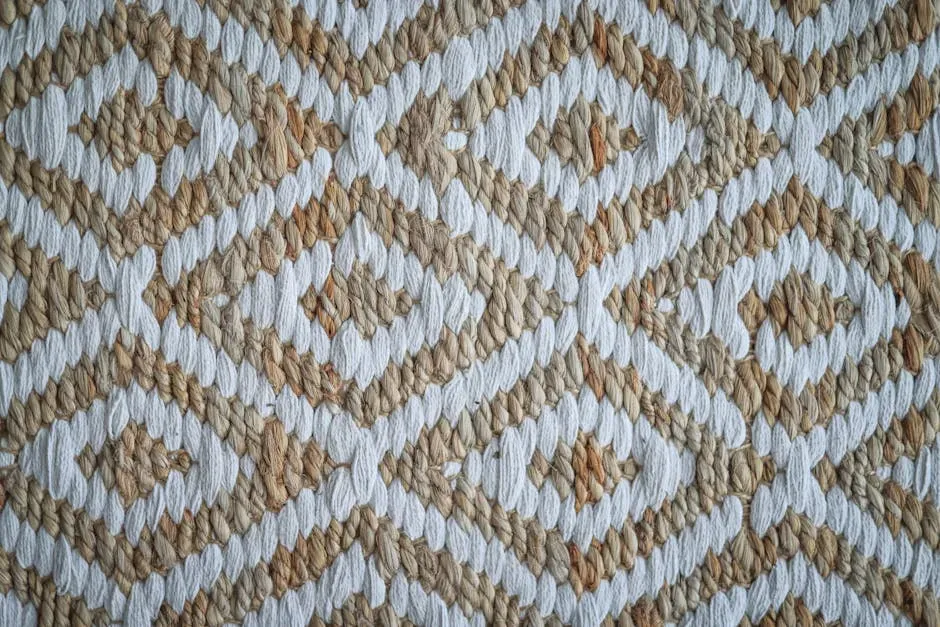
Elevate the comfort of your entryway by carefully choosing a stunning rug. Rugs not only add texture and color but also introduce patterns that make the space more inviting and cozy. The warmth of decorative kilim rugs or natural fibers like jute or sisal creates a comforting and welcoming ambiance.
Organic textures have long been a designer staple. There’s no better way to connect the outside world to your entryway than by adding natural accents to your walls, whether a rattan mirror, woven tapestry, or wall baskets. Paired with plenty of greenery, these elements really bring nature indoors. The result feels collected rather than decorated, which tends to read as genuinely welcoming.
Bring in Plants for Life and Warmth
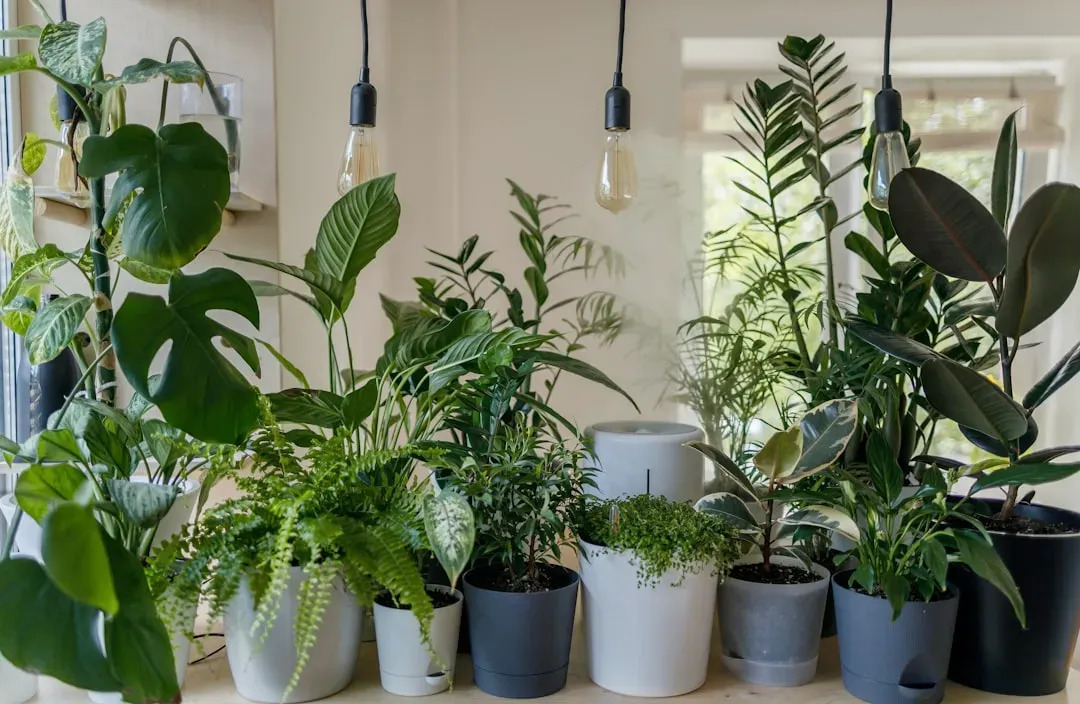
Even in a small entryway, it’s often possible to incorporate a plant placed on the floor, on a piece of furniture, or suspended. Plants also improve the indoor climate. They’re one of the easiest ways to soften a space that might otherwise feel too formal or too empty.
Few elements impact a space as immediately as fresh flowers. Research shows flowers trigger positive emotional responses, creating an immediate sense of welcome and care. For lower-maintenance options, pothos can be grown in pots or hanging baskets and requires virtually no maintenance, zamioculcas with its glossy dark green leaves tolerates partial shade well, and the sansevieria adds a modern and graphic touch.
Use Wallpaper or an Accent Wall to Make a Statement

The entrance wall is an ideal canvas for expression, making a lasting impression from the very first step. A panoramic wallpaper, a mural, or a gallery of frames asserts a style and gives personality to a space that is often too neutral, especially in newer apartments.
Geometric wallpaper on your entryway’s main wall creates visual momentum that draws people into your home. Choose patterns with directional elements like hexagons, diamonds, or chevrons that guide the eye forward. Keep the scale moderate so the pattern reads clearly but doesn’t overwhelm a narrow hallway. Use it on just one accent wall to maintain balance.
Keep It Personal Without Going Overboard
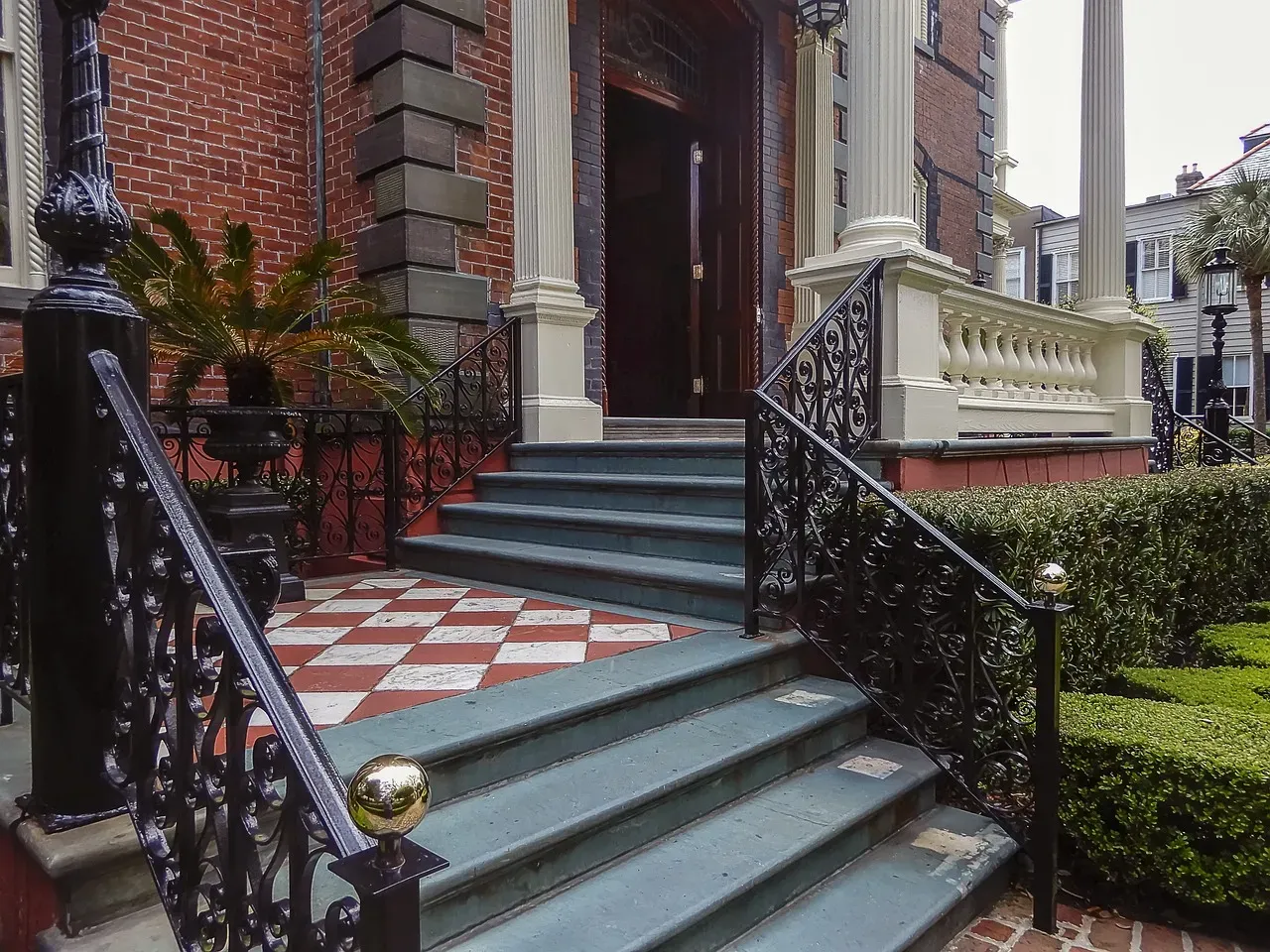
In recent years, entryways have become less about following design rules and more about reflecting the uniqueness of the homeowner. Your entryway vignette is an opportunity to create a snapshot of your personality as guests and loved ones enter your home. That’s a freeing idea, though it comes with a quiet discipline: personality reads best when it’s edited.
The entryway is apt to become the most chaotic drop zone in your house, where mail gets deposited, where shoes pile up, where small items get left behind. This is normal, so plan for it with storage solutions you can conceal or visually organize. A thoughtfully designed entry communicates warmth, organization, and personal style. Well-planned entryway ideas also improve daily functionality by providing designated spots for shoes, keys, bags, and outerwear, reducing household clutter significantly.
Small Entryways Deserve Just as Much Attention
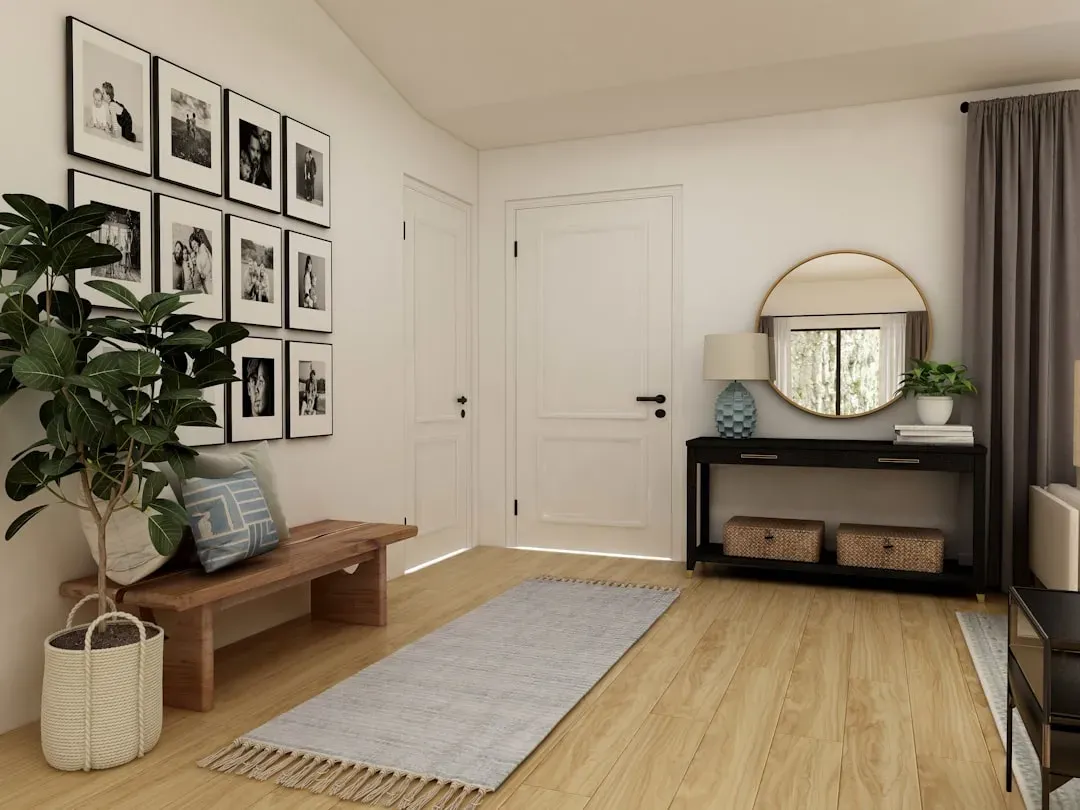
To open up a small entry, use light colors, ample lighting, and mirrors to your advantage. Hanging a large mirror will bounce light and visually double the space. Keep the area clutter-free by utilizing vertical space with wall hooks, shelves, or board and batten with integrated hooks.
Choose slim, multifunctional furniture like a bench with hidden storage instead of bulky pieces. The combination of good lighting, reflective surfaces, and smart storage will make even a tiny entryway feel larger and more welcoming. Compact doesn’t mean compromised. Often the most charming entryways are the smallest ones, precisely because every choice within them was intentional.