
Most people assume a small bedroom is just something to tolerate until they can afford something bigger. The reality is that square footage matters less than most of us think. With the right design choices, even a compact room can feel genuinely open, calm, and spacious without a single wall coming down.
These aren’t abstract decorating concepts. They’re practical, well-established techniques that work on the brain’s perception of space through light, color, proportion, and visual flow. Get a few of them right together, and the difference is immediate.
Paint Walls, Ceiling, and Trim in the Same Light Color

Color profoundly affects how we perceive the size and proportions of a room. Light colors reflect more light, making spaces appear larger and more open, which is why small rooms often benefit from white, cream, or pale colors on the walls. The real gain comes when you take it a step further.
Painting your walls, ceiling, and trim the same light color can dramatically open up your bedroom. This technique extends the visual space by preventing the eye from stopping at stark color changes, and it evenly distributes light while minimizing shadows, making the room feel continuous and expansive. Soft white, warm cream, or pale gray are reliable choices for this approach.
Use Mirrors to Double Your Natural Light
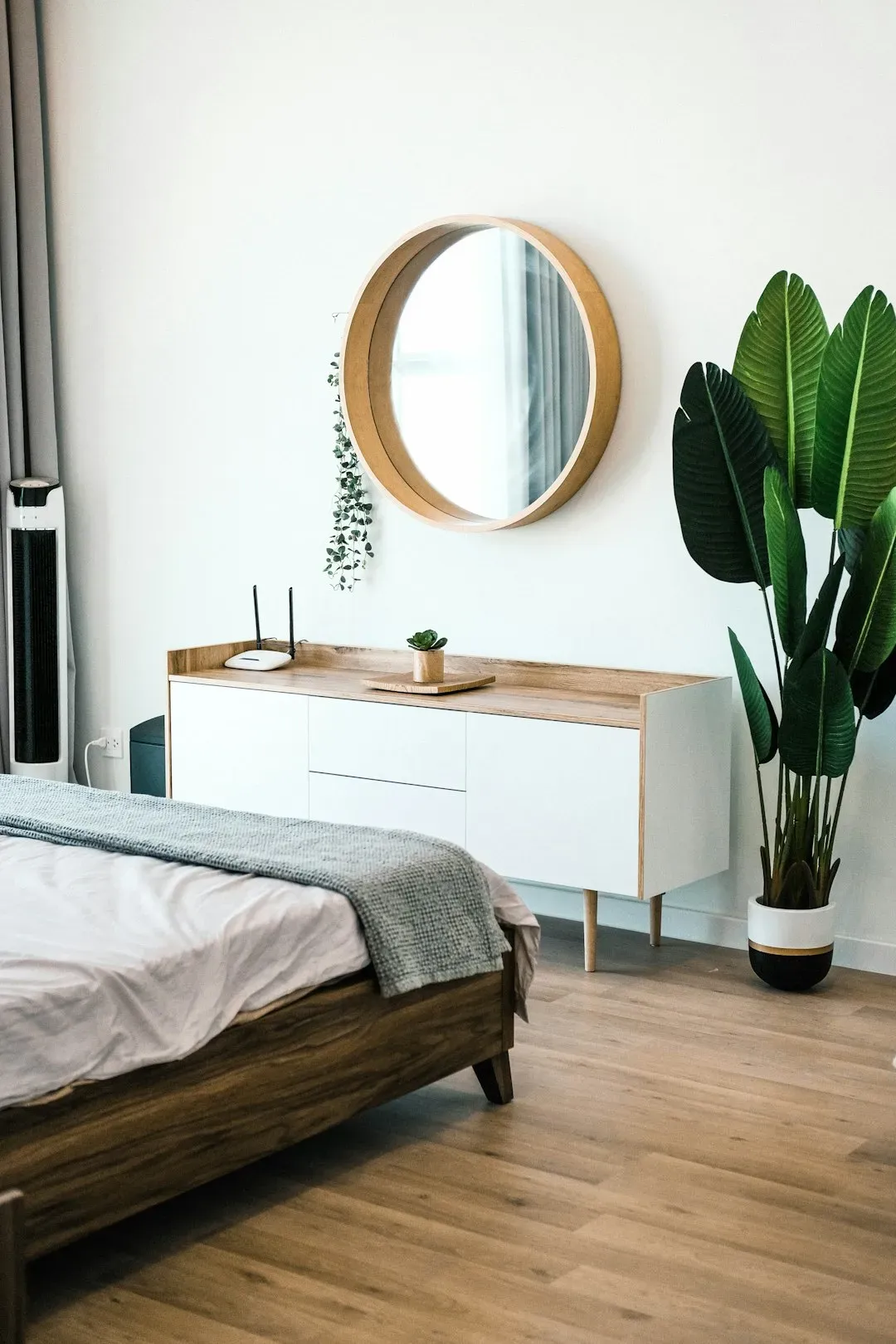
Strategically placed mirrors can double the perceived space in your small bedroom. Large mirrors placed opposite windows can double the perceived space by reflecting both light and the view, and this trick adds depth without sacrificing valuable floor space. A single well-chosen mirror can do more for a room than a full furniture overhaul.
Position mirrors across from windows to double natural light, behind nightstands to add depth, and in corners to eliminate dark spots. Avoid placing mirrors directly across from your bed as this can disrupt sleep. Choose mirrors that take up about one-third of your wall space, typically 24 to 36 inches for small bedrooms.
Hang Curtains from Ceiling Height
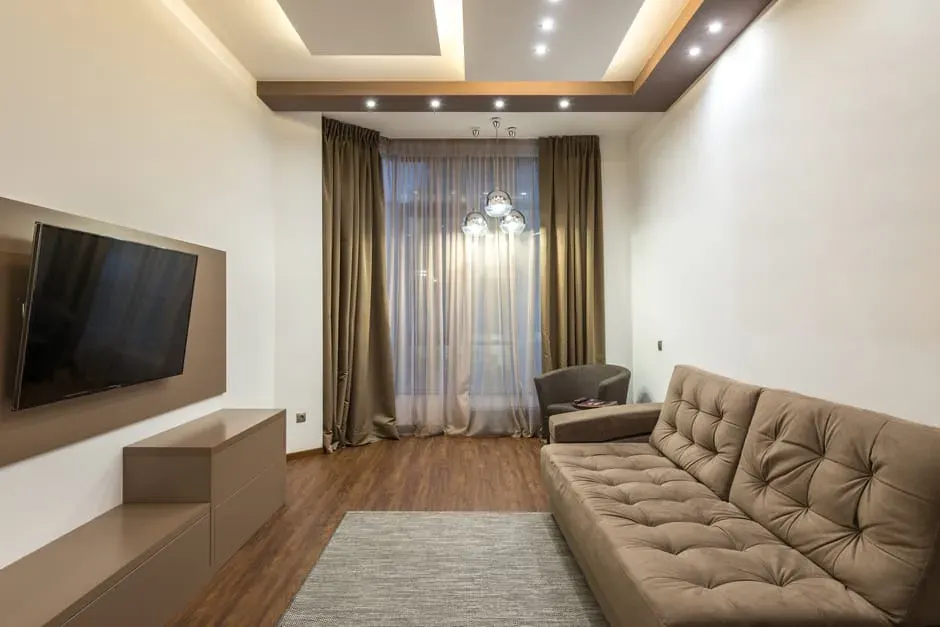
Hang curtains from ceiling height, not just above the window frame. This makes windows appear taller and ceilings higher, a simple trick with significant impact. It’s one of those changes that looks deliberate and expensive but costs almost nothing extra.
Hanging curtains as close to the crown molding as possible really creates the illusion of a bigger room. You want to hang them as high as possible while still having them touch the floor. The bottom of your curtains should touch the floor to create the feeling of openness. Avoid short, high-water curtain lengths at all costs in a compact space.
Choose Furniture with Visible Legs
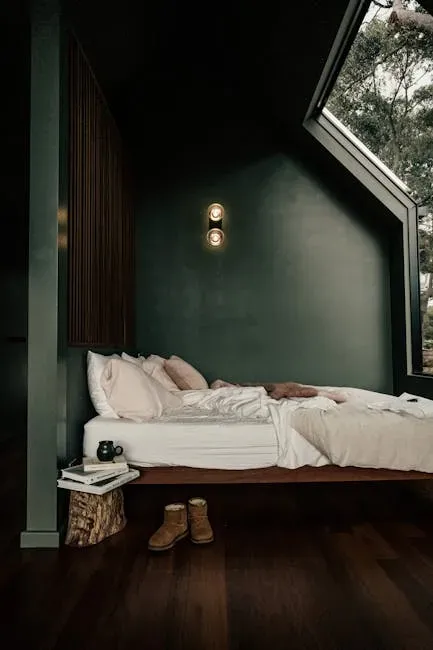
Another way to make a small bedroom look bigger is to choose furniture pieces with legs. This creates an airy, open feel in a small bedroom. Not every piece needs to have legs, but try to have at least one piece with some height, whether it’s your nightstand, dresser, or bed.
Even a peek of leg under the bed and dresser makes the rest of the room look bigger. These “leggy” choices make the small bedroom feel slightly less crowded and heavy, creating the illusion of more space. A platform bed with visible legs allows the floor to breathe, giving a sense of openness.
Go Vertical with Storage
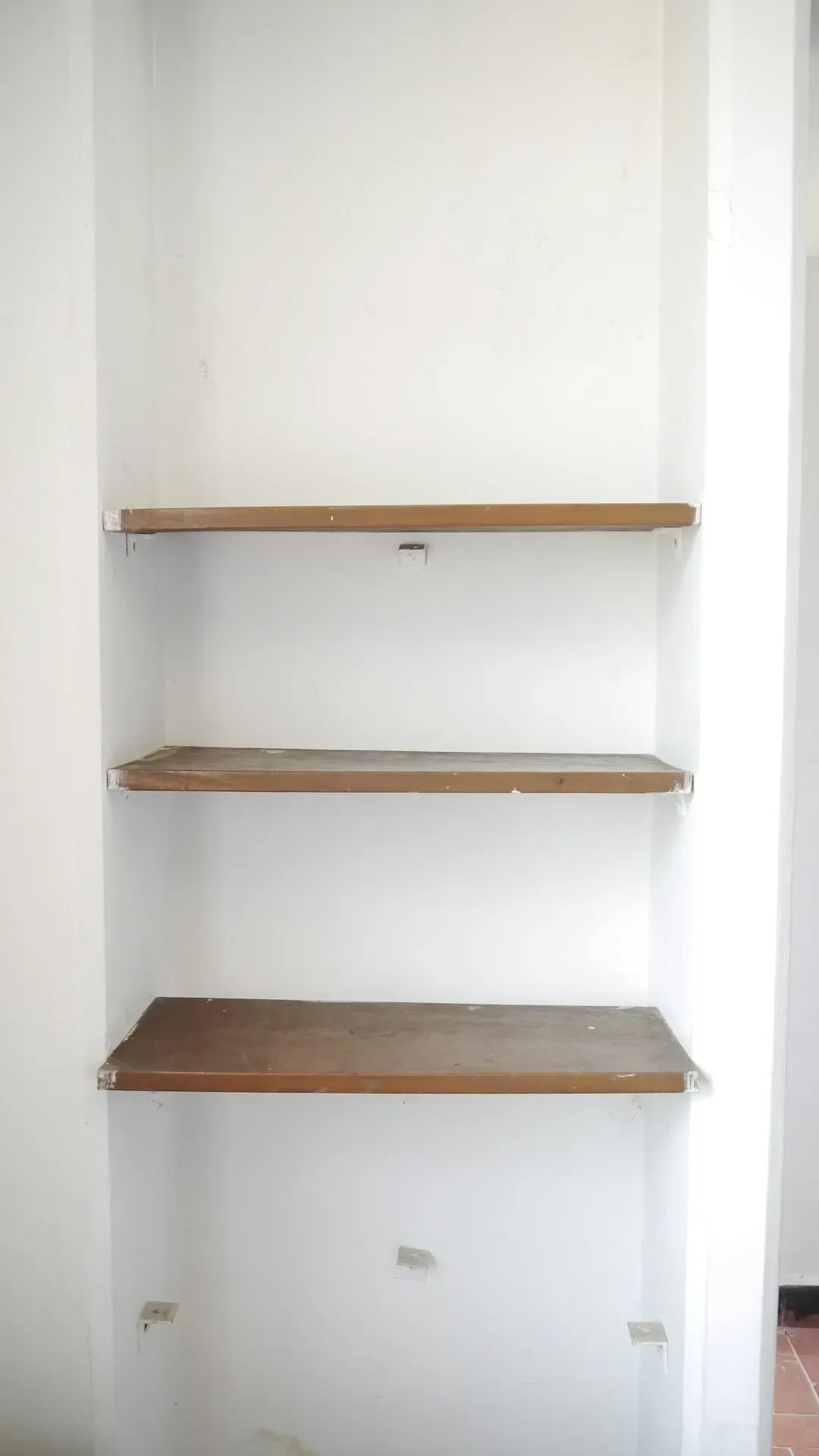
The floor space of a small bedroom is limited, but vertical space can make a small space feel much larger. You can install your storage right on the wall, like floating shelves or floating bedside tables, which will free up more space on the floor and make your bedroom look bigger.
Vertical storage is one of the best ways to increase functionality without making the room feel cramped. Installing tall shelving units or open bookcases keeps books, décor, or baskets off the floor, and vertical solutions also help draw the eye upward, making the room feel taller and more spacious overall. A tall, narrow wardrobe will almost always serve a small bedroom better than a wide, low dresser.
Keep the Floor as Clear as Possible
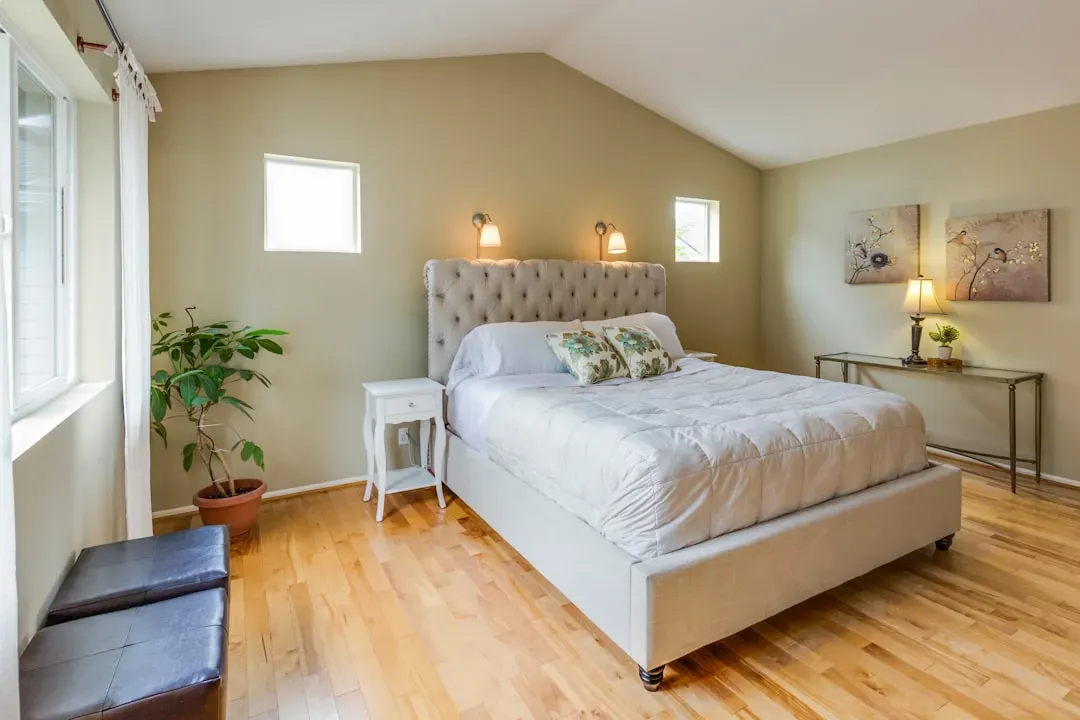
Simply keeping the floor clear of excess furniture will help make the bedroom feel bigger. Having less furniture in a small bedroom is a good idea in general. Look for pieces that are multitask, such as a makeup vanity that doubles as a work-from-home desk or a bench that holds excess bedding.
Under-bed drawers can replace a bulky dresser and free a full wall. Consider storing seasonal or seldom-used items in bins under the bed to keep them out of the way yet accessible. Every inch of floor you reclaim reads visually as more room, which is exactly the effect you’re after.
Declutter Surfaces and Edit Your Belongings
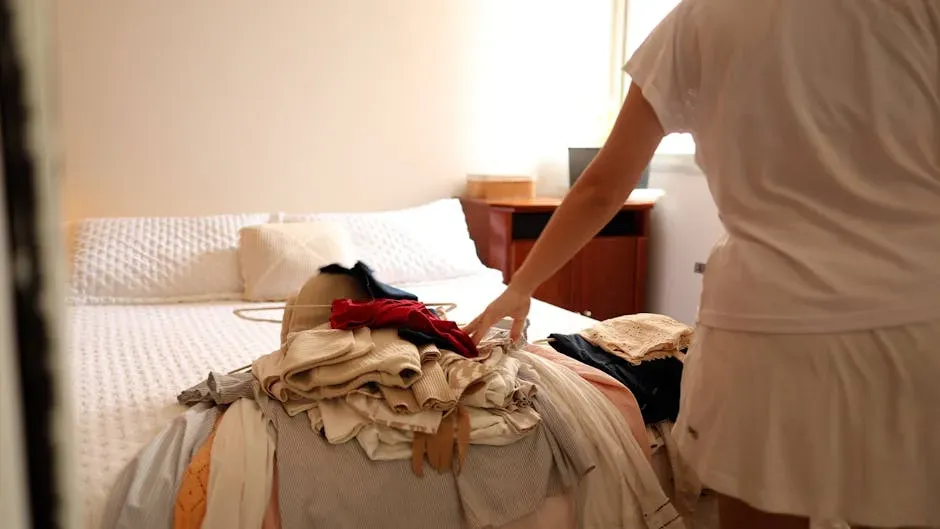
One too many items on a bedside table or chest of drawers can tip a bedroom from stylish to messy. Try to keep surfaces clear, with just a few well-chosen pieces on show. Use trays, lidded boxes, or inside drawers to store everyday items out of sight.
The most crucial rule that interior designers follow in small rooms is to reduce clutter. You may think that a large bed with lots of pillows and cushions will make your room feel more cozy, but these decorative pillows will also make your space feel much more cluttered, cramped, and small. A general rule of thumb is to stick to functional furniture and décor items in a small bedroom.
Use One Large Rug Instead of Several Small Ones
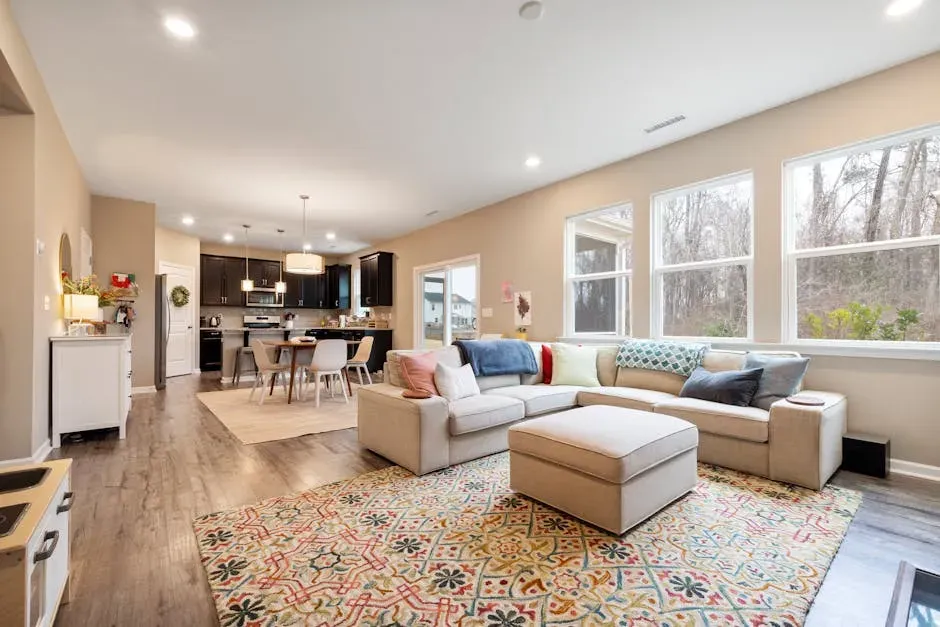
Multiple small rugs make floors look fragmented. A single, appropriately sized rug unifies the space and signals that there’s room to breathe. Instead of placing an area rug in the middle of the room, tuck it under some furniture. Placing a rug halfway under the bed with the other half sticking out will make the room feel large and elongated, tricking your eyes into believing there is actually much more space.
Strategically placing an area rug in a small bedroom can make all the difference. Try having one start halfway from the bed frame, allowing it to visually elongate the floor. The color of the rug matters too. Sticking to the room’s light, neutral palette keeps everything cohesive rather than visually choppy.
Layer Your Lighting to Eliminate Shadows
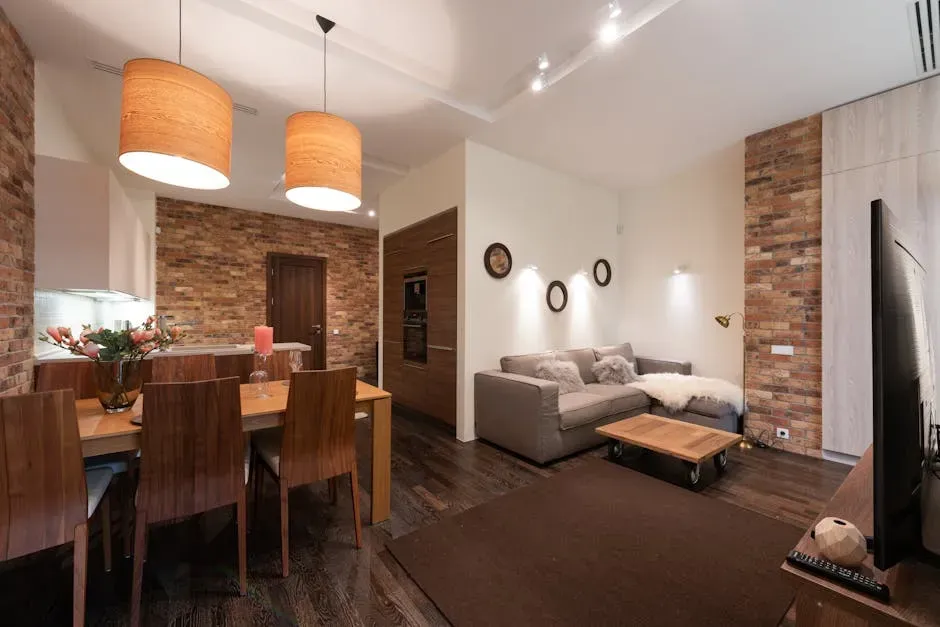
Incorporating multiple light sources can help eliminate shadows and create a larger feel in small spaces. Good lighting erases shadows that make rooms shrink. Incorporate multiple light sources like wall sconces or floor lamps to layer lighting throughout your bedroom. Upward-facing lamps can bounce light off the ceiling, further enhancing a feeling of airiness.
If you’re working with a very small bedroom, one way to save space is by nixing traditional bedside lamps. Instead, install matching sconces or smaller hanging pendant lights. You may find this eliminates the need for bedside tables altogether. Freeing those surfaces makes the room feel noticeably less crowded at eye level.
Place the Bed Thoughtfully Against the Right Wall
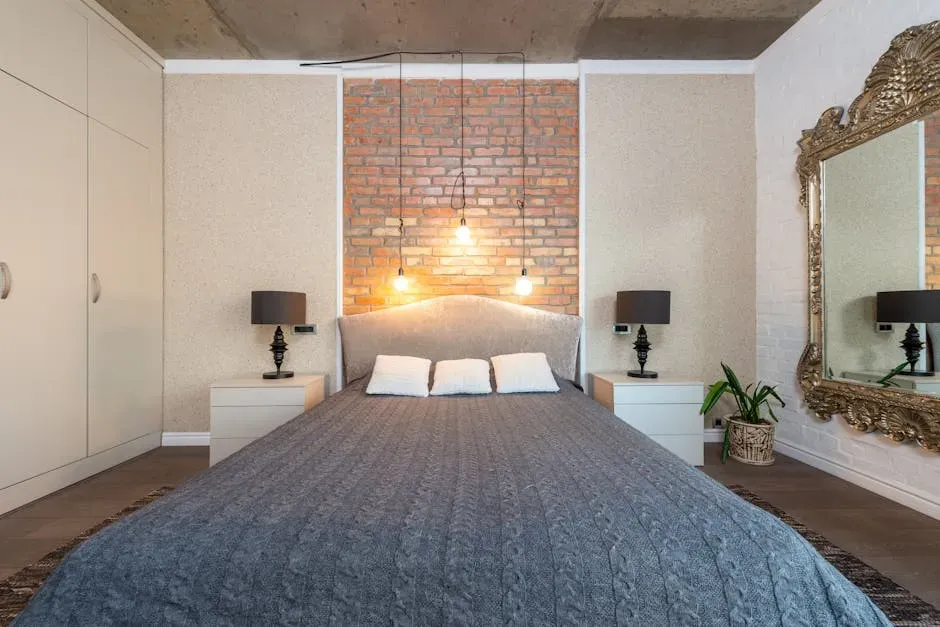
The best place to put furniture depends on the room’s size and shape, but a few universal principles apply. The bed should usually go against the longest uninterrupted wall. In square rooms, centering it can create a clean, symmetrical look. In tight spaces, corner placement can open up more usable floor area.
Once the bed is in place, aim for about 60 to 75 centimeters of walking space around it. This keeps the room from feeling congested. Avoid blocking windows or doors with large furniture as it can disrupt light flow and movement. Even a narrow path to the window makes a room feel more intentional and far more livable than a cramped obstacle course.
Small bedrooms reward careful thinking more than large ones ever need to. When every choice serves a purpose, the room stops feeling tight and starts feeling considered. That shift in perception, from constrained to curated, is really the whole point.