
Walk past two nearly identical gardens and you can usually tell within seconds which one gets regular attention. It’s rarely about expensive plants or clever landscaping tricks. Most of the time, the difference comes down to one small, repeated action that homeowners either do consistently or skip entirely.
That habit is edging. Defining the boundaries between lawn, beds, paths, and hardscaping does more visual work than almost anything else you can do outside, and it takes far less time than people assume.
Why Edges Matter More Than Plants
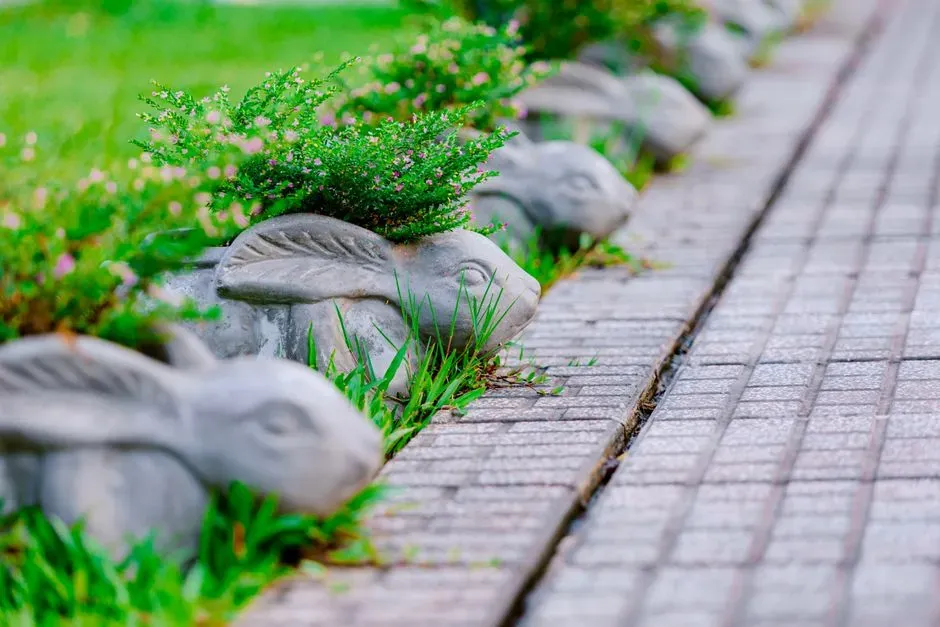
The human eye reads order through boundaries before it notices individual details. A lawn with crisp, defined edges against a flower bed looks intentional even if the plants inside are a bit wild or overgrown. Without that boundary, the same bed can look neglected, even if the plants themselves are healthy and thriving.
This is a well documented principle in landscape design, where contrast and containment signal maintenance to the viewer. Sharp lines act as a visual frame, similar to how a picture frame changes how art is perceived. Skip the frame, and even a good photo looks unfinished.
The Low Effort, High Impact Ratio
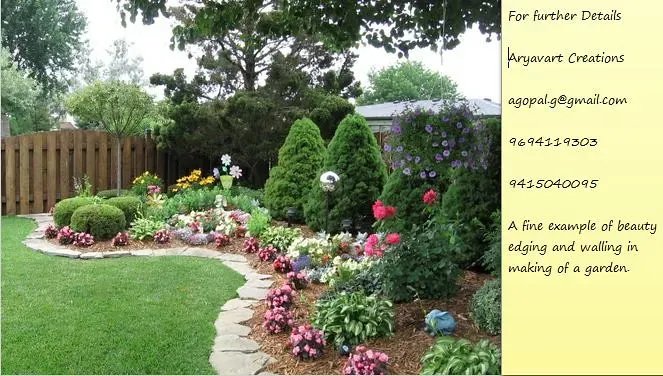
Edging a garden bed or lawn perimeter typically takes a fraction of the time spent on mowing or weeding, yet it delivers a disproportionate amount of visual payoff. A manual edging tool or a string trimmer with an edging attachment can clean up several dozen feet of border in under fifteen minutes for most residential yards. Compare that to hours spent pruning shrubs or deadheading flowers, tasks that matter but often go unnoticed by anyone walking past.
This ratio explains why professional landscaping crews prioritize edges even on tight schedules. Commercial maintenance routes are often built around fast, repeatable edging passes precisely because clients associate crisp lines with a job well done. The task is mechanical and quick, but the perception it creates is disproportionately strong.
Lawn Edges Versus Bed Edges
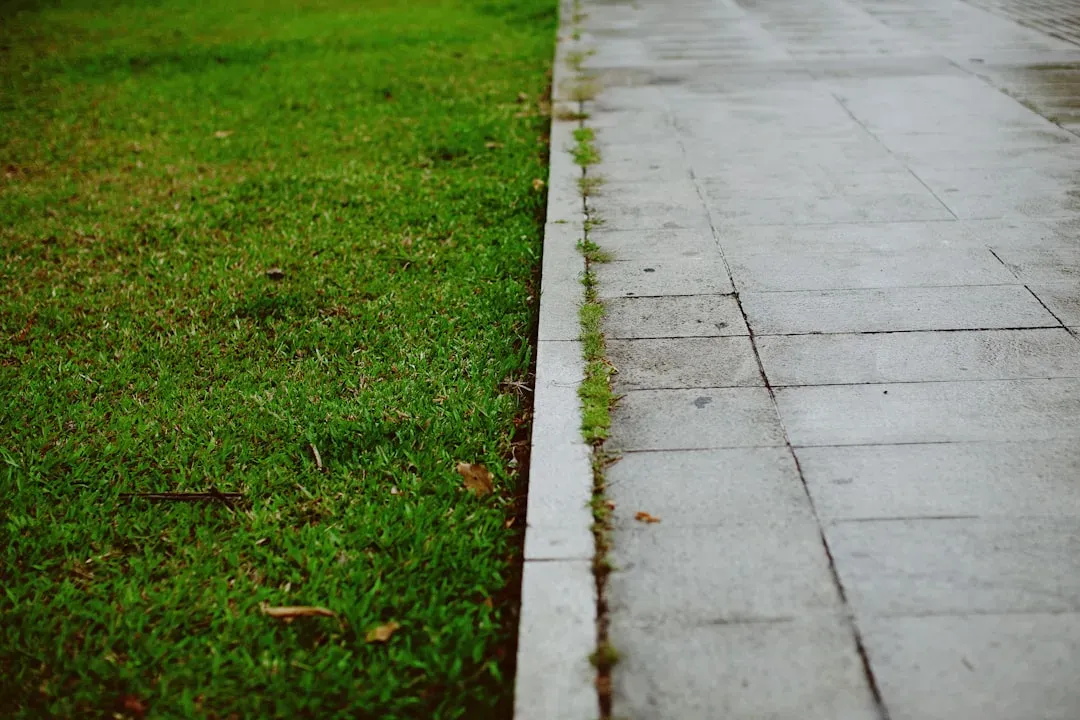
Not all edges serve the same purpose, and the outdoor space benefits from treating them differently. Lawn edges, the line where turf meets a sidewalk, driveway, or fence, are typically trimmed vertically to prevent grass from creeping over hard surfaces. Bed edges, where lawn meets soil or mulch, usually need a defined trench or physical border to stop grass roots from invading planting areas.
Mixing up these two jobs is a common mistake. Homeowners sometimes trim the lawn edge but ignore the bed edge, leaving grass to slowly creep into flower beds over a season. Addressing both separately, even briefly, keeps the whole yard looking considered rather than half finished.
The Tools That Make It Effortless
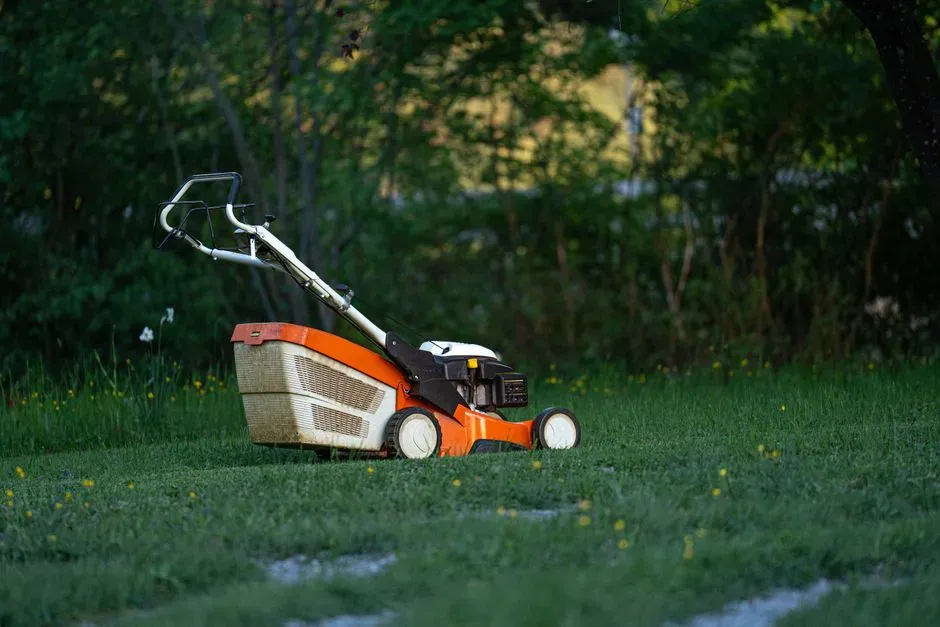
Modern edging tools have made this habit far less labor intensive than it was a generation ago. Half moon edgers, manual tools with a curved blade, are ideal for creating a clean initial trench between lawn and bed. For ongoing maintenance, a string trimmer tilted vertically or a dedicated edging attachment keeps lines sharp without much physical effort.
Battery powered edgers have also become increasingly common in recent years, offering quieter operation and easier startup than gas models. These cordless options are particularly popular in suburban neighborhoods with noise ordinances or smaller yards where a full gas edger feels like overkill. The barrier to maintaining this habit has genuinely dropped as tool design has improved.
Physical Borders Reduce Long Term Work
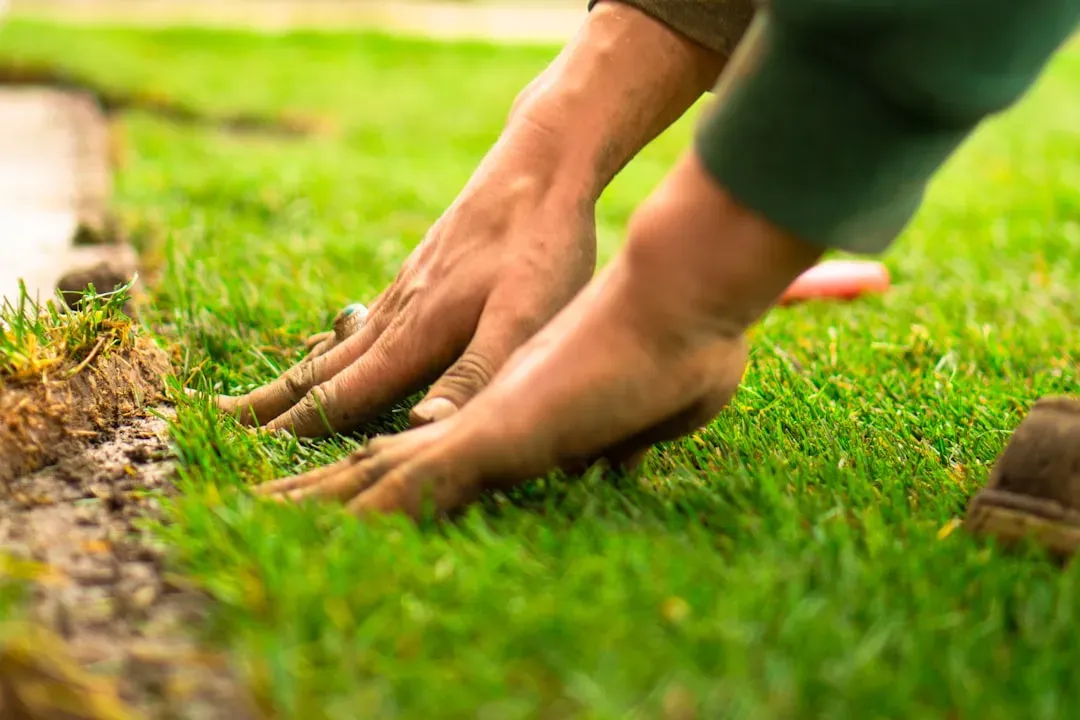
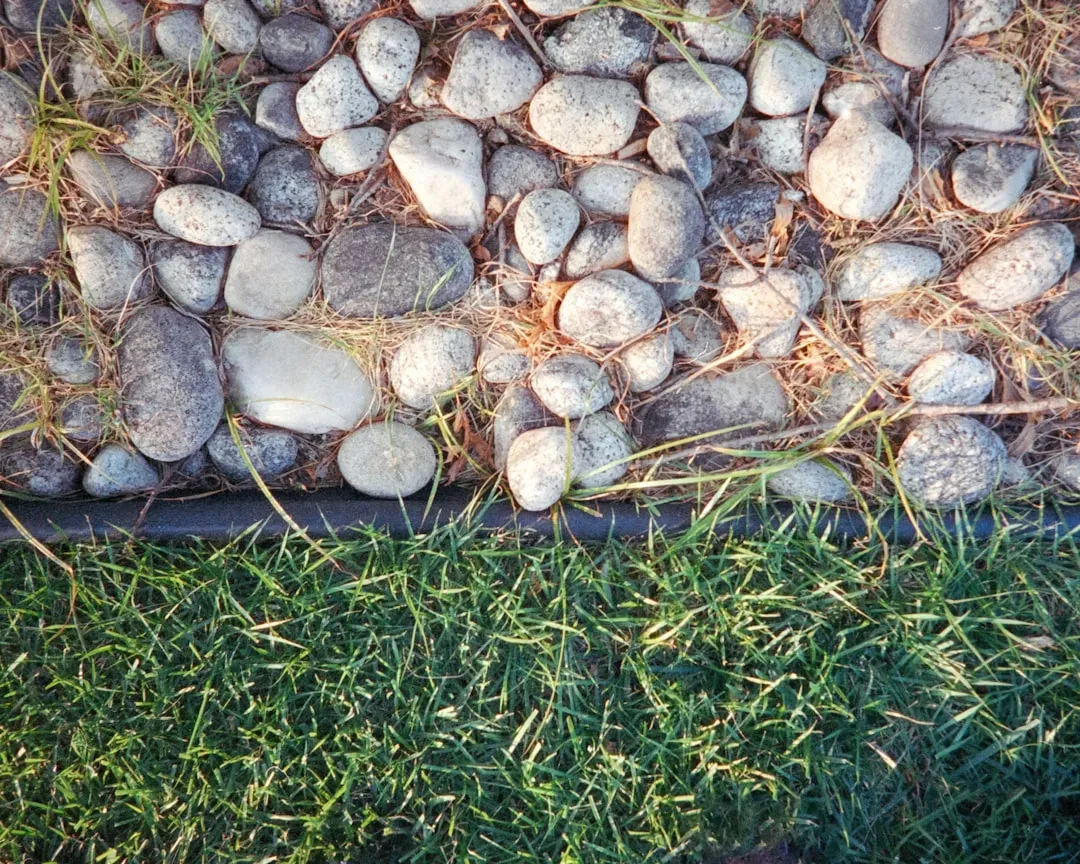
While manual edging keeps lines fresh, installing a physical border, plastic, metal, stone, or brick, reduces how often that manual work needs repeating. A defined border acts as a root barrier, slowing grass encroachment into beds and keeping mulch contained during heavy rain. This is especially useful for anyone who wants sharp definition without weekly maintenance.
Metal and steel edging in particular has grown in popularity because it holds a clean, nearly invisible line compared to bulkier plastic versions. It also tends to last longer outdoors, resisting the frost heave and soil shifting that can dislodge lighter materials over a few seasons. The upfront installation takes an afternoon, but it meaningfully cuts down on future upkeep.
Mulch Lines and the Illusion of Fresh Care
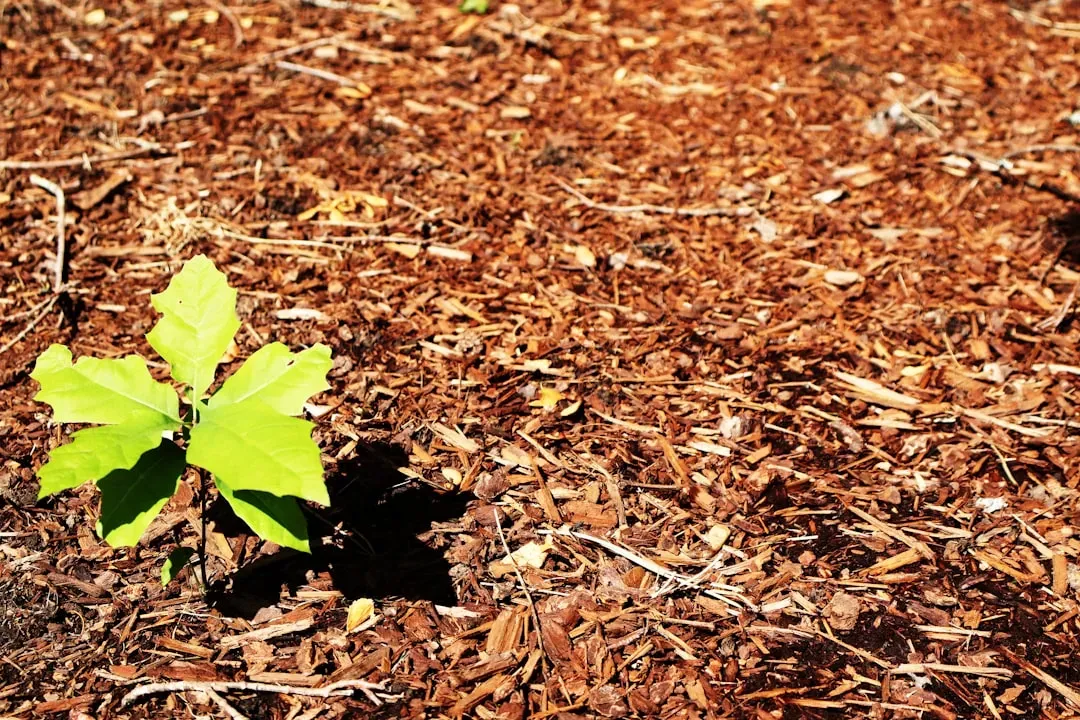
A freshly edged bed paired with a clean mulch line creates one of the strongest “just maintained” signals in residential landscaping. Mulch itself helps retain soil moisture and suppress weeds, but its visual role is just as important as its functional one. A crisp mulch edge against grass reads as recent effort even weeks after it was actually applied.
This is partly why many landscaping companies bundle mulching and edging into a single spring service call. The combination refreshes the entire look of a property’s beds without requiring new plants or hardscaping changes. It is one of the most cost effective seasonal upgrades available to homeowners.
Pathways and Driveways Benefit Too
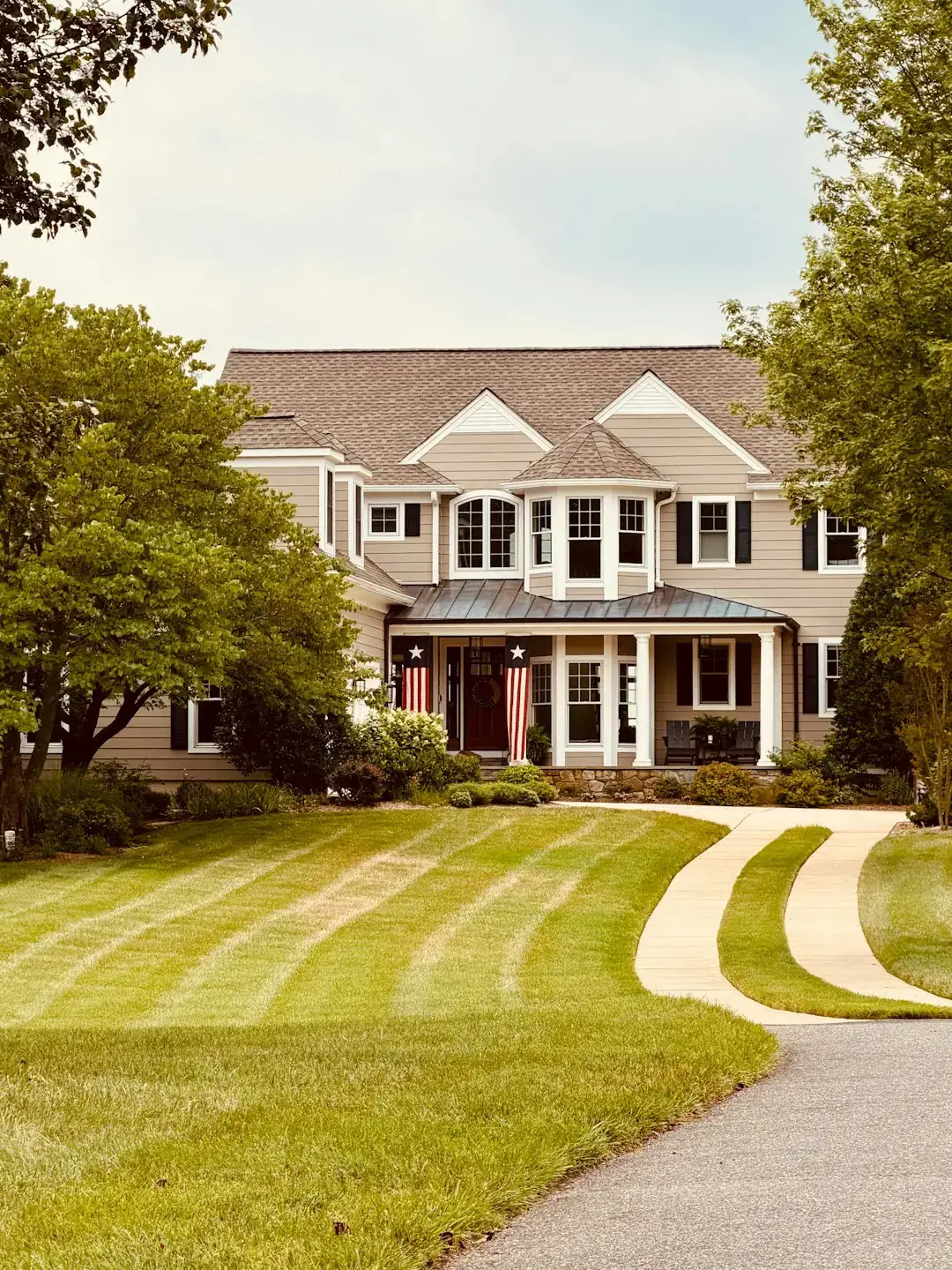
Edging isn’t limited to lawns and beds. Where a lawn meets a paved path or driveway, overgrown grass can make even a recently pressure washed surface look untidy. A clean vertical trim along these hard edges restores the sense of a maintained boundary almost instantly.
This particular type of edging also has a practical benefit beyond appearance. Grass and weeds that creep into pavement joints can, over time, contribute to cracking as roots expand within small gaps. Regular edging along paths and driveways therefore protects the surface itself, not just the visual line.
Seasonal Timing Changes the Payoff
Edging delivers different value depending on the time of year. In spring, when grass growth accelerates rapidly, edges can blur within a week or two without attention, making early season edging especially high impact. In late summer or early fall, growth slows, so a single thorough edging job can hold its clean line for considerably longer.
Gardeners in regions with distinct growing seasons often treat the first edging pass of spring as a kind of reset, re establishing lines that softened over winter. This seasonal rhythm means the habit doesn’t need to be constant to be effective. Strategic timing, rather than nonstop maintenance, is often the more realistic approach for busy households.
A Habit That Scales From Small Yards to Large Properties
One of the more useful aspects of edging as a habit is that it scales with almost no added complexity. A small urban front yard might need only ten minutes of trimming along a short path and a compact flower bed. A larger suburban property with multiple beds, a driveway, and a fence line simply requires repeating the same basic technique across more linear feet.
This scalability is part of why the habit shows up consistently across very different types of properties, from modest starter homes to larger estate style landscapes. The tools and technique stay largely the same. Only the time commitment changes, and even that remains modest compared to other yard tasks.
Consistency Beats Intensity
Perhaps the most important part of this habit is that consistency matters more than any single intensive session. A yard edged once meticulously and then ignored for months will drift back toward looking untended fairly quickly. A yard edged briefly but regularly, even every couple of weeks during peak growing season, maintains that cared for appearance far more reliably.
This mirrors a broader pattern seen in home maintenance generally, where small recurring actions tend to outperform occasional large efforts in terms of perceived upkeep. Edging fits neatly into that category because it’s fast enough to slot into a regular routine without feeling like a chore. Over time, the habit becomes less about effort and more about simply noticing when a line has softened and needs a quick pass.