
The Biology Behind Evening Light

Light does more than let us see. It talks directly to the body’s internal clock, and the conversation changes depending on color temperature. Exposure to blue-enriched cool light in the evening can suppress melatonin production, making it harder to fall asleep, while warmer light during evening hours helps signal the brain to wind down.
This isn’t just a marketing talking point from lighting companies. Harvard researchers have shown that people exposed to warm light in the evening fell asleep 19 minutes faster than those under cool light. Nineteen minutes doesn’t sound dramatic on paper, but stretched across a year of evenings, it adds up to real, measurable hours of easier rest.
What Color Temperature Actually Does to a Room
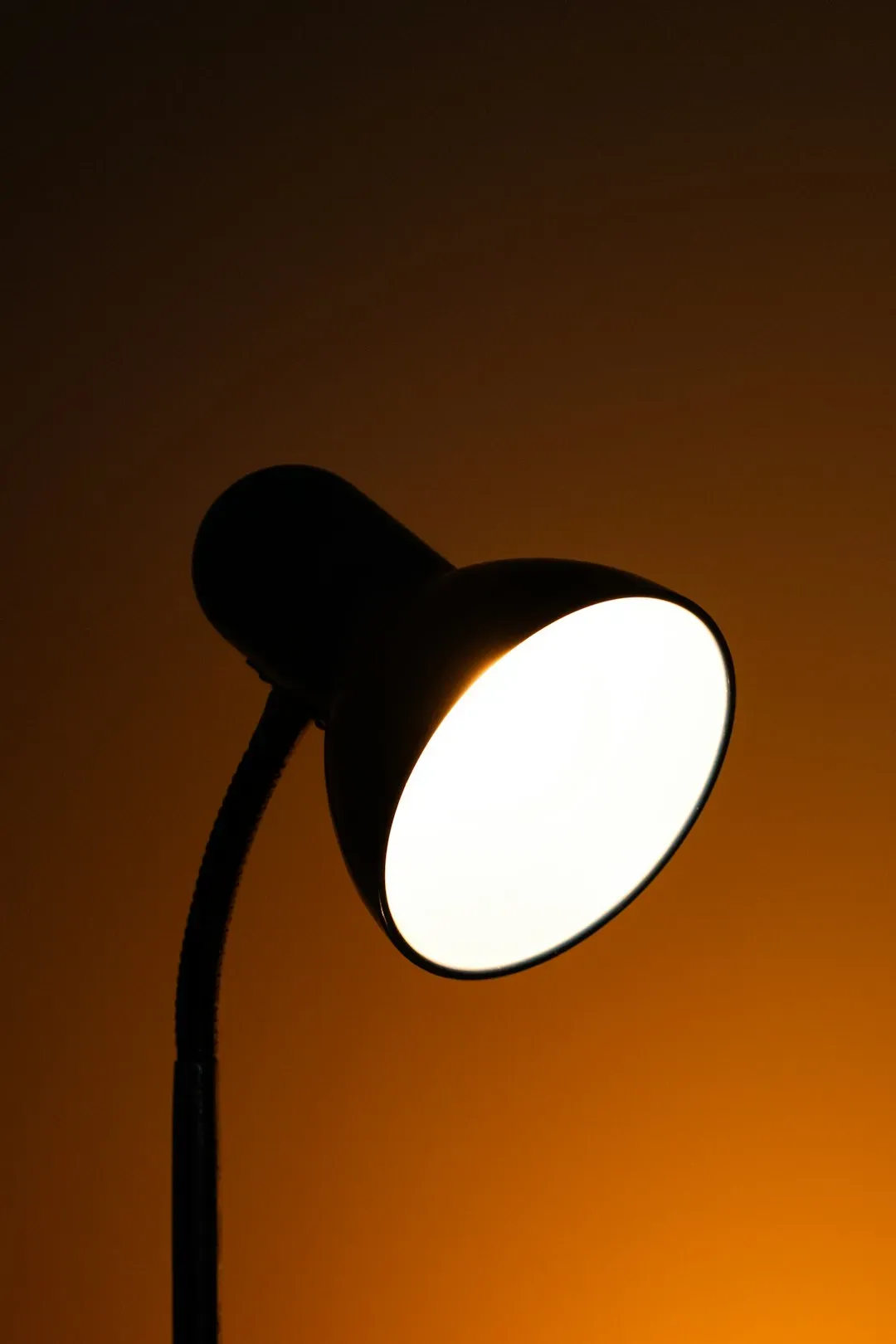
Color temperature is measured in Kelvin, and the number tells you almost everything about how a bulb will make a space feel. Correlated color temperature refers to the color wavelength of the light a bulb puts out, measured in Kelvin and ranging between 1000 to 10000K, and the lower the number, the warmer the light, while anything between 2700 to 3500K resembles the daylight hours when the sun is rising and setting.
The practical upshot is that a bulb closer to 2700K reads as candlelight, while anything above 4000K starts to feel closer to an office or a hospital. Warmer light gives off a softer, slightly yellow glow that makes paint colors and materials look calmer and less intense, while cooler light appears brighter and whiter, making edges, textures, and details stand out more clearly. That’s precisely why a living room lit at noon can look completely different at 9 p.m. under the same fixture with the wrong bulb.
Layered Lighting Beats a Single Overhead Fixture
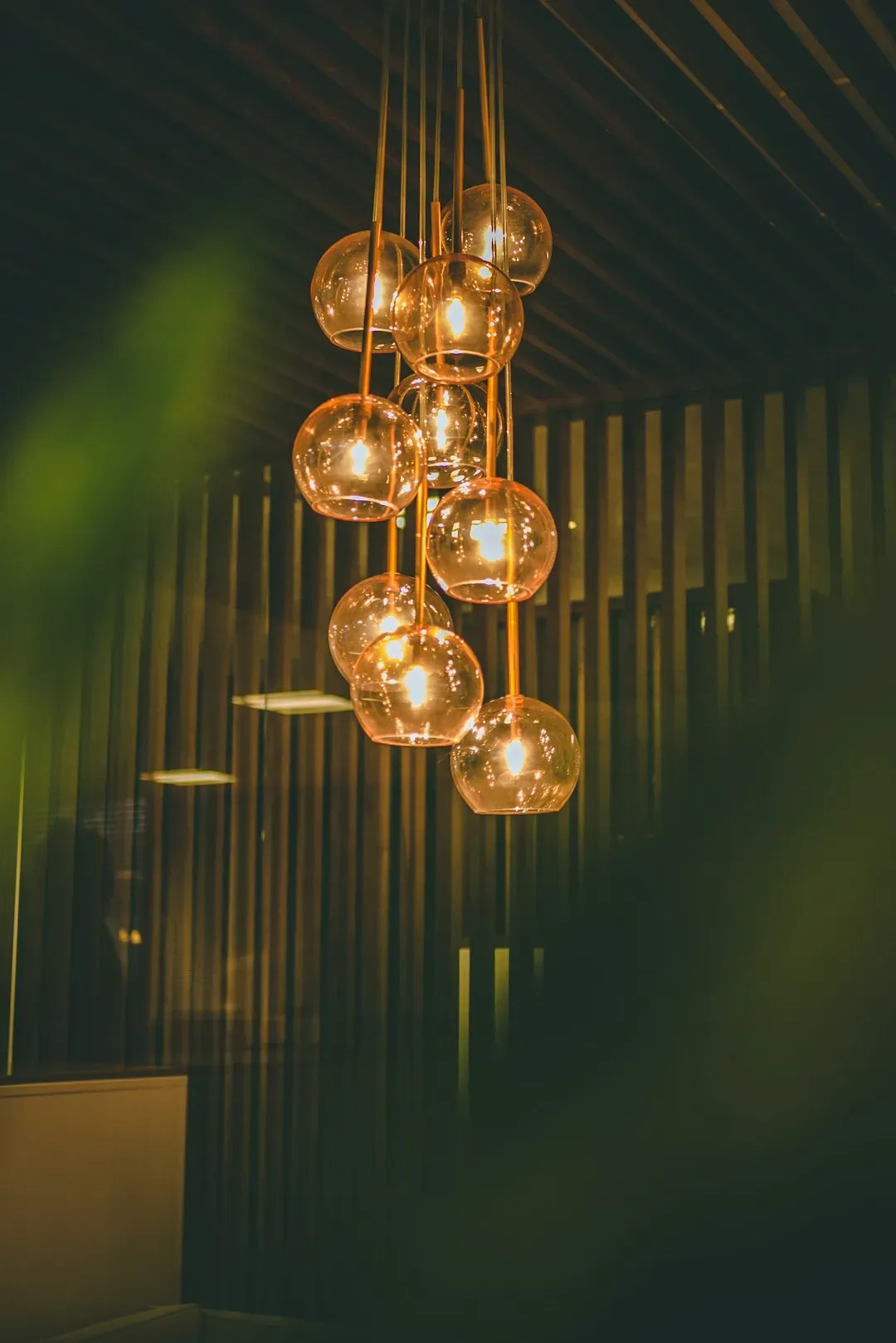
One of the most consistent notes from lighting designers heading into 2026 is that a single ceiling light almost never does a room justice. Lighting setups that rely on a single harsh ceiling fixture are starting to feel outdated, because when all the light comes from a single source, it can make a room seem flat or overly intense.
The alternative is layering three types of light together, ambient, task, and accent, so a room can shift moods without a full redesign. Design tips for this approach include using at least three types of lighting in every room, choosing one statement fixture that anchors the space, adding wall sconces or small lamps for softer ambient light, using warm temperatures around 2700K, and mixing materials such as glass, stone, and metal to add depth. Once that layering exists, dimming or turning off just the overhead light in the evening does most of the work automatically.
Why the Bedroom Deserves Extra Attention
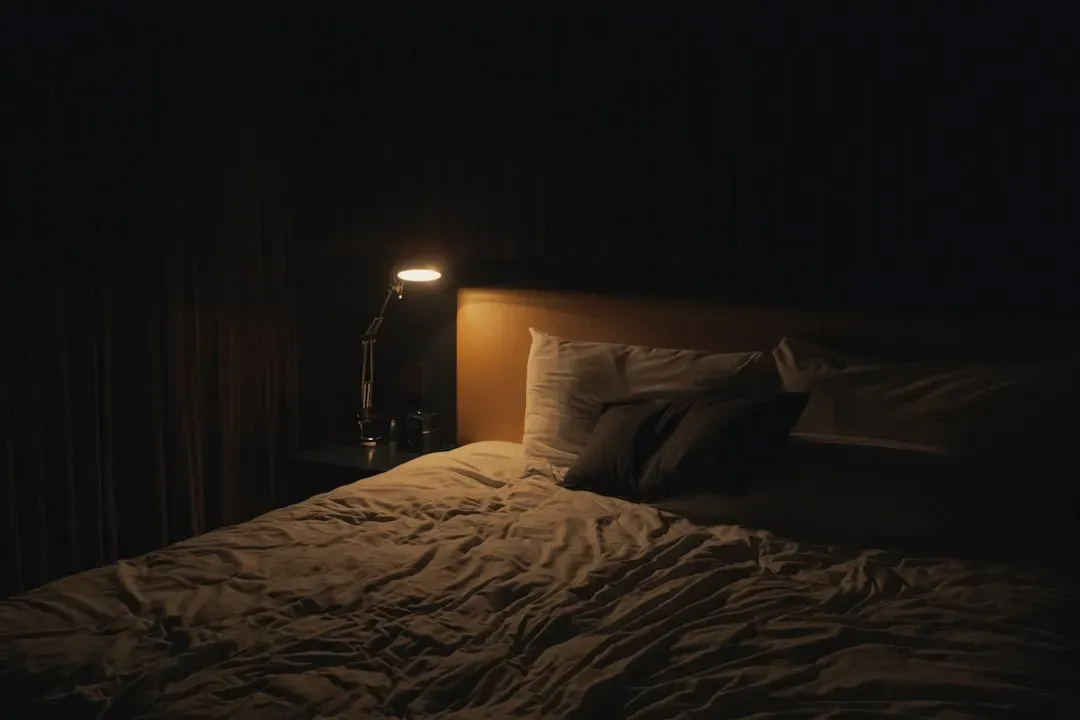
Of every room in a house, the bedroom is where lighting choices carry the most weight, simply because it’s tied so directly to sleep. Warm color temperatures between 2700 and 3000K, layered lighting approaches, and effective light-blocking solutions create ideal sleep conditions together.
Design guidance for 2026 leans the same direction, favoring softness over brightness once the sun sets. Bedroom lighting is shifting toward softer tones that support rest in the evening instead of keeping the room too bright, with a few softer light sources like table lamps and wall lights around the room paired with warmer bulbs that give off a softer glow at night. A bedroom that stays evenly bright until the moment the light switches off tends to make winding down feel abrupt rather than gradual.
Living Rooms and Dining Areas After Dark
Shared spaces face a different challenge than bedrooms, since they need to support conversation, television, reading, and the occasional dinner party all in the same square footage. In dining rooms and living areas, lighting is focused on creating comfort without making the interior too bright, since these are rooms where people gather and spend time, so the light needs to adjust with the moment.
Dimmers make an enormous difference here, letting the same fixture serve a bright family gathering and a quiet Tuesday night. A chandelier paired with dimmable wall lights allows a dining room to work just as well for a weeknight dinner as it does for a holiday gathering. That flexibility, more than any single bulb choice, is what separates a room that feels alive from one that feels merely functional.
Kitchens Still Need Function, Just Softer Around the Edges
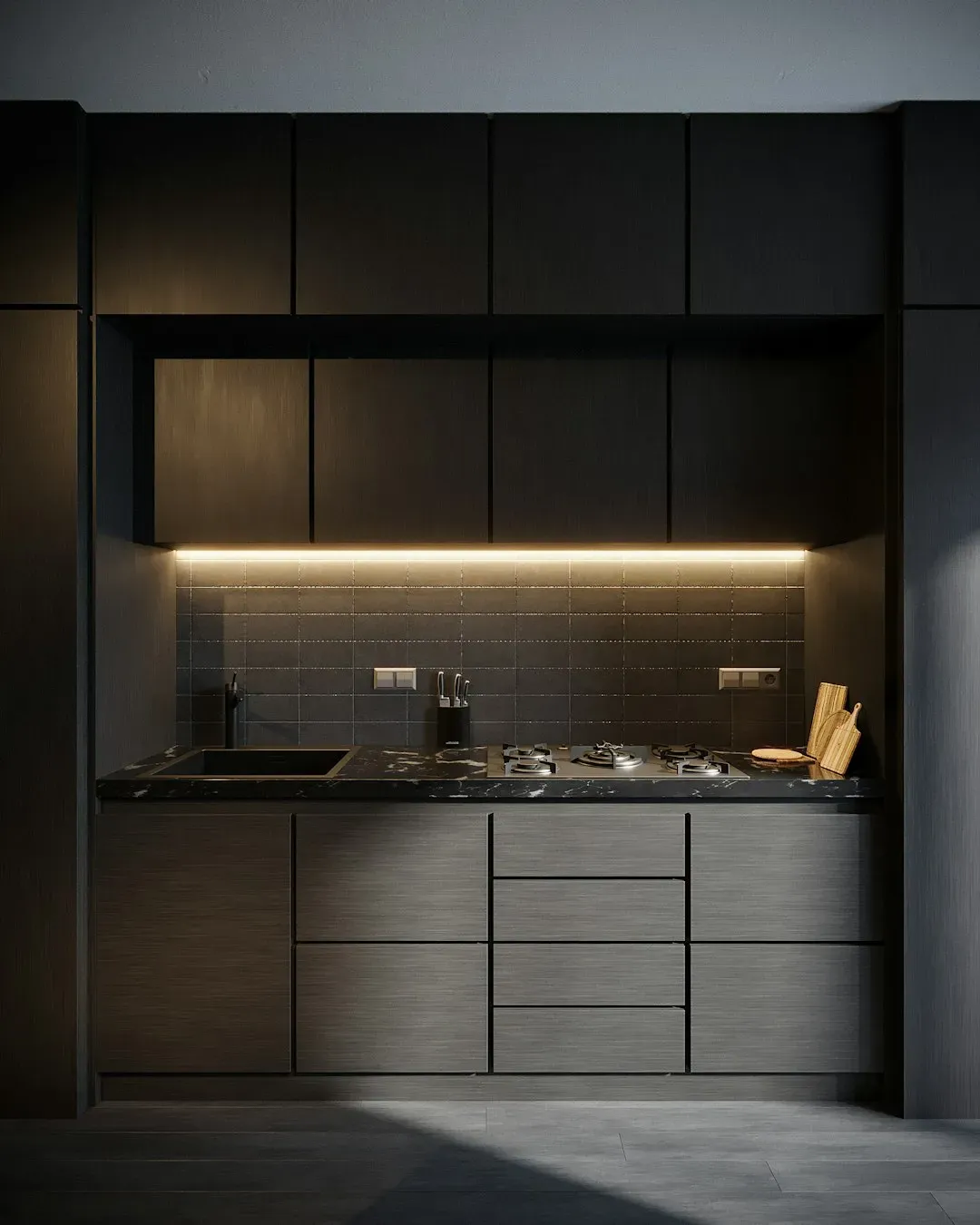
Kitchens are trickier because they genuinely require bright, even light for chopping vegetables or reading a recipe, right up until the cooking is done. The trend now is to keep that bright task lighting available but stop relying on it as the only light source once the meal is over. Toe-kick lighting in a kitchen, a soft wall wash behind artwork, or subtle ceiling cove lighting can make a room feel finished without feeling flashy.
Under-cabinet strips, pendant lights over an island, and a single warm lamp on the counter give a kitchen an evening identity separate from its daytime one. Intentional combinations like pendants over an island or under-cabinet lighting in a kitchen replace the old habit of relying on a single overhead fixture and calling it done. The result is a kitchen that can quietly downshift from workspace to gathering spot without anyone flipping a dozen switches.
Smart Bulbs Are Making the Transition Effortless
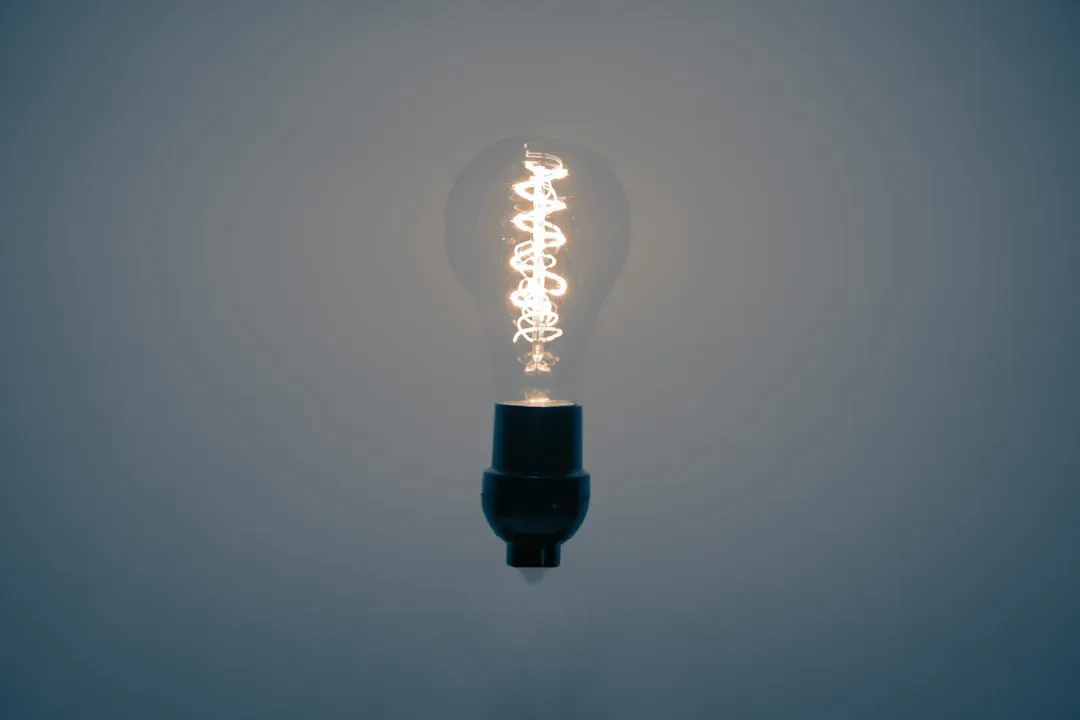
Manually swapping bulbs by season used to be the only way to chase warmer evening light, but tunable smart lighting has removed most of that friction. Smart lighting systems let homeowners match natural light patterns rather than fight against biology, with programmed light transitions that can copy sunset and sunrise patterns.
Manufacturers have leaned hard into this in their 2026 product lines. Tunable white technology now allows users to adjust both brightness and color temperature throughout the day, letting light shift from warm and calming in the evening to brighter, more energizing tones during the day. Even homeowners who never touch an app benefit, since many of these newer fixtures now default to a comfortable warm setting straight out of the box.
Materials Are Softening the Light Itself

Bulbs and Kelvin ratings only tell part of the story. What the light passes through on its way into a room, the shade, the diffuser, the fixture material, changes its character just as much as the bulb inside it. Alabaster, a natural stone known for its translucent properties, softly filters light and creates a warm, elegant glow, with each piece having unique natural veining so every fixture is slightly different.
Designers report that this softening effect is a deliberate reaction against the stark, all-white minimalism of the past decade. Homeowners increasingly want spaces that feel inviting and lived-in, not cold or sterile, which is pushing demand toward warmer light temperatures, earthy materials, and softer finishes. A paper or fabric shade, or a fixture made from wood or stone, does much of the diffusing work that once required careful bulb shopping.
The Mistakes That Undo a Cozy Evening
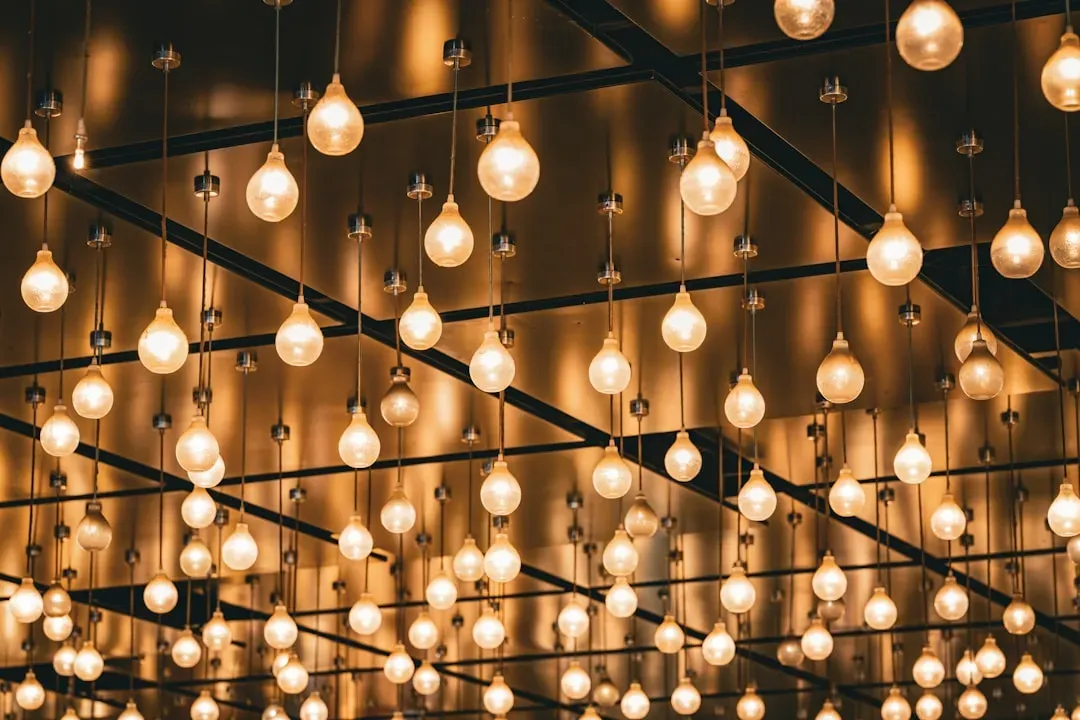
Even with the right intentions, a few habits quietly sabotage the effect. The most common one is simply mismatched bulbs, mixing a stray 5000K daylight bulb into a room otherwise lit at 2700K, which creates a jarring, clinical patch that draws the eye for the wrong reasons. Another is leaving the brightest ceiling light on as a default because it’s the easiest switch to reach near the door. Overcorrecting is possible too. Going too dim without any brighter task lighting nearby makes reading or cooking frustrating, which is why designers keep circling back to layering rather than one blanket dimness. Alertness naturally follows lower levels in the evening, so fighting that rhythm with harsh light works against the body rather than with it, but abandoning practical light entirely just trades one problem for another.
Simple Changes That Make the Biggest Difference

Nobody needs to rewire a house to feel this shift. Swapping the bulbs in a few key lamps to the 2700K to 3000K range, adding one small lamp to a room that currently relies on a single ceiling fixture, and putting a basic dimmer on the main light are three changes that cost very little and change a great deal.
The advice from lighting professionals heading into 2026 stays consistent on this point. Focusing on lumens to moderate brightness and Kelvin to modulate hue, with light bulbs in the 700 to 900 lumen range and a bulb temperature between 3000K and 1800K, creates a warm glow that complements the entire space. None of this requires a renovation. It just requires paying attention to what happens in a room after the sun goes down, and treating that hour differently than the one before it.