
Why a Small Flame Changes an Entire Evening
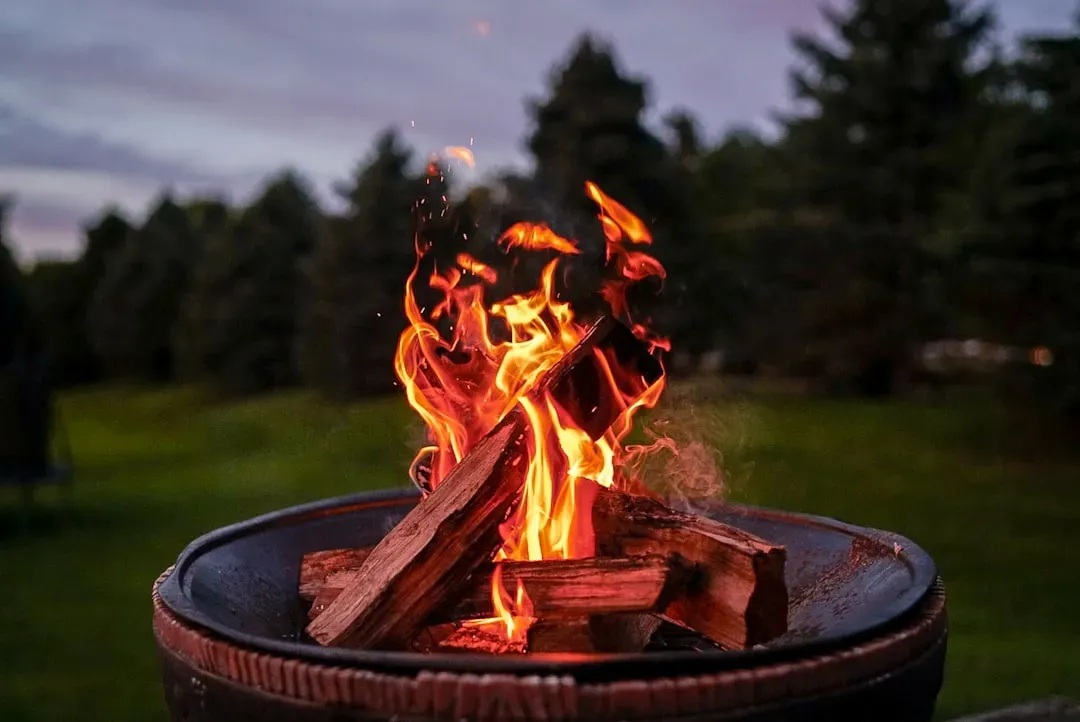
Warmth and light do more psychological work than most people give them credit for. Once the temperature drops even slightly, bodies start signaling that it’s time to move indoors, and a fire pit interrupts that signal by giving people a reason to stay put. Lounge areas are now a defining feature of outdoor spaces, included in the vast majority of redesigns in 2026, and nearly half of these lounge areas include a fireplace or fire pit.
That’s not a coincidence. A flame gives a group something to look at, gather around, and talk near, which naturally slows down the moment when someone suggests heading inside. It’s a small mechanical trick, really, but it works on almost everyone the same way a campfire always has.
Choosing the Right Fuel: Wood, Propane, or Natural Gas
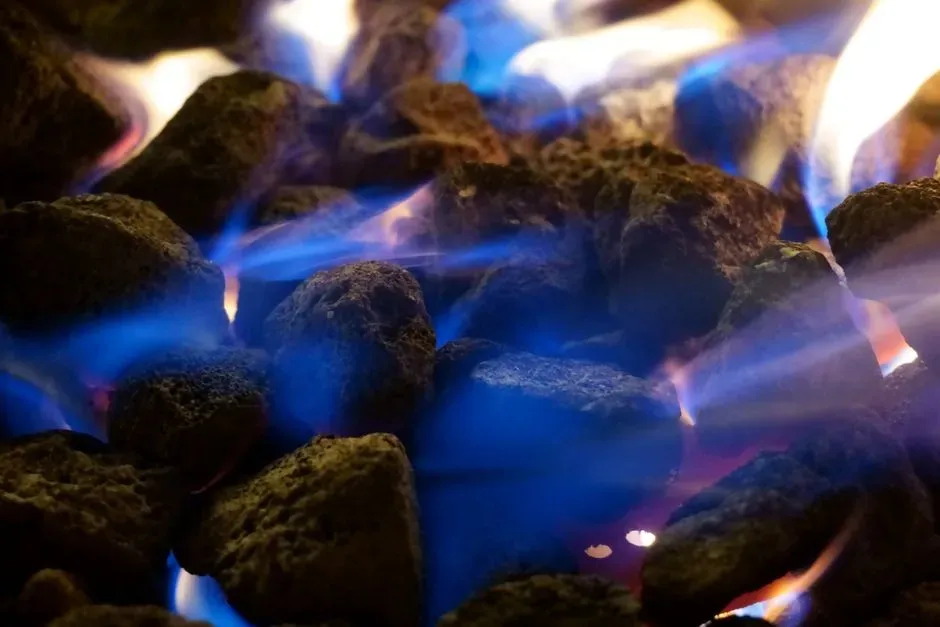
The fuel decision shapes everything else about the addition, from cost to convenience to how often it actually gets used. Wood delivers the classic crackle and scent that many people associate with backyard evenings, but it also means smoke, ash, and a bit more upkeep. Natural gas and propane fire features have grown in popularity partly because they light instantly and burn clean, without the smoke that can chase guests to the other side of the yard.
Natural gas fire pits are extremely efficient, burning dramatically more efficiently than wood. Propane offers similar convenience without requiring a fixed gas line, which makes it a practical middle ground for smaller gardens. Propane and natural gas fuels are both expanding steadily in the market, largely because they eliminate smoke entirely while meeting stricter air quality standards.
Fire Pit or Fire Table: What Fits a Small Space
Not every backyard has room for a large, freestanding fire pit surrounded by chairs, and that’s where fire tables come in. These compact, flat topped units double as a surface for drinks or plates while still producing real flame and warmth. Tabletop configurations are currently the fastest expanding shape category in the fire feature market, driven largely by compact urban spaces and multifunctional demands.
For a small garden, a fire table often makes more sense than a full pit because it takes up less physical footprint while still anchoring the space. It also tends to fit more naturally next to existing patio furniture rather than requiring its own dedicated seating arrangement. The tradeoff is usually a smaller flame and less raw heat output, which matters less in summer than it would on a cold autumn night.
What It Actually Costs to Add One in 2026
Budget is often the first question, and the honest answer is that fire pits span a wide price range depending on materials and installation choices. The national average cost to install a fire pit is right at $830, and most spend between $300 and $2,200 for the project. A basic above ground model can cost far less, while a custom built in feature with stone veneer and a gas line runs considerably higher.
You can easily find an above-ground fire pit for under $200 if you’re willing to sacrifice some of the bells and whistles. On the other end, building a new patio with a built-in fire pit averages around $6,750 once seating, lighting, and surfacing are factored in. Most homeowners land somewhere in between, choosing a mid range model that balances durability with a reasonable price.
Placement and Safety Considerations

Where the addition goes in the garden matters just as much as which one you buy. Fire features need clearance from fences, overhanging branches, and anything flammable, and most manufacturers recommend a set distance from the house itself. Fire pit covers and wind guards provide measurable longevity improvements, and the vast majority of homeowners now prioritize these safety accessories.
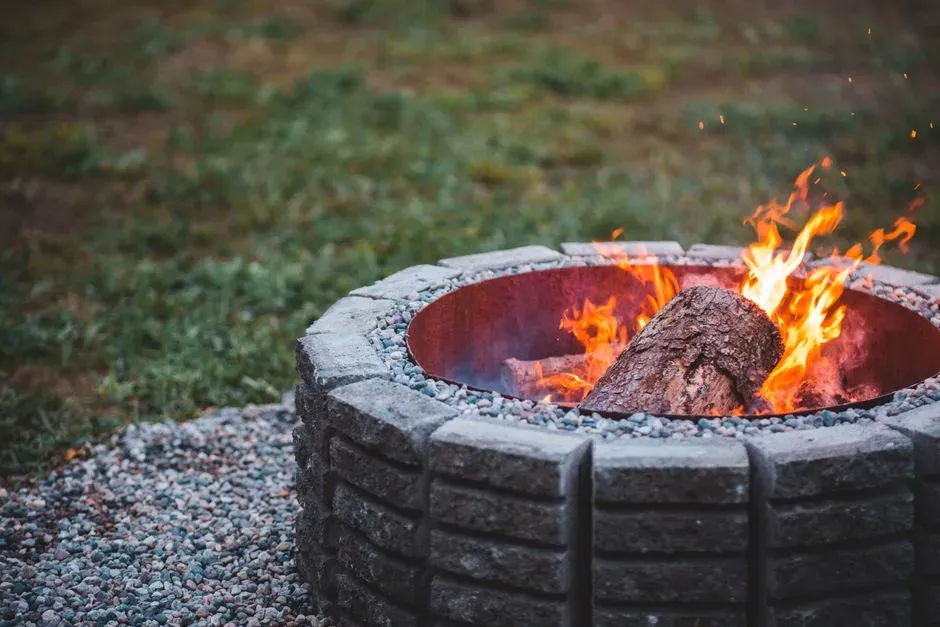
Spark screens are a simple, inexpensive way to reduce stray embers, especially useful in a smaller garden where seating sits close to the flame. It’s also worth checking whether the stones or bricks used in a build are rated for heat, since soft sedimentary stones contain air pockets that could explode when heated. A few minutes of planning here prevents the kind of accident that ends the evening early rather than extending it.
Seating and Layout That Keeps People Around Longer
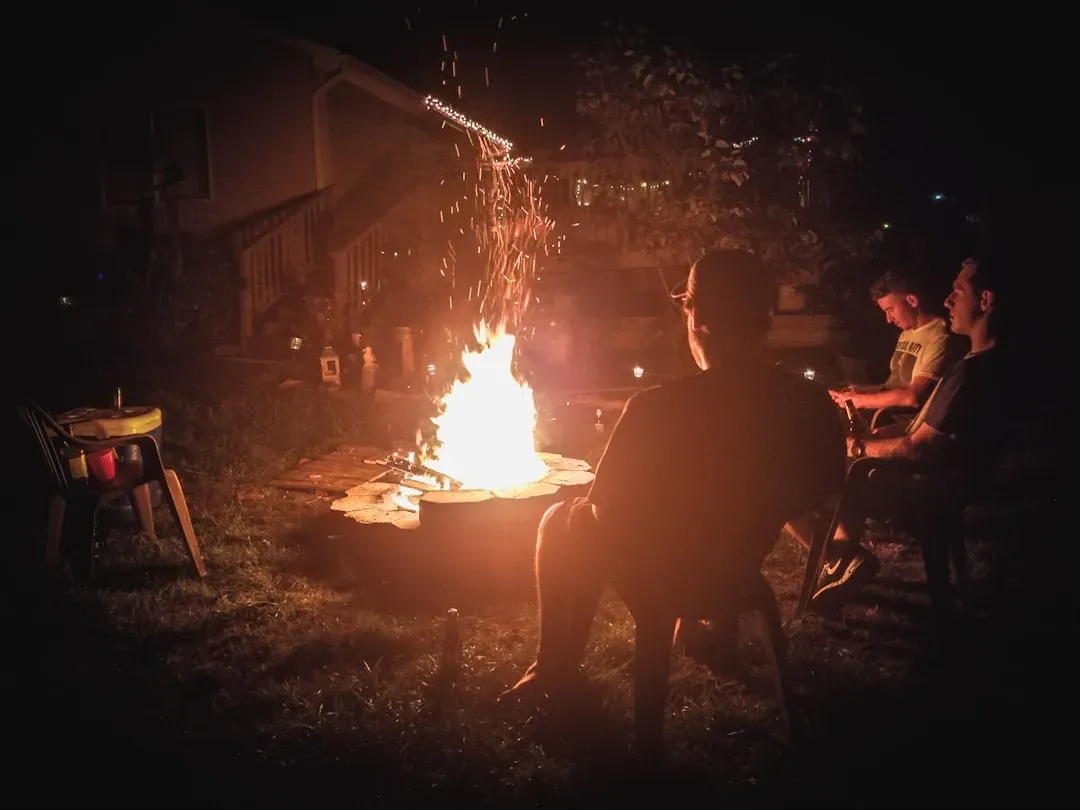
A fire feature on its own only does part of the job. What actually keeps people lingering is how the seating around it is arranged, and current backyard design has shifted noticeably in this direction. A fire pit sitting alone in the middle of a lawn is increasingly the exception, with the more common request pairing the fire feature with built-in seat walls, surrounding garden beds, and integrated lighting.
Seat walls solve a practical problem in tight gardens, since they remove the need for bulky furniture that has to be stored or covered. Seat walls do double duty by cutting down on the need for separate outdoor furniture while giving lighting and planting design something to wrap around. In a small yard, that kind of built in seating can make the whole space feel intentional rather than cramped.
Lighting: The Quiet Partner to Fire
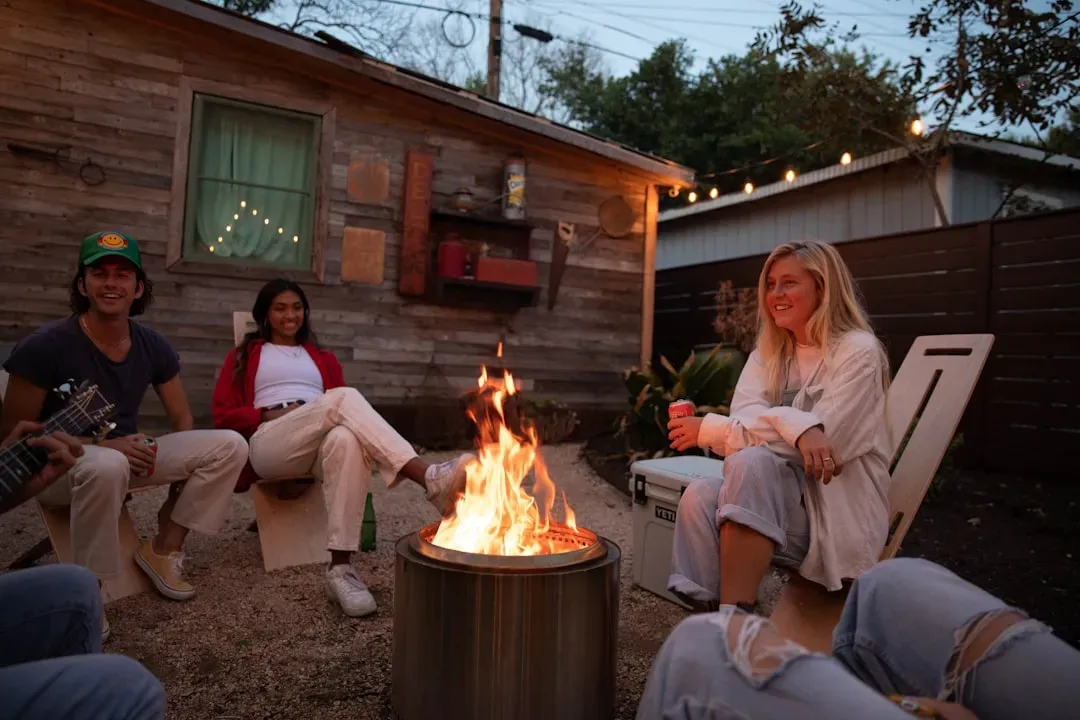
Fire alone rarely carries an entire evening once it gets fully dark, which is why lighting plays such a supporting role. Within lighting projects, landscape lighting is the most common choice, selected by the large majority of homeowners. Soft path lights or low uplighting near plants extend how usable a garden feels once the flame becomes the only other light source.
When combined with outdoor lighting, fire features create a balanced and inviting atmosphere. The pairing does not need to be elaborate. A few well placed fixtures near steps or seating areas, combined with the flicker of a fire pit, usually does more for the mood of the evening than a single bright overhead light ever could.
Checking Local Rules Before You Build

It’s easy to assume a fire pit is a simple purchase, but some regions have restrictions that are worth knowing about before spending any money. Drought conditions in parts of the country have led to open burn bans that specifically affect wood burning features. In one recent example, a statewide open burn ban was enacted due to drought conditions and elevated wildfire risk, prohibiting open burning of yard waste, campfires, and certain types of residential fire use.
Gas and propane fire features are typically unaffected by these seasonal bans, which is part of why they’ve grown in popularity in fire prone regions. Propane and natural gas fire features give homeowners full control year round, without burn bans, smoke violations, or permit complications. A quick call to a local fire department or building office before installation can save a lot of frustration later.
Keeping It Ready All Summer Long
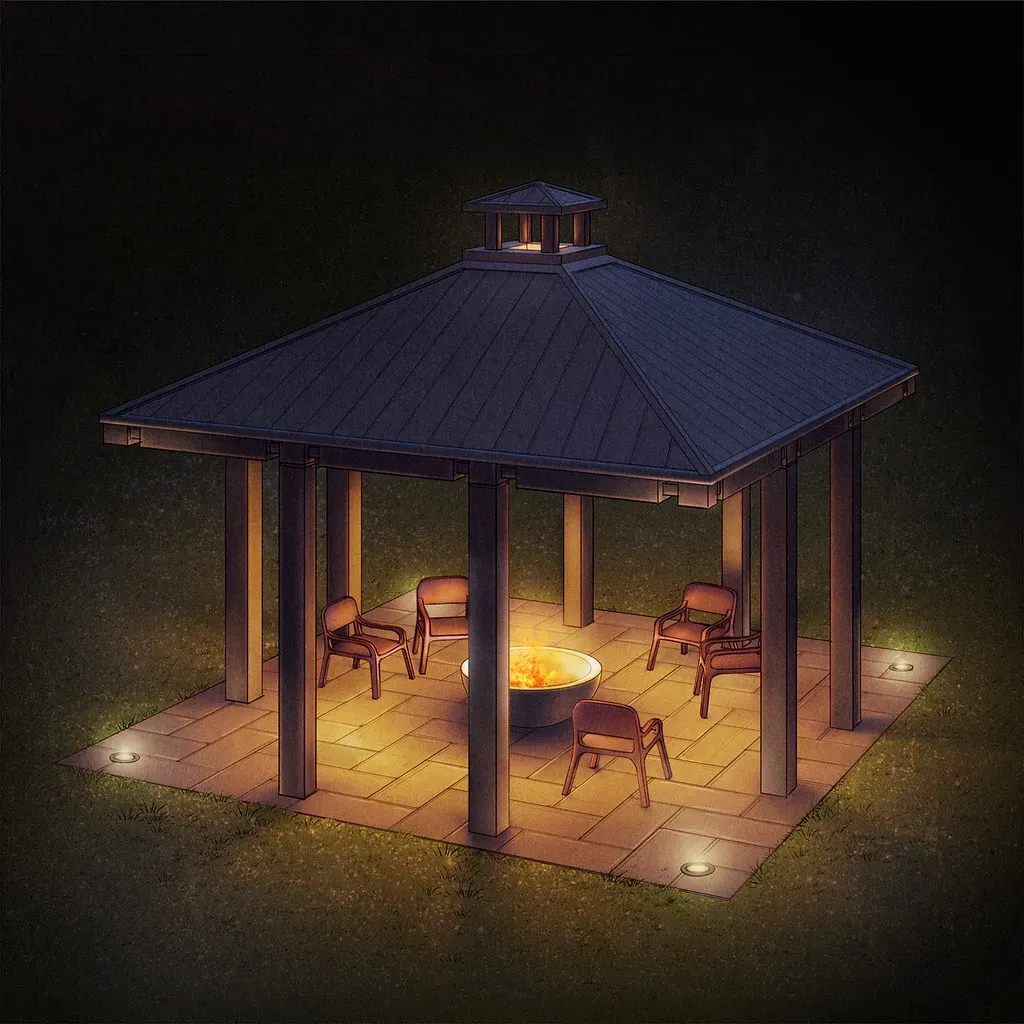
Like most outdoor equipment, a fire feature lasts longer with a small amount of routine care. Covering the fire pit while it’s not in use prolongs the unit’s life by protecting the igniter and other parts from moisture. Metal components in particular benefit from this, since steel burners with thin coatings rust easily, and untreated bricks crack in extreme temperatures.
One habit worth avoiding is dousing flames with water after every use, since extinguishing fires with water repeatedly damages the fire-pit surface over time. A simple lid or ash tool, along with an occasional wipe down, keeps most units looking and functioning well for years. It’s a minor routine, but it’s the difference between a feature that still looks good in its third summer and one that starts to look tired after its first.
What This Small Addition Returns Over Time
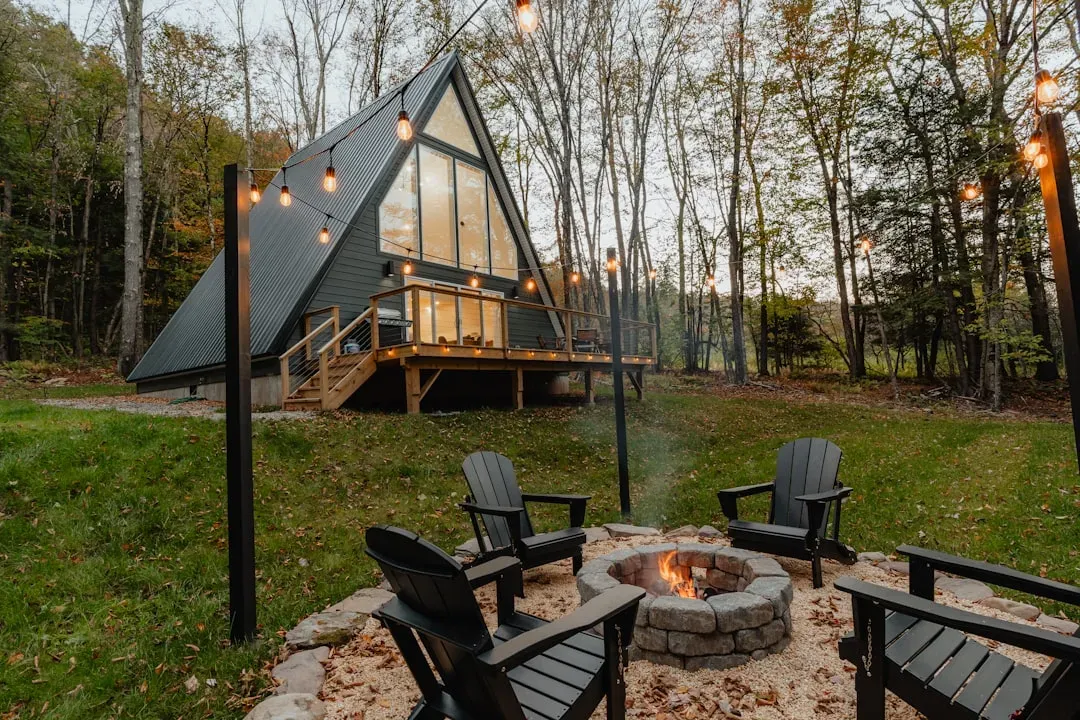
Beyond the evenings it extends, a fire feature tends to hold value in ways that go past pure enjoyment. Fire pit installations have an average return on investment of between 67 and 80 percent, making them a better investment than outdoor fireplace installations. That figure alone won’t justify the purchase for everyone, but it does suggest the addition is not simply a disposable summer purchase.
The bigger return is harder to measure but easier to notice once it happens. Gardens that once emptied out by early evening start holding people a little longer, whether that’s family finishing dinner outside or neighbors staying for one more conversation. A small flame, placed thoughtfully in a small space, ends up doing quiet, steady work all season long.