
Walk down almost any residential street and you will notice it immediately: some homes seem to reach out and welcome you, while others simply exist. The difference often comes down to a small strip of land in front of the house, no bigger than a parking space in many cases. A tended front garden does something a bare lawn or a slab of concrete never quite manages. It tells a quiet story about the people who live there.
There is nothing flashy required to achieve this effect. A few well-chosen plants, a clean edge, and a bit of regular attention go a long way. The following sections look at what actually makes a front garden feel inviting, from the practical choices behind the scenes to the small design decisions that add up over a season.
First impressions and curb appeal
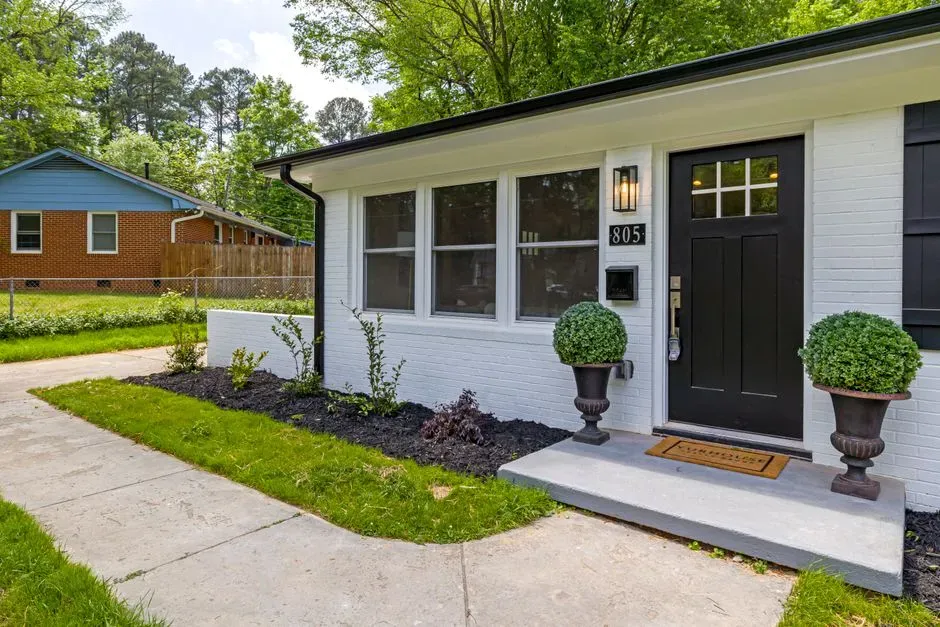
Real estate professionals have long pointed to the front yard as one of the strongest visual cues a buyer or visitor picks up on before they even reach the door. Landscaping improvements are frequently cited in industry surveys as offering a strong return relative to their cost, often outperforming interior upgrades in terms of perceived value per dollar spent. That perception is not just about resale value either. Neighbors, delivery workers, and passersby all form an opinion of a household within seconds of seeing its entryway.
This snap judgment effect works both ways. A garden that looks neglected can suggest the whole property is not being cared for, even if the inside is spotless. A tidy front garden, on the other hand, signals attention and pride without anyone having to say a word. It is a low-cost form of communication that most homeowners underestimate.
The role of hedges and borders
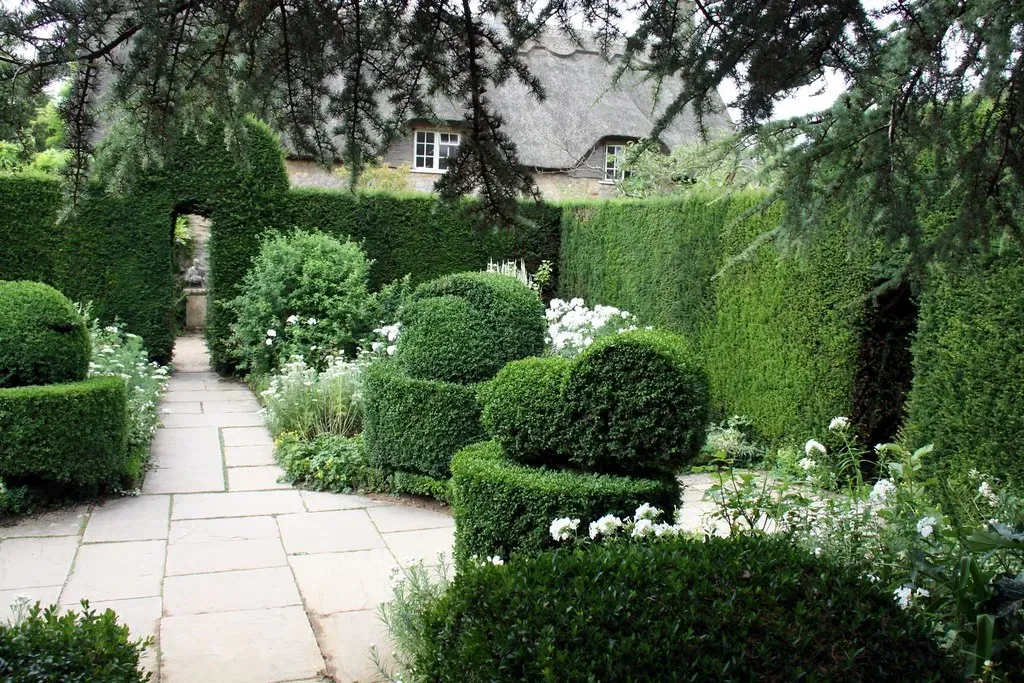
Hedges have been used to frame for centuries, and they remain popular for a simple reason: they create structure that lasts through every season. Boxwood, privet, and yew are common choices in temperate climates because they respond well to shaping and hold their form through winter. A crisp hedge line does more visual work than almost any single flowering plant, since it defines the space before anything else is even noticed.
Borders serve a similar purpose on a smaller scale. A clearly defined edge between lawn and planting bed, whether marked by brick, stone, or simply a clean spade cut, keeps a garden looking intentional rather than accidental. Many landscape designers consider edging one of the most underrated maintenance tasks, since it takes little time but has an outsized effect on tidiness.
Choosing plants that hold their appeal
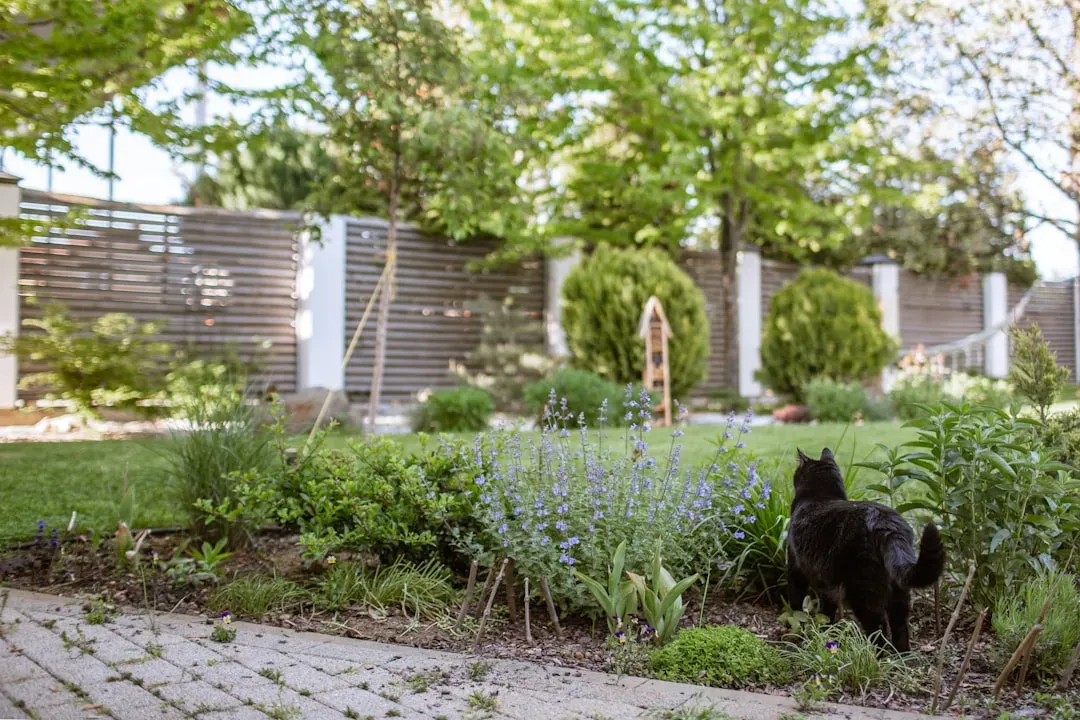
A front garden that only looks good for a few weeks in spring tends to fade from memory the rest of the year. Gardeners who aim for consistent appeal often mix evergreens for winter structure with perennials that bloom in staggered waves from early spring through late autumn. This layered approach means there is almost always something happening visually, even when the calendar says otherwise.
Native plants have gained particular attention in recent seasons, partly because they tend to need less water and fertilizer once established. Species suited to local rainfall and soil conditions also tend to resist pests better than imported ornamentals, which reduces the need for chemical treatments. This is not just an aesthetic preference; it is a practical one that saves time and money over the years.
Color combinations that actually work
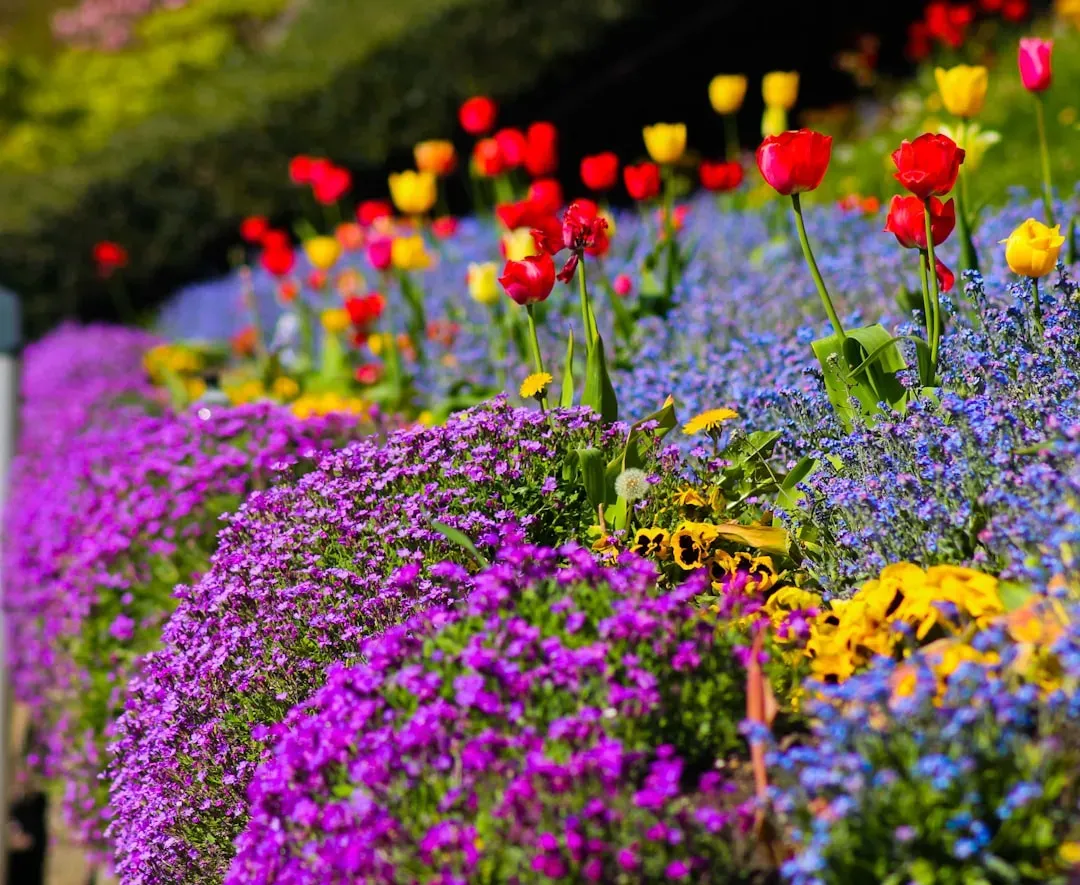
Color theory is not just for painters. A front garden with a limited, coordinated palette almost always reads as more polished than one filled with a scattershot mix of every available flower. Many professional designers recommend sticking to two or three main colors, then using foliage texture and green tones to fill in the rest.
Seasonal shifts matter here too. A garden built around soft pastels in spring can transition into warmer oranges and deep reds by autumn without ever feeling disjointed, as long as the underlying structure stays consistent. This kind of planning takes a bit of forethought but pays off across the full growing season rather than just a single peak moment.
Pathways, gates, and small structural details

The route from the street to the front door carries more design weight than most homeowners realize. A straight concrete path feels functional but rarely charming, while a slightly curved walkway lined with low plantings invites a slower pace and a longer look. Materials matter as well, since brick, gravel, and natural stone each bring a different texture and sound underfoot.
Small structural elements like gates, low fences, or an arbor at the entry point add a sense of arrival that flat, open gardens often lack. These features do not need to be elaborate. Even a simple wooden gate with a bit of climbing plant growth can turn an ordinary entry into something memorable.
Lighting for evening appeal
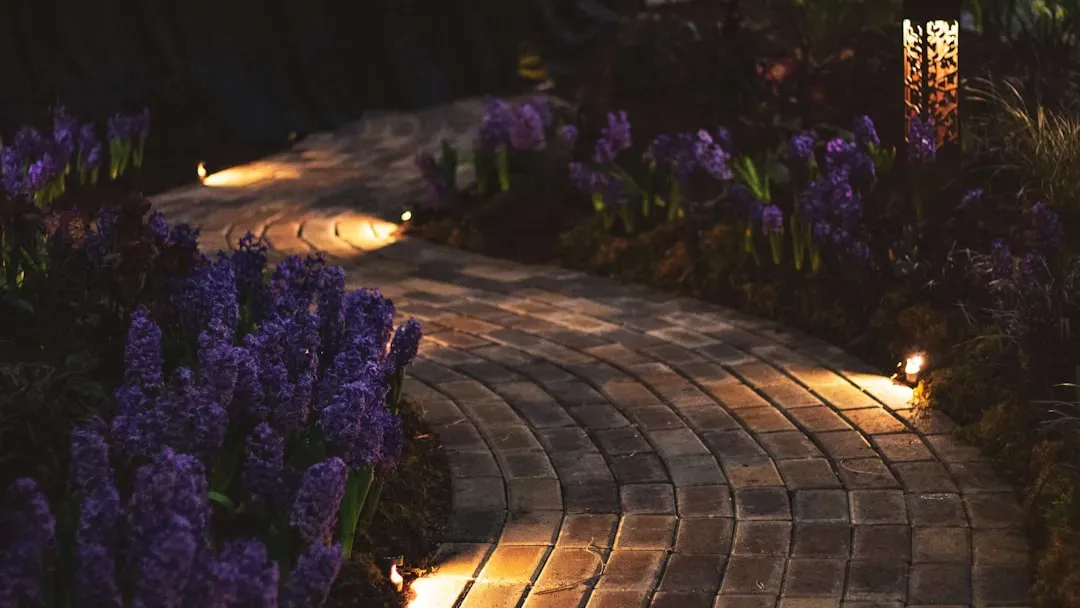
are not only seen in daylight. Well-placed lighting extends the visual life of a garden into the evening hours, when many people actually arrive home from work. Low-voltage path lights, uplighting on trees or shrubs, and a warm porch fixture together create depth rather than a flat wash of brightness.
Solar-powered options have become considerably more reliable in recent years, making it easier for homeowners to add lighting without extensive wiring work. This matters for both safety and atmosphere, since a well-lit path reduces trip hazards while also making the home feel occupied and cared for after dark. The effect is subtle but noticeable to anyone walking by at night.
Container gardening for limited space
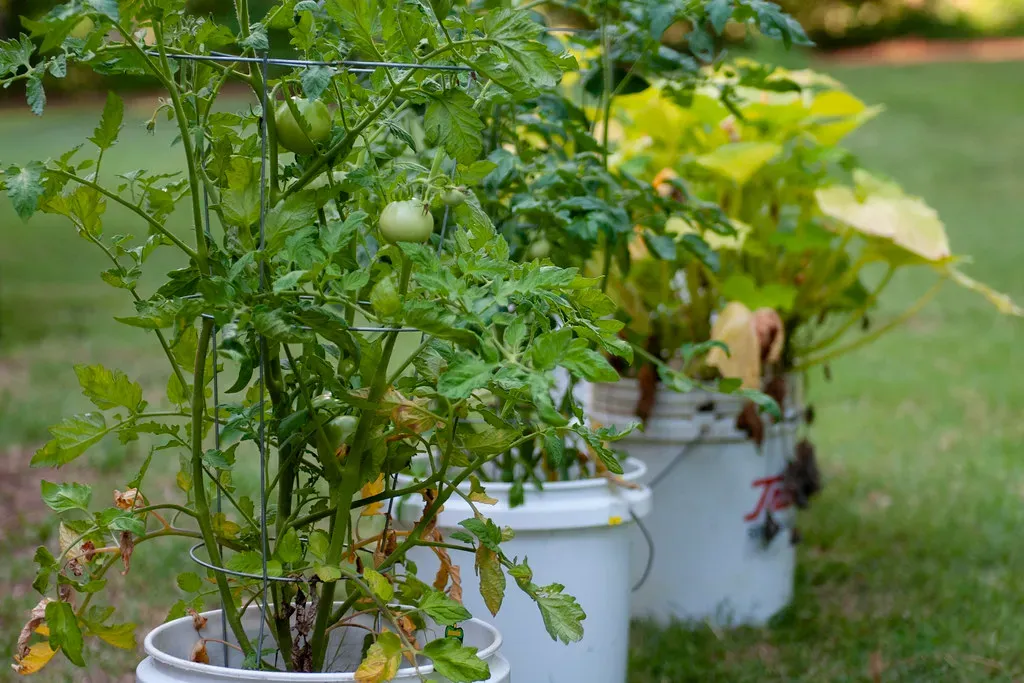
Not every front garden has room for deep beds or sprawling borders. Urban homes with narrow strips of soil, or none at all, still manage charm through container gardening. Pots of varying heights placed near an entry can mimic the layered look of a full garden bed in a fraction of the space.
Containers also offer flexibility that in-ground planting cannot match. Seasonal swaps are easy, since a pot of spent tulips can be replaced with summer annuals in an afternoon. This adaptability makes container gardening a practical choice for renters or anyone unsure about committing to permanent landscaping.
Maintenance habits that keep things sharp
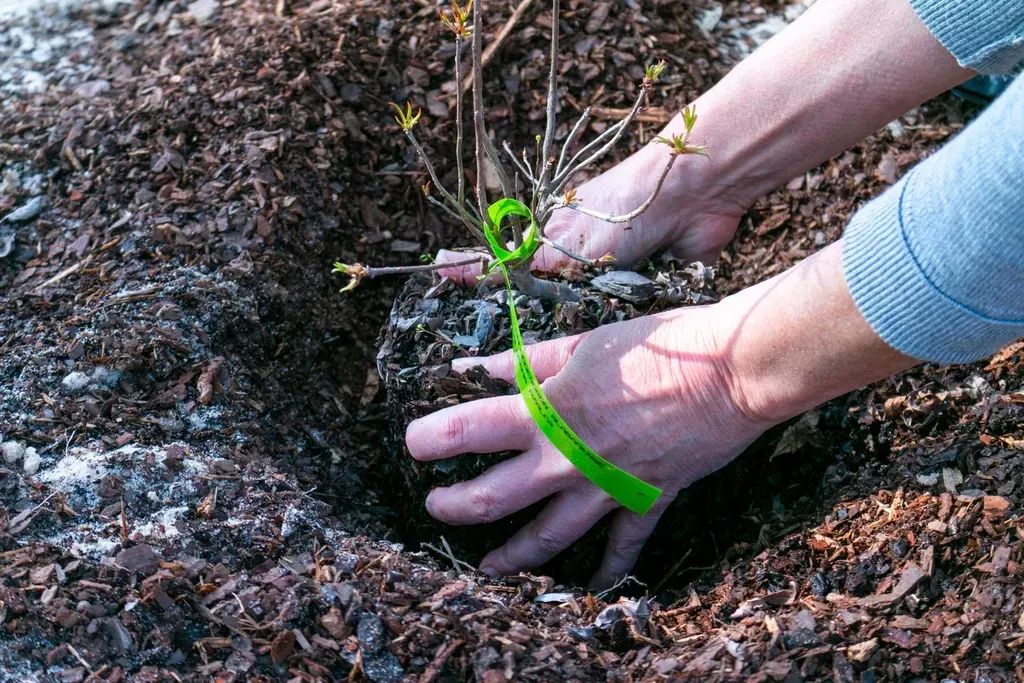
Charm rarely survives neglect for long. The gardens that consistently look their best tend to belong to people who have built small, regular habits rather than occasional bursts of intense effort. Weekly weeding, prompt deadheading of spent blooms, and a quick sweep of fallen leaves keep a space looking cared for without requiring major weekend projects.
Mulching is one of the more efficient habits in this regard. A two to three inch layer of mulch suppresses weeds, retains soil moisture, and gives beds a finished look almost instantly. Many experienced gardeners refresh mulch once or twice a year, treating it as a baseline maintenance task rather than an optional extra.
Sustainable choices gaining ground
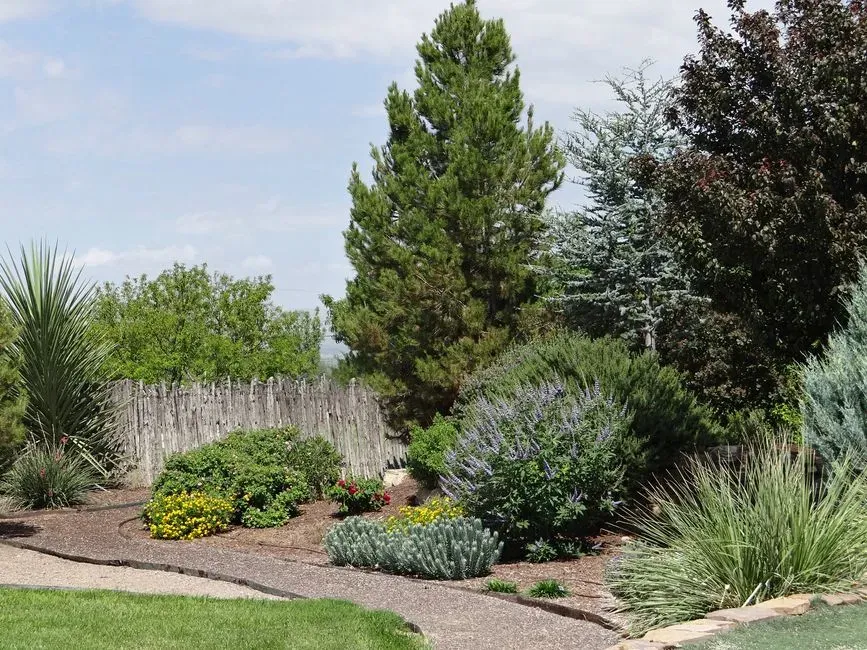
Water use has become a bigger consideration for , particularly in regions facing drought restrictions in recent years. Drought-tolerant plantings, drip irrigation, and rain barrels have moved from niche interest to fairly common practice among homeowners looking to cut water bills while keeping their gardens attractive. Xeriscaping, once associated mainly with arid Southwestern climates, has spread into wetter regions as a hedge against increasingly unpredictable rainfall patterns.
Pollinator-friendly planting has followed a similar trajectory. Homeowners planting milkweed, coneflower, and other native nectar sources are contributing, in a small but real way, to bee and butterfly populations that have faced well-documented declines. These choices tend to look just as appealing as more traditional ornamental beds, which removes any real tradeoff between sustainability and visual charm.
as a community connector
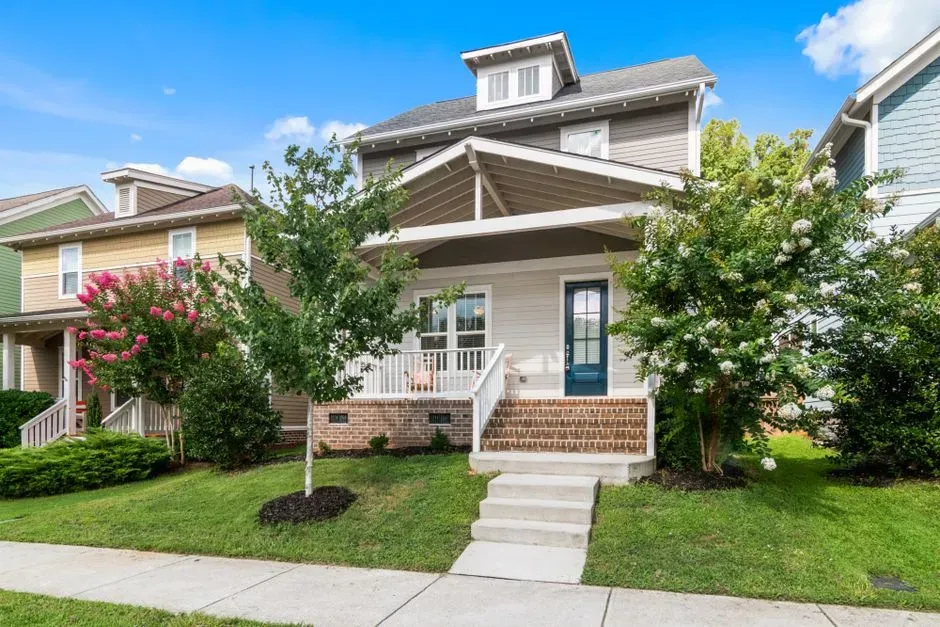
A well-kept front garden does more than please its owner. It often becomes a small point of connection with neighbors, whether through shared plant cuttings, casual conversations during weeding sessions, or simply the pleasant experience of walking past it each day. Community groups in several cities have organized informal front garden competitions in recent years, turning individual upkeep into a shared neighborhood activity.
This social dimension is easy to overlook when thinking about gardens purely as private property. Streets lined with tended tend to feel safer and more walkable, since greenery and visible care are both associated with lower rates of petty vandalism in urban planning research. In this sense, a front garden functions as a small public gift, even though it sits on private land.