
Walk into two houses with the exact same floor plan and you’ll notice something odd. One feels like a place you’d want to linger, the other feels like a hotel room you’re passing through. The difference rarely comes down to square footage or a fresh coat of paint. It’s usually a handful of small, almost invisible choices that add up to something warmer.
This isn’t about expensive renovations or designer furniture. It’s about the quiet, often overlooked details that signal a space belongs to the people living in it. Here’s a closer look at what actually turns a house into a home.
Lighting that changes with the day
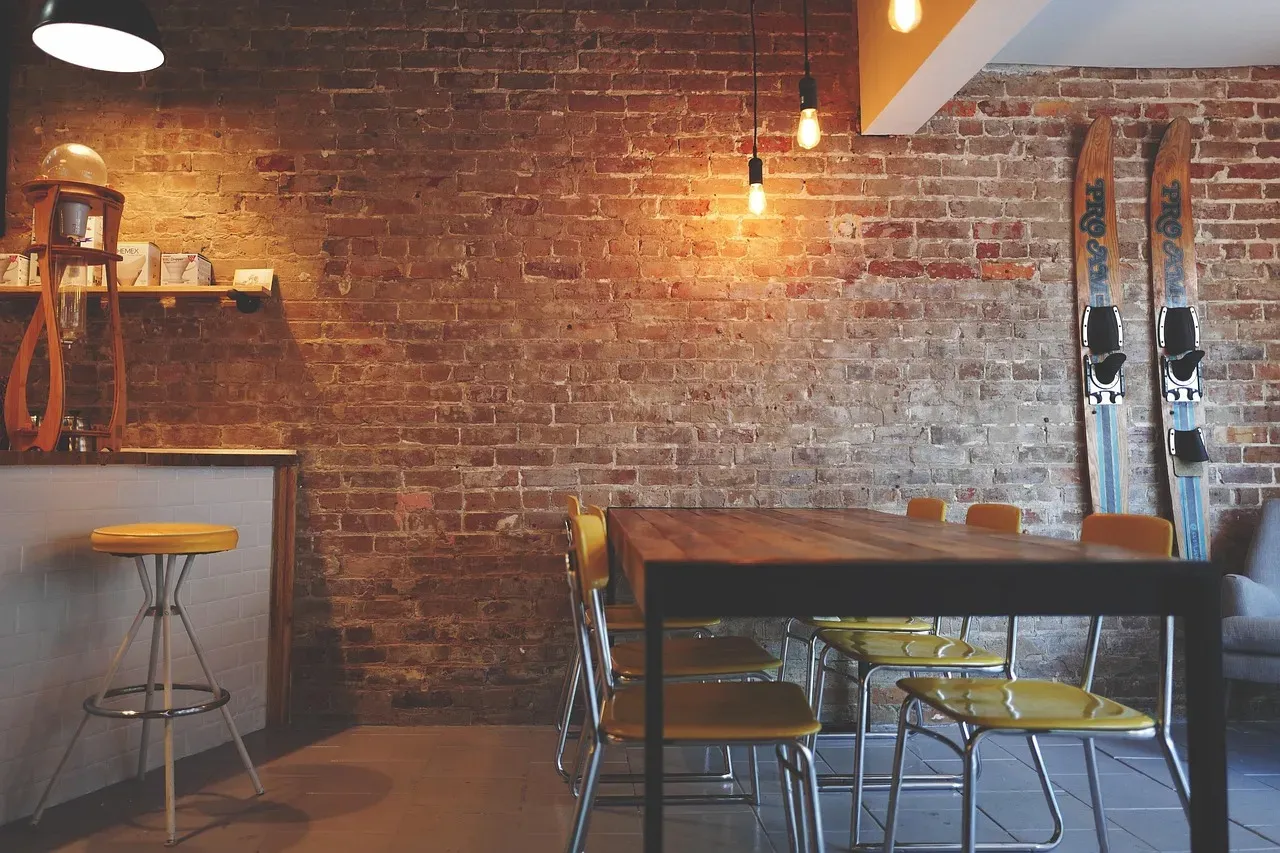
Overhead lighting alone tends to make rooms feel flat and clinical, almost like a waiting room. Layering light sources, including table lamps, sconces, and dimmable fixtures, gives a space depth and lets it shift mood throughout the day. Warm bulbs in the 2700K to 3000K range tend to feel cozier than the cooler, bluish tones often found in office settings.
A room lit only by one bright ceiling fixture can feel sterile no matter how nice the furniture is. Adding even one soft lamp in a corner changes the entire feel of the space within seconds. Many interior designers point to lighting as one of the fastest and cheapest ways to make a house feel lived in rather than staged.
Personal photographs displayed with intention
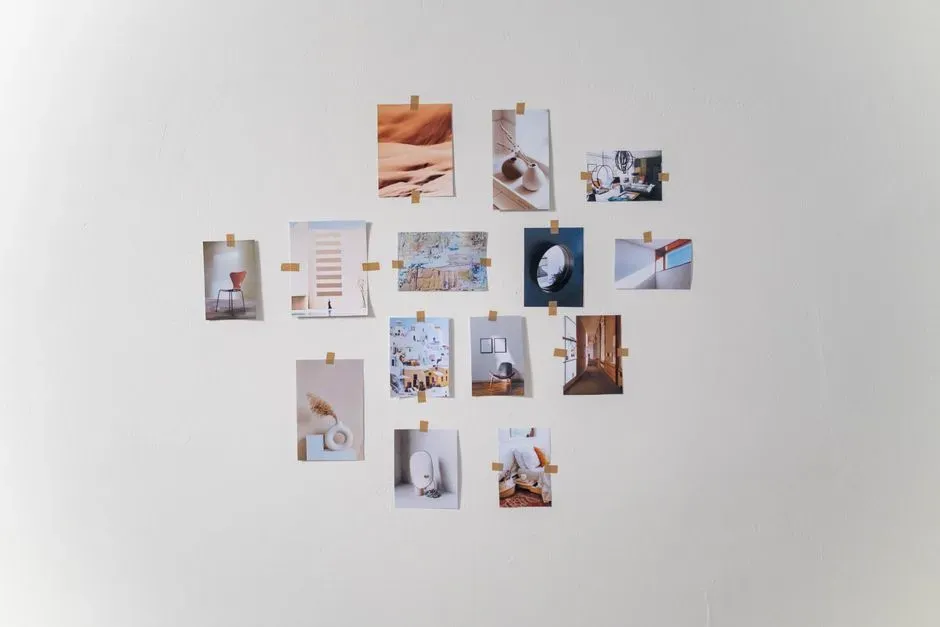
A house without any personal images can feel oddly anonymous, like a rental unit rather than someone’s actual life. Framed photographs, whether they’re recent snapshots or older family pictures, act as visual anchors that remind you whose space this is. The key is placement, since photos scattered without thought can look cluttered rather than personal.
A single gallery wall near a staircase or hallway often works better than photos spread thinly across every room. Mixing frame sizes and finishes adds visual interest without looking overly matched or store-bought. Even a small shelf with three or four framed images can shift a room from generic to personal almost instantly.
Textiles that add texture and warmth

Hard surfaces like tile, hardwood, and painted drywall dominate most modern homes, which is practical but can feel cold without softening elements. Throw blankets, area rugs, and textured pillows introduce warmth both literally and visually. Natural fibers like wool, linen, and cotton tend to read as more inviting than synthetic materials, partly because of how they catch and diffuse light.
A rug under a coffee table does more than protect flooring, it defines the seating area and makes a room feel intentional. Layering a knit throw over the back of a sofa or chair adds a lived-in quality that’s hard to fake with a single purchase. These textile choices are inexpensive relative to furniture but have an outsized effect on comfort.
Scent as an underrated signal of home
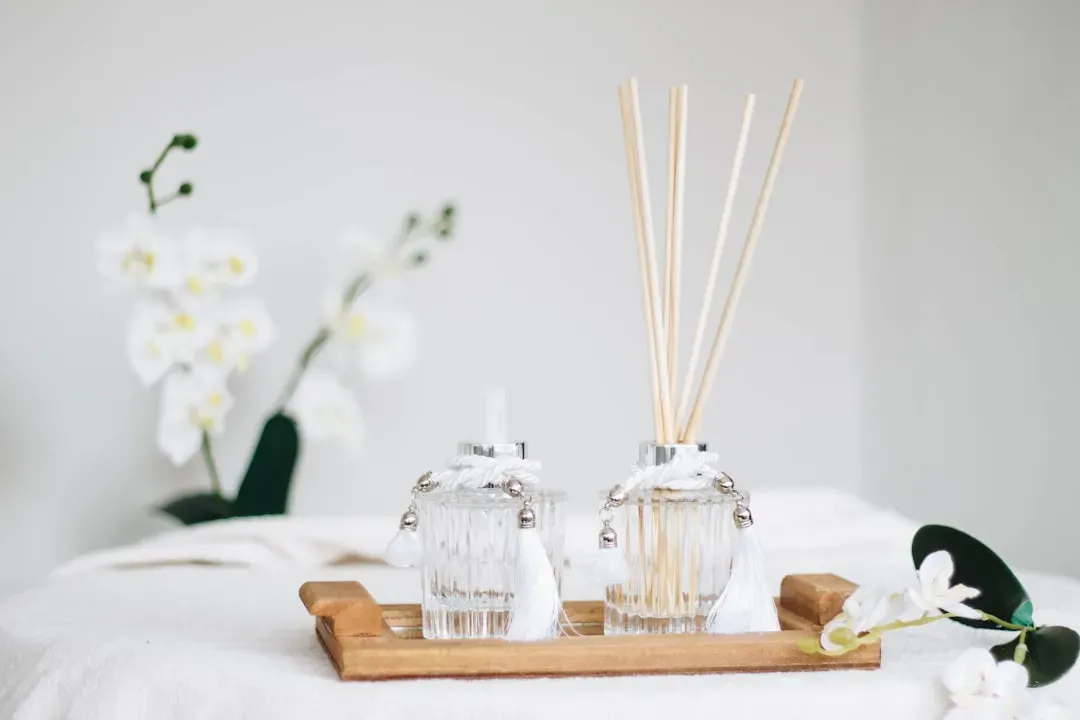
Smell is tied closely to memory and emotion, more so than most people realize when decorating. A house that smells like nothing, or worse, like cleaning chemicals, can feel unwelcoming even if it looks great. Simple additions like candles, diffusers, or even a pot of something simmering on the stove create an olfactory signature that guests and residents both associate with comfort.
Consistency matters more than intensity here. A subtle, repeated scent, like a specific candle brand or a favorite essential oil blend, becomes associated with the house itself over time. This is one of the more overlooked details in home design, likely because it can’t be photographed for a listing or social post.
Plants that bring life into static rooms
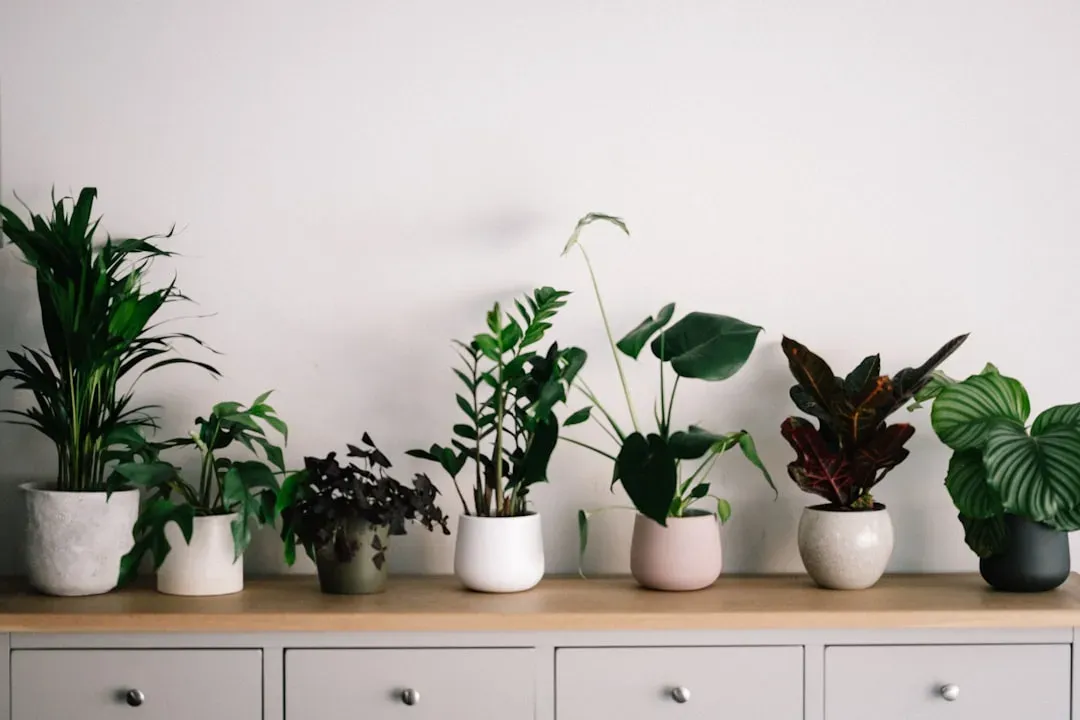
Houseplants have surged in popularity over the past several years, and it’s not purely an aesthetic trend. Living greenery introduces movement, color, and a sense of care that static decor can’t replicate. Even low-maintenance options like snake plants or pothos signal that someone tends to this space regularly.
A windowsill with a few plants catching afternoon light tells a different story than a bare countertop. Plants also soften hard architectural lines, which is part of why designers use them so often in staging. The act of watering and repositioning them over time is itself a small ritual that ties a person to their space.
Handmade or imperfect objects
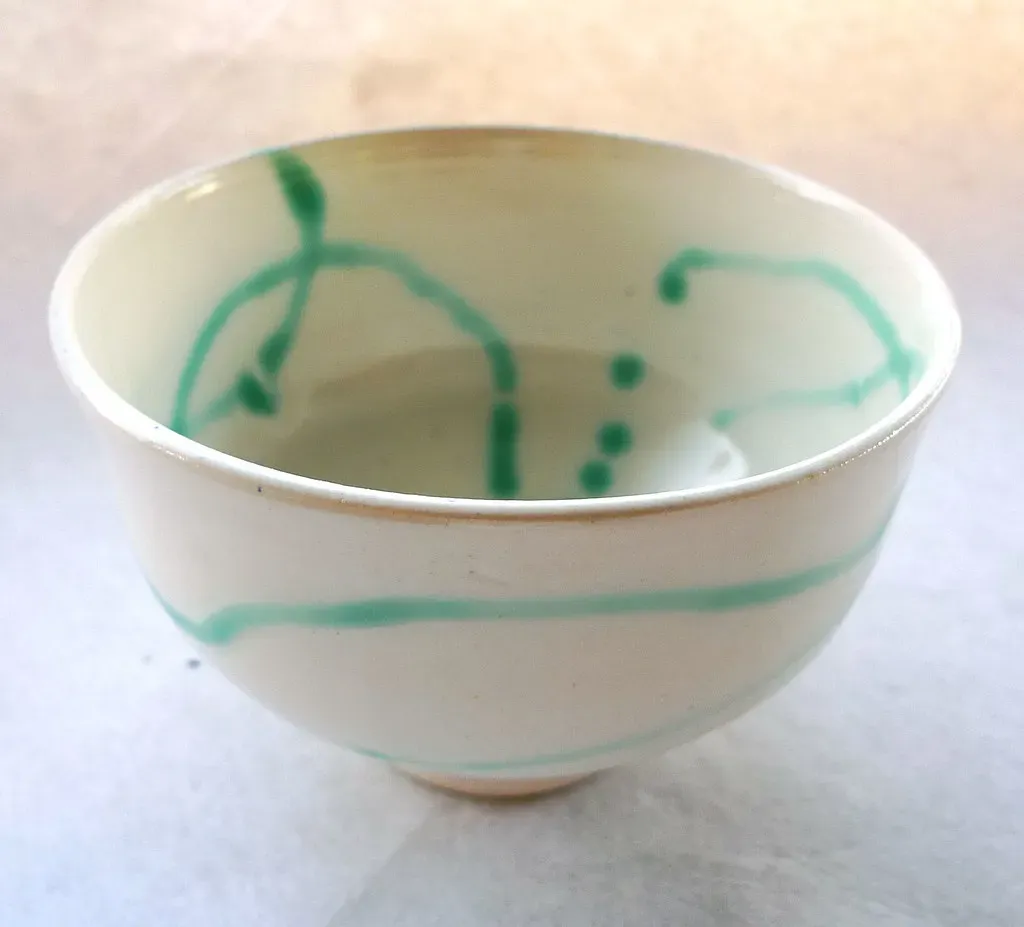
Mass-produced decor has its place, but a house filled entirely with matching, factory-perfect items can feel strangely impersonal. A hand-thrown ceramic bowl, a piece of furniture with visible wear, or artwork made by a family member introduces asymmetry and history. These imperfect objects often become conversation pieces precisely because they don’t look like everything else.
Flea market finds, inherited furniture, and handmade gifts carry stories that new purchases simply can’t replicate. A scratched wooden table might not photograph as cleanly as a showroom piece, but it often feels more honest. This kind of visual imperfection is part of why maximalist and eclectic interior styles have gained traction recently, as a counterpoint to overly polished minimalism.
Sound and the absence of silence
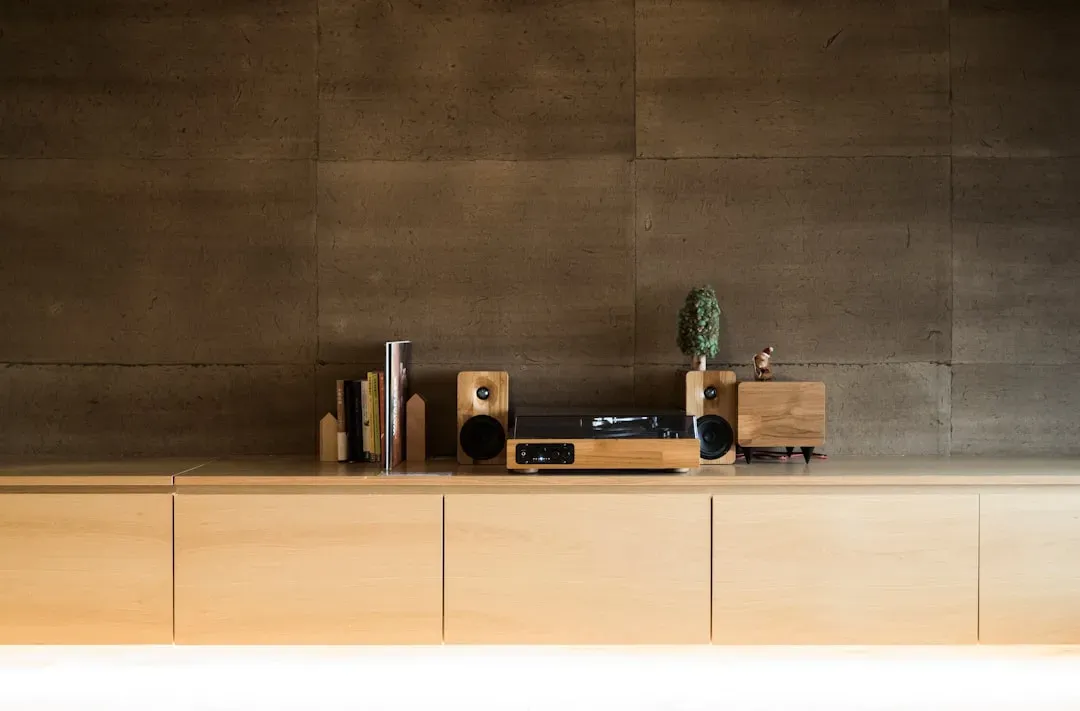
An empty house is often unsettlingly quiet, and total silence can feel just as sterile as an empty room. A ticking clock, a running fan, or background music at low volume fills that void without being intrusive. Sound design in homes gets far less attention than visual design, yet it shapes how a space feels almost as much.
Hardwood floors and high ceilings can create an echo that makes even furnished rooms feel hollow. Rugs, curtains, and upholstered furniture absorb sound and make a space feel more enclosed and intimate. This is one reason fully furnished homes almost always feel warmer than the same space staged with minimal furniture.
Evidence of daily life left visible
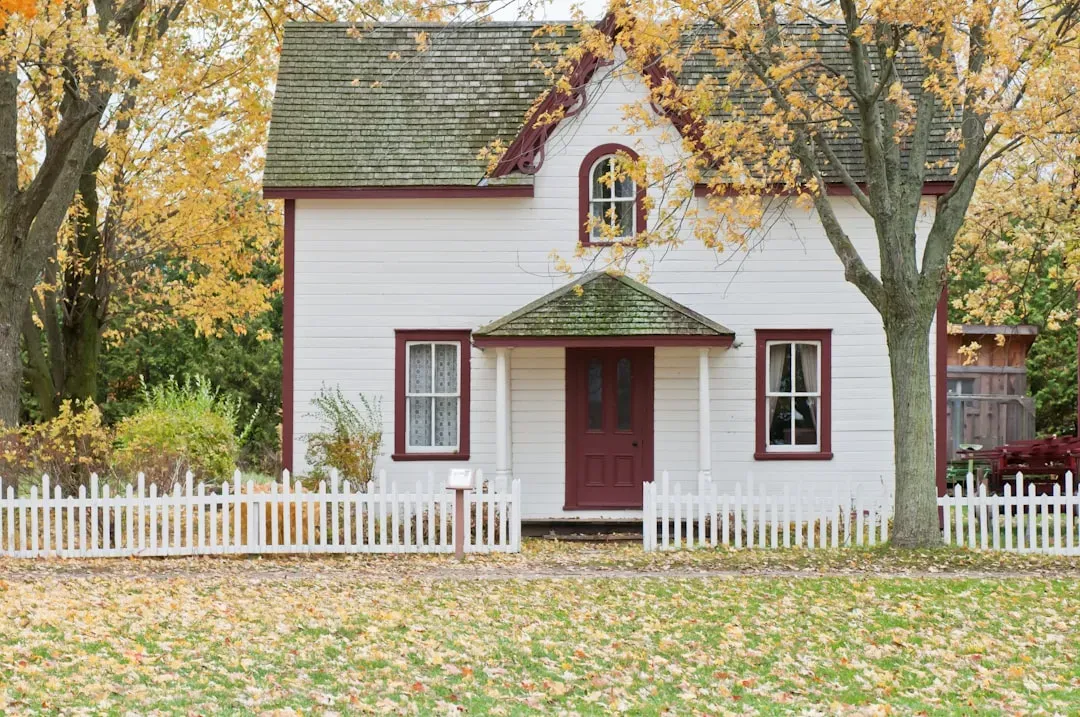
A perfectly tidy house, ironically, can feel less like a home than one with a few visible signs of actual living. A stack of books on a nightstand, a coffee mug drying by the sink, or shoes by the front door all suggest a house that’s actively used rather than preserved. This doesn’t mean clutter, but rather a small tolerance for the visible traces of routine.
Real estate stagers intentionally remove these traces to appeal to a broad range of buyers, which is part of why staged homes can feel oddly impersonal despite looking flawless. Once people move in and start leaving their own small marks, the space usually starts to feel different almost immediately. That transition from staged to lived in is often what people mean when they say a house finally feels like home.
Temperature and tactile comfort

Physical comfort plays a bigger role in perception than most people give it credit for. A house that’s too cold or has drafty spots near windows and doors registers subconsciously as uninviting, regardless of how it looks. Simple fixes like door draft stoppers, thicker curtains, or a well-placed space heater address this at a fairly low cost.
Flooring temperature matters too, particularly in colder months. Bare feet on cold tile send a very different signal than a soft rug underfoot near a bed or sofa. These are details most people notice only when they’re missing, which is exactly why they matter so much when they’re present.
Personal rituals tied to specific spaces
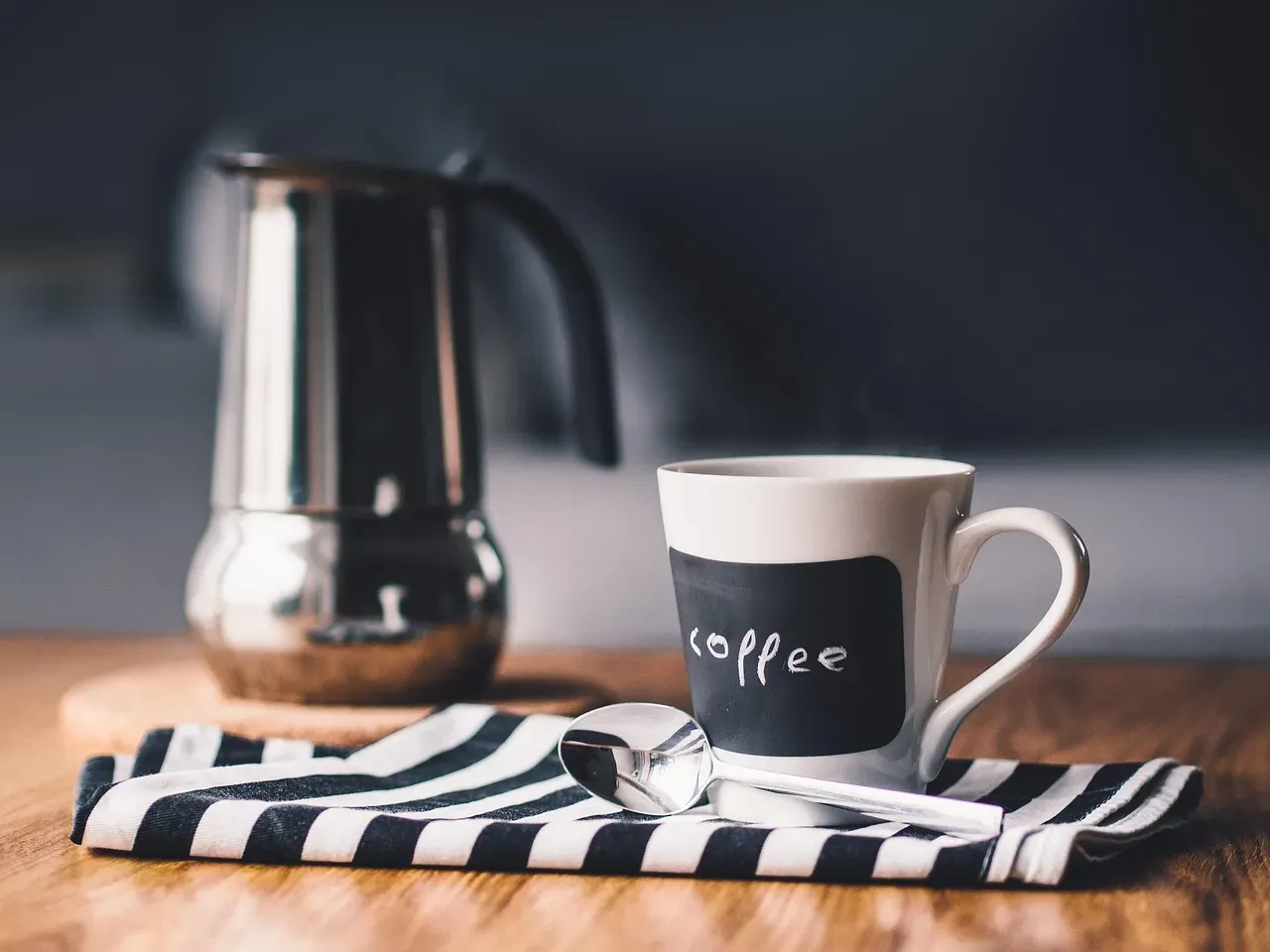
A reading chair by a window, a specific mug used only for morning coffee, or a designated spot for evening phone calls all create small rituals that attach meaning to physical space. Over time, these repeated behaviors turn a generic room into a place with personal significance. This is less about decor and more about how a space gets used consistently.
These rituals are also why moving into a new house often feels strange for the first several weeks, even with all the same furniture. The physical objects are there, but the routines haven’t attached themselves to the new space yet. Once those small daily habits settle in, the feeling of home tends to follow naturally, often faster than people expect.