
The psychology behind a good view
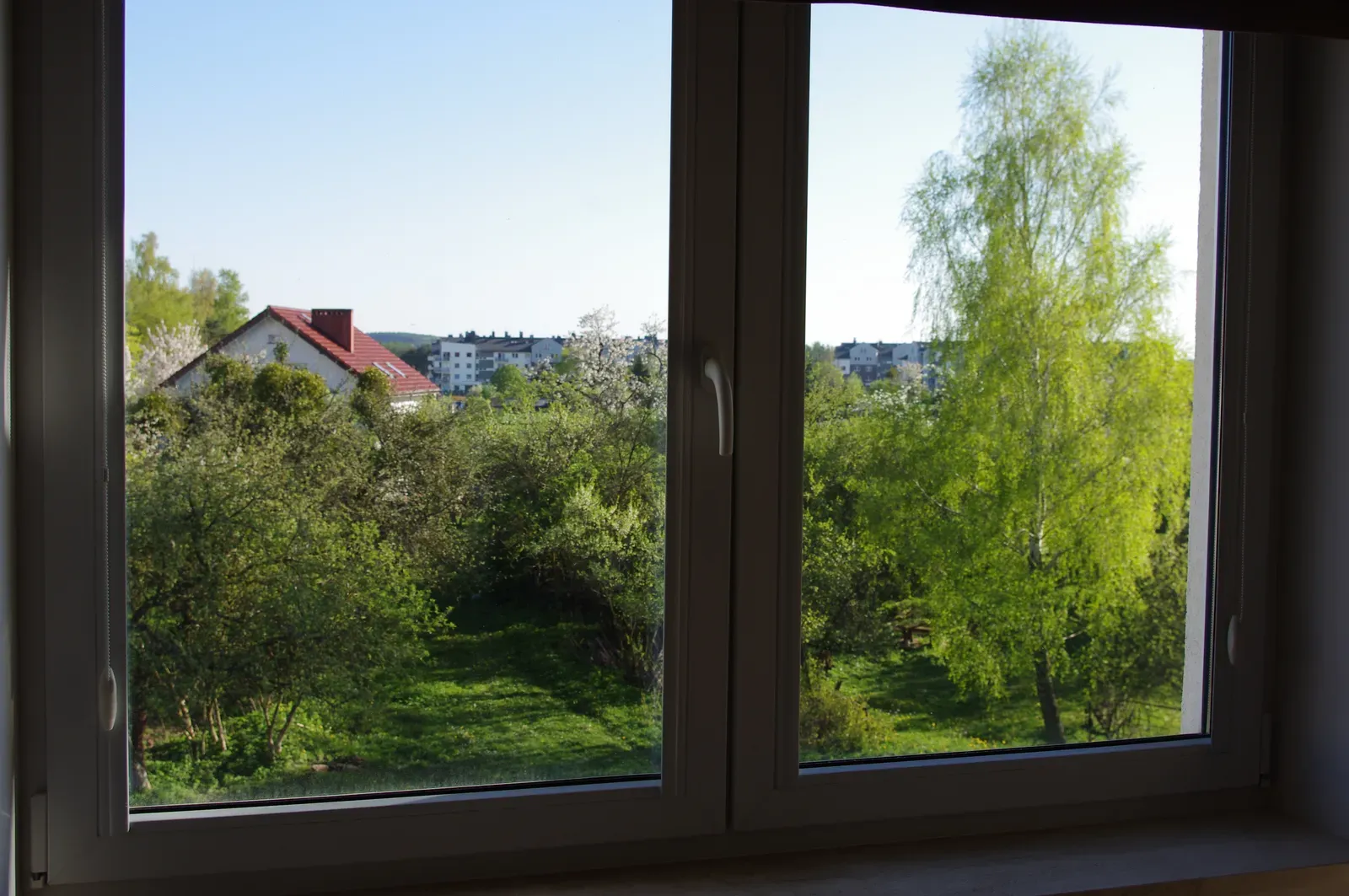
Environmental psychologists have long studied what happens when people look at natural scenery versus a blank wall or dense urban clutter. Research going back to Roger Ulrich’s hospital studies in the 1980s found that patients recovering in rooms facing trees needed less pain medication and left the hospital sooner than those facing a brick wall. That single study helped launch decades of follow-up work on how visual access to nature affects stress, mood, and even attention span.
The effect isn’t limited to hospitals. Office workers with a view of greenery report lower fatigue and better concentration than those staring at parking lots or interior walls. A home is no different. The brain seems to relax slightly when it has somewhere pleasant to rest its gaze, and that small shift adds up over a day, a year, a lifetime in the same rooms.
How natural light and outlook affect daily mood
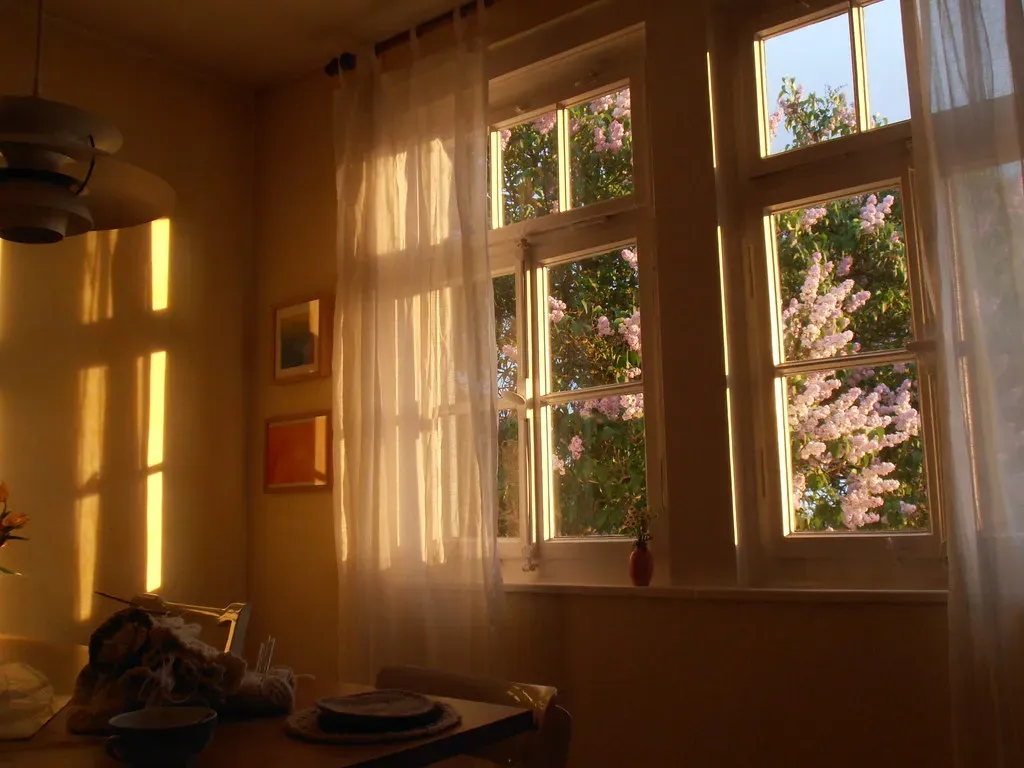
Light and view are tangled together in ways that are easy to overlook. A room with a wide, unobstructed outlook tends to receive more consistent daylight throughout the day, and daylight exposure is closely tied to circadian rhythm regulation. People who get more natural light during waking hours generally report better sleep quality and steadier energy levels than those in dim, view-blocked spaces.
There’s also a simpler, less clinical side to this. Watching weather roll in, seasons change, or birds move through a backyard gives the day small anchors that a windowless room simply can’t offer. Homeowners who’ve lived in both view-rich and view-poor spaces often describe the difference less in scientific terms and more as a general sense of feeling more awake, more present, in the rooms with something to look at.
The financial value a view actually adds
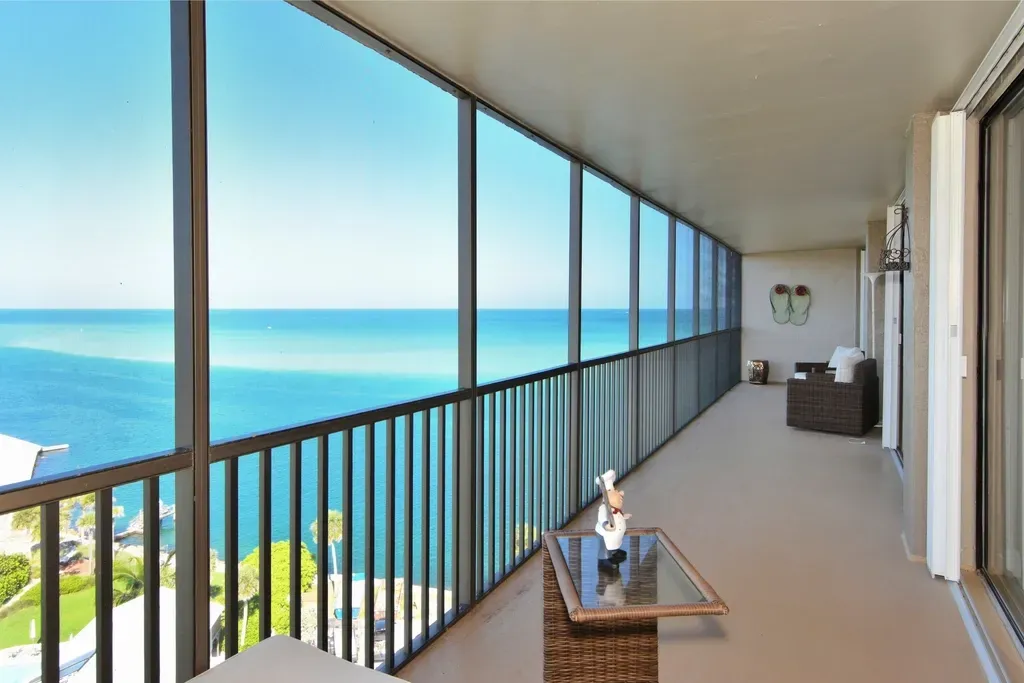
Views aren’t just a feel-good extra, they show up in appraisals and sale prices. Multiple housing market analyses in recent years have found that homes with desirable views, water, mountains, or unobstructed green space, can command premiums ranging from a few percentage points to well over a fifth above comparable homes without one, depending on the market and how rare that view is locally. Coastal and mountain markets tend to show the steepest premiums, since the supply of view-worthy lots is naturally limited.
This isn’t a new phenomenon, but it has become more measurable as real estate platforms use view quality as a searchable filter. Listings that highlight ocean, skyline, or park views frequently draw more clicks and faster offers than similar homes described only by square footage and bedroom count. In tighter housing markets, that visual advantage can be the difference between a property that lingers and one that sells within days.
Why urban homes need views more, not less
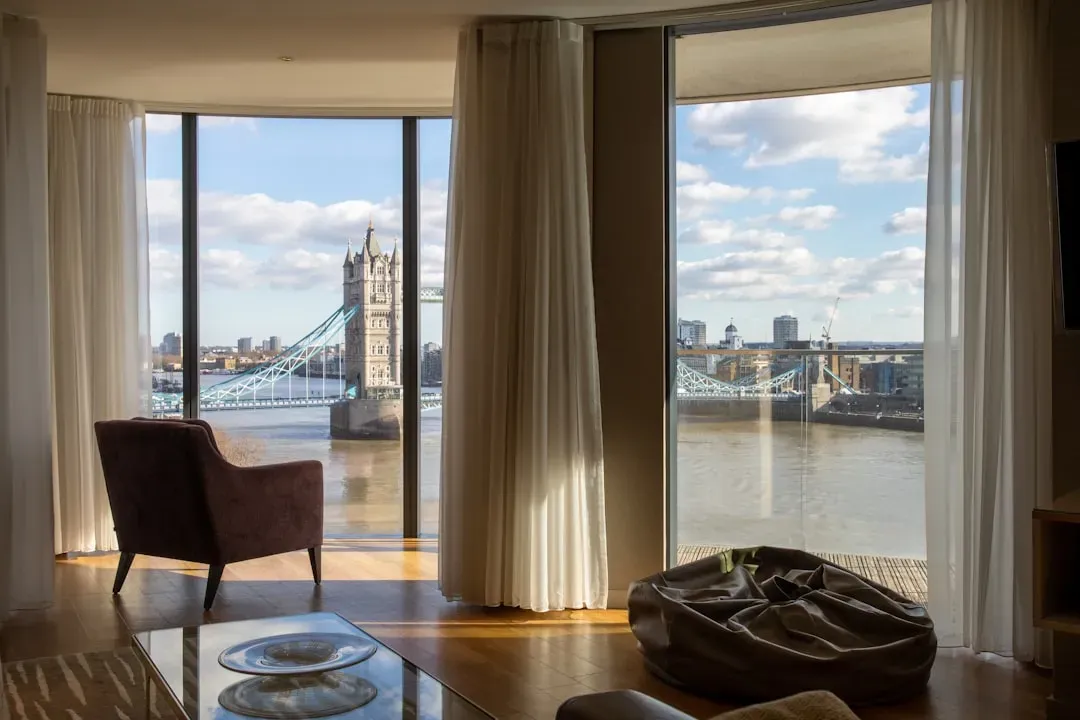
It’s tempting to assume that view matters most in rural or waterfront settings, but the opposite argument holds up just as well. Dense cities compress green space, and residents there often experience more chronic stress indicators tied to crowding and lack of visual relief. A single well-placed window overlooking a park, courtyard, or even a tree-lined street can meaningfully offset that density.
Urban planners have picked up on this. Newer apartment developments in cities like Singapore, Copenhagen, and parts of the United States increasingly design around sightlines to green corridors or water features rather than treating landscaping as an afterthought. The logic is straightforward: if people can’t easily leave the city for nature, bring a version of it into daily view instead.
The role of windows and architectural design
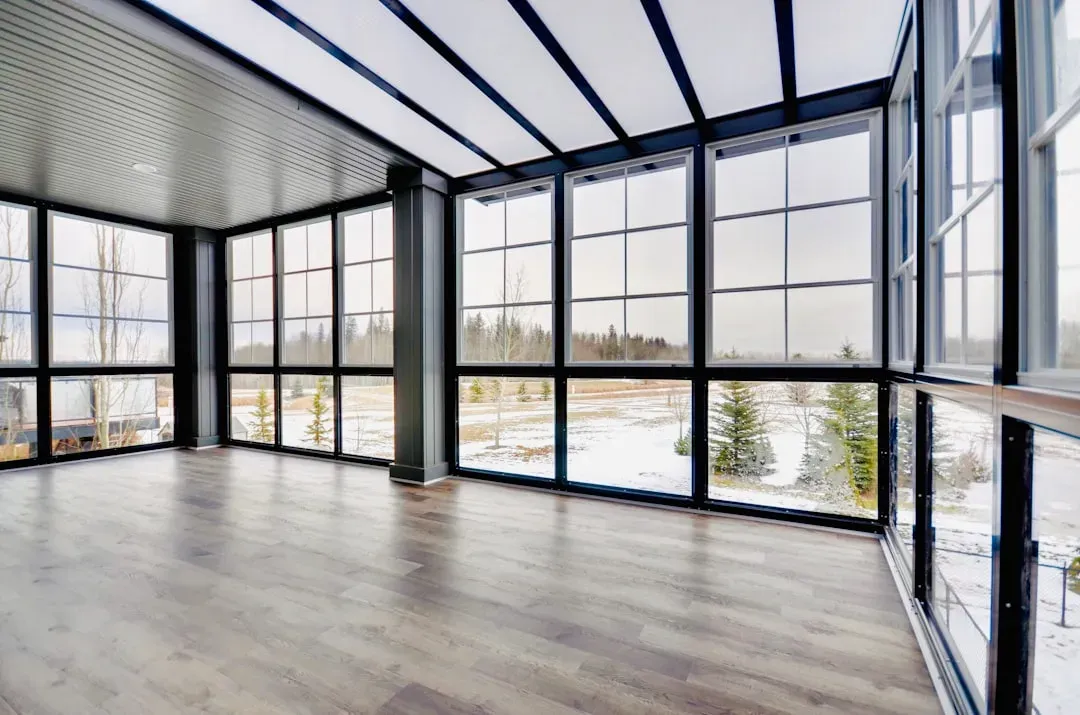
A great view can be undone by poor window placement, and a modest one can be elevated by smart design. Architects have increasingly leaned into larger glazing, corner windows, and lower sill heights specifically to maximize what a home’s occupants can see from seated or resting positions, not just standing ones. This matters because most time at home is spent sitting, working, cooking, or lying down, not standing at attention by the glass.
Floor-to-ceiling windows, once reserved for high-end architecture, have become far more common in mid-range new construction over the past several years as glazing costs have dropped and energy-efficient glass has improved. The trend reflects a broader recognition that a home’s relationship to its surroundings is now considered part of the design brief, not an afterthought bolted on after the floor plan is finalized.
Views and mental health during remote work

The shift toward remote and hybrid work has quietly reshaped how much weight people put on a home’s view. Spending eight or more hours a day in the same room means the outlook from a desk chair matters in a way it simply didn’t when most people only saw their living room in the evenings. Surveys of remote workers conducted since 2021 have consistently found that access to a window view correlates with lower reported burnout and higher job satisfaction working from home.
This has changed buyer priorities in measurable ways. Real estate agents in several markets have noted increased demand for home offices positioned near windows rather than in interior rooms, a request that was far less common before hybrid work became standard. It’s a small architectural detail with an outsized effect on how sustainable working from home feels over the long run.
The link between views and physical health
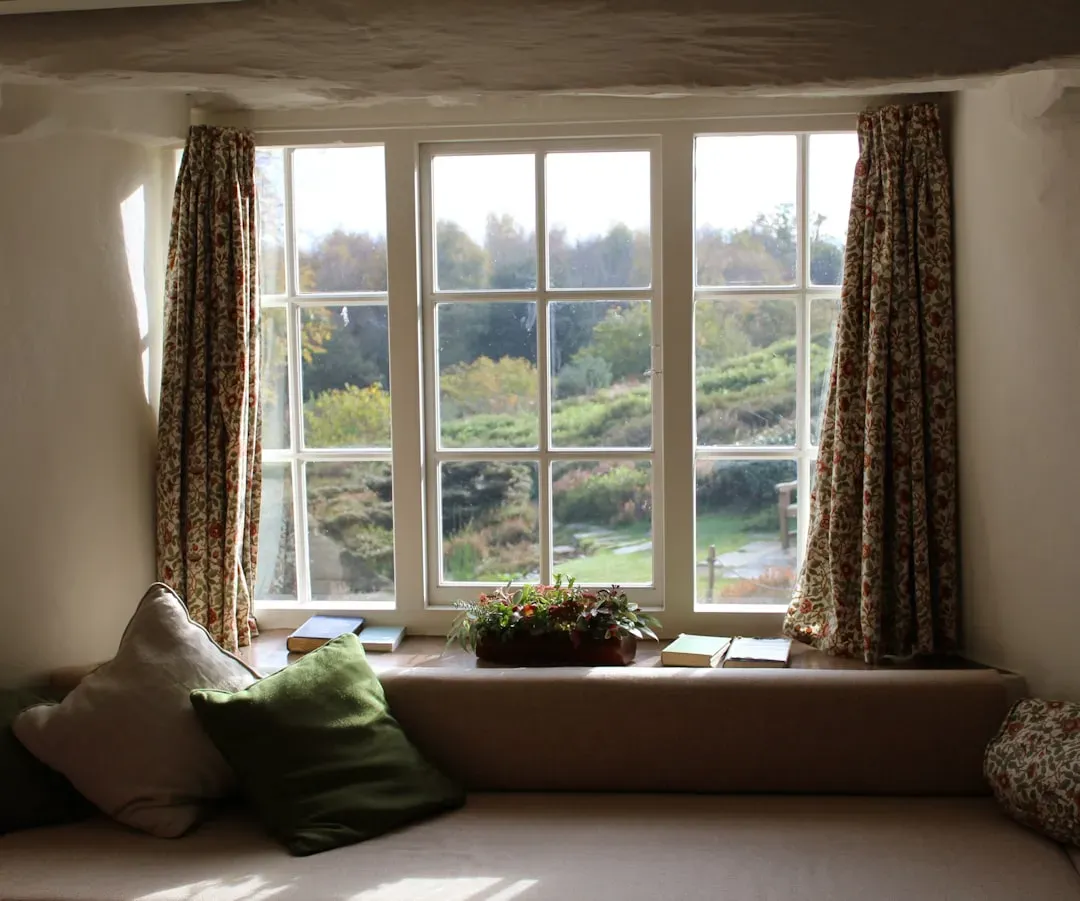
Beyond mood, there’s a growing body of evidence tying visual access to nature with measurable physical outcomes. Studies on views and recovery times, blood pressure, and even immune markers suggest that regularly seeing green space, rather than just occasionally visiting it, produces a low-level but consistent physiological benefit. This isn’t about replacing outdoor exercise, it’s a passive supplement to it.
Some public health researchers have started framing this as part of a broader concept called “biophilic design,” which treats visual and physical connection to nature as a legitimate wellness input rather than a decorative preference. Hospitals, schools, and increasingly residential developers are citing this research when justifying window placement, courtyard design, and landscaping budgets that might once have been considered purely cosmetic.
Views as a factor in home renovation decisions

Homeowners renovating older properties are increasingly prioritizing view access over other upgrades that used to top the list, like kitchen remodels or bathroom expansions. Removing a wall to open a sightline toward a backyard or knocking out a small window to install a larger one has become a common ask among renovation contractors in recent years. It reflects a shift in what people consider essential versus optional when deciding where to spend limited renovation budgets.
This trend is partly generational. Younger homeowners, having spent extended stretches indoors during recent years, tend to weight visual connection to the outdoors more heavily than previous generations did when they were house hunting or renovating at the same life stage. It’s a subtle but noticeable change in priorities that renovation professionals have picked up on through client requests rather than formal surveys.
Balancing privacy with an open outlook

Not every great view comes without trade-offs, and privacy is usually the first concern homeowners raise when considering larger windows or more open sightlines. Landscaping, strategic fencing, and window placement at height rather than eye level are common solutions that let homeowners keep a sense of openness without feeling exposed to neighbors or street traffic. Frosted or textured glass in specific zones can also solve this without sacrificing the light and outlook elsewhere in a room.
Designers increasingly treat privacy and view as a puzzle to solve together rather than a trade-off to accept. Clerestory windows, positioned high on a wall, are one example, they let in light and sky views while blocking direct sightlines from the street. It’s a reminder that doesn’t have to come at the cost of feeling secure in your own home.
What this means for future home design

Given how consistently the research points toward view access improving mood, productivity, and even measurable health markers, it’s reasonable to expect this factor to keep climbing in importance for both buyers and builders. Zoning boards, developers, and architects are already factoring “view corridors” into planning decisions in ways that were far less formalized a decade ago. That shift suggests view access is moving from a luxury consideration toward something closer to a baseline expectation.
None of this means every home needs an ocean view or mountain backdrop to qualify as good design. Even a modest window angled toward a garden, a tree, or open sky carries some of the same benefits research has documented in more dramatic settings. The core idea holds regardless of scale: what a home lets you see shapes how it feels to live there, every single day.