
The body’s hidden clock

The body operates on an internal biological clock, known as the circadian rhythm, which follows a roughly 24-hour cycle that regulates various bodily functions, including sleep-wake patterns, energy levels, and hormone release. It doesn’t run on its own, though. Natural light serves as the primary external cue, or zeitgeber, that synchronizes this internal clock with the Earth’s day-night cycle, and morning exposure to natural light, particularly its blue light wavelengths, signals to the brain that it is daytime.
That signal matters more than most people realize. Without it, the whole system drifts, a bit like a watch that’s slowly losing time. It’s a quiet mechanism, but it underlies nearly every other benefit discussed in this article.
Morning light and better sleep

Sleep researchers keep coming back to the same point: timing matters as much as duration. Without light, your clock can become dysregulated, causing you to feel off, almost as if you’re jet-lagged, and natural light exposure in the morning and at the same time every day can help keep things running smoothly.
The dose required is smaller than you might expect. Experts suggest that getting 10 to 20 minutes of daylight soon after waking can help keep your clock on track, but as little as five minutes will help. A short walk outside before the workday starts can do more for tonight’s sleep than an extra hour in bed tomorrow.
Vitamin D and physical health
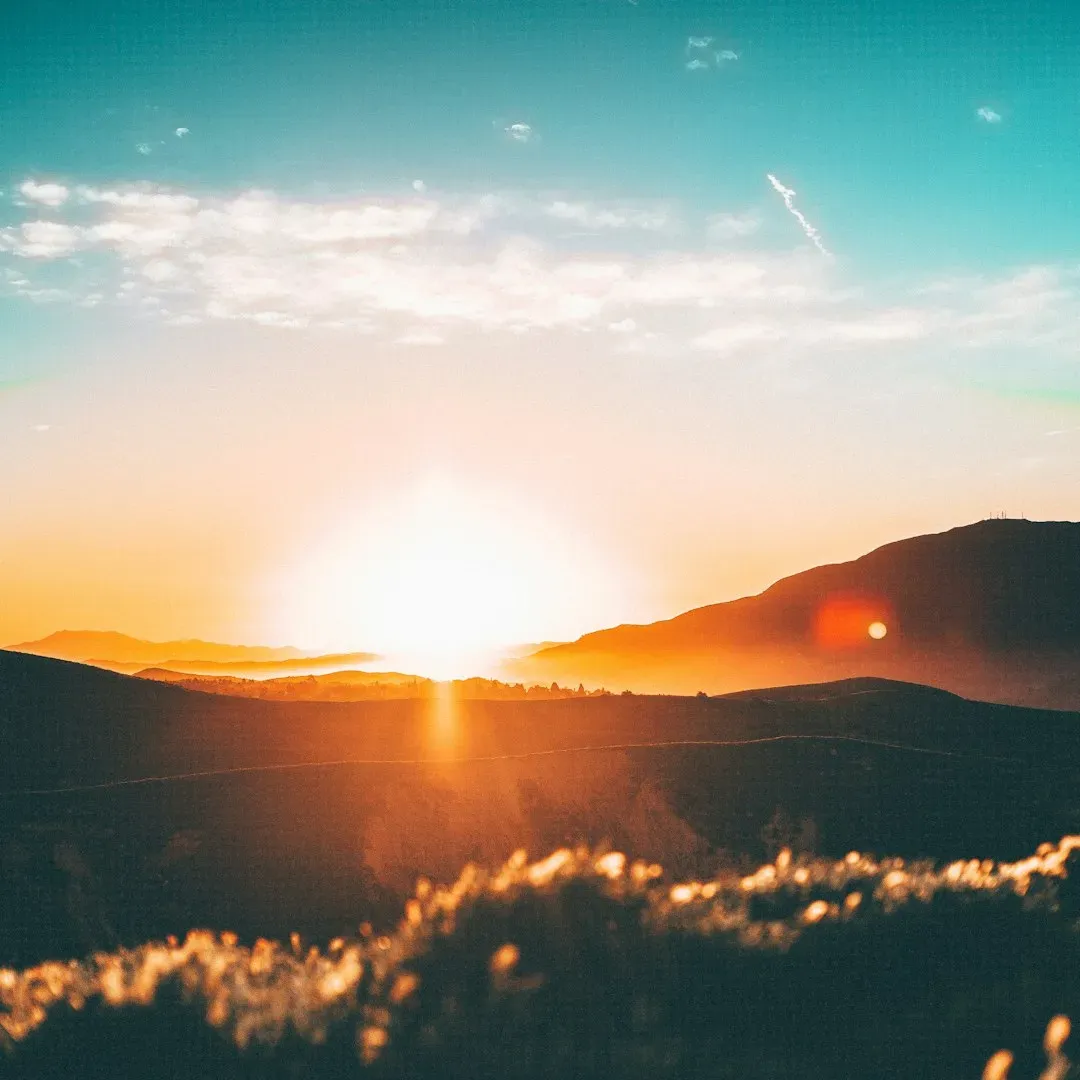
Sunlight’s most familiar contribution is still one of its most essential. Exposure to natural light helps our bodies produce Vitamin D, improves our circadian rhythms and sleep patterns, helps us to focus, enables us to get more done, and even makes us happier. The trouble is that modern life makes this harder to come by than it sounds.
Research shows that we now spend close to 90% of our lives indoors, making it difficult to experience the benefits of natural light, as we simply aren’t getting enough of it. Seasonal dips make the gap even more obvious. During winter, many people fail to receive adequate sunlight, causing issues such as plummeting vitamin D levels and corresponding immune struggles, including increased cold and flu rates, seasonal affective disorder, weight gain, and low energy.
Mood and seasonal light changes
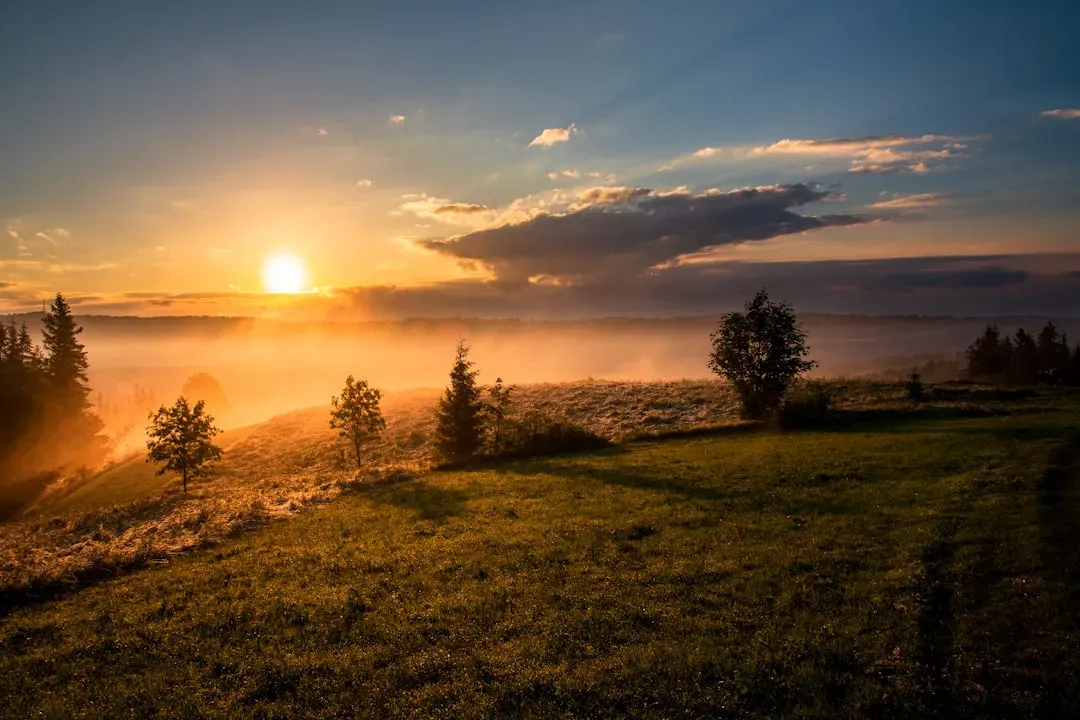
Anyone who has felt sluggish through a grey winter has already experienced this firsthand. Some rely on short getaways to sun filled destinations or sun lamps to mitigate seasonal affective disorder and maintain circadian rhythm balance, but as spring arrives, natural morning sunlight becomes essential in regulating sleep, energy levels, and overall well-being. The mechanism is hormonal rather than purely psychological.
Early morning light exposure signals the brain to regulate melatonin and cortisol production. That’s not a minor side effect. It’s part of why a bright morning walk often feels like it does more for mood than a cup of coffee.
Blood sugar and metabolic health
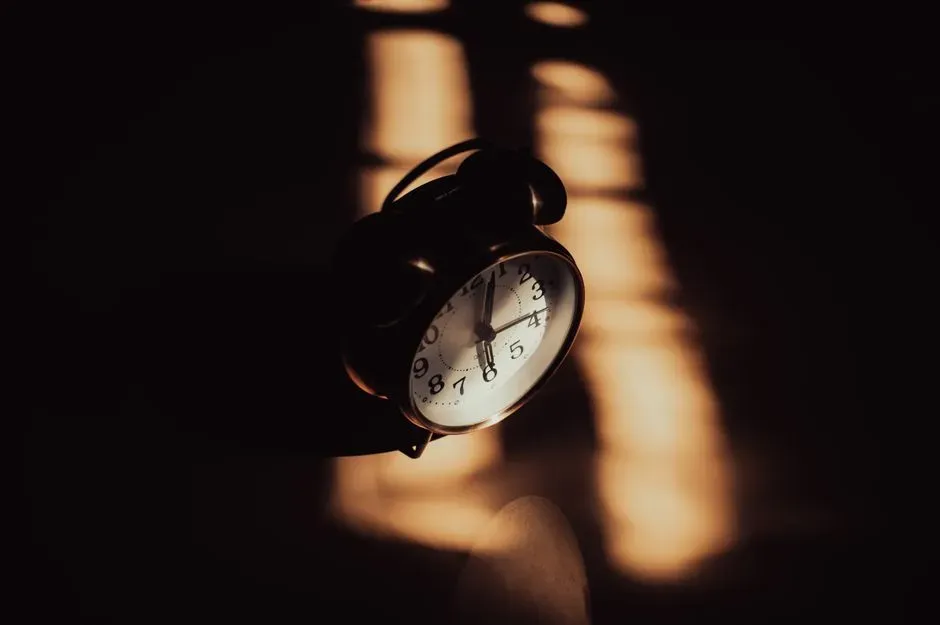
This is one of the less obvious links, and it’s still being actively studied. Light exposure influences many metabolic processes, including insulin secretion and glycolysis, the breakdown of glucose in food to be used in the body, and without it, the circadian rhythm can become disrupted, impairing insulin function and affecting blood sugar levels, which over time can contribute to metabolic disorders such as Type 2 diabetes and obesity, according to a University of Colorado Anschutz researcher.
A small recent study tested this directly. Researchers split 13 people with Type 2 diabetes into two groups, some who sat near a window while working in an office for four and a half days, and others who worked under artificial lighting, then tracked their blood sugar levels with continuous glucose monitors. The sample was small, but the pattern lines up with a broader body of circadian research pointing in the same direction.
Natural light and workplace productivity
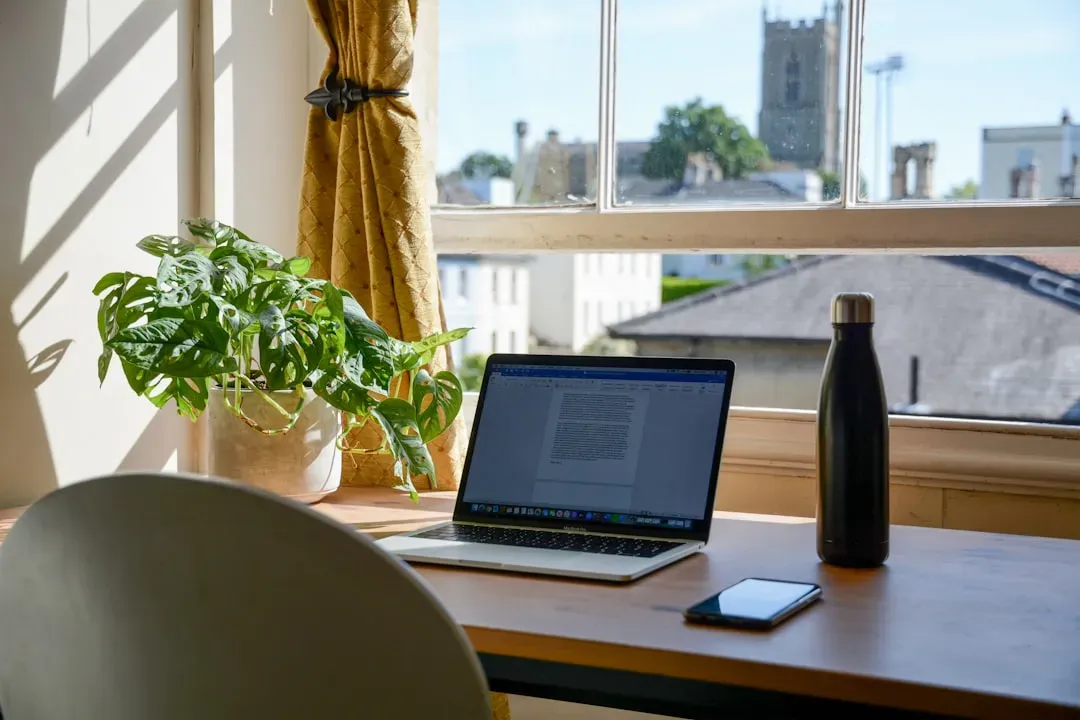
Offices have become an unlikely testing ground for daylight research. The Human Spaces global report, which surveyed more than 7,600 office workers across 16 countries, found that employees working in environments with natural elements reported 15% higher wellbeing, 6% higher productivity, and 15% greater creativity than those in conventional office settings. Absenteeism data tells a similar story.
Research by the UK Green Building Council found that employees with good access to daylight reported 18% fewer sick days, while the BRE Group’s Biophilic Office project identified that a 1% reduction in national absenteeism would save the UK economy approximately £1 billion in lost working days alone. There’s also a physiological mechanism behind it, not just perception. A 2024 longitudinal study published in Scientific Reports confirmed that nature exposure in open-plan offices directly increases vigor, which mediates improvements in overall well-being, and this isn’t a placebo effect, it’s a measurable physiological response.
Biophilic design and the architecture shift
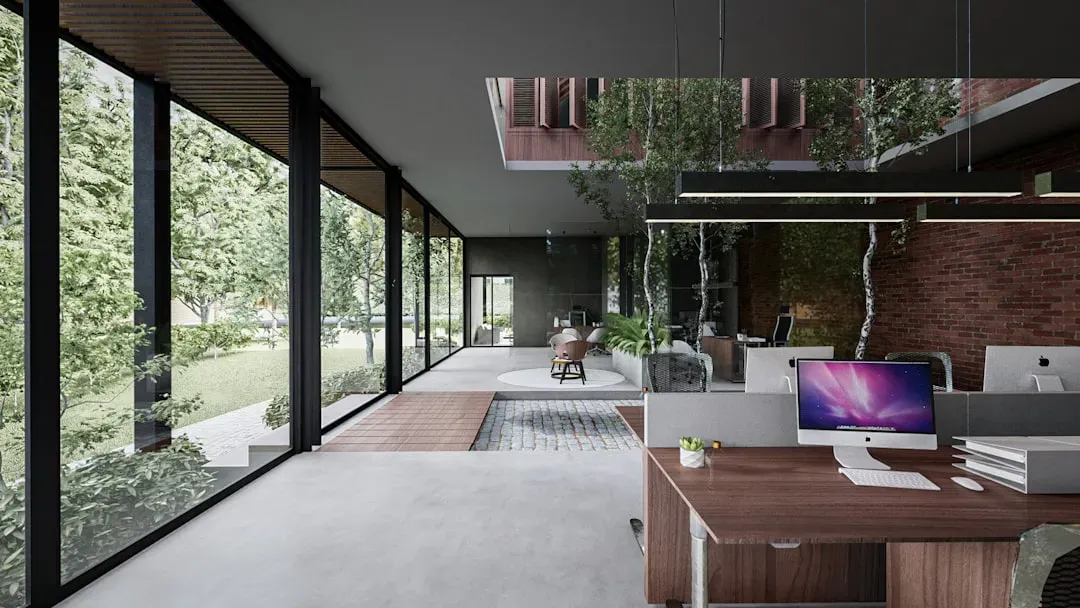
Architects have a name for building with this science in mind. Biophilic office design is the practice of integrating natural elements, materials, light, and spatial patterns into the workplace to strengthen the human connection to nature, and it’s not a trend or an aesthetic choice, it’s a research-backed strategy that improves employee well-being, reduces absenteeism, and makes offices worth commuting to.
The idea has roots that go back decades. Biophilia is the idea that humans have an innate need to connect with nature, a concept the biologist E.O. Wilson popularized in 1984, and it’s since become one of the most well-supported ideas in environmental psychology. Daylight sits at the center of nearly every biophilic strategy, precisely because it’s the one natural element every building already has some access to.
Golden hour: why photographers chase the sun

Photography offers a very different, more visual proof of how much light quality matters. During the golden hour, the sun is lower in the sky than during peak daylight hours, meaning that sunlight must travel further through the atmosphere before reaching a camera’s lens. That extra distance about how a scene reads on camera.
When the sun is low on the horizon, sunlight travels through more of the Earth’s atmosphere, scattering the blue and violet wavelengths and leaving behind warmer colors like red, orange, and yellow, which also reduces the intensity of the light, making it softer. It’s a simple bit of atmospheric physics, but it’s the reason a portrait taken at 7 a.m. often looks completely different from the same person photographed at noon under a harsh overhead sun.
Windows, home value, and what buyers want
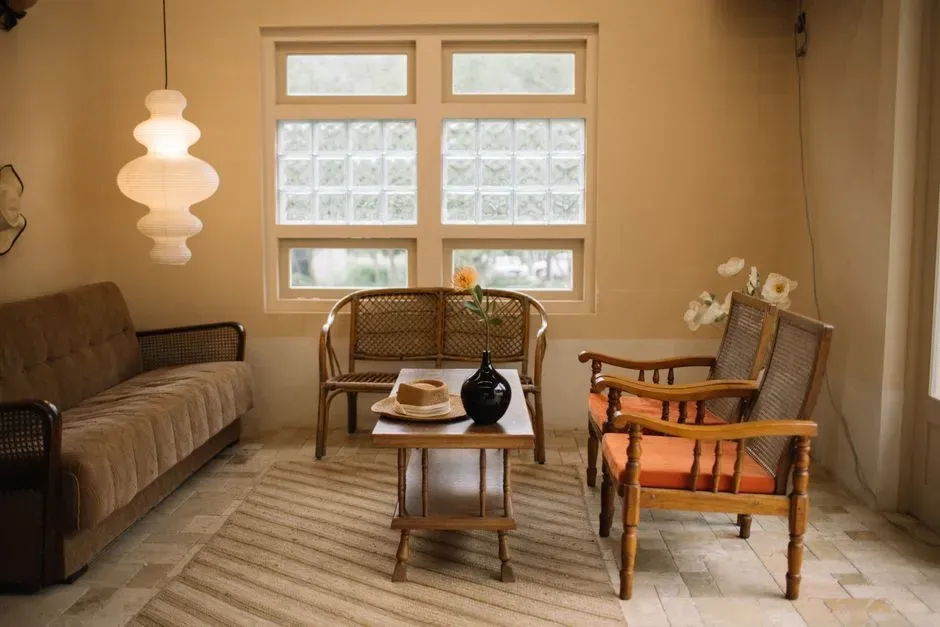
Real estate has quietly absorbed all of this research too. Natural light is one of the most in-demand home features in 2025 because it enhances mood, reduces energy costs, and makes homes feel more spacious and connected to the outdoors, and it has moved beyond being a nice-to-have to one of the top features buyers request in new homes.
Sellers and agents have noticed the impact on price, too. Zillow has found that homes with ample natural light sell faster and at higher prices than those without. Renovation choices reflect that reality directly. New research shows that when renovating, 27% of homeowners are looking to create a more contemporary space with an abundance of natural light.
Bringing more daylight into everyday spaces

None of this requires a full renovation to matter. Positioning a desk near a window, keeping blinds open during work hours, or simply stepping outside during a morning break can nudge the body’s clock in the right direction. Maximizing daylight exposure in workspaces helps regulate circadian rhythms, which in turn improves mood, focus, and energy levels, and employees who work in well-lit environments experience less eye strain, higher levels of alertness, and improved sleep patterns.
The pattern that emerges across sleep science, workplace studies, architecture, and even photography is consistent: light quality and timing shape outcomes far beyond what feels intuitive. Daylight isn’t just a backdrop to daily life. It’s one of the few environmental inputs that touches biology, behavior, and the built world all at once.