
Homes with living green roofs
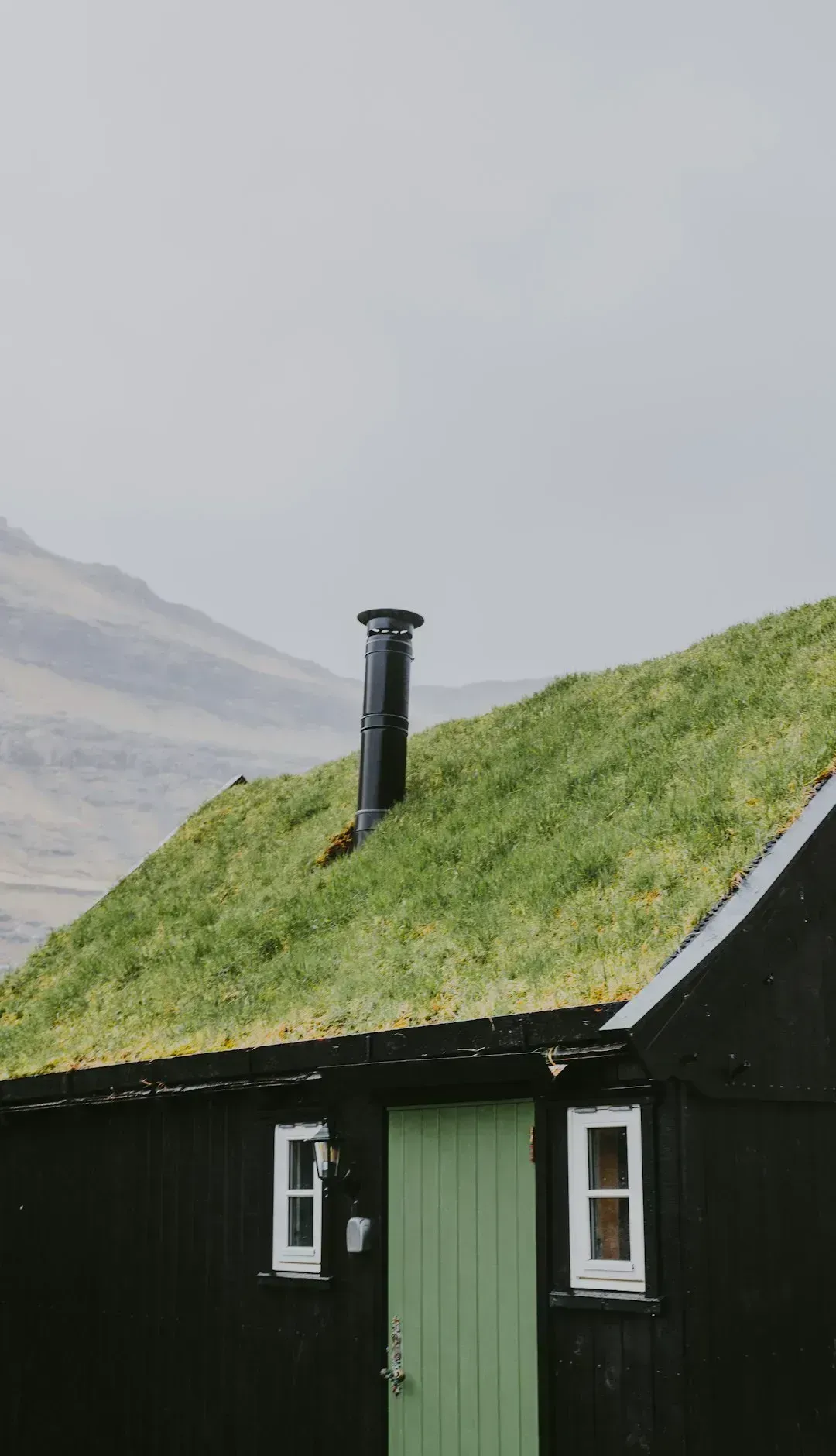
A green roof does more than look striking from a drone shot. A green roof, or living roof, merges architecture with by covering a roof with a waterproof membrane, a drainage system, and a growing medium that supports living vegetation. The payoff is practical as much as visual.
This approach offers remarkable benefits, including improved insulation that reduces heating and cooling costs, and enhanced stormwater management that lessens the burden on local drainage systems. These roofs act as natural insulators that reduce heat absorption and cut down on energy consumption, while also improving air quality by filtering pollutants and reducing the urban heat island effect. Some homeowners plant sedum for low maintenance, while others build tiered gardens that double as outdoor living space.
Timber homes that age like the forest around them
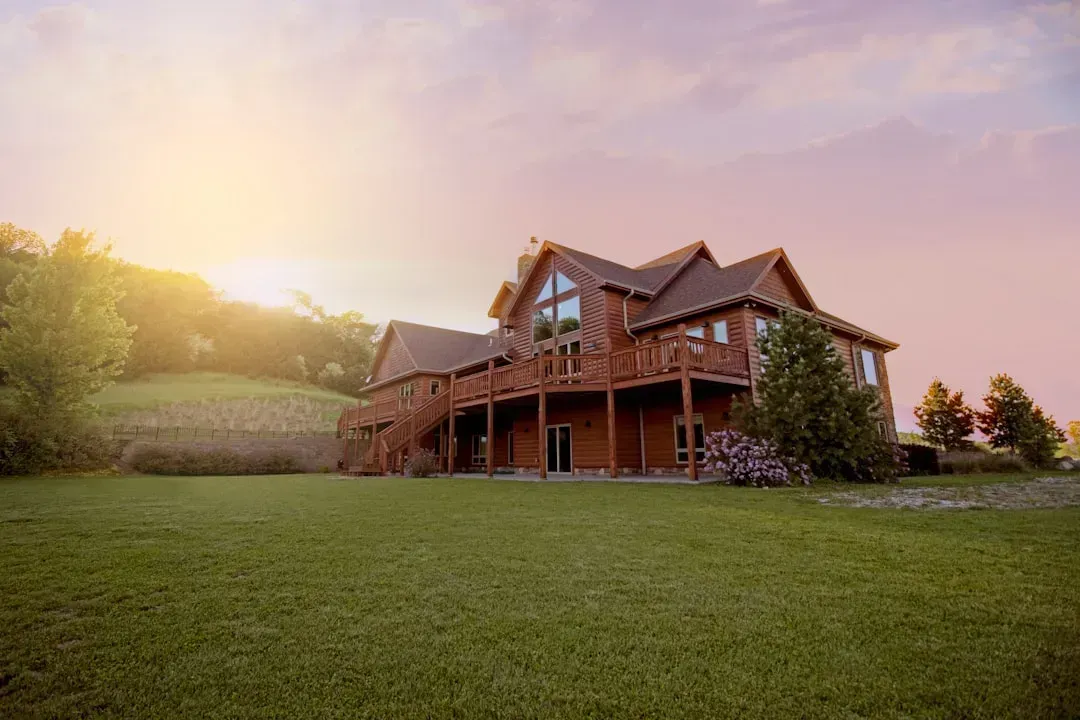
Wood has always been the material most associated with -inspired building, but the way it’s used has changed. Rather than hiding timber behind paint or varnish, current designs let grain, knots, and natural weathering show through. This isn’t neglect. It’s intentional.
Recycled stone composites, bio-based materials, and rapidly renewable timber alternatives are becoming more common, with visible grain, natural variation, and material ageing embraced to reinforce authenticity and longevity. A timber home built this way tends to feel warmer and more textured than one relying on synthetic finishes. Over a decade, the wood silvers and shifts tone, which many owners now see as a feature rather than a flaw.
Earth-sheltered and hillside dwellings
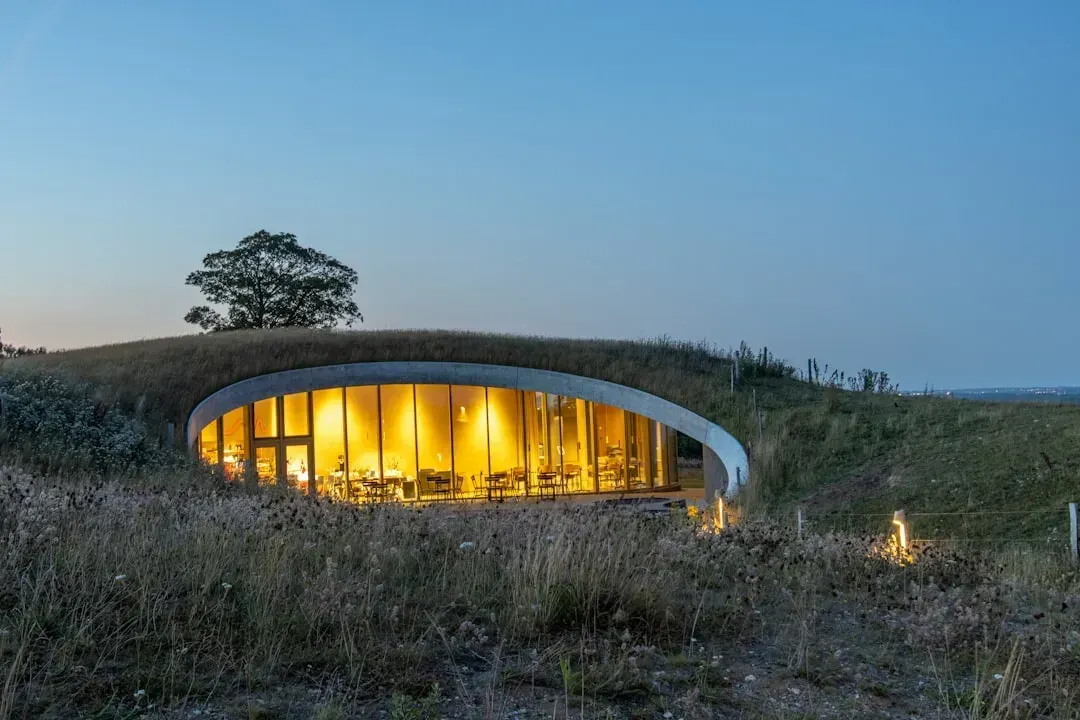
Some of the most dramatic -inspired homes barely look like buildings at all. They’re tucked into slopes, half buried, with grass roofs blending into the surrounding hill. This approach isn’t new, but it’s gaining fresh attention as energy costs and climate concerns push architects toward passive design.
Earth-sheltered structures use the surrounding soil as natural insulation, keeping interiors cool in summer and warmer in winter without heavy reliance on mechanical systems. Thick stone or rammed-earth walls add thermal mass, meaning temperature swings inside the home stay gentler than outside. The result is a house that seems to grow out of the landscape rather than sit on top of it.
Courtyard and passive-cooled desert homes
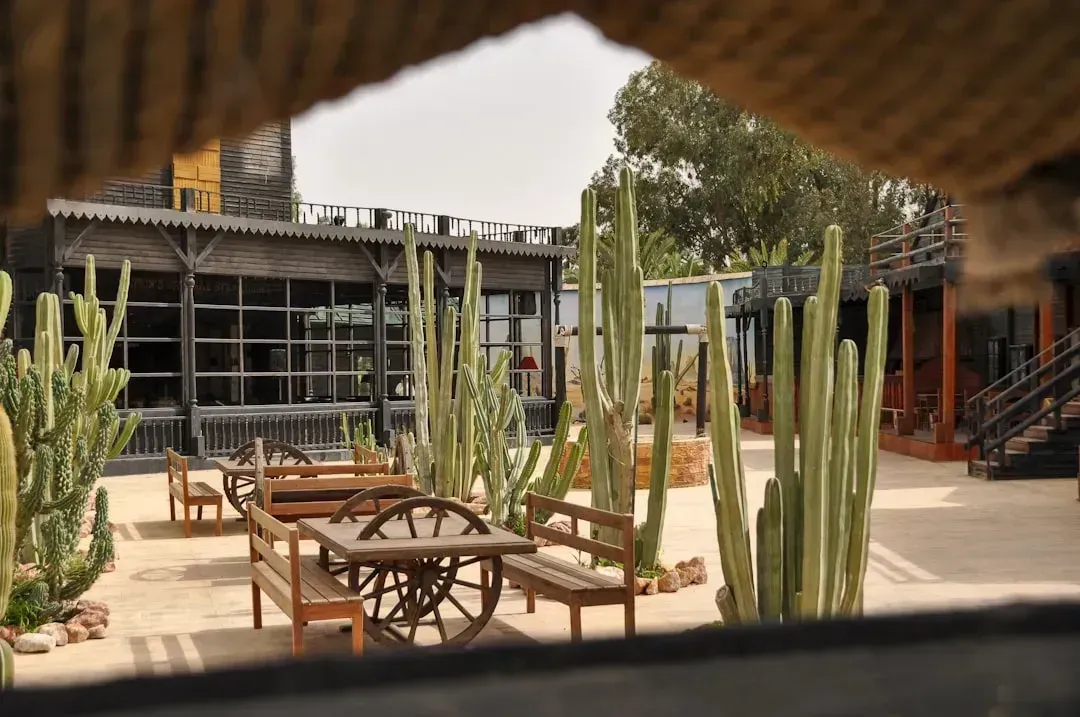
In hot, dry climates, -inspired design often means learning from centuries-old building traditions rather than inventing something new. Thick walls, small strategic openings, and interior courtyards have kept homes livable in the desert long before air conditioning existed. Modern architects are revisiting these ideas with updated materials.
Passive heating through southern-facing windows and concrete radiant floors, thermal mass provided by stone walls or earthen floors, and natural ventilation via fully operable walls, clerestories, and stack ventilation all work together in place-based design. A courtyard at the center of the house creates shade, channels breeze, and gives residents a private outdoor room shielded from wind and sun. It’s a quiet, effective kind of architecture that doesn’t need to shout to make an impression.
Homes built around water
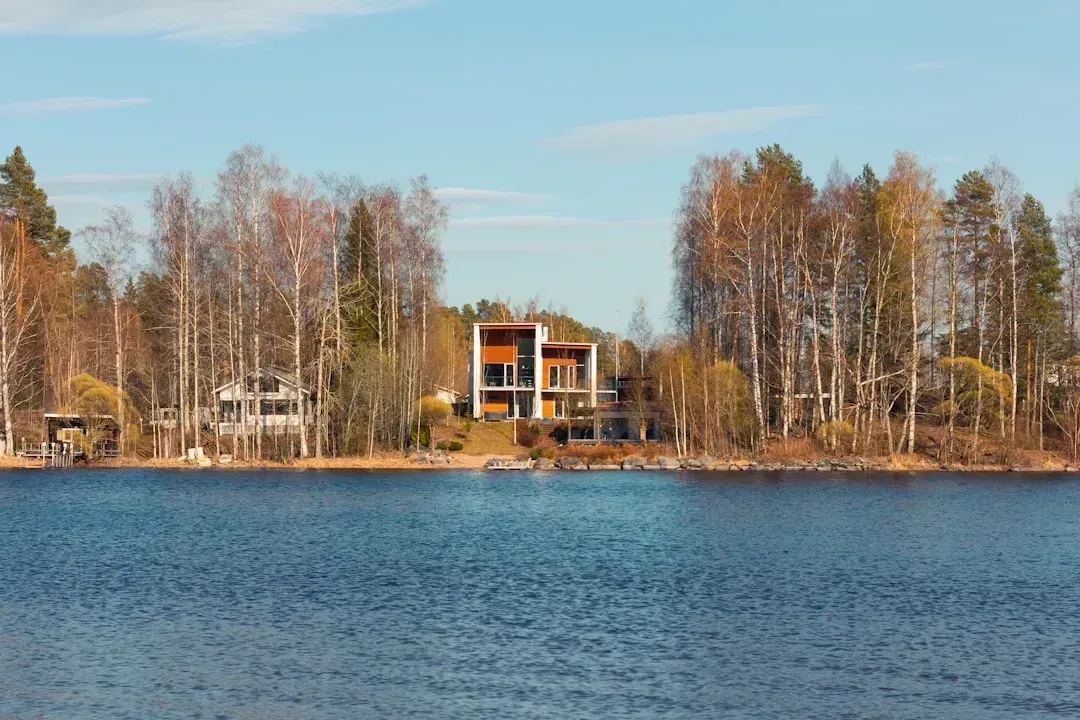
Lakeside, riverside, and coastal homes have always drawn on their settings, but the way they’re designed today leans harder into blurring the line between structure and shoreline. Large glass walls, cantilevered decks, and reflective pools inside the home itself all echo the water just beyond the windows. It’s less about a view and more about a continuous relationship with the surroundings.
Materials matter here too. Weathered wood, stone, and metals that oxidize gracefully tend to suit coastal and lakeside settings better than anything glossy or synthetic. A home like this often feels most alive during storms or shifting light, when the water outside changes and the interior responds through reflection and shadow.
Living walls and vertical gardens indoors
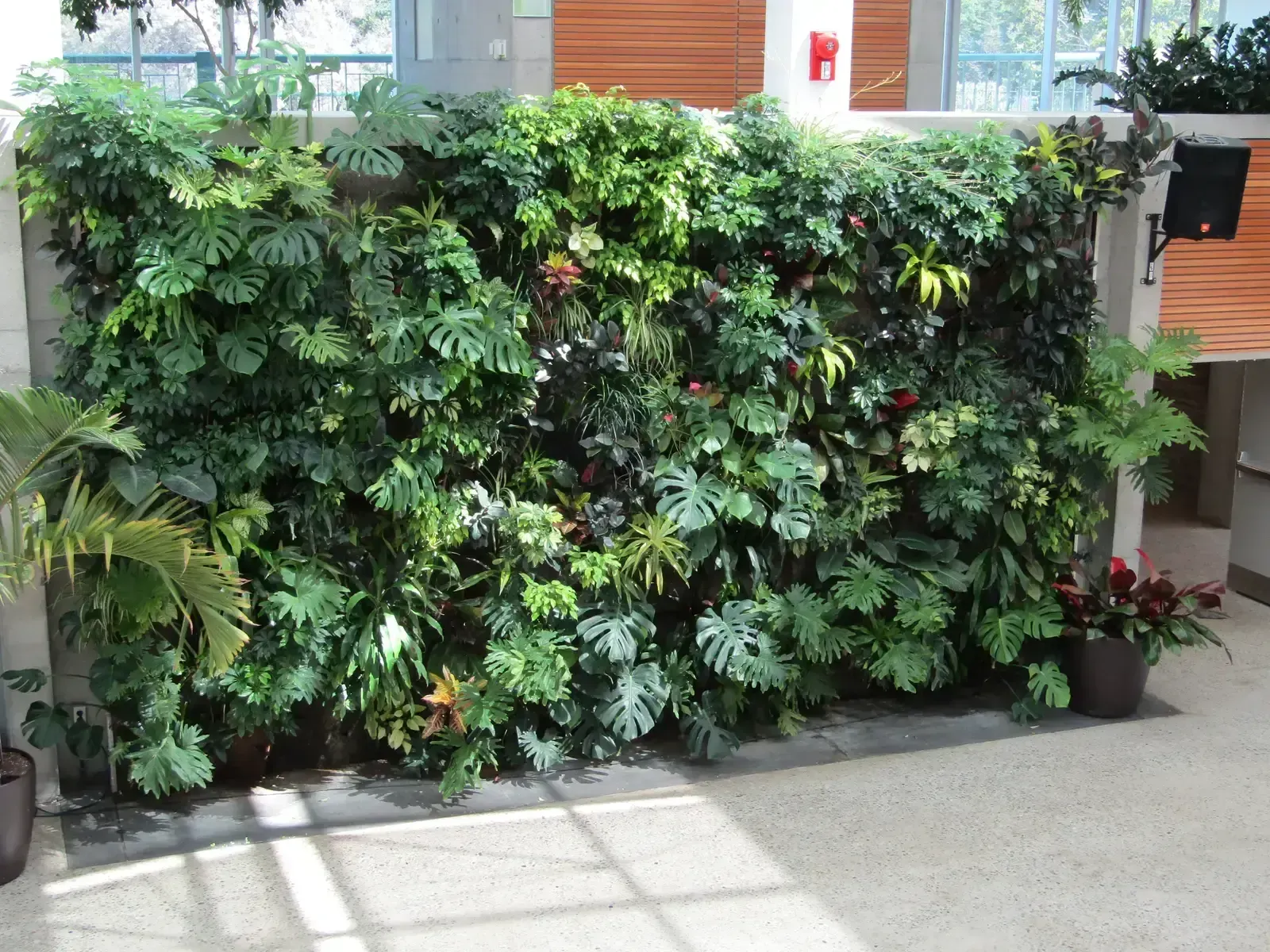
Vertical greenery has moved well past the occasional potted fern. Living walls of ferns, vertical gardens, water features, and even air-purifying moss panels have become part of immersive indoor ecosystems rather than simple decor additions. These installations do real work beyond aesthetics, filtering air and softening acoustics in open-plan spaces.
Research has found that short-term exposure to biophilic indoor spaces with vegetation reduces activity in the brain’s dorsolateral prefrontal cortex, signifying lower cognitive-emotional overload, with participants reporting less fatigue, anxiety, and depression. That’s a meaningful finding for anyone who’s ever felt oddly settled after spending time near greenery. It suggests these walls aren’t just pretty. They’re doing something measurable to how people feel inside their own homes.
Homes designed around natural light and circadian rhythm
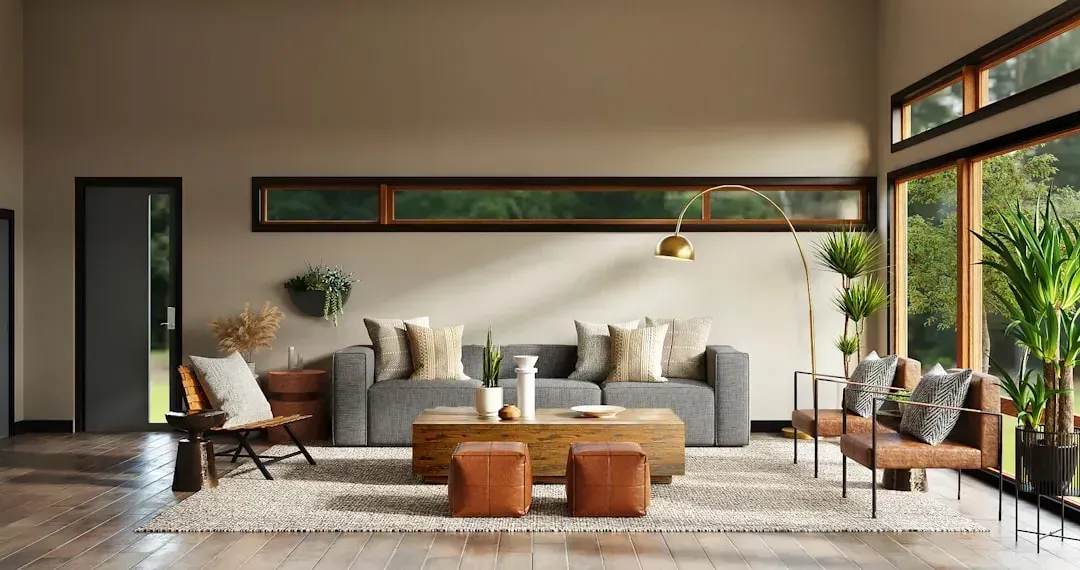
Light has quietly become one of the most studied elements in -inspired design. Rather than uniform brightness throughout the day, newer homes are built to shift tone and intensity the way sunlight naturally does. Kitchen lighting, for example, now supports both activity and relaxation, with brighter cooler light enhancing visibility during the day and warmer tones in the evening creating a softer atmosphere, all of which helps maintain healthy daily rhythms when combined with good access to daylight.
This isn’t limited to kitchens. Bedrooms, living areas, and even hallways are being oriented and glazed to catch specific angles of sun at specific times of day. The effect, when done well, is a home that feels almost synchronized with the outside world rather than sealed off from it.
Stone, clay, and earthy material palettes
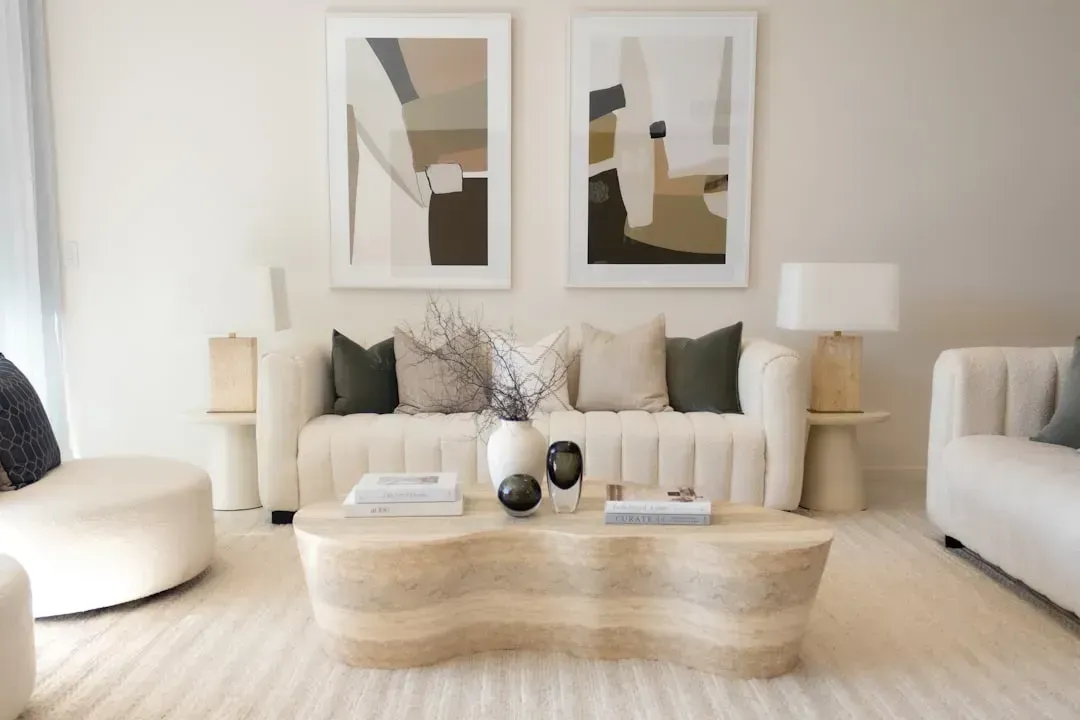
Color and texture choices have shifted noticeably toward materials that look pulled straight from the ground. Reclaimed wood, natural stone, and wool now dominate material choices, paired with earthy palettes of muddy greens and clay tones to ground spaces in calm. These aren’t flashy finishes. They’re chosen precisely because they don’t compete with the surrounding landscape.
Color trends have leaned toward warm neutrals and dark, earthy greens, alongside deep jewel tones, rustic browns, grays and taupes, and wood tones or paneling, all keeping in step with the broader biophilic movement. A house finished this way tends to feel timeless rather than trend-driven, which is part of the appeal for homeowners tired of redecorating every few years.
Homes with regenerative and locally sourced materials
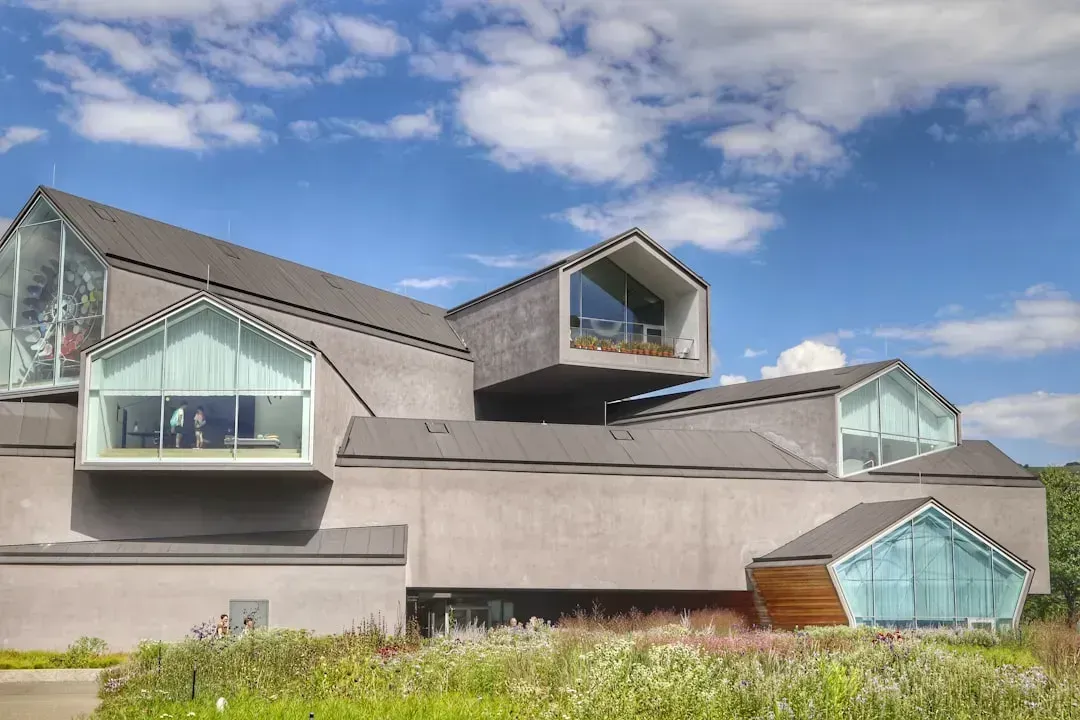
Sustainability in -inspired homes has moved beyond simply reducing harm. Sustainability is no longer limited to reducing impact, with biophilic design increasingly aligned with regenerative and circular principles that prioritize materials contributing positively to environmental systems. That’s a subtle but important shift in thinking.
Builders are now sourcing stone, timber, and finishes from within a region rather than shipping materials long distances, which cuts both cost and carbon footprint. In some regions, climate-responsive strategies such as filtered daylight, shading devices, earthy material palettes, and locally sourced materials are reinterpreted in contemporary interiors, strengthening connections to both and cultural identity. The homes that result feel rooted in a specific place rather than generic.
Homes prioritizing wellness through connection
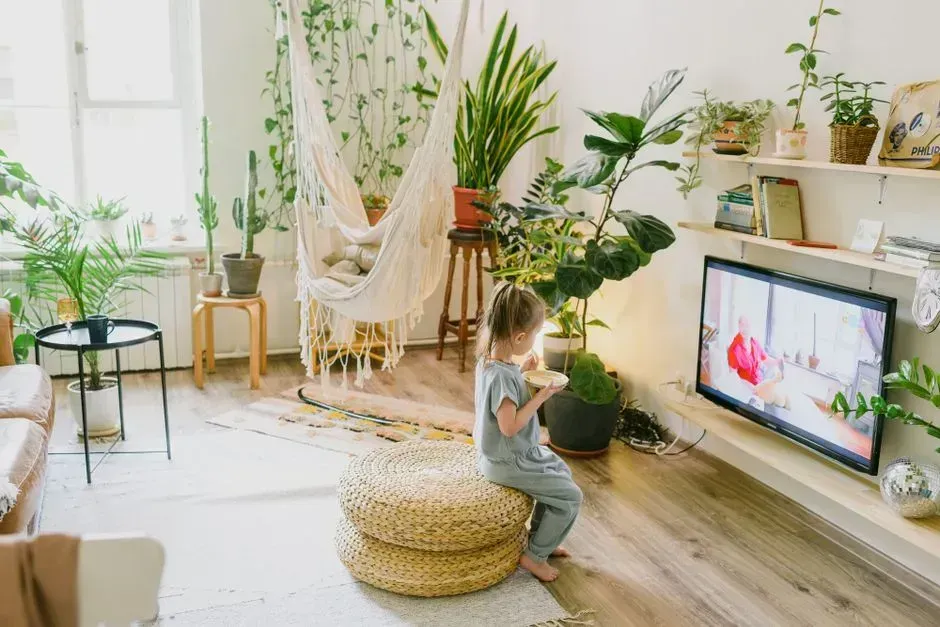
Beyond materials and light, there’s a growing body of evidence that -inspired homes genuinely change how residents feel day to day. Biophilic design has been called the only home design style that’s actually proven to make people happier, with real estate trend reports ranking biophilic and indoor-outdoor home features second among the fastest-growing listing trends in 2025. That’s a striking claim for what used to be considered a niche aesthetic preference.
Post-pandemic living has put health, stress reduction, and emotional wellness at the center of design decisions, with studies showing biophilic spaces can reduce anxiety, improve focus, and promote overall well-being. Search data backs this up too. Interest in biophilic design searches is up 112 percent, while spa-related searches have increased 68 percent as homeowners invest in private, retreat-like spaces.
The lasting appeal of building with in mind
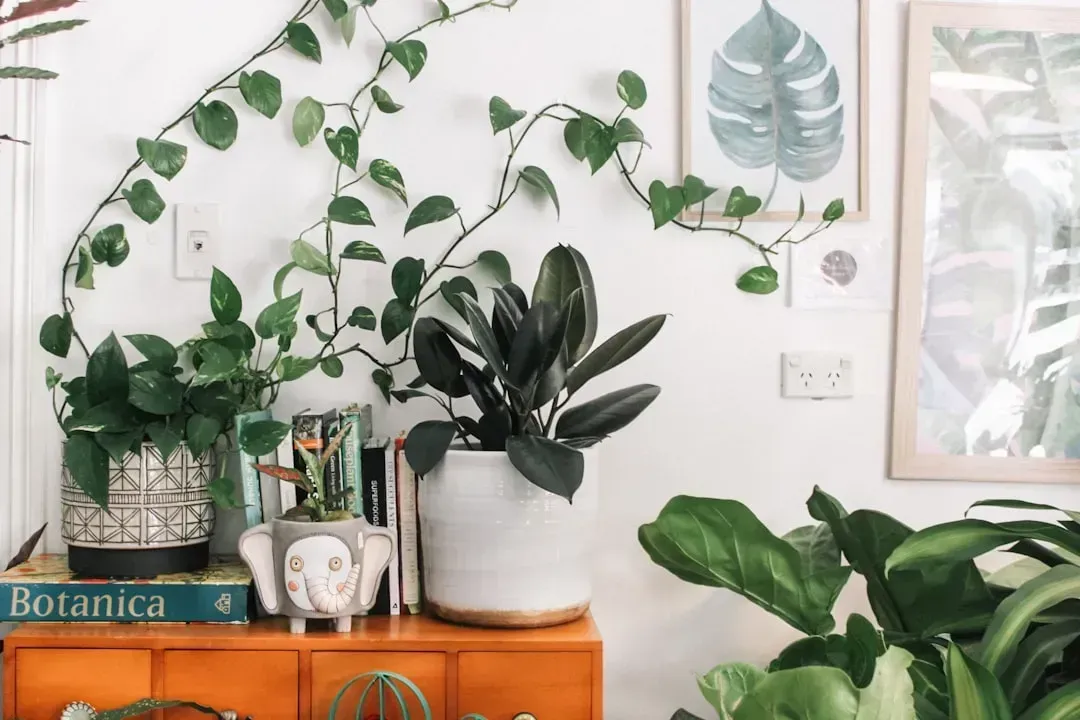
What separates this movement from a typical design fad is its staying power. Unlike fads that come and go, connecting with is universal and enduring, giving biophilic design a fresh yet timeless quality that makes it a smart investment for homeowners and designers alike. That timelessness is probably the strongest argument for building this way in the first place.
Homes shaped by natural light, local stone, living greenery, and honest materials don’t just look good in photographs. They tend to hold up emotionally and practically over years of daily living. As more architects treat as a starting point rather than an afterthought, it’s likely these houses will keep setting the tone for what a genuinely comfortable home looks like going forward.