
Sealing air leaks and adding insulation
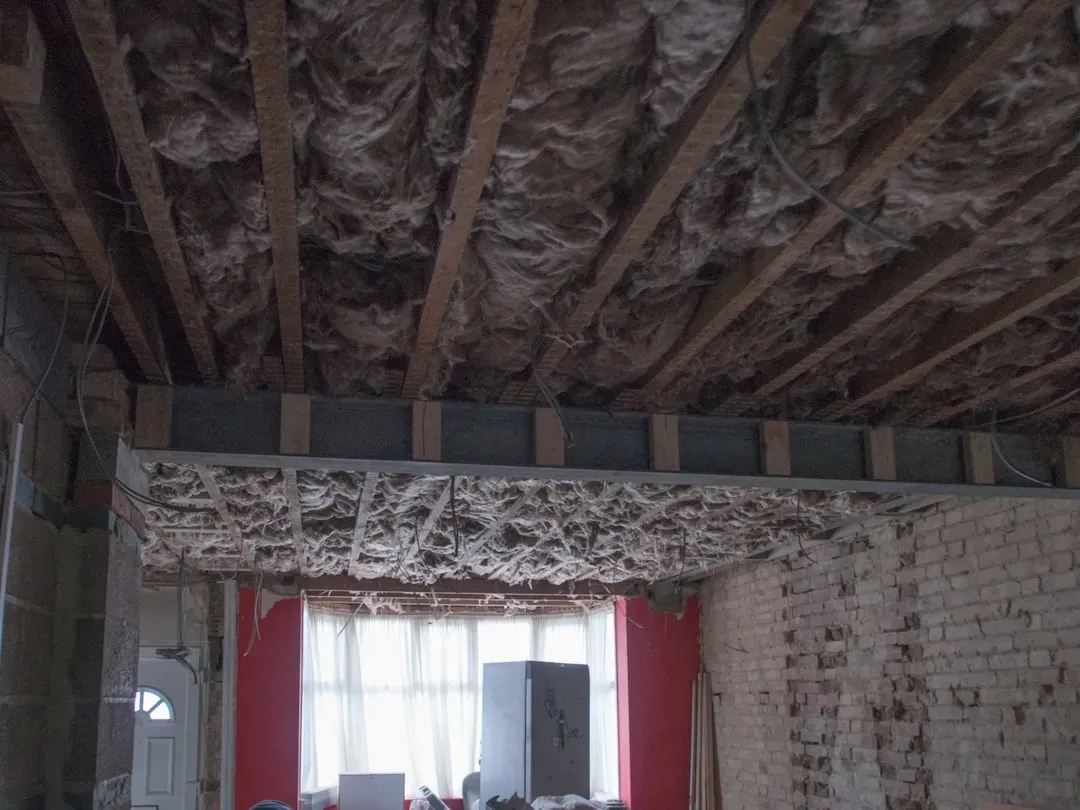
Most homes leak more than people realize. If you added up all the leaks, holes and gaps in a typical home’s envelope, it would be the equivalent of having a window open every day of the year, and nine out of ten homes in the U.S. are under-insulated. That gap works against you twice, once when you’re heating in winter and again when you’re cooling in summer.
The fix is unglamorous but effective. EPA estimates that homeowners can save an average of 15% on heating and cooling costs, or an average of 11% on total energy costs, by air sealing their homes and adding insulation in attics, floors over crawl spaces and basements. It’s one of the few upgrades where the payoff shows up on every single utility bill you receive afterward, not just the ones during extreme weather.
Installing a smart thermostat
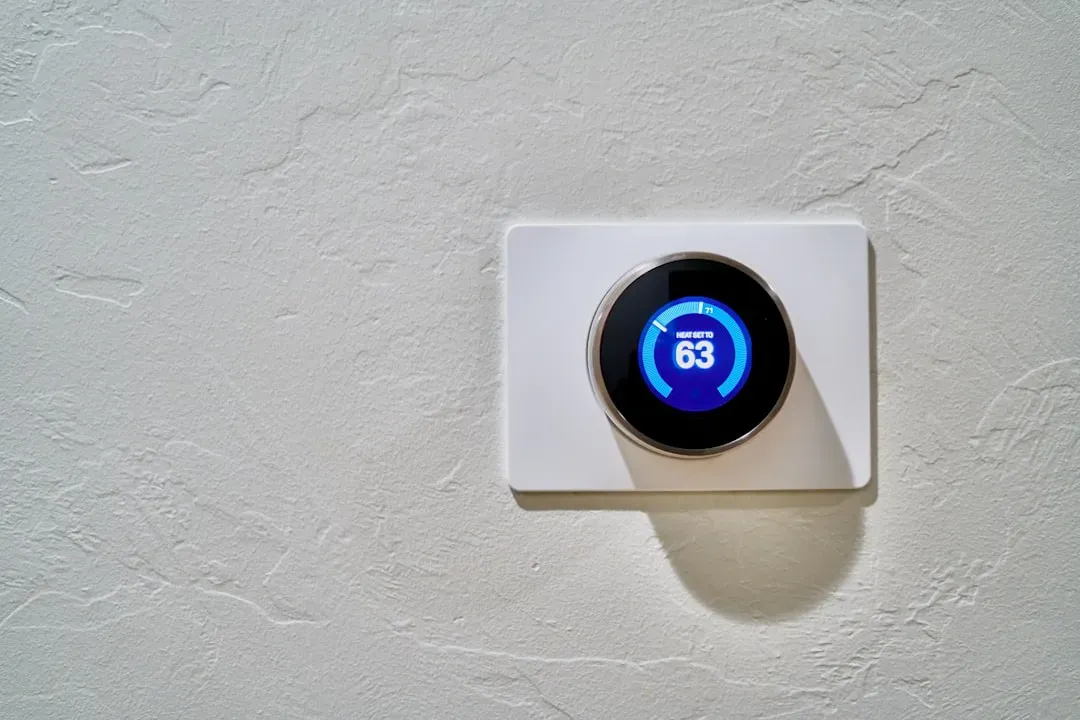
A thermostat that adjusts itself is different from one that just displays a number. Smart thermostats save the average U.S. household $130 to $260 per year on heating and cooling costs, representing a 15 to 23 percent reduction in HVAC energy consumption. Those figures come from EPA-backed field data rather than marketing claims, which matters when you’re deciding whether the device is worth the price tag.
Part of the appeal is that it removes human error from the equation. Field studies found that a majority of programmable thermostat users overrode their programmed schedule regularly, which is part of why ENERGY STAR suspended its certification program for programmable thermostats in 2009 due to inconsistent field performance. A smart thermostat with geofencing or occupancy sensing doesn’t rely on you remembering anything, it just reacts to whether you’re home.
Switching every bulb to LED
Lighting is one of those costs people rarely think about until they add it up. Lighting accounts for about ten percent of the electricity use in the average U.S. home, and LEDs provide the same brightness as traditional bulbs while using up to 90 percent less energy. That’s not a seasonal saving, it’s a constant one, since lights get used year round regardless of the weather outside.
The lifespan difference compounds the savings. ENERGY STAR certified LEDs use up to 90% less energy than traditional incandescent bulbs and last over 15 times longer. Fewer trips up a ladder to change a bulb is a small thing, but it adds up over a decade of ownership.
Upgrading to water-efficient fixtures
Water use inside a home doesn’t fluctuate much with the seasons the way heating and cooling does, which makes efficient fixtures a steady, year-round saver. WaterSense-labeled products and services are certified to use at least 20 percent less water, save energy, and perform as well as or better than regular models. That applies to toilets, faucets, and showerheads alike.
The national numbers are hard to ignore. According to EPA’s National Water Savings model, consumers have saved 1.5 trillion gallons of water and $32.6 billion on utility bills through the WaterSense program. On an individual household level, the average family can save 13,000 gallons of water and $130 in water costs per year by replacing all old, inefficient toilets in their home with WaterSense labeled models.
Adding ceiling fans for year-round air movement
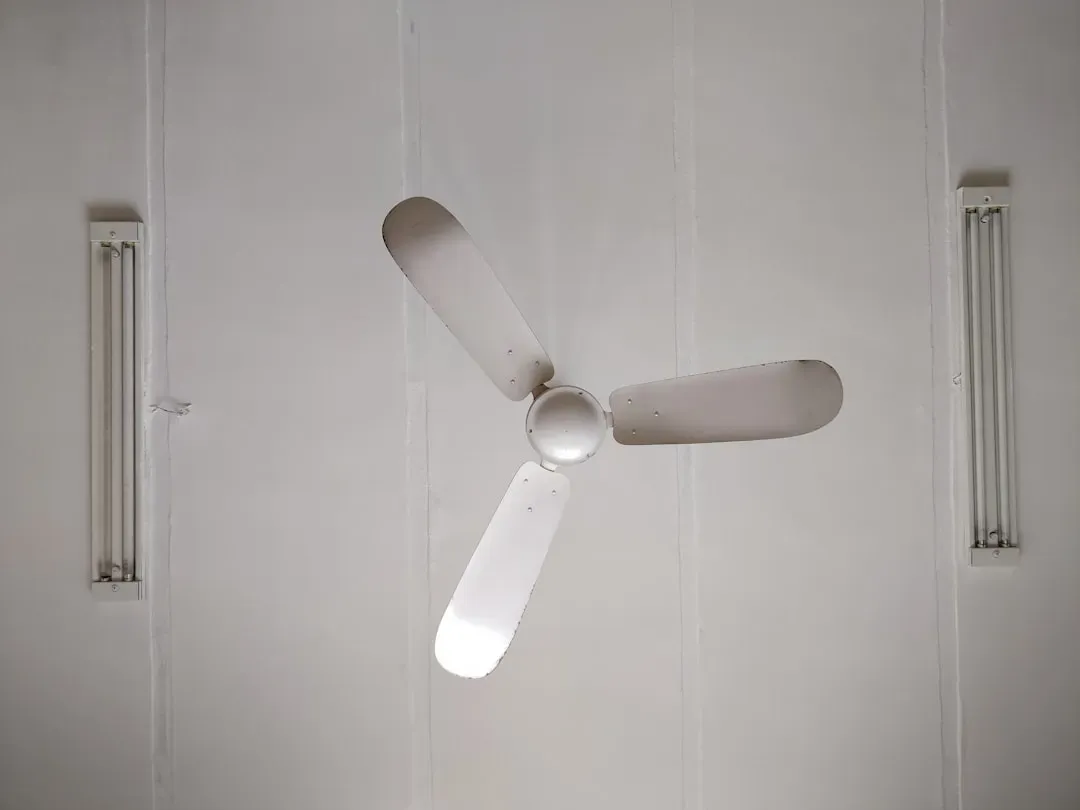
Ceiling fans get pigeonholed as a summer-only fixture, but that undersells them. Reversing the blade direction in winter pushes warm air that has risen toward the ceiling back down into the living space, letting you nudge the thermostat down a degree or two without losing comfort. In summer, the same fan creates a wind-chill effect that lets you raise the thermostat setting while still feeling cool.
The mechanical cost of running a ceiling fan is a fraction of running an air conditioner or furnace harder. It’s a modest upgrade, often under a couple hundred dollars installed, but it works in tandem with whatever heating or cooling system you already have rather than replacing it.
Replacing drafty windows and doors

Windows and doors are where a lot of conditioned air quietly escapes. Beyond insulation and sealing, upgrading to double or triple-pane windows with better framing materials reduces the temperature swing near exterior walls, which is often the coldest or hottest part of a room depending on the season.
Federal support for this kind of upgrade has existed for several years but is now time limited. Homeowners who made qualified energy-efficient improvements after January 1, 2023, could qualify for a tax credit up to $3,200, claimable for improvements made through December 31, 2025. Anyone considering window or door replacement should check current eligibility carefully, since the landscape of incentives has shifted recently.
Keeping HVAC systems tuned up
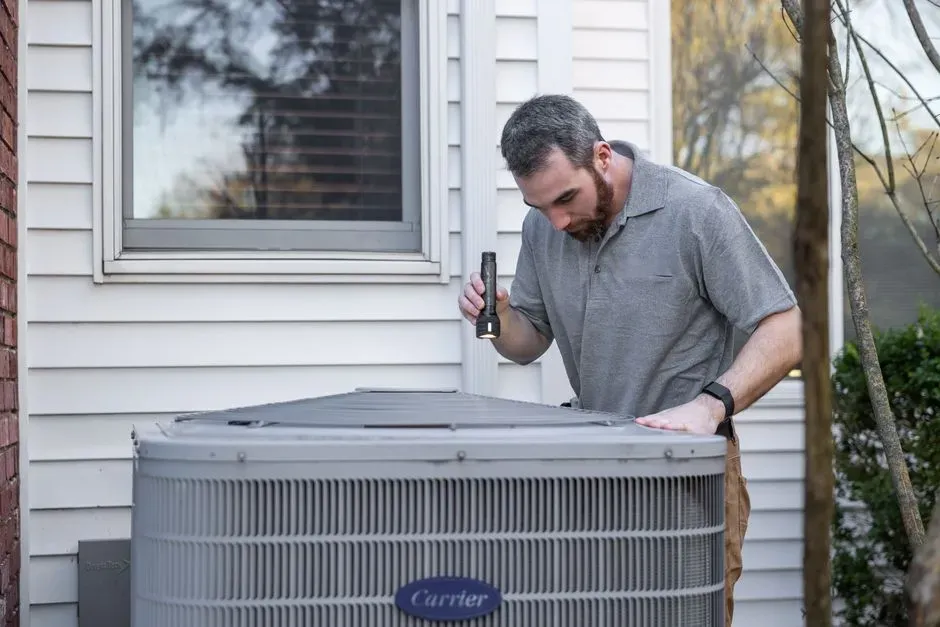
A furnace or air conditioner that’s never serviced loses efficiency gradually, which means the cost creeps up without any single dramatic failure to point to. Simple habits, replacing filters on schedule and scheduling an annual professional check, keep the system running closer to its rated efficiency in both heating and cooling seasons.
HVAC represents a large share of a typical home’s energy bill, so small efficiency losses compound quickly. HVAC is roughly 50 percent of home energy use in many households, which means neglecting the system doesn’t just cost money in extreme weather months, it costs money every single billing cycle.
Rethinking outdoor water use
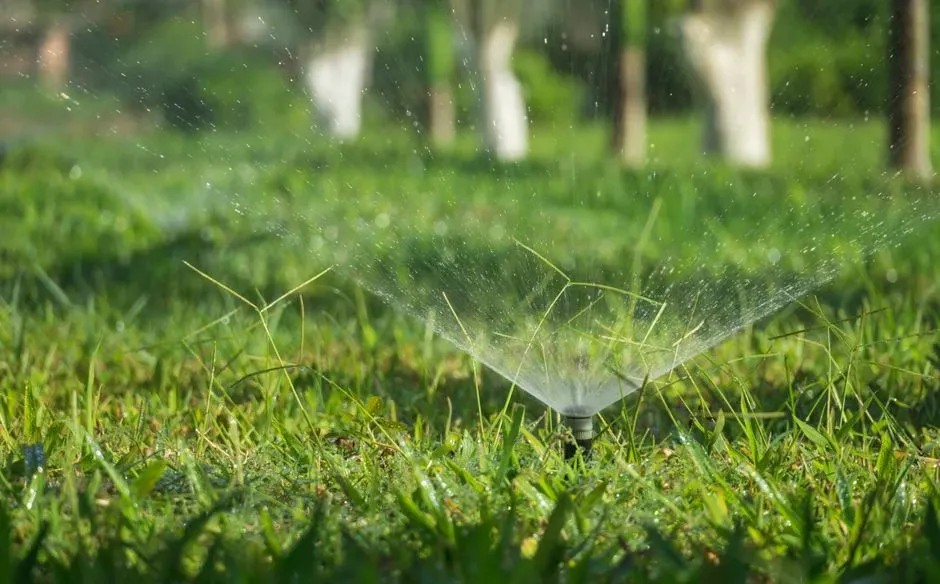
Landscaping and irrigation habits matter just as much in dry months as wet ones, and they’re one of the more overlooked year-round expenses. Outdoor water use accounts for more than 30 percent of total household water use on average, but can be as much as 60 percent of total household water use in arid regions. A poorly calibrated sprinkler system wastes water quietly, month after month.
Smart irrigation controllers address this directly. Replacing a clock-based controller with a WaterSense labeled irrigation controller can save a home up to 15,000 gallons of water annually. That’s a change made once that keeps paying off through every watering season without further thought.
Understanding the current incentive window
Anyone weighing these upgrades in 2026 should know that the federal incentive picture has changed. The 25C Energy Efficient Home Improvement Credit expired on December 31, 2025, though the expiration of federal incentives does not necessarily mean the end of all clean energy support. Many of the credits that made insulation, heat pumps, and efficient windows more affordable for the past few years are no longer available at the federal level in the same form.
That said, other layers of support often remain. Many states, utilities, and local programs may offer their own rebates and tax credits, which can potentially be combined with federal incentives, so it is recommended to investigate options available in your specific area. It’s worth checking local utility rebate finders before assuming an upgrade is out of reach financially.
Final thoughts
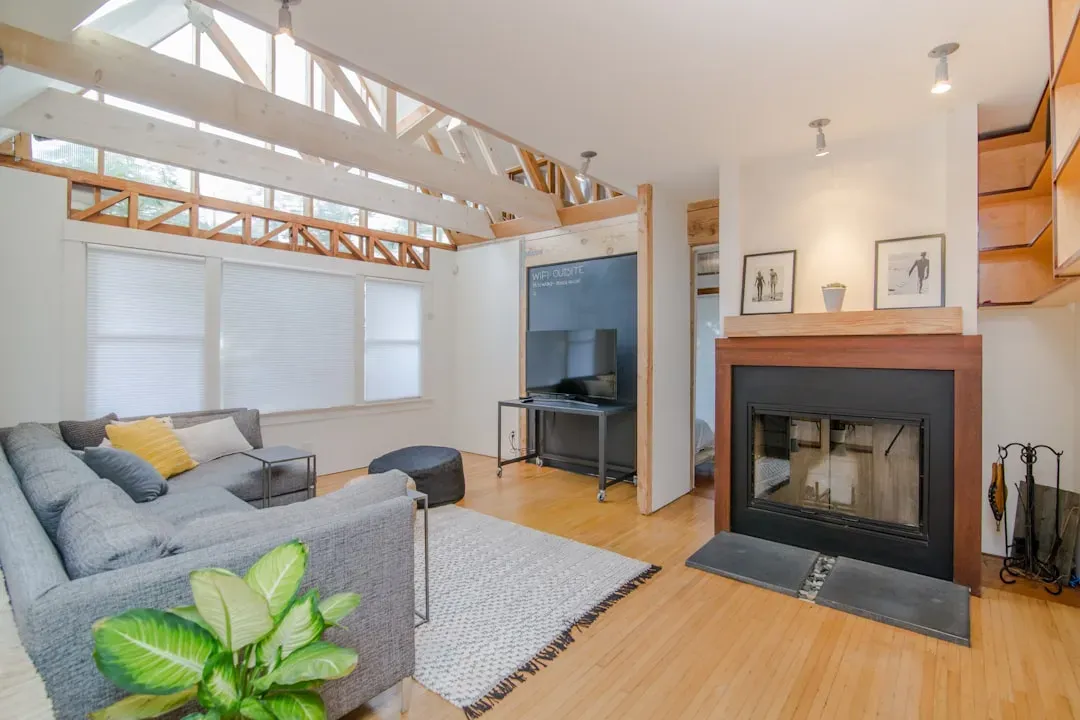
None of these changes are flashy. There’s no dramatic before-and-after photo for better attic insulation or a WaterSense showerhead. What they share instead is a kind of quiet consistency, working the same way in a heat wave as they do during a cold snap, and never asking to be turned off once the season changes.
That’s really the point. A home built around a handful of these year-round improvements tends to feel steadier, cost less to run, and require less thinking about season by season. The upgrades that matter most aren’t always the ones you notice every day, but they’re the ones you’d miss if they were gone.