
Layer soft textiles for warmth and texture
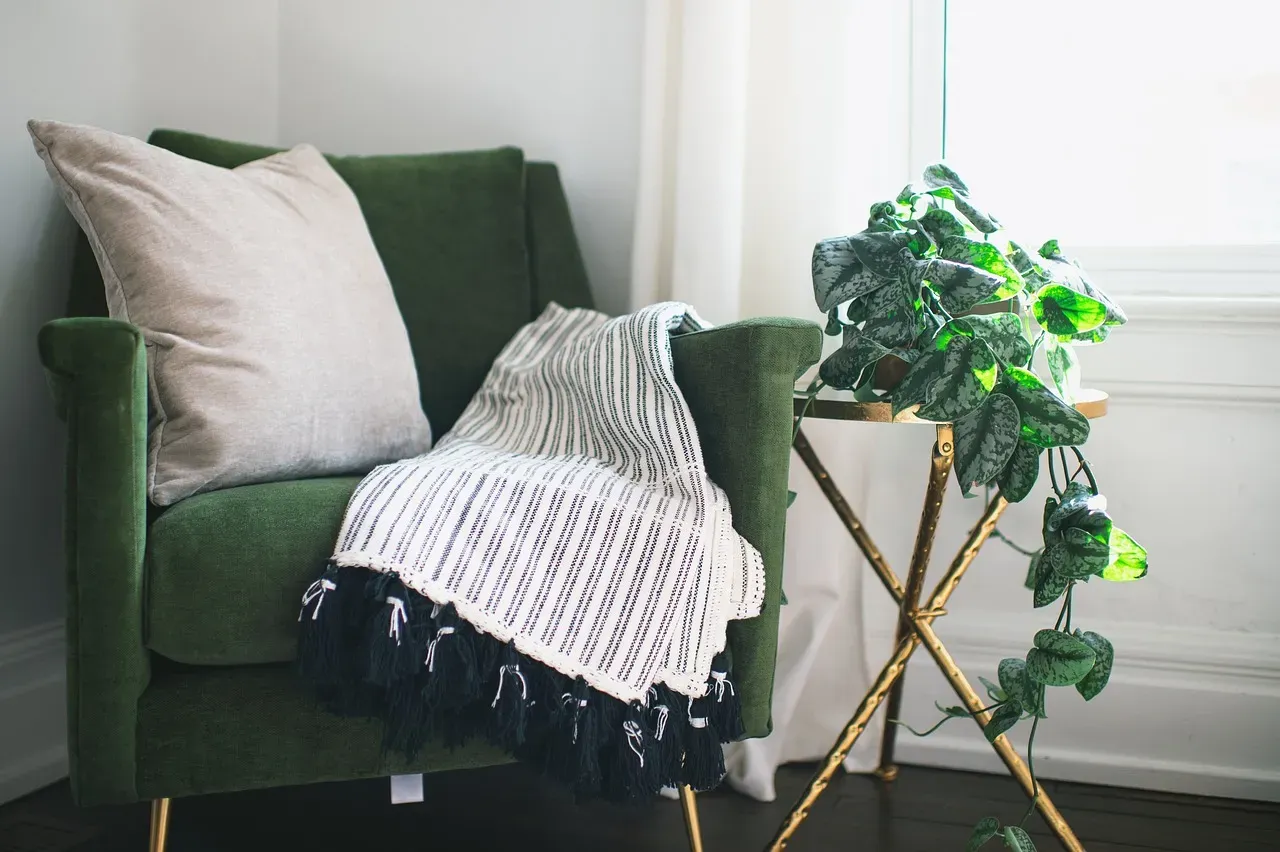
Throw blankets, cushions, and area rugs do more than decorate. They soften hard surfaces, absorb sound, and add a tactile layer that makes rooms feel lived in rather than staged. A mix of textures, like a wool throw next to a linen cushion, creates visual depth without requiring any structural change.
Rugs in particular help regulate temperature underfoot, especially on tile or hardwood floors that can feel cold in winter. Layering a smaller patterned rug over a larger neutral one is a popular trick among interior designers because it adds warmth while keeping the base tone calm.
Adjust lighting to match the time of day
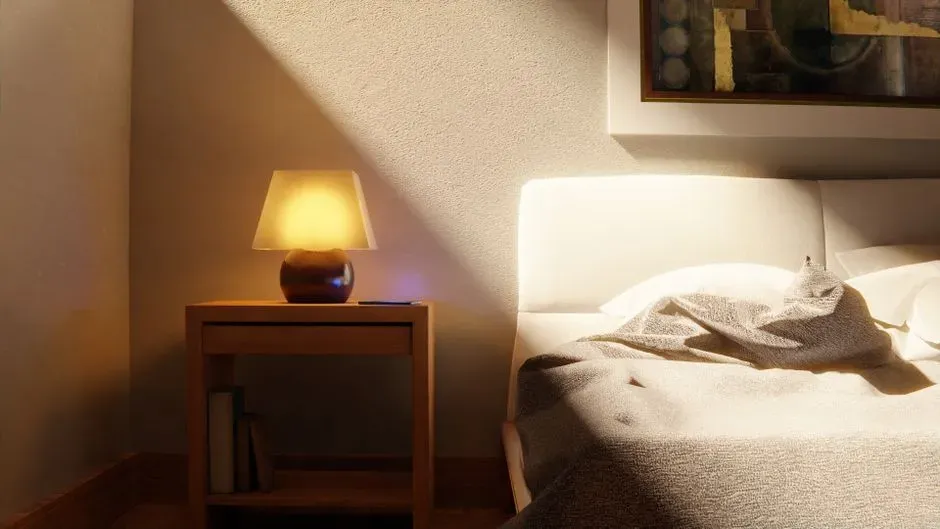
Harsh overhead lighting can make even a well-furnished room feel sterile. Swapping to warmer bulbs, typically in the 2700 to 3000 kelvin range, softens the atmosphere and is closer to the tone of candlelight or early evening sun. Smart bulbs that dim automatically in the evening have become widely accessible, letting a room shift from bright and functional in the morning to relaxed by night.
Table lamps and floor lamps placed at seated eye level tend to feel more comforting than a single ceiling fixture. Many designers recommend having at least three light sources in a living room, spread around the space rather than concentrated in one spot, to avoid flat, uneven lighting.
Bring in houseplants for a natural boost
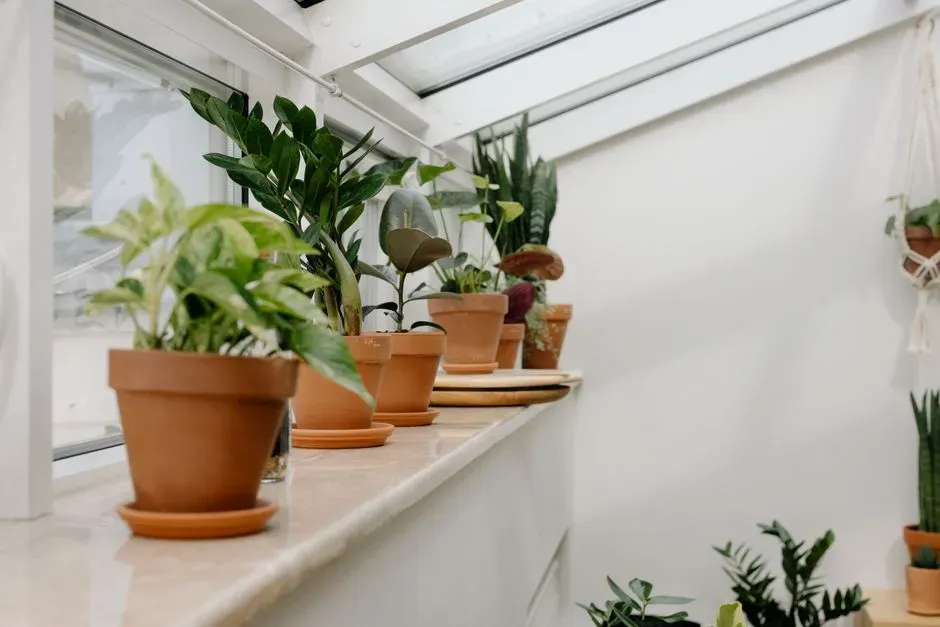
Houseplants add color and life to a room, and research from NASA’s Clean Air Study, though decades old, still gets cited for showing that certain plants can filter some common indoor pollutants under controlled conditions. Beyond air quality, the simple presence of greenery has been linked in various studies to lower stress and improved mood in indoor environments.
Low-maintenance options like snake plants, pothos, or ZZ plants suit people who want greenery without a demanding care routine. Grouping a few plants of different heights near a window creates a more natural, layered look than a single isolated pot.
Control indoor temperature and airflow

Comfort is as much physical as visual, and temperature plays a bigger role than people often admit. The U.S. Department of Energy suggests keeping homes around 68 degrees Fahrenheit in winter when occupied, adjusting lower when away or asleep to save on heating costs. Ceiling fans, when set to spin counterclockwise in summer, help circulate cool air and can reduce reliance on air conditioning.
Draft stoppers under doors and heavier curtains in colder months address a subtle discomfort many homes overlook. Even small gaps around windows can let out a noticeable amount of heat, so sealing them is a low-cost way to keep rooms feeling steadier year-round.
Choose calming, cohesive color palettes
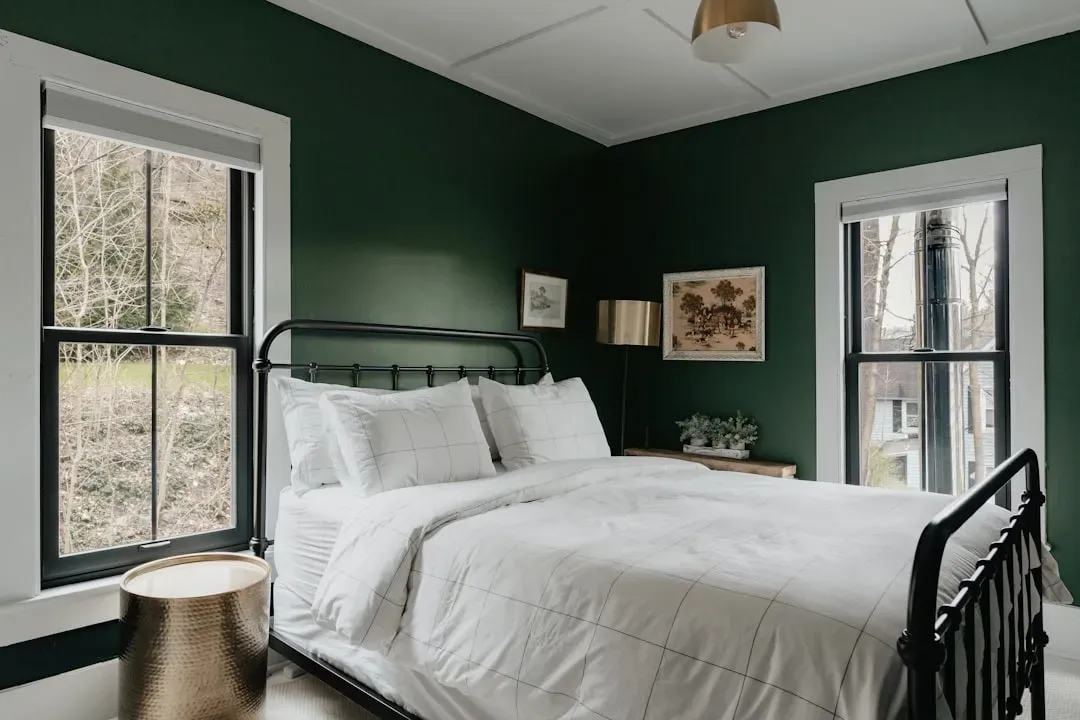
Color affects mood more than most people realize, and muted, earthy tones such as sage green, warm beige, or soft terracotta have remained popular in home design through 2025 and into 2026 for their calming effect. Bright, high-contrast colors tend to energize a space, which works well in a home office but can feel jarring in a bedroom meant for rest.
Sticking to two or three main colors throughout a room, rather than introducing too many competing tones, creates a sense of order that many find inherently more relaxing. Paint alone, without new furniture, can transform how a room feels within a single weekend.
Introduce scent through candles or diffusers

Scent is closely tied to memory and mood, which is why many people associate certain smells with feeling instantly at ease. Essential oil diffusers with notes like lavender, cedarwood, or eucalyptus are commonly used to create a calmer atmosphere, and lavender in particular has been studied for its mild relaxing effects in several small clinical trials. Soy or beeswax candles tend to burn cleaner than paraffin ones, producing less soot buildup over time.
Rotating scents seasonally, citrus in spring, something warmer like cinnamon or clove in winter, keeps a home feeling fresh rather than stale. It’s a small detail, but one that guests often notice before anything visual.
Declutter to create visual and mental space
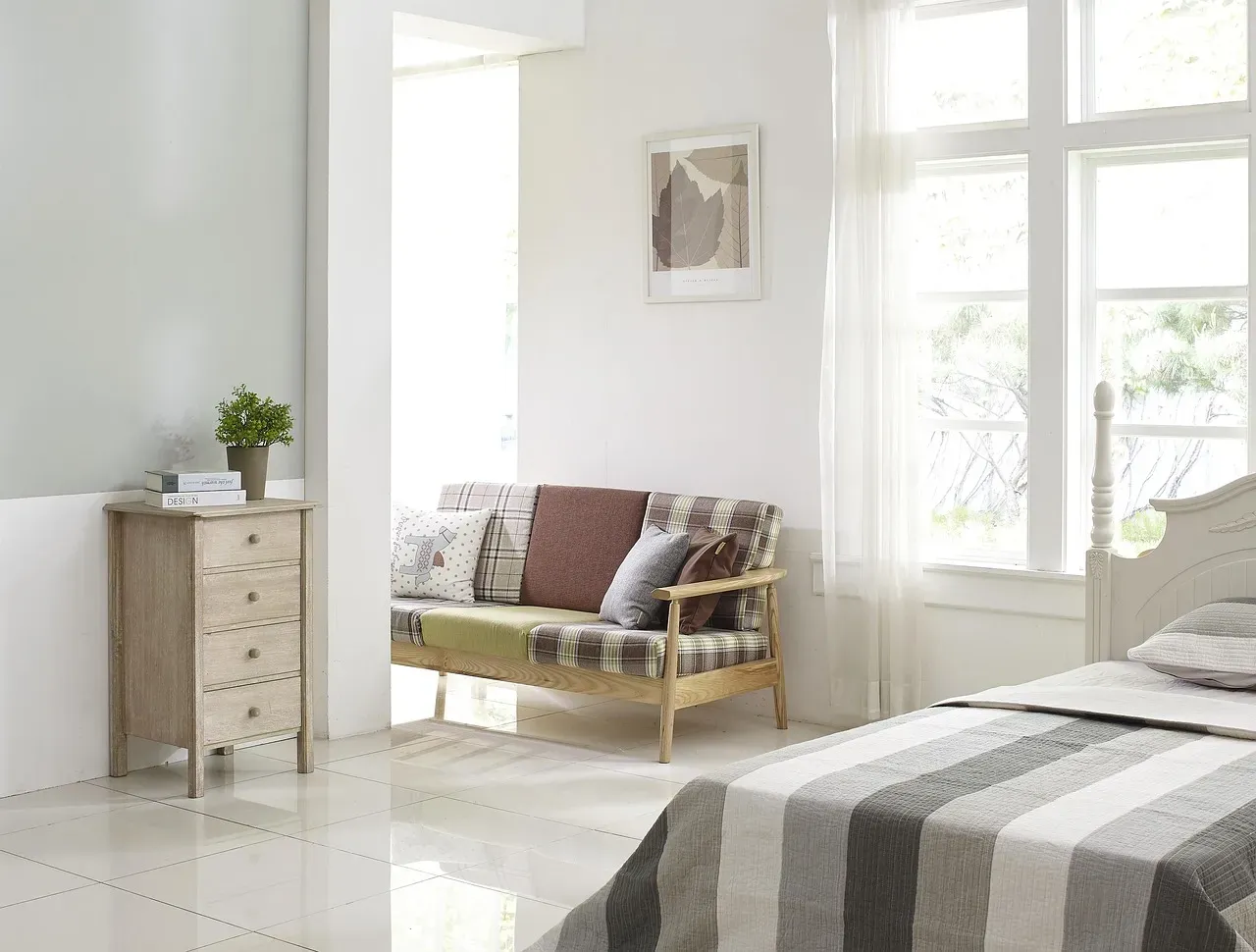
Clutter has a documented link to stress. A widely cited 2010 study from UCLA’s Center on Everyday Lives of Families found that women who described their homes as cluttered had higher cortisol levels than those who saw their homes as restful. Clearing countertops, entryways, and other high-traffic areas removes a low-level source of tension that many people don’t consciously register.
Storage solutions don’t need to be expensive or elaborate. Simple baskets, closed cabinets, or a designated drop zone near the front door for keys and mail can meaningfully reduce daily visual noise.
Add comfortable seating and cozy nooks
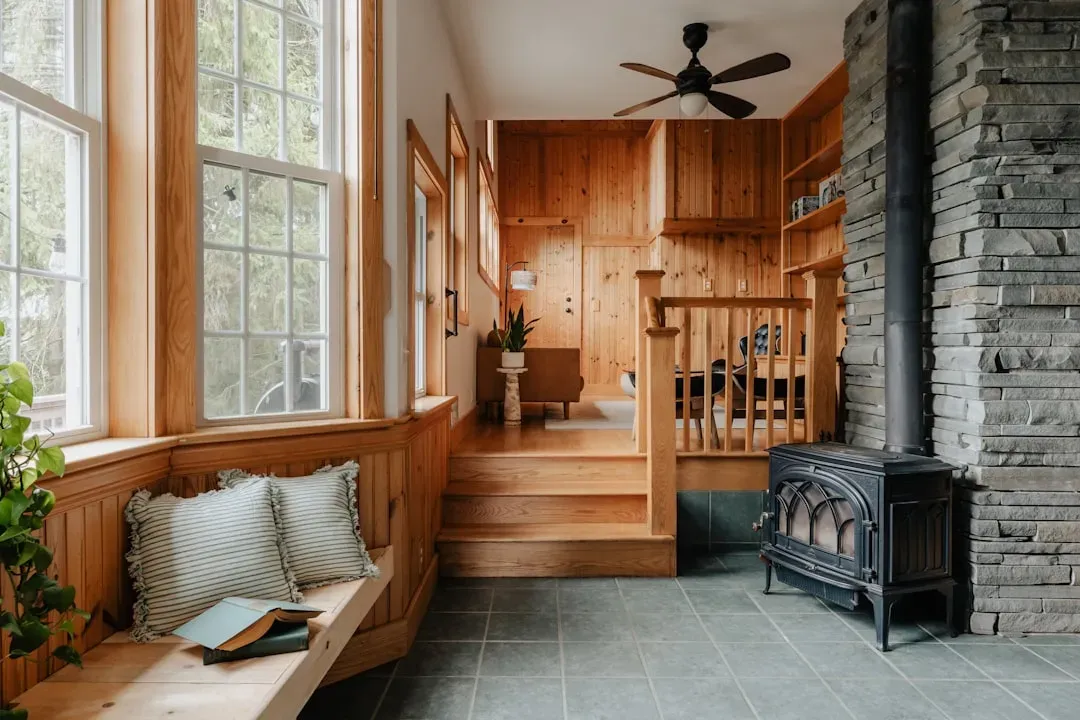
A dedicated reading chair, a window seat, or even a well-placed floor cushion gives a home a sense of retreat. These smaller, personal spaces matter because comfort often comes from having somewhere to settle rather than just somewhere to sit. Oversized, supportive cushions and a nearby side table for a book or drink complete the effect without requiring much square footage.
Positioning a chair near natural light, rather than facing a blank wall, makes a noticeable difference in how inviting the spot feels throughout the day. It’s a detail that costs little but gets used constantly once it exists.
Bring in personal touches and meaningful objects

Photographs, handmade items, or souvenirs from travel give a home a sense of identity that generic decor can’t replicate. Psychologists studying environmental design have noted that personal objects can strengthen a sense of belonging and emotional security within a living space. A home that reflects its occupants’ actual lives, rather than a showroom aesthetic, tends to feel more comforting simply because it feels true.
This doesn’t mean filling every shelf. A few well-chosen items, displayed with some breathing room around them, carry more weight than a crowded arrangement of mismatched keepsakes.
Prioritize good sound and acoustic comfort
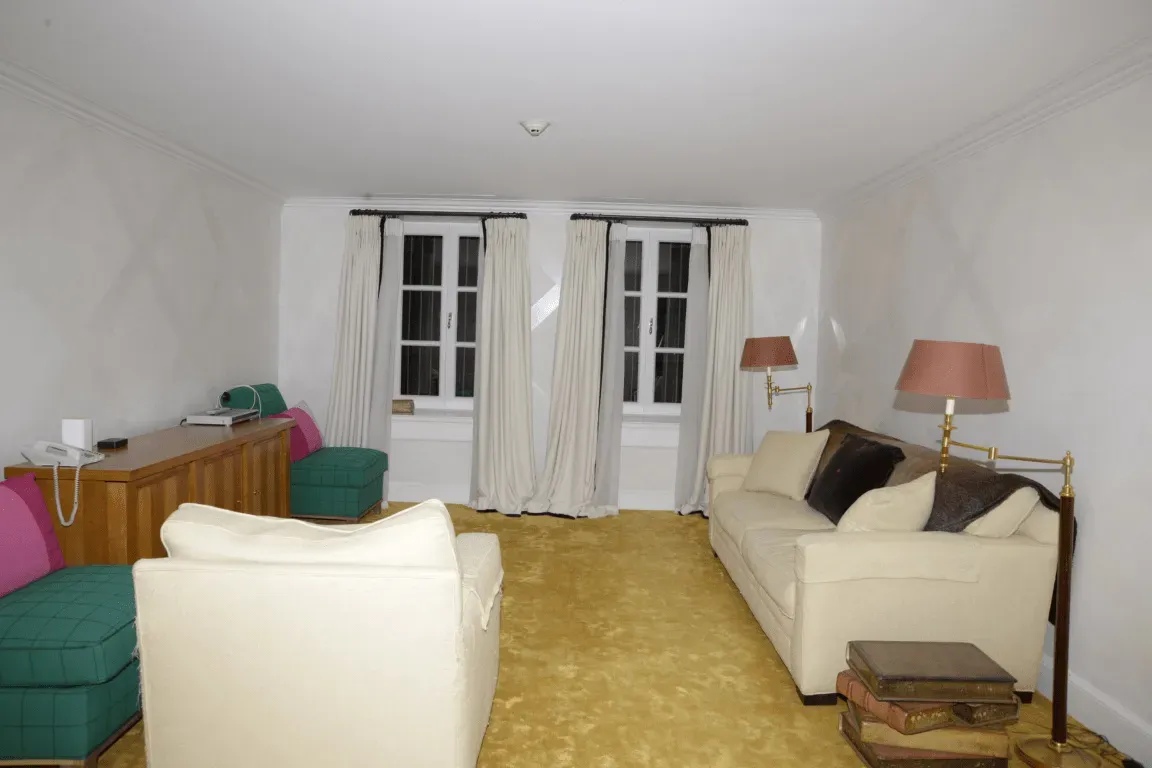
Noise is an underrated factor in how comfortable a home feels. Hard surfaces like tile, glass, and bare walls reflect sound and can make rooms feel harsher or noisier than they need to be. Soft furnishings, bookshelves, and even fabric wall hangings absorb sound waves and soften the acoustic quality of a room.
White noise machines or simple background sound, like a small fountain or a fan, can also mask disruptive outside noise, particularly in urban homes near traffic. This kind of acoustic comfort is easy to overlook but makes a real difference in how relaxed a space feels day to day.