
1. Neutral wall colors as a foundation
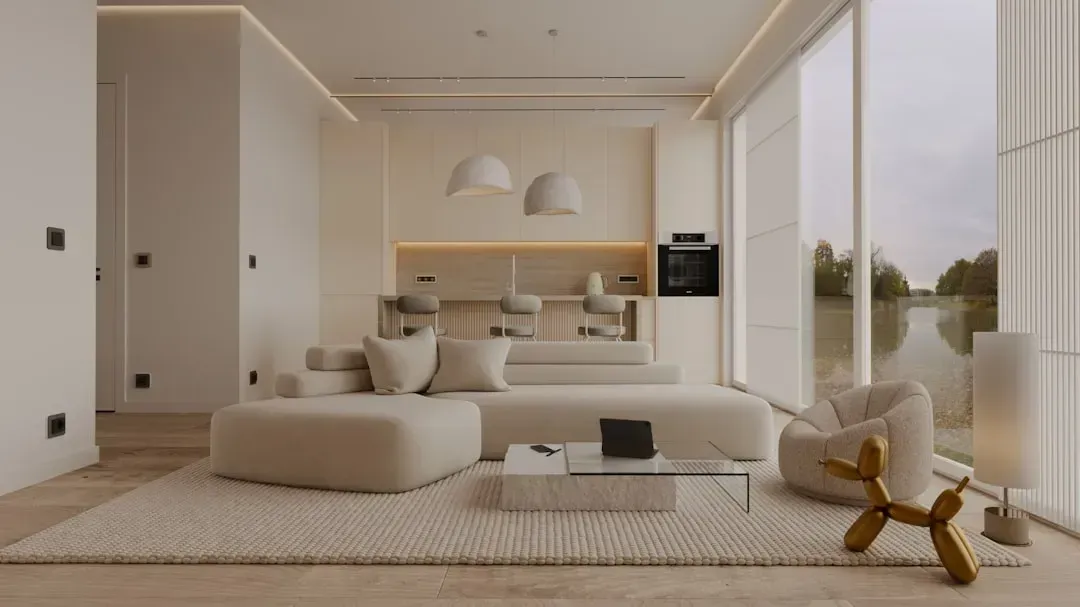
Soft whites, warm greiges, and muted earth tones have anchored interiors for well over a century, and they remain the most common starting point for homeowners today. These shades work because they reflect light well, pair easily with changing furniture and decor, and don’t compete with architectural details like moldings or built-ins. Paint companies consistently report that neutral families dominate best-seller lists year after year, a pattern that held steady through the 2024 and 2025 color forecasts from major brands like Sherwin-Williams and Benjamin Moore.
The appeal isn’t just aesthetic. Neutral walls make it far easier to update a room’s look through smaller, less expensive changes like throw pillows or artwork rather than repainting every time tastes shift. Real estate agents also point to neutral palettes as a practical choice for resale, since they appeal to a broader range of buyers than bold, personal color statements.
2. Layered lighting instead of a single overhead fixture
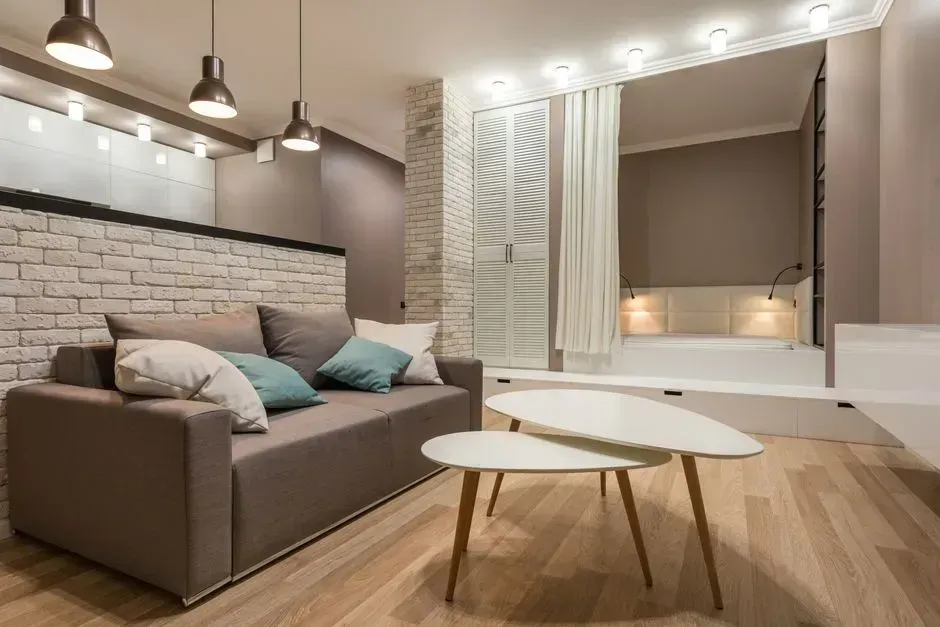
Relying on one ceiling light to illuminate an entire room has fallen out of favor for good reason, and layered lighting has proven to be a lasting alternative rather than a passing preference. This approach combines ambient light, task lighting like reading lamps, and accent lighting such as sconces or picture lights to create depth and flexibility. Interior designers have championed this method for decades because it lets a room shift mood from bright and functional during the day to warm and relaxed in the evening.
Layered lighting also solves a practical problem that single fixtures can’t address, which is uneven illumination that leaves corners dark and faces washed out. Floor lamps, table lamps, and dimmer switches give homeowners control over brightness levels depending on the activity, whether that’s cooking, reading, or hosting. This flexibility is likely why the technique keeps appearing in design guidance across different decades and style movements.
3. Natural materials like wood, stone, and linen
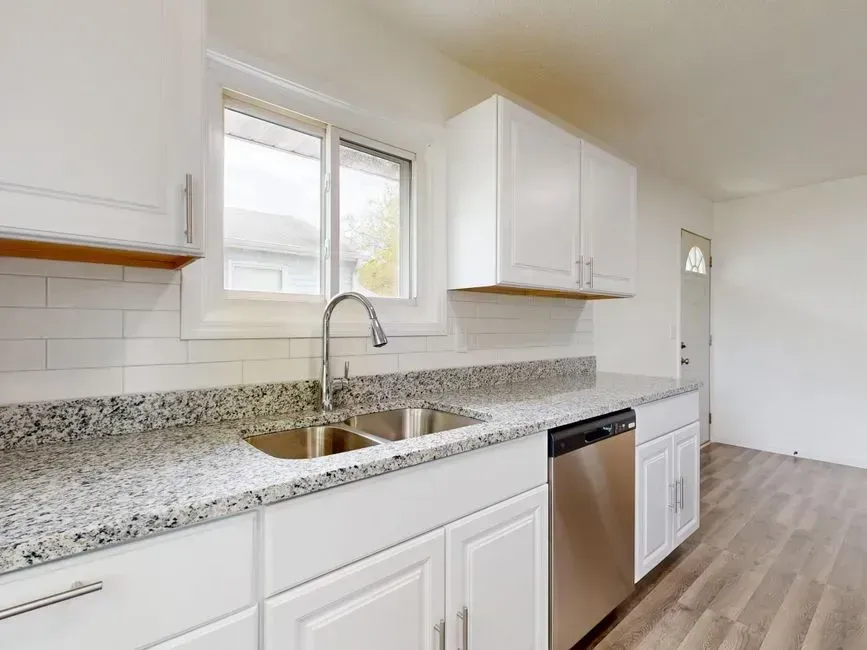
Wood floors, stone countertops, and linen upholstery have remained popular through nearly every design era because they age visibly and often attractively, rather than looking dated the way some synthetic materials can. A worn wooden table or a stone hearth tends to gain character over time instead of simply wearing out. This durability factor matters more to homeowners now than it did a decade ago, as interest in long-lasting, lower-maintenance materials has grown alongside broader conversations about sustainability.
Natural materials also tend to work with a wider range of design styles, from farmhouse to modern minimalist, which gives them flexibility that trend-driven finishes lack. A stone fireplace surround installed in the 1990s can still look appropriate in a home renovated in 2026, provided the surrounding elements are updated thoughtfully. That kind of cross-decade compatibility is rare among decorating choices tied to a specific moment in design history.
4. Symmetry and balanced arrangements
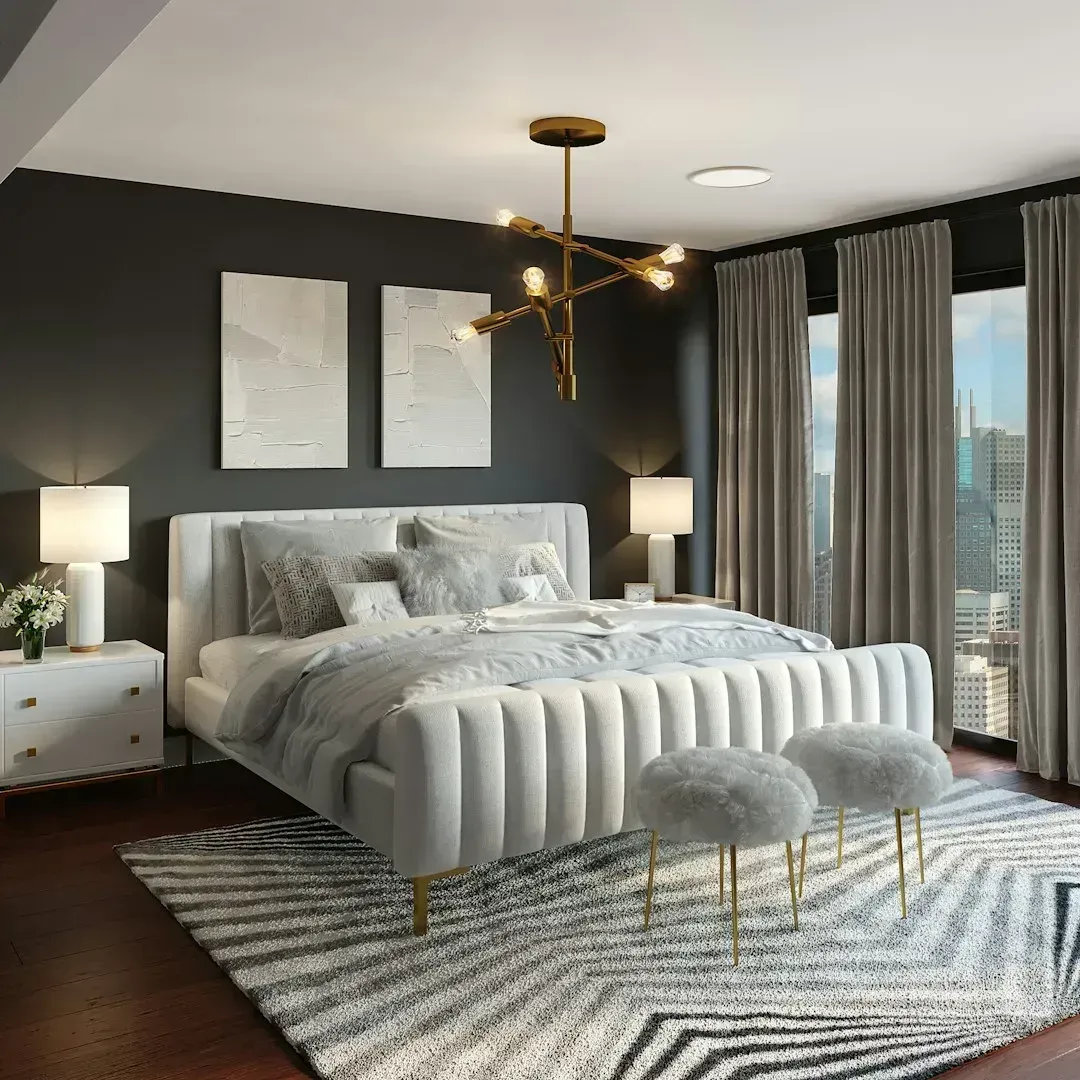
Placing matching lamps on either side of a bed, or arranging furniture in balanced pairs around a focal point, is a technique that traces back centuries in interior design and shows no signs of disappearing. Symmetry creates a sense of order that most people find visually restful, even if they can’t articulate exactly why a room feels calm. This principle shows up in everything from formal dining rooms to casual living spaces, adapted to fit the scale and mood of each setting.
Designers often use symmetry as a starting point precisely because it’s forgiving. A symmetrical layout can absorb bold color choices or eclectic decor without feeling chaotic, since the underlying structure provides stability. This is part of why symmetrical arrangements remain a go-to strategy in professional design work, regardless of which decorating trend happens to be dominating the moment.
5. Statement mirrors for light and space
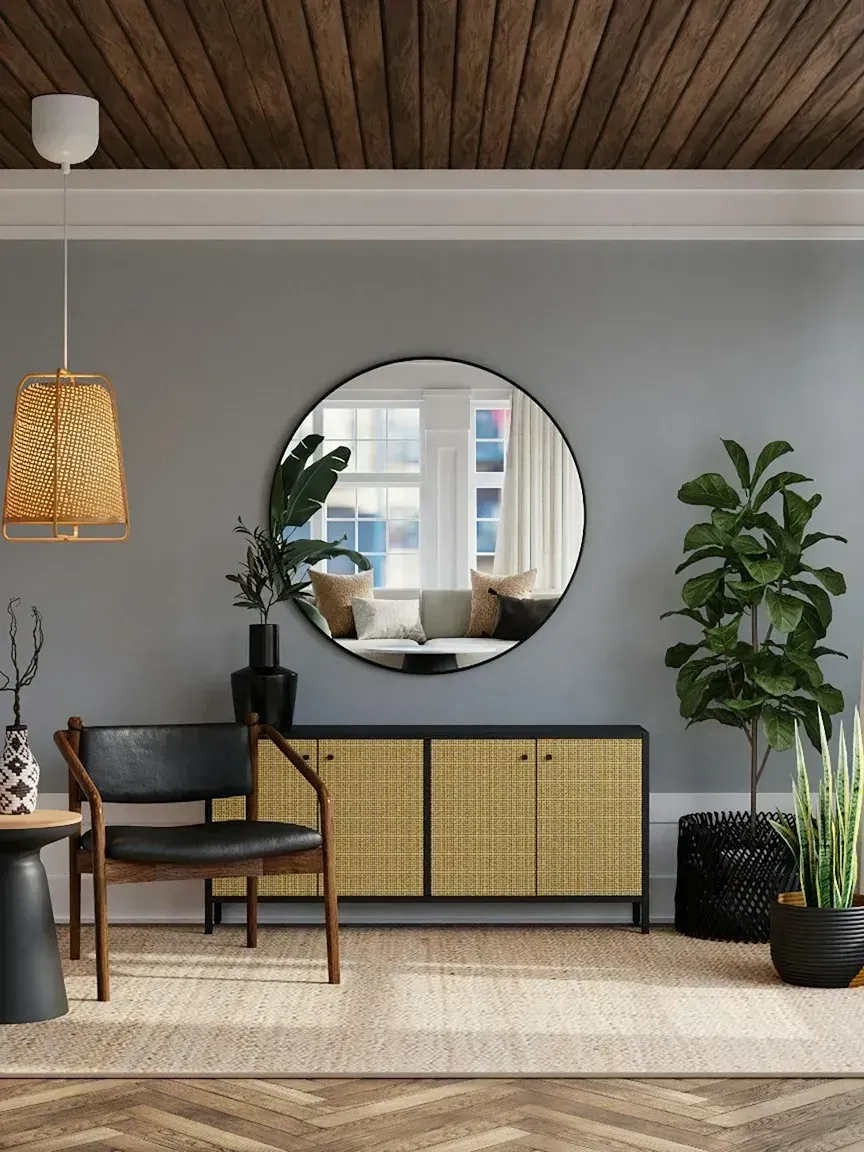
Large mirrors have served a dual purpose in home decor for generations, reflecting light to brighten a room while also creating an illusion of added space. This makes them especially useful in smaller homes or apartments, a category that has grown in relevance as urban living spaces have generally become more compact in many markets between 2020 and 2026. A well-placed mirror above a mantel or across from a window remains one of the simplest ways to make a room feel larger without any structural changes.
Beyond the practical benefits, mirrors also function as art pieces in their own right, with frames ranging from ornate antique styles to sleek modern designs. This versatility means a statement mirror can anchor a traditional room just as easily as a contemporary one. Because the underlying benefit, light and spatial perception, doesn’t change with fashion cycles, mirrors have held their place as a decorating staple rather than a passing accessory.
6. Mixing old and new pieces together
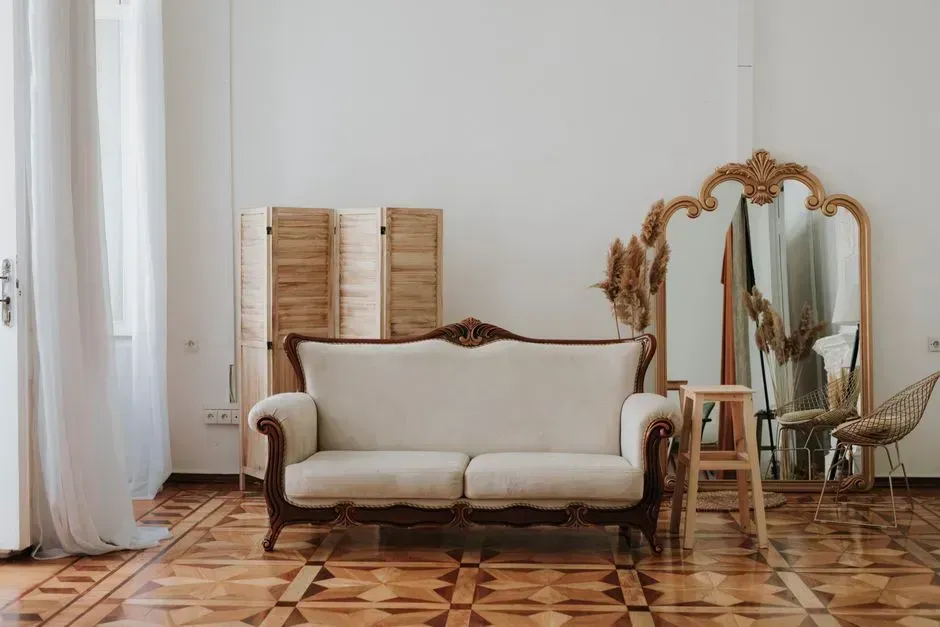
Combining inherited or vintage furniture with newer pieces has been a hallmark of well-designed rooms for a long time, and it continues to be recommended by designers as a way to avoid spaces that feel like a showroom display. This approach gives a room personality and history that an all-new furniture set typically lacks. It also tends to be more practical, since not everyone can or wants to replace every piece of furniture at once.
The mixing strategy has gained renewed attention in recent years as secondhand and vintage shopping has grown more mainstream, partly driven by sustainability concerns and partly by rising furniture costs reported through 2025. Thrifted or family heirloom pieces paired with a few contemporary basics create a layered look that feels collected over time rather than purchased in a single trip. This blending technique remains one of the most reliable ways to make a home feel lived-in and distinctive, regardless of which decorating era it draws from.
These six approaches share a common thread: they solve practical problems, whether that’s lighting a room evenly, making a small space feel bigger, or creating visual calm, rather than chasing a particular aesthetic moment. That practicality is likely the real reason they’ve outlasted countless shorter-lived trends.