
Rethink the gallery wall instead of retiring it
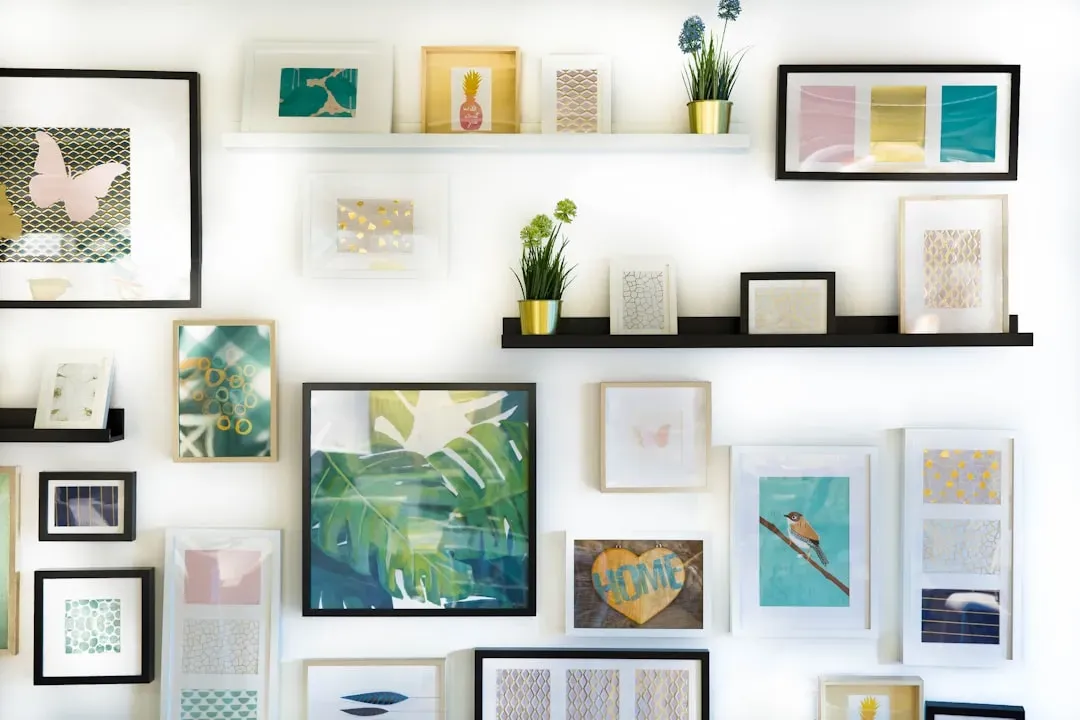
Gallery walls never really disappeared, but the version people are building now looks different from the crowded salon style of a decade ago. The short answer is yes, gallery walls remain popular, but the approach is more personal, with some leaning into layered walls that feel collected over time and others preferring an edited mix that gives each piece more air. That flexibility is part of why the format has stuck around so long.
What’s changed is the intent behind the arrangement. Smaller gallery walls focus on personal photos, sketches, and small paintings rather than random prints, mixing frame finishes like wood, brass, and black while keeping one common thread such as mat size or color family to avoid visual noise. Even simple, uniform layouts can carry a lot of warmth. Six framed family photos arranged in a clean grid can create a personal moment that feels organized and calm, keeping things polished instead of a chaotic mix of frames.
Try a picture ledge for a display that can grow with you
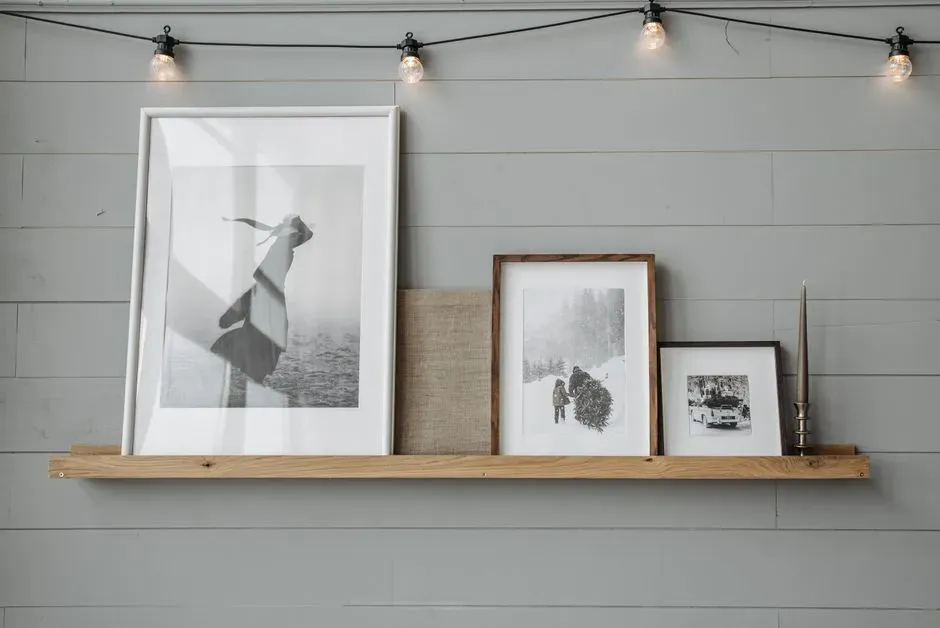
If commitment to a fixed layout feels stressful, a picture ledge solves that problem neatly. Picture ledges, removable hardware, and modular approaches keep things flexible, so as your collection shifts you can rotate, add, or edit pieces without starting over. That makes them a practical choice for anyone whose photo collection keeps expanding, which is most families.
The look also tends to feel a little more casual than a wall full of nailed-in frames. Using a simple picture ledge to display a row of artwork creates a casual gallery look without committing to fixed placements, and mixing prints with a small mirror adds just enough variety. It’s an easy weekend project, and it leaves room to swap in new school photos or vacation shots without repainting or repatching a wall.
Let one statement photo do the heavy lifting
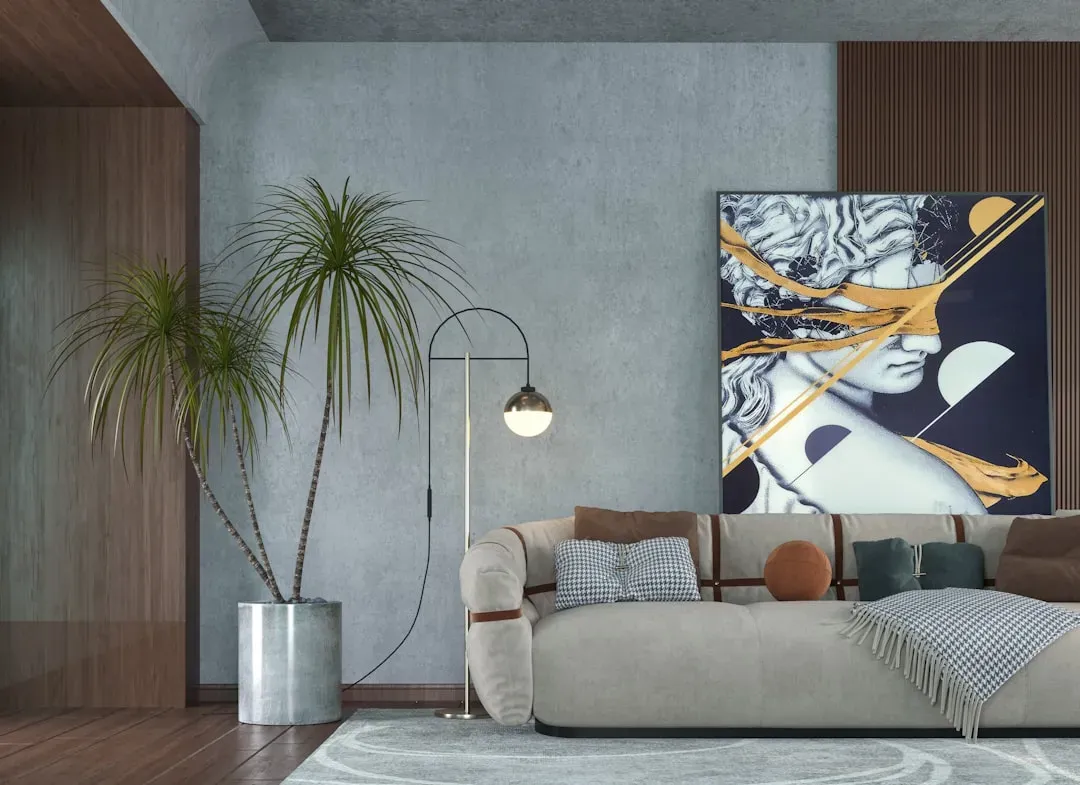
Not every home benefits from a cluster of frames, especially smaller ones. A single large piece avoids visual clutter and gives the illusion of a roomier space, unlike a gallery wall. For a small apartment or a narrow hallway, one oversized, meaningful portrait can carry more visual weight than a dozen small ones ever could.
This approach is also gaining traction for reasons beyond square footage. A prominent shift in residential wall decor sees crowded, multi-piece gallery wall sets gradually falling out of favor in some markets, replaced by oversized single-piece wall art, with large-scale canvas sales surging by over 40 percent compared with the previous year. A black and white enlargement of a favorite family shot, framed simply and hung with breathing room around it, tends to age well and rarely feels dated.
Turn keepsakes into shadow box displays
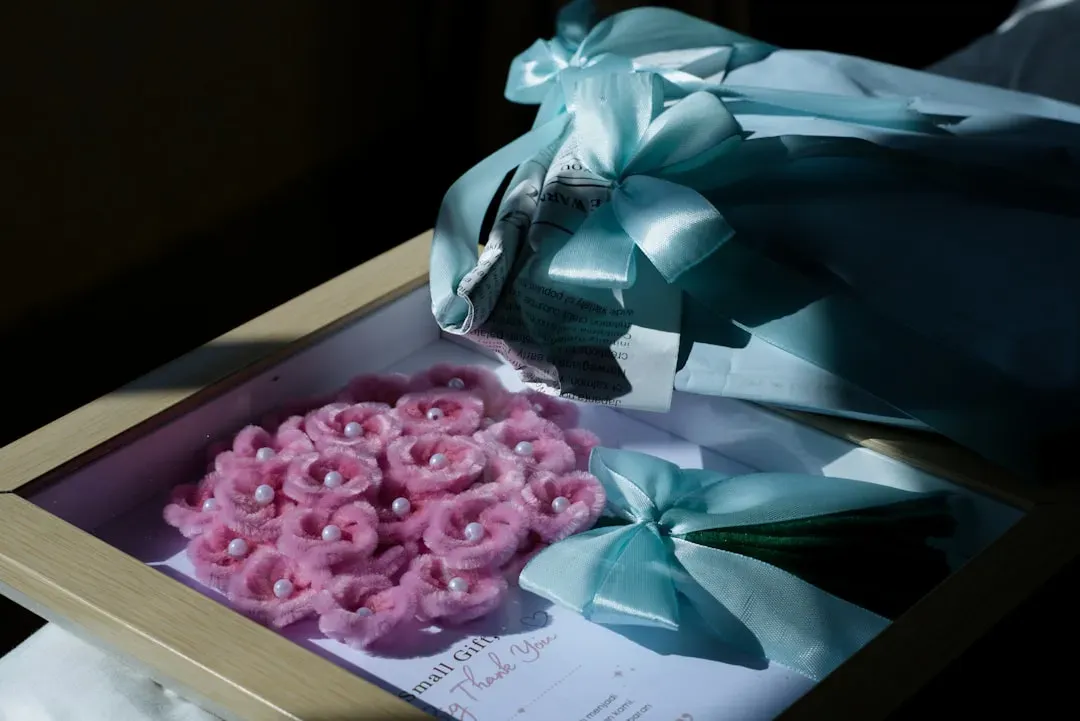
Not every memory comes as a flat photograph. Ticket stubs, baby shoes, medals, a grandfather’s watch, these objects often sit forgotten in drawers when they deserve a spot on the wall. A shadow box gives three-dimensional keepsakes the same visual respect a framed photo gets, turning a jumble of small objects into a single, cohesive story.
What makes shadow boxes appealing is how personal they inevitably become. No two are alike, since the contents are drawn directly from a specific person’s life or a specific milestone, whether that’s a wedding, a first year of a baby’s life, or a parent’s military service. Pairing a shadow box near a matching photograph of the event it represents adds context that a plain object alone can’t provide.
Bring photo books back into daily life
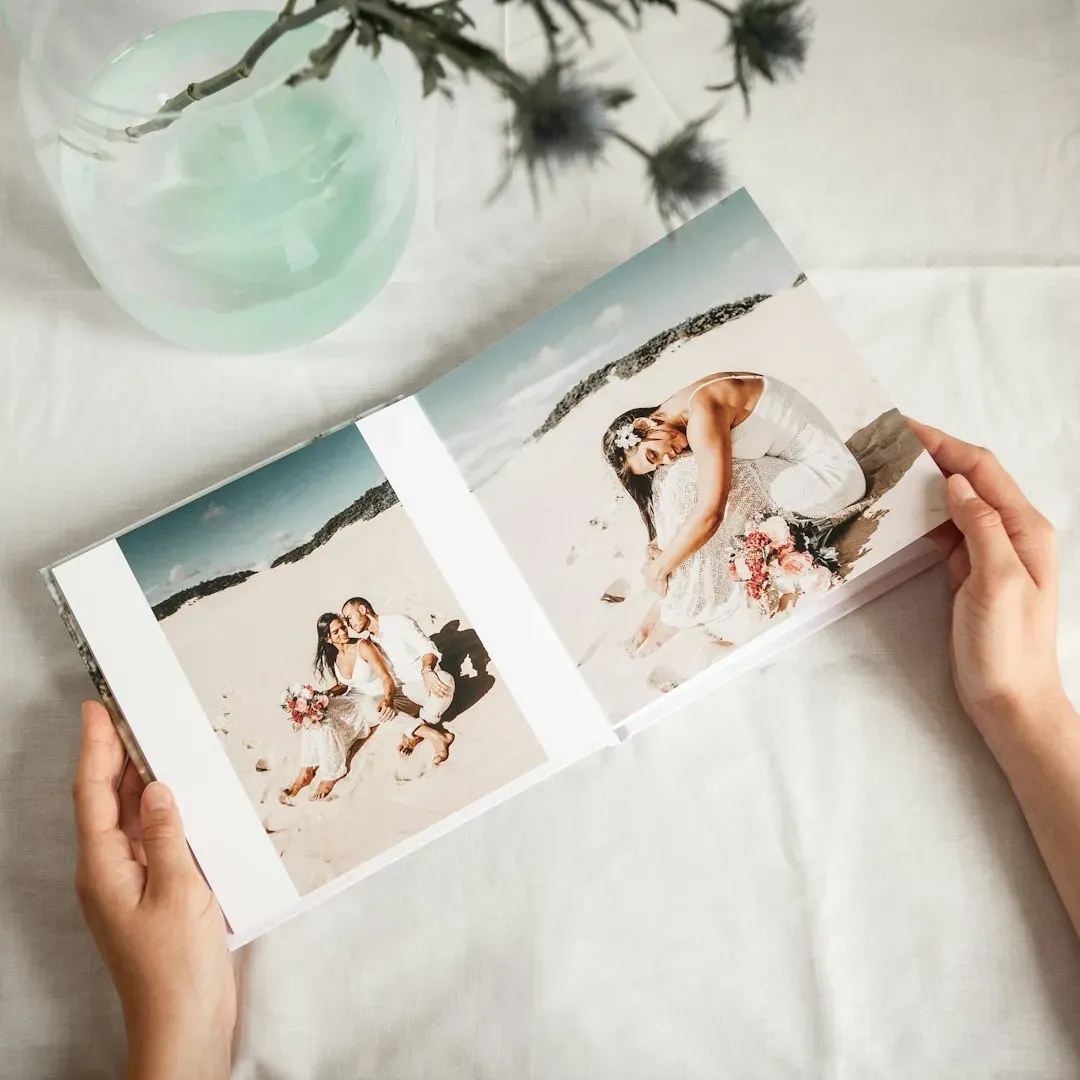
Printed albums fell out of fashion for a while as phones took over as the default photo storage, but they’re having a real moment again. Unlike a phone gallery that nobody scrolls through twice, a photo book sitting on a coffee table gets picked up, flipped through, and actually looked at. It becomes a low effort way for guests, grandparents, and kids themselves to revisit memories without anyone needing to unlock a device.
Custom photo books have also become far easier and more affordable to produce than they were a decade ago, with most major printing services now offering same week turnaround. Choosing a loose theme, a single year, a specific trip, a child’s first decade, keeps the project manageable and gives the finished book a clearer emotional arc than a random assortment of images.
Mix photos into open shelving instead of isolating them
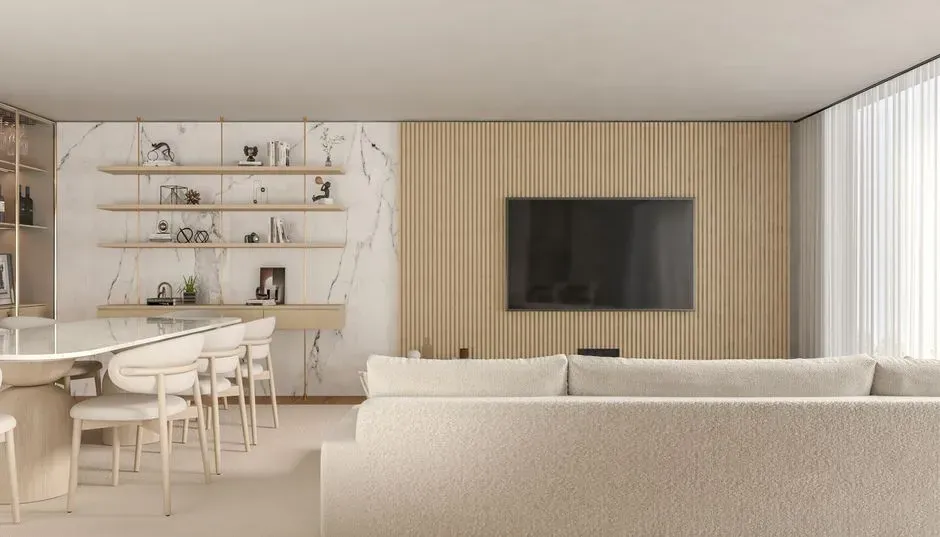
Open shelves have made a strong comeback, and not just in kitchens. Open shelves are making a comeback, especially in kitchens and living areas, where people enjoy displaying pieces they actually use and love. That same logic applies neatly to family photography, where a framed photo sits more naturally next to a favorite book or a small plant than isolated on its own blank wall.
The trick is restraint rather than density. Custom shelves surrounding a TV can create a layered display of plants, photos, and small decorative pieces, with soft lighting tucked into each shelf making the whole wall glow in the evening, part storage and part styling moment. A shelf that mixes memory objects with everyday items tends to feel lived-in rather than curated for show, which is usually the goal anyway.
Use digital frames for photos that never get printed
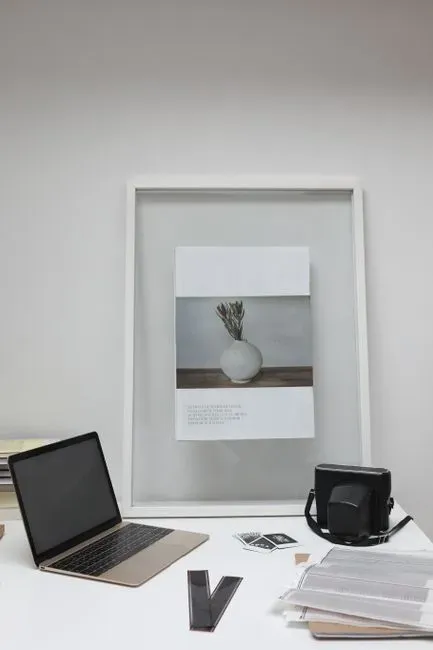
Most family photos today live and die on a phone, which is a shame considering how many good ones never get seen again after the day they’re taken. Digital photo frames solve that quietly, cycling through hundreds or thousands of images without requiring anyone to print or frame a single one. Modern versions sync directly with phone galleries or cloud storage, so a photo taken that morning can appear on the living room frame by that evening.
They work particularly well for grandparents living far from the rest of the family, since many models allow relatives to upload photos remotely through an app. It’s not a replacement for printed memories, but it fills a real gap, especially for the enormous backlog of digital-only photos most families have accumulated since smartphones took over.
Treat hallways and staircases as memory corridors
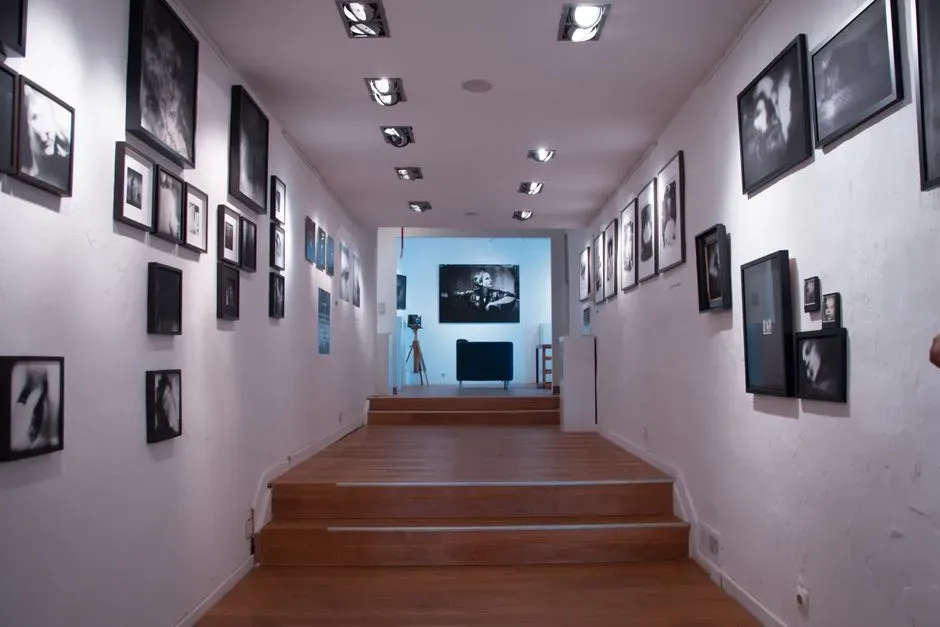
Living rooms tend to get all the attention when people think about displaying photos, but hallways and stairwells are often better suited to the job. Gallery walls show up well beyond living rooms, and stair runs, dining sightlines, entry nooks, and home offices all benefit from a composed set that guides the eye. A staircase in particular offers a natural chronological flow, since the eye moves upward or downward in a fixed direction.
These transitional spaces also tend to have less competing decor, which means photos can take center stage without fighting a sofa, rug, and coffee table for attention. A row of family photos climbing a staircase, arranged roughly by age or by year, turns a purely functional space into something worth pausing on, even briefly, every time someone passes through.
Rotate displays instead of setting them once and forgetting them
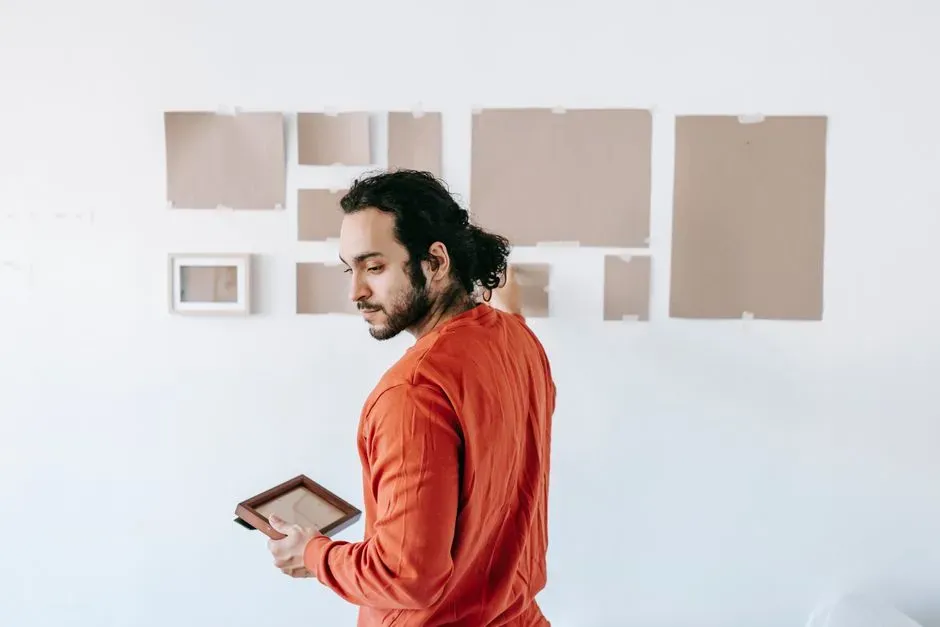
One quiet mistake people make with family photo displays is treating them as permanent once they’re up. Think of a wall as a living composition that changes with time, starting with a strong anchor piece and echoing one or two details, such as a color, subject, or frame profile, across the rest. A display that never changes eventually stops registering with the people who walk past it daily.
Swapping in seasonal photos, new milestones, or recent trips keeps a display feeling current rather than frozen in a single year. Updating wall art regularly is another way to keep interiors fresh and engaging, and switching it up seasonally or when personal taste evolves can bring a renewed sense of vibrancy to a home. It doesn’t need to be a full overhaul, just enough small changes to keep the collection feeling like it’s still growing alongside the family it represents.