
Why a Calm Room Feels More Expensive Than a Crowded One
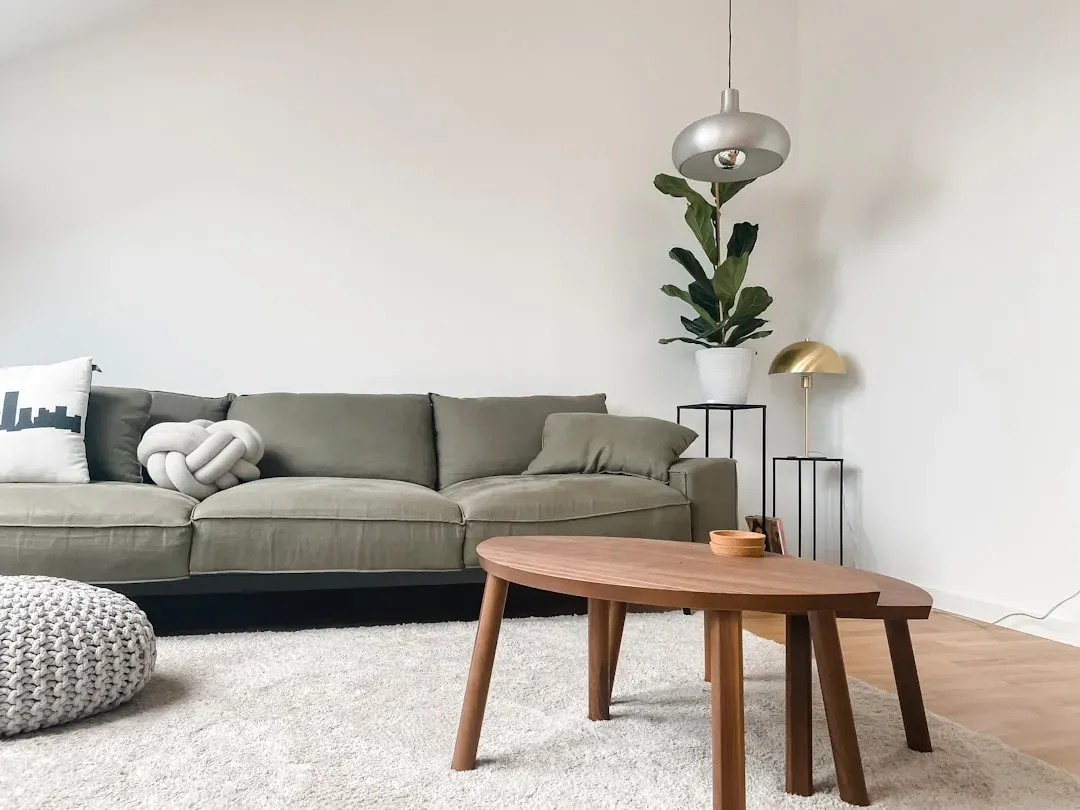
There’s a reason a spare, well proportioned room photographs better than one stuffed with accessories. The eye has fewer things to sort through, so it settles on quality instead of quantity. Designers have been saying this for years, but the framing has sharpened lately as homeowners push back against fast decor trends that go stale within a season.
Instead of filling a home with trendy pieces that may feel outdated within a year or two, this approach creates spaces that feel refined, calm, and intentionally designed. That’s really the whole argument in one sentence. A simple room doesn’t need to explain itself, and that quiet confidence is what people tend to read as good taste.
Warm Minimalism Has Replaced the Cold, Stark Version
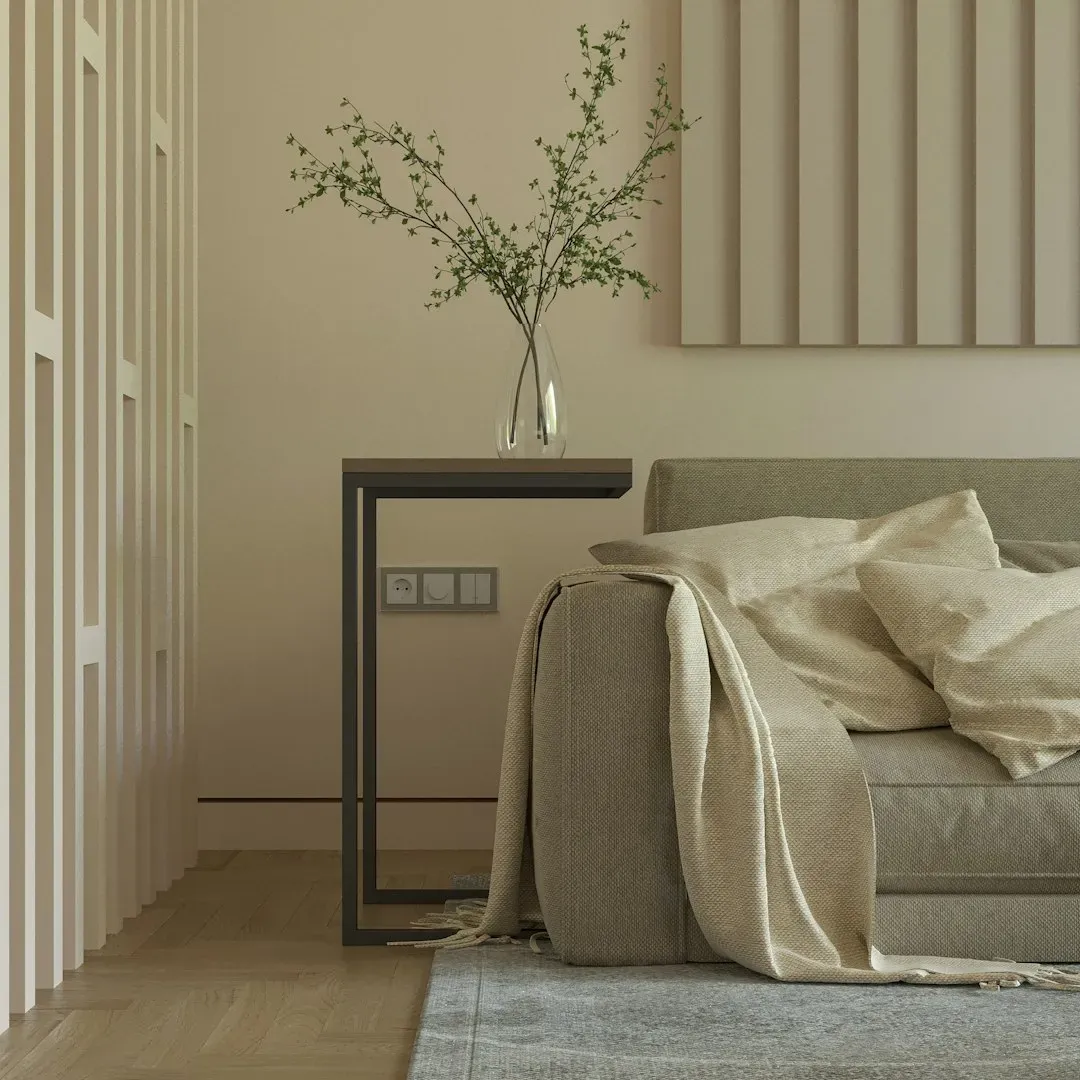
The minimalism of a decade ago got a reputation for being sterile, all white walls and empty corners. That version is fading. Instead of bright white walls, heavy contrast, and ultra-sleek finishes, warm minimalism uses softer colors, natural textures, and understated details to create spaces that feel open and calm.
This shift matters because it answers the biggest complaint about minimalist homes, that they feel unlivable. It’s a look that values simplicity, but not at the expense of comfort, and homeowners want spaces that feel clean and functional while also feeling personal, welcoming, and easy to live in. The result is a home that still looks edited without feeling like a showroom nobody actually uses.
Neutral Palettes Are Doing More Work Than People Think
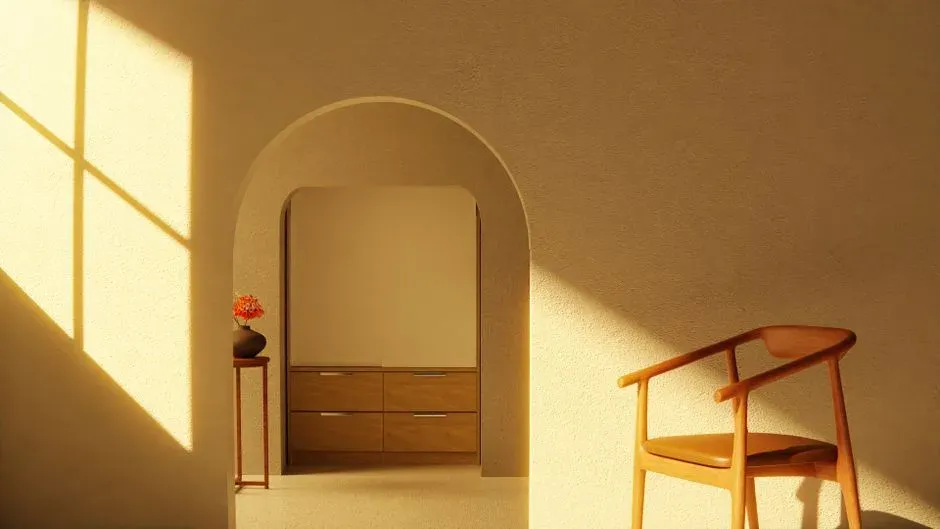
Color choice is where a lot of simple rooms either succeed or fall apart. Designers keep pointing to the same trick, which is limiting the palette rather than eliminating color altogether. Warm neutrals like cream, beige, soft terracotta, and muted greens create calm without feeling sterile, and the key is limiting your palette to three or four colors maximum.
This isn’t about being boring. Sage green, sand brown, and dusty blue complement neutral bases beautifully, adding personality while staying true to the calm essence of the look. A restrained palette gives a room cohesion, and cohesion is what most people are actually responding to when they call a space simple.
Fewer, Better Pieces Beat a Full Room
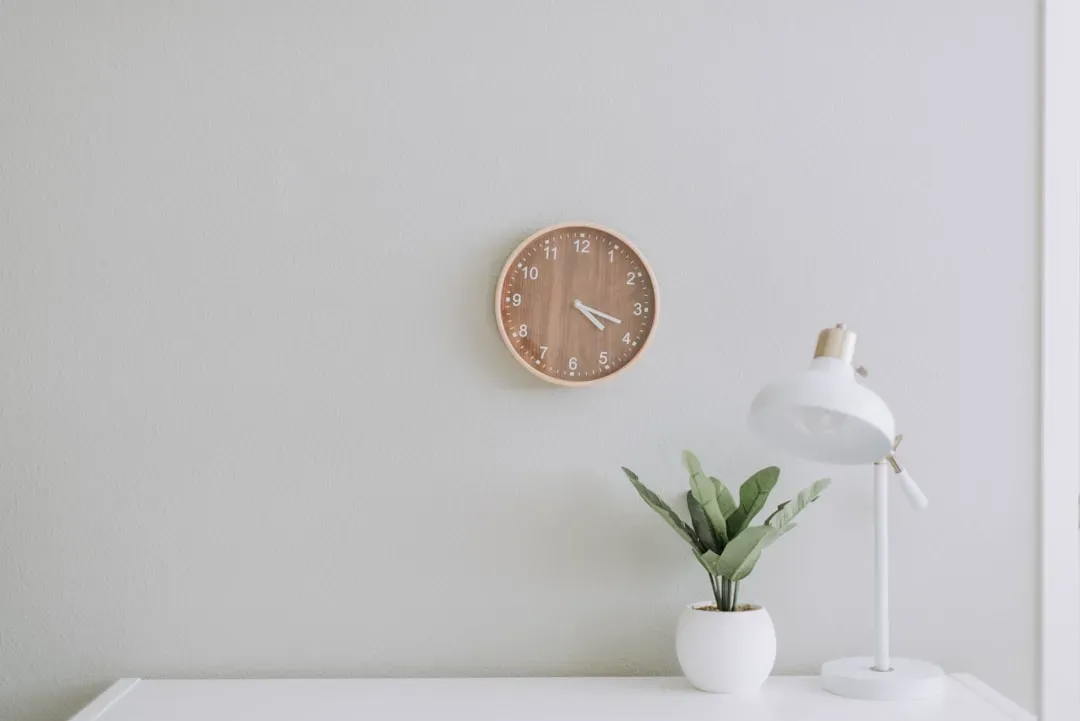
One of the more practical shifts in how people furnish their homes is a move away from filling every corner. Furniture design now focuses on clean lines, functional pieces, and nothing extra, with every item serving a purpose rather than adding decorative clutter. That’s a small mindset change with a big visual payoff.
It also changes how people shop. The advice leans toward Scandinavian influences, light wood, simple silhouettes, and quality craftsmanship, investing in fewer, better pieces rather than filling a space with cheap furniture that won’t last. A room with three good pieces almost always reads better than one with ten mediocre ones, and most people know this instinctively even before they can name why.
Natural Materials Add Warmth Without Adding Noise
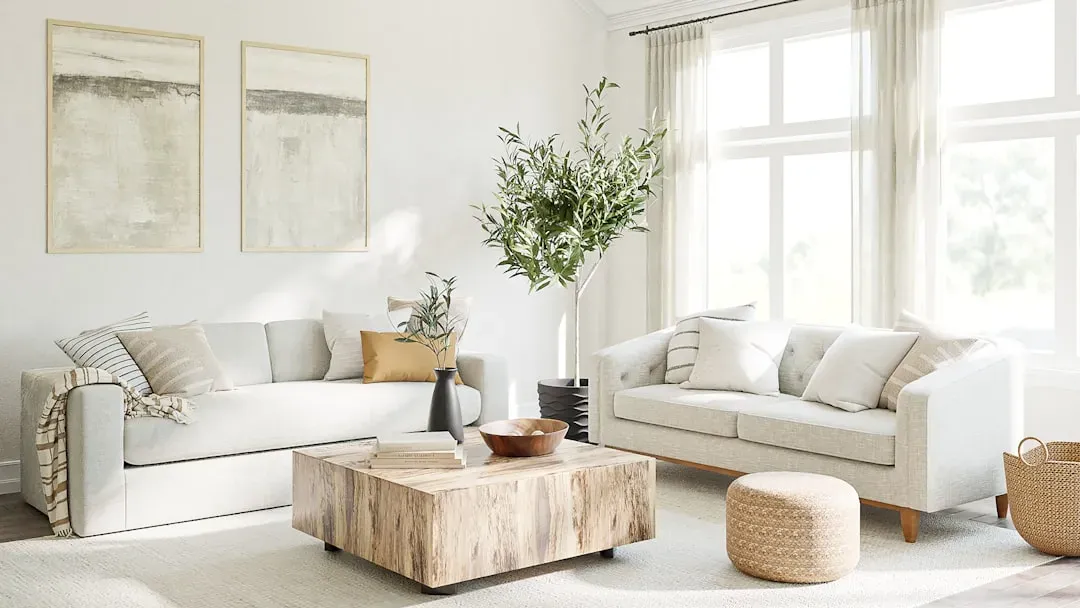
Simplicity doesn’t have to mean bare. The trick many designers use is swapping decorative objects for materials that already carry texture and character on their own. Light wood, cane, stone, and linen remain favourites, adding warmth, depth, and authenticity while connecting a space to nature.
This is why a plain linen sofa or an unfinished wood table can feel richer than something heavily patterned. Warm minimalism is less about owning fewer things and more about surrounding yourself with the right things, and this style is tied strongly to wellness. The material itself becomes the decoration, which is a quieter and arguably more durable strategy than chasing seasonal accessories.
Quiet Luxury Made Restraint Fashionable Again
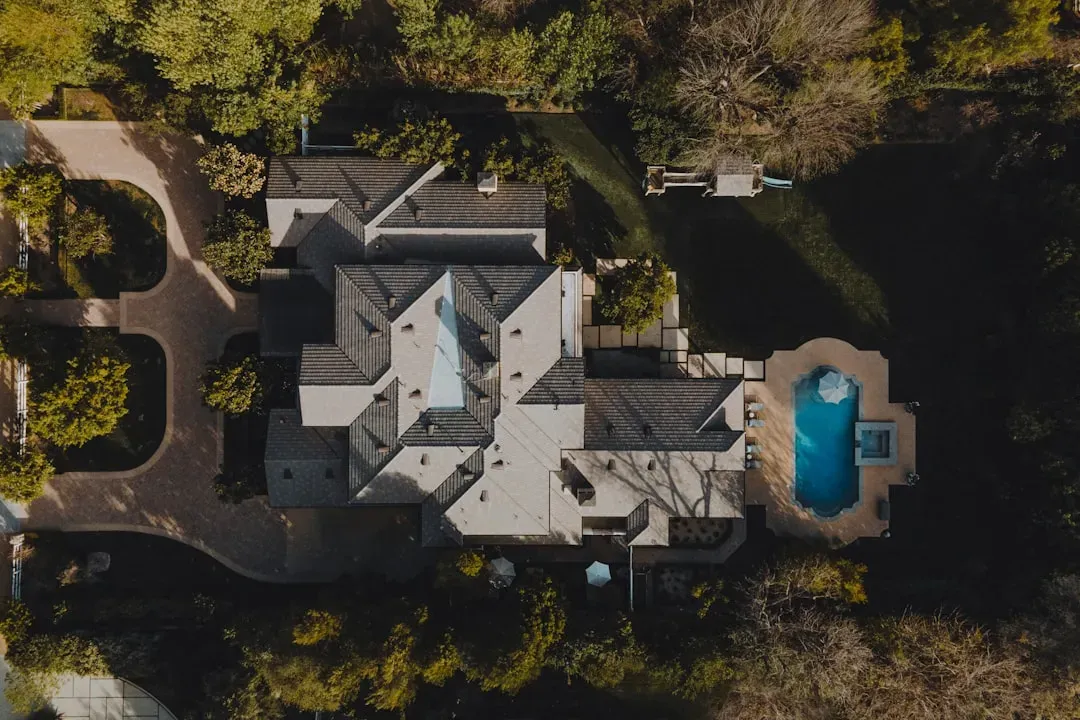
The quiet luxury movement, which took hold in fashion before spreading into interiors, gave people permission to stop showing off. It’s a design philosophy that prioritizes minimalism, quality, and subtle sophistication over bold and flashy aesthetics, built around natural materials, neutral palettes, and designs that exude a sense of calm.
What makes this more than a passing aesthetic is the reasoning behind it. In its current form, quiet luxury is defined by refined simplicity rather than showiness, focusing on choosing pieces that age beautifully and designing spaces that feel calm, grounded, and natural. People aren’t buying less because they have less. They’re buying less because it looks better.
Clean Lines Are Showing Up in the Details People Overlook
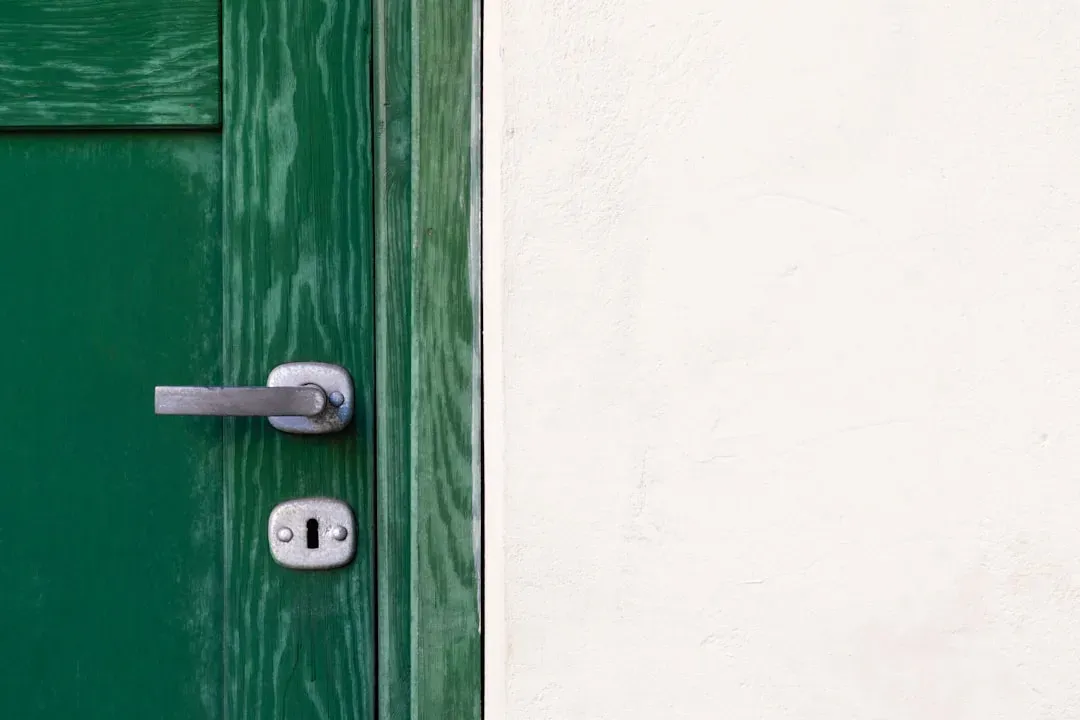
Simplicity isn’t only about furniture and color. It’s also in the hardware, cabinetry, and doors that most people never consciously notice. Flat panel cabinets and vanities are gaining ground even in traditional style rooms, with smooth, unframed doors and subtle edge profiles giving cabinets a custom look that feels modern yet refined, while also being easy to wipe clean.
The popularity data backs this up in a concrete way. Flat-panel cabinetry ranks as the second-most popular style after Shaker, according to Houzz research, showing that simplicity never loses its appeal. Interior doors are following the same path, with flush panel slabs favored for their smooth, uninterrupted surfaces over anything ornate.
Good Storage Is What Makes a Simple Room Actually Work
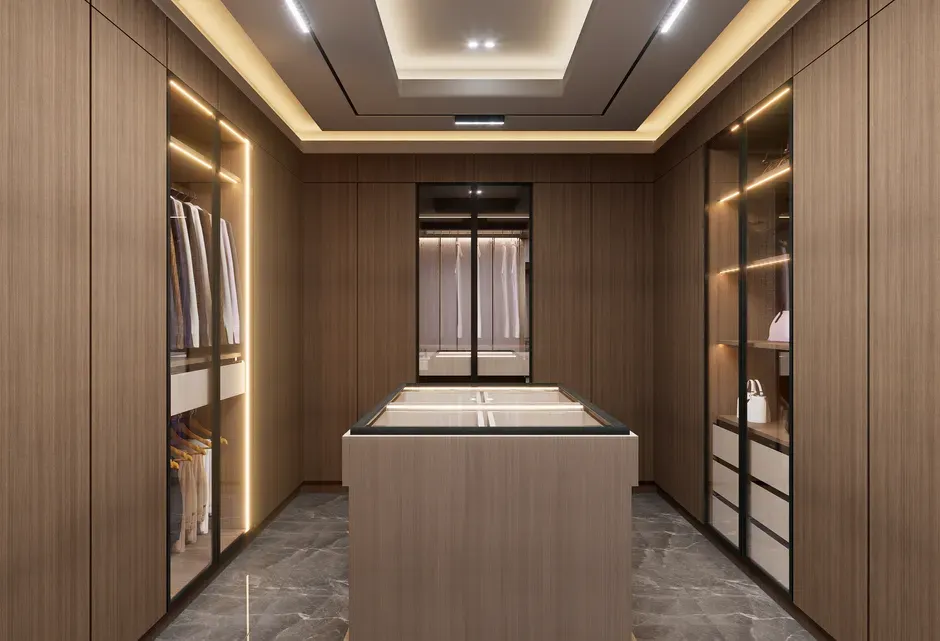
A minimal looking home isn’t magic. It’s usually the result of storage doing its job out of sight. Storage plays a crucial role in minimalism, and hidden storage solutions keep spaces clean and organized.
This is the unglamorous part of the equation that people tend to skip over when they admire a photo online. across today’s house plans and the wider home building world, there is a stronger pull toward timeless design that supports how people actually live day to day, not just how a room photographs. Without a place to put things away, even the most carefully chosen furniture will start to look cluttered within a week.
Where Simplicity Can Tip Into Feeling Cold
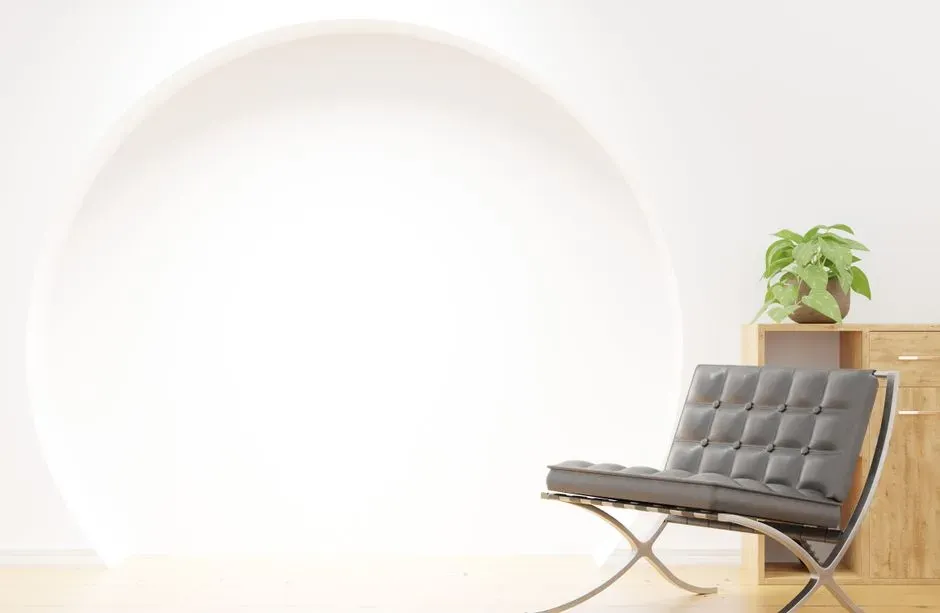
Not everyone agrees that restraint is the final word. A newer critique has emerged that pure minimalism, taken too far, can leave a home feeling impersonal. Quiet luxury’s minimalist foundations don’t always leave room for the characterful, lived-in feel that actually makes a house feel like a home, and with more eclectic interiors on the rise, the reserved look is starting to date for some.
The response to this hasn’t been a return to clutter, but a softer version of simple. A mindset some are now following when decorating, achieved by slowly collecting objects over time, makes a space feel luxurious and all the more livable. The lesson here isn’t that simplicity fails. It’s that the best version of it still leaves room for a few things that matter to the person living there.
The idea that simple homes look better isn’t a passing trend so much as a correction. Homes got loud for a while, chasing whatever showed up in a feed, and now a lot of people are quietly walking that back. What’s left, when the noise clears out, is usually just good materials, a tight color story, and enough empty space to actually notice them.