
There is something quietly satisfying about a chair positioned just right, a lamp that casts a warm pool of light, and a stack of books within arm’s reach. does not need to be grand or expensive. It simply needs to work with the space you already have, using natural light, comfort, and a bit of intention to turn an overlooked spot into a favorite retreat.
Homes rarely come with a designated reading room, which means the best corners are usually the ones people discover by accident. A drafty window seat, a gap beside a bookshelf, a landing at the top of the stairs. Once you start looking at your home this way, the possibilities multiply quickly.
Beneath a window with natural light
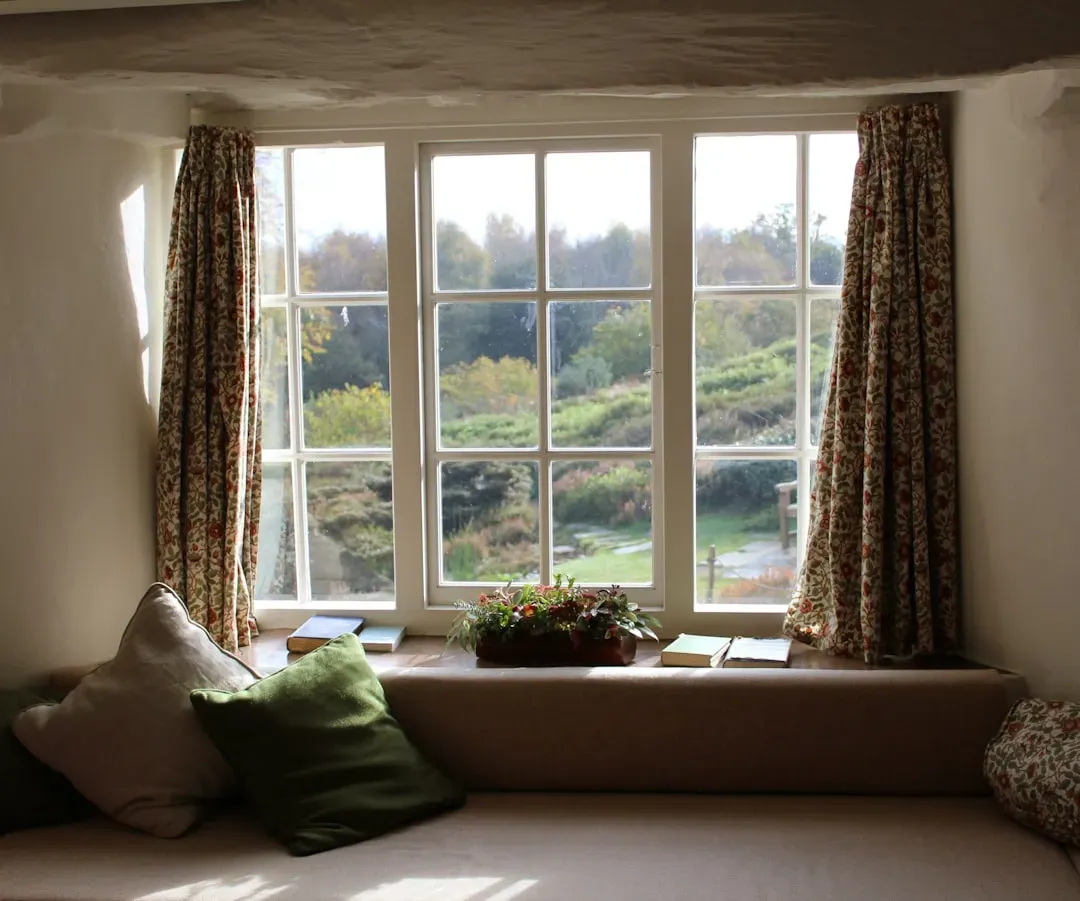
Windows are the most obvious and arguably the most effective choice for a reading nook, and for good reason. Natural light reduces eye strain compared to most artificial lighting, and positioning a chair near a window means you get hours of usable daylight without flipping a switch. A window also brings in a view, even if that view is just a tree or a quiet street, which gives the eyes somewhere to rest between chapters.
The ideal window spot faces east or north in most climates, since direct south facing light can create glare on the page during peak afternoon hours. A sheer curtain solves most glare problems without blocking the light entirely. If the windowsill is deep enough, it can double as a spot for a cushion, turning the ledge itself into seating rather than just a backdrop.
A converted closet or small alcove
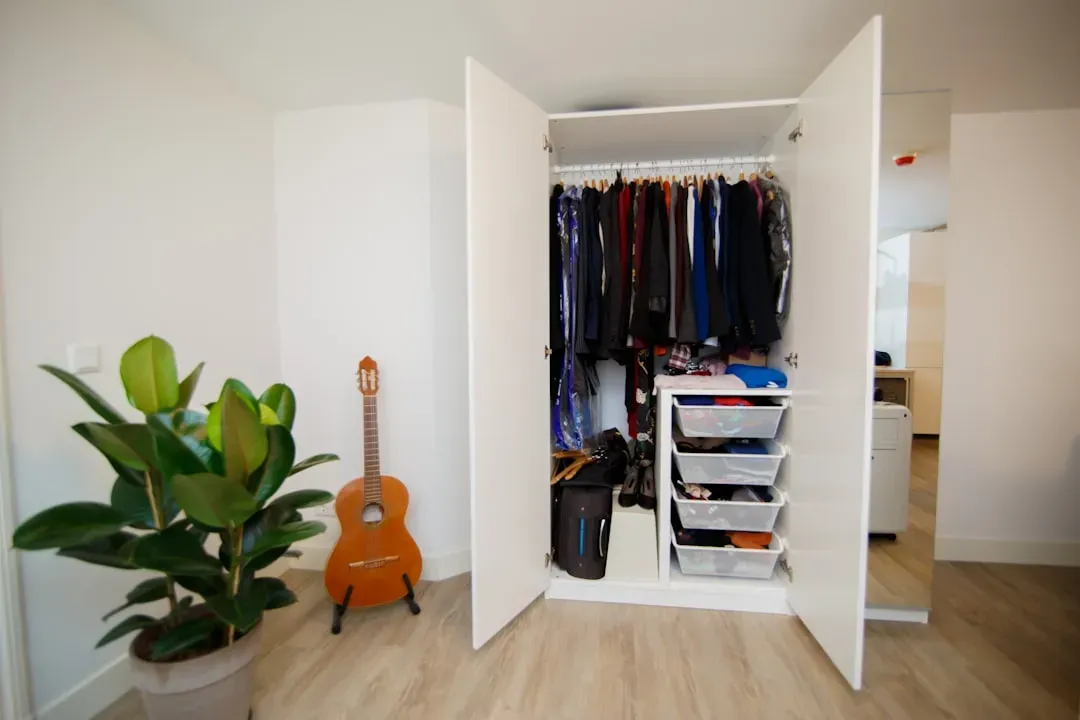
Unused closets have become a popular target for reading nook conversions, largely because they offer built in walls on three sides, which naturally creates a cocoon like feeling. Removing the closet door, adding a small bench or cushion, and installing a reading light transforms dead storage space into one of the coziest corners in a home. This approach works especially well in smaller apartments where square footage is limited and every inch needs to earn its place.
Alcoves under staircases follow the same logic and have gained noticeable popularity in home renovation content over the past few years. The enclosed shape limits distractions and can make even a small chair feel intentional rather than crammed in. Adding a shelf or two along the inside walls keeps books close without requiring a separate bookcase nearby.
A corner beside a fireplace
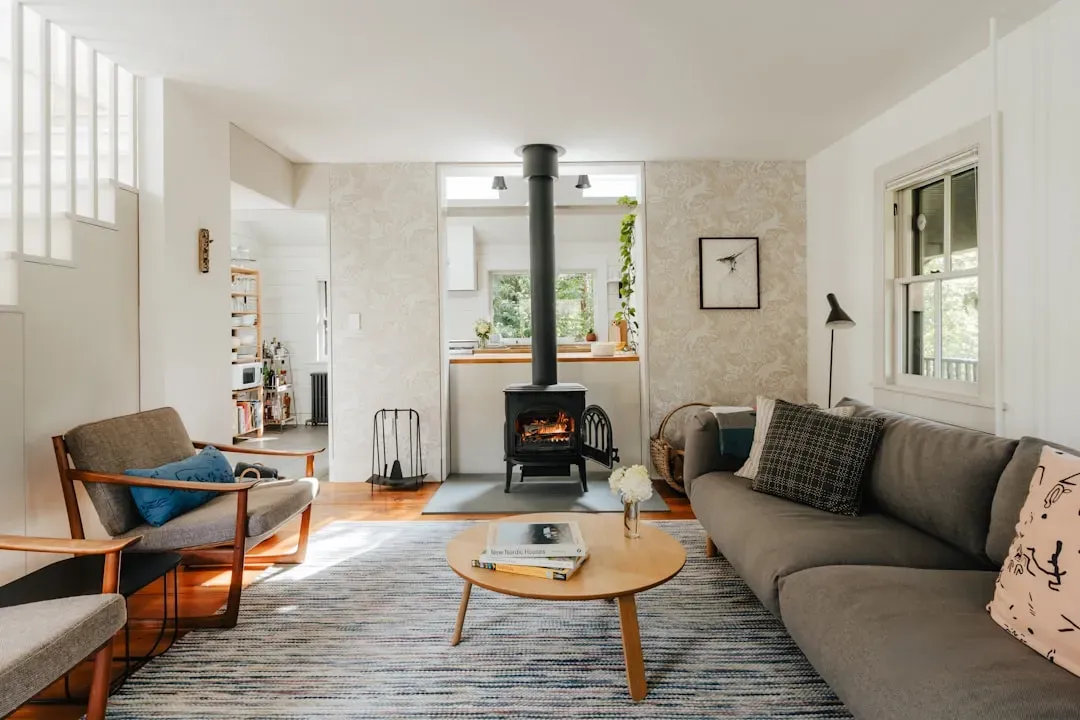
Fireplaces have long been associated with comfort, and pairing a reading chair beside one taps into that association directly. The warmth is practical during colder months, but the visual effect matters too, since a crackling fire creates ambient light that pairs nicely with a table lamp for evening reading. Many living rooms already have an underused corner beside the hearth that gets treated as empty space rather than potential seating.
A single armchair angled slightly toward the fire, rather than facing it head on, tends to work better than a straight on placement, since it avoids excessive heat exposure while keeping the ambiance. A small side table for a mug and a low stack of books completes the setup without cluttering the area. This spot works particularly well for readers who prefer evening sessions over daytime ones.
A quiet bedroom corner away from the bed
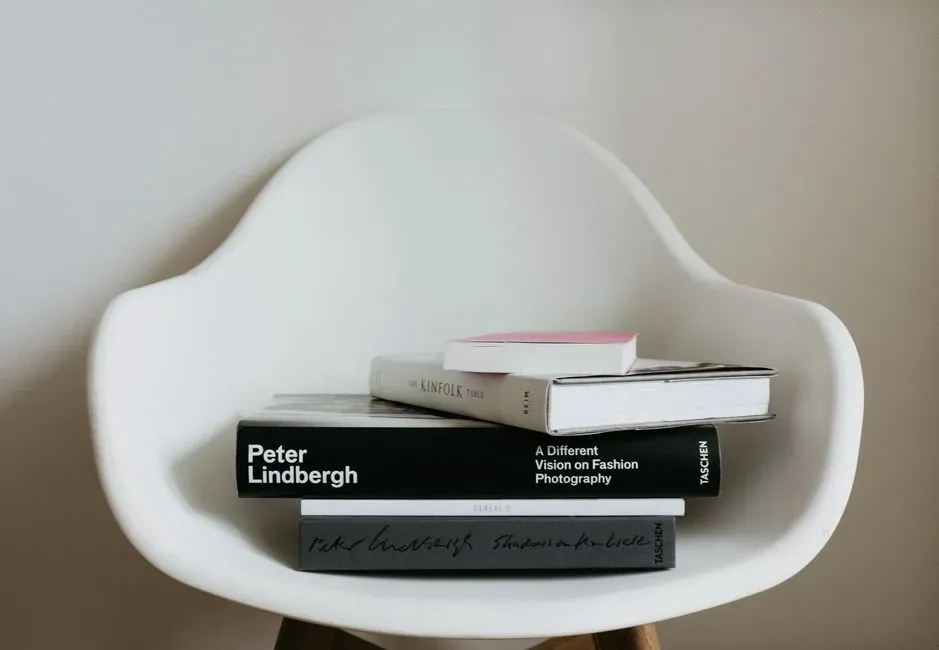
Bedrooms often get treated as single purpose rooms, but a chair tucked into a corner away from the bed can serve as a private reading spot that does not interfere with sleep routines. Sleep experts have long recommended keeping screens and bright activity out of the bed itself, and a separate reading chair supports that separation naturally. This is particularly useful for people who read before sleep but want to avoid associating the bed with wakeful activity.
A small floor lamp with a warm toned bulb works better here than an overhead light, since dimmer, warmer lighting in the evening has been linked to easier transitions into sleep. Even a modest armchair or a floor cushion in an empty bedroom corner accomplishes the goal. The key is choosing a spot at least a few feet from the bed so the two activities stay mentally distinct.
A sunroom or enclosed porch
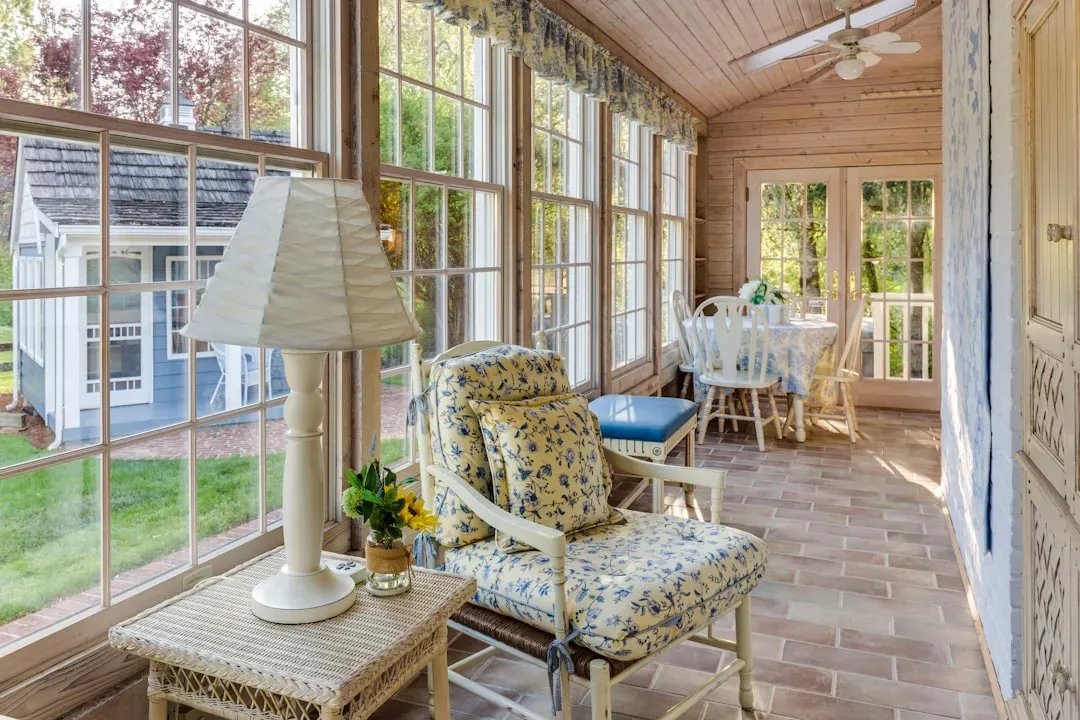
Sunrooms and enclosed porches offer some of the best natural lighting conditions in a home, since they are often glazed on multiple sides. This gives readers a wide window of usable daylight throughout the day, along with a strong connection to the outdoors without actually being outside. In regions with mild climates, these spaces can be used for reading nearly year round.
Wicker or rattan furniture tends to suit these rooms well, both aesthetically and practically, since it holds up better against temperature swings than upholstered pieces. A small side table and a blanket for cooler mornings round out the setup nicely. Because sunrooms are often slightly separated from the main living areas, they also tend to be quieter, which matters more than people expect when trying to concentrate.
A dedicated corner in a home office
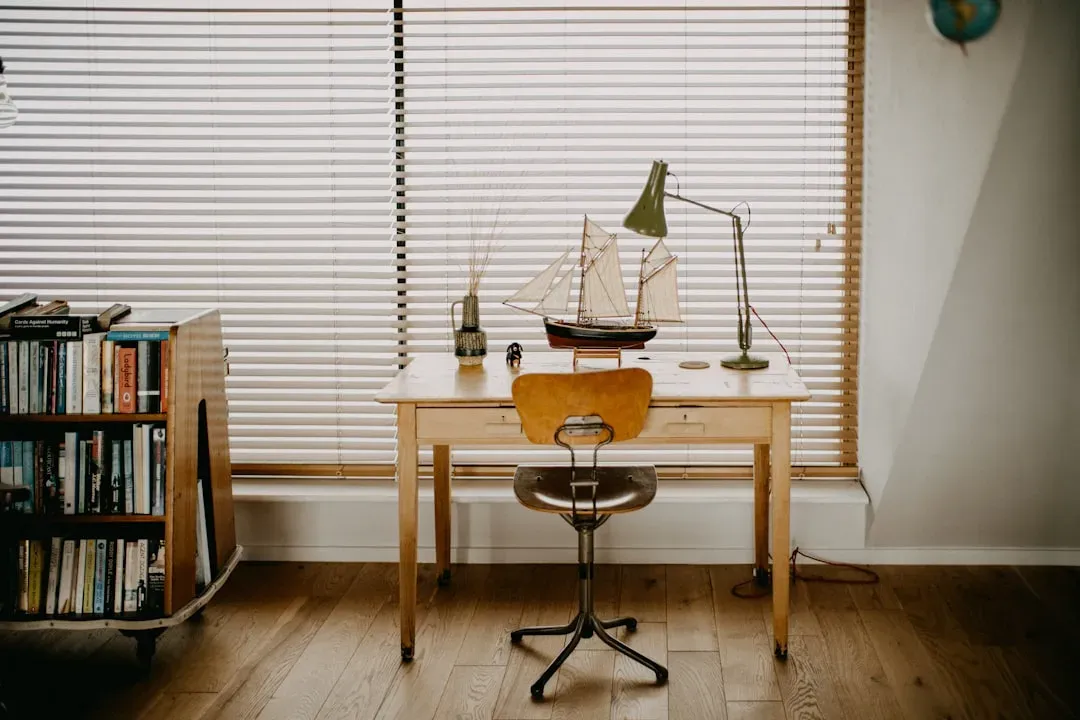
Home offices tend to be built around a desk and a chair, but many have unused corners that would work better as a secondary reading spot. Stepping away from a desk to read, even within the same room, has been shown in workplace studies to support mental breaks that improve focus when returning to a task. A small armchair or even a floor cushion tucked into the corner of a home office gives that option without needing a separate room.
This setup works particularly well for people who read professional material or research during work hours, since it keeps reading materials close without mixing them into the main desk clutter. A narrow bookshelf beside the chair keeps reference books and current reads within reach. Adding a small rug can also help visually separate the reading corner from the rest of the office, even in a modest sized room.
A landing or hallway nook
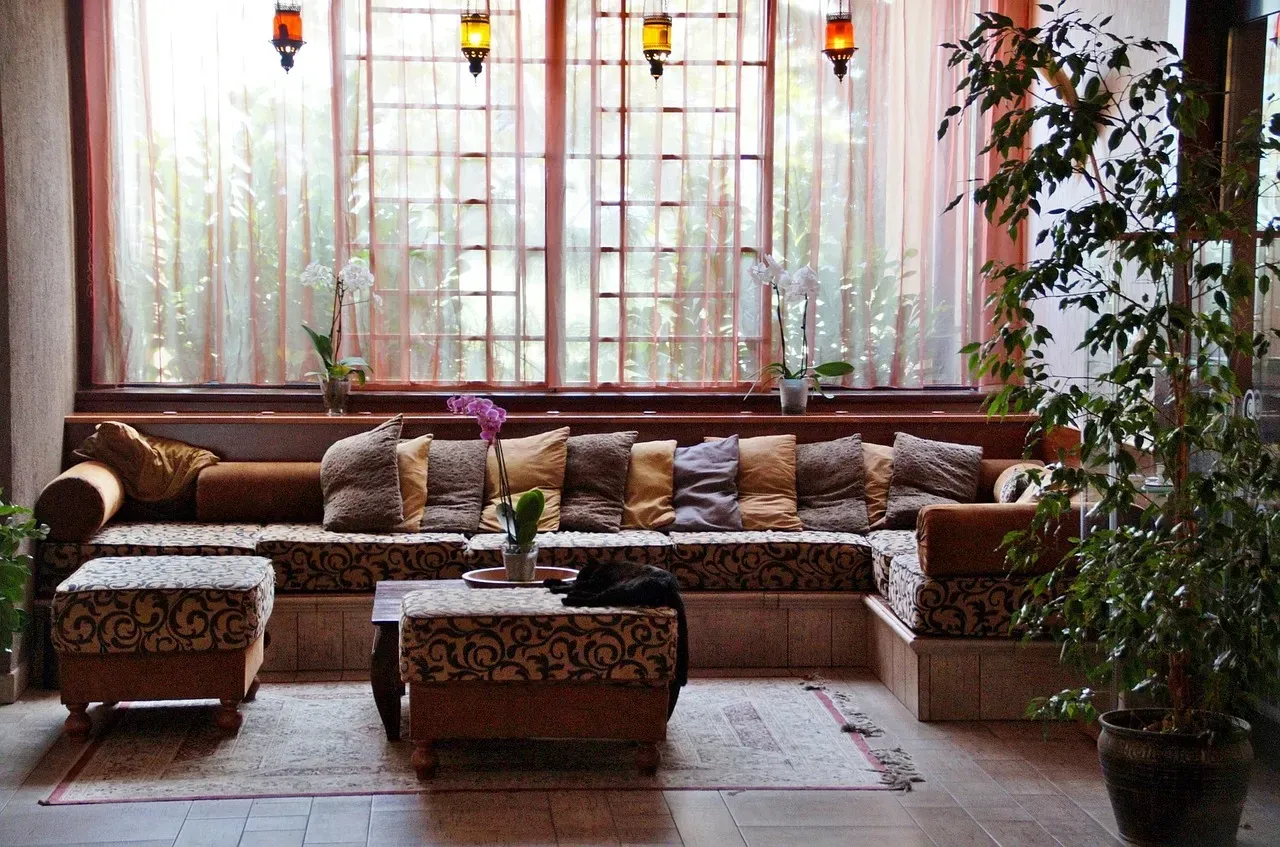
Stair landings and wide hallway sections are frequently overlooked, yet they often have just enough space for a single chair and a small table. These spots tend to be quieter than main living areas because foot traffic through them is usually brief rather than lingering. A landing with a window is especially valuable, since it combines natural light with a sense of separation from the busier parts of the home.
Because these areas are transitional by nature, keeping the furniture minimal works best, typically a single chair, a small lamp, and perhaps a slim bookshelf mounted on the wall. Floating shelves are particularly useful here since they do not require floor space that a landing usually cannot spare. This kind of nook also tends to feel like a discovery to guests, since it is not the first place people expect to find comfortable seating.
A garden or backyard reading spot

Outdoor reading corners have become increasingly common as more homeowners invest in backyard living spaces, a trend that accelerated during the pandemic years and has largely stayed strong since. A simple bench under a tree, a hammock, or a weatherproof chair on a patio all qualify as legitimate reading corners, provided they offer some shade during peak sun hours. Direct sunlight for extended periods can cause glare on pages and discomfort, so partial shade tends to work better than full sun exposure.
Weather resistant furniture and washable outdoor cushions make maintaining this kind of spot easier across seasons. A small side table or a wide tree stump can hold a drink and a bookmark without needing anything elaborate. Outdoor reading corners also tend to be seasonal in colder climates, which is worth planning for rather than treating as a year round solution.
A built in window seat with storage
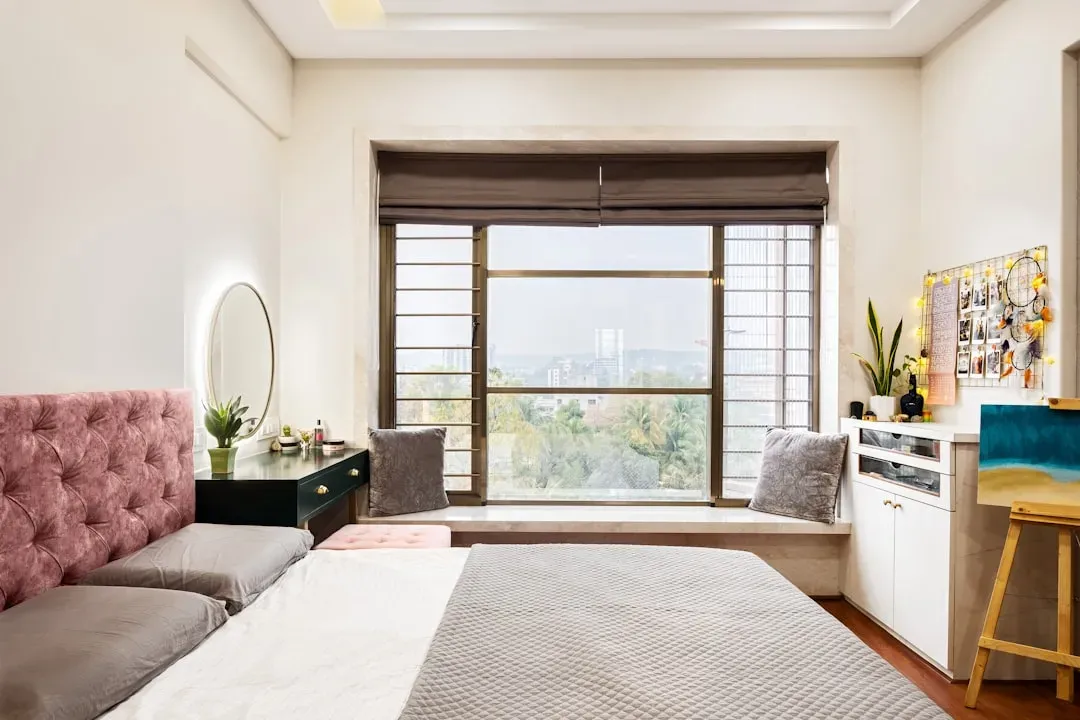
Built in window seats have remained a consistently popular feature in home design because they combine seating with storage in a single piece of furniture. The bench itself typically has a lift up top or drawers underneath, giving readers a place to store blankets, extra cushions, or a small book collection without needing additional furniture. This dual purpose design is particularly valuable in smaller homes where every square foot needs to serve more than one function.
Adding a firm cushion and a few pillows makes the bench comfortable enough for extended reading sessions rather than just brief sitting. Because window seats are built directly into the architecture, they also tend to feel more permanent and intentional than a chair simply placed near a window. This makes them one of the more design forward choices for anyone renovating or building a reading corner from scratch.
A minimalist floor seating area
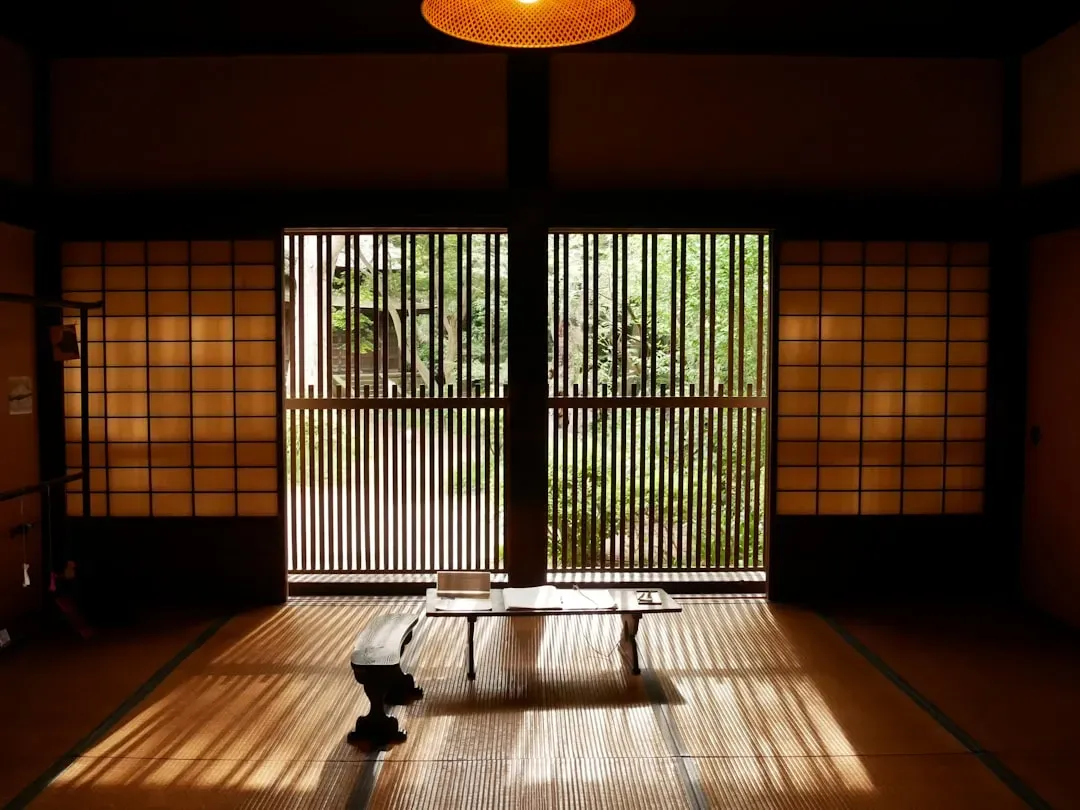
Floor seating has grown in popularity partly due to the influence of minimalist and Japanese inspired interior design trends that emphasize low furniture and open floor space. A large floor cushion, a low pile rug, and a simple backrest can without needing any traditional furniture at all. This approach works particularly well in small apartments or rooms where a chair would feel too bulky for the available space.
Floor seating also tends to be more flexible, since cushions can be moved to follow sunlight throughout the day or rearranged for different seasons. A low side table keeps a lamp and a few books within reach without disrupting the minimalist look. For renters especially, this option offers a reading corner that requires no permanent installation and can move with them to a new home.