
Rethink your lighting layers
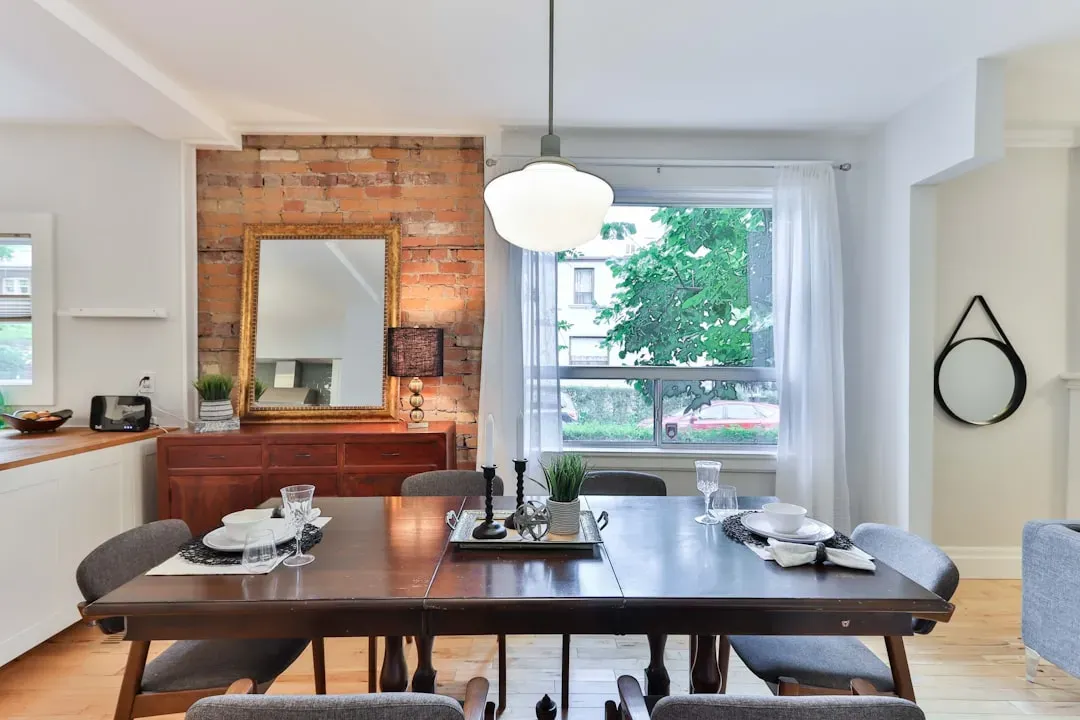
Lighting shapes the mood of a more than almost any other single element. A single overhead fixture often leaves the space feeling flat or clinical, while layering in a dimmer switch, wall sconces, or even a few candles adds warmth and flexibility for different occasions. Many designers now recommend pairing a statement pendant light with softer secondary lighting so the room can shift from bright family dinners to a quieter evening mood.
Swapping bulb temperature also makes a noticeable difference. Warmer bulbs, generally in the 2700K to 3000K range, tend to make skin tones and food look more appealing than cooler, bluish light. This is a low-cost change that takes minutes but affects how the whole room feels every single day.
Update your table linens
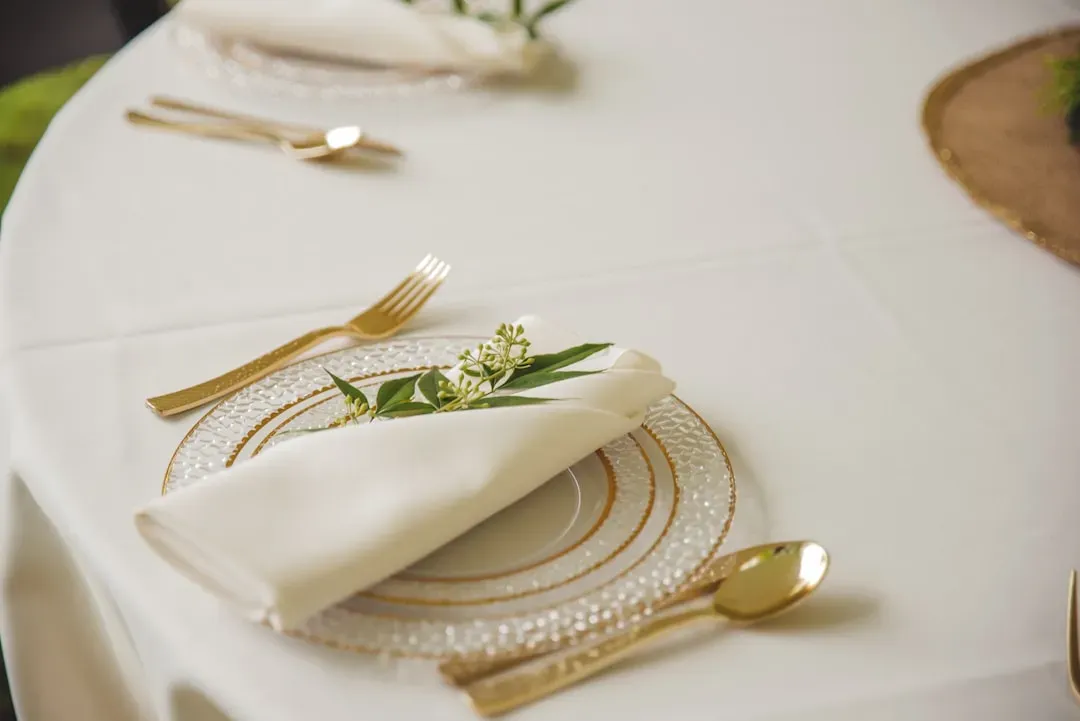
Tablecloths, runners, and placemats are some of the easiest ways to change the personality of a without touching furniture. A textured linen runner or a bold patterned tablecloth can instantly modernize an older wood table. Rotating linens seasonally, lighter fabrics in warmer months and richer tones in cooler ones, keeps the space feeling intentional rather than static.
Mixing textures on the table also adds visual interest. Combining a matte woven placemat with glossy ceramic dishware, for instance, creates subtle contrast that photographs well and feels more curated in person. This kind of small styling detail is popular in interior design content because it requires almost no investment yet reads as a deliberate design choice.
Introduce a statement rug
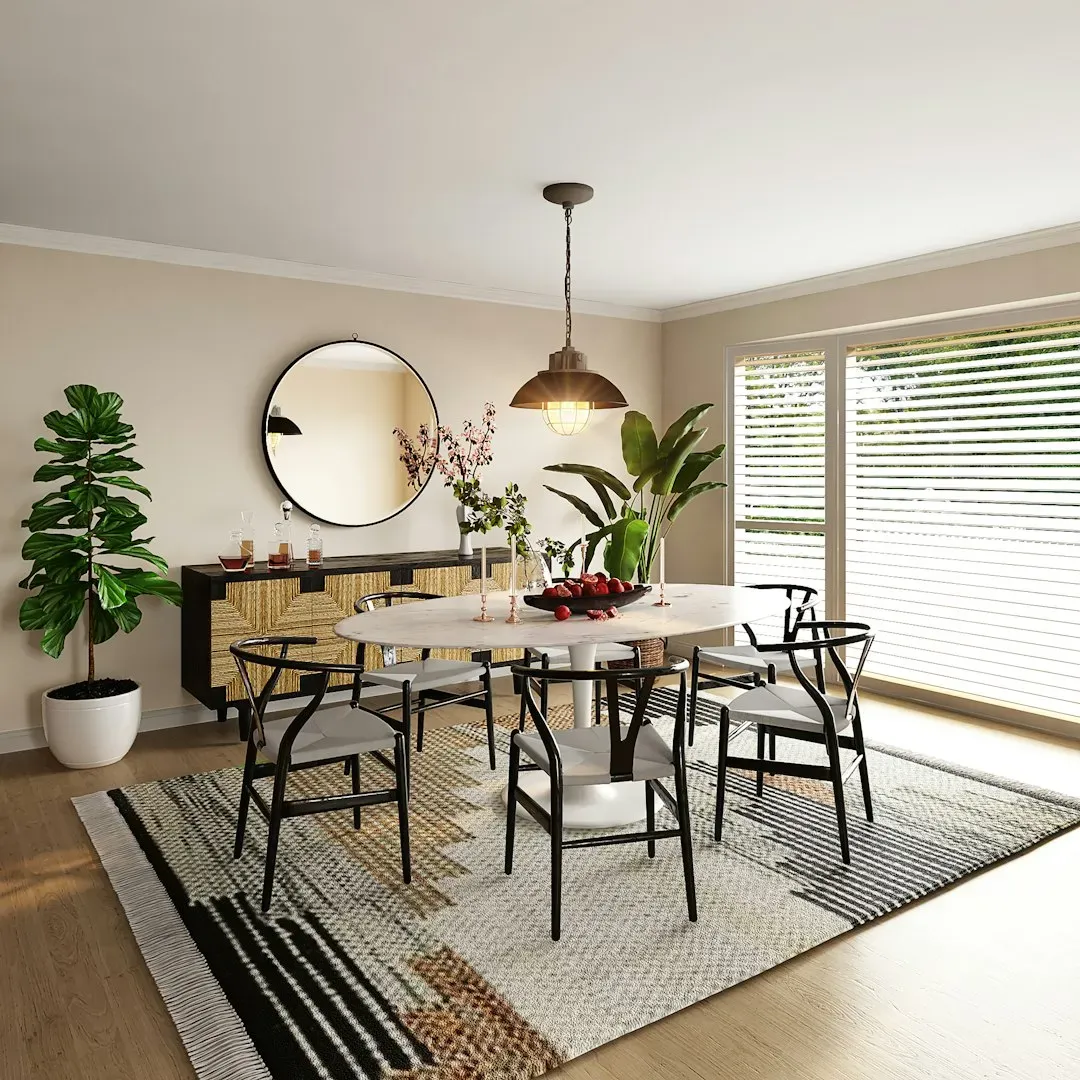
A rug under the dining table does more than protect flooring. It defines the space, especially in open-concept homes where the dining area might otherwise blend into the kitchen or living room. Choosing a rug large enough that chairs stay on it even when pulled out avoids the common mistake of an undersized rug that makes the table look stranded.
Pattern and color choice matter here too. A patterned rug can hide crumbs and wear better than a solid one, which is a practical bonus in a room where spills are common. Natural fiber options like jute or wool blends have grown in popularity for dining spaces because they hold up well to chairs sliding in and out.
Paint one accent wall
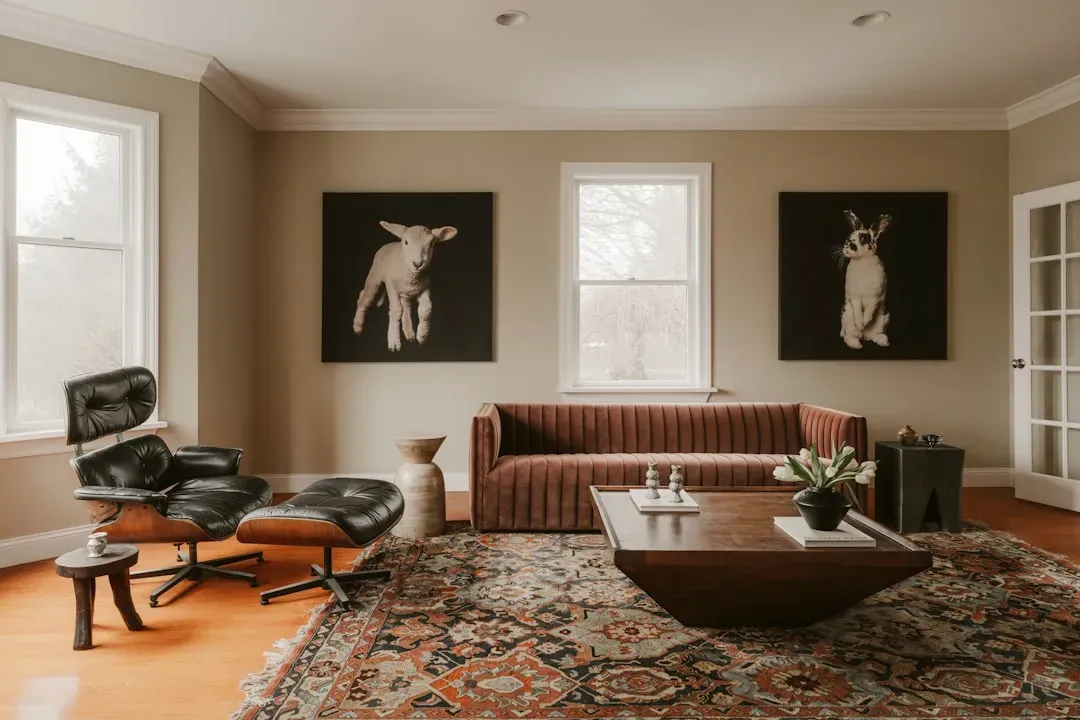
A fresh coat of paint remains one of the most cost-effective ways to change a room’s entire feel. Rather than repainting all four walls, many homeowners are opting for a single accent wall, often behind a buffet or built-in shelving, to add depth without overwhelming the space. Deeper tones like forest green, terracotta, or navy have been consistent favorites in color trends over the past couple of years.
Paint finish matters as much as color in a . A matte or eggshell finish tends to hide minor wall imperfections better than glossier options, while still being washable enough to handle occasional splashes near the table. This small technical detail can save frustration later when cleaning becomes necessary.
Swap out your chairs
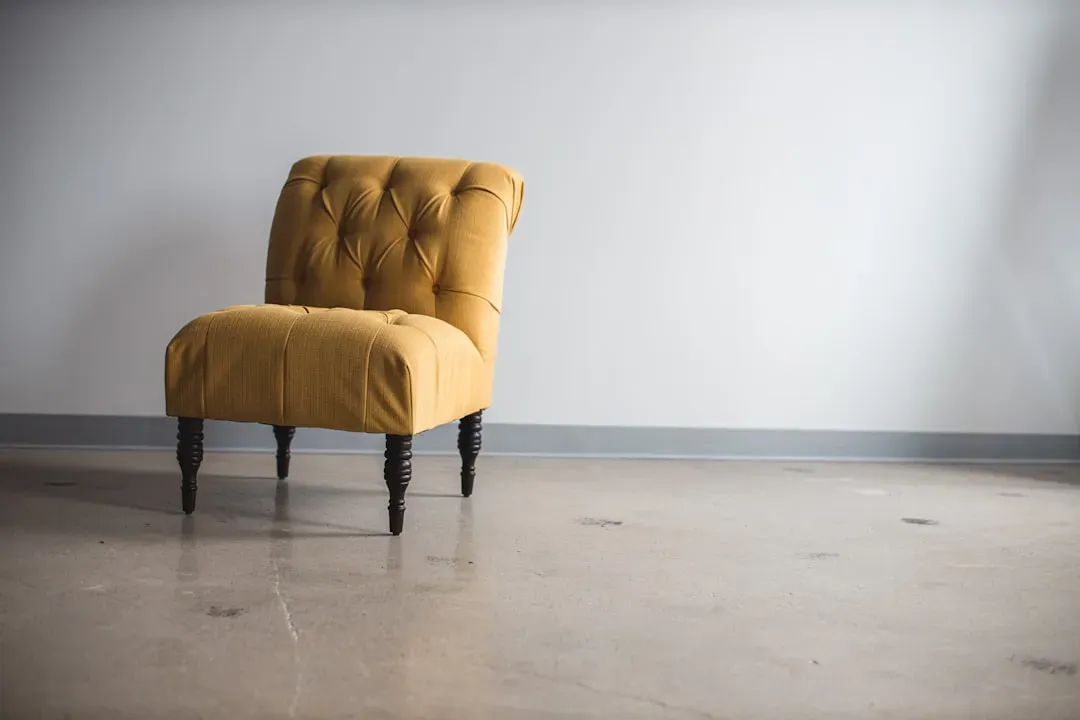
Chairs are often the most worn part of a dining set, especially fabric-upholstered ones that see daily use. Reupholstering existing chairs in a new fabric is usually far cheaper than buying a new set and allows for a completely different look with the same solid frame. Alternatively, mixing chair styles, like pairing wooden chairs with a couple of upholstered end chairs, has become a popular way to add visual interest without replacing everything.
Seat height and comfort deserve attention too, not just appearance. Chairs that are too low or too stiff discourage people from lingering at the table, which defeats the purpose of a built for gathering. A well-chosen cushion or seat pad can solve comfort issues quickly while also introducing color or pattern.
Add greenery or fresh florals

Plants bring life into a in a way that almost nothing else can. A simple centerpiece of fresh greenery, or a low-maintenance potted plant on a sideboard, softens hard surfaces like wood tables and tile floors. Even artificial arrangements have improved significantly in realism over recent years, offering a low-upkeep alternative for households that struggle to keep real plants alive.
Scale matters when choosing centerpieces. A tall arrangement can block sightlines across the table during conversation, so many designers suggest low, wide arrangements or a runner of small potted herbs instead. This keeps the table functional for actual dining while still adding a decorative touch.
Bring in a gallery wall

Blank walls in a are a missed opportunity, and a gallery wall is one of the most personal ways to fill that space. Mixing framed art, photographs, and even mirrors creates depth and reflects light around the room, which is especially useful in dining areas that lack strong natural light. Grouping frames in varying sizes rather than identical ones tends to look more organic and less like a showroom display.
A mirror included in the mix does double duty. It reflects candlelight or pendant lighting back into the room, making the space feel larger and brighter during evening meals. This is a favorite trick among interior designers for smaller s that don’t have the luxury of extra square footage.
Refresh your window treatments
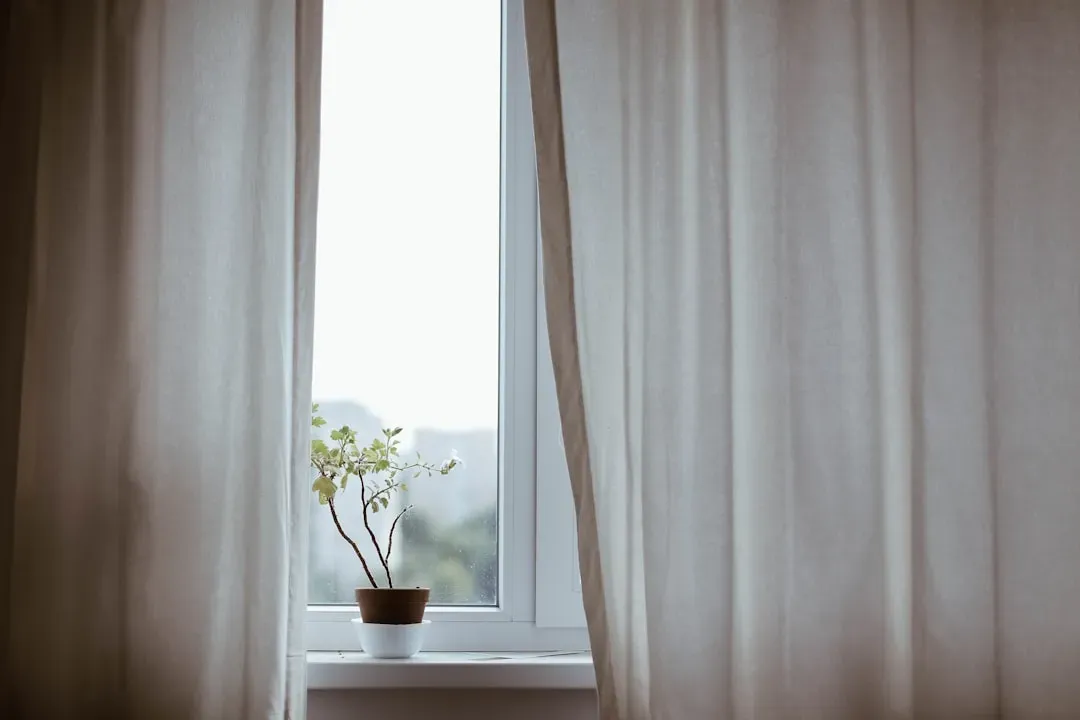
Curtains and blinds affect both the light and the acoustics of a more than people usually expect. Heavier drapes can soften noise in rooms with hard flooring, while sheer curtains let in more natural light for daytime meals. Swapping outdated valances or mini blinds for simple floor-length curtains is a change that tends to modernize a room almost instantly.
Layering is worth considering here as well, similar to lighting. Combining a sheer inner layer with a heavier outer curtain gives flexibility throughout the day, allowing more privacy and light control during evening dinners. This layered approach has remained a steady trend in home design through 2025 and into 2026, particularly for rooms with large windows.
Update hardware and small fixtures
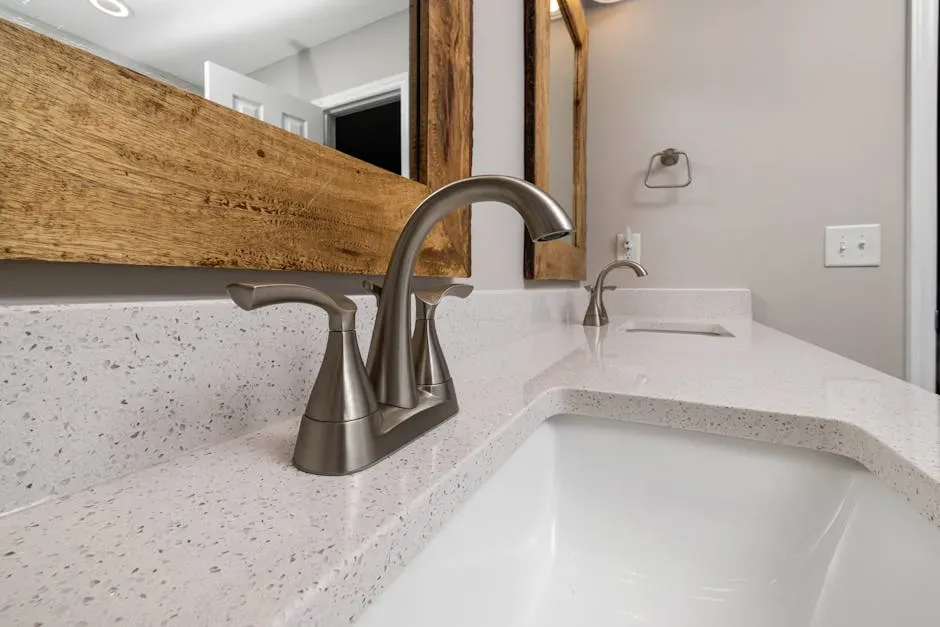
Small details like drawer pulls on a buffet, cabinet knobs, or even light switch covers can quietly date a room if left untouched for years. Replacing brass hardware with brushed nickel, or the reverse depending on current preference, is a low-cost update that ties the room together visually. This kind of detail work is often the final step that makes a refreshed feel complete rather than half-finished.
Coordinating hardware finishes with light fixtures creates a more cohesive look overall. If a chandelier has matte black accents, matching drawer pulls or curtain rods in the same finish helps the room feel planned rather than assembled piece by piece over time. It’s a subtle detail, but one that experienced designers consistently point to as making a noticeable difference.
Reconsider your table centerpiece routine
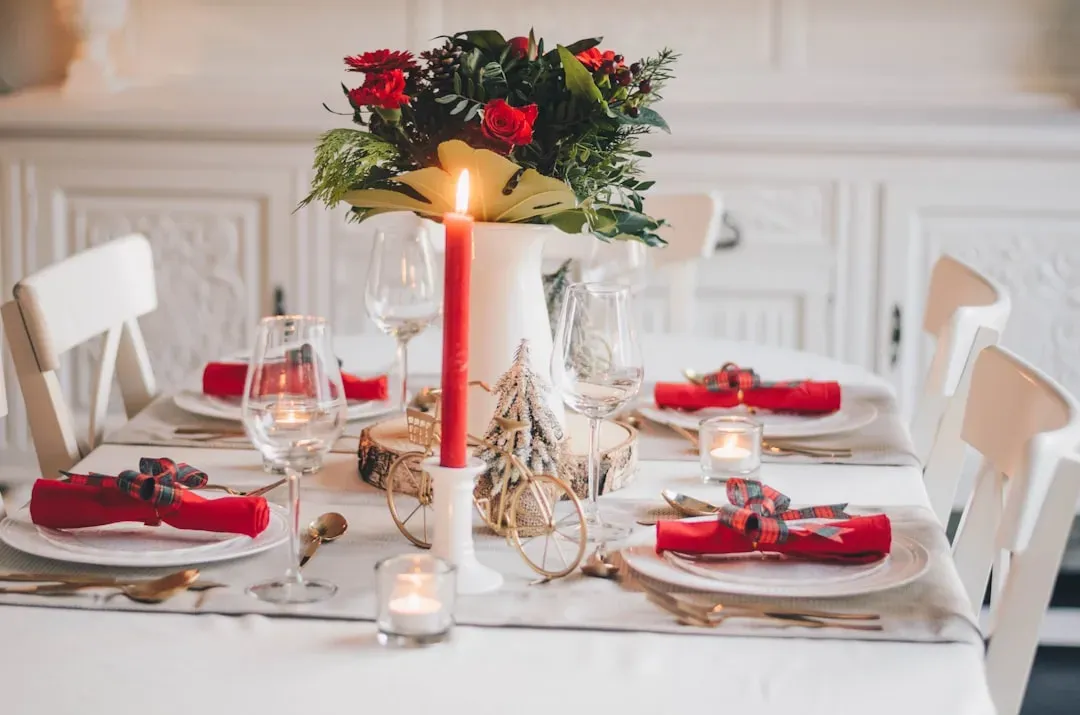
Beyond a single seasonal centerpiece, some households are shifting toward rotating displays that change with the season or even the week. A bowl of seasonal fruit, a cluster of candles, or a simple vase with whatever is blooming locally keeps the table feeling fresh without requiring a big investment. This habit also encourages more intentional use of the dining table itself, rather than letting it collect mail or clutter.
Storage nearby helps this habit stick. Keeping a small collection of vases, candle holders, and table runners in a nearby drawer or sideboard makes it easier to switch things up without extra effort. Over time, this kind of small routine keeps the feeling considered rather than static, even between bigger design updates.