
Let natural light lead the layout
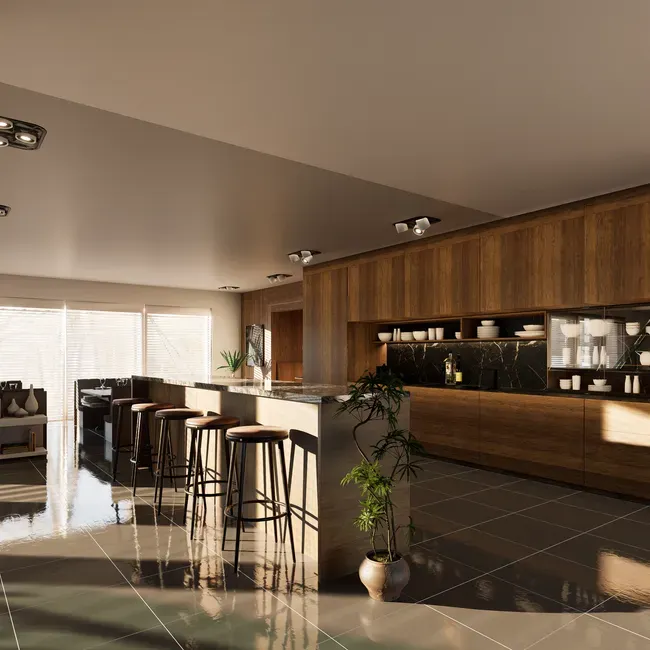
Light shapes mood more than almost any other design element in a home. Rooms that receive consistent daylight tend to feel more welcoming and less like storage for furniture. Positioning seating areas near windows, using sheer curtains instead of heavy drapes, and keeping windowsills clear all help daylight travel further into a room.
Layered lighting matters just as much once the sun goes down. A single overhead fixture tends to flatten a room and make it feel clinical rather than warm. Mixing floor lamps, table lamps, and dimmer switches gives you control over the mood at different times of day, which is something a single bright bulb simply cannot do.
Bring in textures you actually want to touch
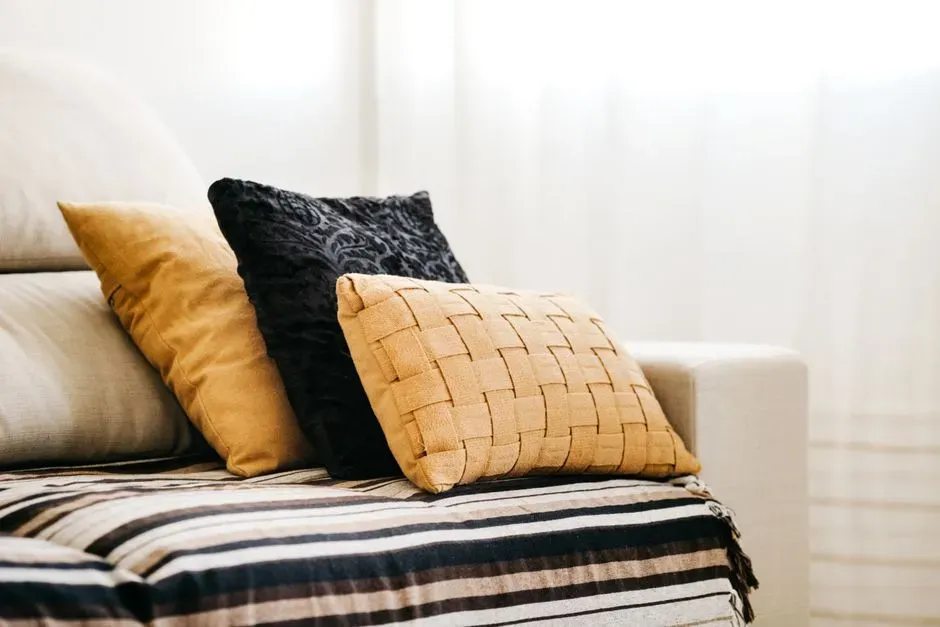
A home that feels good is often one that feels good under your hands and feet, not just one that looks good in photos. Soft rugs, knit throws, linen upholstery, and wood furniture all add tactile variety that a room full of hard, glossy surfaces lacks. Texture also adds visual depth even in a fairly simple, uncluttered space.
This doesn’t require a full renovation or a big budget. A wool throw on the sofa, a jute rug in the entryway, or wooden trays on a coffee table can shift the tactile feel of a room noticeably. The goal is variety, since a mix of textures tends to read as more comfortable than a single dominant material.
Let scent become part of the identity of your home
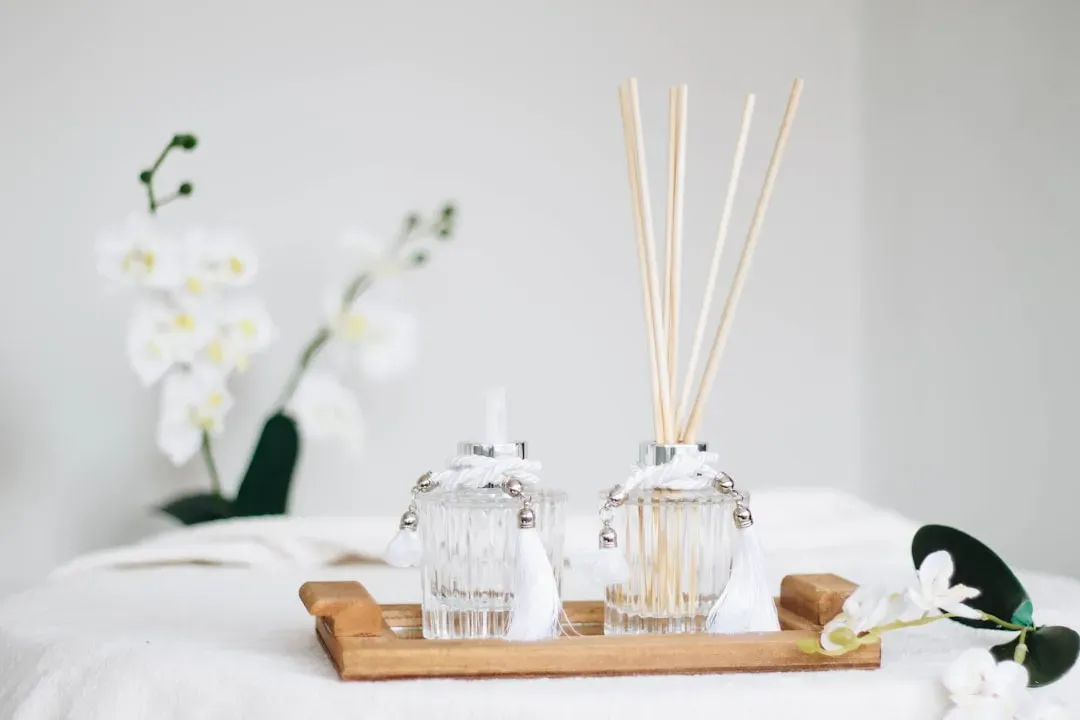
Smell is tied closely to memory and emotional response, which is part of why a familiar scent can instantly make a space feel more like yours. Simmering herbs, a favorite candle, or fresh coffee in the morning all contribute to an atmosphere that guests and family members associate specifically with your home. Consistency matters here more than intensity.
Avoid relying on one overpowering air freshener sprayed randomly throughout the week. Instead, choose one or two signature scents, whether that’s a specific candle brand, a diffuser blend, or the habit of opening windows for fresh air each morning. Over time, that scent becomes part of how the space registers as home rather than as a rental or a stopover.
Display objects that carry a personal story

Generic decor bought purely because it matched a color scheme rarely creates emotional warmth. Objects with a story behind them, a piece of pottery from a trip, a framed photo, a chipped mug that was your grandmother’s, do more to make a space feel personal than anything picked off a catalog page. These items act as quiet anchors that remind you the space belongs to your life specifically.
You don’t need dozens of these pieces scattered everywhere. A handful placed thoughtfully on a shelf, a mantel, or a hallway table tends to have more impact than an overcrowded display. The goal is recognition, not accumulation, so that when your eye lands on an object, it triggers a specific memory rather than blending into background clutter.
Create a designated space for rest and quiet
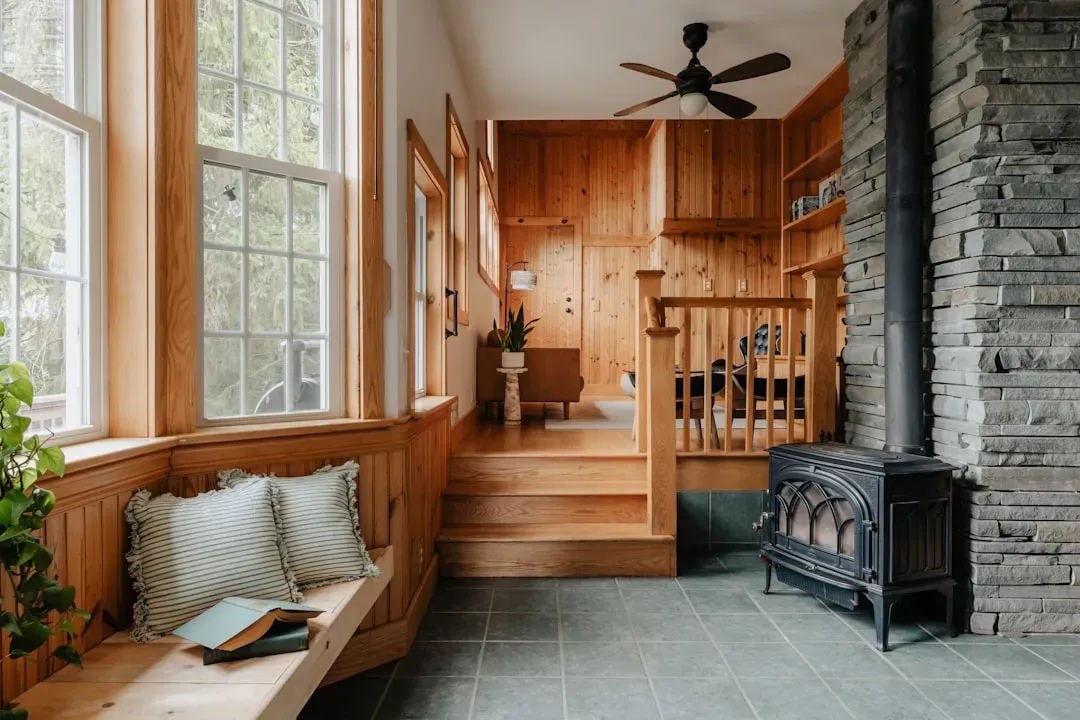
Homes that feel comfortable usually have at least one spot built specifically for slowing down. That could be a reading chair near a window, a corner with a soft blanket and low lighting, or a small nook away from screens and traffic. Having a physical space tied to rest reinforces the idea that home is where you recover, not just where you complete tasks.
This space doesn’t need much. A comfortable chair, decent lighting, and a small table for a cup of tea or a book are usually enough. What matters is that the spot is used consistently, since a chair that never gets sat in doesn’t build the same emotional association as one that becomes part of a daily routine.
Keep surfaces clear enough to breathe
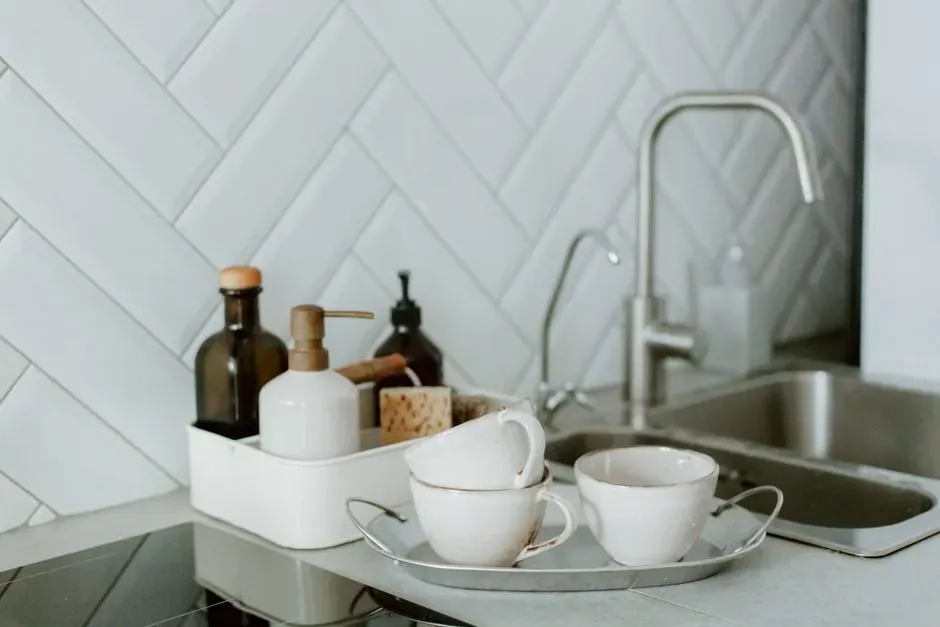
Clutter has a measurable effect on how a space feels, and not a positive one. Visual noise from piled mail, tangled cords, or overflowing counters can make even a well-designed room feel tense rather than restful. This isn’t about minimalism as an aesthetic choice, it’s about giving your eyes and your mind fewer things to process at once.
Simple systems help more than one big cleaning effort. A tray for mail, a designated drawer for chargers, or a basket for shoes near the entry all reduce the daily buildup that makes rooms feel chaotic. The goal isn’t an empty house, it’s a house where the eye has clear places to land.
Use color intentionally, not just decoratively
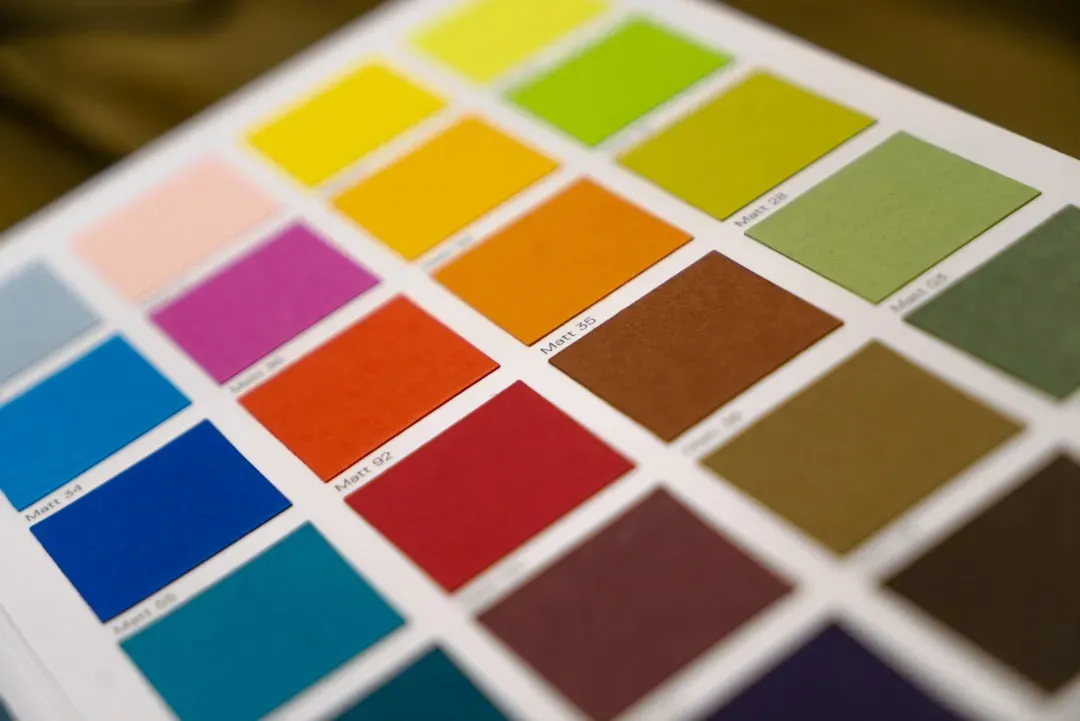
Color affects mood in ways that go beyond simple taste. Warmer tones like terracotta, ochre, and deep greens tend to read as cozy and grounded, while stark white walls with no contrast can feel sterile if overused. This doesn’t mean repainting every wall, but rather being deliberate about where warmth appears, whether through paint, textiles, or accent pieces.
Consistency across rooms also matters more than most people expect. A home where every room follows a completely different color logic can feel disjointed, almost like separate apartments stitched together. Choosing a loose palette that repeats in small ways, a shared accent color, similar wood tones, creates a sense of flow from room to room.
Make the entryway say something welcoming
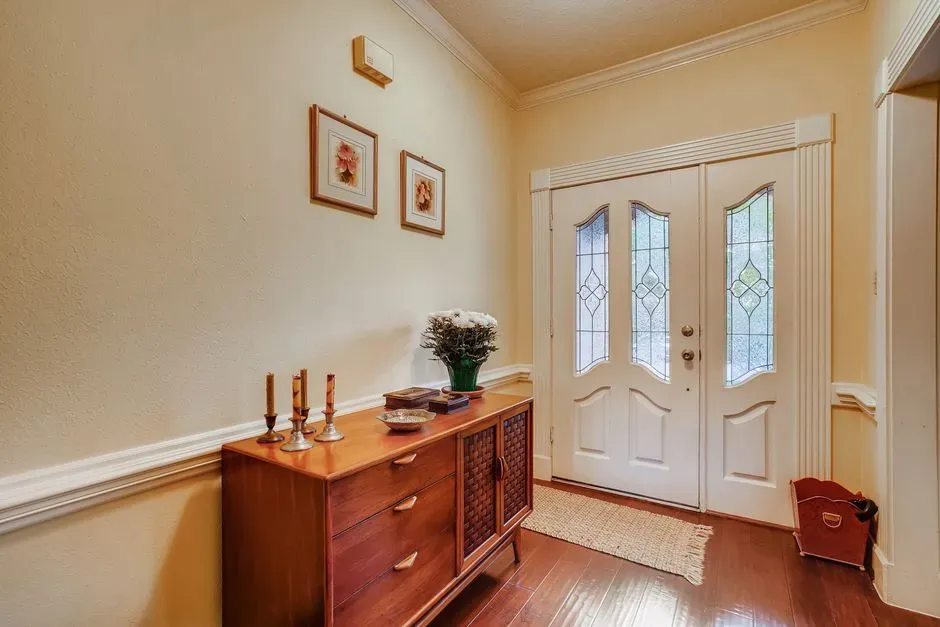
The entry sets the tone for everything that follows, yet it’s one of the most neglected spaces in many homes. A cluttered hallway with shoes piled by the door and no clear landing spot for keys creates a small daily friction point before you’ve even settled in. A functional, intentional entryway signals, even subconsciously, that the rest of the home is cared for.
This doesn’t require an elaborate mudroom setup. A small bench, a hook for coats, and a tray for keys can be enough to make the first few seconds inside the door feel calmer. Since the entry is the transition point between outside stress and home life, small improvements there tend to have an outsized effect on overall mood.
Involve everyone who lives there in shaping the space
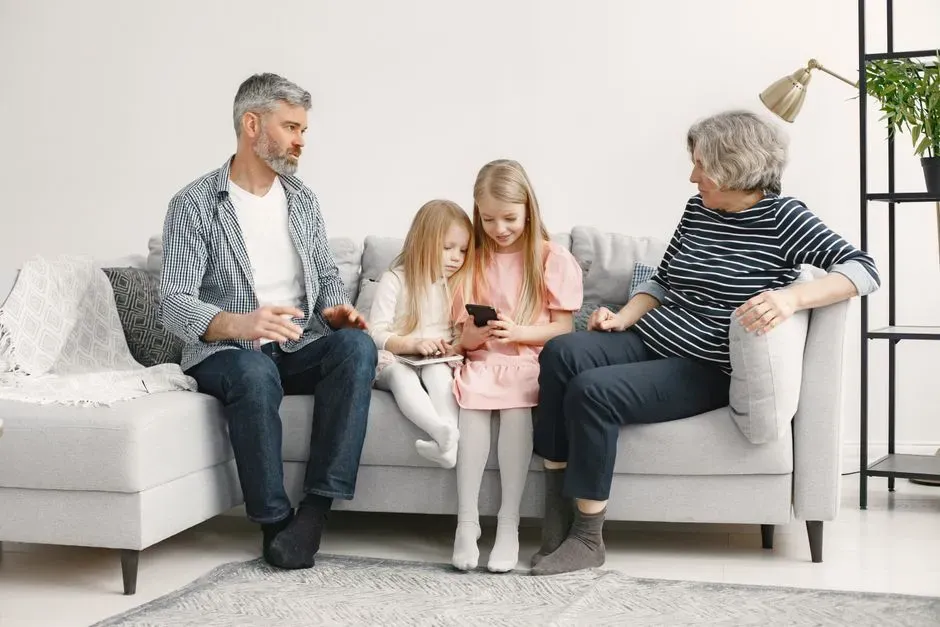
A home rarely feels complete when it reflects only one person’s taste, especially in shared households. Letting kids choose the color of their own room, giving a partner input on furniture layout, or leaving space for a roommate’s belongings in shared areas builds a sense of collective ownership. When people feel their preferences show up somewhere in the home, they’re more likely to feel emotionally invested in it.
This is especially relevant now, as more households in 2025 and 2026 include multigenerational living arrangements or shared housing due to cost pressures. A home shared by adult children, parents, or roommates works better emotionally when each person has some visible, personal corner rather than living entirely within someone else’s design choices.
Give plants and greenery a real role, not just decoration
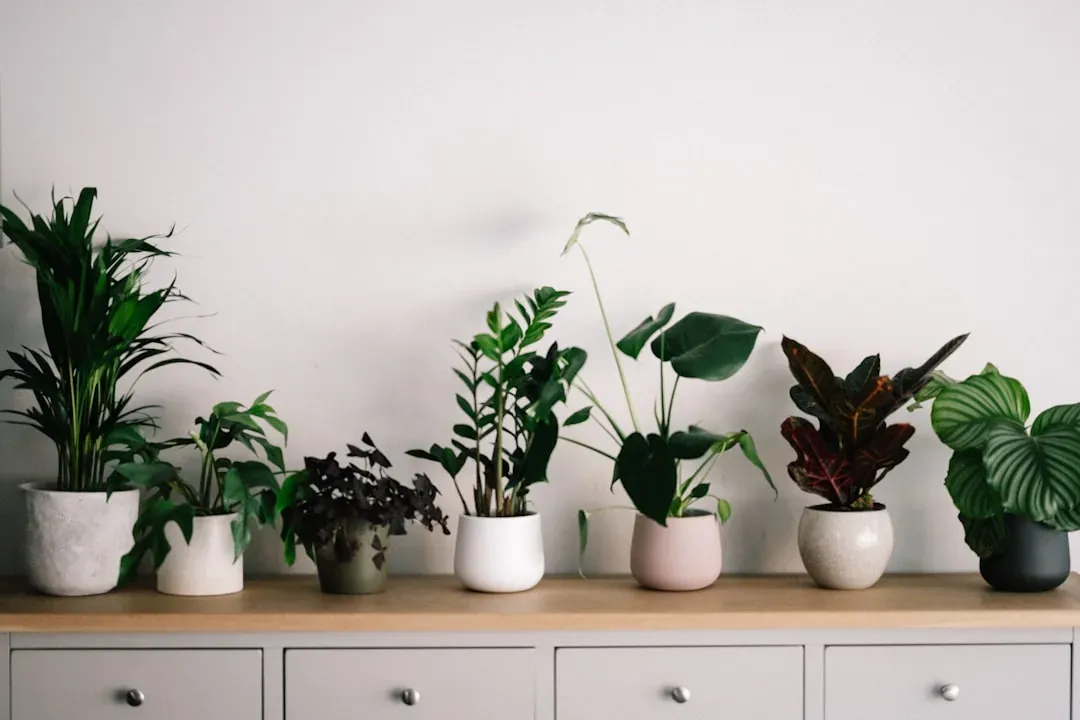
Houseplants do more than fill empty corners. Greenery introduces organic shape and unpredictable growth into spaces that are otherwise full of straight lines and manufactured surfaces. Even a few well-placed plants can soften a room’s overall feel without requiring major design changes.
Low-maintenance options like snake plants, pothos, or ZZ plants work well for people who want the visual benefit without a demanding care routine. Placement matters too, since plants near windows or in kitchens tend to get noticed and cared for more consistently than ones tucked into dim corners. A home with visibly living things in it tends to feel less static and more alive.