
There’s a particular hour in summer when the light softens, the air cools just enough, and everything outside starts to feel more inviting than the inside of any house. That window between late afternoon and dusk is when outdoor spaces really earn their keep. Whether it’s a patio, a rooftop, or a stretch of backyard grass, the right setup can turn an ordinary evening into something worth lingering over.
Not every outdoor space works the same way once the sun starts to dip. Some thrive with string lights and a fire pit, others need nothing more than a good breeze and comfortable seating. Below is a look at the outdoor spots that consistently deliver when the temperature is warm and the evening stretches out ahead of you.
Backyard patios with fire features
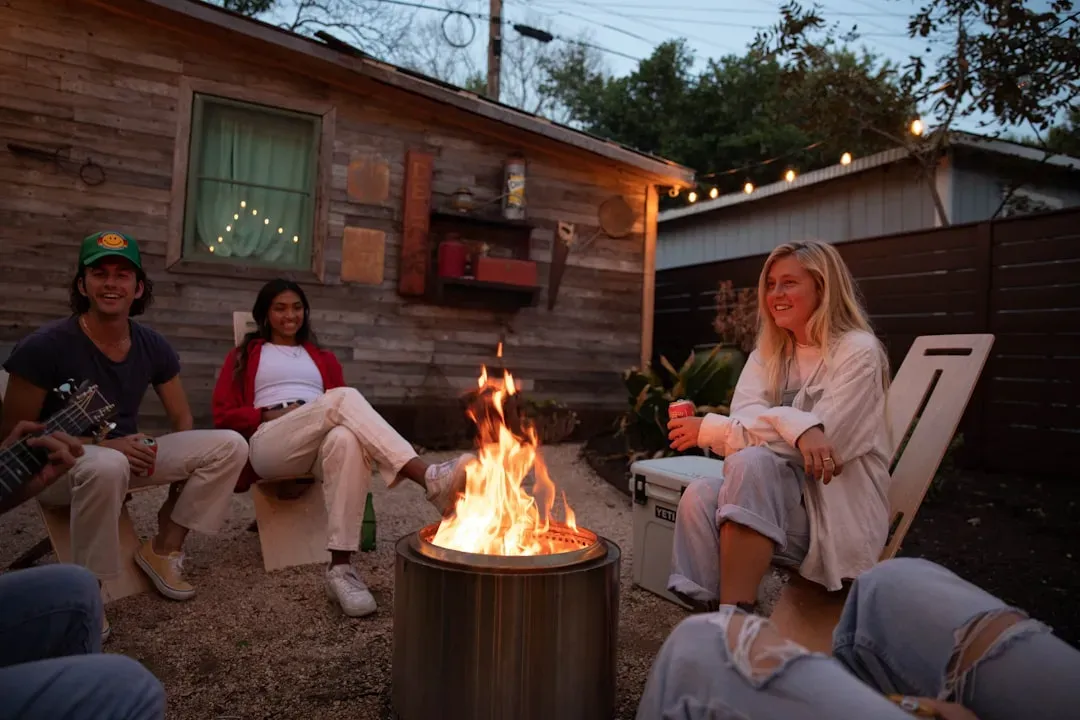
A patio with a built-in fire feature, whether that’s a gas fire pit or a simple wood-burning bowl, tends to become the default gathering spot the moment the sun goes down. The warmth extends the usable hours of an evening well past when the air starts to cool, which matters more than people expect even in the middle of summer. Fire also does something practical: it draws people to sit closer together and slows down the pace of conversation.
Landscape designers have noted a steady rise in demand for outdoor fire features over the past several years, partly driven by homeowners wanting to extend the usability of their yards into more months of the year. A patio doesn’t need to be large to work well with a fire feature either. Even a modest concrete or paver surface with four chairs around a small fire bowl can feel like a destination rather than an afterthought.
Rooftop terraces in urban settings
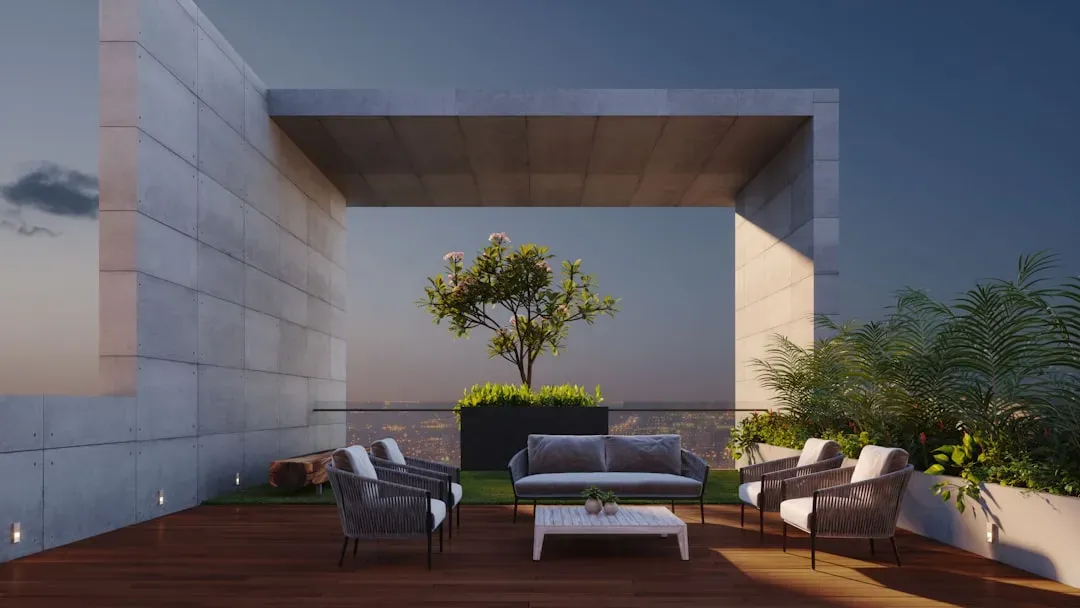
City dwellers without a backyard have increasingly turned to rooftop terraces, and for good reason. Elevation changes everything about an evening outdoors, offering breezes that ground-level spaces rarely get and views that shift in color as the sky darkens. Many apartment buildings built or renovated in the last few years have added shared rooftop spaces specifically because tenants request them.
The appeal isn’t just visual. Rooftops tend to run several degrees cooler than street level once the sun sets, since heat radiating from pavement and buildings dissipates upward and away. That makes them genuinely more comfortable during the hottest stretches of summer, not just prettier. A rooftop with a few string lights, some potted plants, and simple seating can rival far more elaborate ground-level setups.
Screened porches for bug-free evenings
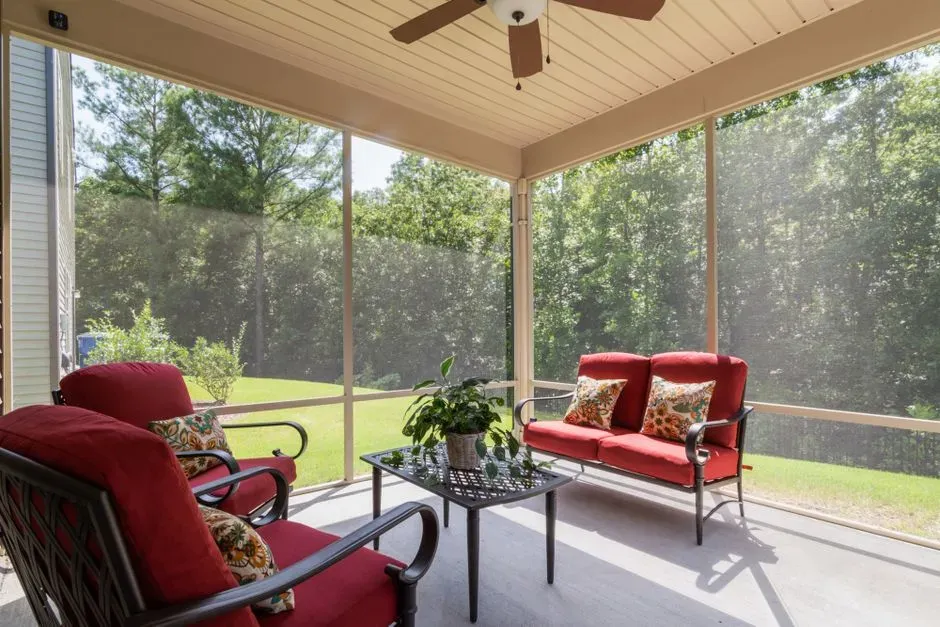
Screened porches solve one of summer evening’s most persistent problems: mosquitoes and other insects that show up right as the light starts to fade. This is especially true in humid regions where standing water and warm temperatures create ideal breeding conditions for mosquitoes through much of the season. A screened porch lets people sit outside comfortably without needing to reapply repellent every twenty minutes.
Beyond the bug factor, screened porches offer a kind of middle ground between indoor comfort and outdoor air. They can be furnished more like a living room, with cushioned furniture, rugs, and even ceiling fans, without worrying about rain or dew ruining the fabric overnight. For families with young kids or anyone who entertains often, this hybrid space frequently becomes the most-used part of the house from June through August.
Lakeside and waterfront decks
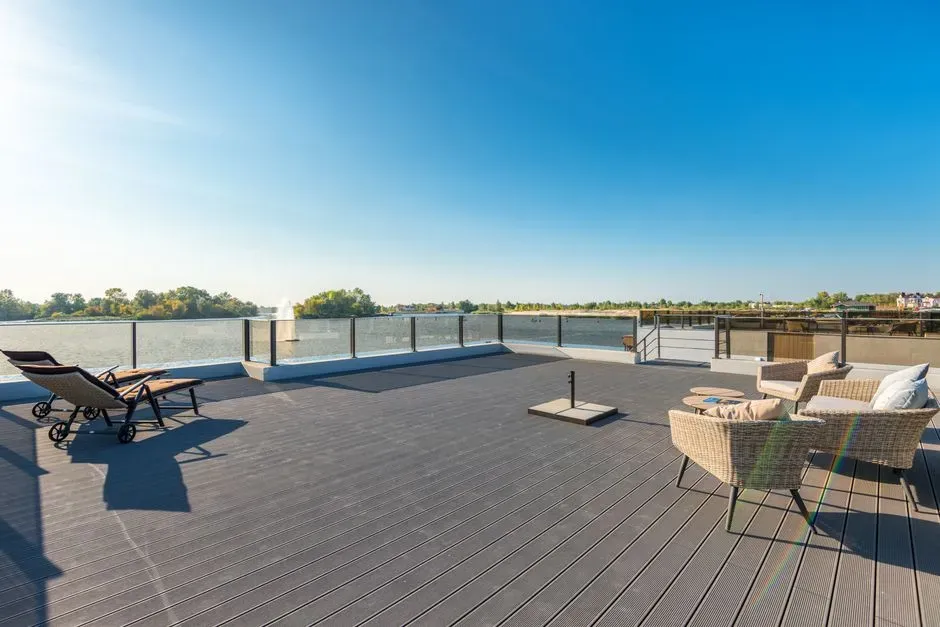
There’s a reason waterfront property commands a premium, and summer evenings are a big part of it. Water tends to hold and release heat more slowly than land, which creates a natural cooling effect along shorelines as the day winds down. A deck positioned to catch that breeze off a lake or river becomes noticeably more comfortable than an inland yard at the same hour.
The visual element matters too. Watching light reflect and shift across water as the sun sets adds a kind of built-in entertainment that no amount of decorating can replicate. Many lakeside communities have seen steady growth in short-term rental demand specifically tied to evening and sunset hours, according to regional tourism boards in areas like the Great Lakes and parts of the Ozarks.
Community parks with open lawns
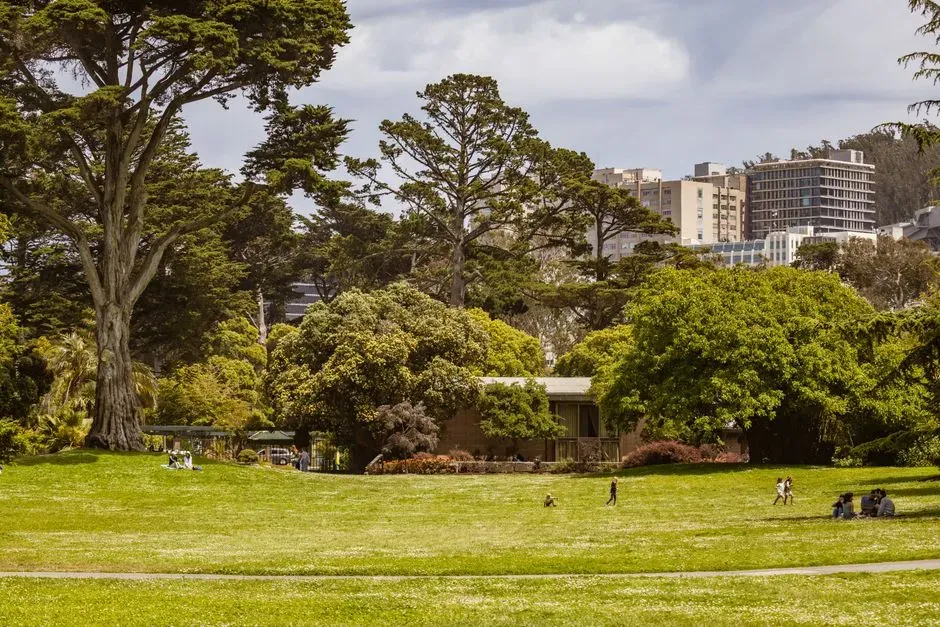
Public parks remain one of the most accessible , and their popularity hasn’t faded even as private outdoor amenities have expanded. Open lawns give people room to spread out blankets, toss a frisbee, or simply sit and watch the evening settle in without needing to own any of it. Many cities have invested in expanded park programming for evening hours, including free concerts and movie nights that specifically target the after-work crowd.
Parks also offer something private spaces can’t: a shared social atmosphere. Watching other groups nearby, hearing distant laughter, or catching the smell of someone else’s grill adds texture to an evening that a solitary backyard sometimes lacks. This communal quality is part of why urban planners increasingly treat park lighting and evening accessibility as a priority rather than an afterthought.
Vineyard and orchard patios
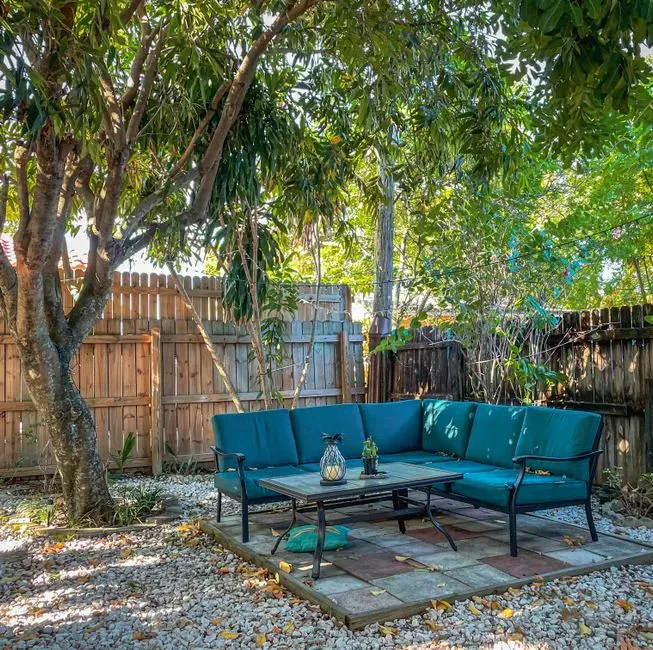
Vineyards and orchards have leaned heavily into the evening hospitality trend over recent years, transforming what used to be strictly daytime tasting rooms into full evening destinations. The appeal is straightforward: rows of vines or fruit trees catch low evening light in a way that feels cinematic without any special effort. Many wineries now schedule live music or extended tasting hours specifically for the golden hour leading into dusk.
This shift reflects a broader change in how these businesses generate revenue. Agritourism operations across regions like California’s Central Valley and parts of the Finger Lakes have reported that evening events now account for a meaningful share of annual visitor traffic. The combination of open-air seating, natural scenery, and food or wine pairings makes these spaces feel less like a business venue and more like a planned evening out.
Desert and dry-climate courtyards
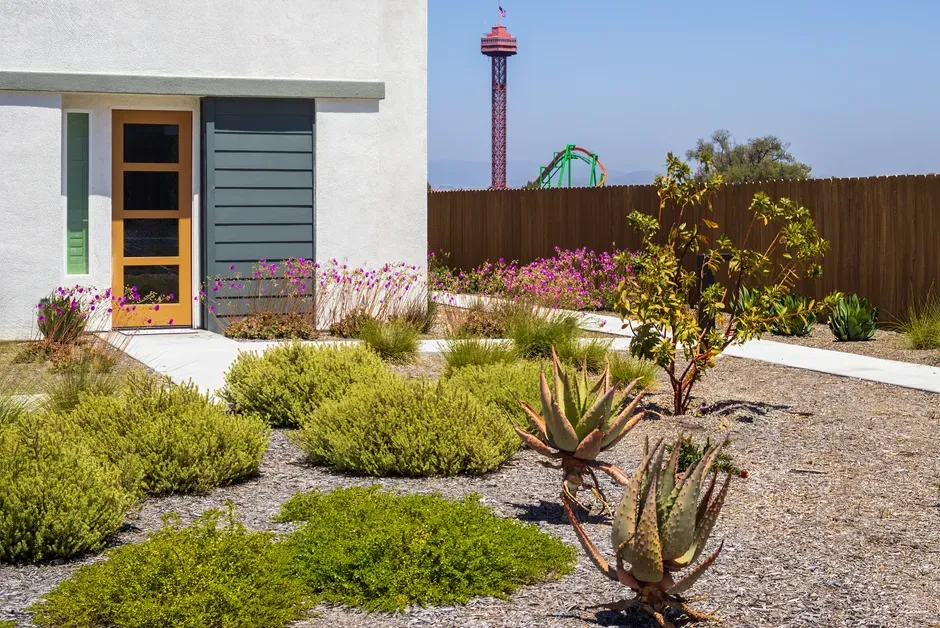
Desert climates present a unique case for summer evenings because the temperature swing from day to night can be dramatic. Daytime highs that feel unbearable often drop by twenty degrees or more within a few hours after sunset, which makes a well-shaded courtyard genuinely pleasant rather than just tolerable. This is part of why traditional Southwestern architecture has long favored enclosed courtyards with thick walls that retain coolness.
Modern desert homes have adapted this concept with materials like stone and stucco that release stored heat slowly, plus features like shade sails or pergolas that block harsh afternoon sun. Once evening arrives, these courtyards often become the most comfortable spot on the entire property. The dry air also means fewer bugs and less humidity discomfort compared to other regions, which adds another layer of appeal.
Beach boardwalks and coastal promenades
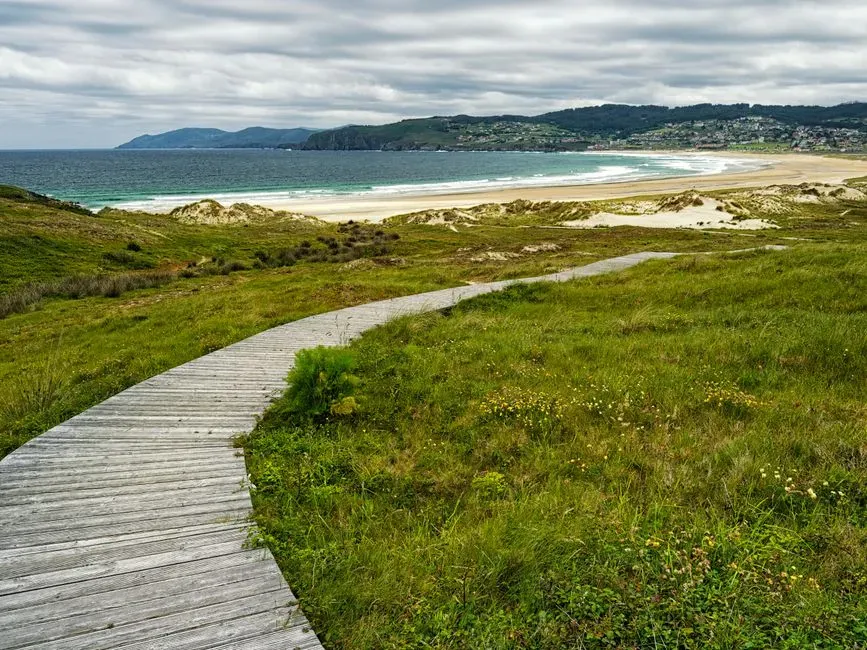
Coastal towns rely heavily on their boardwalks and promenades during summer evenings, and the numbers back up how central these spaces are to local economies. Foot traffic on many popular boardwalks spikes noticeably after five in the evening, as daytime beachgoers shift toward dinner, shopping, and strolling rather than sunbathing. The ocean breeze that kicks up in late afternoon also tends to make coastal evenings more comfortable than inland areas experiencing the same heat wave.
What makes boardwalks distinct from other outdoor spaces is the built-in variety. Within a short walk, there’s often food, live music, shops, and open ocean views all stitched together. That combination of activity and access to open water explains why coastal towns consistently rank among the most visited summer destinations in tourism surveys year after year.
Backyard gardens with evening bloomers
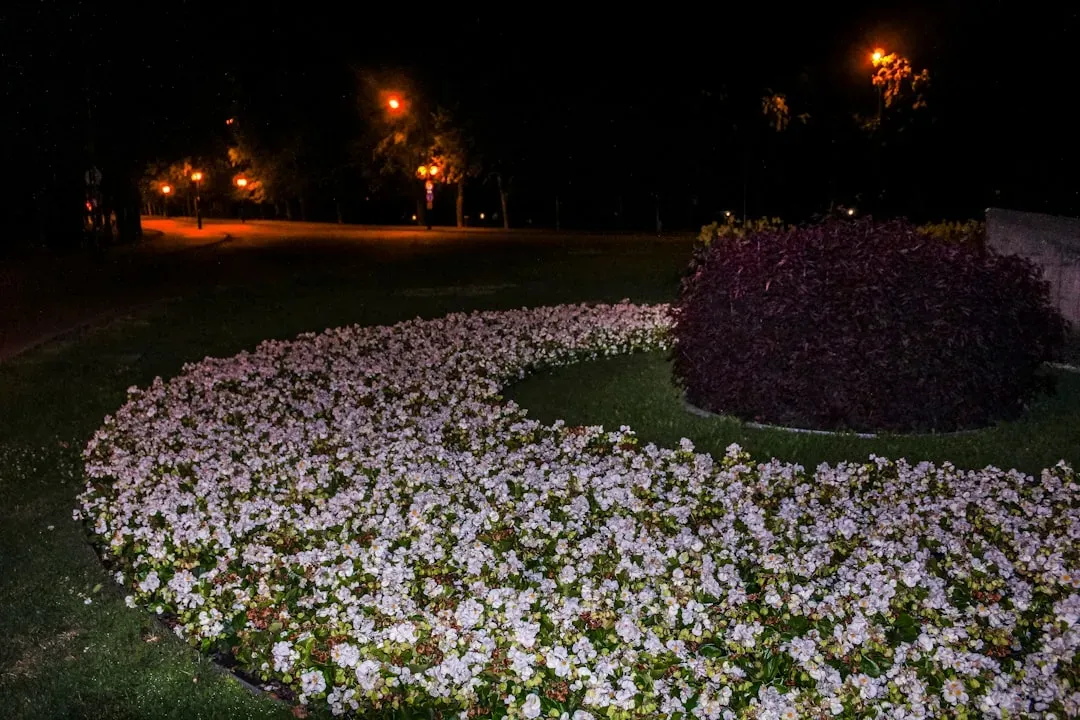
Certain plants are specifically suited to summer evenings because they release fragrance or open their blooms only as light fades. Moonflowers, night-blooming jasmine, and evening primrose are common choices among gardeners aiming to design a space that peaks in beauty and scent right when people are most likely to be sitting outside. This has made evening gardens a growing niche within landscape design over the past few years.
Beyond fragrance, these gardens often attract nocturnal pollinators like moths, which adds a quiet layer of activity to an otherwise still evening. Gardeners who plan specifically for dusk hours tend to place seating close to these plants, letting the scent carry directly into the space where people gather. It’s a subtle design choice, but one that noticeably changes how a garden feels after sunset compared to during the day.
Campgrounds and open-sky clearings
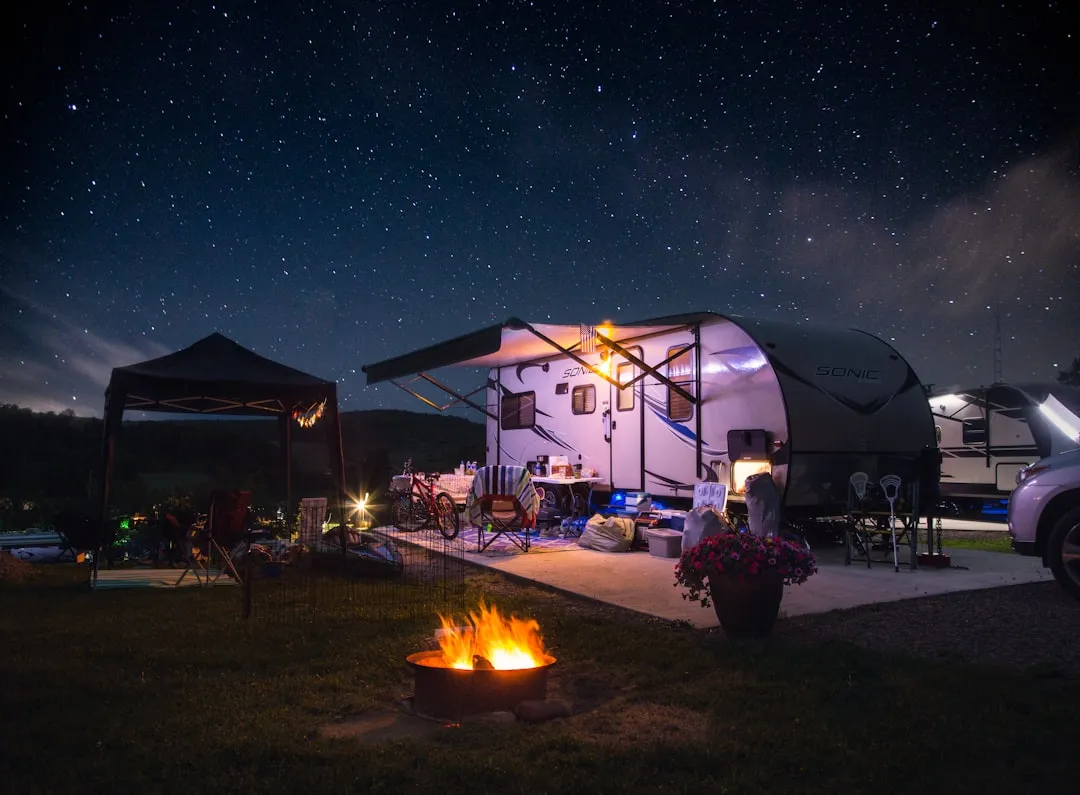
Camping remains one of the most direct ways to experience an unfiltered summer evening, free from streetlights or building shadows that dull the sky. National and state park camping reservations have stayed consistently high in recent years, with many popular sites booking out weeks or months in advance for peak summer weekends. Part of the draw is simply the sky itself, since areas far from city light pollution offer a view of stars that most people rarely see otherwise.
Campgrounds also strip away the usual distractions of home, which changes the pace of an evening in a way other outdoor spaces don’t quite replicate. Cooking over an open flame, listening to the shift from daytime bird activity to nighttime insect sounds, and watching the sky change color without any artificial light competing for attention all add up to a distinctly different kind of evening. That simplicity is exactly why campgrounds keep drawing repeat visitors summer after summer.