
Layering light for a warm first impression
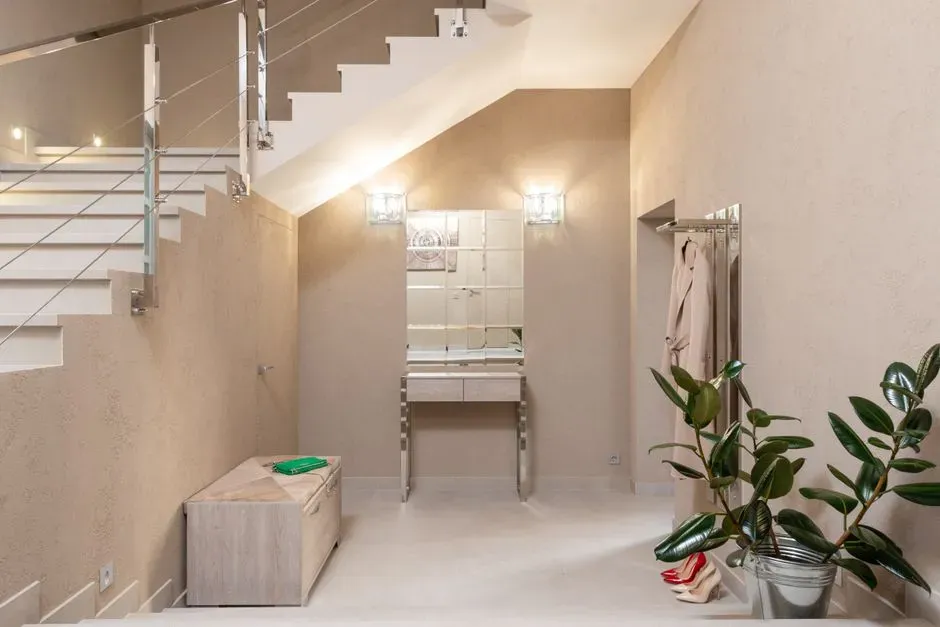
Overhead lighting alone tends to make entryways feel flat and a little clinical. A mix of a statement fixture up top with a smaller lamp on a console table or shelf creates depth and a softer glow the moment the door opens. Warm bulbs, generally in the lower color temperature range, tend to read as more inviting than the cool white light often used in kitchens or bathrooms.
Wall sconces are another practical option, especially in narrow entries where floor space is tight. They free up the console or table below for other decor while still adding a layer of ambient light. Dimmers are worth the small investment too, since they let the space shift from bright and functional during the day to soft and welcoming in the evening.
Choosing durable, beautiful flooring
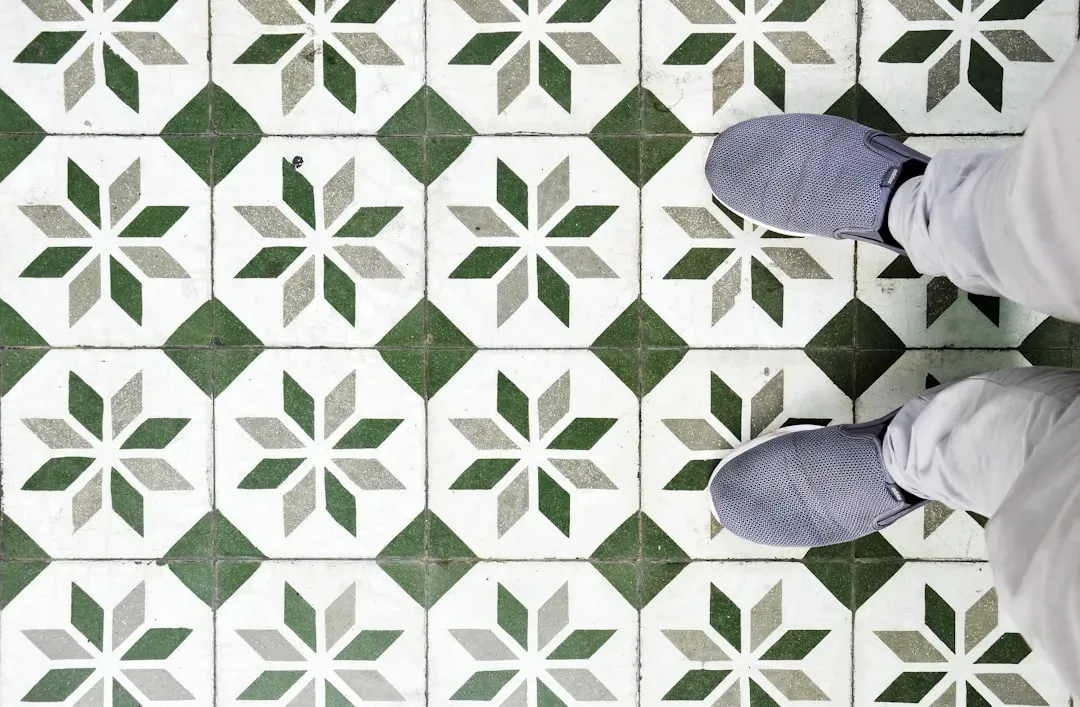
Entryways take a beating. Rain, mud, snow, and daily foot traffic mean the flooring here has to handle more wear than almost anywhere else in the house. Tile, stone, and sealed wood remain popular choices because they clean up easily and hold up over years of use without showing every scuff.
Patterned tile in particular has made a strong comeback in entry design over the past few years, offering a way to add personality without committing to bold choices in the rest of the home. For renters or those not ready for a full flooring change, a durable indoor-outdoor mat placed just inside the door can protect existing floors while still contributing to the overall look.
Bench seating and functional storage
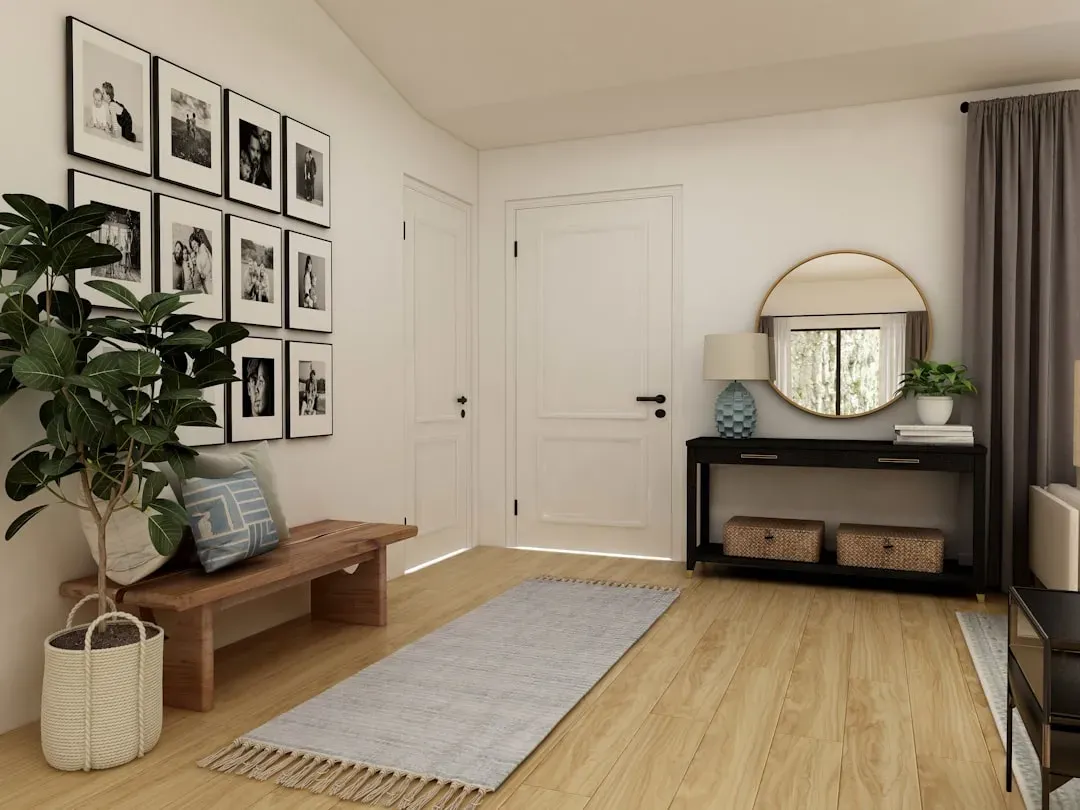
A bench near the door solves a practical problem, giving s and family members a spot to sit while putting on or taking off shoes. Beyond function, it also anchors the space visually, giving the eye a place to land instead of an empty stretch of wall. Many benches double as storage, with lift-up seats or built-in cubbies underneath for shoes, bags, or seasonal gear.
Baskets tucked under a bench or on nearby shelving add texture while keeping clutter out of sight. Hooks mounted just above bench height are a small addition that make a noticeable difference, giving coats and bags a home instead of letting them pile on the seat itself. Even a narrow entry can usually fit a slim bench, roughly the width of a standard hallway table, without feeling cramped.
A statement mirror to open the space
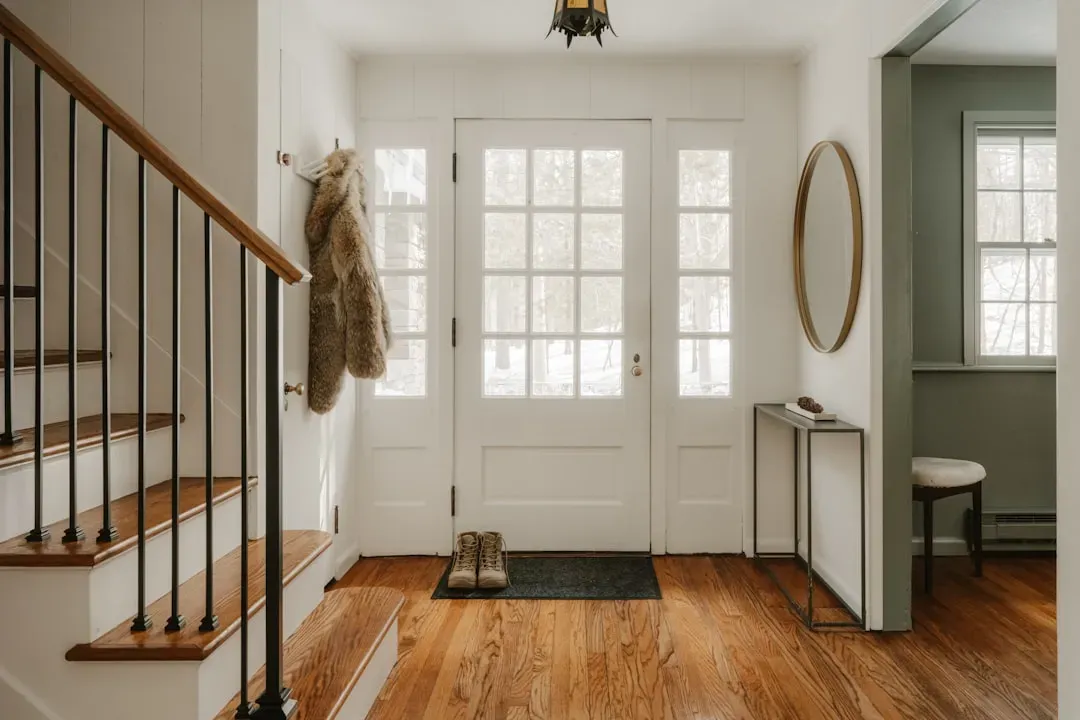
Mirrors do double duty in an entryway. They offer a last-minute check before heading out the door, and they visually expand a space that’s often one of the smaller footprints in the home. Placed across from or near a window, a mirror bounces natural light further into the entry, making it feel brighter throughout the day.
Shape and framing matter here more than size. A round or arched mirror softens a room full of straight lines, while an oversized rectangular one can make a low-ceilinged entry feel taller. Vintage and reclaimed frames have become a favored choice recently, adding character that a plain builder-grade mirror simply can’t match.
Color palettes that set the tone
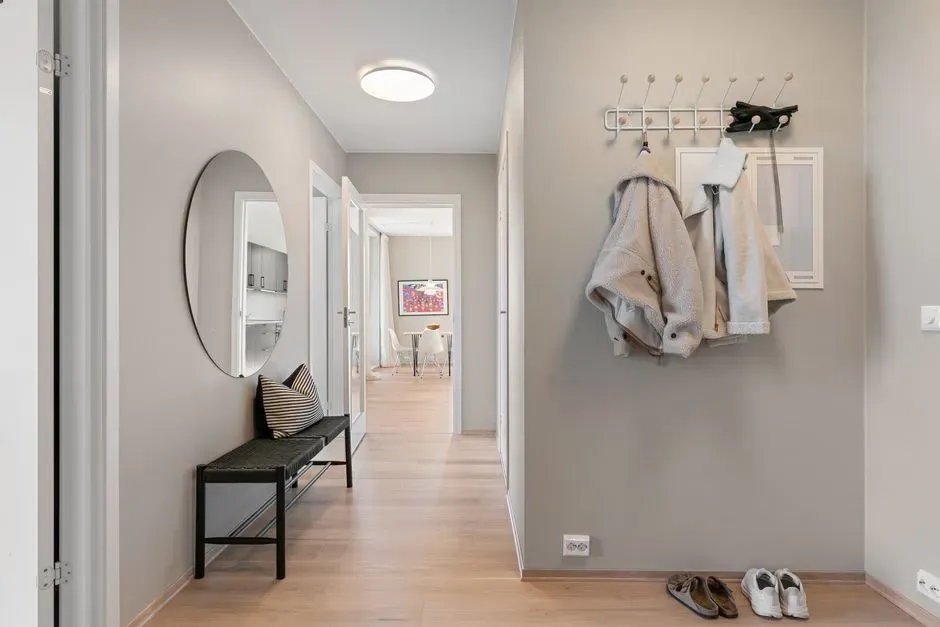
Entryways are a low-risk place to experiment with color, since the space is usually contained and doesn’t flow directly into every other room. Deep, saturated tones like navy, forest green, or terracotta have grown popular for entries specifically because they create drama in a small dose without overwhelming the rest of the home. These darker shades also tend to hide scuffs and marks better than pale colors in a high-traffic zone.
For those who prefer a lighter approach, soft neutrals with warm undertones keep things airy while avoiding the cold, sterile feel that stark white can sometimes bring. Whatever the palette, consistency between the entry and the adjoining rooms helps the transition feel intentional rather than jarring.
Front door details that matter
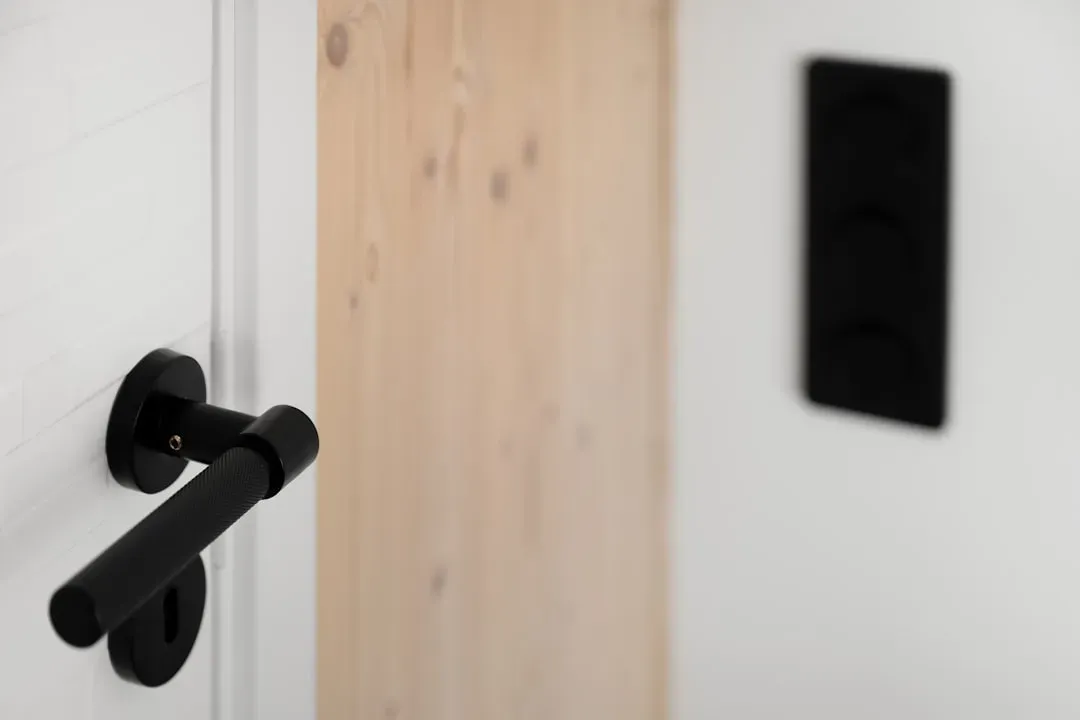
The door itself is the first thing a actually touches, and small hardware choices make a real difference in how polished the whole entrance feels. Matte black and brushed brass have remained the two dominant finishes for handles and knockers over the past several years, largely because they pair well with almost any exterior color. A fresh coat of paint on the door, even without changing anything else, is one of the most cost-effective updates a homeowner can make to boost curb appeal.
House numbers and a simple doorbell upgrade are easy to overlook but add polish once they’re done. On the interior side, a sturdy doormat just inside the threshold, paired with a coat rack or row of hooks, helps the transition from outdoors to indoors feel deliberate rather than abrupt.
Rugs and runners for texture and safety
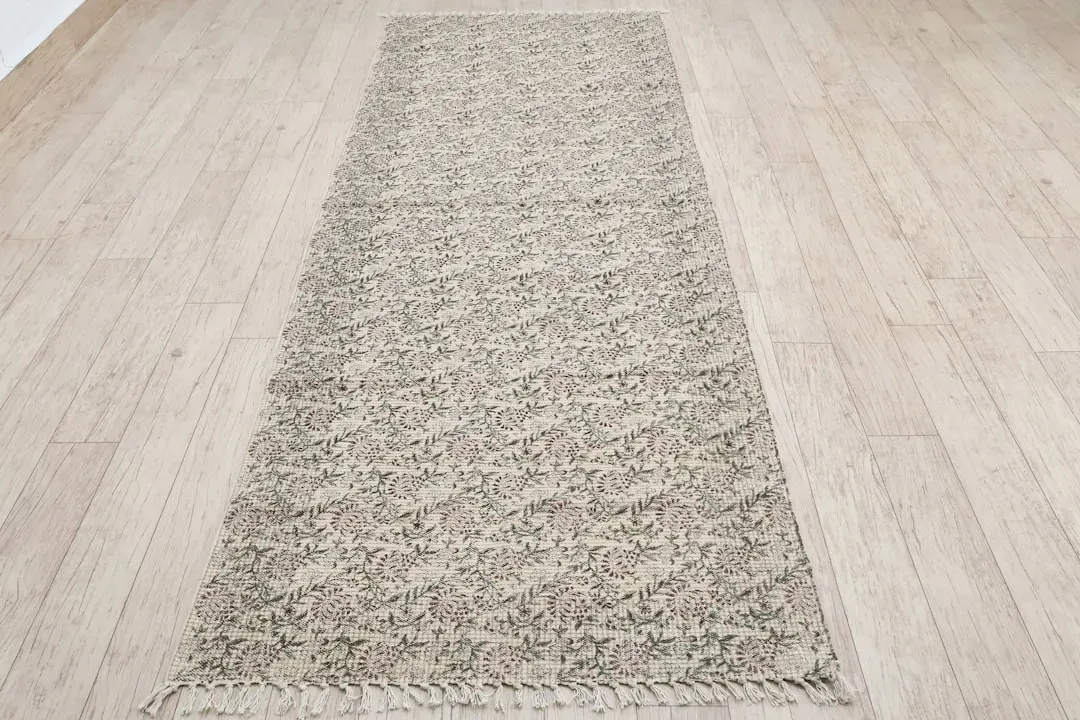
A runner rug in a narrow entry does more than add softness underfoot. It defines the walking path, adds pattern or color without a big commitment, and helps muffle the sound of footsteps on hard flooring. Natural fiber options like jute or sisal are common choices for their durability, though they can be rougher underfoot than wool or synthetic blends.
Non-slip backing is worth checking for, especially in entries prone to wet shoes or rain tracked in from outside. Layering a smaller accent rug over a larger neutral one is a technique that’s shown up frequently in recent design coverage, giving depth to the floor without requiring a full rug replacement.
Wall art and personal touches
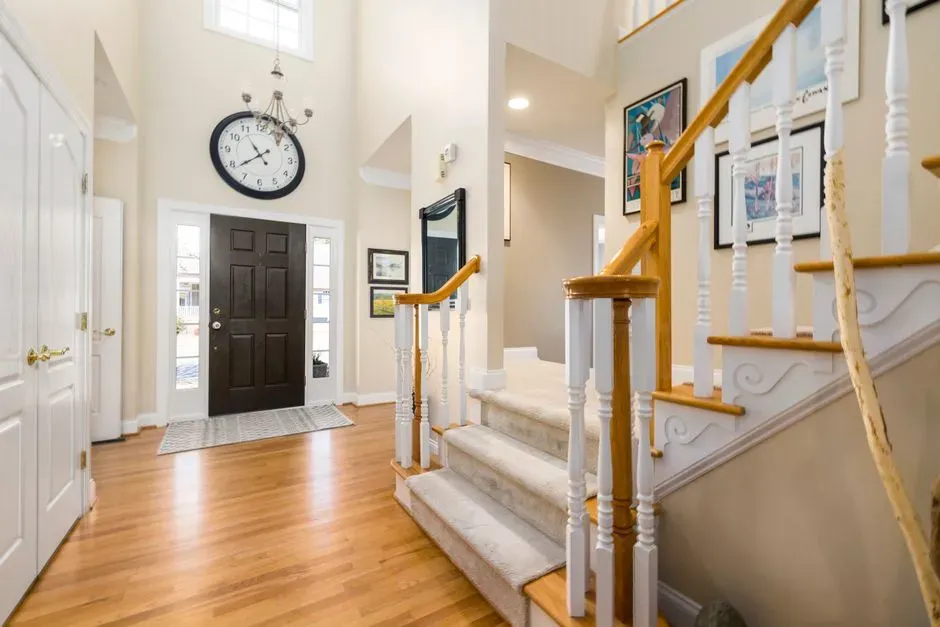
Blank walls in an entry can feel unfinished, but they’re also an easy opportunity to introduce personality early in a ‘s visit. A gallery wall of family photos, art prints, or travel mementos gives visitors something to look at while they’re taking off their shoes or waiting to be greeted. Even a single large-scale piece of art can carry the same weight as a full gallery arrangement in a smaller space.
Mixed media, combining framed prints with mirrors, small shelves, or textile hangings, tends to feel more collected and less like a showroom display. The goal isn’t to fill every inch of wall space but to create a few focal points that reflect the people who live there.
Scent and small sensory details
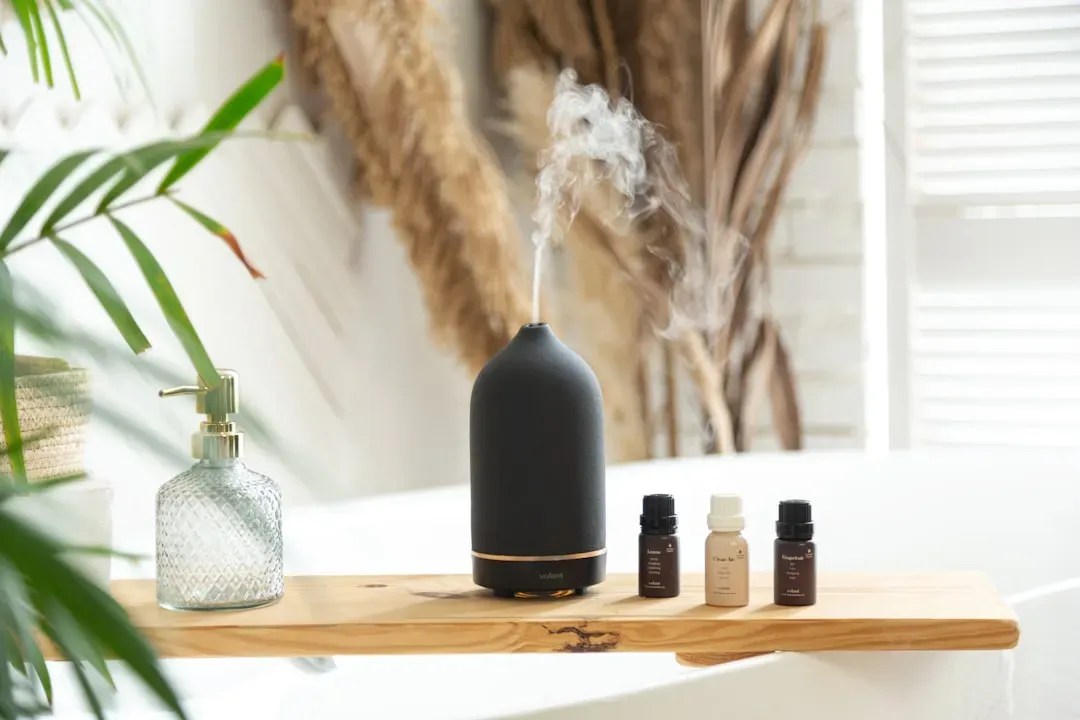
Sight isn’t the only sense that shapes a first impression. A subtle scent, whether from a diffuser, a bowl of dried citrus, or fresh flowers, adds an extra layer that s notice even if they can’t quite name it. Strong or artificial fragrances can backfire though, so lighter, more natural scents tend to work better in a small, enclosed entry space.
Sound matters too in a quieter way. A wind chime near the door, the soft creak of a well-oiled hinge, or even background music playing faintly from another room all contribute to the overall feeling of a home that’s cared for. These details are easy to skip, but they’re often what makes an entryway feel finished rather than just decorated.
Seasonal updates and greenery
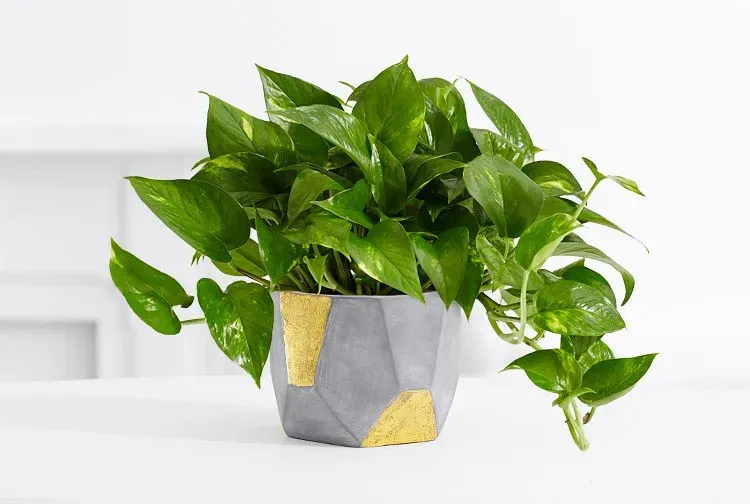
Plants bring life into an entry in a way that furniture and decor alone can’t replicate. Low-maintenance varieties like snake plants or pothos tolerate the lower light levels common in many foyers, making them a practical choice for a space that isn’t always near a window. A simple wreath or seasonal arrangement on the door signals the time of year and gives the entrance a sense of freshness that changes throughout the year.
Swapping smaller decor items with the seasons, a bowl of pinecones in winter or a vase of fresh-cut flowers in spring, keeps the space from feeling static. These updates don’t require a full redesign each time, just small swaps that keep the entryway feeling current and lived in rather than staged once and forgotten.