
Choose a dedicated corner for stillness
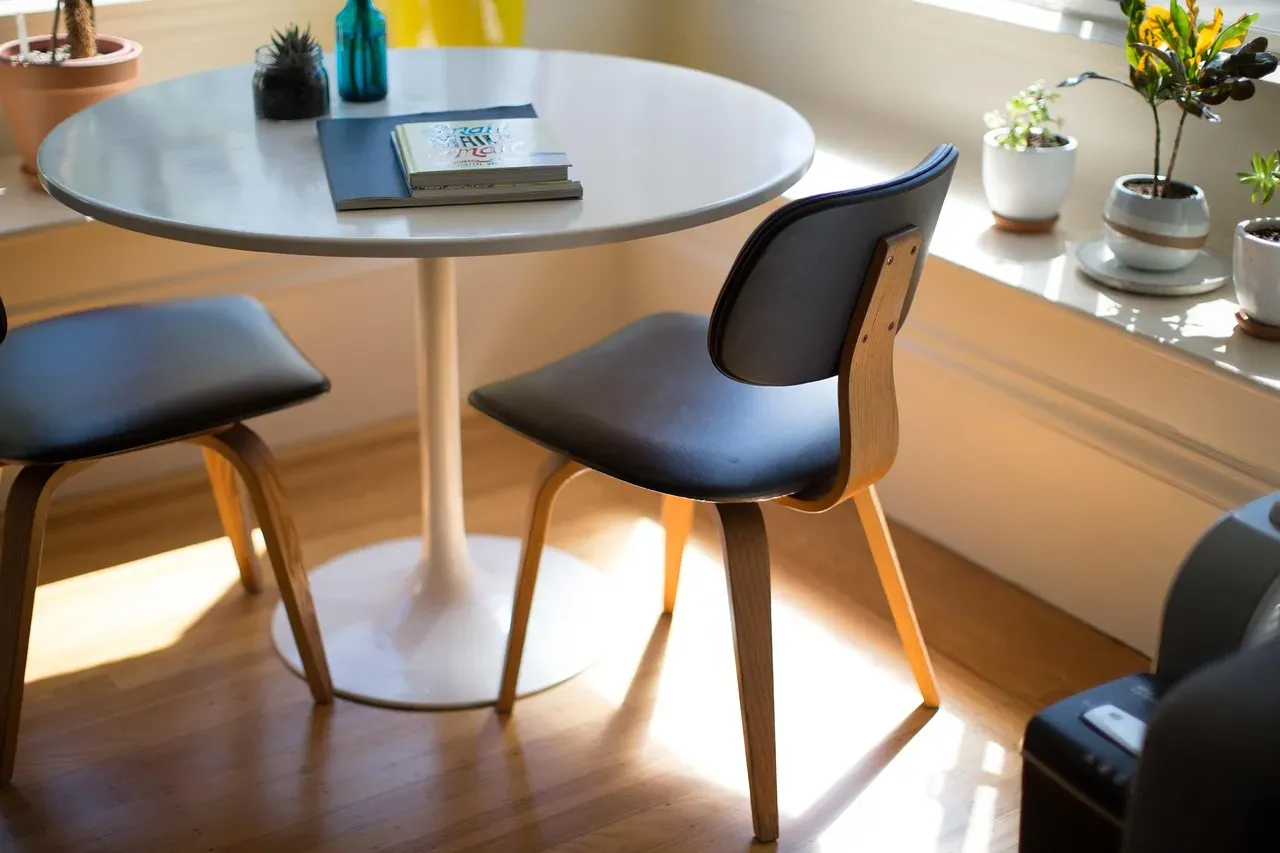
Not every home has a spare room to convert into a meditation studio, and that’s fine. A single armchair near a window, paired with a small side table, can function as a reading or thinking nook if it’s used consistently for that purpose. The brain responds well to repetition, so returning to the same physical spot each morning helps signal that it’s time to slow down.
Interior designers often point to the psychological effect of having a fixed “quiet spot” in a home, separate from workspaces or high traffic areas. It doesn’t need decoration or a theme. A blanket, a lamp with warm light, and enough space to sit without distraction are usually enough to make the corner feel intentional.
Let natural light lead the way

Waking up to natural light rather than an alarm-triggered lamp or phone screen has a measurable effect on mood and alertness. Sunlight exposure in the morning helps regulate circadian rhythm, which is the internal clock that governs sleep, energy, and hormone release throughout the day. Homes with east-facing bedrooms or living rooms tend to make this easier simply because of how the sun rises.
For homes without much direct morning light, sheer curtains instead of blackout drapes can make a noticeable difference. Even a few unobstructed minutes of daylight before checking a phone can shift how the rest of the morning feels. It’s a small architectural detail, but one that quietly shapes daily rhythm.
Keep the kitchen simple and slow

Mornings often revolve around the kitchen, and a cluttered counter can subtly work against the calm someone is trying to build. Keeping only a few items out, like a kettle, a mug, and maybe a small plant, reduces visual noise before the day even starts. This isn’t about minimalism for its own sake, but about reducing the number of decisions a tired brain has to make early on.
Slow rituals like grinding coffee by hand or steeping loose leaf tea add a few extra minutes to the process, but many people find that pause valuable rather than wasteful. The physical act of preparing something slowly can double as a mindfulness practice without requiring meditation cushions or apps. It turns a routine task into a small pocket of presence.
Soften the soundscape
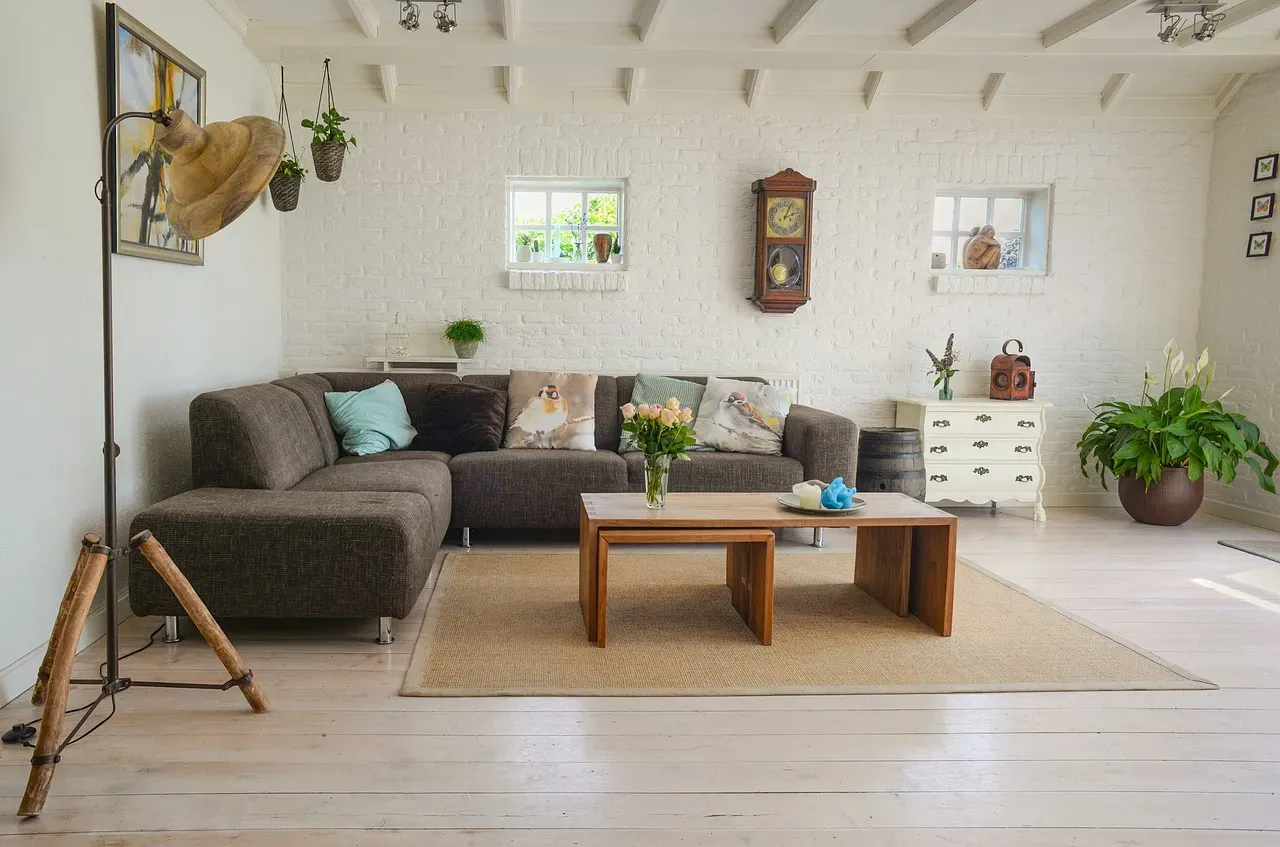
Sound plays a bigger role in morning mood than most people realize. Hard flooring, bare walls, and large windows can make even small noises, like a chair scraping or a cup clinking, feel sharper than they need to be. Rugs, curtains, and upholstered furniture absorb sound and soften the overall acoustic feel of a room.
Some homeowners are also adding small water features or wind chimes near windows to introduce gentle, natural sound rather than silence that gets broken abruptly by traffic or notifications. It’s a subtle shift, but one that changes how a space feels the moment someone walks into it. Consistent, low-level natural sound tends to be far less jarring than sudden bursts of noise.
Reduce morning screen exposure by design

Phones are often the first thing people reach for, and increasingly, home layouts are being adjusted to counter that habit. Charging stations placed outside the bedroom, for instance, force a small physical separation between waking up and checking notifications. It’s a low-cost intervention, but one that behavioral researchers have linked to lower morning stress levels.
Some households are placing a small bookshelf or a stack of magazines near the bed specifically to offer an alternative first activity. The idea isn’t to eliminate screens entirely, but to introduce a short delay before the scrolling begins. That delay, even if it’s only ten minutes, can change the emotional tone of the whole morning.
Bring in plants that don’t demand much
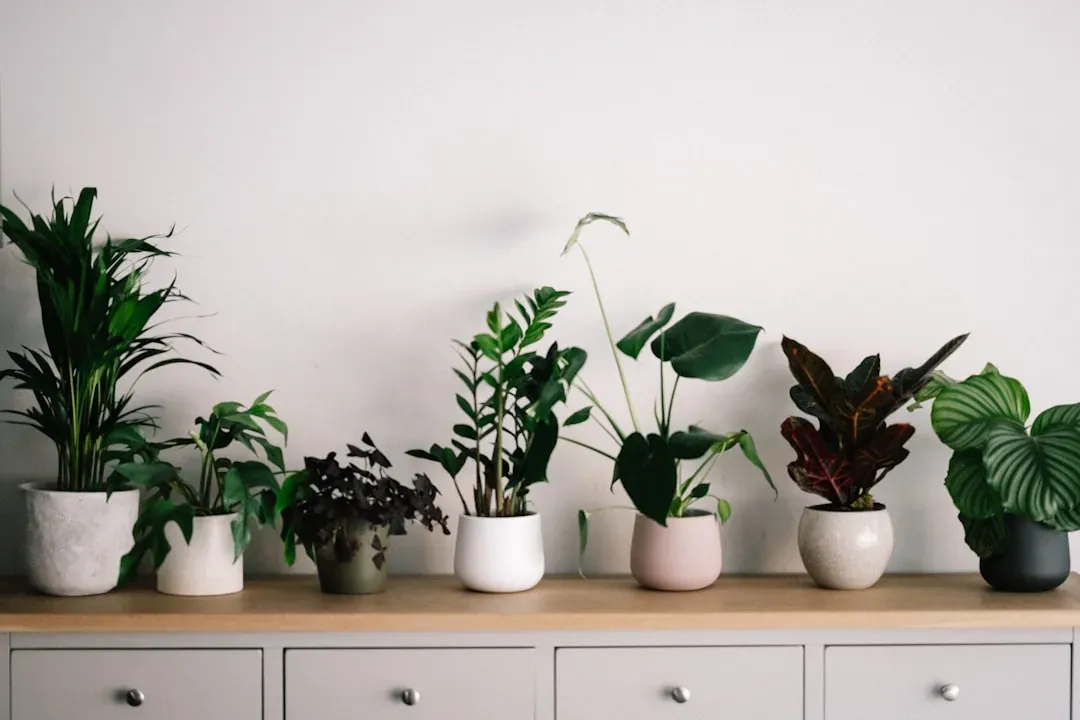
Greenery has a well-documented calming effect, and mornings are a good time to notice it since the light tends to be gentler and more diffused. Low-maintenance plants like pothos, snake plants, or peace lilies work well because they don’t require immediate attention, which matters for a routine meant to be relaxing rather than another task list. Placing one or two near a window where morning light hits them adds a small living element to the space without much upkeep.
Studies on biophilic design, meaning design that incorporates natural elements into built environments, have consistently shown reduced stress markers among people exposed to indoor greenery. It doesn’t take a full indoor garden to get the benefit. A couple of well-placed plants near a favorite morning seat is often enough.
Design a slower bathroom routine
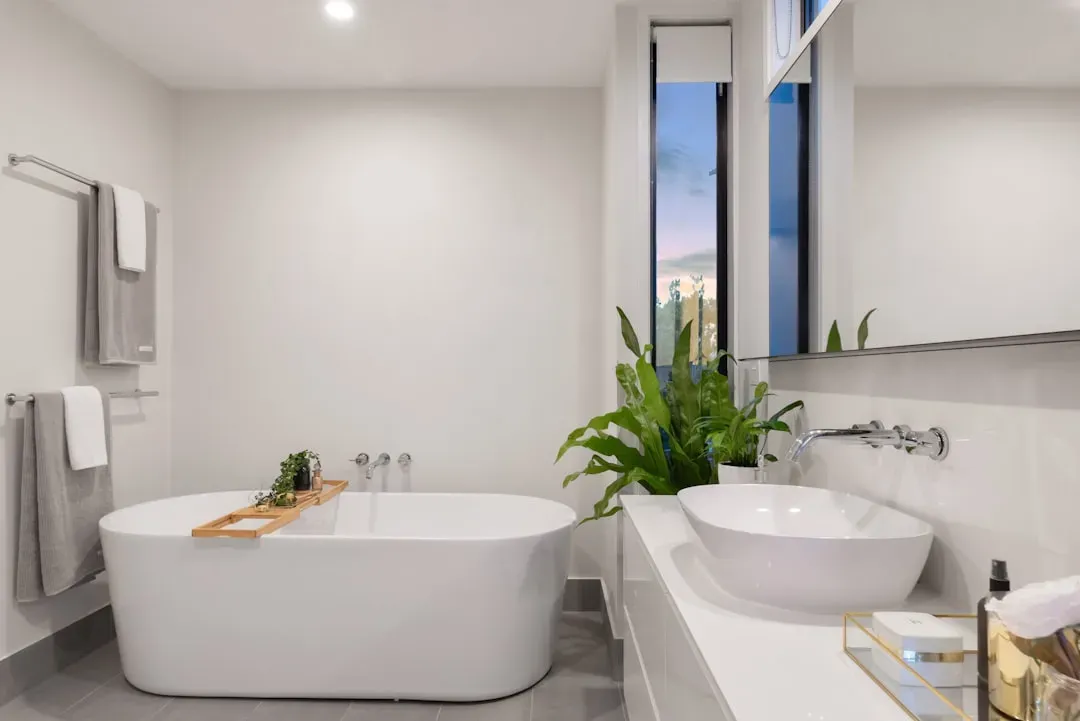
Bathrooms tend to be rushed spaces, but small adjustments can shift that. Warm lighting instead of harsh overhead fixtures, a soft bath mat, and unscented or lightly scented products can make the morning routine feel less clinical and more grounding. Some people add a small speaker for quiet music or nature sounds, though this is optional and depends on personal preference.
Temperature also matters more than people expect. A bathroom that’s too cold tends to speed everything up out of discomfort, while a slightly warmer space, even just a degree or two, invites a slower pace. It’s a minor detail, but one that consistently shows up in interior design guidance focused on wellness.
Use scent intentionally, not aggressively

Scent has a strong connection to mood regulation, and mornings are a good time to use it deliberately rather than by accident. Light citrus or herbal scents, such as lemon, mint, or rosemary, are commonly associated with alertness without the jarring effect of something overly strong like synthetic fragrances. Diffusers on a timer can introduce scent gradually as someone wakes up, rather than all at once.
It’s worth noting that scent preferences are highly individual, and what feels calming to one person may feel overwhelming to another. The goal isn’t to follow a specific formula, but to notice what scent, if any, makes a morning feel more pleasant rather than more chaotic. Testing in small doses tends to work better than committing to a strong signature scent right away.
Create a slower transition into the day

Many home routines jump straight from waking up to leaving the house, with little in between. Adding a short buffer, even five or ten minutes of sitting quietly with a warm drink before checking a to-do list, can change how rushed the rest of the day feels. This isn’t about adding more to the morning, but about protecting a small window before obligations take over.
Some people use this time for journaling, others simply sit and look out a window. The specific activity matters less than the fact that it exists at all. A home designed with this buffer in mind, whether through a comfortable chair or a quiet corner, makes that pause easier to actually take.
Keep evening habits aligned with morning goals

are often the result of what happened the night before, not just the setup of the space itits self. A tidy kitchen, clothes ready for the next day, and a bedroom free of clutter all reduce the number of small decisions and minor stresses waiting in the morning. This isn’t a home design choice in the traditional sense, but it does depend on how a home is organized and maintained.
Storage solutions that make evening tidying quick, like baskets near the door or a designated spot for keys and bags, indirectly support calmer mornings by reducing visual and mental clutter. The connection between evening order and morning peace is well recognized in home organization circles, even if it’s less visually interesting than a well-lit reading nook. Still, it tends to matter just as much, if not more.