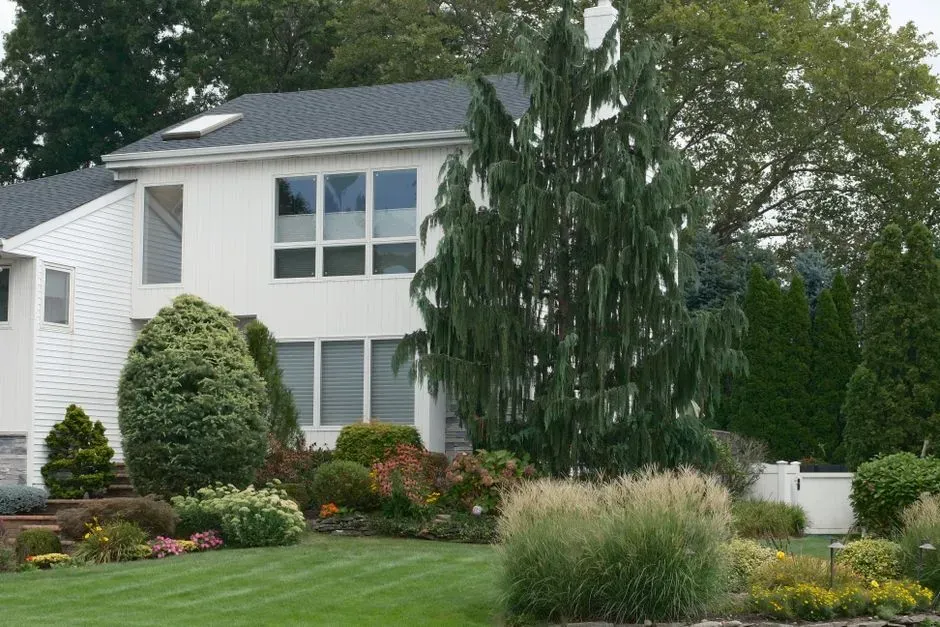
Start with a layered garden bed
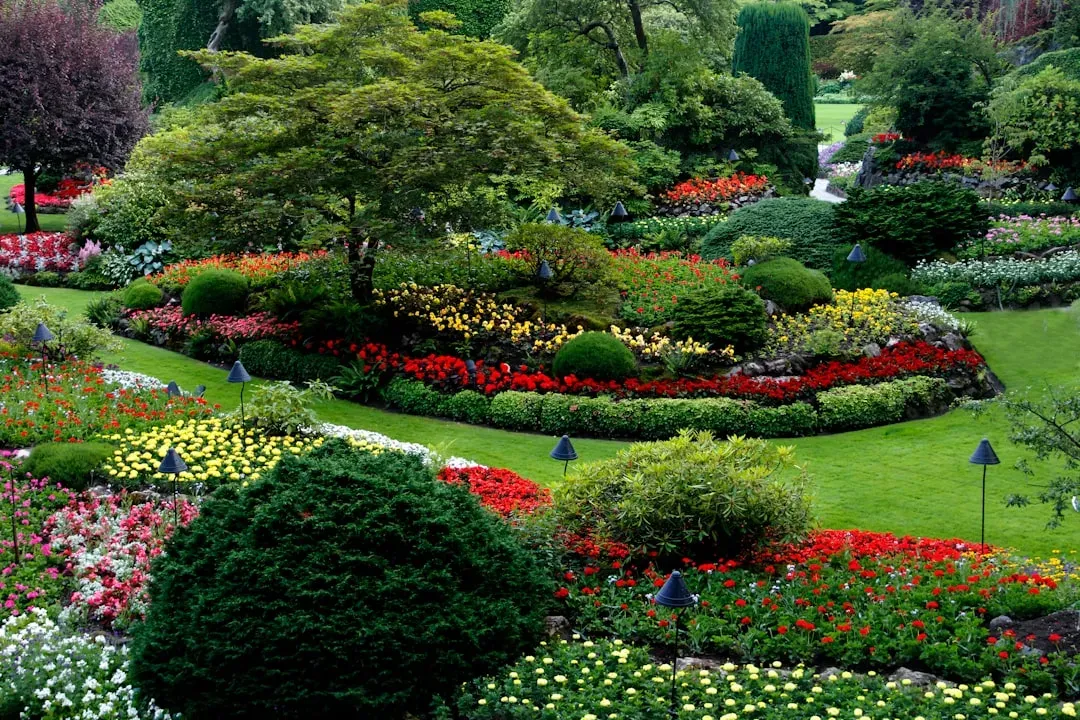
Flat, single-level plantings tend to look static, which is why designers keep pushing homeowners toward layering. Sustainability continues to lead landscaping trends, especially in areas like California, and flat, one-dimensional yards are out, with 2026 favoring layered textures throughout front yards. The idea is simple: mix low groundcovers, mid-height shrubs, and a few taller accent plants so the eye moves through the space instead of skimming across it.
This kind of depth doesn’t need to be complicated. A narrow bed along a walkway can hold three plant heights in the same square footage a single hedge would take up. The result reads as intentional rather than crowded, and it gives a front yard some visual rhythm even in winter when color is limited.
Reduce the lawn, add native plantings
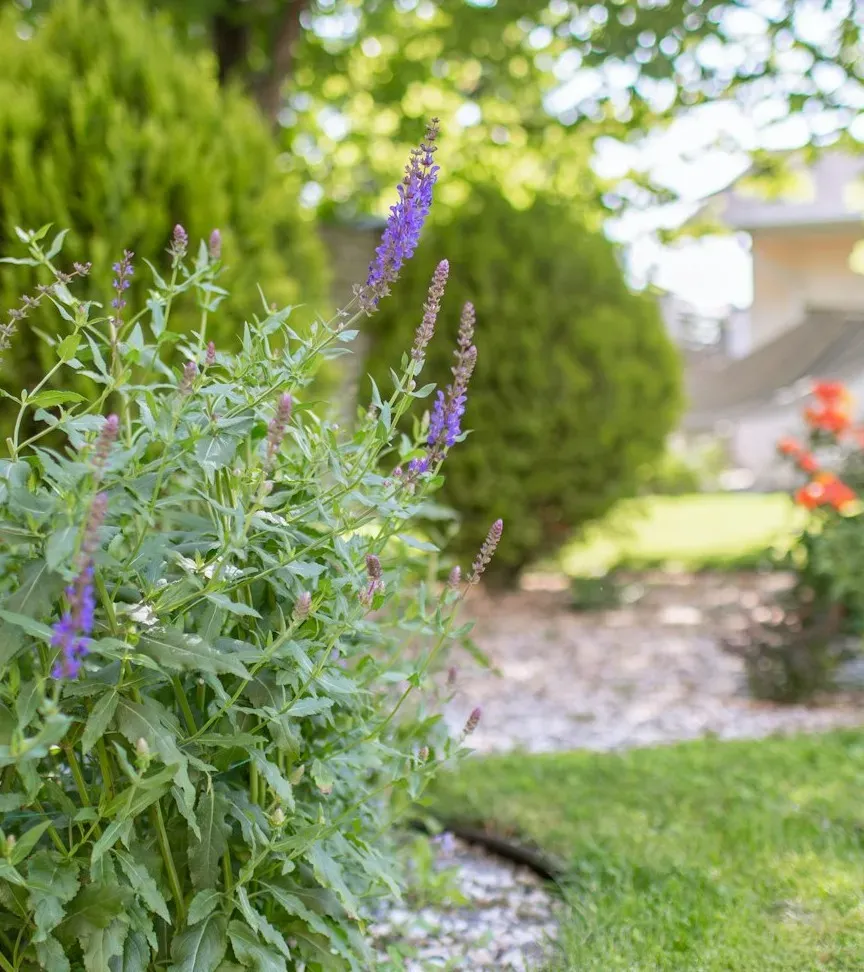
Turf grass is losing ground, literally, as a default front yard choice. Horticultural experts predict a continued trend to reduce lawn areas in front yards, since turning even a small amount of lawn into garden space cuts the need for fossil fuels and chemical treatments while creating more biodiversity and habitat for pollinators. Even a partial swap, replacing one strip of grass with a native border, can make a noticeable difference.
Native plants also tend to need less coddling once they’re established. A well-designed drought-tolerant native garden can use approximately 50 to 85 percent less water per year than a traditional turf-heavy landscape, and once established, many native plants can rely almost entirely on seasonal rainfall. That’s a meaningful saving for homeowners tired of dragging a hose around every week.
Embrace drought-tolerant and water-wise design
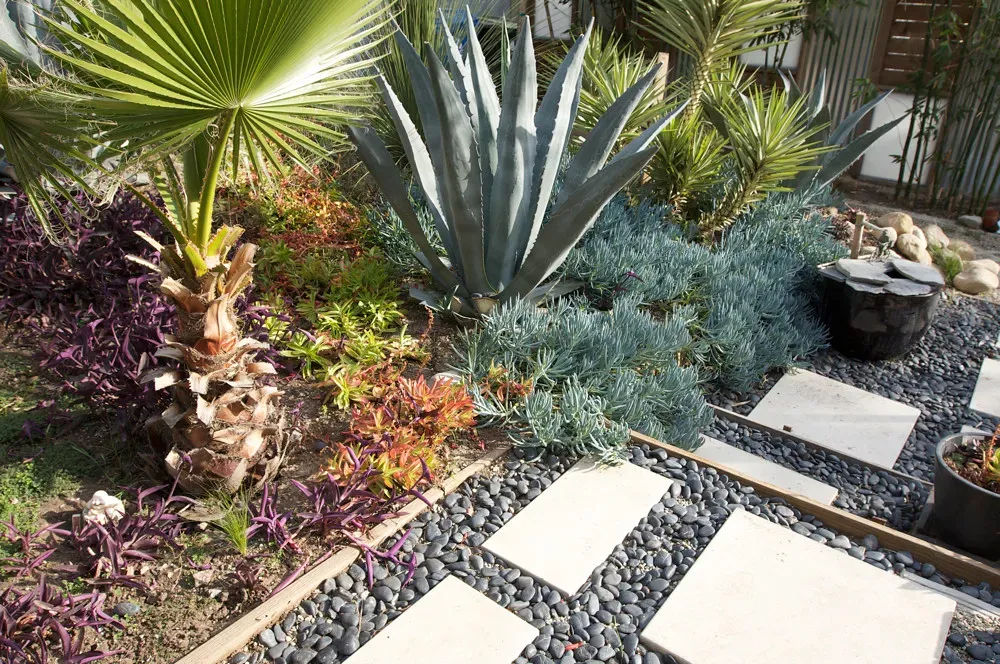
Water-wise landscaping isn’t a niche choice anymore. With increasingly unpredictable and erratic weather patterns, there is a growing need to consider trees, shrubs, and perennials that are waterwise and drought and heat-tolerant, a shift that is becoming more widely accepted as people grow aware of climate pressures. The payoff isn’t just aesthetic. Drought-tolerant landscaping, including ornamental grasses, xeriscaping, succulents, and drip irrigation, can help create a space that fits the local climate, and lawn irrigation accounts for nearly one-third of all residential water use in the U.S., with average savings of 30 to 50 percent after switching.
Some yards can go even further. Xeriscaping, the most water-efficient approach, uses plants that require minimal supplemental irrigation once established and can reduce water usage by up to 80 percent compared to traditional landscapes. Combining gravel, mulch, and drought-hardy plants creates a front yard that still looks lush without depending on constant watering.
Upgrade walkways and pathways
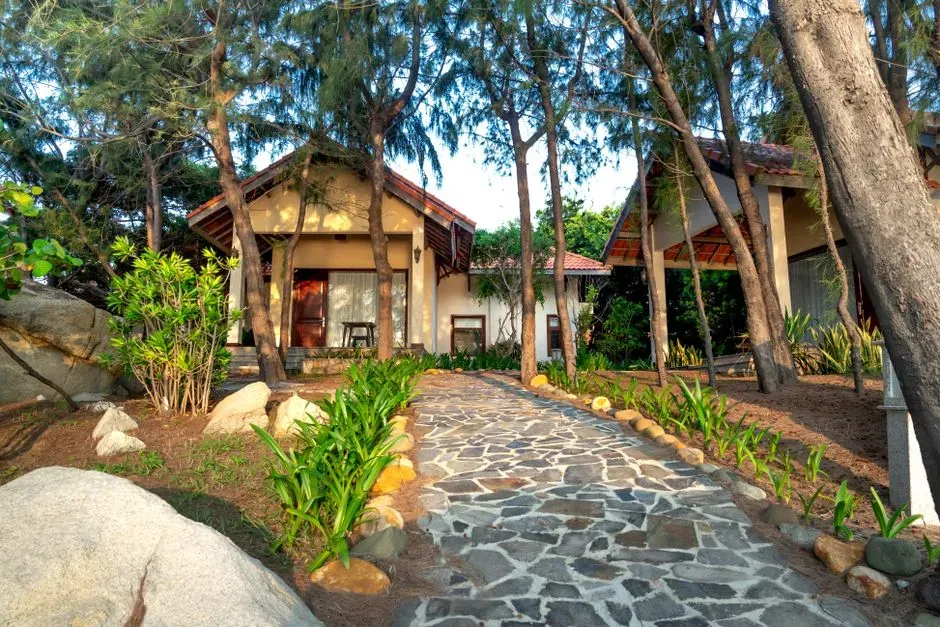
The path from the sidewalk to the front door does more work than most homeowners give it credit for. Curb appeal is becoming a major priority for homeowners who want their home to stand out, and that often starts with wider walkways, stone paths, and illuminated entry areas. Widening a cramped path or swapping cracked concrete for pavers can instantly make an entry feel more welcoming.
Material choice matters here too. Stone, brick, and gravel all read as more substantial than plain poured concrete, and they age in ways that actually look better over time rather than worse. A curved path also softens the approach to a house, which tends to feel friendlier than a straight, utilitarian line.
Add layered lighting for evening appeal
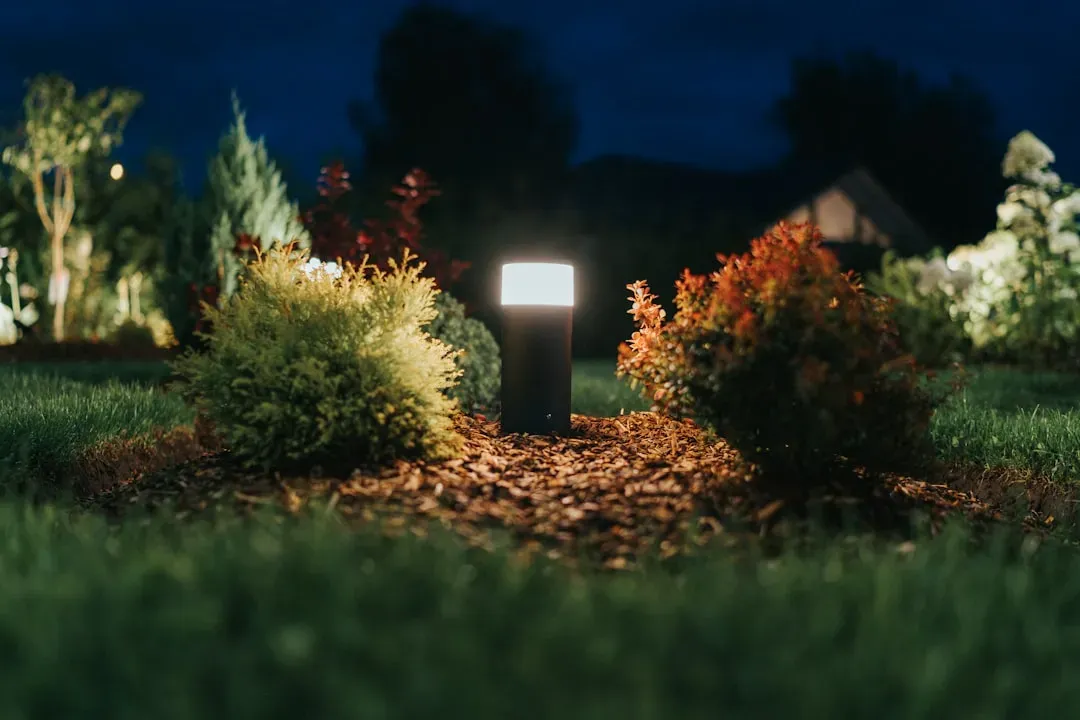
A front yard that only looks good during the day is only doing half its job. Modern water features and lighting add elegance to any yard, with LED-accented fountains and sleek nighttime visuals becoming a bigger part of front yard design. Even without a water feature, path lighting and uplighting on trees or architectural features extend a yard’s appeal well past sunset.
Lighting also serves a practical purpose that’s easy to overlook. Well-lit walkways reduce trip hazards and make a home feel safer to approach after dark, which matters as much to guests as it does to the people who live there. Solar-powered fixtures have gotten good enough in recent years that wiring an entire yard is no longer a requirement.
Create a front porch or courtyard retreat
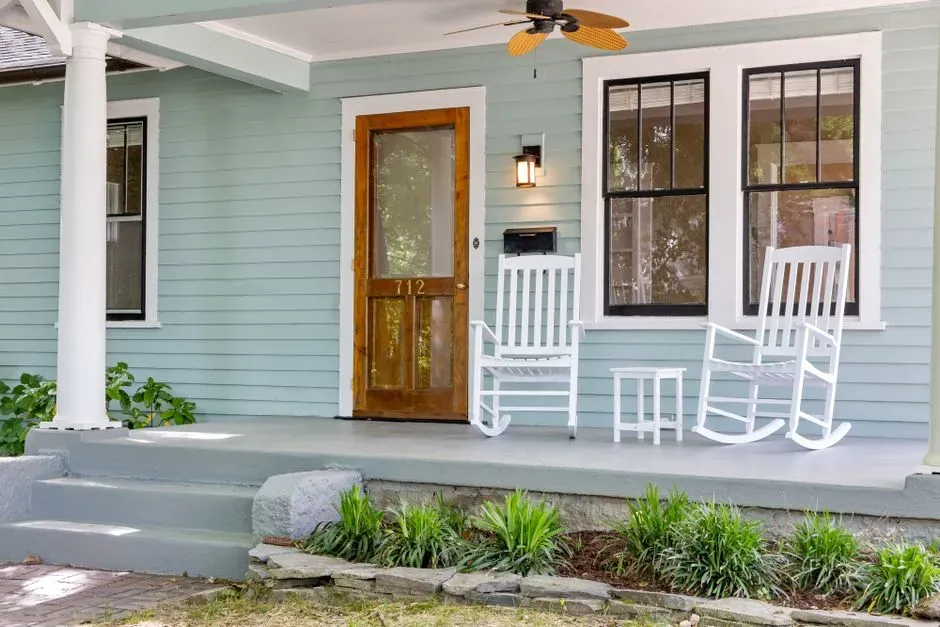
The front yard is being reimagined as more than a strip of grass to walk past. The front yard is starting to be viewed once again as an extension of livable space, with growing interest in a front courtyard where people can relax outside and greet neighbors walking by or riding bicycles. This is a real shift from the backyard-only mindset that dominated outdoor design for decades.
A small seating nook near the entry, even just two chairs and a side table, can turn a front yard from a pass-through zone into a place people actually use. Landscape professionals are noticing an increased demand for spaces that feel like home rather than large, showcase landscapes, describing a strong trend toward small, intimate spaces expected to grow through 2026.
Mix natural materials for texture
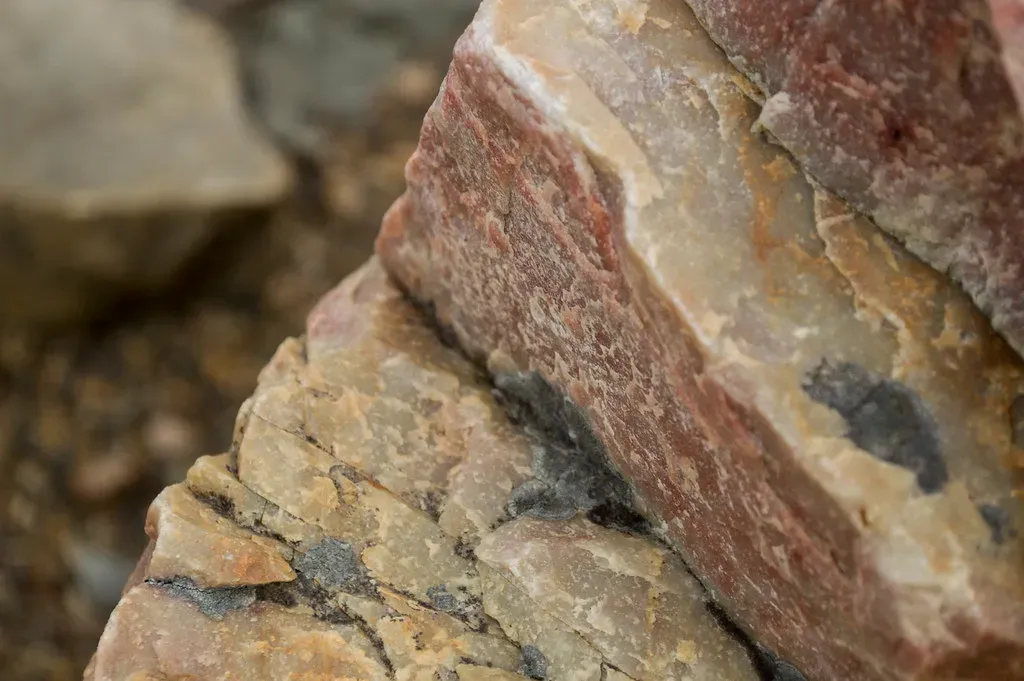
Uniform materials can make a front yard feel flat, while a mix of textures gives it presence. Preference for natural materials is a major trend, including stone, gravel, and reclaimed wood, with limestone, warm-toned pavers, and wood accents remaining in strong demand. Pairing a stone retaining wall with wood accents on a porch, for instance, creates contrast without clashing.
Material availability has changed quite a bit compared to previous decades. Material availability has expanded drastically compared to 15 years ago, and regional material styles are now blending across the country. That means homeowners in cooler climates can now borrow ideas that once only worked in warmer regions, and vice versa.
Install a simple water feature
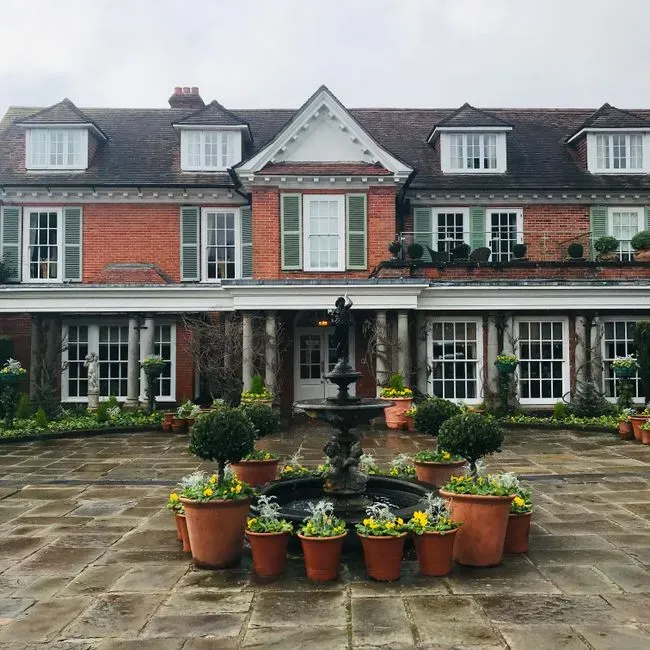
Water features aren’t just for backyards anymore. Small, contained options like bubbling rocks or compact fountains bring movement and sound to a front yard without requiring much space or maintenance. Modern water features add elegance and relaxation to any yard, and small-space options like bubbling rocks or zen water bowls are becoming popular choices.
The appeal here is partly practical. A small fountain near an entry can mask street noise, which is especially useful for homes close to busy roads. It also gives a front yard a sense of calm that a static bed of shrubs alone can’t quite match.
Choose evergreens for year-round structure
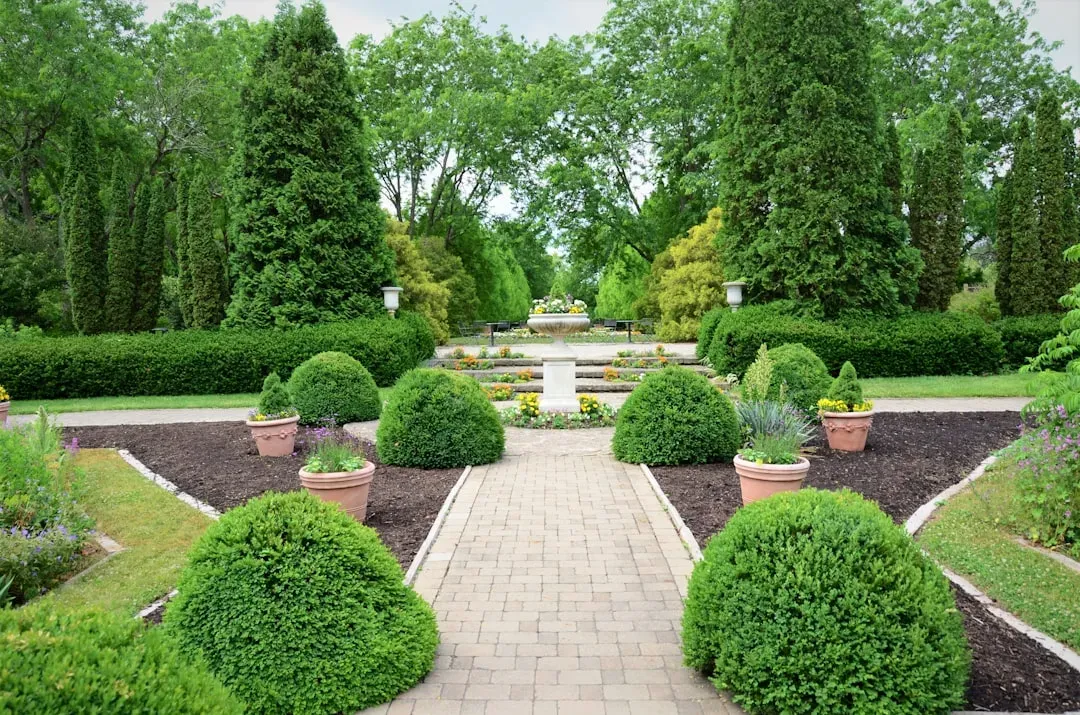
A front yard that only looks good for a few months isn’t pulling its weight. Evergreen shrubs and small trees keep a property looking finished through winter, when deciduous plants and perennials have lost their color. Evergreen plants help maintain a polished look all year, which matters most in climates with long, gray winters.
Boxwood, holly, and dwarf conifers are common choices because they hold their shape with minimal pruning and pair well with almost any architectural style. Using them as anchor plants near the foundation or corners of the house gives a yard a sense of structure that seasonal flowers alone can’t provide.
Add personality with planters and house numbers
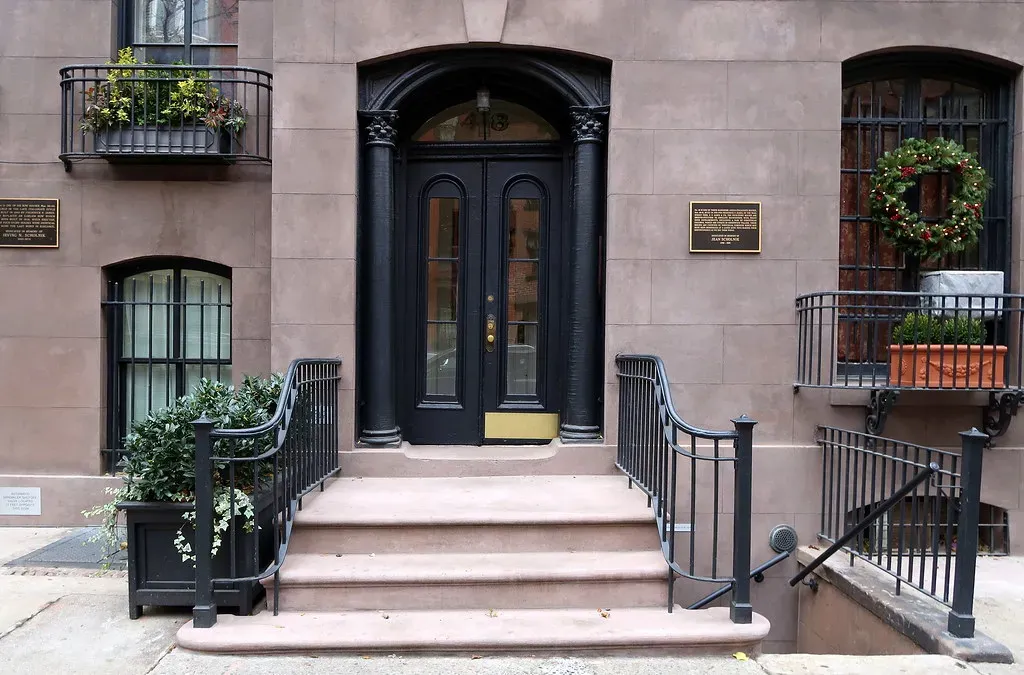
Small details finish a front yard in a way that landscaping alone can’t. Modern house numbers, planters, and minimalist landscaping accents are a growing part of curb appeal upgrades. A pair of matching planters flanking the front door, or an updated house number in a cleaner font, can make an older home feel current without touching the plants at all.
These are also the easiest changes to make on a tight budget. Planters can be swapped seasonally, filled with drought-tolerant succulents in summer and switched to hardier greens in winter. It’s a low-cost way to keep a front yard feeling fresh throughout the year.
Final thoughts