
The science behind a dedicated calm space
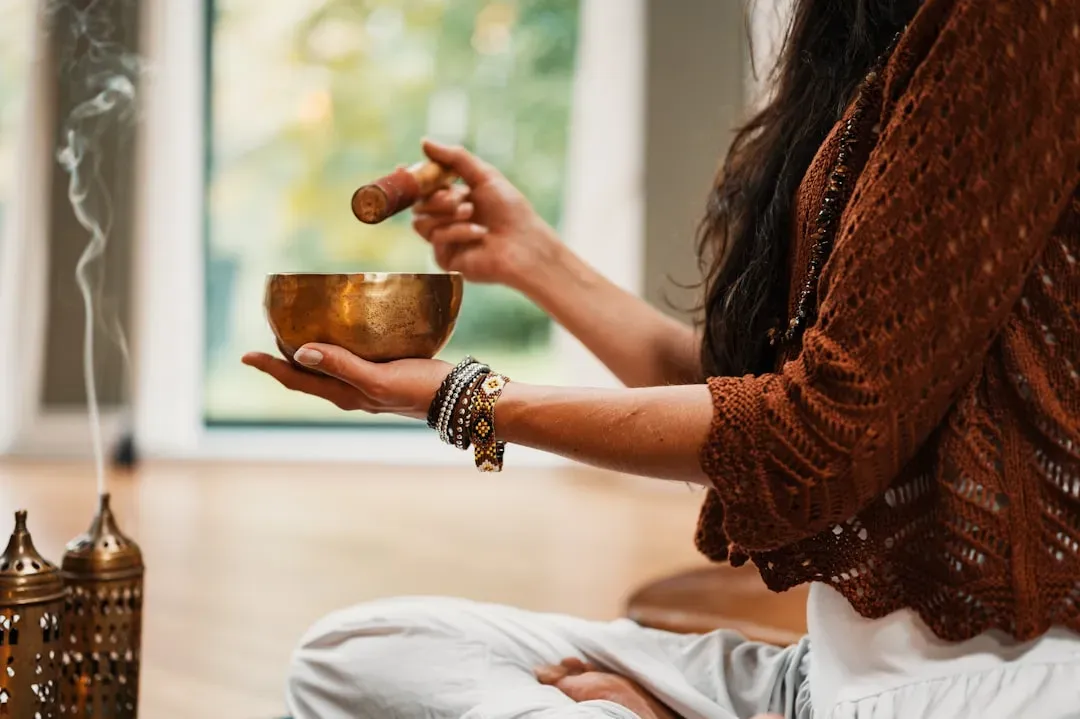
There’s real research behind the idea that a designated retreat helps the body recover from stress. One study showed that spending just 15 minutes in a calming space can reduce stress by 60%. That’s not a small effect for something as simple as sitting somewhere quiet for a quarter of an hour.
The mechanism isn’t mysterious either. Sitting quietly, breathing slowly, or resting in a safe spot signals the brain to relax. Over time, that signal becomes a habit the body recognizes, which is part of why the same chair or nook can feel calming again and again.
A cluttered home really can mean a cluttered mind
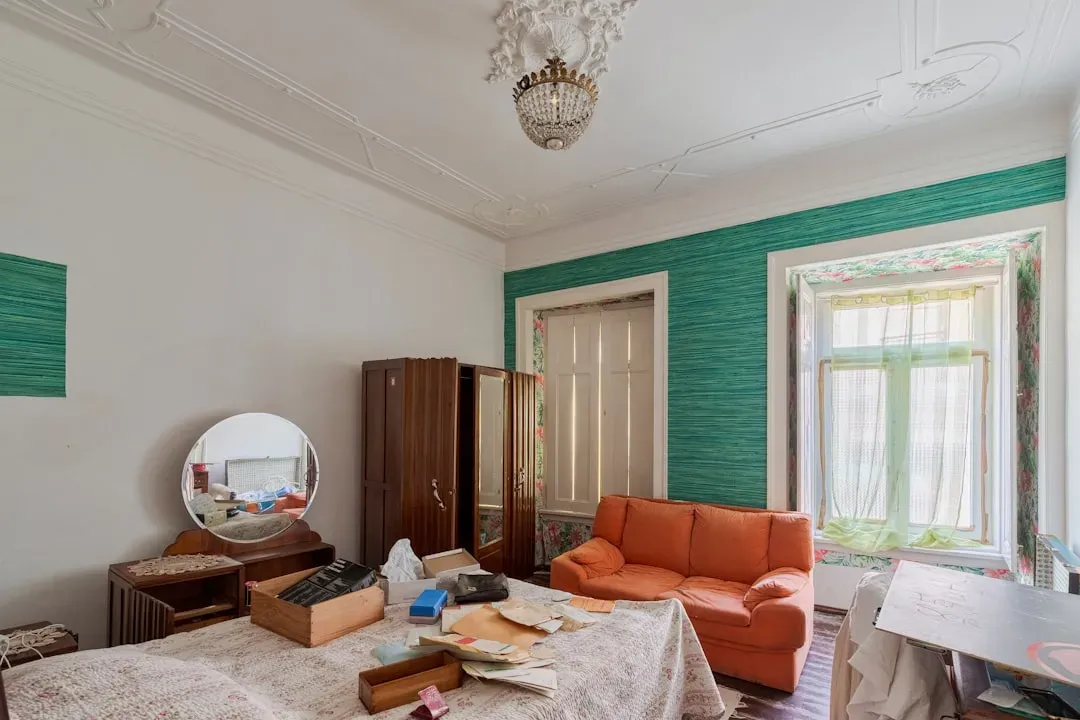
It sounds like a cliché, but the connection between mess and mood holds up under scrutiny. A cluttered home may contribute to a cluttered mind, and according to a 2021 study, excessive clutter may increase stress, making it difficult to focus or relax. A relaxation spot works best when it’s the opposite of that, a small pocket of order in an otherwise busy house.
This is also why organization matters more than square footage. A clean and organized space reduces sensory overload and helps you relax more easily. Even a single tidy shelf and a comfortable chair can do more for the mind than a large room stuffed with things.
Separating rest from work protects both
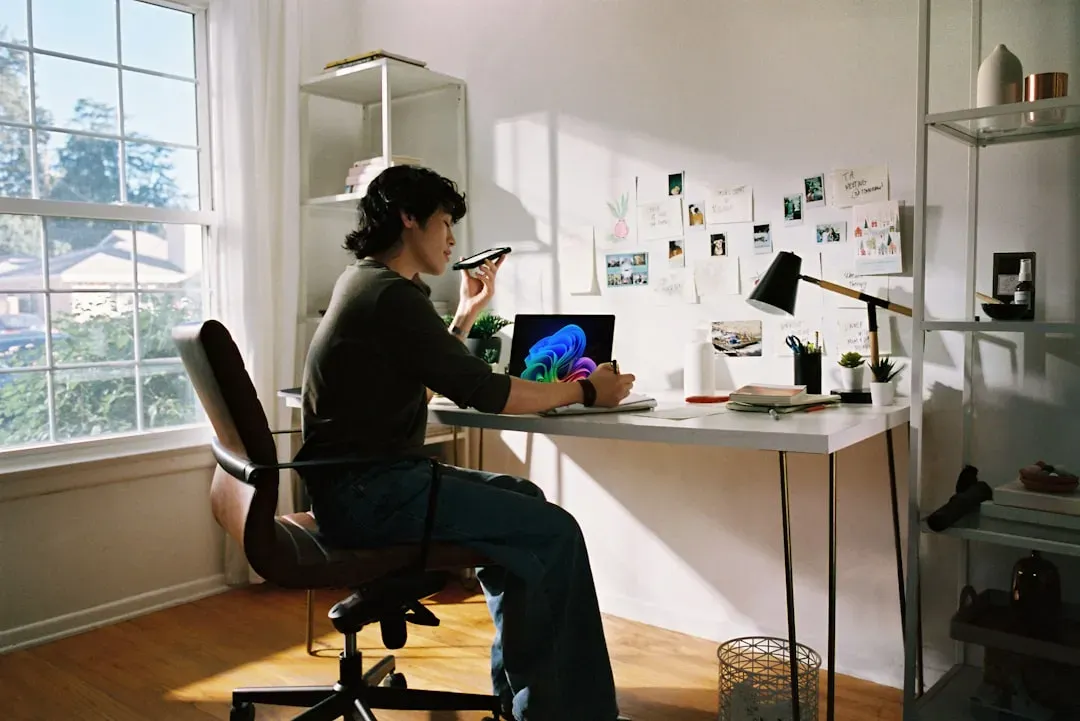
Working from home blurred a lot of lines that used to be obvious, like the line between a job and a living room. Having a designated space for relaxing helps reinforce boundaries, preventing work related stress from spilling into personal time. Without that boundary, the couch where you unwind at night is the same couch where you answered stressful emails that afternoon, and the body doesn’t always separate the two.
Creating distinct zones for different parts of the day is a small design choice with a bigger psychological payoff. Creating distinct spaces for different activities, such as work, relaxation, and sleep, can help manage stress and promote balance. It’s a reminder that where you sit shapes how you feel, even if the room itself hasn’t changed size.
You don’t need an extra room to make it work
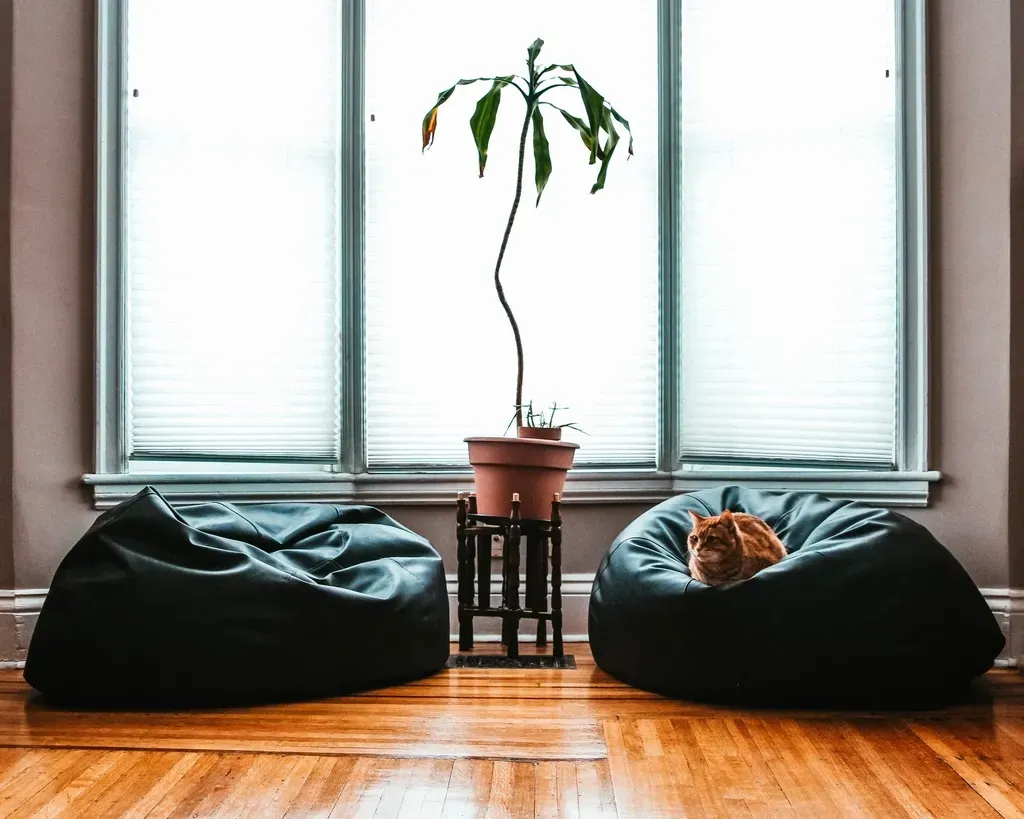
One of the most common excuses for skipping this altogether is a lack of space, but that’s rarely a real obstacle. You don’t need a large space or even a whole room to come up with some relaxation room ideas. You could dedicate a corner of a room, an unused part of the house or apartment, a section of the basement, or convert a walk in closet into a place where you can relax. The goal is intention, not square footage.
Designers echo this same idea when talking about current trends. These aren’t elaborate, often just a quiet corner with natural light, comfortable floor cushions, and perhaps a small shelf for meaningful objects. A closet with a cushion and good lighting can technically do the job just as well as a converted spare bedroom.
Natural light does more than you’d think
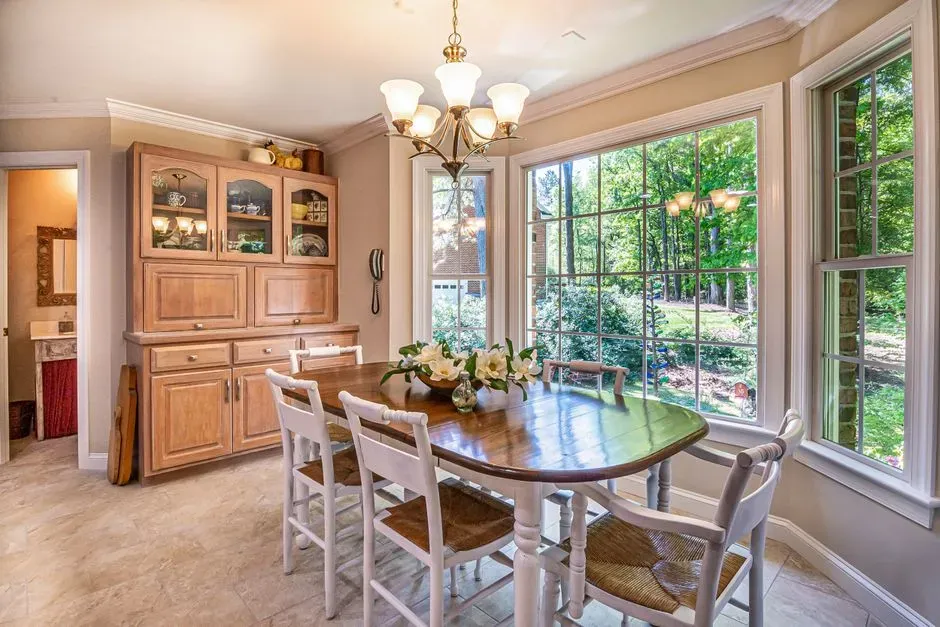
Where you place your unwind spot matters almost as much as what’s in it. Look for quiet corners or unused nooks that are far from distractions, and if possible, choose a place near natural light. That single choice, sunlight over a dim interior corner, changes how the space feels within minutes.
There’s a biological reason light gets so much attention in wellness focused design. Exposure to sunlight increases serotonin levels, helping to alleviate depression and seasonal affective disorder. In the evening, the opposite tone helps just as much, since soft, warm toned lights in the evening can promote relaxation and better sleep.
Wellness rooms are replacing home gyms as the new must have
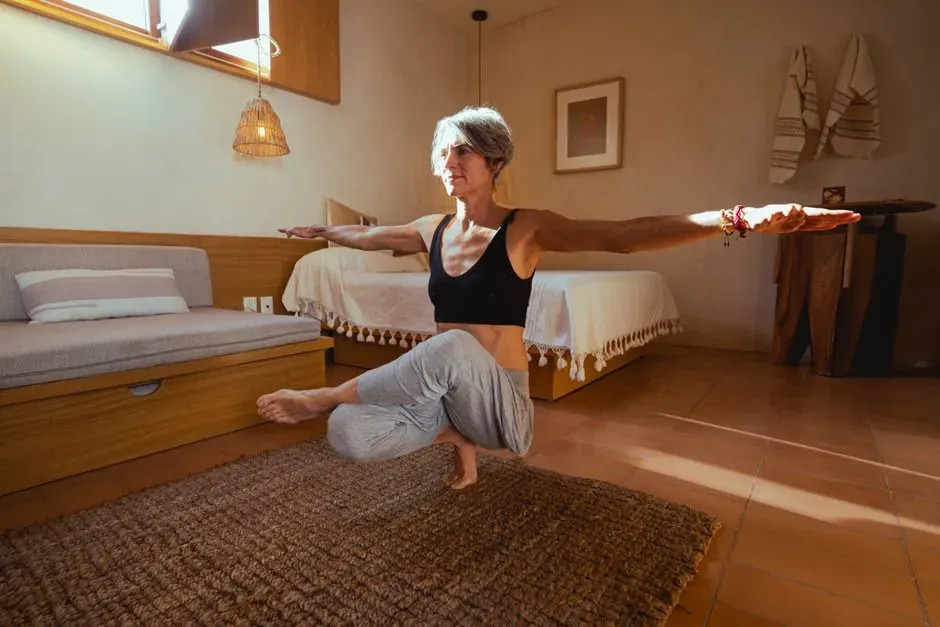
The kind of space people prioritize when building or renovating has shifted noticeably. The wellness room is replacing the home gym as the must have dedicated space. That’s a meaningful change, since it suggests recovery is being treated as seriously as fitness.
Real estate trend reports back this up with more concrete numbers. Dedicated wellness spaces with calming materials, natural light, and restorative design help to create the ultimate at home retreat, and designers are seeing a rise in requests for spaces that meet our wellness quota. It’s not a fringe idea anymore. It’s becoming a standard line item on renovation wish lists.
The appeal of a tech free corner

Screens are efficient at pulling attention, which is exactly why some homeowners are carving out spaces that actively resist them. One of the most interesting trends right now is the rise of the tech free room, dens, libraries, listening rooms, spaces deliberately designed without screens, where the focus is conversation, reading, or music. It doesn’t need to be elaborate to work.
A modest setup can capture the same effect as a full library. Even a small reading nook with great lighting, a comfortable chair, and zero chargers in sight captures the same idea. Digital fatigue is real enough now that a chair without a charging cable nearby has become its own kind of luxury.
Sound and texture shape how calm a room actually feels
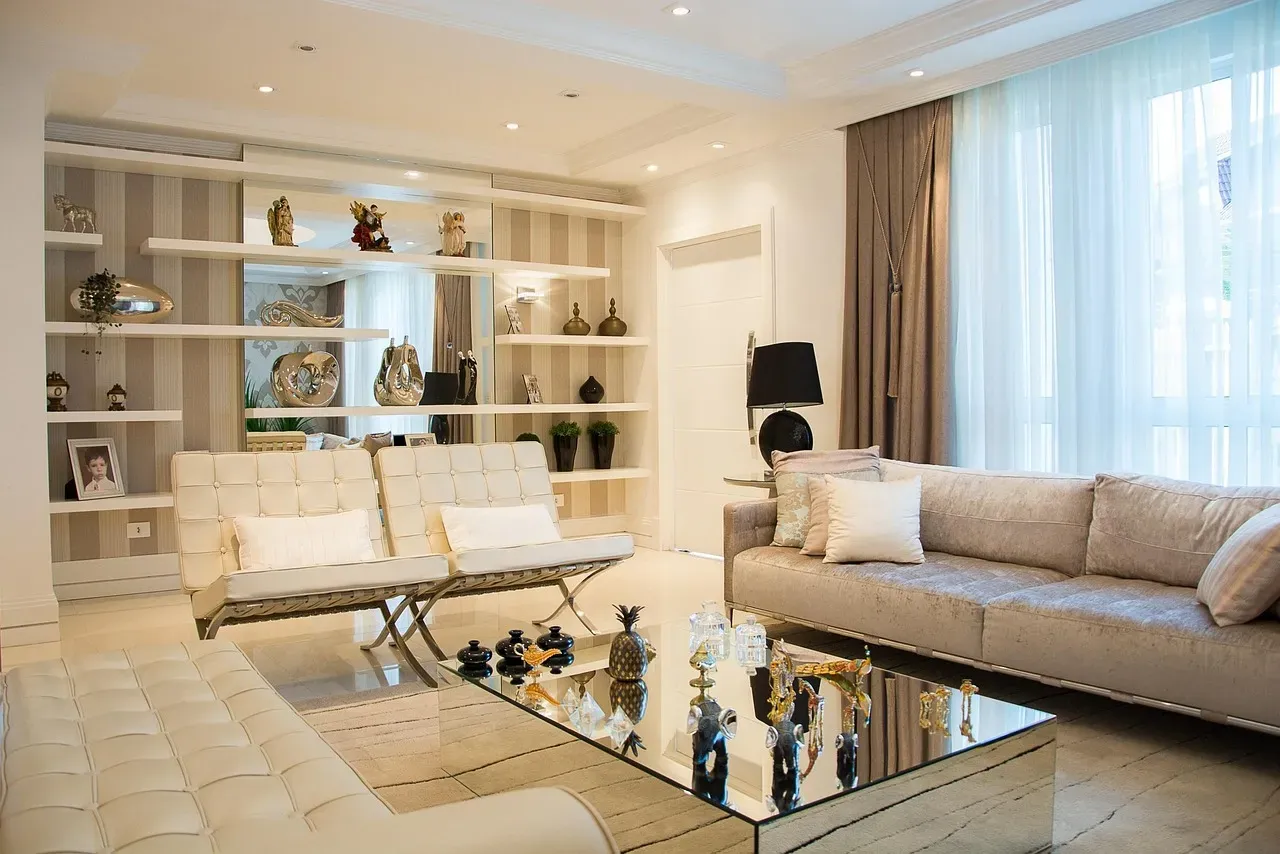
A relaxation spot isn’t just about how it looks. What it sounds and feels like under your hands matters just as much. The lights are soft, not harsh or bright, the chairs and couches feel comfortable and inviting, and the room is quiet, with little to no background noise. Those small sensory details add up to something that’s hard to fake with decor alone.
Interior designers are leaning into this same principle for 2026 interiors. Sound absorbing materials, acoustic panels disguised as art, textured wall treatments, heavy natural fiber rugs, help create spaces that feel calm rather than chaotic. A quieter room, in the literal acoustic sense, tends to produce a quieter mind.
Color choices set the emotional tone before you even sit down
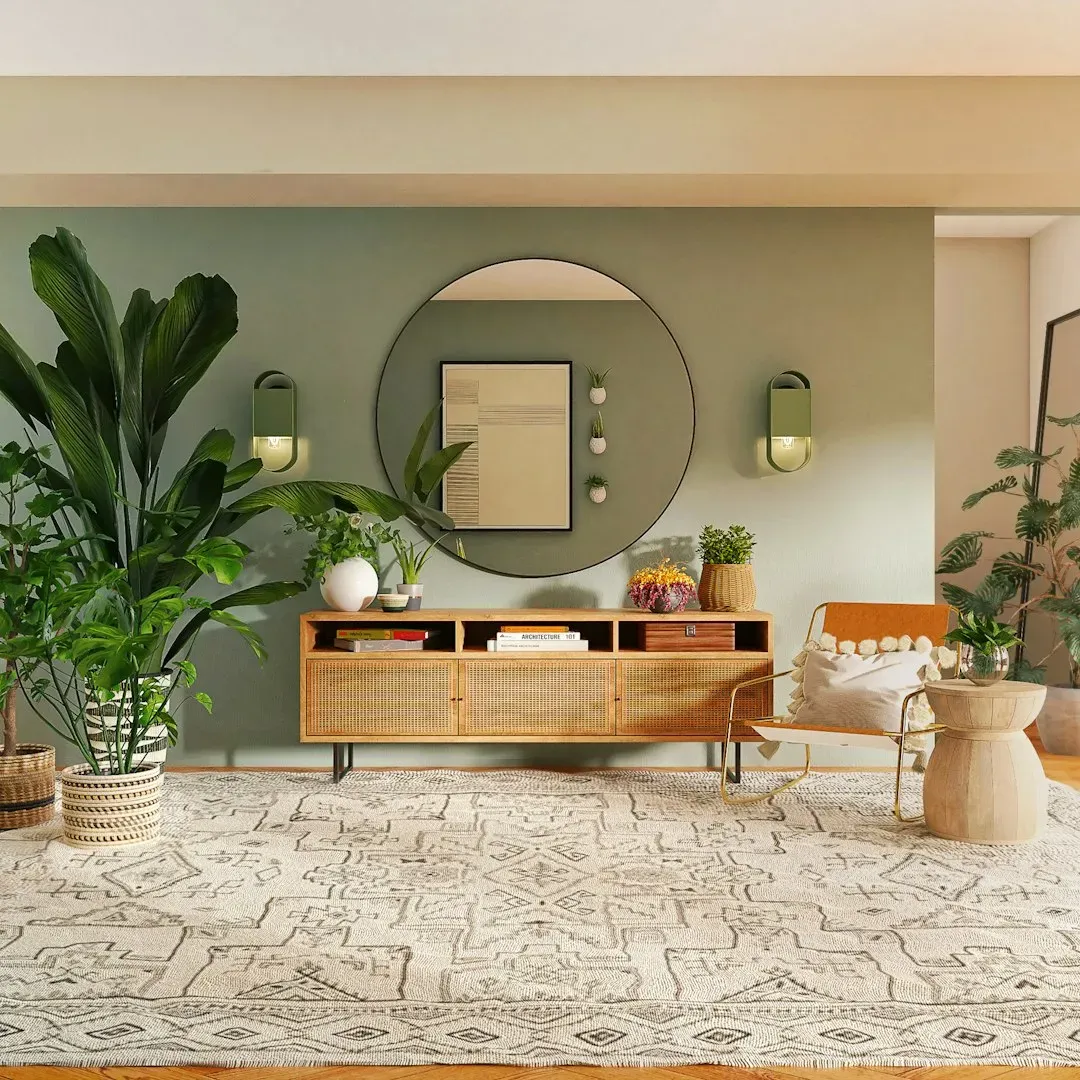
Paint color isn’t just decoration in a space meant for winding down, it’s part of how the room communicates with the nervous system. Designers report strong demand for sage, olive, forest and deep green tones, especially in cabinetry, tile, upholstery and stone, with green now anchoring entire rooms and shaping their mood. These are the same tones showing up again and again in spaces built specifically for rest.
Real estate trend watchers are seeing the same pattern from a different angle. Soft neutrals inspired by stone, sand and nature are popular, alongside warm, grounding tones like clay, spice hues, taupe and sun washed browns, with these interiors emphasizing comfort and restful living. None of this is accidental. Color is doing quiet, deliberate work in these rooms.
Small rituals make the space feel like yours
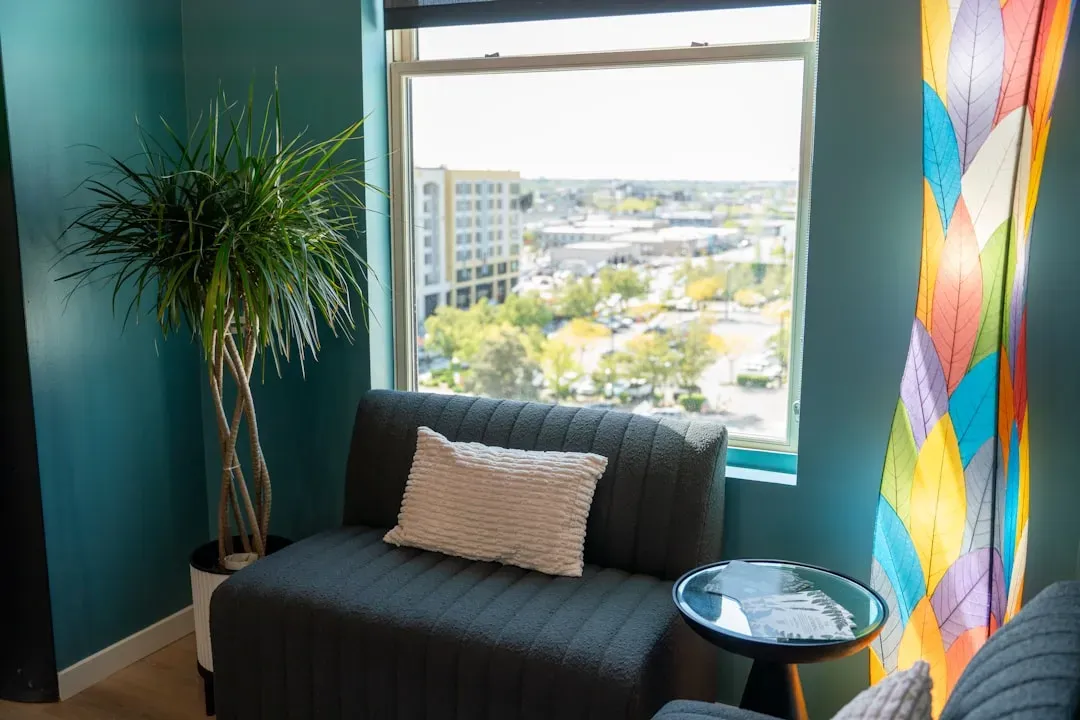
A relaxation corner works better once it’s tied to a habit, not just a location. Creating a dedicated self care corner encourages consistency in your routine, whether it’s for meditation or stretching, and the more you use it, the more it becomes a key part of your wellness practice. The chair matters less than the fact that you sit in it at roughly the same time each day.
There’s also a growing appetite for slower, more deliberate routines tied to these spaces. Indulging in rituals that take time is another key home wellness trend in 2026, think moka pots and espresso machines instead of instant coffee, and slow mornings that don’t rush you out the door. A relaxation spot becomes more meaningful once it’s attached to something you actually look forward to doing there.