
A reading nook by natural light
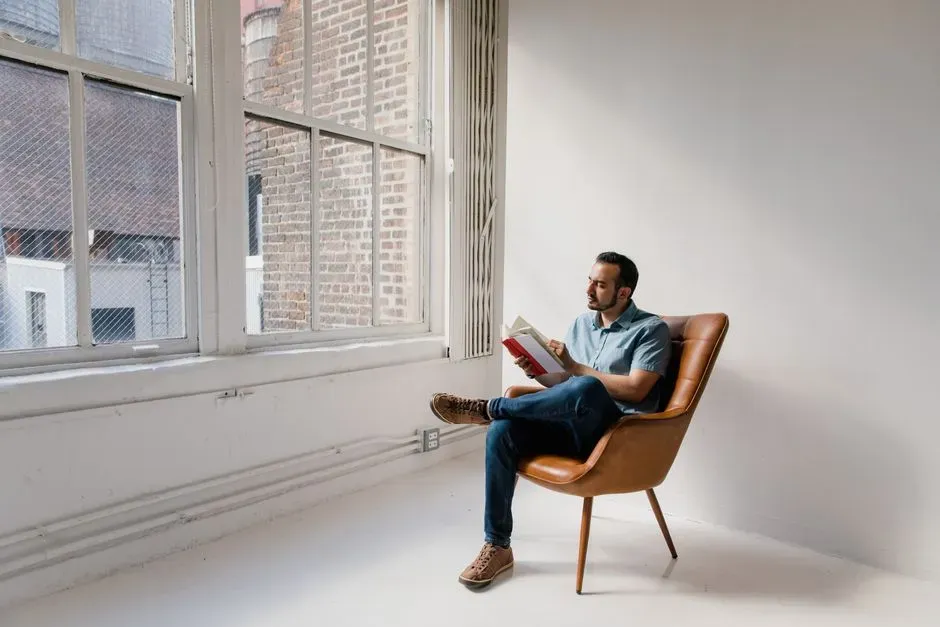
A reading corner works best when it’s tucked near a window rather than pushed into the darkest part of a room. Natural daylight reduces eye strain compared to most artificial lighting, which is part of why window seats have stayed popular in home design for generations. A single comfortable chair, a small side table, and a throw blanket are usually enough to make the space feel finished.
Bookshelves don’t need to surround the chair completely to make the corner read as a library. Even a slim ladder shelf or a stack of favorite titles on the floor signals the purpose of the space. The goal is a spot where sitting down for twenty minutes feels effortless, not staged.
A dedicated coffee or tea station
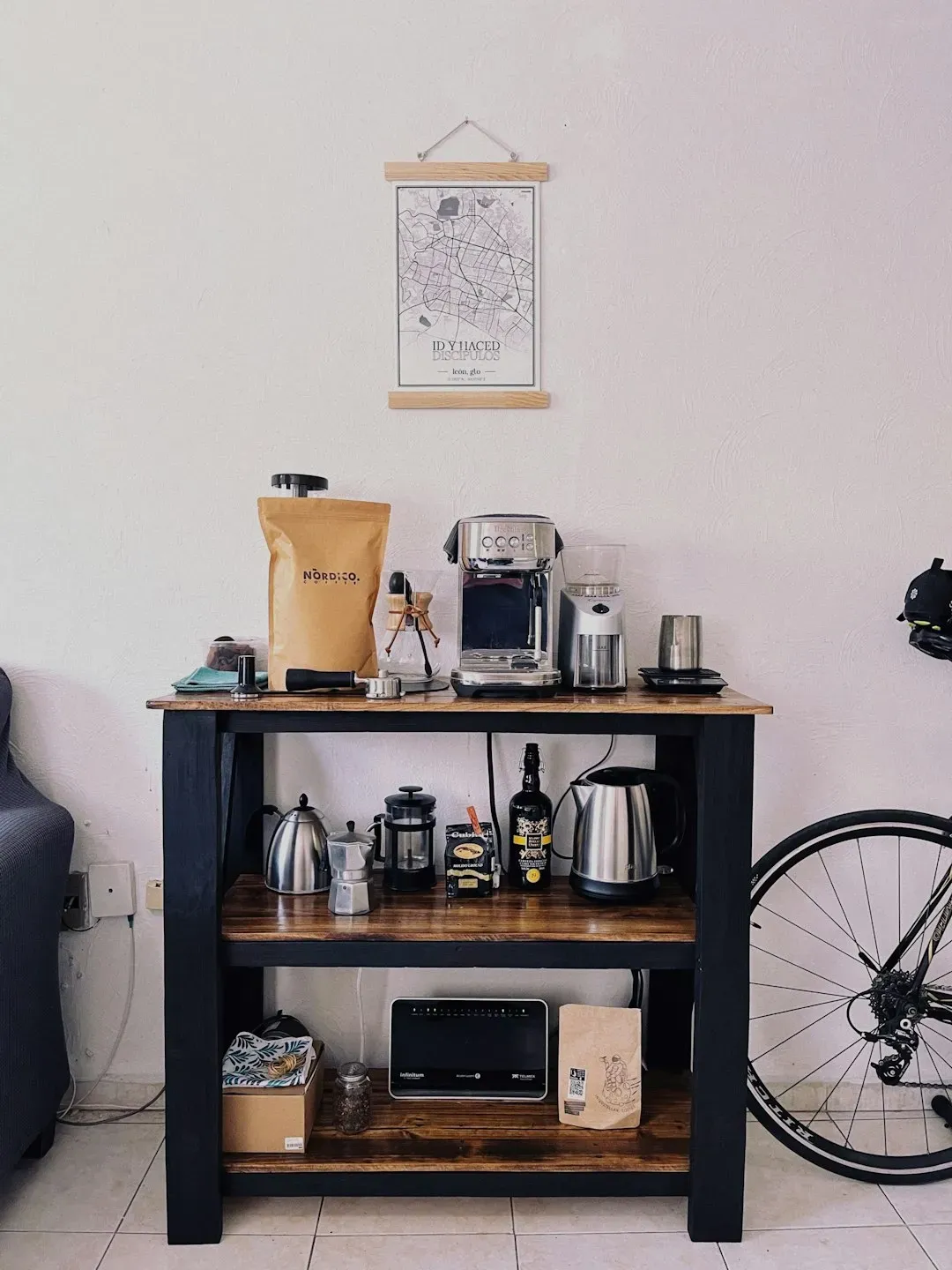
Kitchen corners are frequently wasted space, especially in older homes where cabinetry doesn’t reach into the angle properly. Setting up a small coffee station there, with a machine, a few mugs, and jars of grounds or tea bags, keeps morning routines contained to one area instead of spreading across the whole counter. This kind of zoning is a common recommendation among interior designers because it reduces visual clutter in the busiest part of the kitchen.
A tray underneath the equipment makes cleanup faster and protects the counter from spills. Open shelving above the station, rather than closed cabinets, keeps the area feeling accessible for guests. It’s a small investment of space that gets used daily, which is more than can be said for a lot of decorative corners.
A plant corner for better air and mood
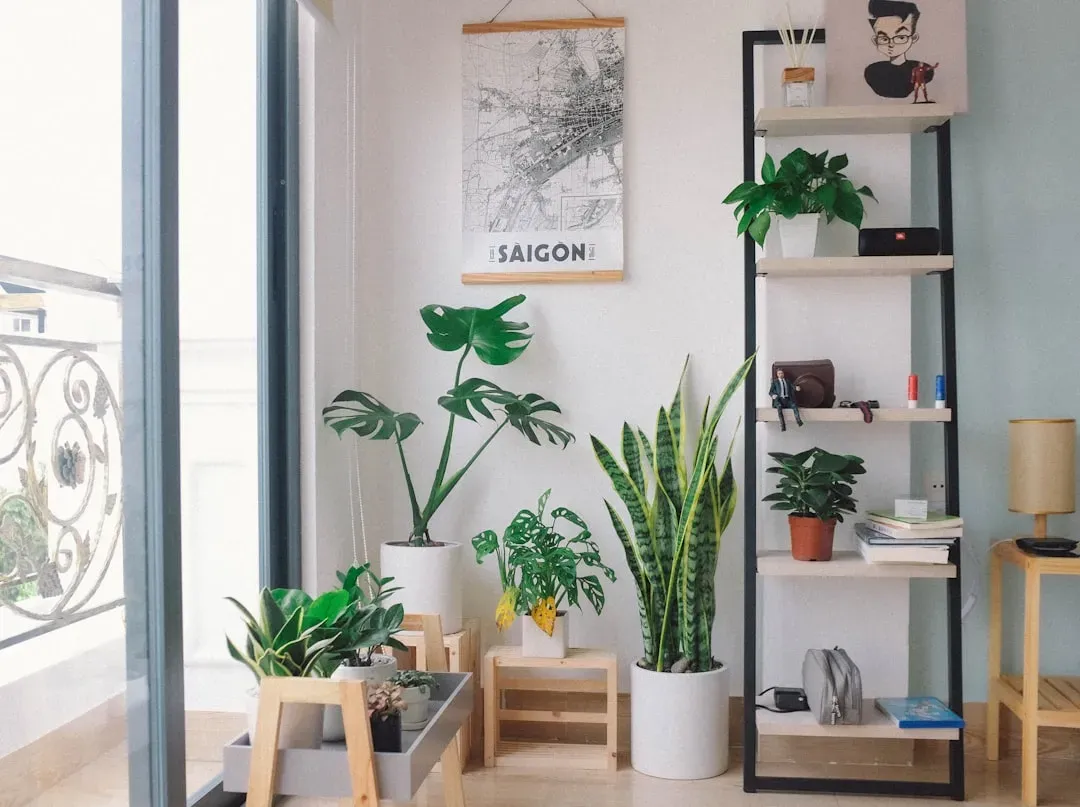
Grouping houseplants in one corner rather than scattering them through a room creates a more intentional look and makes watering schedules easier to remember. Research from NASA’s Clean Air Study, though conducted decades ago, still gets cited frequently because it found that certain common houseplants can help filter indoor air pollutants. Pothos, snake plants, and peace lilies are frequently recommended for low light corners because they tolerate less direct sun than most flowering species.
A corner with a window nearby helps most plants thrive, but even north facing corners can support hardy varieties like ZZ plants. Layering pot heights, using a stool for a taller plant and the floor for a shorter one, gives the grouping more visual depth. It’s one of the cheaper ways to make a room feel more alive without buying new furniture.
A home office pocket
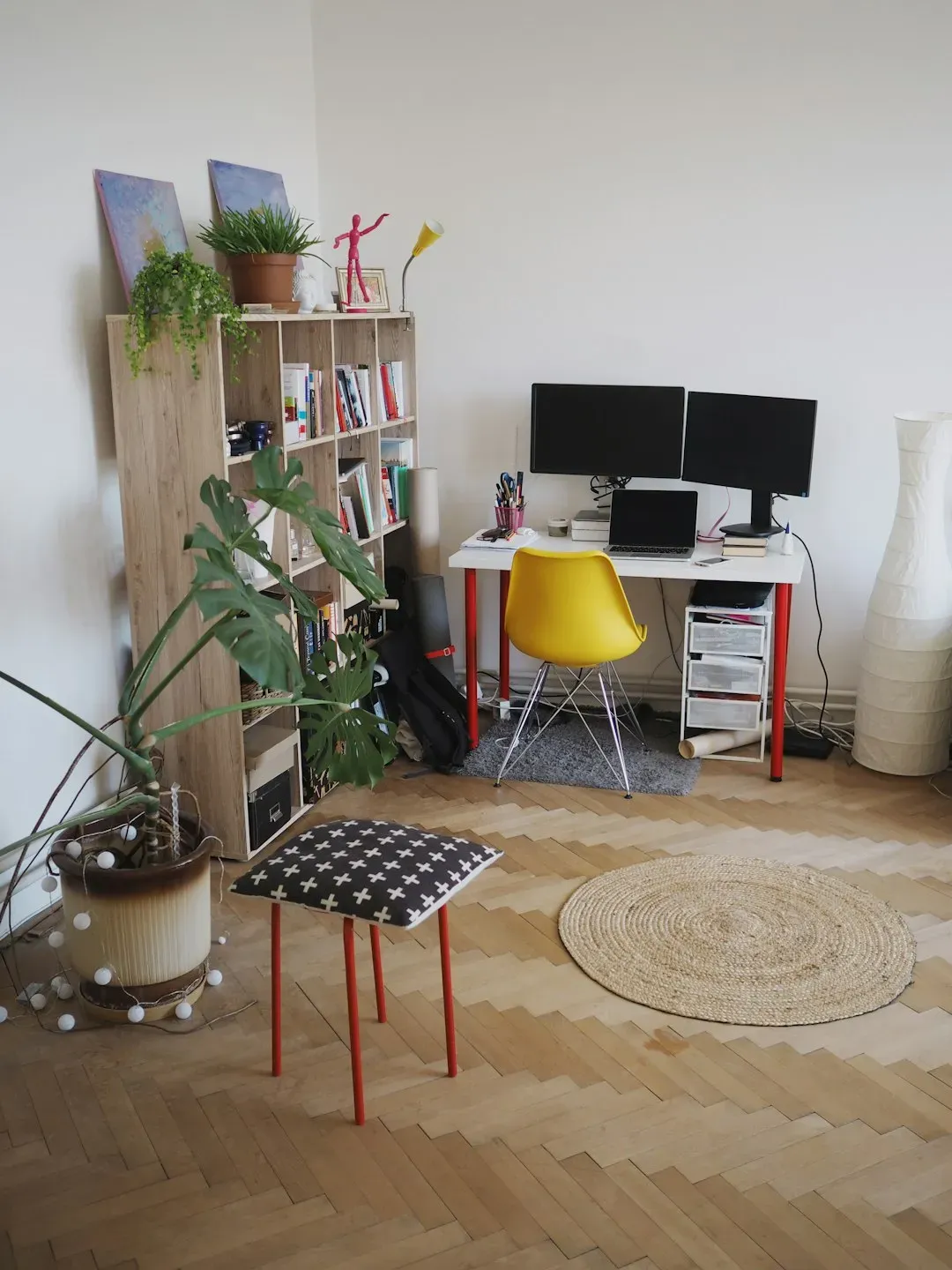
Remote and hybrid work has stayed common enough since 2024 that many households still need a functional workspace without giving up an entire room to it. A desk angled into a corner, paired with a chair that actually supports good posture, can handle a full workday if the lighting is right. Task lighting matters here more than overhead lighting, since screen glare and shadows are common complaints in makeshift office corners.
Cord management is often the detail that separates a tidy corner setup from a chaotic one. A simple cable tray or clips along the back of the desk keeps power strips and chargers out of sight. Because this corner tends to double as storage for work materials, a closed cabinet or drawer unit nearby helps keep the rest of the room free of paperwork.
A cozy window seat
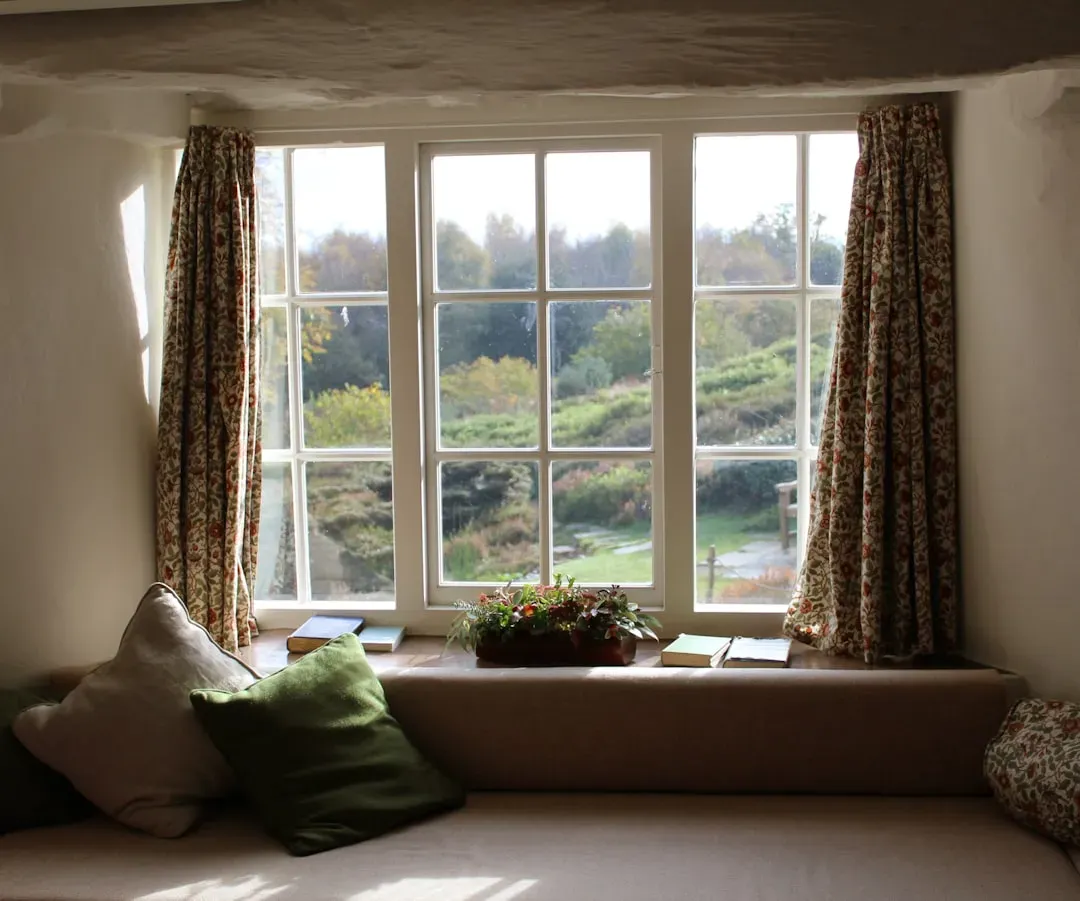
Window seats have been a fixture in home design for centuries, partly because they make use of space that would otherwise sit empty beneath a window. Built in versions with storage underneath are especially practical in smaller homes, since the seat doubles as a place to stash linens or seasonal items. Even without built in carpentry, a bench with cushions pushed against a window wall achieves a similar effect.
The best window seats tend to have a mix of textures, a firm cushion base with softer throw pillows layered on top. Curtains or blinds that can filter harsh afternoon sun make the spot usable throughout the day rather than just in the morning. It’s a corner that rewards a bit of extra cushioning, since people tend to linger there longer than they expect.
A gallery wall corner
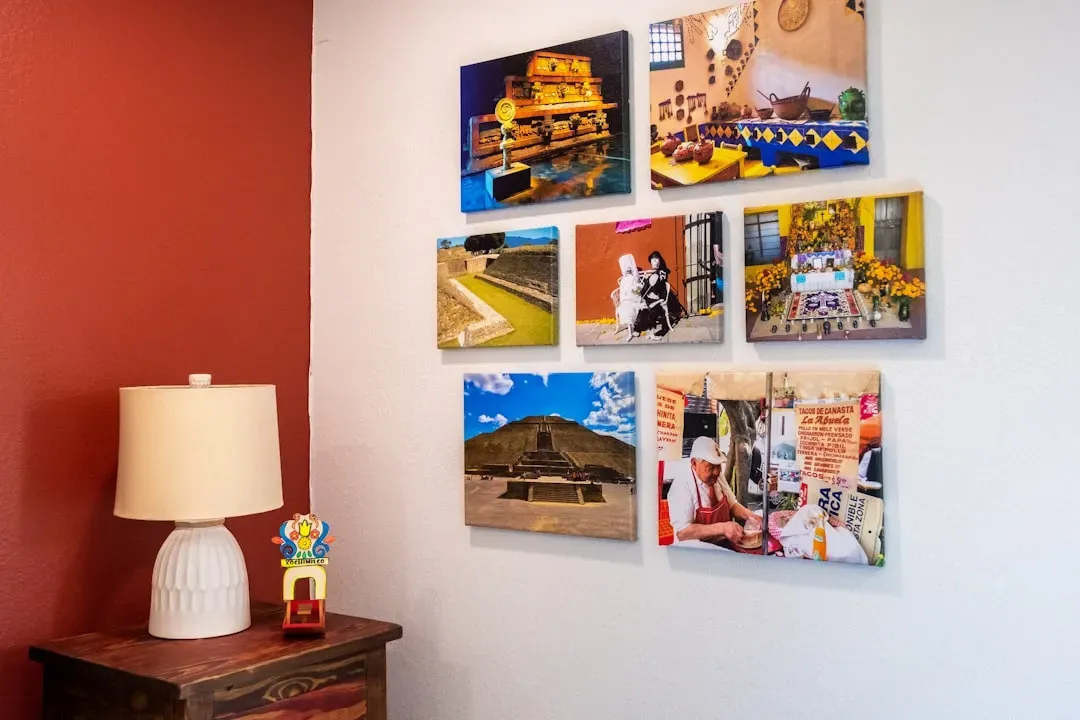
Corners are often skipped when people plan gallery walls, but wrapping frames around an inside corner can actually make a small collection look larger. This works particularly well in hallways or stairwells where wall space is narrow but continuous. Mixing frame sizes and finishes, rather than matching everything, tends to look more natural and less like a showroom display.
Lighting the corner slightly, even with a simple picture light or a nearby floor lamp, helps the artwork read clearly instead of disappearing into shadow. Spacing frames a consistent two to three inches apart keeps the arrangement looking intentional even as pieces get added over time. This is one of the few corner projects that can grow gradually, since new photos or prints can be added without redoing the whole layout.
A pet corner that stays out of the way

Pet ownership has remained high across the United States through 2025 and into 2026, and most pet owners eventually run into the same problem: bowls, beds, and toys end up scattered through main living areas. Dedicating a single corner, often near a kitchen or entryway, keeps pet supplies contained without making the whole room feel like a kennel. A washable rug underneath food and water bowls protects flooring from spills far better than bare tile or hardwood.
For cats, a corner near a window with a perch or cat tree taps into their natural interest in watching outside activity. Storage baskets for toys can sit right beside the feeding area, which keeps the whole zone tidy with minimal daily effort. It’s a small design choice that pets seem to appreciate as much as the humans do.
An entryway drop zone
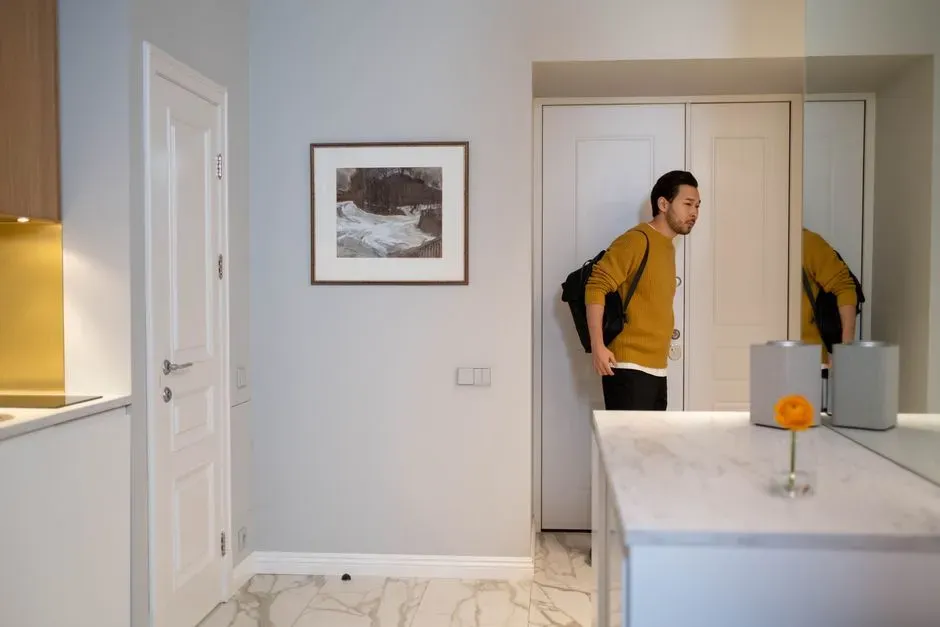
The corner nearest the front door often becomes an accidental catch all for shoes, mail, and bags, whether anyone planned it that way or not. Formalizing that tendency with a hook rack, a small bench, and a tray for keys turns chaos into something functional. Professional organizers frequently point to entryway corners as one of the highest impact areas to fix, since they’re the first and last space seen every day.
A mirror placed in this corner adds practical value beyond decoration, since it lets people do a quick check before heading out the door. Baskets or bins underneath a bench keep shoes from piling up on the floor. Even a narrow corner, just wide enough for a slim console table, can absorb most of the daily entryway clutter.
A meditation or quiet corner

Interest in home meditation spaces grew steadily through the early 2020s and has held steady into 2026, partly tied to broader interest in mental wellness routines. A quiet corner doesn’t need much, a cushion, a small rug, and minimal visual clutter are usually enough to signal that the space is meant for stillness rather than activity. Soft, warm lighting works better here than bright overhead fixtures, which can feel clinical rather than calming.
Some people add a small table for a candle or a plant, though the space works just as well completely empty. The key is location, ideally somewhere slightly removed from foot traffic, like a bedroom corner rather than a spot beside the living room television. Even five or ten minutes spent there daily can make the corner feel worth the space it takes up.
A hobby and craft corner
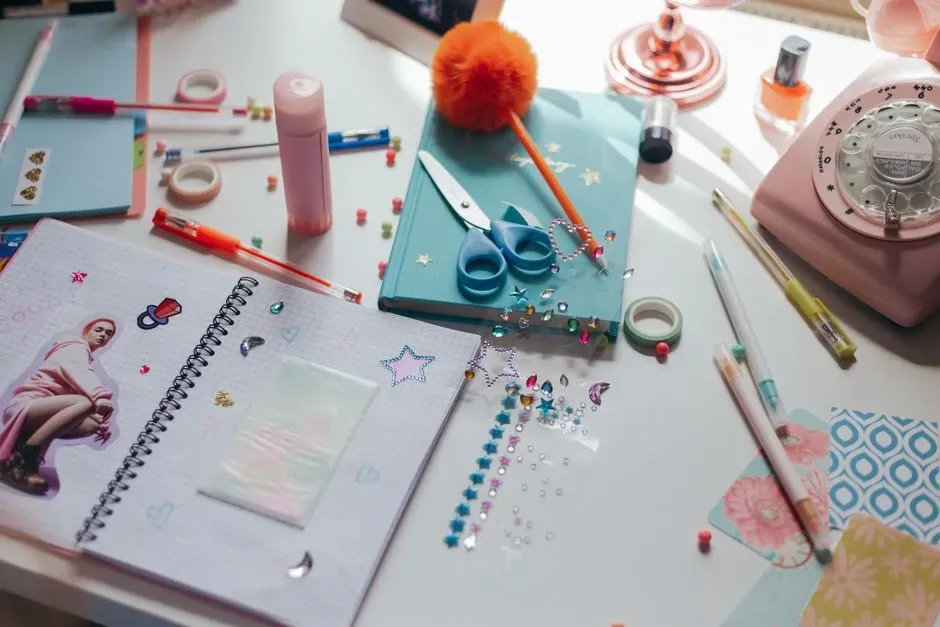
Hobbies like sewing, painting, or puzzle building tend to generate more mess than people expect, which makes a dedicated corner useful even in small apartments. A rolling cart with drawers keeps supplies organized and, importantly, mobile if the corner needs to be cleared for guests. Good lighting is non negotiable here, since most craft work depends on accurate color and detail that overhead lighting alone often can’t provide.
A corkboard or pegboard mounted on the wall above the workspace adds storage without eating into floor space, which matters most in tighter rooms. Folding tables can work in corners too small for a permanent desk, since they collapse flat when not in use. This is one of the more personal corners on the list, since what counts as “organized” varies a lot depending on the hobby involved.