
The library wrapped in books

Floor-to-ceiling shelving used to mean a formal, slightly stiff study. That’s changed. One of the most talked-about living room trends of 2026, the library wrap trend or “book drenching,” sees shelves packed with well-loved titles becoming an integral part of a room’s aesthetic. The point isn’t a curated, color-coordinated backdrop for photos, either.
Designer Bethany Adams put it plainly, saying the real trend is “having a library that has obviously been well read with a mix of titles, covers, and values,” where children’s picture books, novels, great works of literature and poetry are all welcome, inviting anyone in to pull up a chair and grab a good read. It’s a room built for browsing, not just displaying, and that’s exactly why people camp out in the armchair longer than they meant to.
The spa-grade bathroom retreat
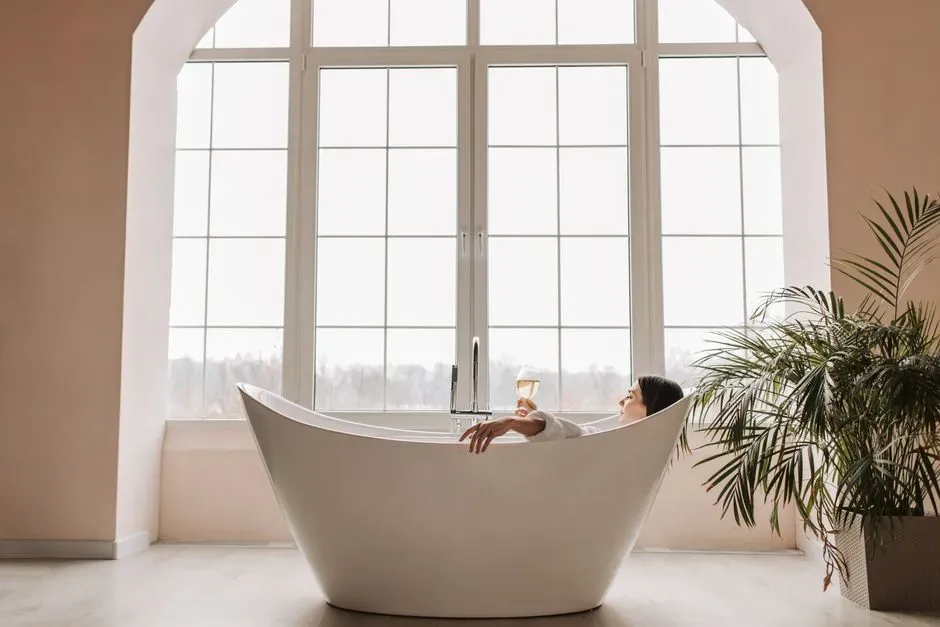
Bathrooms stopped being purely functional a while ago, but the 2025 to 2026 shift has been toward genuine spa territory. Buyers are now willing to pay noticeably more for an upgraded bathroom suite, and features like freestanding tubs, walk-in showers, and floating vanities have become common asks rather than luxury extras. Heated floors, rainfall showerheads, and built-in benches have followed the same path from indulgence to expectation.
Part of the appeal is sensory. Zellige tile, curbless showers, and warm, textured surfaces are showing up specifically because they create visual flow, texture and subtle grip in a warm, contemporary space. A bathroom that feels like this stops being a room you rush through and becomes one you actually schedule time for.
The indoor-outdoor living room
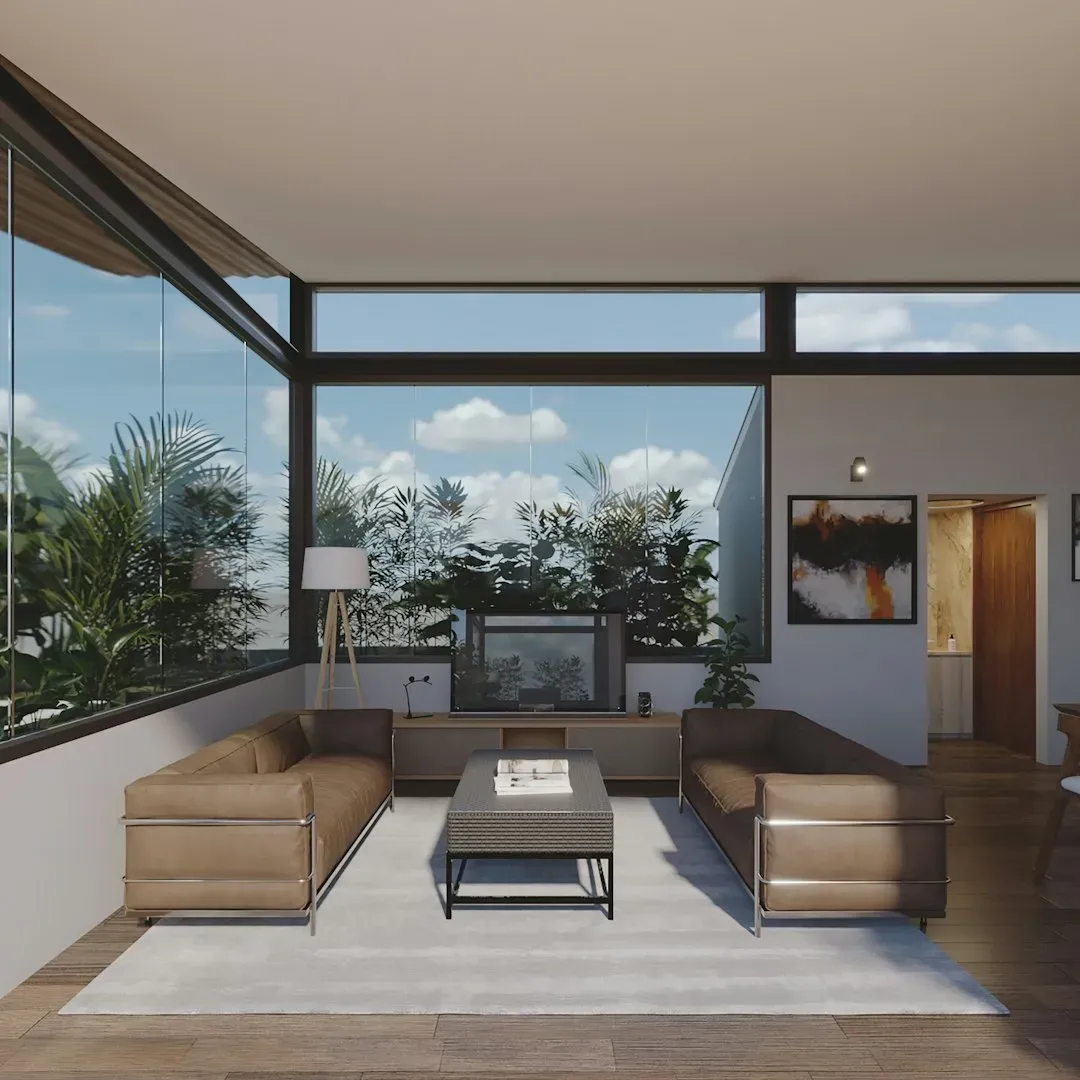
The line between inside and outside has been dissolving fast, and the numbers back it up. According to Realtor.com’s 2025 tracking of listing language, biophilic and indoor-outdoor design was the second-fastest-growing feature in 2025, up 163% year-over-year, showcasing expansive glass doors, interior courtyards, and living walls. These are homes where the boundary between a living room and a garden feels more like a suggestion than a wall.
This isn’t a budget move, either. The median list price for homes with these features was $859,000, underscoring their appeal to higher end and luxury buyers. The pull is straightforward: natural light and greenery make a room feel alive in a way that a closed box with good furniture simply can’t match.
The flexible bonus room
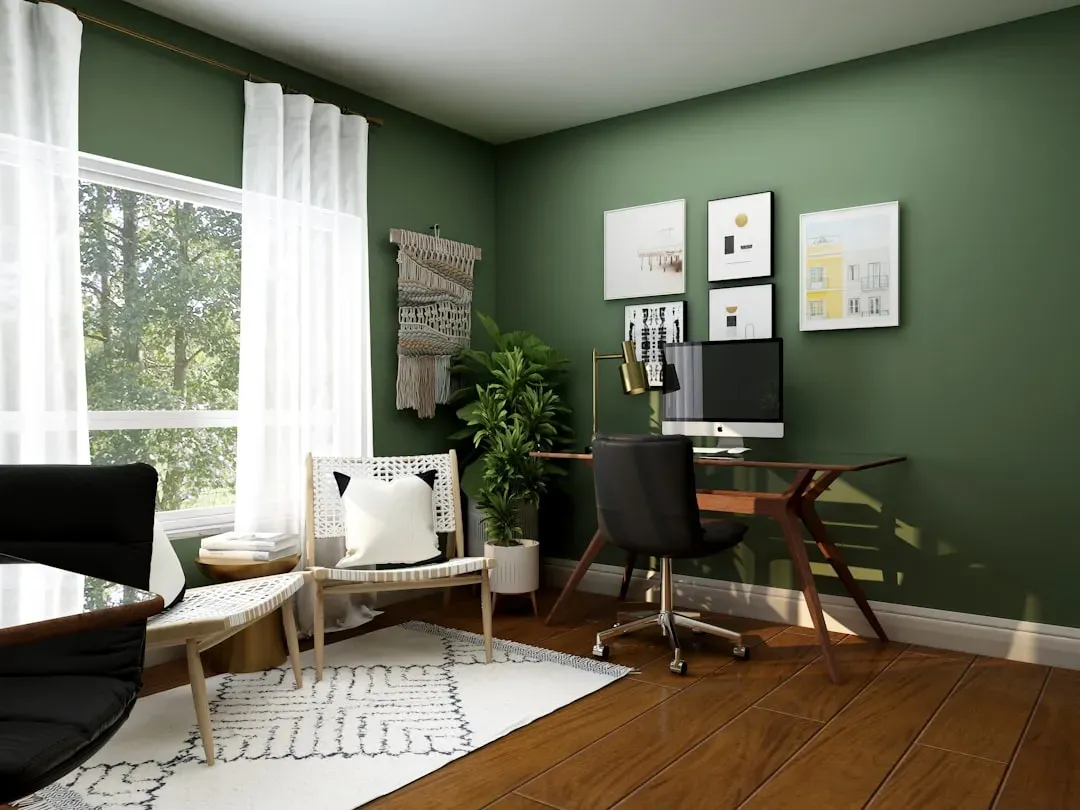
Not every irresistible room announces itself with a fireplace or a view. Some just quietly adapt to whatever life throws at them. A dedicated home office is useful, but buyers are now seeking spaces that can serve multiple purposes, one that works as a gym in the morning, an office during the day, and a guest space at night.
The trick is in the details. Built-in storage plays a big role in making this flexibility possible, with wall-mounted desks, concealed storage, and modular furniture keeping rooms uncluttered while allowing them to change function easily. A room that reshapes itself to fit the day tends to earn more affection than one that only does a single job well.
The quiet conversation corner
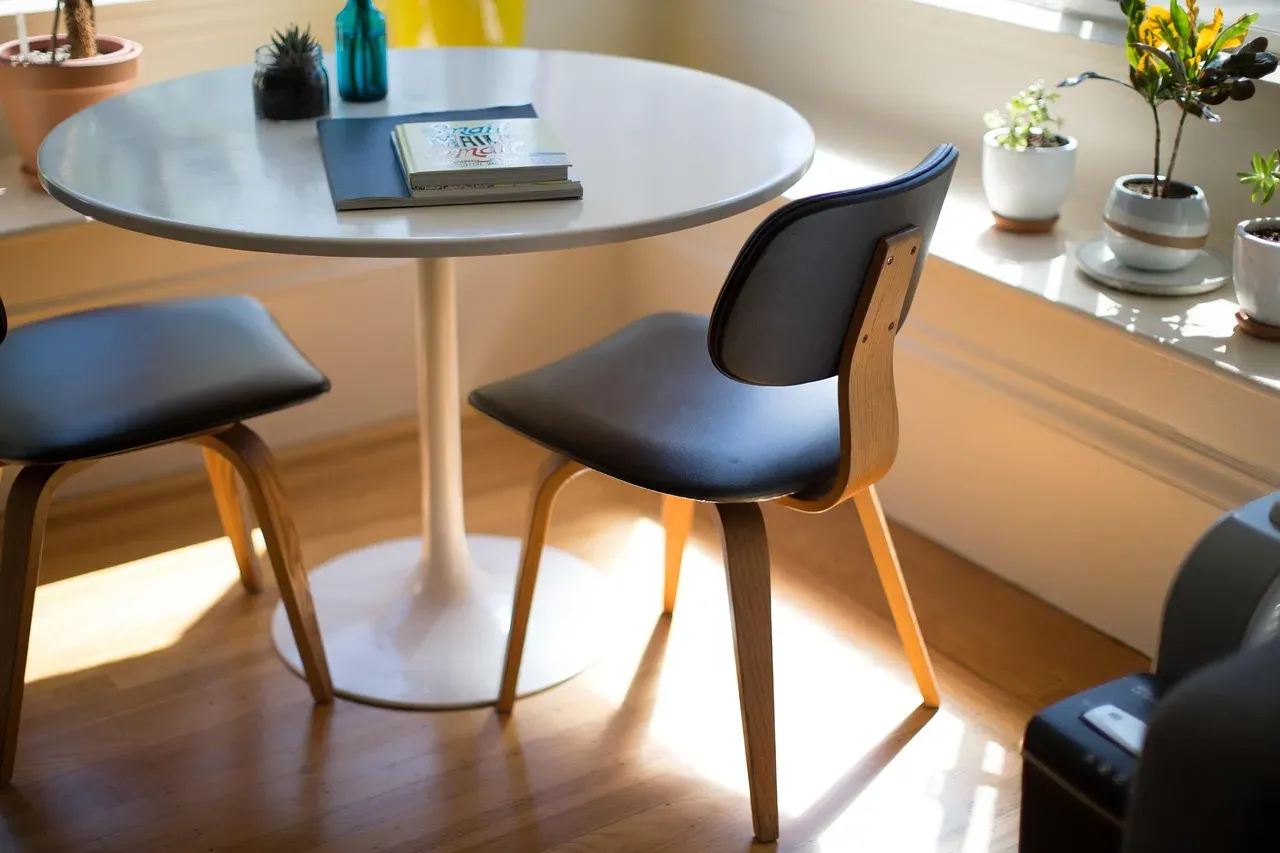
Open-plan living had a long run, but the mood has shifted toward rooms with edges again. Open plan is going out of style, and while closed concept homes were all the rage in the ’90s, the cyclical nature of trends has deemed them dated, with designers and homeowners craving cozier spaces. Instead of one giant multipurpose zone, homes are getting smaller, more intentional pockets.
Designer Franky Rousell described the shift as spaces built for “different moods, movement, and interaction, with corners for conversation, retreat, or work that feel inviting and versatile.” The result, as she puts it, is that homes feel composed yet lived in, welcoming you to touch, sit, and spend time in them rather than just admire them.
The kitchen built for staying, not just cooking
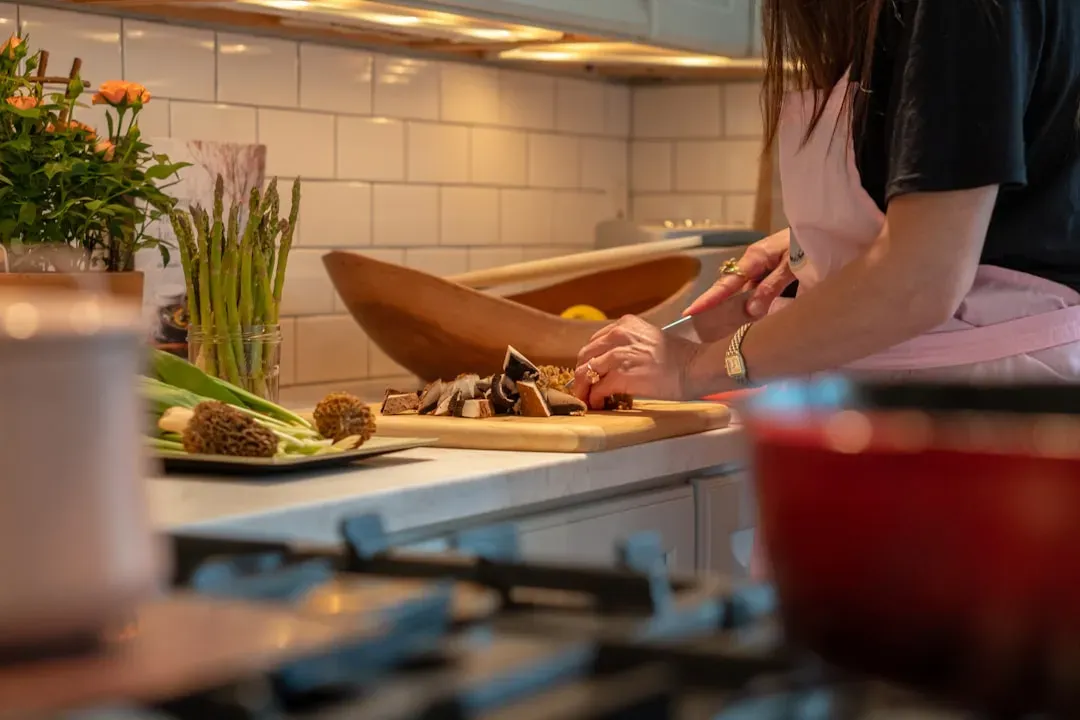
The eat-in kitchen has quietly become one of the most financially significant rooms in a home. Home buyers will pay up to 40% more for an eat-in kitchen with an open floor plan, and kitchens with large center islands are increasingly popular because they eliminate the need for a formal dining room. The island, in particular, has turned into the room’s real social hub.
There’s also a stylistic pivot worth noting for 2026. Traditional, warmer kitchen styles are gaining ground, with the share of homeowners choosing traditional style rising 5 percentage points compared with the previous year in the 2025 U.S. Houzz Kitchen Trends Study, signaling renewed appreciation for comfort, classic detailing and enduring materials. A kitchen that feels lived-in and warm, rather than showroom-sterile, is exactly the kind people linger in after the dishes are done.
The covered outdoor room
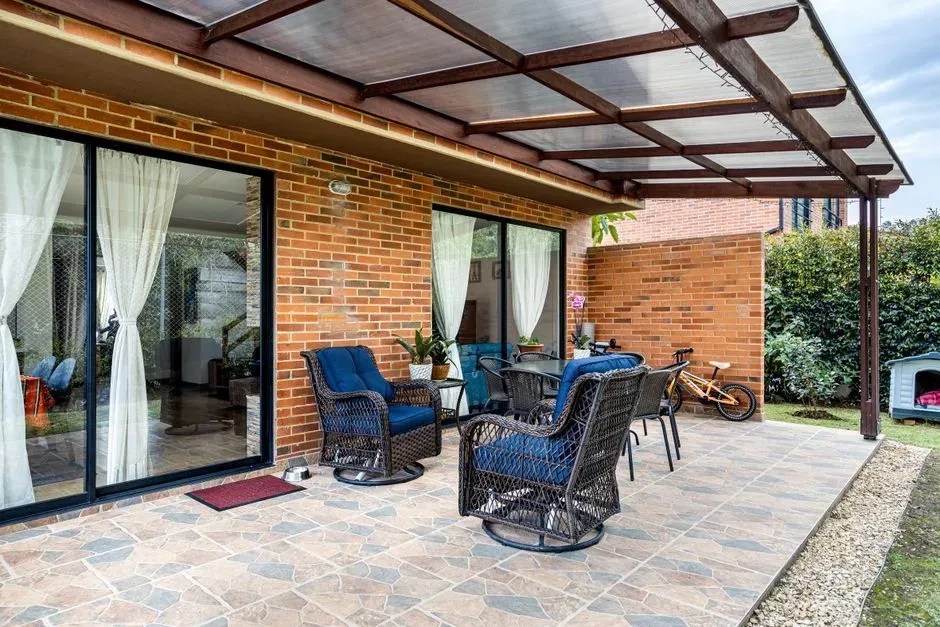
Outdoor space has stopped being an afterthought and started functioning as an actual room, complete with furniture, lighting, and sometimes a kitchen. Eighty-five percent of home buyers want an outdoor patio, and adding or upgrading one can provide a return on investment of between 100 and 500%. That’s an unusually strong number for what used to be considered a secondary feature.
The appeal goes beyond resale value, too. Many buyers now see their backyard as an extension of their indoor living space, making features like outdoor kitchens, fire pits, covered patios, and low-maintenance landscaping highly desirable. A covered patio with a fire pit tends to hold a group long after the sun goes down, which is precisely the point.
The finished basement that earns its keep
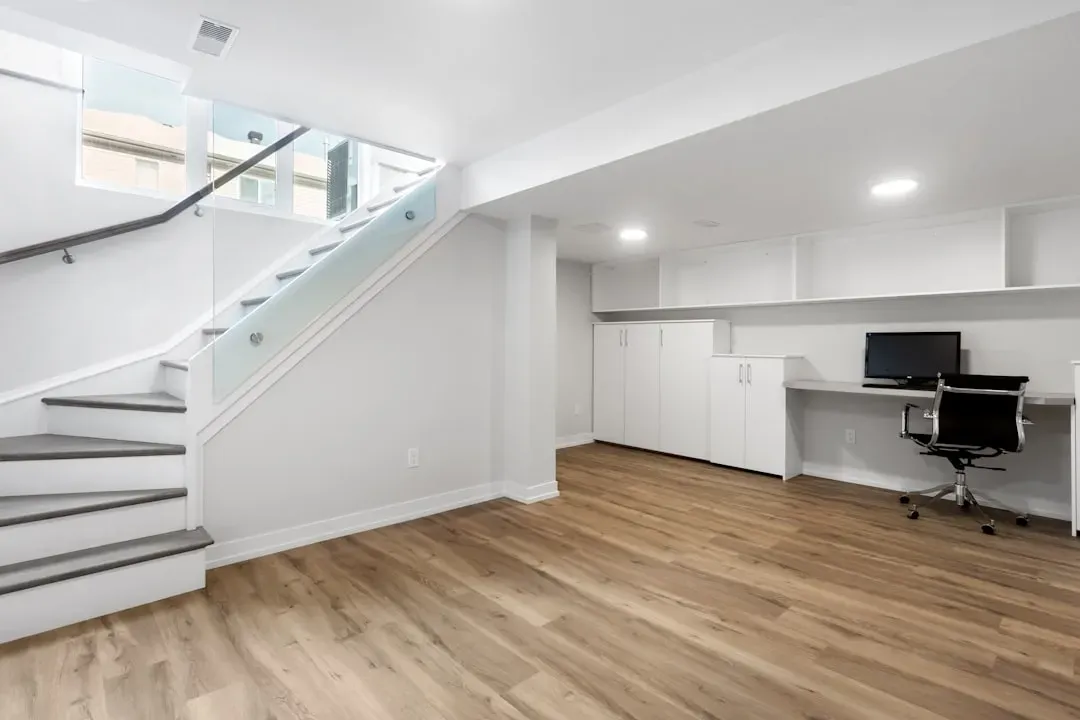
Basements have shed their reputation as glorified storage closets. A finished basement not only adds more square footage to a home, it also has move-in ready convenience and huge appeal for buyers who want extra living and socializing space. The versatility is the real selling point.
These rooms now regularly become guest bedrooms, wet bars, exercise rooms, or even small apartment suites for a family member. A finished basement with good lighting and a purpose stops feeling like an afterthought and starts feeling like the house’s second act, the room people gravitate toward once the main floor gets too busy.
The layered, personality-filled living room
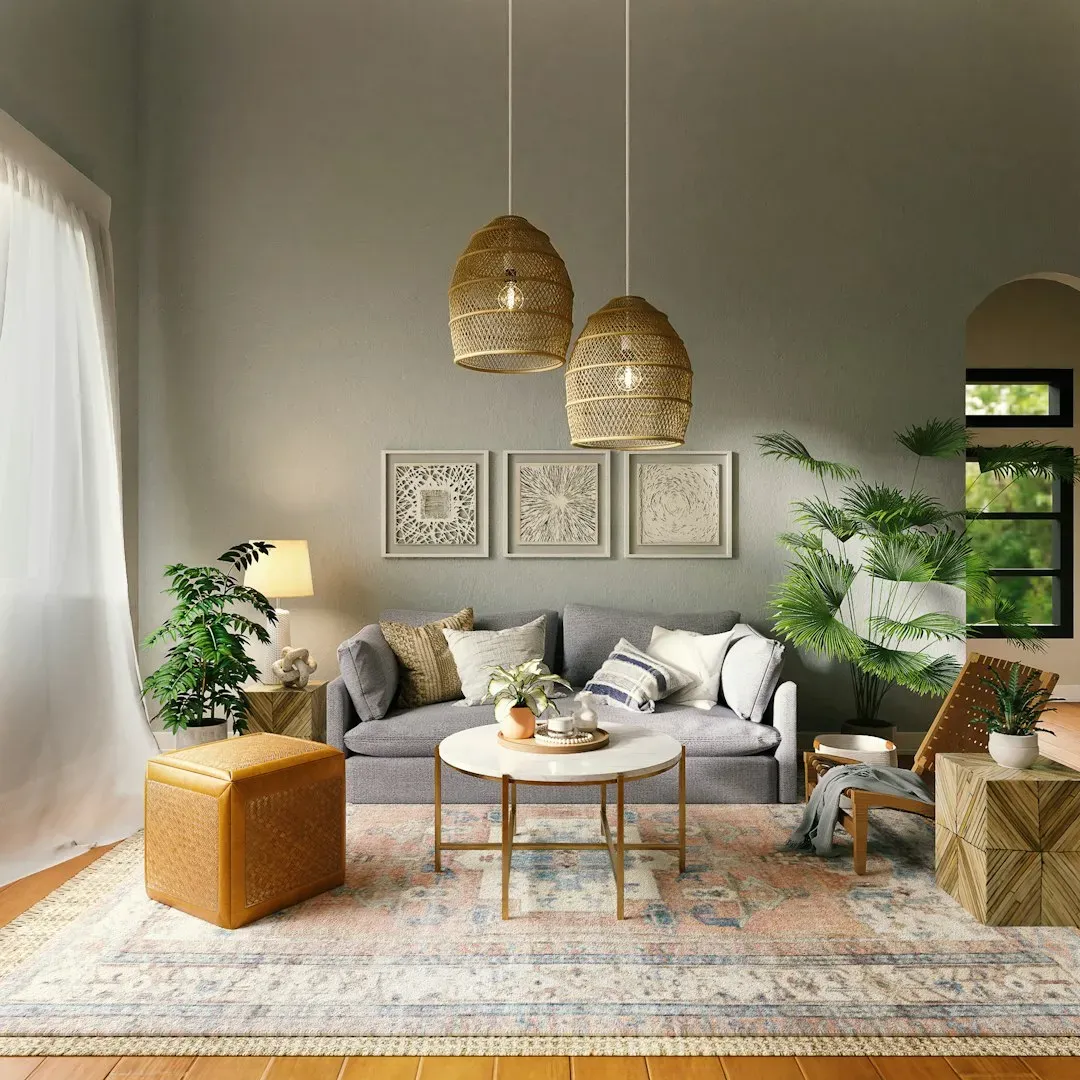
For years, matching furniture sets signaled good taste. That’s fading fast in favor of something looser and more personal. Designer Benji Lewis described the current mood as “eclectica,” a strong theme for 2026 where furnishings harmonize but don’t necessarily match, moving away from the three-piece suite toward a sofa in one style paired with armchairs in another.
This isn’t just an aesthetic choice, it’s also a more sustainable one, since it lets homeowners curate from inherited pieces, thrifted finds, or bespoke furniture, layering them for a cozy and collected look. The overall message designers keep repeating is that the living room look of 2026 is lived in, loved, and layered with personality, which is a fairly accurate description of a room nobody wants to get up from.
Final thoughts
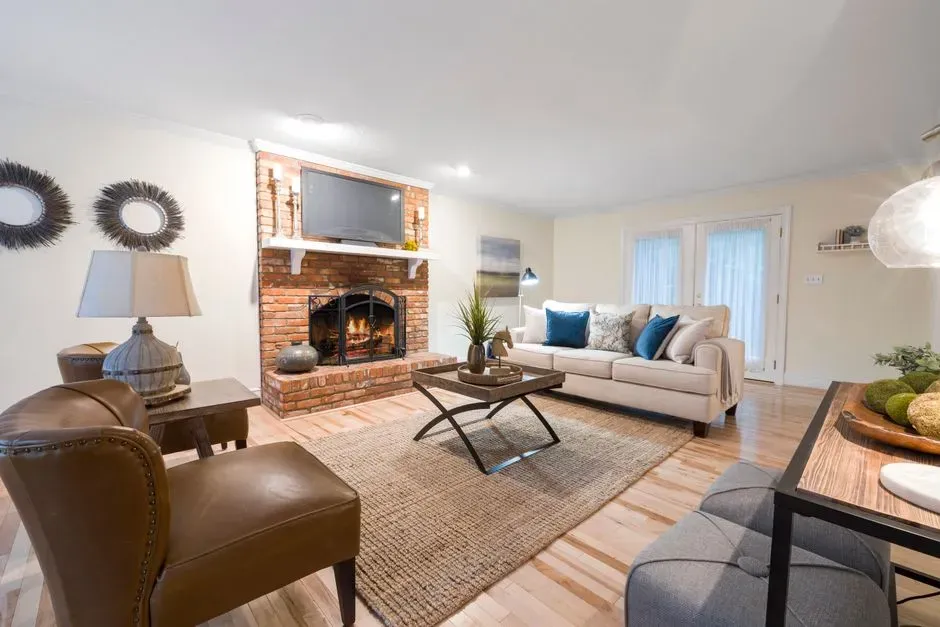
None of these rooms rely on a single showstopping feature to earn their appeal. A book-filled library nook, a spa bathroom, a flexible bonus room, they all share the same underlying idea: comfort built around how people actually move through their day, not how a room photographs.
That shift shows up clearly in the data from 2025 and 2026, where flexibility, warmth, and a sense of being genuinely lived in keep outperforming polish for its own sake. The rooms worth staying in, it turns out, are usually the ones designed with staying in mind from the start.